
The Samurai Class and the Development of Japanese Militarism

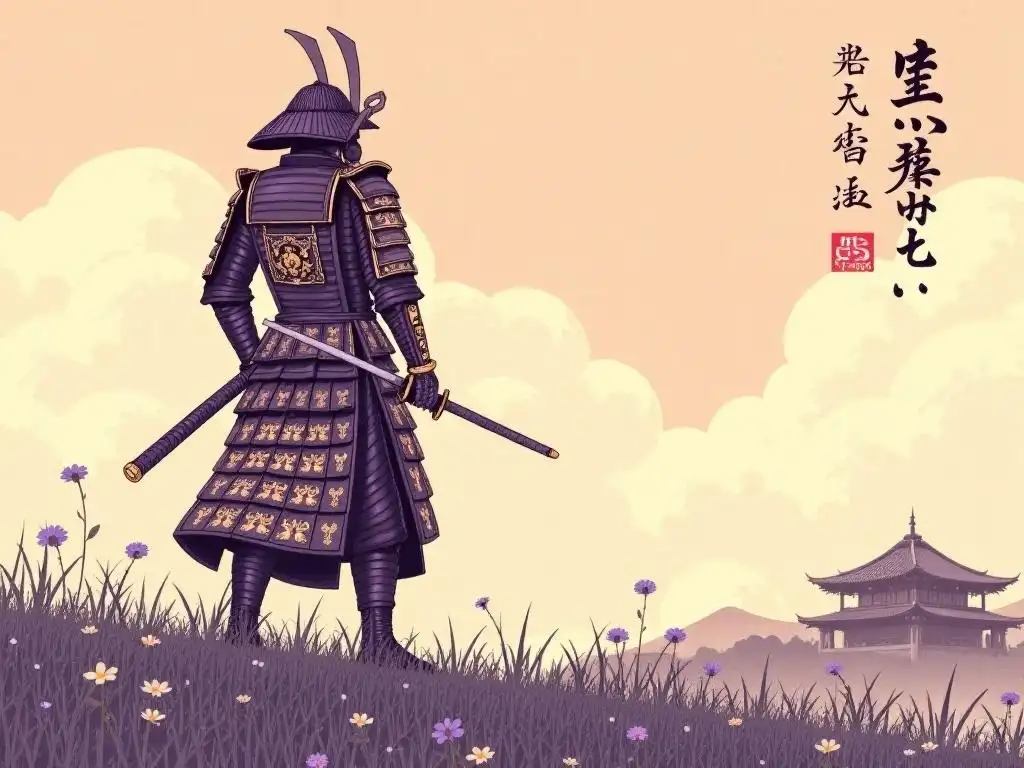
Welcome to Feudal Japan History, where we embark on a captivating journey through the rich tapestry of Japan’s feudal era. Dive deep into the intriguing world of the samurai, a class that not only shaped the battlefield but also influenced the very foundations of Japanese militarism. In our featured article, "The Samurai Class and the Development of Japanese Militarism," we unravel the complexities of their role in society and politics, sparking curiosity about how these legendary warriors left an indelible mark on Japan's historical landscape.
Are you ready to explore the echoes of their legacy? Join us as we uncover the secrets of this fascinating period!
Introduction to Samurai Influence on Japanese Militarism
The samurai class stands as one of the most iconic and influential elements of Japanese history, particularly during the feudal era. This elite warrior class not only shaped the military landscape of Japan but also had a profound impact on its political and cultural development.
Understanding the samurai influence on Japanese militarism requires a comprehensive exploration of their origins, societal roles, and the historical contexts that fostered their rise to power. As we delve into this complex narrative, we will uncover how the samurai transitioned from provincial warriors to pivotal players in the formation of a militaristic state, thereby embedding themselves within the very fabric of Japanese society.
Overview of the Samurai Class
The samurai were not merely soldiers; they were a distinct social class bound by a code of honor known as Bushido. This code emphasized virtues such as loyalty, bravery, and honor, which defined the samurai's conduct both on and off the battlefield. The samurai played critical roles in the political structure of feudal Japan, serving as vassals to powerful lords known as daimyōs. Their influence extended beyond warfare, impacting governance, culture, and even the arts.
Key characteristics of the samurai class include:
- Warrior Ethos: The samurai were trained from a young age in martial arts and strategy, ensuring their status as skilled warriors.
- Cultural Patrons: Many samurai were also patrons of the arts, contributing to the development of traditional Japanese culture, including poetry, tea ceremonies, and martial arts.
- Land Ownership: As landowners, the samurai had economic power, which further solidified their status within the hierarchical structure of feudal Japan.
Historical Context of Japanese Militarism
The rise of Japanese militarism can be traced back to the Heian period (794-1185), when the imperial court relied increasingly on provincial warriors for protection against external threats, such as the Mongol invasions. However, it was during the late Kamakura period (1185-1333) that the samurai class began to solidify its power. This era marked a crucial turning point, setting the stage for the samurai’s pivotal role in governing Japan and influencing its militaristic culture.
Several factors contributed to the emergence of Japanese militarism:
- Political Fragmentation: The breakdown of central authority led to the emergence of local warlords, which necessitated a class of professional warriors.
- Land Disputes: Ongoing conflicts over land ownership fueled the need for military prowess and the establishment of a warrior class.
- Cultural Shifts: The adoption of Buddhist and Shinto ideals influenced the samurai's worldview, intertwining spirituality with martial excellence.
The Rise of the Samurai Class
Origins of the Samurai in Feudal Japan
The origins of the samurai can be traced back to the early Heian period, when the term "samurai" began to be used to describe the mounted warriors who served the aristocracy. Initially, these warriors were recruited from lower classes to provide military service in exchange for land and protection. Over time, this nascent warrior class evolved, adapting to the changing political landscape and establishing a unique identity that combined martial skill with a strong sense of loyalty and duty.
Key Historical Events Leading to Samurai Ascendancy
Several critical events catalyzed the rise of the samurai class:
- The Genpei War (1180-1185): This conflict between the Taira and Minamoto clans culminated in the establishment of the Kamakura Shogunate, marking the beginning of samurai rule in Japan.
- The Mongol Invasions (1274 and 1281): The successful repulsion of these invasions bolstered the samurai's reputation as defenders of Japan, further entrenching their status within society.
- The Onin War (1467-1477): This civil war weakened the power of the Ashikaga Shogunate and demonstrated the samurai's evolving role in political conflict, ultimately leading to the Sengoku period (1467-1603), a time characterized by constant warfare and the rise of powerful daimyōs.
Cultural Significance of the Samurai Class
The samurai class not only influenced military strategies and political dynamics but also played a pivotal role in shaping Japanese culture. Their commitment to Bushido fostered a deep respect for honor and loyalty, ideals that permeated various aspects of Japanese life. The samurai's love for the arts, particularly in poetry and calligraphy, illustrated their multifaceted identity as both warriors and cultural figures.
The samurai class significantly influenced the development of Japanese militarism, leaving an indelible mark on the nation's history and cultural identity. Through a detailed examination of their origins, key historical events, and cultural significance, we gain a deeper understanding of how these warriors shaped the course of Japanese history.
The Role of the Samurai in Japanese Society
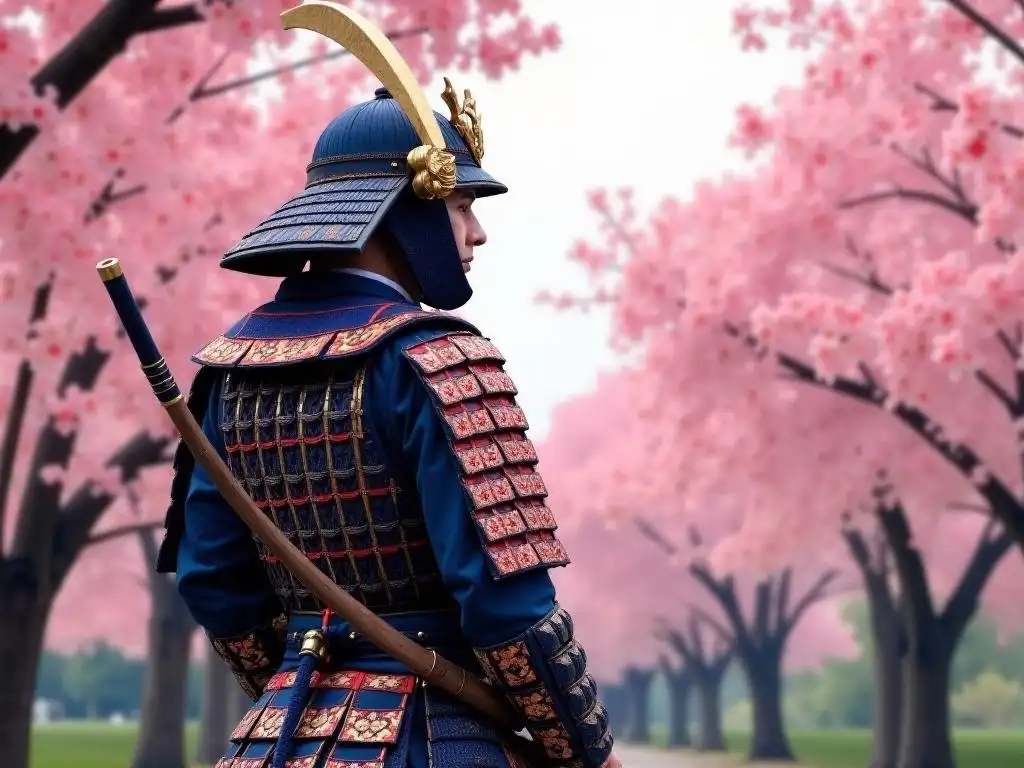
The samurai class played a pivotal role in shaping the social structure and cultural identity of feudal Japan. Originally emerging as provincial warriors during the Heian period (794-1185), samurai evolved into a distinct social class that not only served as the military backbone of Japan but also influenced its governance and cultural practices. The samurai were not merely fighters; they were also landholders, educators, and artisans who adhered to a strict code of ethics and conduct.
Samurai as Military Leaders
Samurai were primarily recognized as military leaders who commanded loyalty and respect. Serving under feudal lords known as daimyōs, they were responsible for maintaining order in their territories and leading troops into battle. Samurai leadership was characterized by their strategic acumen and valor, which established them as critical figures in the complex political landscape of feudal Japan. Their ability to rally troops and orchestrate military campaigns influenced not only local governance but also the broader unification efforts during pivotal periods like the Sengoku (Warring States) era.
Samurai and the Bushido Code
Central to the identity of the samurai was the Bushido code, a set of moral principles that dictated their conduct and philosophy. Bushido emphasized virtues such as loyalty, honor, courage, and self-discipline. This code not only guided samurai behavior in warfare but also shaped their interactions within society. Adhering to Bushido cultivated a sense of duty towards their lords and the community, reinforcing the samurai's role as both warriors and protectors of the realm. The principles of Bushido have had a lasting impact on Japanese culture, influencing everything from literature to modern martial arts.
Social Hierarchy and the Samurai's Place
Within the rigid social hierarchy of feudal Japan, the samurai occupied a privileged position. They ranked above farmers, artisans, and merchants, reflecting their military status and societal contributions. This hierarchy was formalized in the Tokugawa shogunate (1603-1868), which codified the roles and responsibilities of each class. Samurai were granted stipends and land in exchange for their military service, which reinforced their socioeconomic status. This stratification created a distinct lifestyle for the samurai, characterized by education, cultural pursuits, and a commitment to martial prowess.
Samurai Influence on Japanese Militarism
The samurai class significantly influenced the development of Japanese militarism, serving as the architects of Japan's military culture. Their unique blend of martial skill, governance, and cultural ethos established a foundation for the militaristic values that permeated Japanese society. The samurai's commitment to military excellence and strategic innovation became integral to Japan's identity, shaping its historical trajectory.
Militaristic Practices Established by the Samurai
The samurai established several militaristic practices that became cornerstones of Japanese warfare. Techniques such as mounted archery, swordsmanship, and the use of yari (spears) were refined by samurai, creating a highly skilled warrior class. Furthermore, the emphasis on training and discipline led to the creation of structured military formations and tactics that enhanced battlefield effectiveness. The samurai also introduced concepts like the importance of reconnaissance and psychological warfare, which would evolve over the centuries into more sophisticated military strategies.
The Evolution of Warfare Tactics and Strategies
As Japan transitioned through various periods of conflict, samurai tactics evolved in response to changing warfare dynamics. The introduction of firearms in the 16th century prompted a shift in combat strategies, compelling samurai to adapt their traditional techniques. The famous Battle of Nagashino in 1575 showcased the effectiveness of combined arms tactics, where samurai cavalry worked alongside infantry armed with matchlock guns. This evolution illustrated the samurai's ability to innovate and integrate new technologies, ensuring their continued relevance in Japan's militaristic landscape.
Case Studies: Notable Samurai Clans and Their Military Contributions
Several samurai clans left indelible marks on Japanese militarism through their military contributions.
- The Minamoto Clan: Known for their role in the Genpei War (1180–1185), they established the shogunate system and set the precedent for samurai governance.
- The Takeda Clan: Renowned for their cavalry tactics and the legendary Takeda Shingen, they were pivotal in several key battles during the Sengoku period.
- The Tokugawa Clan: Under Tokugawa Ieyasu, they unified Japan and established a long-lasting shogunate, influencing military organization and political stability.
These clans exemplify the samurai's multifaceted contributions to Japan's militarism, shaping the nation’s military ethos and governance for generations.
The Political Implications of Samurai Militarism
The emergence of the samurai class during the Heian period marked a significant turning point in Japanese history, where militarism became deeply intertwined with political governance. As the samurai evolved from elite warriors to influential political figures, their martial prowess began to influence the structure and dynamics of power in feudal Japan. This militaristic culture shaped the governance of the era, leading to a distinct form of rule characterized by a blend of military and political authority.
The political implications of samurai militarism are evident through the establishment of various shogunates, where military leaders wielded considerable power over the emperor and the imperial court. The samurai's role transcended mere battlefield valor; they became essential to the management of land, resources, and the feudal system. Their influence shaped the legal framework and societal norms, embedding martial values into the very fabric of governance.
Samurai Influence on Governance and Political Structures
The samurai's influence on governance began with the creation of the bushi class, which combined military and political responsibilities. As local lords (daimyōs) established their dominions, they relied on samurai to enforce their authority and maintain order. This led to the development of a feudal hierarchy where loyalty and military service were paramount. The samurai's role extended into administration as they assumed positions of power within local governments, overseeing land management and tax collection.
Over time, the samurai contributed to the codification of laws and the establishment of a warrior code known as bushidō. This code emphasized virtues such as loyalty, honor, and martial skill, reinforcing the samurai's role as both military leaders and ethical guardians of society. The intertwining of samurai values with governance helped shape Japan’s political landscape, influencing decisions made by those in power and solidifying the samurai's position as essential actors in feudal politics.
The Relationship Between Samurai and the Shogunate
The relationship between the samurai and the shogunate was foundational to the political structure of feudal Japan. The shogunate, led by the shōgun, was a military government that effectively ruled the country while the emperor remained a figurehead. Samurai served as the backbone of the shogunate, providing military support and enforcing the shōgun's decrees. This dynamic fostered a system where loyalty to the shogun was paramount, and samurai were rewarded for their service with land and titles.
However, this relationship was not without its tensions. As the power of the shogunate grew, so did the ambitions of individual samurai clans. Internal conflicts, such as the Genpei War, highlighted the struggle for power among samurai factions, ultimately affecting the stability of the shogunate itself. The samurai's dual role as enforcers of the shogunate and potential challengers of its authority created a complex political landscape, where alliances and rivalries shaped the course of Japanese history.
Impact of Samurai Militarism on Japanese Society and Culture
The militaristic ethos of the samurai class permeated every aspect of Japanese society and culture. The reverence for martial skill and the ideals embodied in bushidō influenced not only the samurai but also the common populace. This cultural shift can be seen in the arts, literature, and even religious practices, where themes of loyalty, honor, and sacrifice were celebrated.
Moreover, the samurai's status as the ruling class established a clear social hierarchy in which warriors were esteemed above farmers, artisans, and merchants. This led to a society that valued martial prowess over other forms of achievement, fostering a culture that revered warriors and their exploits. Cultural expressions such as Noh theatre, haiku poetry, and ink painting often reflected the samurai's values, embedding their influence in Japan's artistic legacy.
Decline of the Samurai Class and Militarism

The decline of the samurai class and its militaristic influence was a gradual process that unfolded over several centuries, shaped by internal and external factors. As Japan transitioned into the modern era, the traditional roles of the samurai began to diminish, leading to significant changes in the political and social landscape.
Factors Leading to the Decline of Samurai Power
Several factors contributed to the decline of samurai power, beginning with the rise of centralized governance and the weakening of feudal structures. The introduction of firearms during the Sengoku period altered the nature of warfare, making traditional samurai combat techniques less relevant. Additionally, economic changes, including the growth of commerce and urbanization, shifted the focus away from the land-based wealth that had sustained the samurai class.
Political upheavals, such as the Meiji Restoration, further accelerated the decline. The new government sought to modernize Japan and eliminate the privileges of the samurai. As the military transformed into a conscript army, the samurai lost their exclusive status as warriors, leading to widespread discontent among those who had previously held power.
The Meiji Restoration and Its Effects on Samurai Militarism
The Meiji Restoration of 1868 marked a radical shift in Japan's political and social structure, effectively ending the samurai's dominance. The new government implemented reforms that dismantled the feudal system and established a centralized state. Samurai stipends were replaced with government bonds, and the samurai class was urged to adapt to new economic realities.
As Japan embraced modernization, the samurai's martial traditions were redefined. Military service became mandatory for all citizens, leading to the creation of a national army that included individuals from various social backgrounds. While some samurai adapted to the changing times and took on roles in the new government, many faced hardship as their traditional way of life was dismantled.
Legacy of the Samurai in Modern Japan
Despite their decline, the legacy of the samurai class remains deeply embedded in modern Japanese culture. The values of bushidō continue to resonate, influencing contemporary notions of honor, discipline, and loyalty. These ideals have transcended historical boundaries, becoming part of Japan's national identity.
In modern Japan, the samurai's impact is visible in various aspects of society, from martial arts practices to popular media representations in films, literature, and anime. The romanticized image of the samurai as noble warriors has become a symbol of Japanese culture, illustrating how their influence endures despite the significant political and social changes that have occurred over the centuries. The samurai's complex legacy serves as a reminder of their vital role in shaping Japan's historical narrative and cultural identity.
Conclusion: The Lasting Impact of Samurai on Japanese Militarism
The legacy of the samurai class is deeply woven into the fabric of Japanese militarism, influencing not only historical military tactics but also the national identity of Japan. The samurai’s code of conduct, known as Bushido, emphasized virtues such as loyalty, honor, and courage, which have permeated Japanese culture even beyond the feudal era. This ethical framework shaped the mindset of military leaders and soldiers alike, fostering a sense of duty and sacrifice for the emperor and the nation.
Moreover, the samurai class played a pivotal role in the formation of military structures and strategies that would define Japan’s approach to warfare. The transition from a feudal to a more centralized military system saw the samurai adapt to modern warfare techniques, yet their core values remained influential. The samurai's contributions to martial arts and strategy are still evident in contemporary Japanese self-defense forces and military practices, showcasing the enduring impact of their traditions.
As Japan moved into the modern era, the samurai's influence persisted, particularly during periods of militarism in the late 19th and early 20th centuries. The glorification of samurai ideals during this time served to justify aggressive military campaigns, indicating that the samurai ethos had transitioned into a nationalistic fervor. Thus, the samurai not only shaped historical militarism but also laid the groundwork for how Japan views military service and national defense today.
Reflection on Samurai Influence in Contemporary Society
The samurai's influence is not confined to history; it resonates strongly in contemporary Japanese society. Modern Japan continues to honor the samurai's values through cultural practices, arts, and even in corporate ethics. The principles of loyalty and honor are reflected in the workplace, where dedication to one's company is often seen as a modern extension of the samurai spirit.
Additionally, martial arts, such as Kendo and Aikido, draw heavily from samurai traditions and are practiced widely in Japan and beyond. These disciplines emphasize not only physical skill but also mental discipline and respect for opponents, mirroring the samurai's approach to combat and life. In popular culture, samurai imagery and narratives continue to thrive in literature, film, and anime, reinforcing the samurai's role as symbols of honor and bravery.
However, the romanticized view of the samurai can also lead to misconceptions about their true historical impact, often overshadowing the more complex realities of their role in Japanese history. Thus, while the samurai are celebrated as icons of Japanese culture, it is crucial to engage with their history critically, understanding both their contributions and the consequences of their militaristic legacy.
Future Research Directions on Samurai and Militarism
The study of samurai influence on Japanese militarism remains a rich field for future research. Scholars can explore various aspects, such as the evolution of military tactics influenced by samurai strategies and the interplay between samurai ethics and political power throughout different periods of Japanese history.
Additionally, examining regional variations in samurai practices and their differing impacts on local militarism could provide deeper insights into how samurai culture shaped Japan's diverse feudal landscape. Comparative studies with other warrior classes from around the world, such as the European knight or the Mongolian warrior, may also yield interesting perspectives on the universal themes of honor, loyalty, and combat.
Furthermore, the resurgence of interest in bushido philosophy in contemporary military and corporate environments invites interdisciplinary studies that bridge history, ethics, and modern practices. This could help illuminate how ancient principles continue to influence modern societal values and military conduct, offering a comprehensive understanding of the samurai's enduring legacy.
References
Key Texts on Samurai History and Militarism
- "Hagakure: The Book of the Samurai": by Yamamoto Tsunetomo
- "The Book of Five Rings" by Miyamoto Musashi
- "Samurai, Warfare and the State in Early Medieval Japan" by Karl F. Friday
- "Bushido: The Soul of Japan": by Inazo Nitobe
- "The Samurai: A Military History": by Stephen Turnbull
Suggested Further Reading on Japanese Feudal Society
- "The Making of Modern Japan" by Joshua Fogel
- "Feudal Japan: A History": by John W. Hall
- "The Age of the Samurai" by David R. Robinson
- "Japan: A Cultural, Social, and Political History": by John T. S. R. J. O'Callaghan
- "The Samurai: A New History of the Warrior Elite": by E. W. F. H. D. H. L. W. V. H. K. B. J. B. Schoppa
- Introduction to Samurai Influence on Japanese Militarism
- Overview of the Samurai Class
- Historical Context of Japanese Militarism
- The Rise of the Samurai Class
- The Role of the Samurai in Japanese Society
- Samurai Influence on Japanese Militarism
- The Political Implications of Samurai Militarism
- Decline of the Samurai Class and Militarism
- Conclusion: The Lasting Impact of Samurai on Japanese Militarism
- References
- What role did the samurai class play in Japanese militarism?
- How did the samurai code impact military strategies in feudal Japan?
- What were the cultural contributions of the samurai to Japanese society?
- How did the decline of the samurai influence modern Japanese militarism?
- In what ways does the samurai legacy continue to affect Japan today?
Frequently Asked Questions
What role did the samurai class play in Japanese militarism?
The samurai class was instrumental in shaping Japanese militarism through their code of conduct, military skills, and loyalty to their lords, which established a warrior ethos that influenced Japanese society.
How did the samurai code impact military strategies in feudal Japan?
The samurai code, known as Bushido, emphasized values such as honor, courage, and loyalty, which directly influenced military strategies and tactics during feudal conflicts, promoting a fierce dedication to battle.
What were the cultural contributions of the samurai to Japanese society?
Beyond their military role, the samurai contributed significantly to Japanese culture, including advancements in arts, literature, and philosophy, fostering a rich cultural legacy that persists today.
How did the decline of the samurai influence modern Japanese militarism?
The decline of the samurai in the late 19th century led to a transformation in Japanese militarism, shifting from feudal loyalties to a more centralized military structure, which ultimately influenced Japan's modern military practices.
In what ways does the samurai legacy continue to affect Japan today?
The samurai legacy continues to impact Japan through its cultural identity, martial arts, and national pride, symbolizing values such as discipline and resilience that remain relevant in contemporary Japanese society.
Final Reflection: The Enduring Legacy of Samurai Influence on Japanese Militarism
The profound impact of the samurai class on the development of Japanese militarism is not just a historical footnote; it is a living testament to the intricate relationship between culture and power. Today, as we navigate a world often marred by conflict and the quest for dominance, the lessons from the samurai era resonate more than ever. The samurai's code of honor, discipline, and loyalty shaped not only the military strategies of their time but also the very fabric of Japanese society, reminding us that the values we uphold can significantly influence our paths forward.
The samurai's legacy continues to permeate modern Japan, where their principles of bushido still inspire contemporary notions of honor and duty. From the disciplined practices in martial arts to the reverence for tradition in Japanese culture, the samurai ethos remains a powerful force. As noted by historian John W. Hall, The samurai were not merely warriors; they were the embodiment of a societal ideal that shaped Japan's identity.
This enduring influence highlights how historical narratives can mold cultural values and national identity, urging us to reflect on the implications of militarism in our own societies today.
As we contemplate the lessons drawn from the samurai's influence on Japanese militarism, I invite you to consider how these historical insights can inform your own understanding of honor, loyalty, and the responsibilities that come with power. Reflect on the values you hold dear and how they shape your actions in a world that often seems divided.
Let the samurai's legacy inspire you to cultivate a sense of purpose and integrity in your life, fostering a commitment to peace and understanding in your community. The past is not merely a record of what has been; it is a guide for what we can become.
Unleash Your Understanding of Samurai Legacy!
Thank you for exploring the fascinating world of the Samurai and Japan's militaristic evolution with us! You've gained valuable insights into how these warriors shaped not just their era, but also the cultural fabric of Japan itself. Now, it's time to build on that knowledge and take action!
- Dive deeper: Read additional articles on martial arts traditions and their influence on modern Japanese culture here .
- Join the conversation: Share your thoughts or questions in the comments below and connect with fellow history enthusiasts!
- Explore beyond: Check out local museum exhibitions or virtual tours that showcase Samurai artifacts and allow you to engage with this incredible history firsthand.
What aspect of the Samurai's legacy do you find most compelling, and how do you believe it influences Japan today?