
The Burden of Debt: Financial Struggles Faced by Farmers in Feudal Japan


Welcome to Feudal Japan History, where we invite you to journey through the captivating tapestry of Japan's feudal era. Here, we delve into the intricate financial struggles faced by farmers, illuminating how debt shaped their lives and the society around them. Discover the untold stories behind the numbers and learn about the cultural and societal impacts of economic hardship during this pivotal time. Prepare to uncover the weight of financial burdens that echoed through the fields of feudal Japan—your exploration begins now!
- Introduction to Financial Struggles in Feudal Japan
- The Economic Context of Feudal Japan
- The Burden of Debt for Farmers in Feudal Japan
- Coping Mechanisms and Responses to Financial Struggles
- Case Studies: Notable Examples of Farmers' Financial Struggles
- Conclusion: The Legacy of Financial Struggles in Feudal Japan
- Further Reading and Resources on Financial Struggles in Feudal Japan
-
Frequently Asked Questions
- What were the primary causes of financial struggles for farmers in feudal Japan?
- How did the samurai class influence the economic conditions of farmers?
- Were there any social consequences of the financial struggles faced by farmers?
- How did the financial struggles affect the overall economy of feudal Japan?
- What measures were taken to alleviate the financial burdens on farmers?
- Final Reflection: The Enduring Legacy of Financial Struggles in Feudal Japan
- Uncover Solutions for Farmers: Take Action Today!
Introduction to Financial Struggles in Feudal Japan
The financial struggles faced by farmers in feudal Japan are a crucial aspect of the country's social history, reflecting the complex interplay between economic demands and societal hierarchies. During this era, which spanned from the late 12th century to the mid-19th century, the agrarian economy served as the backbone of Japanese society, yet it was riddled with challenges that left many farmers in precarious situations.
This article delves deep into the financial burdens that afflicted these agricultural workers, examining the structural and contextual factors that contributed to their struggles. By understanding these dynamics, we gain insights not only into the hardships endured by farmers but also into the broader implications for the feudal system as a whole.
Overview of the Feudal System and its Impact on Farmers
The feudal system in Japan was characterized by a hierarchy of land ownership, with the Emperor at the top, followed by powerful shoguns, daimyos (feudal lords), and, at the base, the farmers who worked the land. This structure had profound implications for farmers, who were often bound to the land they tilled under strict obligations and heavy taxation.
- Land Ownership:
- The daimyos controlled vast estates, while farmers were typically tenants, cultivating the land in exchange for a portion of the harvest.
- Many farmers were required to pay up to 50% of their produce as tax, which left them with barely enough to subsist.
- Social Status:
- Farmers were regarded as the backbone of the economy, yet they were often treated as lower-class citizens within the rigid social hierarchy.
- Their status meant limited access to resources, education, and support during times of economic distress.
The cyclical nature of agricultural production, heavily influenced by weather patterns, also played a critical role in farmers' financial struggles. Poor harvests due to droughts, floods, or pest infestations could lead to crippling debt, as farmers were forced to borrow from local moneylenders to survive.
Importance of Understanding Farmers' Financial Struggles
Understanding the financial struggles of farmers in feudal Japan is essential for several reasons:
- Historical Context:
- It provides a lens through which we can understand the socio-economic conditions that shaped Japan’s feudal society.
- Cultural Insights:
- The hardships faced by farmers influenced cultural expressions, including literature, art, and folklore, reflecting their resilience and struggles.
- Lessons for Modern Society:
- By examining the past, we can draw parallels to contemporary agricultural challenges and the ongoing issues of economic disparity, debt, and sustainability.
The financial struggles of farmers during feudal Japan offer a compelling narrative that underscores the challenges of agrarian life within a feudal framework. This exploration sets the foundation for a deeper understanding of the societal implications that arose from these economic hardships and their lasting legacy on Japanese history.
The Economic Context of Feudal Japan
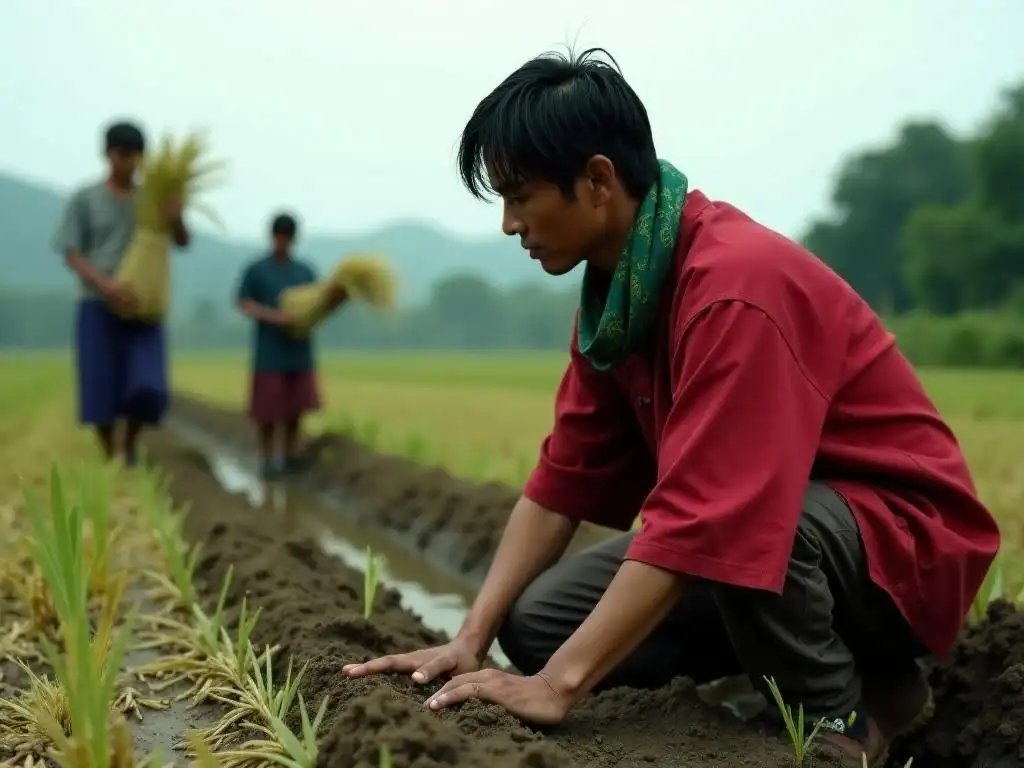
In feudal Japan, the economy was predominantly agrarian, with agriculture serving as the backbone of societal structure and economic stability. The economy was largely decentralized, characterized by a network of autonomous domains governed by local lords, or daimyōs. This decentralized system meant that economic practices and agricultural policies could vary significantly from region to region, creating a patchwork of economic conditions across the country.
Agriculture, primarily rice cultivation, was not only a means of sustenance but also a critical component of wealth and social status. The production of rice dictated the economic prosperity of a domain, as it was the primary currency used in trade and taxation. Farmers, therefore, were essential to the feudal economy, yet they often bore the heavy burden of debt due to the exploitative practices of landlords and the demands of the ruling samurai class.
The Role of Agriculture in Feudal Japanese Society
Agriculture in feudal Japan was more than a mere economic activity; it was a cultural cornerstone that shaped the very fabric of society. Farmers were seen as the backbone of the population and were often idealized in literature and folklore as symbols of hard work and perseverance. Yet, the reality for many was starkly different.
- Rice as the Staple Crop:
- Rice was not only the staple food but also the primary form of wealth. The amount of rice produced directly influenced the tax obligations of farmers and the revenues of lords.
- A bushel of rice could be traded for various goods, making it the de facto currency of the time.
- Seasonal Cycles and Labor:
- Farming was dictated by the seasonal cycles, necessitating communal labor during planting and harvest times.
- Farmers had to balance their labor between their own plots and the lands of their landlords, leading to exhaustion and financial strain.
- Taxation and Debt:
- Farmers were subject to heavy taxation, often as high as 40-50% of their harvest, which left them vulnerable to debt.
- Many farmers resorted to borrowing from moneylenders, leading to cycles of debt that were difficult to escape.
Land Ownership and the Class Structure
The feudal system in Japan was characterized by a rigid class structure that deeply influenced land ownership and agricultural productivity.
- Daimyōs and Samurai: At the top of the hierarchy, daimyōs owned vast tracts of land, which were worked by the peasant class. Samurai, as the warrior class, were often granted land in exchange for military service. This relationship created a system of loyalty and obligation that further entrenched the power of the samurai.
- Peasants: The majority of the population were farmers who worked the land but owned little to none themselves. Their status was precarious, as land was often held by the samurai class, leaving peasants at the mercy of their landlords.
- Land Tenure and Rights:
- Land was typically leased from the daimyō or samurai, with peasants required to pay a portion of their harvest as rent.
- The system of sharecropping was common, placing additional financial burdens on farmers as they were responsible for both their own sustenance and their obligations to the landowner.
- Displacement and Injustice:
- Economic instability and harsh conditions led to frequent uprisings, as farmers sought to reclaim their rights and improve their situations.
- Yet, these revolts were often met with brutal repression, further entrenching the socio-economic disparities of the time.
The Influence of War and Politics on Agricultural Economics
The tumultuous period of feudal Japan was marked by frequent wars and political upheaval, which had a profound impact on agricultural economics.
- Warlord Conflicts:
- Constant warfare among rival daimyōs led to the devastation of farmlands, loss of productivity, and displacement of farmers. The Sengoku period (1467-1603) exemplified this turmoil, resulting in widespread famine and suffering.
- Taxation During Wartime:
- In times of conflict, the demands on farmers increased, as lords required greater resources to fund their armies. This often meant higher taxes, leading to deeper levels of indebtedness among peasant families.
- Political Changes and Land Redistribution:
- Political shifts could lead to land redistribution, where victorious daimyōs would claim land from the defeated, further complicating the lives of farmers who had to navigate changing allegiances and obligations.
- Agricultural Reforms:
- Some periods saw attempts at agricultural reforms aimed at improving productivity and stabilizing the economy. However, these reforms were often short-lived and insufficient to alleviate the ongoing financial struggles faced by farmers.
The financial struggles of farmers in feudal Japan were deeply intertwined with the broader economic, political, and social fabric of the era. The interplay of class structures, agricultural practices, and the relentless pressures of war created a landscape where farmers were persistently burdened by debt, making their lives a constant struggle for survival.
The Burden of Debt for Farmers in Feudal Japan

Farmers in Feudal Japan faced significant financial struggles, primarily driven by a complex system of debt that affected their livelihoods and social standing. This burden of debt stemmed from various sources, including oppressive interest rates imposed by landlords, the unpredictability of agricultural yields, and the inherent risks associated with farming. The cycle of debt would often trap farmers in a precarious situation, leading to a long-lasting impact on their families and communities.
Types of Debt Faced by Farmers
The financial struggles faced by farmers in Feudal Japan were multifaceted, with several types of debt affecting their economic stability. Below are the primary categories of debt that farmers encountered:
Landlord Loans and Interest Rates
Landlords, or daimyos, played a significant role in the financial struggles of farmers. Many farmers relied on loans from their landlords to cover the costs of seeds, tools, and other necessities before the harvest season.
- Exorbitant Interest Rates: These loans often came with extremely high-interest rates, sometimes exceeding 50% per harvest. Such rates made it exceedingly difficult for farmers to repay their debts, especially during poor harvest years.
- Collateral and Security: Farmers were typically required to provide collateral, such as their land or future crop yields, which made them vulnerable to losing their livelihoods if they failed to meet repayment terms.
The relationship between landlords and farmers was thus characterized by a power imbalance, where the latter was perpetually at risk of falling deeper into debt.
Seasonal Debt and Crop Failures
The agricultural calendar in Feudal Japan was inherently risky, with farmers relying on seasonal crops for their income.
- Seasonal Borrowing: Farmers often borrowed money at the beginning of the planting season to finance their operations, anticipating a bountiful harvest to repay the loans.
- Impact of Natural Disasters: However, factors such as droughts, floods, or pest infestations could devastate crops. A failed harvest meant that farmers could not repay their loans, leading to a vicious cycle of accumulating debt.
- Consequences of Crop Failures: When faced with crop failures, farmers often resorted to taking out additional loans to survive, further entrenching themselves in financial difficulties.
The Cycle of Debt: Causes and Consequences
The financial struggles in Feudal Japan were not merely a result of individual circumstances but were part of a broader systemic issue that perpetuated the cycle of debt among farmers.
- Economic Structure: The feudal system itself created an environment where farmers were dependent on landlords for credit, with limited access to alternative financial resources. This dependence led to a cycle where debts accrued over generations.
- Social Consequences: As debts mounted, many farmers faced social stigmatization and loss of status within their communities. This loss of dignity often drove families to extreme measures, including selling themselves into servitude or abandoning their land.
- Long-term Impact: The long-term consequences of this cycle of debt included reduced agricultural productivity and increased poverty levels among rural populations, ultimately affecting the overall economy of Feudal Japan.
The financial struggles faced by farmers in Feudal Japan were deeply intertwined with the structures of power and economic dependency. Understanding these dynamics is crucial for grasping the broader implications of debt within the feudal system and its lasting effects on Japanese society.
The emotional and social impacts of financial struggles faced by farmers in feudal Japan were profound and multifaceted, shaping not only individual lives but also the broader community dynamics. The burden of debt often led to a deep sense of despair and hopelessness among farmers, who found themselves trapped in a cycle of poverty that seemed insurmountable.
Emotional Toll on Farmers
Many farmers experienced significant emotional distress due to their financial situations. The constant pressure of repaying debts created a pervasive atmosphere of anxiety and fear. This psychological burden could lead to:
- Depression: Chronic stress from financial insecurity often resulted in depression, affecting farmers' mental health and quality of life.
- Shame and Stigma: Farmers who could not meet their obligations often felt ashamed, believing they had failed their families and communities. This stigma could isolate them further, as they feared judgment from their peers.
- Desperation: In extreme cases, the weight of debt led some farmers to drastic measures, including abandoning their lands or, in rare instances, taking their own lives, reflecting the dire consequences of their financial struggles.
Social Consequences
The financial difficulties of farmers also had significant social repercussions. As many farmers struggled to repay their debts, their relationships with their families and communities were strained. Key social impacts included:
- Family Tensions: Financial hardships often led to internal family conflicts. Disagreements over resource allocation and responsibilities could disrupt familial bonds, creating an unstable home environment.
- Community Fragmentation: As farmers fell deeper into debt, they often became less involved in communal activities and support systems. This disengagement weakened social ties and diminished the sense of community, which had traditionally provided emotional and practical support.
- Increased Class Divisions: The widening gap between indebted farmers and wealthier landowners fostered resentment and a sense of injustice. This disparity could lead to social unrest and a push for reforms, as marginalized farmers sought to challenge the existing power structures.
Cultural Reflections
The emotional and social struggles of farmers during this era were also reflected in cultural expressions. Literature, theater, and folk tales often depicted the plight of the agrarian class, illustrating their hardships and evoking empathy from audiences. These cultural narratives played a vital role in preserving the memories of farmer struggles and highlighting the need for social change.
The emotional and social impacts of financial struggles in feudal Japan were significant, affecting farmers' mental health, family dynamics, and community cohesion. The cycle of debt not only shaped individual lives but also influenced broader societal trends, leading to a complex interplay between economic hardship and social change.
Coping Mechanisms and Responses to Financial Struggles

Traditional Practices to Manage Debt
Farmers in feudal Japan faced significant financial struggles, often leading to overwhelming debt. To cope with these pressures, they employed various traditional practices aimed at managing their financial burdens. These practices were not only practical but also deeply rooted in the cultural fabric of rural life.
Bartering and Trade
Bartering emerged as a fundamental practice among farmers when cash was scarce. By exchanging goods and services directly, farmers could meet their needs without the necessity of monetary transactions. For instance, a farmer might trade a portion of rice for textiles or livestock from a neighboring farm. This system of trade fostered interdependence and strengthened community ties, mitigating the stress of financial struggles.
- Benefits of Bartering:
- Reduces dependency on cash: Farmers could sustain their livelihoods even in lean years.
- Encourages community cooperation: Building strong networks among farmers led to a sense of solidarity.
- Facilitates resource distribution: Essential goods could be shared within the community, ensuring that all members had access to necessary items.
Community Support Systems
Community support systems played a crucial role in helping farmers navigate their financial struggles. Villagers often came together in times of need, forming cooperative groups to provide mutual assistance. These support systems included:
- Kumiai (mutual aid societies): These organizations pooled resources to assist members facing financial hardships. They could provide loans, share tools, or help during harvests.
- Festivals and communal events: Events like harvest festivals not only celebrated agricultural abundance but also served as opportunities for community bonding and resource sharing.
- Informal lending networks: Farmers often relied on family and friends for loans during tough times, reinforcing social ties and ensuring that support was available.
The Role of Local Governance in Farmer Debt Relief
Local governance structures in feudal Japan also played a significant role in addressing the financial struggles faced by farmers. Feudal lords and village heads were responsible for maintaining order and supporting their subjects, which included intervening in matters of debt.
- Debt forgiveness and moratoriums: During times of natural disasters or poor harvests, local leaders could implement debt forgiveness measures or temporary moratoriums on repayments, allowing farmers to recover without the burden of immediate financial obligations.
- Resource allocation: Local governments often managed communal resources, such as irrigation systems, which were essential for agricultural productivity. By ensuring equitable access to these resources, they helped stabilize the agricultural economy and reduce financial strain on farmers.
- Legal frameworks: Local governance enforced laws that protected farmers from predatory lending practices and exploitation by wealthier landowners, creating a more balanced economic environment.
The coping mechanisms and responses to financial struggles in feudal Japan were multifaceted, encompassing traditional practices such as bartering and community support systems, as well as the vital role of local governance in providing relief and stability. These elements worked together to help farmers navigate the complexities of their financial realities, fostering resilience in the face of adversity.
Impact of Natural Disasters on Financial Stability
Natural disasters significantly impacted the financial stability of farmers in feudal Japan, often exacerbating their already precarious economic situations. The agricultural economy, heavily reliant on consistent weather patterns, was vulnerable to a variety of natural calamities, including earthquakes, floods, typhoons, and droughts. Each of these disasters could devastate crops, leading to dire financial consequences.
- Crop Failures and Food Shortages:
- When natural disasters struck, the most immediate impact was often the destruction of crops. For instance, a single typhoon could wipe out an entire rice harvest, which was a staple and a primary source of income for farmers. Without a successful harvest, farmers faced food shortages, not just for their families but also for livestock, which further diminished their capacity to produce in subsequent seasons.
- Debt Accumulation:
- Many farmers, already in debt due to previous loans taken out for seeds or tools, found themselves unable to repay their debts after a disaster. The cycle of borrowing and failing to repay intensified, leading to a situation where farmers were trapped in a cycle of perpetual indebtedness. This often forced them to take out loans at exorbitant interest rates, further deepening their financial struggles.
- Increased Tax Burden:
- Following natural disasters, local lords often imposed increased taxes to recover losses incurred during the calamity. This meant that farmers not only struggled to recover from their immediate losses but also faced additional financial pressures from rising taxes. The burden of taxation was particularly heavy in years following a disaster, as farmers were compelled to pay for their lord's losses while also trying to sustain their own families.
- Migration and Social Displacement:
- In extreme cases, persistent natural disasters led farmers to migrate in search of better opportunities. This migration could disrupt traditional farming communities and lead to social dislocation. As farmers left their lands, they often abandoned their homes and social ties, seeking refuge in urban areas or more fertile regions. However, this transition was fraught with challenges, including lack of employment, social stigma, and the difficulty of integrating into new communities.
- Community Resilience and Adaptation:
- Despite the toll taken by natural disasters, many farming communities developed resilience strategies. These included creating communal granaries to store surplus food during good years, participating in mutual aid societies, and developing crop diversification practices to reduce the risk of total failure. Such strategies helped some communities better withstand the financial shocks caused by environmental calamities.
The impact of natural disasters on the financial stability of farmers in feudal Japan was profound and multifaceted. These events not only threatened immediate agricultural output but also set in motion a series of economic challenges that could affect generations. Understanding these dynamics is crucial in grasping the broader narrative of agricultural life during this era.
Case Studies: Notable Examples of Farmers' Financial Struggles

Examining specific instances of financial struggles faced by farmers in feudal Japan provides valuable insight into the broader challenges of agricultural life during this era. Below are two notable case studies that highlight the impact of debt and economic hardship on farming communities.
Case Study 1: The Struggles of Farmers in the Kanto Region
The Kanto region, which includes present-day Tokyo and its surrounding areas, was a significant agricultural hub during the feudal period. Despite its fertile lands, farmers in this area faced severe financial struggles due to a combination of factors, including heavy taxation, natural disasters, and fluctuating rice prices.
- Heavy Taxation: Farmers were often subjected to exorbitant taxes imposed by the ruling samurai class. These taxes were typically levied in rice, which was the primary currency of the time. For example, in some instances, farmers were required to pay upwards of 40% of their harvest as tax, leaving them with insufficient resources to sustain their families or invest in their farms.
- Natural Disasters: The Kanto region was prone to flooding and earthquakes, which could devastate crops and lead to significant losses. In 1596, a severe earthquake struck, causing widespread destruction and displacing numerous farming families. The financial burden of rebuilding and recovering from such disasters often led to further indebtedness.
- Fluctuating Rice Prices: The reliance on rice as both a staple food and a form of currency created a volatile economic environment. For instance, during years of poor harvests, the price of rice would skyrocket, making it difficult for farmers to repay debts or purchase necessary supplies. Conversely, in years of surplus, prices would drop, further squeezing farmers financially as they struggled to make a profit.
Farmers in the Kanto region often found themselves trapped in a cycle of debt, borrowing from local merchants or moneylenders at high-interest rates. This reliance on loans could lead to the loss of their land or a descent into poverty, illustrating the dire financial struggles that characterized their lives.
Case Study 2: The Impact of the 1635 Drought on Local Farmers
In 1635, a severe drought swept across Japan, significantly affecting agricultural production and exacerbating the financial struggles of farmers. The drought was particularly devastating for rice cultivation, which was vital for both sustenance and economic stability.
- Crop Failure: The lack of rainfall during the growing season resulted in widespread crop failures. Many farmers in regions such as the Tokai and Kansai faced near-total losses of their rice harvests. According to historical records, some villages reported a 70% reduction in yield, leading to immediate food shortages.
- Increased Debt: As a consequence of crop failures, many farmers were forced to take out loans to purchase food for their families. The scarcity of rice led to skyrocketing prices, making it nearly impossible for farmers to repay their debts. The situation was compounded by the fact that many moneylenders took advantage of the crisis, charging exorbitant interest rates.
- Social Unrest: The financial struggles stemming from the drought led to widespread discontent among the farming populace. In several regions, farmers organized protests against their feudal lords, demanding relief from taxes and debts. These uprisings highlighted the fragile relationship between the samurai class and the peasantry, as the latter struggled against oppressive financial burdens.
The 1635 drought serves as a stark example of how environmental factors could drastically impact the financial stability of farmers in feudal Japan. The resulting hardships not only affected individual families but also threatened the social order, illustrating the deep interconnections between agriculture, economics, and society during this period.
By exploring these case studies, we gain a clearer understanding of the pervasive financial struggles faced by farmers in feudal Japan, revealing the complexities of their lives and the systemic issues that contributed to their hardships.
Conclusion: The Legacy of Financial Struggles in Feudal Japan

The financial struggles faced by farmers in feudal Japan have left an indelible mark on the social fabric of the nation. These challenges, deeply rooted in the socio-economic structure of the time, highlight not only the vulnerabilities of the agrarian class but also the enduring consequences of debt and economic dependency. As we reflect on this era, it becomes evident that the plight of farmers was not merely a personal struggle but a reflection of the broader systemic issues within feudal Japan.
The intricate relationship between landlords and tenants created a cycle of indebtedness that many farmers could not escape. This cycle often resulted in harsh living conditions, limited social mobility, and a pervasive sense of helplessness. The legacy of these financial struggles is evident in the subsequent transformations of Japanese society, as the lessons learned from this tumultuous period influenced agricultural practices and economic policies in later years.
Reflection on the Evolution of Farmers' Lives
The lives of farmers in feudal Japan evolved significantly over the centuries, shaped largely by their financial struggles. Initially, farming was seen as a noble profession, vital to the sustenance of the samurai class. However, as the feudal system became more entrenched, farmers found themselves increasingly burdened by high taxes and debts to wealthy landowners.
- Early Feudal Period: Farmers enjoyed some degree of autonomy and could retain a portion of their harvest for personal use.
- Late Feudal Period: The rise of powerful daimyos led to increased taxation and exploitation, forcing many farmers into a cycle of debt from which they could not escape.
This evolution is encapsulated in the concept of "nōmin" (農民), which translates to "agriculturist" but also carries connotations of subservience and struggle. As farmers became more indebted, their status in society deteriorated, and their contributions were often overshadowed by the more powerful classes.
Lessons Learned from the Financial Struggles of the Past
The financial struggles in feudal Japan impart several lessons that remain relevant today. Understanding these historical challenges can provide insights into contemporary agricultural and economic policies.
- The Importance of Sustainable Practices: The over-reliance on debt-driven agriculture led to unsustainable farming practices. Modern agricultural policies can learn from this by promoting sustainability to avoid creating new cycles of debt.
- Economic Resilience: Farmers during feudal Japan often lacked access to financial literacy and support systems. Strengthening farmers' financial education today can empower them to make informed decisions and reduce vulnerability to debt.
- Community Support Systems: The isolation of indebted farmers highlighted the need for community solidarity. Building networks of support among farmers can create resilience against economic pressures.
- Policy Interventions: Historical financial struggles underscore the necessity for government intervention in providing safety nets, such as fair taxation and access to credit, to prevent the recurrence of similar hardships.
The financial struggles faced by farmers in feudal Japan serve as a powerful reminder of the impact of economic systems on individual lives. By reflecting on these lessons, we can strive to create a more equitable and supportive environment for farmers in the present day, ensuring that history does not repeat itself.
Further Reading and Resources on Financial Struggles in Feudal Japan
Recommended Books and Articles
-
"Peasant Uprisings in Japan: A History of the Farmers' Revolts" by Peter D. Shirota
This comprehensive text delves into the financial difficulties faced by farmers and how these struggles led to significant uprisings throughout feudal Japan. Shirota provides an in-depth analysis of the socio-economic conditions that contributed to the plight of the agricultural class.
-
"The Economic History of Japan: 1600-1990" by Masahiro Goto
Goto offers a detailed overview of Japan's economic landscape, focusing on the financial struggles of farmers during the feudal era. This work highlights the agricultural policies and taxation systems that burdened rural communities.
-
"Land and Power in Japan: The Farmers' Struggles from the Edo Period to the Present" by John W. Hall
This book traces the historical evolution of land ownership and its impact on the financial situation of farmers. Hall’s research provides a nuanced understanding of how land disputes and economic pressures shaped peasant life.
-
"The Burden of Debt: A Study of Peasant Life in Medieval Japan" by Takashi Yamamoto
Yamamoto's work centers on the specific financial challenges faced by farmers, including indebtedness and the consequences of borrowing from wealthy landowners. The case studies presented offer a vivid portrayal of the struggles endured by these communities.
Online Resources and Documentaries
-
Japan Society's Online Archive
This resource offers a variety of articles and documents focusing on the social history of Japan, including the financial challenges of feudal farmers.
-
"The Japanese Peasantry: A Documentary History" (Documentary Series)
This series provides visual and narrative insights into the lives of farmers in feudal Japan, detailing their economic struggles and societal roles.
-
YouTube Channel: "Feudal Japan Explained"
This channel features several documentaries and discussions that illustrate the financial hardships of farmers during the feudal era, bringing together expert opinions and historical evidence.
-
National Museum of Japanese History
Their website hosts a collection of resources, including digitized historical documents and research papers, highlighting the financial struggles encountered by farmers in feudal Japan.
By exploring these recommended resources, readers can gain a deeper understanding of the financial struggles faced by farmers in feudal Japan, enriching their knowledge of this crucial aspect of social history.
Frequently Asked Questions
What were the primary causes of financial struggles for farmers in feudal Japan?
Farmers in feudal Japan faced financial struggles primarily due to high taxation, poor crop yields, and natural disasters that impacted their income and ability to repay debts.
How did the samurai class influence the economic conditions of farmers?
The samurai class imposed heavy taxes and required tribute payments, which increased the financial burden on farmers and often led to debt and poverty.
Yes, the financial struggles contributed to social unrest, including uprisings and revolts, as impoverished farmers sought to challenge the feudal system and improve their conditions.
How did the financial struggles affect the overall economy of feudal Japan?
The financial struggles of farmers had a ripple effect on the economy, leading to decreased agricultural productivity and a weakened trade system, ultimately impacting the entire feudal society.
What measures were taken to alleviate the financial burdens on farmers?
Some measures included debt forgiveness during times of crisis, changes in tax policies, and the establishment of community support systems to help farmers during difficult periods.
Final Reflection: The Enduring Legacy of Financial Struggles in Feudal Japan
The financial struggles faced by farmers in feudal Japan resonate profoundly in today's world, highlighting the ongoing challenges of economic disparity and the burden of debt. As we reflect on the historical context of these struggles, it becomes clear that the lessons learned from the past are not confined to history books; they are vital to understanding the complexities of modern financial systems. The plight of farmers, trapped in cycles of debt and exploitation, serves as a stark reminder of the human cost of economic systems that prioritize profit over people.
Cultural narratives surrounding debt and financial hardship continue to shape our society, influencing everything from policy decisions to personal finance. The stories of those farmers remind us that economic struggles are not merely historical footnotes but are woven into the fabric of our collective experience. History is not a burden on the memory but an illumination of the soul.
This quote encapsulates the importance of learning from the past, as we navigate our own financial landscapes today. The echoes of feudal Japan's financial struggles can be seen in contemporary issues such as student debt, housing crises, and the challenges faced by small farmers worldwide.
As we move forward, I invite you to reflect on your own relationship with debt and financial responsibility. Consider how the lessons from feudal Japan can inspire you to advocate for fairer economic practices and support those who are struggling today. By acknowledging the historical context of financial struggles, we can foster a more compassionate and equitable society. Let us carry these lessons into the future, ensuring that the burdens of the past do not repeat themselves, but instead, empower us to create a more just world for all.
Uncover Solutions for Farmers: Take Action Today!
Thank you for exploring the challenges faced by farmers throughout history. Your interest helps shed light on significant struggles and their implications for our current agricultural landscape. As you reflect on the weight of debt and the resilience of these farmers, it’s time to channel that inspiration into meaningful action.
- Join a local or online community focused on agricultural history or financial literacy to share your insights and learn from others.
- Explore historical farming techniques that can inspire modern practices and consider how these ideas can be applied in today's context.
- Advocate for sustainable farming initiatives in your area—support local farmers who face similar challenges.
How can understanding the financial struggles of the past influence our approach to supporting farmers and agriculture today?