
Samurai Ascendancy: The Political Landscape of Early Feudal Japan


Welcome to Feudal Japan History, where the echoes of a bygone era come alive through meticulous exploration and insight. Delve into the fascinating world of Early Feudal Japan politics, as we uncover the intricate power dynamics that shaped a nation. In our featured article, "Samurai Ascendancy: The Political Landscape of Early Feudal Japan," you’ll discover how samurai warriors not only defined an age but also transformed the political fabric of their time. Are you ready to embark on a journey through history that reveals the untold stories behind the rise of feudal power? Let’s begin!
- Introduction to Early Feudal Japan Politics
- The Emergence of the Samurai Class
- The Political Structure of Early Feudal Japan
- Major Political Events Shaping Early Feudal Japan
- The Interplay Between Culture and Politics
- Challenges to Samurai Political Dominance
- The Legacy of Early Feudal Japan Politics
- Conclusion: Understanding the Political Landscape of Early Feudal Japan
-
Frequently Asked Questions
- What was the political structure in Early Feudal Japan?
- How did the samurai influence politics during this era?
- What were the main factors that led to the rise of feudalism in Japan?
- How did the shogunate system emerge during Early Feudal Japan?
- What role did the emperor play in Early Feudal Japan politics?
- Final Reflection: The Enduring Legacy of Early Feudal Japan Politics
- Unleash Your Inner Samurai: Take Action Today!
Introduction to Early Feudal Japan Politics
The political landscape of Early Feudal Japan is a complex tapestry woven from the threads of power struggles, military might, and the evolving social hierarchies that defined this era. Spanning from the late 12th century to the early 17th century, this period marked a significant transformation in Japan's governance, as the rise of the samurai class fundamentally reshaped the political dynamics of the nation. Understanding the intricacies of Early Feudal Japan politics is essential to grasp the broader historical context, as it laid the groundwork for the eventual unification and modernization of Japan.
This article delves into the multifaceted political environment during the rise of the samurai, examining key events, influential figures, and the shifting allegiances that characterized the era. From the establishment of the shogunate to the feudal lords' (daimyō) role in governance, we will explore how power was distributed and exercised across the land. The examination of these elements will provide insight into how the samurai class not only emerged as a formidable military force but also became pivotal players in the political arena of early Japan.
Overview of the Political Landscape
The political structure of Early Feudal Japan was characterized by a decentralized system of governance, where local warlords, known as daimyō, held significant power over their territories. This feudal system emerged following the decline of the imperial court's authority, particularly after the Genpei War (1180-1185), which saw the rise of the Minamoto clan and the establishment of the Kamakura shogunate. The shogunate introduced a new political order where the shōgun, as the military leader, wielded supreme power and delegated authority to the daimyō, who governed various regions.
Key features of the political landscape during this time included:
- Shogunate System: The shōgun was the de facto ruler, while the emperor remained a symbolic figurehead.
- Feudal Alliances: Alliances among daimyōs were crucial for maintaining power and stability, often achieved through marriages or military pacts.
- Land and Vassalage: The daimyō granted land to samurai in exchange for military service, creating a network of loyalty that was essential to the feudal system.
The interplay between these elements created a dynamic political environment, where loyalty and betrayal could shift the balance of power rapidly, influencing the trajectory of Japanese history.
Significance of the Samurai Class in Politics
The samurai class played a pivotal role in shaping the political landscape of Early Feudal Japan. Originally serving as the military elite, samurai evolved into a social class that held significant political influence by the late 12th century. Their rise was not merely a result of military prowess; it was intertwined with the changing societal norms and the need for stability in a fragmented political landscape.
The significance of the samurai in politics can be highlighted through the following aspects:
- Military Authority: Samurai were essential for enforcing the laws and maintaining order within the daimyō's domain, acting as local enforcers of power.
- Political Advisors: Many samurai became trusted advisors to daimyō, influencing decisions and strategies that affected entire regions.
- Cultural Diplomacy: As warriors, samurai also engaged in cultural exchanges and diplomacy, fostering relationships with other clans and strengthening political ties.
The political landscape of Early Feudal Japan was profoundly shaped by the samurai class, whose influence extended beyond the battlefield into the realms of governance and societal structure. Understanding their role is crucial to appreciating the complexities of Japan's political history during this transformative era.
The Emergence of the Samurai Class
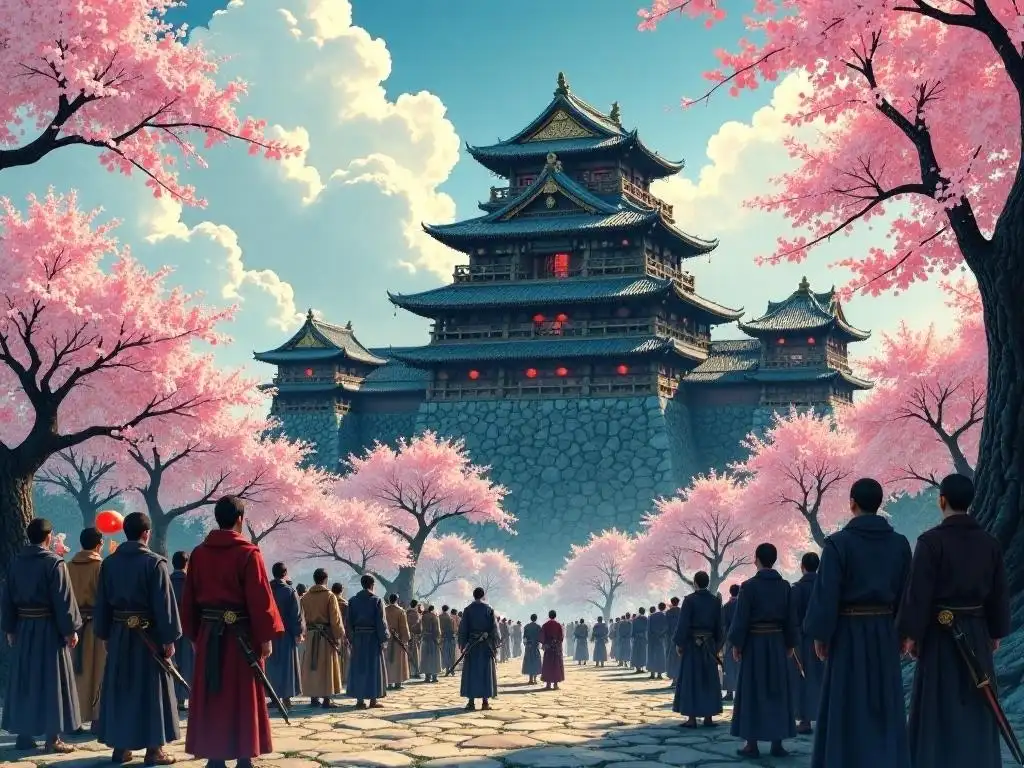
The emergence of the samurai class during Early Feudal Japan marked a significant shift in the political landscape of the nation. This period, spanning from the late 12th century to the 16th century, saw the samurai rise from local warriors to influential political agents. The transformation was not sudden; it was a gradual evolution shaped by various historical, social, and cultural factors.
Historical Context of Early Feudal Japan
The historical context of Early Feudal Japan is crucial to understanding the rise of the samurai. Following the Heian period, Japan experienced a power vacuum that led to the decline of imperial authority. The Genpei War (1180-1185) was a pivotal conflict that saw the Taira and Minamoto clans vying for control, ultimately leading to the establishment of the Kamakura Shogunate under Minamoto no Yoritomo. This shift marked the transition from a court-centered political system to a military government, where the shogunate became the de facto ruler, while the emperor retained a ceremonial role.
The political structure began to resemble a feudal system, where land was granted in exchange for military service. This setup allowed the samurai, as military retainers, to gain power and influence, establishing their own hierarchies and codes of loyalty. The fragmentation of power among regional lords, or daimyō, further solidified the samurai's role as the backbone of military and political authority.
Key Factors Leading to Samurai Ascendancy
Several key factors contributed to the ascendancy of the samurai class during this period:
- Military Conflicts: Frequent warfare among clans created a demand for skilled warriors. The samurai became essential in these conflicts, gaining prestige and authority as they defended their lords’ territories.
- Land Redistribution: The defeat of powerful clans allowed victorious samurai to acquire land, leading to increased wealth and influence. The shōen system—estates granted to samurai—further entrenched their economic power.
- Political Alliances: Strategic marriages and alliances among samurai clans enhanced their political clout. These relationships allowed for the consolidation of power and resources, helping samurai families to grow in stature and control.
- Cultural Shifts: The development of a unique samurai culture, including literature, art, and the Bushido code, elevated their status in society. This cultural identity fostered loyalty and a sense of duty that resonated throughout the ranks of samurai.
- Emergence of the Samurai Ethos: As the samurai began to view themselves not only as warriors but as guardians of peace and order, their role in society became more complex. This shift in perception contributed to their political importance, as they were seen as stabilizers in a tumultuous era.
The Role of the Bushido Code in Political Dynamics
The Bushido code, often translated as "the way of the warrior," played a critical role in shaping the political dynamics of Early Feudal Japan. This ethical framework emphasized virtues such as loyalty, honor, courage, and self-discipline, which were essential for maintaining the samurai's status and influence.
- Loyalty to the Lord: At the heart of Bushido was the notion of loyalty to one's lord. This principle ensured a strong bond between samurai and their daimyō, fostering a hierarchical structure where allegiance was paramount. Betrayal was met with severe consequences, often leading to ritual suicide, or seppuku, as a means of preserving honor.
- Conflict Resolution: The ideals of Bushido contributed to a system of conflict resolution that prioritized honor over mere power. Samurai were expected to resolve disputes through honorable means, which minimized bloodshed among their ranks and maintained order within the feudal structure.
- Cultural Impact: The Bushido code also influenced the cultural landscape, permeating literature, art, and philosophy. This cultural embedding further solidified the samurai's role as both warriors and moral exemplars in society, enhancing their political legitimacy.
- Legacy: The principles of Bushido continued to influence Japanese society even beyond the feudal era, shaping national identity and values. The legacy of samurai ethics is still observed in modern Japan, demonstrating the lasting impact of their political and cultural contributions.
The emergence of the samurai class was a complex interplay of historical events, socio-political dynamics, and cultural developments that reshaped Early Feudal Japan's political landscape. Understanding these elements provides a deeper insight into the profound influence of the samurai on Japan's history and governance.
The Political Structure of Early Feudal Japan

The political landscape of Early Feudal Japan was characterized by a complex hierarchy and a system of governance that evolved significantly from the Heian period (794-1185) into the Kamakura period (1185-1333). This transformation marked the ascendancy of the samurai class, who became pivotal in shaping Japan's political dynamics. The interplay between various political entities and the gradual shift of power from the imperial court to military leaders laid the groundwork for the feudal system that defined this era.
Overview of Feudal Hierarchies
In Early Feudal Japan, society was structured around a rigid hierarchy that dictated the relationships between different classes. The primary layers of this hierarchy included:
- Emperor: Although the emperor was the nominal sovereign, his political power diminished significantly during this period. The emperor's role became largely ceremonial, serving as a figurehead for legitimacy.
- Shogun: The shogun was the de facto ruler, holding military and political power. Appointed by the emperor, the shogun commanded the samurai and governed through a network of loyal vassals known as daimyos.
- Daimyos: These powerful feudal lords governed vast territories and were responsible for maintaining order within their domains. They commanded their own samurai armies and exercised significant autonomy, often engaging in conflicts with rival daimyos.
- Samurai: As the warrior class, samurai served as the military elite of the daimyos. They adhered to a strict code of conduct called Bushido, which emphasized honor, loyalty, and martial prowess.
- Peasants: At the base of the societal structure were the peasants, who worked the land and provided agricultural produce. They were bound to the land and often paid taxes to the daimyos in exchange for protection.
This hierarchical system was not merely a social construct but also a reflection of the political realities of the time, where loyalty and allegiance were crucial for survival and power.
The Role of Shoguns and Daimyos in Governance
The governance of Early Feudal Japan was heavily reliant on the relationship between the shoguns and daimyos. The shogun wielded supreme military authority and established a centralized form of governance that relied on feudal allegiances.
- Shoguns' Authority: The shogun exercised control over the military and was responsible for national defense. They implemented policies that affected the entire realm, including land distribution and taxation, which were essential for maintaining the loyalty of the daimyos.
- Daimyos' Autonomy: While the shogun held overarching power, daimyos enjoyed considerable autonomy within their territories. They governed local affairs, collected taxes, and managed their samurai. This autonomy often led to regional conflicts and power struggles, as daimyos sought to expand their influence.
- Vassalage System: The feudal system was underpinned by a network of vassalage, where daimyos pledged loyalty to the shogun in exchange for land and protection. This relationship was formalized through oaths and marriages, creating bonds that were both political and familial.
Daimyos also played a crucial role in local governance, often establishing their own courts and laws. The balance of power between the shogun and daimyos was delicate, leading to a dynamic political landscape marked by alliances, betrayals, and warfare.
Influence of the Imperial Court on Feudal Politics
Despite the declining political power of the imperial court, it maintained a significant influence over the politics of Early Feudal Japan.
- Legitimization of Power: The emperor's endorsement was essential for the shogun's legitimacy. By granting the title of shogun and recognizing the daimyos' domains, the emperor lent divine authority to the ruling class.
- Cultural Patronage: The imperial court continued to be a center of culture and education. The arts, literature, and religious practices flourished under its patronage, influencing the samurai class and reinforcing the cultural identity of the period.
- Political Intrigues: The court was not free from political machinations. Noble families within the court often sought to regain influence by manipulating alliances with powerful daimyos or attempting to undermine the shogunate. This interplay of court politics and feudal governance created a complex web of power dynamics.
- Restoration Movements: Throughout the feudal era, there were several attempts to restore imperial power, culminating in movements such as the Meiji Restoration of the late 19th century. These movements often drew on the themes of loyalty and national unity, which were deeply rooted in the feudal system.
The political structure of Early Feudal Japan was characterized by a unique interplay between the emperor, shoguns, daimyos, samurai, and peasants. This hierarchy not only defined the political landscape but also influenced the cultural and societal norms that emerged during this transformative period in Japanese history. Understanding these dynamics is essential for grasping the complexities of Japanese feudal politics and the rise of the samurai class.
Major Political Events Shaping Early Feudal Japan
The Genpei War and Its Political Implications
The Genpei War (1180-1185) was a pivotal conflict between the Taira and Minamoto clans that fundamentally altered the political landscape of early feudal Japan. This war marked the transition from the Heian period's imperial court dominance to the rise of military rule, setting the stage for the establishment of the samurai's power.
- Key Factors Leading to the War:
- Clan Rivalries: The Taira clan, having gained significant power and influence, often clashed with the Minamoto clan, leading to escalating tensions.
- Imperial Favor: The Minamoto sought to gain favor with the emperor, positioning themselves as defenders of the imperial court against the Taira's growing control.
The Genpei War culminated in the decisive Battle of Dan-no-ura, where the Minamoto emerged victorious. This victory not only established Minamoto no Yoritomo as a significant political figure but also marked a decline in Taira influence, leading to the reshaping of alliances and power dynamics in Japan.
The Genpei War served as a catalyst for the samurai class to emerge as a dominant force in Japanese politics.
The Establishment of the Kamakura Shogunate
Following the Minamoto's victory in the Genpei War, the Kamakura Shogunate was established in 1192, marking the beginning of a new political era in Japan. This military government differentiated itself from the previous imperial administrations in several key ways:
- Decentralization of Power:
- The Kamakura Shogunate introduced a feudal system where local lords (daimyō) had significant autonomy over their domains, leading to a more decentralized political structure.
- This shift allowed for the rise of samurai as regional powers, each controlling their own lands and vassals.
- Military Governance:
- The shogunate was characterized by its military leadership, with Yoritomo as the first shōgun. The shōgun held ultimate authority, often prioritizing military needs over the imperial court’s interests.
- The shogunate implemented new legal systems and administrative measures to maintain order and control over the samurai class.
The establishment of the Kamakura Shogunate fundamentally transformed early feudal Japan politics, establishing a precedent for military rule that would influence future governance.
The Role of the Mongol Invasions in Political Shifts
The Mongol invasions of Japan in 1274 and 1281 were significant events that further altered the political landscape of early feudal Japan. These invasions tested the military and political structures established by the Kamakura Shogunate.
- Impact on the Shogunate:
- The shogunate's ability to defend Japan against foreign threats solidified its power and legitimacy. The successful repulsion of the Mongol invasions, attributed in part to typhoons (known as "kamikaze" or divine winds), bolstered national pride and unity.
- However, the invasions also strained the shogunate's resources, leading to political instability. The need for rapid military mobilization exposed weaknesses in the shogunate’s governance.
- Rise of Regional Powers:
- In the wake of the invasions, local daimyōs gained prominence as they took on greater responsibilities for defense and governance. This shift contributed to the fragmentation of power, setting the stage for future conflicts among competing factions.
The Mongol invasions were a turning point that reinforced the samurai's role in politics while also revealing the vulnerabilities of the shogunate, leading to a complex interplay of power dynamics in early feudal Japan.
The Interplay Between Culture and Politics
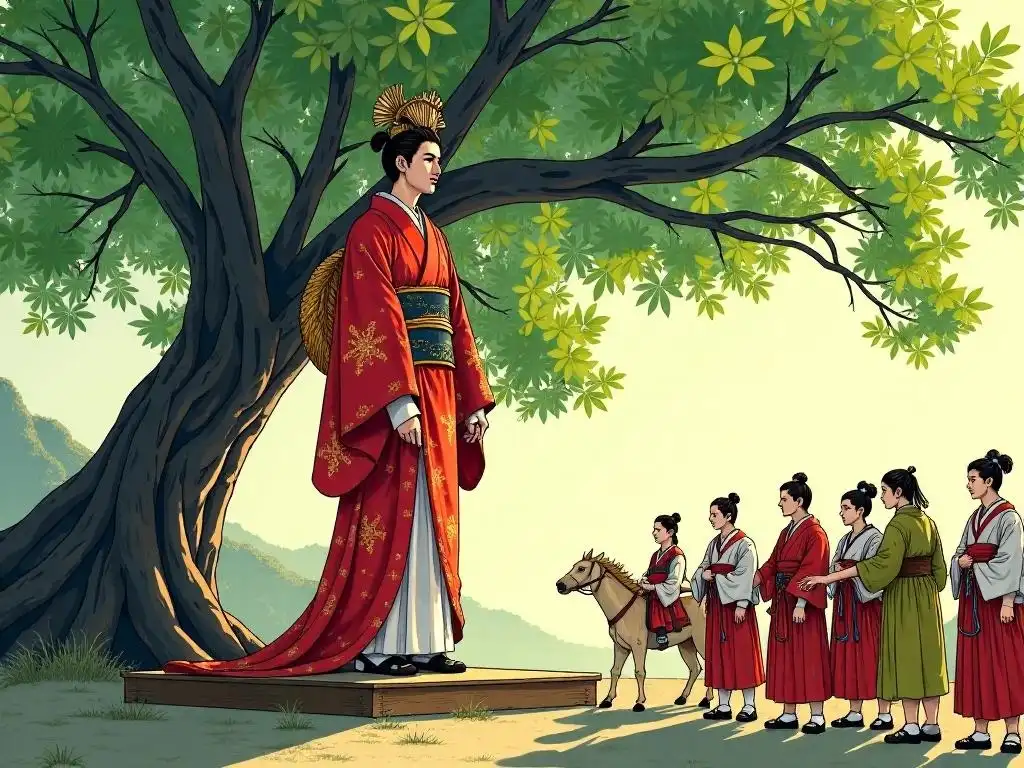
Cultural Influences on Samurai Politics
The political landscape of Early Feudal Japan was deeply intertwined with its rich cultural fabric, particularly as it pertained to the samurai class. The samurai emerged not only as warriors but also as influential political figures, and their rise was significantly shaped by cultural elements such as literature, the arts, and the evolving concept of honor.
One of the primary cultural influences on samurai politics was the Bushido code, which encompassed the ethical framework guiding samurai behavior. This code emphasized virtues such as loyalty, courage, and honor. The principles of Bushido were not merely personal guidelines but also political tools that helped shape governance and loyalty among samurai factions. For example:
- Loyalty to a Lord: The samurai's unwavering loyalty was essential for maintaining the feudal system. This loyalty often influenced political allegiances and conflicts among clans.
- Honor and Reputation: Samurai were motivated to uphold their honor, which could lead to political actions that reinforced their status, such as duels or seizing territories to restore family honor.
Additionally, cultural practices such as tea ceremonies and poetry fostered camaraderie and political alliances among samurai. These activities served as social platforms where political negotiations and alliances could be formed, showcasing the blend of culture and politics.
Furthermore, the samurai's relationship with the arts mirrored their political ambitions. The support of literature and the arts was seen as a reflection of a samurai's status and sophistication, which could enhance their political influence. By patronizing artists and scholars, samurai could solidify their power and promote their ideals, linking cultural achievement directly to political capital.
The Impact of Religion and Philosophy on Governance
Religion and philosophy played pivotal roles in shaping the governance structures of Early Feudal Japan, particularly through the lens of the samurai class. The intertwining of Zen Buddhism and Shinto beliefs with political ideology created a unique governance model that influenced both samurai and the ruling elite.
Zen Buddhism introduced concepts such as mindfulness and discipline, which deeply resonated with the samurai ethos. The meditative practices of Zen not only enhanced their martial skills but also provided a philosophical foundation that influenced political decision-making. Key aspects include:
- Rational Decision-Making: Zen teachings encouraged samurai leaders to approach governance with a calm and rational mindset, particularly in times of conflict.
- Detachment from Materialism: The emphasis on detachment helped samurai navigate the complexities of power without succumbing to greed, fostering a sense of duty towards their lords and subjects.
Shinto, the indigenous spirituality of Japan, also impacted governance by instilling a sense of divine right and ancestral reverence among samurai. The veneration of kami (spirits) reinforced the idea of a divinely sanctioned ruler, which was crucial for the legitimacy of samurai leaders. This belief system influenced political structures in the following ways:
- Legitimacy of Rule: Samurai leaders often claimed descent from gods or legendary figures, thus justifying their rule and policies.
- Rituals and Ceremonies: Political events were often accompanied by Shinto rituals, which served to legitimize decisions and foster unity among clans.
Ultimately, the interplay of religion and philosophy not only shaped the samurai's identity but also established a governance framework that combined military prowess with cultural and spiritual depth. This integration of cultural influences and philosophical thought was instrumental in defining the political dynamics of Early Feudal Japan, highlighting how deeply rooted cultural elements can shape governance and societal structures.
Challenges to Samurai Political Dominance
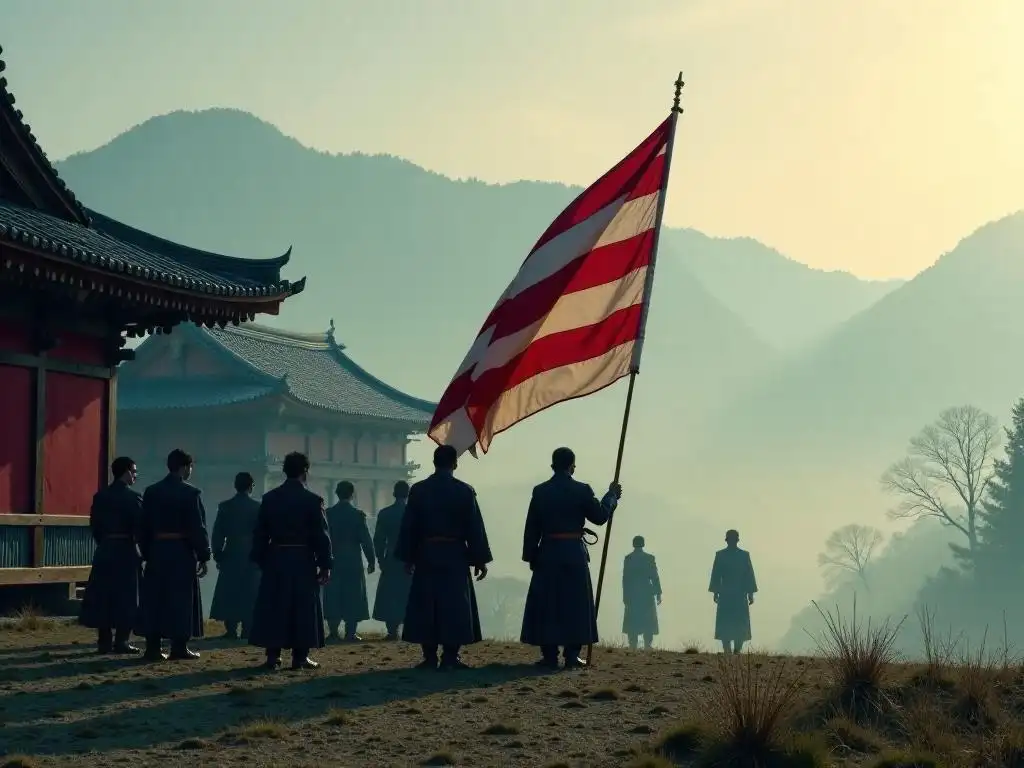
The political landscape of early feudal Japan was marked by the ascendancy of the samurai class, yet it was not without its challenges. Internal strife, the emergence of alternate power structures, and various economic factors played significant roles in shaping the dynamics of power during this period. Understanding these challenges is crucial for a comprehensive grasp of early feudal Japan politics.
Internal Strife and Political Factions
Internal strife was a defining feature of early feudal Japan, characterized by the fragmentation of power among various clans and factions. The Genpei War (1180-1185), a pivotal conflict between the Taira and Minamoto clans, exemplified this tumultuous period. The war not only highlighted the rivalries among powerful families but also set the stage for the establishment of the Kamakura Shogunate, fundamentally altering the political hierarchy.
Key factions often vied for dominance, leading to:
- Frequent power struggles: Clans like the Hojo and Ashikaga emerged, each trying to assert control over the shogunate and regional territories.
- Shifting alliances: Political marriages, betrayals, and temporary coalitions were common, making the political landscape highly volatile.
- Civil wars: The Nanboku-chō period (1336-1392) saw rival claimants to the throne, further exacerbating divisions and weakening centralized authority.
These internal struggles not only challenged the samurai’s political dominance but also contributed to a cyclical pattern of conflict, diminishing the stability necessary for effective governance.
The Rise of Alternate Power Structures
As the samurai class solidified its power, alternate power structures began to emerge, challenging their authority. One notable development was the increasing influence of daimyōs, powerful feudal lords who controlled vast territories and maintained their own armies. This decentralization of power had profound implications for early feudal Japan politics:
- Daimyō Autonomy: Many daimyōs sought independence from the shogunate’s control, leading to a more fragmented political landscape where local lords wielded significant power.
- Religious Institutions: Temples and shrines, particularly those affiliated with the Tendai and Shingon sects, gained political influence, often acting as mediators in conflicts and providing resources to rival factions.
- Emerging Merchant Class: The rise of a wealthy merchant class began to shift the balance of power, as economic influence started to rival military might, leading to greater autonomy for regions dependent on trade.
These alternate structures not only diluted the samurai's political authority but also paved the way for new forms of governance that would evolve in subsequent periods.
Economic Factors Influencing Political Stability
The economic landscape of early feudal Japan significantly influenced political stability and power dynamics. Economic prosperity or hardship could dictate the strength or weakness of the samurai class and their ability to maintain control. Key economic factors included:
- Agricultural Production: The ability to produce surplus rice was paramount. Regions with fertile land and effective irrigation systems could generate wealth, empowering local daimyōs and undermining the shogunate’s centralized authority.
- Trade Routes: The development of trade routes, both domestic and with neighboring regions, fostered economic interdependence. Control over these routes became a source of power, leading to conflicts over territory and resources.
- Taxation and Tribute Systems: The imposition of taxes and tribute by the samurai often led to discontent among peasants, resulting in rebellions. The Jōkyū War (1221), for example, was partly fueled by dissatisfaction with samurai taxation policies.
Overall, these economic factors played a crucial role in shaping the political landscape, illustrating that the samurai's dominance was intricately linked to the economic conditions of the time. As the political fabric of early feudal Japan evolved, so too did the challenges faced by the samurai class in maintaining their political hegemony.
The Legacy of Early Feudal Japan Politics

The political landscape of Early Feudal Japan, characterized by the rise of the samurai class, has left an indelible mark on the subsequent political systems of Japan. This era, spanning from the late 12th century to the early 16th century, was defined by a shift from imperial rule to a decentralized feudal structure dominated by military leaders known as shōguns. Understanding the legacy of this period is essential to grasp how it shaped modern Japanese governance and societal norms.
Long-Term Impacts on Japanese Political Systems
The transformation of political authority during Early Feudal Japan set a precedent for future governance models in the country. The feudal system established by the samurai was characterized by a hierarchy of loyalty and land ownership, where power was distributed among various regional lords (daimyōs). This decentralized political structure led to significant changes that would resonate throughout Japanese history:
- Centralization vs. Decentralization:
- The feudal era highlighted the tension between central authority and local autonomy. While the emperor retained a ceremonial role, real power shifted to the shōgun and the daimyōs. This duality persisted, influencing the governance models during the Tokugawa shogunate (1603-1868) and even into modern times, where regional governance remains a key aspect of political discourse.
- The Role of the Samurai:
- Samurai not only served as warriors but became integral to the administration of local governments. Their loyalty to their lords fostered a culture of service and duty, which later influenced the bureaucratic practices in Japan. The samurai ethic is echoed in contemporary Japanese society, where loyalty and dedication are valued traits.
- Legal and Social Structures:
- The laws and customs developed during the feudal period laid the groundwork for Japan’s legal systems. The samurai’s code of conduct, known as Bushido, emphasized honor, discipline, and ethical behavior, which permeated various societal levels and informed Japan's legal frameworks for centuries.
- Influence on Modern Politics:
- The political struggles and alliances formed in Early Feudal Japan set the stage for the political machinations of later periods. The concept of political loyalty, whether to a lord or a nation, has continued to evolve but remains a core tenet of Japanese political culture.
The Evolution of the Samurai Class Beyond the Feudal Era
While the samurai class was initially defined by their military prowess and loyalty to feudal lords, their role evolved significantly after the fall of the feudal system in the late 19th century. The Meiji Restoration in 1868 marked a radical shift, abolishing the feudal structure and integrating samurai into a modern state framework. This transformation can be outlined as follows:
- Transition to Civilian Life:
- With the abolition of the samurai's privileges, many former samurai transitioned into civilian roles. They became bureaucrats, educators, and leaders in various sectors, bringing their values of discipline and loyalty into civilian governance and education systems.
- Cultural Legacy:
- The cultural impact of the samurai remained profound, influencing literature, arts, and martial disciplines. The romanticized view of samurai life contributed to Japan’s national identity, emphasizing honor and commitment that still resonate in Japanese culture.
- Political Participation:
- As Japan modernized, former samurai often found themselves involved in politics, helping to shape the emerging democratic processes. Their experiences and networks contributed to the formation of political parties and movements, impacting the trajectory of Japanese democracy.
- Modern Military Influence:
- The samurai's ethos influenced the formation of Japan’s modern military. The Imperial Army adopted many samurai traditions, emphasizing loyalty and sacrifice, which played a significant role in Japan’s military policies during the early 20th century.
The political landscape of Early Feudal Japan created a lasting legacy that shaped not only the governance structures of subsequent eras but also the cultural and social fabric of modern Japan. Understanding these dynamics is crucial for comprehending the historical trajectory of Japanese politics and society.
Conclusion: Understanding the Political Landscape of Early Feudal Japan
Summary of Key Points
The political landscape of Early Feudal Japan was a complex tapestry woven from the threads of power struggles, social hierarchies, and military might. The ascendance of the samurai class marked a pivotal shift in governance and societal structure. Here are the key points that encapsulate this transformative era:
- Transition from Imperial Rule: The decline of the centralized authority of the emperor and the subsequent rise of military leaders fundamentally altered the political dynamics.
- Emergence of the Shogunate: The establishment of the shogunate system led to a dual government structure, where the shogun held real power while the emperor remained a symbolic figure.
- Feudal System: The feudal hierarchy, characterized by the relationships between lords (daimyōs) and vassals (samurai), created a decentralized political environment that emphasized loyalty and service.
- Land and Power: Control over land became the primary source of power, with samurai serving as both military protectors and local rulers, further entrenching their status in society.
- Cultural Impact: The samurai's influence extended beyond politics into culture, shaping values such as honor, discipline, and loyalty, which are still revered in modern Japan.
Reflections on the Significance of Samurai Ascendancy in Politics
The rise of the samurai class during Early Feudal Japan was not merely a shift in military power; it represented a fundamental transformation in the political landscape that would shape the future of the nation. This ascendancy was significant for several reasons:
- Decentralization of Power: The samurai's rise contributed to the decentralization of authority, leading to a fragmented political structure. This fragmentation allowed for the emergence of local governance, where daimyōs exercised considerable autonomy.
- Military Governance: The samurai class established the precedent for military governance in Japan, influencing the political structure for centuries. Their warrior ethos became intertwined with political authority, giving rise to a governance model that prioritized military capability.
- Civic Identity: As the samurai class solidified its power, a distinct civic identity emerged among the populace, characterized by the ideals of loyalty and service. This cultural shift had long-lasting implications for Japanese society and its collective consciousness.
- Legal Frameworks: The political ascendancy of the samurai also led to the development of legal frameworks that codified the relationships between lords and vassals. This legalism provided a structure that governed feudal interactions and disputes.
- Influence on Future Governance: The political precedents set during this era continued to influence Japan's governance, even through the Meiji Restoration and beyond, as the interplay of military and civilian rule persisted.
The political landscape of Early Feudal Japan was irrevocably changed by the ascendance of the samurai class. Their rise not only reshaped political authority and social structures but also laid the groundwork for Japan's unique historical trajectory. Understanding these dynamics provides valuable insights into the complexities of feudal governance and its enduring legacy in Japanese history.
Frequently Asked Questions
What was the political structure in Early Feudal Japan?
The political structure in Early Feudal Japan was characterized by a decentralized system where power was held by local lords (daimyō) rather than a central authority, leading to regional governance.
How did the samurai influence politics during this era?
The samurai played a crucial role in politics as military leaders and loyal retainers to the daimyō, enforcing their authority and shaping the political landscape through military service and advisory roles.
What were the main factors that led to the rise of feudalism in Japan?
The rise of feudalism in Japan was influenced by factors such as land disputes, the decline of the imperial court's power, and the need for military protection during periods of conflict, which established the daimyō's control.
How did the shogunate system emerge during Early Feudal Japan?
The shogunate system emerged as a result of the need for a strong military leader to unify Japan, leading to the establishment of the shōgun as the de facto ruler, while the emperor remained a symbolic figure.
What role did the emperor play in Early Feudal Japan politics?
In Early Feudal Japan, the emperor held a ceremonial and religious role, with real political power residing with the shōgun and daimyō. This created a dual structure where the emperor's authority was largely symbolic.
Final Reflection: The Enduring Legacy of Early Feudal Japan Politics
The political landscape of Early Feudal Japan continues to resonate in contemporary society, illustrating how power dynamics and governance shape cultural identity and social structures. The intricate relationships between samurai, daimyos, and the imperial court not only defined an era but also laid the groundwork for modern political thought and practice. Understanding these historical nuances is crucial as they inform our current political discourse and highlight the importance of leadership and loyalty in any society.
The influence of Early Feudal Japan politics is palpable in today’s cultural and social frameworks, reminding us of the delicate balance between authority and responsibility. The samurai code of honor, bushido, transcends time, offering valuable lessons on integrity and duty. As philosopher Daisaku Ikeda once said, The true warrior is one who conquers himself.
This notion of self-mastery and ethical leadership continues to inspire individuals and leaders alike, urging us to reflect on our own roles within our communities and the broader world.
As we contemplate the lessons from Early Feudal Japan, I invite you to consider how the principles of governance, loyalty, and ethical leadership can be applied in your own life. Reflect on your responsibilities as a citizen and a leader in your community.
Embrace the wisdom of the past to navigate the complexities of the present, and strive to cultivate a sense of honor and duty that can contribute to a more harmonious society. The legacy of the samurai is not just a relic of history; it is a call to action for each of us to embody the values that promote justice, integrity, and respect in our daily lives.
Unleash Your Inner Samurai: Take Action Today!
Thank you for exploring the fascinating intricacies of early feudal Japan with us! By diving into the political landscape and understanding the samurai's role, you now possess valuable insights into this captivating era. It's time to put that knowledge to good use and embark on your own journey of discovery.
- Dive deeper: Consider reading a book or watching a documentary about samurai culture to further enrich your understanding.
- Join a community: Look for online forums or local history groups where you can discuss insights and discoveries with fellow enthusiasts.
- Share your knowledge: Engage in conversations with friends or share your insights on social media to inspire others to appreciate the samurai legacy.
What aspect of samurai culture do you find most intriguing, and how do you plan to explore it further?