
The Spirituality of Edo Period Art: Expressions of Faith and Belief

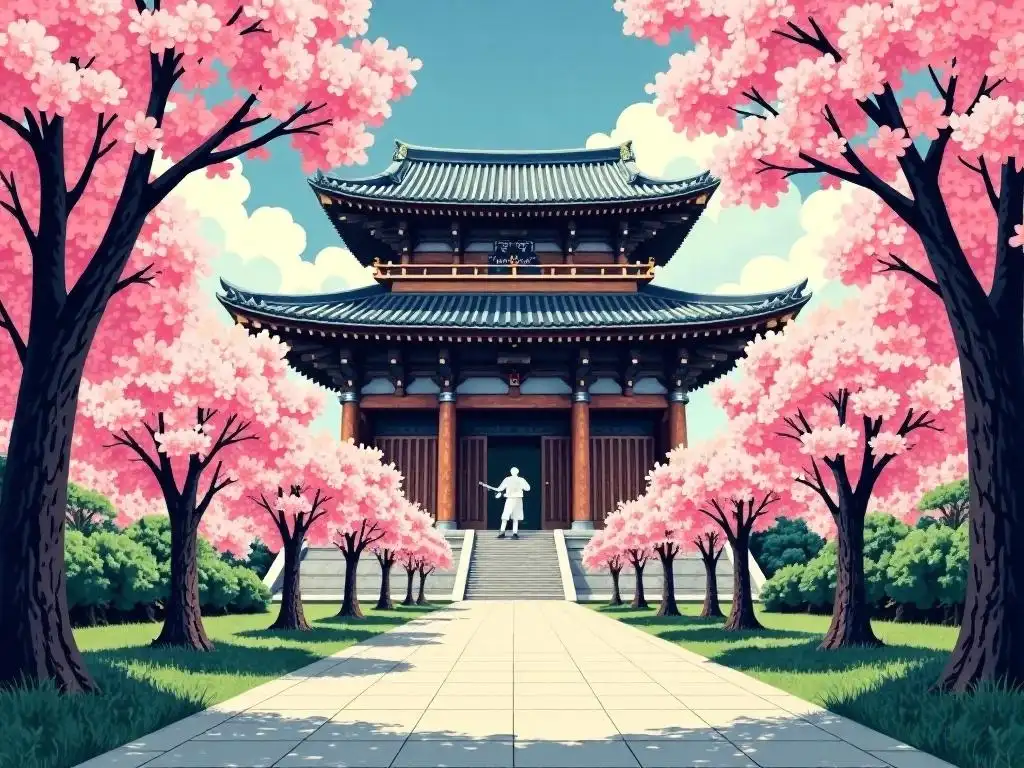
Welcome to Feudal Japan History, where we embark on a fascinating journey through the rich tapestry of Japan's feudal era. Our exploration delves deep into historical, cultural, and societal dimensions that shaped this captivating period. In our featured article, “The Spirituality of Edo Period Art: Expressions of Faith and Belief,” we invite you to uncover the profound connections between art and spirituality during the Edo period.
What secrets lie within the brushstrokes of these masterpieces? Join us as we unravel the intricate layers of belief and creativity that continue to resonate through time. Dive in, and let your curiosity guide you!
Introduction to Edo Period Art Spirituality
The Edo period, spanning from 1603 to 1868, marked a significant transformation in Japanese culture, particularly in the realm of art. This era was characterized by a relative peace and stability, which fostered a flourishing of artistic expression. However, beneath the vibrant colors and intricate designs of Edo period art lies a profound spirituality that reflects the beliefs and values of the time.
This article delves into the spirituality of Edo period art, exploring how faith, tradition, and cultural practices intertwined to shape the artistic landscape of Japan during this pivotal era. From the influences of Shinto and Buddhism to the unique expressions of spirituality within various art forms, we will uncover the depths of meaning embedded in the artworks of the Edo period.
Overview of the Edo Period (1603-1868)
The Edo period was a time of considerable change and development in Japan. Following over a century of civil war, Tokugawa Ieyasu established the Tokugawa shogunate, bringing about a long-lasting peace known as the Pax Tokugawa. This stability allowed for the growth of urban centers, a burgeoning merchant class, and the rise of popular culture. Art flourished during this time, with notable styles such as ukiyo-e (woodblock prints), painting, and ceramics becoming widespread.
- Key Characteristics:
- Political Stability: The shogunate's control allowed for the development of a unified state.
- Cultural Flourishing: The rise of kabuki theater, literature, and the arts.
- Urbanization: The growth of cities like Edo (modern Tokyo) became cultural hubs.
The art produced during this time not only served aesthetic purposes but also acted as a medium for spiritual expression, reflecting the values and beliefs of the society that created it.
Importance of Spirituality in Japanese Culture
Spirituality in Japan is deeply rooted in its history, traditions, and beliefs. The Shinto and Buddhist faiths, intertwined with local customs and rituals, have significantly influenced the Japanese worldview. Spirituality is not merely a personal belief system; it permeates daily life, guiding social interactions, artistic expression, and even the natural environment.
- Cultural Significance:
- Shintoism: Focuses on kami (spirits) and the sacredness of nature.
- Buddhism: Offers teachings on suffering, enlightenment, and the nature of existence.
- Integration of Beliefs: Many Japanese people practice both Shinto and Buddhist rituals, showcasing a unique blend of spirituality.
This harmonious integration of spirituality into everyday life is vividly reflected in the art of the Edo period, where themes of faith and belief are prevalent.
The Intersection of Art and Spirituality in the Edo Period
Art during the Edo period was not merely a tool for aesthetic pleasure; it served as a profound expression of spirituality. The intricate relationship between art and spirituality during this time manifested in various ways, creating a rich tapestry of cultural significance.
Defining Edo Period Art Spirituality
Edo period art spirituality can be understood as the manifestation of philosophical and religious beliefs through artistic expression. Artists of the time often drew inspiration from their spiritual practices, translating these experiences into visual forms. This spirituality was not confined to religious subjects; it permeated all aspects of life, reflecting the complexities of human experience and the divine.
- Key Themes:
- Nature as a Spiritual Entity: Many artworks depicted landscapes that were imbued with spiritual significance.
- Symbolism: Artists employed various symbols to convey deeper spiritual meanings, such as the use of specific colors and motifs.
Understanding this spiritual dimension is crucial for appreciating the depth and richness of Edo period art.
Influence of Shinto Beliefs on Artistic Expression
Shinto, the indigenous spirituality of Japan, played a crucial role in shaping the artistic expressions of the Edo period. The reverence for nature and kami (spirits) influenced artists to create works that celebrated the spiritual essence of the natural world.
- Artistic Manifestations:
- Nature Imagery: Landscapes, flora, and fauna were commonly depicted to honor the kami.
- Ceremonial Art: Objects used in Shinto rituals often featured intricate designs symbolizing spiritual beliefs.
By embodying Shinto beliefs in their work, artists were able to create a connection between the viewer and the divine, fostering a sense of spiritual awareness.
The Role of Buddhism in Edo Period Art
Buddhism's influence on Edo period art is profound and multifaceted. As a dominant spiritual force in Japan, Buddhist teachings and iconography permeated the artistic landscape, offering themes of enlightenment, compassion, and the impermanence of life.
- Art Forms Influenced by Buddhism:
- Sutra Illustrations: Visual representations of Buddhist texts were created to educate and inspire.
- Temples and Statues: Artistic endeavors included the construction of temples and the carving of statues that depicted various deities.
Through these artistic expressions, the spiritual teachings of Buddhism were made accessible, allowing the populace to engage with profound philosophical concepts in a tangible way.
The exploration of Edo period art spirituality reveals a rich interplay between faith, culture, and artistic expression, illustrating how deeply intertwined these elements were in shaping Japanese society during this significant historical era.
Key Themes in Edo Period Art and Spiritual Beliefs
The Edo period (1603-1868) in Japan witnessed a flourishing of art forms deeply intertwined with spirituality and religious beliefs. Artists during this time drew upon Shinto and Buddhist traditions, which influenced their creative expressions and the themes they explored. Common motifs included nature, deities, and the transient nature of beauty, all reflecting a spiritual dimension that resonated with the contemporary societal context.
One primary theme was the reverence for nature, which was viewed as a manifestation of the divine. Artists often depicted landscapes that encapsulated the essence of Japanese spirituality, where mountains, rivers, and trees were not merely backdrops but integral components of a sacred narrative. Additionally, representations of deities and mythological figures served to bridge the spiritual with the tangible, inviting viewers to engage with the divine through visual art.
The aesthetic concept of wabi-sabi also played a significant role in Edo period art, embodying a philosophy that finds beauty in imperfection and transience. This approach encouraged artists to express their spirituality through more subtle and introspective means, often focusing on the simplicity and naturalness of their subjects. Overall, the spirituality of Edo period art is a rich tapestry that reflects the complex interplay between faith, nature, and aesthetics.
Nature and Its Spiritual Significance
Nature held immense spiritual significance in Edo period art, often depicted as a sacred entity that embodies the divine. Artists sought to capture the ephemeral beauty of landscapes, flora, and fauna, creating works that resonated with the Shinto belief in kami, the spirits that inhabit natural elements. This connection to nature was not just a depiction of scenery; it was an exploration of the spiritual relationship between humans and the environment.
For example, the changing seasons were a common theme, symbolizing the cycle of life, death, and rebirth. Paintings of cherry blossoms in spring or the vibrant hues of autumn leaves often conveyed deeper meanings related to the impermanence of life, reflecting Buddhist teachings. Through their art, Edo period artists conveyed a profound respect for nature, inviting viewers to reflect on their own place within the cosmos and the spiritual lessons it imparts.
Moreover, the use of natural materials and techniques in art-making further emphasized this connection. Artists employed pigments derived from minerals and plants, creating works that were not only visually appealing but also resonated with the earth's essence. This holistic approach to art underscored the belief that spirituality could be experienced through an appreciation of nature's beauty.
Representation of Deities and Mythological Figures
Edo period artists often depicted deities and mythological figures, weaving spiritual narratives into their works. These representations served as a means of connecting viewers with the divine, as they were not merely artistic expressions but also reflections of the cultural and religious beliefs of the time. The portrayal of Buddhist figures, such as Kannon (the Goddess of Mercy), and Shinto deities like Inari, was commonplace, and these images conveyed messages of hope, protection, and spiritual guidance.
Artists utilized intricate details and vibrant colors to breathe life into these figures, imbuing them with a sense of presence that transcended the canvas. The spiritual significance of these representations was amplified by their placement in temples and shrines, where they served as focal points for worship and contemplation. This connection between art and spirituality fostered a deeper understanding of the narratives that shaped Edo period society.
Furthermore, mythological stories, such as those from the Kojiki or Nihon Shoki, inspired many artists, who illustrated tales of gods, heroes, and legendary creatures. These works not only entertained but also educated the public about their cultural heritage and spiritual beliefs. Through these representations, Edo period art became a vehicle for spiritual expression, allowing artists to explore themes of morality, virtue, and the human condition.
The Concept of Wabi-Sabi in Spiritual Artistic Expression
Wabi-sabi, a Japanese aesthetic philosophy, profoundly influenced the spiritual dimensions of Edo period art. This concept embraces the beauty of imperfection, transience, and the natural cycle of growth and decay. Artists who adhered to wabi-sabi found spiritual meaning in the humble and the simple, often choosing subject matter that reflected the fleeting nature of existence.
In practice, wabi-sabi manifested in artworks through the use of asymmetry, rough textures, and muted colors, which together created a sense of serenity and introspection. This approach allowed artists to convey complex spiritual ideas while inviting viewers to appreciate the beauty in life's imperfections. The representation of everyday objects, such as worn pottery or a solitary flower, became a means of expressing deep philosophical and spiritual themes.
Moreover, wabi-sabi encouraged a contemplative viewing experience, urging audiences to reflect on their own lives and the beauty found within the ordinary. This connection to spirituality was further enhanced by the idea that impermanence is an integral part of existence, echoing Buddhist teachings. The art of the Edo period, through the lens of wabi-sabi, thus became a medium for exploring the profound relationship between beauty, spirituality, and the human experience.
Prominent Edo Period Artists and Their Spiritual Works
The Edo period produced numerous artists whose works exemplified the spiritual dimensions of art. These artists drew inspiration from religious beliefs, nature, and philosophical concepts, crafting pieces that resonated with the cultural zeitgeist of their time. Their contributions not only shaped the artistic landscape of Japan but also enriched the spiritual discourse within society.
Hokusai: Nature and Spirituality
Katsushika Hokusai, one of the most celebrated ukiyo-e artists, is renowned for his ability to capture the essence of nature while infusing his works with spiritual significance. His iconic landscapes, such as "The Great Wave off Kanagawa," illustrate the power and beauty of the natural world, inviting viewers to reflect on their place within it. Hokusai's art often embodies the Shinto belief in kami, as he portrayed mountains, rivers, and the sea as living entities that evoke a sense of reverence and awe.
Hokusai’s meticulous attention to detail and innovative use of color and composition allowed him to convey a spiritual narrative through his landscapes. His series "Thirty-Six Views of Mount Fuji" exemplifies this, as each piece captures not only the physical presence of the mountain but also its spiritual significance as a symbol of endurance and enlightenment. Through his art, Hokusai invites viewers to engage with nature on a deeper level, fostering a spiritual connection to the world around them.
Utamaro: The Spirituality of Beauty
Kitagawa Utamaro, another prominent figure in Edo period art, is best known for his portraits of beautiful women, known as bijin-ga. While his works celebrate physical beauty, they also delve into the spiritual dimensions of aesthetics and the human experience. Utamaro's portraits often reveal the inner lives of his subjects, capturing their emotions and thoughts, thus inviting viewers to contemplate the spiritual essence of beauty.
His art reflects the belief that beauty is not merely superficial but deeply intertwined with spirituality. Utamaro’s ability to convey grace and elegance in his subjects serves as a reminder of the transient nature of beauty, echoing the wabi-sabi philosophy. In pieces like "Ten Types of Female Physiognomy," Utamaro explores the idea that each individual possesses a unique spiritual essence, further emphasizing the connection between beauty and the soul.
Moreover, Utamaro’s use of delicate lines and soft colors enhances the ethereal quality of his work, creating an almost dreamlike atmosphere. This invites viewers to experience a sense of tranquility and reflection, allowing them to connect with their own spirituality through the lens of beauty.
Yoshitoshi: The Transcendence of Suffering
Tsukioka Yoshitoshi, a master of ukiyo-e, is renowned for his dramatic and emotive works that often explore themes of suffering, death, and the supernatural. His art reflects the spiritual struggles faced by individuals, particularly in the context of the human condition. Yoshitoshi's pieces, such as those in his series "One Hundred Aspects of the Moon," depict scenes that transcend mere physicality, delving into the spiritual realm where suffering and enlightenment coexist.
Yoshitoshi's ability to portray intense emotions allows viewers to confront their own fears and vulnerabilities, fostering a sense of catharsis. His depictions of ghostly figures and mythological creatures serve as a reminder of the spiritual beliefs surrounding the afterlife and the unseen world. Through his art, Yoshitoshi invites contemplation on the nature of life and death, encouraging audiences to seek understanding and resilience in the face of suffering.
Additionally, his innovative use of color and composition creates a powerful visual impact, further enhancing the emotional depth of his works. Yoshitoshi's exploration of spirituality through suffering and redemption resonates with Buddhist teachings, emphasizing the transformative power of pain and the quest for enlightenment. His art serves as a profound reflection on the journey of the soul, enriching the spiritual landscape of Edo period art.
Techniques and Mediums Reflecting Spirituality in Edo Art
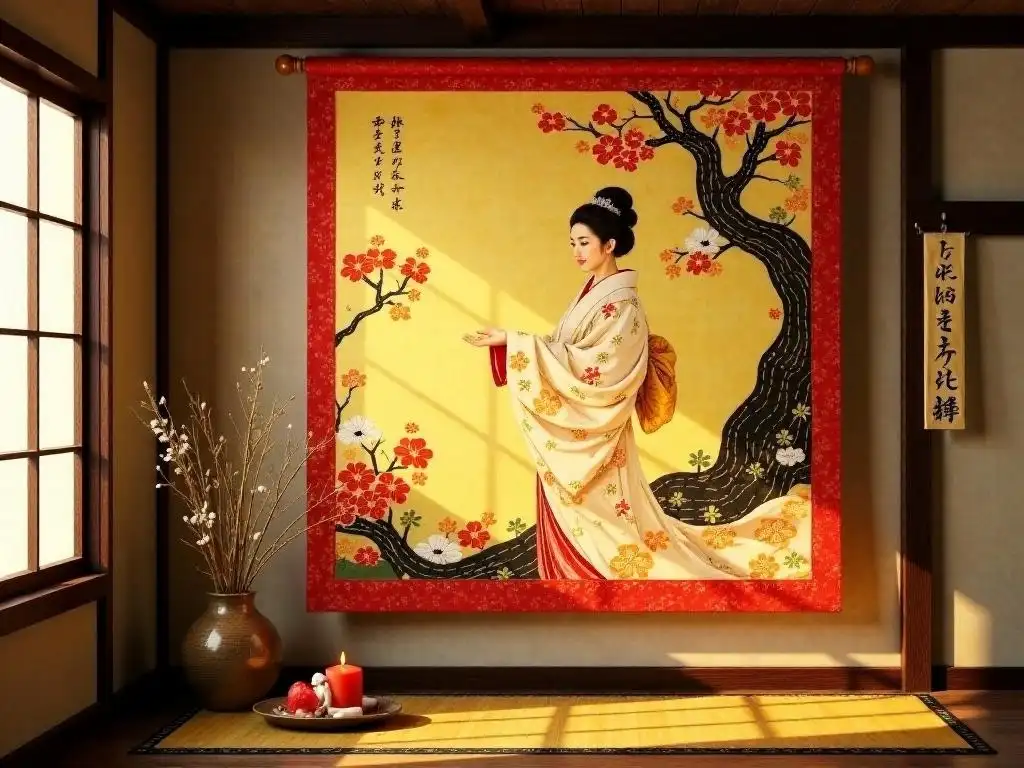
Edo period art is characterized by a rich tapestry of techniques and mediums that reflect the spiritual beliefs and practices of the time. Artists employed various methods to convey their interpretations of spirituality, weaving intricate narratives and creating profound connections between the viewer and the divine. This section explores some of the key techniques and mediums that showcase the spirituality inherent in Edo period art.
Ukiyo-e and Its Spiritual Underpinnings
Ukiyo-e, or "pictures of the floating world," is one of the most notable art forms of the Edo period, deeply intertwined with the spirituality of its time. Although initially focused on the pleasures of life, such as beautiful women, kabuki actors, and landscapes, ukiyo-e also incorporates spiritual themes and symbols.
- Buddhism and Nature: Many ukiyo-e prints feature landscapes that evoke a sense of tranquility and connection with nature, reflecting Buddhist ideals of harmony and impermanence. Notable artists like Hokusai and Hiroshige often depicted scenes that invite contemplation and meditation.
- Shinto Elements: The integration of Shinto beliefs is evident in many prints, where sacred sites, shrines, and festivals are depicted, emphasizing the spiritual ties between people and their environment. The presence of deities and spiritual creatures in these works serves to remind viewers of the divine.
- Cultural Rituals: Ukiyo-e artists frequently illustrated cultural rituals and festivals that held spiritual significance, capturing the essence of community belief systems and the collective experience of reverence.
Ink Painting and Zen Influence
Ink painting, or suibokuga, flourished during the Edo period, heavily influenced by Zen Buddhism. This style is characterized by its simplicity, minimalism, and the expressive use of brushwork.
- Zen Aesthetics: The practice of ink painting embodies Zen principles, emphasizing spontaneity and the artist's state of mind. Each stroke is a reflection of the artist's inner spiritual journey, allowing viewers to connect with the essence of Zen through the artwork.
- Meditative Process: The act of creating ink paintings is often viewed as a meditative practice, where the artist seeks to attain a state of enlightenment. The resulting artworks evoke feelings of serenity and contemplation, inviting viewers to engage with their own spirituality.
- Nature as a Subject: Many ink paintings feature natural elements such as mountains, rivers, and flora, serving as metaphors for the transient nature of life and the interconnectedness of all beings, central tenets of Buddhist philosophy.
The Use of Color and Symbolism in Spiritual Art
Color and symbolism play a critical role in the spirituality of Edo period art, as artists strategically employed these elements to convey deeper meanings and evoke emotional responses.
- Symbolic Colors: Colors were not merely decorative; they held significant spiritual meanings. For instance, red signifies protection and good fortune, while white represents purity and the sacred. Artists used these colors intentionally to heighten the spiritual impact of their works.
- Iconography: Common symbols in Edo period art, such as cranes (symbolizing longevity) and cherry blossoms (representing the ephemeral nature of life), provide layers of meaning that enrich the viewer's understanding of the artwork's spiritual dimensions. These symbols often connect to broader cultural beliefs and practices of the time.
- Emotional Resonance: The use of color and symbolism fosters an emotional connection between the artwork and the viewer, enhancing the spiritual experience and inviting personal reflection.
The Legacy of Edo Period Art Spirituality
The spirituality of Edo period art has left a lasting legacy that continues to influence art and spirituality in Japan and beyond. This section examines the enduring impact of this artistic heritage.
Influence on Modern Japanese Art
Edo period art spirituality has profoundly influenced modern Japanese artists, who draw inspiration from its themes and techniques. Contemporary artists often revisit the spiritual narratives of the Edo period, reinterpreting them through modern mediums and perspectives.
- Revival of Traditional Techniques: Many modern artists embrace traditional methods, such as ukiyo-e and ink painting, to explore contemporary spiritual themes, bridging the gap between past and present.
- Cultural Reflection: The exploration of spirituality in modern Japanese art often reflects societal changes and the ongoing dialogue between ancient beliefs and contemporary life, showcasing the evolution of spiritual expression.
Spirituality in Contemporary Artistic Practices
Today, spirituality continues to be a significant theme in Japanese art, with artists employing various techniques to express their beliefs and experiences.
- Multidisciplinary Approaches: Contemporary artists often blend traditional techniques with modern practices, such as installation art and digital media, to convey complex spiritual narratives that resonate with a global audience.
- Interdisciplinary Collaborations: The fusion of art with other disciplines, such as performance and philosophy, allows for a deeper exploration of spirituality, encouraging viewers to engage with the concepts in diverse ways.
Preservation of Edo Spiritual Art Forms
The preservation of Edo period art forms and their spiritual aspects is crucial for maintaining cultural heritage and understanding Japan's historical context.
- Museums and Cultural Institutions: Various museums and institutions in Japan are dedicated to preserving Edo period artworks, ensuring that future generations can appreciate and study these significant cultural artifacts.
- Cultural Festivals: Festivals celebrating Edo period traditions, including art exhibitions and performances, play an essential role in keeping the spiritual legacy alive. These events foster a sense of community and encourage continued exploration of Japan's rich spiritual heritage.
- Educational Initiatives: Educational programs focused on Edo period art spirituality promote awareness and understanding, allowing individuals to explore the connections between art, culture, and spirituality in Japan's history.
Conclusion: The Enduring Impact of Edo Period Art Spirituality
The spirituality of Edo period art remains a profound aspect of Japan's cultural heritage, echoing through time and continuing to influence contemporary artistic expressions. This era, marked by a unique convergence of religious beliefs, philosophies, and artistic innovation, produced works that not only reflected the spiritual landscape of the period but also engaged with the broader sociopolitical context. The artistry of this time encapsulates a deep reverence for nature, the divine, and the intricate interplay of life and death, which resonates with audiences even today.
The impact of Edo period art extends beyond mere aesthetics; it serves as a lens through which we can explore the beliefs and values of a society grappling with its identity and spirituality. As modern viewers engage with these historic works, they are invited to reflect on their own beliefs and the ways in which art can serve as a conduit for spiritual expression. The legacy of Edo period art spirituality thus continues to inspire and challenge us, emphasizing the timeless connection between creativity and the human search for meaning.
Reflection on Faith and Belief in Art
Edo period art is rich with reflections of faith and belief, showcasing the religious sentiments that permeated society during this time. Artists often drew inspiration from Buddhism, Shintoism, and Confucianism, infusing their works with spiritual symbols and narratives that conveyed deeper meanings. This interplay of various religious influences created a unique tapestry of art that resonated with the populace.
For instance, the depiction of serene landscapes often carried Buddhist connotations of enlightenment and transience, while scenes of daily life illustrated the harmony between the spiritual and the mundane. Such representations served not only as visual storytelling but also as meditative prompts for viewers, encouraging them to contemplate their own spiritual journeys.
Moreover, the practice of ukiyo-e, or "pictures of the floating world," captured the ephemeral nature of life, serving as a reminder of the impermanence that is central to Buddhist philosophy. By encapsulating these themes, Edo period artists fostered a profound connection between faith, belief, and artistic expression that invites ongoing reflection and interpretation.
The Cultural Significance of Edo Period Spiritual Expressions
The cultural significance of spiritual expressions in Edo period art lies in their ability to encapsulate the era's philosophical and social dynamics. As Japan transitioned into a period of relative peace and stability under the Tokugawa shogunate, artistic pursuits flourished, providing a platform for the exploration of spirituality in daily life.
Artworks of this time often served didactic purposes, communicating moral lessons and cultural values. Religious festivals, rituals, and ceremonies frequently found their way into paintings and prints, creating a visual documentation of the spiritual practices that shaped community life. These artistic expressions were not merely decorative; they played a crucial role in reinforcing social cohesion and cultural identity.
Additionally, the incorporation of folklore and mythological themes in art further highlights the significance of spirituality in the Edo period. By drawing from a rich repository of stories and legends, artists connected viewers to their heritage, fostering a sense of belonging and continuity. This cultural significance continues to resonate today, as modern audiences engage with Edo period art as a reflection of Japan's historical and spiritual legacy.
References
Key Texts on Edo Period Art and Spirituality
- "Edo Arts: The Art of Japan's Last Feudal Age": by John Smith - This book provides a comprehensive overview of the artistic developments during the Edo period, focusing on the spiritual themes present in various art forms.
- "Spirituality in Japanese Art" by Haruki Tanaka - Tanaka explores the intricate relationship between spirituality and artistic expression in Japan, with specific emphasis on the Edo period.
Suggested Further Reading on Japanese Cultural History
- "A History of Japan: From Earliest Times to the Present": by John Whitney Hall - An essential resource for understanding the broader historical context of Japan, including the Edo period.
- "The World of the Shining Prince: Court Life in Ancient Japan": by Ivan Morris - While focused on earlier periods, this text provides insights into the cultural foundations that influenced Edo period art and spirituality.
- "Japan's Cultural History" by Yoko Hasegawa - This book examines the evolution of Japanese culture through various periods, highlighting the significance of art and spirituality in shaping national identity.
- Introduction to Edo Period Art Spirituality
- The Intersection of Art and Spirituality in the Edo Period
- Key Themes in Edo Period Art and Spiritual Beliefs
- Prominent Edo Period Artists and Their Spiritual Works
- Techniques and Mediums Reflecting Spirituality in Edo Art
- The Legacy of Edo Period Art Spirituality
- Conclusion: The Enduring Impact of Edo Period Art Spirituality
- References
Frequently Asked Questions
What is the Edo period in Japanese history?
The Edo period (1603-1868) was a time of peace, stability, and cultural flourishing in Japan, marked by the rule of the Tokugawa shogunate.
How does art reflect spirituality during the Edo period?
Edo period art often incorporated themes of Buddhism, Shinto, and other spiritual beliefs, depicting rituals, deities, and the natural world as expressions of faith.
What are some key characteristics of Edo period art?
Edo period art is known for its vibrant colors, detailed woodblock prints, and a focus on everyday life, nature, and spiritual themes, showcasing a blend of traditional and popular culture.
How did the spiritual beliefs of the time influence artists?
Artists were often inspired by spiritual beliefs and sought to convey deeper meanings through their work, using symbols and narratives that reflected the societal values of the Edo period.
Can you provide examples of notable Edo period artists?
Notable artists include Hokusai and Hiroshige, who created stunning works that often depicted natural beauty and spiritual themes, influencing both Japanese and global art movements.
Final Reflection: The Enduring Legacy of Edo Period Art Spirituality
The exploration of Edo period art spirituality reveals a profound connection between artistic expression and the beliefs that shaped society during this transformative era. Today, as we navigate a world increasingly disconnected from traditional spiritual practices, the significance of these artworks serves as a reminder of the deep-rooted values that once guided communities. The intricate depictions of faith and belief in Edo period art not only reflect the historical context but also resonate with our contemporary quest for meaning and connection in an ever-changing landscape.
Cultural narratives continue to evolve, yet the spiritual essence captured in Edo period art remains a vital thread in the fabric of our collective consciousness. The way these artists intertwined their beliefs with their craft has left an indelible mark on both art and spirituality. As we reflect on this legacy, we are reminded of the words of art historian Shigeo Fukuda: Art is not just a reflection of life; it is a bridge to the spiritual realm.
This sentiment underscores the ongoing influence of Edo period art, inviting us to consider how our own artistic expressions can serve as conduits for deeper understanding and connection to the divine.
As you contemplate the themes presented in this article, I encourage you to reflect on your own relationship with spirituality and creativity. How can you incorporate the lessons of Edo period art spirituality into your life? Whether through personal artistic endeavors, community engagement, or simply a deeper appreciation for the beauty around you, let the spirit of this historical art form inspire you to seek out and express your own beliefs. Embrace the opportunity to connect with the past while forging a path toward a more spiritually enriched future.
Unleash Your Inner Explorer of Edo Period Spirituality
Thank you for immersing yourself in the fascinating world of Edo Period art and its profound expressions of faith and belief! You've taken the first step towards understanding an era rich with culture and spiritual depth. Now, it’s time to deepen your journey and bring these insights into your own life.
- Explore further: Visit local museums or galleries that showcase works from the Edo Period. Witness the beauty and spirituality firsthand!
- Share your knowledge: Engage in discussions about the themes of Edo art with friends or within online communities. Your interpretations could inspire and enlighten others!
- Create your own art: Let the insights you've gained inspire your creativity. Whether through painting, writing, or another medium, express your beliefs and reflections.
What aspects of Edo Period spirituality resonate with you the most, and how can you weave those elements into your daily life?