
Understanding the Ikkoikki: Religious Uprisings in the 15th Century

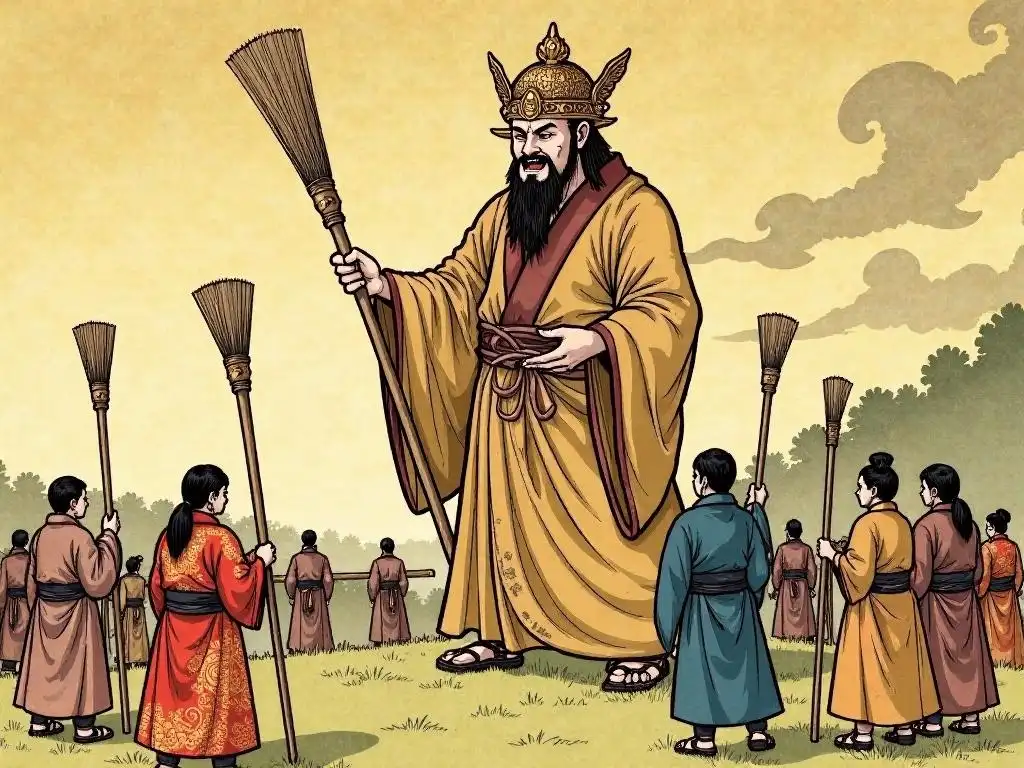
Welcome to Feudal Japan History, where we invite you to embark on a captivating journey through the intricate tapestry of Japan’s feudal era. In our exploration today, we delve into the fascinating history of the Ikkoikki religious uprisings, a pivotal chapter in the 15th century that reshaped the landscape of Japanese spirituality and society. What drove these fervent movements, and how did they challenge the established order?
Prepare to uncover the compelling narratives and profound implications of this tumultuous period, as we reveal insights that will spark your curiosity and deepen your understanding of Japan’s rich cultural heritage. Keep reading to unlock the secrets of the Ikkoikki and their enduring legacy!
Introduction to the Ikkoikki Religious Uprisings History
The Ikkoikki, or "Single-minded League," represents a significant chapter in the history of feudal Japan, particularly during the tumultuous 15th century. This period was marked by a series of religious uprisings driven by the fervent beliefs of the Ikko sect of Pure Land Buddhism. The Ikkoikki emerged as a powerful force, challenging the traditional political structures and the established samurai class.
Their movements were not merely rebellions but deeply rooted in the quest for spiritual enlightenment and social justice. Understanding the Ikkoikki religious uprisings history provides insight into the intricate relationship between religion and politics in Japan, illustrating how faith can catalyze social change and conflict.
Overview of the Ikkoikki Movement
The Ikkoikki was primarily composed of farmers, merchants, and peasants who sought refuge and empowerment through the teachings of Pure Land Buddhism. This movement was characterized by its passionate commitment to the belief in Amida Buddha, who promised salvation to all who sincerely called upon him. As discontent grew due to oppressive feudal laws and harsh economic conditions, the Ikkoikki became a rallying point for those seeking both spiritual solace and a means of resisting authority.
- Core Beliefs:
- Emphasis on devotion to Amida Buddha.
- The idea that all individuals, regardless of social status, could attain salvation.
- A collective identity that united the disenfranchised against feudal lords.
The Ikkoikki's influence extended beyond mere religious practice; they established fortified settlements known as "ikkō-ikki" that served as both communities of faith and centers of resistance.
Significance of the Ikkoikki in Feudal Japan
The Ikkoikki held considerable significance during the feudal era as an embodiment of the struggle between spiritual empowerment and the socio-political constraints of the time. They not only challenged the power of local daimyos but also played an essential role in reshaping the religious landscape of Japan.
- Impact on Society:
- The Ikkoikki fostered a sense of unity among the lower classes.
- They directly influenced the decline of the samurai's absolute power in certain regions.
- Their uprisings prompted discussions about authority, governance, and the role of religion in society.
The legacy of the Ikkoikki can still be felt today, as their movements paved the way for future social and religious transformations in Japan.
Historical Context of the Ikkoikki Religious Uprisings

To fully grasp the dynamics of the Ikkoikki, it is crucial to explore the historical context in which these uprisings took place. The 15th century was a period rife with instability, characterized by political fragmentation, economic hardship, and a burgeoning religious fervor.
The Political Landscape of 15th Century Japan
The Muromachi period (1336-1573) was a time of significant political strife in Japan, marked by the decline of the Ashikaga shogunate and the rise of regional warlords. This fragmentation created an environment where local leaders often exploited the peasantry, leading to widespread discontent.
- Key Features of the Political Landscape:
- Fragmentation of power among rival daimyos.
- Frequent conflicts and battles for territorial control.
- The weakening of central authority, allowing religious movements like the Ikkoikki to gain traction.
This chaotic backdrop provided fertile ground for the Ikkoikki to rise as a formidable social and religious force.
Key Religious Influences Leading to the Uprisings
The 15th century also witnessed the spread of various religious movements, with Pure Land Buddhism emerging as a dominant force among the lower classes. The teachings of Honen and Shinran, reformers within Pure Land Buddhism, emphasized faith and devotion over strict adherence to rituals, resonating deeply with the marginalized.
- Religious Dynamics:
- The accessibility of Pure Land teachings empowered the common people.
- Growing dissatisfaction with institutional Buddhism, perceived as elitist and disconnected from the masses.
These religious currents laid the groundwork for the Ikkoikki's emergence as both a religious and social movement.
The Role of Pure Land Buddhism in the Ikkoikki Movement
Pure Land Buddhism played a pivotal role in shaping the ideology and actions of the Ikkoikki. The movement's foundational belief in the salvific power of Amida Buddha provided a spiritual framework that justified resistance against oppressive feudal systems.
- Theological Underpinnings:
- The notion of "nembutsu" (the chanting of Amida's name) as a pathway to salvation.
- The belief that collective faith could lead to social transformation.
The Ikkoikki's alignment with Pure Land Buddhism not only fueled their religious fervor but also solidified their identity as a collective force striving for a just society. As we delve deeper into the specifics of the Ikkoikki uprisings, it becomes evident that their impact on Japanese society was profound and far-reaching.
Key Events in the Ikkoikki Religious Uprisings History
The Ikkoikki movement, a significant religious and social phenomenon in 15th-century Japan, saw a series of uprisings driven predominantly by the followers of the Jodo Shinshu sect of Buddhism. These events were characterized by their resistance against feudal lords and their attempts to assert the rights of common people. The key events in this movement reflect the intersection of religion and politics during a turbulent period in Japanese history.
Major Uprisings: Timeline and Overview
The Ikkoikki uprisings can be traced through several major events from the mid-15th century onwards. Significant moments include:
- 1430s: The emergence of the Ikkoikki began to take shape with the consolidation of power by followers of Rennyo, who sought to unify the believers against oppressive feudal rulers.
- 1485: The first notable uprising, marked by the revolt of the Ikkoikki in the Kaga province, demonstrated the followers' growing strength.
- 1528: The Ikkoikki managed to seize control of Kanazawa Castle, marking a pivotal point in their military and political influence.
- 1532: The Ikkoikki faced a major setback when they were suppressed by the forces of the powerful Uesugi clan.
These uprisings were not simply isolated events; they were part of a broader struggle against the feudal system, leading to a series of conflicts that reshaped the political landscape of Japan.
The Battle of Fukuda: A Case Study
The Battle of Fukuda, fought in 1532, serves as a critical case study in the Ikkoikki uprisings. This battle was a confrontation between the Ikkoikki forces, who were primarily farmers and monks, and the warriors of the Kaga province led by the powerful feudal lord, the Uesugi clan.
The Ikkoikki, composed of fervent believers in the teachings of Rennyo, showcased their determination by utilizing guerrilla tactics, which allowed them to leverage their knowledge of the local terrain. Despite their initial successes, the battle ultimately ended in defeat for the Ikkoikki. The loss highlighted the challenges faced by the movement, including the disparity in military resources and the strategic prowess of their opponents. However, this battle also solidified the Ikkoikki's resolve to continue their struggle for autonomy and religious freedom.
The Siege of Ishiyama Hongan-ji: Events and Outcomes
One of the most significant events in the history of the Ikkoikki was the Siege of Ishiyama Hongan-ji, which lasted from 1570 to 1580. The Ishiyama Hongan-ji temple became a stronghold for the Ikkoikki, symbolizing their resistance against the ruling powers.
During the siege, the forces of Oda Nobunaga, a prominent warlord seeking to consolidate his control over Japan, aimed to eliminate the Ikkoikki stronghold. The defenders, composed of beleaguered Ikkoikki followers and their allies, mounted a robust defense, utilizing the temple's fortifications to withstand Nobunaga's assaults.
Despite facing overwhelming odds, the siege showcased the strategic capabilities of the Ikkoikki. The prolonged conflict ultimately concluded with a negotiated peace, allowing the Ikkoikki to retain their religious practices but at a significant cost, as many of their leaders were forced into exile. This event underscored the complex dynamics of power, religion, and resistance during Japan's feudal period.
Key Figures in the Ikkoikki Movement
The Ikkoikki movement was not only marked by significant events but also by influential figures whose leadership and teachings shaped its direction. Understanding these key individuals provides insight into the motivations and ideologies underpinning the uprisings.
Prominent Leaders of the Ikkoikki
Several leaders emerged during the Ikkoikki uprisings, each contributing to the movement's strategies and philosophies. Notable figures included:
- Rennyo: Often regarded as the spiritual leader of the Ikkoikki, his teachings emphasized a direct relationship with Amida Buddha, rallying followers under a common cause.
- Tada Mitsunaga: A notable military leader who played a crucial role in organizing the Ikkoikki forces during various uprisings, demonstrating both military strategy and dedication to the cause.
These leaders inspired their followers through a combination of spiritual guidance and military acumen, fostering a sense of community and purpose among the Ikkoikki.
The Influence of Rennyo and His Teachings
Rennyo's teachings had a profound impact on the Ikkoikki movement. He advocated for the accessibility of Buddhist teachings to the common people, emphasizing that salvation was attainable for all, regardless of social status. His approach to Buddhism was revolutionary, focusing on the importance of faith over ritual, which resonated deeply with the disenfranchised masses.
His charisma and ability to mobilize followers were instrumental in the formation of the Ikkoikki. Under his leadership, the movement gained momentum and established a network of temples that served as centers of both spiritual and social activity, fostering solidarity among believers.
Other Notable Figures in the Religious Uprisings
Beyond Rennyo and Tada Mitsunaga, several other figures played significant roles in the Ikkoikki uprisings:
- Shinran: As the founder of Jodo Shinshu Buddhism, his teachings laid the groundwork for the Ikkoikki's philosophy.
- Myocho: A monk who was influential in the later phases of the uprisings, advocating for the rights and autonomy of the Ikkoikki followers against oppressive feudal lords.
These figures collectively contributed to the rich tapestry of the Ikkoikki movement, embodying the intertwining of religious conviction and social resistance that characterized the Ikkoikki religious uprisings in 15th-century Japan.
Societal Impact of the Ikkoikki Religious Uprisings
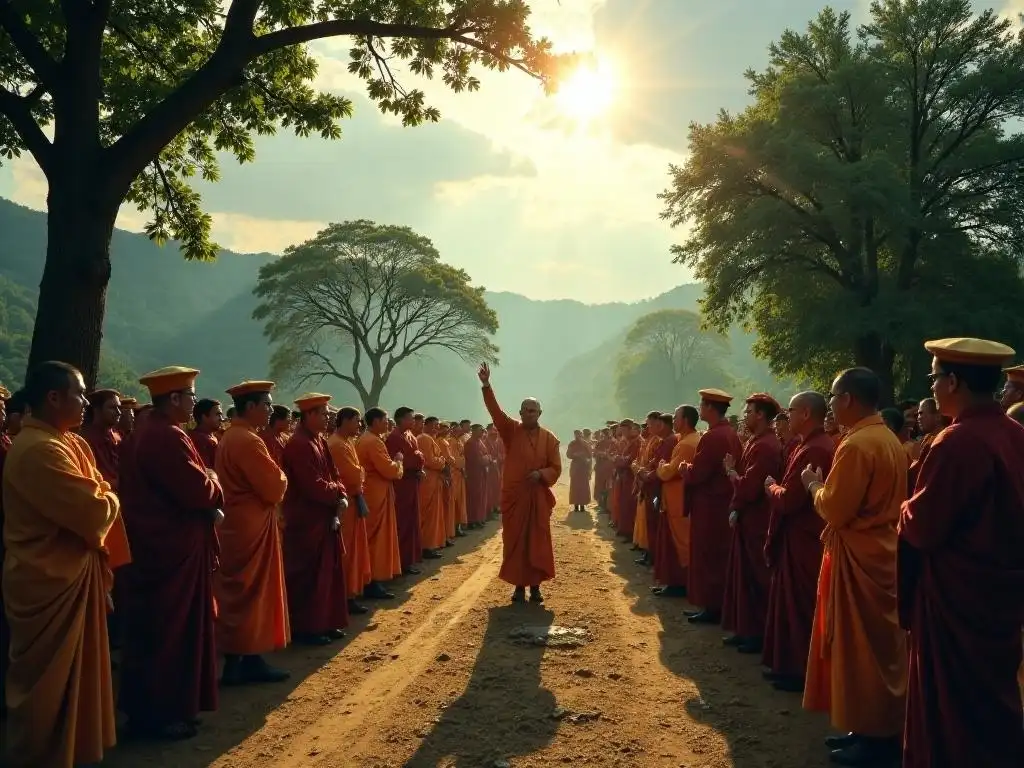
The Ikkoikki religious uprisings of the 15th century significantly altered the societal landscape of Japan. These uprisings, driven by the fervent belief in the teachings of Rennyo, the leader of the Jodo Shinshu sect, led to a series of social, political, and cultural transformations that reshaped not only the religious sphere but also the broader societal structures of the time. The fervor of the Ikkoikki followers created a unique dynamic that challenged the established order, fostering a sense of community and identity among peasants and lower classes while simultaneously clashing with the samurai elite.
Changes in Social Structure Due to the Uprisings
The Ikkoikki uprisings catalyzed a shift in the social hierarchy, as the common people began to assert their influence in the face of oppressive feudal lords. The uprisings resulted in a temporary weakening of the samurai class's power, as the Ikkoikki established their own governance structures in regions like Kaga and the surrounding provinces.
This empowerment of the peasantry led to a reevaluation of their roles within society, as they banded together to defend their rights and beliefs. The Ikkoikki's communal approach also fostered a sense of solidarity among followers, creating a new social order that emphasized collective action against perceived injustices.
The Ikkoikki's Influence on Local Governance
The establishment of Ikkoikki-controlled territories marked a notable departure from traditional feudal governance. These regions operated under a unique form of self-governance, where the Ikkoikki followers created councils and assemblies to make decisions regarding local matters. This shift not only empowered the local populace but also challenged the existing feudal lords, many of whom were either overthrown or forced to negotiate with the Ikkoikki. The influence of the Ikkoikki on local governance contributed to the development of a more participatory political culture, laying the groundwork for future movements advocating for the rights of the common people.
Cultural and Religious Transformations Following the Uprisings
The Ikkoikki uprisings instigated profound cultural and religious changes across Japan. The movement popularized the Jodo Shinshu teachings, emphasizing salvation through faith rather than through rituals, which resonated deeply with the masses. This shift in religious focus encouraged the spread of new cultural practices, including the establishment of temples that served as community centers. The blending of religious and cultural identities allowed for a unique expression of faith that permeated everyday life. Additionally, the uprisings inspired various forms of artistic expression, including literature and visual arts, reflecting the struggles and aspirations of the Ikkoikki followers.
Analysis of the Ikkoikki's Legacy
The legacy of the Ikkoikki uprisings is multifaceted, influencing various aspects of Japanese society and religious thought that extended far beyond the 15th century. Their impact can still be felt in contemporary Japan, where the themes of resistance and the quest for social justice continue to resonate.
Long-term Effects on Japanese Buddhism
The Ikkoikki movement left an indelible mark on Japanese Buddhism, particularly within the Jodo Shinshu sect. The uprisings highlighted the importance of faith as a means of salvation, fundamentally altering the practice and perception of Buddhism in Japan. This emphasis on personal faith over ritualistic practices led to a broader democratization of religious belief, allowing for greater access to spiritual teachings among the lower classes. The legacy of the Ikkoikki has persisted, influencing modern interpretations and practices of Buddhism in Japan, where individual faith remains a central tenet.
The Ikkoikki's Role in Shaping Modern Religious Thought
The Ikkoikki's emphasis on community and collective action laid important groundwork for modern religious thought in Japan. Their struggles against the feudal system inspired later religious movements that sought to challenge social injustices. The principles of equality and communal support that emerged from the Ikkoikki uprisings provided a framework for contemporary religious groups advocating for social change. This legacy can be seen in various social movements that draw on the Ikkoikki's spirit of resistance and empowerment.
Reflection on the Ikkoikki in Contemporary Japanese Society
Today, the Ikkoikki's influence can be observed in the way religious and social issues are approached in Japan. The historical narrative of the Ikkoikki serves as a reminder of the power of collective action and community cohesion in the face of oppression. In contemporary society, discussions around social justice, equality, and the role of religion in public life often invoke the legacy of the Ikkoikki. Their story continues to inspire movements aimed at addressing socio-economic disparities and advocating for the rights of marginalized communities, demonstrating the lasting significance of the Ikkoikki religious uprisings in Japan's cultural and social fabric.
Conclusion: The Ikkoikki Religious Uprisings History in Retrospect
The Ikkoikki religious uprisings of the 15th century remain a significant chapter in the annals of feudal Japan's turbulent history. These uprisings not only reflect the struggles between religious fervor and feudal authority but also illustrate the complexities of social dynamics during this period. The Ikkoikki, or "Single-minded Faith," was a movement primarily rooted in the teachings of the Jodo Shinshu sect of Buddhism, and it provided a unifying force for disenfranchised peasants and urban lower classes. As the movement gained momentum, it challenged the established order, resulting in a series of violent confrontations with samurai and local rulers.
The legacy of the Ikkoikki is multifaceted. It highlights the intersection of religion, politics, and social justice, showcasing how religious beliefs can inspire collective action against oppression. The uprisings also serve as a precursor to later conflicts in Japanese history, such as the Sengoku period, where the struggle for power frequently intertwined with religious affiliations.
Summary of Key Themes and Insights
The Ikkoikki uprisings underscore several key themes in the context of feudal Japan:
- Religious Mobilization: The Ikkoikki movement exemplifies how religious ideology can serve as a catalyst for social change. The fervent belief in the teachings of Jodo Shinshu empowered followers to resist feudal oppression.
- Social Stratification: The uprisings highlighted the deep social divisions in feudal Japan. Discontent among the lower classes, particularly farmers and townspeople, was a critical factor that fueled the movement.
- Conflict and Resistance: The clashes between the Ikkoikki and samurai forces represent the broader struggle for social justice and the right to worship freely, illustrating the violent lengths to which oppressed groups would go to assert their beliefs.
- Political Implications: The Ikkoikki's rise posed a significant challenge to local feudal lords and their authority, leading to shifts in power dynamics and the eventual emergence of new political entities in the wake of the uprisings.
- Cultural Resonance: The legacy of the Ikkoikki continues to resonate in Japanese culture, influencing contemporary views on faith, community, and resistance against authority.
The Ikkoikki's Relevance to Understanding Feudal Japan
Understanding the Ikkoikki uprisings is crucial for grasping the broader context of feudal Japan. These events illustrate not only the religious fervor of the time but also the socio-political landscape that characterized the era. The conflict between the Ikkoikki and the samurai reflects a significant shift wherein religious groups began to assert their influence, challenging the traditional power structures.
Additionally, the Ikkoikki's ability to mobilize a diverse group of followers—from peasants to monks—demonstrates the potential of shared beliefs to transcend social boundaries. This movement contributed to the development of new social identities and collective action strategies, shaping future religious and political movements in Japan.
As Japan transitioned from the feudal era to the modern age, the lessons learned from the Ikkoikki uprisings about unity, resistance, and the quest for justice remained vital, offering insights into the enduring impacts of faith and community in shaping societal change. The history of the Ikkoikki serves as a poignant reminder of the power of belief in the face of adversity, making it an essential topic for anyone seeking a deeper understanding of Japan's feudal past.
- Introduction to the Ikkoikki Religious Uprisings History
- Overview of the Ikkoikki Movement
- Significance of the Ikkoikki in Feudal Japan
- Historical Context of the Ikkoikki Religious Uprisings
- Key Events in the Ikkoikki Religious Uprisings History
- Key Figures in the Ikkoikki Movement
- Societal Impact of the Ikkoikki Religious Uprisings
- Analysis of the Ikkoikki's Legacy
- Conclusion: The Ikkoikki Religious Uprisings History in Retrospect
- What were the Ikkoikki religious uprisings?
- What motivated the Ikkoikki to rise against feudal authorities?
- How did the Ikkoikki influence Japanese society during the feudal era?
- What role did Pure Land Buddhism play in the Ikkoikki movement?
- How did the Ikkoikki religious uprisings affect Japan's future?
Frequently Asked Questions
What were the Ikkoikki religious uprisings?
The Ikkoikki uprisings were a series of religious and social movements in 15th-century Japan, driven by Pure Land Buddhism followers against feudal lords.
The Ikkoikki were primarily motivated by economic disparity and religious fervor, seeking social justice and the protection of their communities from oppressive rulers.
How did the Ikkoikki influence Japanese society during the feudal era?
The Ikkoikki contributed to the political landscape by challenging feudal authority, leading to shifts in power dynamics and inspiring subsequent uprisings throughout the region.
What role did Pure Land Buddhism play in the Ikkoikki movement?
Pure Land Buddhism served as the ideological backbone of the Ikkoikki, providing a framework for their beliefs and a sense of community among followers.
How did the Ikkoikki religious uprisings affect Japan's future?
The Ikkoikki uprisings set a precedent for later revolts and influenced the development of Japanese martial culture, ultimately impacting the unification of Japan in the late 16th century.
Final Reflection: The Ikkoikki Uprisings and Their Enduring Legacy
The Ikkoikki religious uprisings of the 15th century serve as a powerful reminder of how faith can inspire collective action and challenge established power structures. In today's world, where religious and ideological conflicts continue to shape societies, understanding the historical context of such uprisings is crucial. The Ikkoikki movement illustrates the profound impact that a unified belief system can have on social dynamics and political landscapes, reminding us that the quest for justice and equality often transcends time and place.
The legacy of the Ikkoikki uprisings continues to resonate in contemporary discussions about religious freedom and social justice. These events highlight the importance of grassroots movements in effecting change and the role of community solidarity in confronting oppression. As historian John D. Young aptly stated, The Ikkoikki were not merely rebels; they were a voice for the marginalized, a testament to the power of faith in the face of adversity.
This observation underscores the ongoing relevance of the Ikkoikki's struggle, as modern movements often draw inspiration from their courage and resilience.
As we reflect on the lessons of the Ikkoikki, let us consider how we can apply their spirit of unity and determination in our own lives. Challenge the status quo, advocate for those whose voices are silenced, and embrace the transformative power of belief. In doing so, we honor the legacy of the Ikkoikki and contribute to a more just and equitable world. Take a moment to reflect on your own beliefs and how they can inspire action—together, we can create a future where faith and justice walk hand in hand.
Dive Deeper into the Legacy of the Ikkoikki!
Thank you for taking the time to explore the fascinating world of the Ikkoikki and their impact on 15th-century Japan. Your interest in this pivotal moment in history not only enriches your understanding but also connects you to the ongoing narrative of resilience and faith.
Now, let’s take the next step in your historical journey:
- Engage with the History: Visit local museums or online exhibits that showcase artifacts from the Ikkoikki period to witness history come alive.
- Join the Conversation: Share your thoughts and insights about the Ikkoikki with fellow history enthusiasts on social media or forums dedicated to the study of feudal Japan.
- Explore Further: Read additional books or articles about other significant religious movements in Japan. You may be surprised by how interconnected these events truly are!
How do you believe the legacy of the Ikkoikki influences modern perspectives on faith and resistance?