
The Significance of the Yari: Spear Tactics in Samurai Warfare


Welcome to Feudal Japan History, your gateway to an enthralling journey through the complexities of Japan’s feudal era. Here, we delve deep into the rich tapestry of historical, cultural, and societal facets that shaped this fascinating period. In our featured article, "The Significance of the Yari: Spear Tactics in Samurai Warfare," we unravel the intricate strategies behind the yari spear, revealing its pivotal role in the battlefield and its impact on samurai combat.
Prepare to uncover the secrets of these ancient warriors and ignite your curiosity as you explore the depths of their military prowess. Join us as we embark on this captivating exploration of history!
The Yari, a traditional Japanese spear, played a pivotal role in the evolution of warfare during the feudal era of Japan. This article delves into the intricate details of Yari spear tactics in samurai warfare, exploring its historical significance, the weapon's design, and its tactical applications in combat.
By examining the multifaceted role of the Yari, we can gain a deeper understanding of how this weapon shaped the battlefield strategies of the samurai and influenced the outcomes of numerous conflicts. Join us on this comprehensive exploration of the Yari’s impact on Japanese military history, its evolution, and the enduring legacy it has left in the cultural memory of Japan.
Introduction to the Yari and Samurai Warfare
Overview of the Yari Spear
The Yari is not just a weapon; it is a symbol of the martial traditions of Japan. Typically measuring between 2 to 4 meters in length, the Yari features a pointed metal tip that is designed for thrusting and stabbing. Its construction often includes:
- A wooden shaft, usually made from strong, lightweight materials like bamboo or hardwood.
- A variety of spearheads, which can be straight, barbed, or even elaborately designed for specific combat scenarios.
The versatility of the Yari allowed it to be used effectively in both infantry formations and one-on-one combat, making it a favored weapon among samurai warriors. Notably, the Yari's reach provided a significant tactical advantage over shorter weapons like the katana, allowing for striking from a distance.
Historical Context of Samurai Warfare
To fully appreciate the significance of the Yari, it's essential to consider the context of samurai warfare. The samurai class emerged during Japan's Heian period (794-1185), but it was during the Kamakura (1185-1333) and Muromachi (1336-1573) periods that samurai warfare became more structured and organized. Key elements of this warfare included:
- Feudal Alliances: Samurai served powerful lords (daimyō) in a system of loyalty and land tenure, which created a complex web of allegiances.
- Battle Formations: Samurai engaged in large-scale battles, often utilizing formations that maximized the effectiveness of their weapons, including the Yari.
Understanding these historical dynamics is crucial for analyzing how the Yari fit into the broader strategies employed by samurai during conflicts.
The Role of the Yari in Samurai Battle Tactics
Yari as a Primary Weapon in Feudal Japan
The Yari was not merely an auxiliary weapon; it was a primary weapon in the arsenal of samurai. Its design allowed for a variety of combat techniques, including:
- Thrusting Techniques: Samurai were trained to use the Yari for powerful thrusts that could penetrate enemy armor.
- Pike Formations: When deployed in formations, multiple warriors wielding Yari could create a formidable wall of spear tips, deterring cavalry charges and protecting infantry.
The prominence of the Yari in samurai warfare is reflected in historical accounts of battles, where its effectiveness often turned the tide in favor of well-organized infantry units.
Evolution of Yari Tactics Over Time
As warfare evolved, so too did the tactics surrounding the use of the Yari. Key developments included:
- Integration with Cavalry: Initially used primarily by infantry, the Yari's role adapted to function alongside mounted samurai, who could use it to strike effectively from horseback.
- Adoption of New Techniques: With the introduction of firearms in the late 16th century, samurai began to incorporate Yari tactics that countered gunfire, emphasizing mobility and the element of surprise.
The evolution of Yari tactics showcases the adaptability of samurai warfare, highlighting how the Yari remained relevant despite changing battlefield dynamics.
In the following sections, we will delve deeper into specific tactics, historical figures who mastered the Yari, and the lasting influence of this weapon on Japanese martial culture.
Key Techniques in Yari Spear Tactics
The use of the yari, or spear, in samurai warfare was characterized by a variety of techniques that emphasized versatility, power, and precision. These techniques allowed warriors to engage effectively in both offensive and defensive maneuvers during combat. Understanding these key techniques is essential to grasping the significance of the yari in the context of samurai tactics.
- Thrusting Techniques: The primary offensive technique employed with the yari is the thrust, which can be delivered with remarkable speed and force. This technique enables warriors to exploit openings in an opponent's defenses, delivering lethal strikes from a safe distance.
- Slashing and Hooking: While thrusting is paramount, the yari can also be used for slashing and hooking movements. These techniques allow for disarming opponents or creating openings for follow-up thrusts. The versatility of the yari facilitates a fluid transition between different types of attacks.
- Feints and Deception: Samurai skilled in yari tactics often utilized feints to confuse or mislead their opponents. By simulating a thrust or a slash, they could draw a reaction from their adversaries and capitalize on the ensuing openings.
- Combination Techniques: Effective yari combat incorporates a blend of thrusts, slashes, and footwork, creating a dynamic and unpredictable fighting style. Mastery of these combinations enhances a warrior's ability to adapt to various combat scenarios.
Thrusting Techniques: Power and Precision

Thrusting techniques are the cornerstone of yari combat, emphasizing both power and precision. The spear can deliver a decisive blow from a distance, allowing the samurai to engage without entering an opponent's immediate striking range.
- Direct Thrust: The simplest yet most effective thrust involves extending the spear directly towards the target. This technique requires a strong grip and a firm stance to maximize power. Aiming for vital areas increases the likelihood of incapacitating an opponent quickly.
- Overhead Thrust: This technique, delivered from an elevated position, can generate significant force, especially when executed from horseback. The downward angle can catch opponents off-guard, making it particularly effective in mounted combat.
- Hip Thrust: A less common but highly effective maneuver involves thrusting the spear from the hip level. This technique allows for quick, surprise attacks while maintaining a defensive posture.
Mastering these thrusting techniques is essential for any samurai wishing to utilize the yari effectively in combat situations.
Defensive Strategies with the Yari
In addition to offensive capabilities, the yari serves as a formidable defensive weapon. Samurai employed several strategies to protect themselves and their comrades while wielding the spear:
- Parrying: The length and reach of the yari make it an excellent tool for parrying incoming attacks. By using the spear to deflect strikes, a samurai can create openings for counterattacks.
- Guarding Stance: Holding the yari in a ready position allows a samurai to maintain a defensive posture while remaining prepared for offensive maneuvers. This stance provides a psychological advantage, as it visibly signals readiness to engage.
- Creating Distance: The yari's reach allows warriors to keep opponents at bay, effectively controlling the space around them. This strategy is crucial in preventing close-quarters combat, where other weapons may have an advantage.
- Team Defense: In a unit context, the yari can be used to create a defensive wall against incoming attacks. Samurai can form a line with their spears, using the collective reach to ward off enemy advances.
Formation and Movement: The Yari in Unit Cohesion
The effectiveness of yari tactics is magnified when employed in formation, emphasizing the importance of unit cohesion. Samurai warriors trained to move as a collective, allowing them to maximize the spear's capabilities:
- Line Formation: A common formation used in battles, where warriors stand shoulder to shoulder, their spears pointed outward. This creates a formidable barrier against charging enemies and allows for coordinated thrusts.
- Wedge Formation: This tactic involves arranging troops in a triangular shape, with the point leading the charge. The spear's reach enhances the unit's offensive capabilities while maintaining defensive integrity.
- Flanking Movements: Samurai trained to execute flanking maneuvers can surround and overwhelm opponents. The yari's versatility allows warriors to engage from multiple angles, confusing and disorienting the enemy.
- Retreat and Regrouping: In situations where a tactical withdrawal is necessary, the yari's length aids in covering the retreating soldiers. Warriors can thrust at pursuing enemies while maintaining a strategic distance.
The Impact of Yari Tactics on Samurai Combat
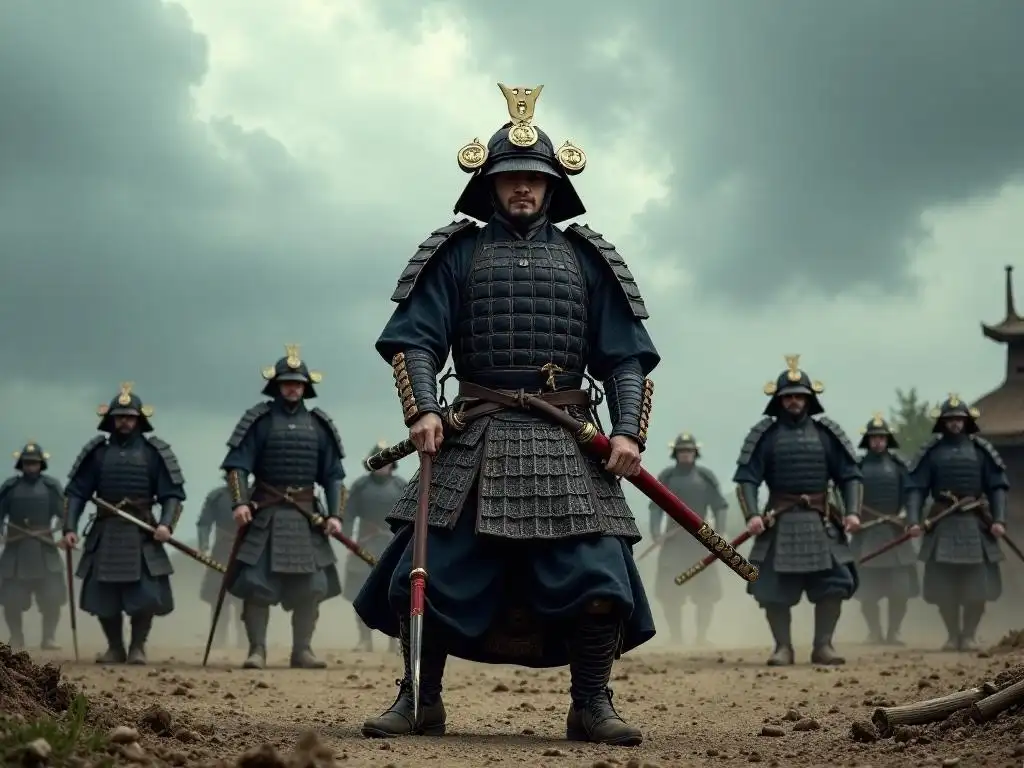
The integration of yari tactics significantly influenced samurai combat, altering the dynamics of warfare during the feudal era. The effectiveness of the spear in various combat situations led to its prominence on the battlefield:
- Adaptability: The yari's multifunctional nature allowed samurai to adapt to changing combat scenarios, whether in open field battles or confined spaces.
- Increased Range: The reach of the yari afforded samurai a tactical advantage, allowing them to strike from a distance while remaining protected from close-range attacks.
- Psychological Warfare: The sight of warriors wielding long spears in formation created a psychological impact on opponents, often deterring charges and instilling fear.
Case Studies: Notable Battles Utilizing Yari Tactics
Several historical battles highlight the effectiveness of yari tactics in samurai warfare:
- Battle of Nagashino (1575): This battle illustrated the power of yari formations against cavalry charges. The defensive positions adopted by the samurai, equipped with yari, successfully repelled the advancing enemy forces.
- Battle of Kawanakajima (1561): During this conflict, the use of yari by Takeda Shingen’s forces demonstrated how effective spear tactics could counter the aggressive maneuvers of rival clans, showcasing the importance of unit coordination.
- Battle of Sekigahara (1600): The pivotal battle that determined the course of Japan's history saw extensive use of yari tactics. The ability to maintain formation and execute thrusts effectively played a crucial role in the victory of Tokugawa Ieyasu’s forces.
Comparing Yari Tactics with Other Samurai Weapons
While the yari was a dominant weapon in samurai warfare, it is essential to compare its tactics with those of other samurai weapons, such as the katana and naginata:
- Yari vs. Katana: The yari's reach provides a significant advantage in maintaining distance, whereas the katana excels in close-quarters combat. The choice of weapon often dictated the engagement strategy.
- Yari vs. Naginata: Both the yari and naginata share similarities in reach and versatility. However, the naginata's curved blade allows for slashing attacks, making it effective in different scenarios compared to the thrust-centric yari.
- Tactical Integration: Samurai often carried multiple weapons, allowing them to switch between tactics as needed. The combination of yari and katana, for instance, enabled warriors to engage effectively at various ranges, adapting to the flow of battle.
The significance of yari spear tactics in samurai warfare cannot be understated. Its techniques, defensive strategies, and impact on combat dynamics illustrate its critical role in the feudal era's military history. The mastery of these tactics allowed samurai to navigate the complexities of warfare with efficiency and effectiveness.
Cultural Significance of the Yari in Samurai Society
The yari, or spear, held a prominent place in the cultural and martial fabric of samurai society during Japan's feudal era. Beyond being a mere weapon, the yari symbolized the versatility and discipline of the samurai, reflecting their status as both warriors and noblemen. Unlike the katana, which came to represent the samurai's honor and individuality, the yari encompassed a collective aspect of warfare, as it was commonly used in formation battles where teamwork was essential.
In battle, the yari allowed for a range of tactics, from thrusts and sweeps to defensive maneuvers, showcasing the samurai's skill and strategic acumen. The weapon's long reach and adaptability made it invaluable in various combat scenarios, reinforcing the samurai’s identity as adaptable warriors capable of facing diverse enemies. The cultural significance of the yari also extended into rituals and ceremonial uses, where it was often displayed as a symbol of authority and leadership among samurai clans.
Symbolism of the Yari in Samurai Culture
The yari was imbued with rich symbolism within samurai culture, representing not just a tool for battle but also a connection to the spiritual and martial traditions of Japan. It was seen as a symbol of strength and protection, often associated with the gods of war, such as Hachiman.
In many instances, the yari was used in ceremonial contexts, such as during the New Year celebrations or in rituals to ensure victory in battle. Samurai would often pray over their yari before going into combat, seeking divine favor and guidance. The weapon also served as a testament to the samurai's dedication to their craft; the skill required to wield a yari effectively was a reflection of the discipline and training that defined the samurai ethos.
The Yari in Artistic Representations and Literature
Throughout Japanese history, the yari has been featured prominently in various forms of art and literature, further cementing its place in cultural memory. In paintings, the yari is often depicted in dynamic battle scenes, illustrating the martial prowess of the samurai. Artists like Kano Eitoku captured the yari's importance in the context of grand battles, emphasizing the weapon's role as a harbinger of both chaos and order.
Literature from the period, including historical accounts, poetry, and theater, frequently references the yari, highlighting its significance in samurai warfare and its symbolic meanings. Works such as "The Tale of the Heike" provide rich narratives where the yari is not only a weapon but also an object of honor and legacy, representing the struggles and triumphs of samurai clans. These artistic expressions reflect the deep reverence for the yari and its integral role in the identity of the samurai.
Conclusion: The Enduring Legacy of Yari Tactics in Samurai Warfare
The tactics surrounding the use of the yari have left a profound legacy in the study of samurai warfare. Understanding these tactics provides insight into the strategic thinking and military organization of the samurai, showcasing how they adapted to the changing dynamics of warfare in feudal Japan. The yari's effectiveness in formation fighting and its versatility in various combat situations underscore its importance as a weapon of choice among samurai.
Summary of Key Points on Yari Spear Tactics
- Versatility: The yari's design allowed for a wide range of offensive and defensive techniques, making it a preferred weapon in various combat scenarios.
- Formation Warfare: Its effectiveness in tightly organized formations exemplified the samurai's reliance on teamwork and discipline in battle.
- Cultural Symbolism: The yari represented strength, honor, and a connection to the divine, elevating its significance beyond the battlefield.
- Artistic Representation: The prominence of the yari in art and literature illustrates its deep-rooted place in the cultural consciousness of Japan.
The Influence of Yari Tactics on Modern Martial Arts and Historical Studies
The techniques and tactics developed around the yari have had lasting impacts on modern martial arts, particularly in disciplines such as Kendo and Naginatajutsu, where the principles of distance, timing, and precision remain relevant. Practitioners of these arts often study historical yari tactics to enhance their understanding of movement and strategy in combat.
Furthermore, historical studies of samurai warfare have increasingly recognized the significance of the yari, leading to a reevaluation of its role compared to more glorified weapons like the katana. Scholars and martial artists alike have drawn from the rich traditions surrounding the yari to inform contemporary practices and deepen their appreciation for the martial heritage of Japan. The enduring legacy of yari tactics continues to inspire both enthusiasts and historians, ensuring that the lessons of the past remain alive in the present.
- Introduction to the Yari and Samurai Warfare
- The Role of the Yari in Samurai Battle Tactics
- Key Techniques in Yari Spear Tactics
- Thrusting Techniques: Power and Precision
- Defensive Strategies with the Yari
- Formation and Movement: The Yari in Unit Cohesion
- The Impact of Yari Tactics on Samurai Combat
- Cultural Significance of the Yari in Samurai Society
- Conclusion: The Enduring Legacy of Yari Tactics in Samurai Warfare
Frequently Asked Questions
What is the yari and its role in samurai warfare?
The yari is a traditional Japanese spear used extensively by samurai. Its versatile design allowed for effective thrusting attacks and played a crucial role in battlefield tactics during the feudal era.
How did yari tactics evolve during feudal Japan?
Yari tactics evolved significantly, adapting to changes in battle formations and enemy strategies. Samurai learned to use the spear in phalanx formations, enhancing their effectiveness in larger conflicts.
What are the advantages of using the yari compared to other weapons?
The yari offers several advantages: it has a longer reach than swords, allows for swift thrusting attacks, and can be used in both offensive and defensive maneuvers, providing a tactical edge in combat.
Were there any specific techniques associated with yari usage?
Yes, there are specific techniques such as the thrust, sweep, and counter-thrust that samurai mastered. These techniques enabled them to engage effectively with both infantry and cavalry in battle scenarios.
How did the yari influence samurai combat strategies?
The introduction of the yari significantly influenced samurai combat strategies by promoting formation fighting and enhancing the effectiveness of infantry units, ultimately changing the dynamics of feudal warfare in Japan.
Final Reflection: The Enduring Legacy of Yari Spear Tactics in Samurai Warfare
The significance of Yari spear tactics in samurai warfare resonates profoundly in today's world, as we continue to explore the intricate balance between tradition and innovation. The Yari, with its unique design and versatile applications, not only shaped the battlefield strategies of the samurai but also serves as a metaphor for adaptability and precision in our modern lives. As we navigate through complex challenges, the principles derived from these ancient tactics remind us of the importance of strategic thinking and the value of mastering our tools.
The influence of Yari spear tactics extends beyond historical warfare; it permeates cultural narratives and martial arts practices that persist today. The techniques developed around the Yari have inspired countless generations, fostering a deep respect for discipline and skill. As noted by renowned martial artist Masayuki Shimabukuro, The essence of the Yari lies not just in its use as a weapon, but in the philosophy of its mastery, which teaches us patience, focus, and the art of balance.
This enduring legacy illustrates how the samurai's approach to warfare can inform our understanding of personal growth and resilience in contemporary society.
As we reflect on the lessons of Yari spear tactics, I invite you to consider how these principles can be applied in your own life. Embrace the spirit of the samurai by cultivating your skills, adapting to challenges, and remaining steadfast in your pursuits. Let the Yari inspire you to find your own balance between tradition and innovation, and to wield your unique talents with purpose and precision. In doing so, you honor not only the legacy of the samurai but also your journey toward mastery in whatever path you choose.
Master the Art of Yari: Take Action Today!
Thank you for diving deep into the fascinating world of Yari and its pivotal role in Samurai warfare! You’ve gained insights into not just the techniques but also the cultural significance that shapes our understanding of Feudal Japan. Now, it's time to put that knowledge into action.
Here are a few steps you can take to further explore this rich topic and engage with the community:
- Join a local martial arts class that incorporates Yari techniques, or find an online tutorial to practice spear tactics at home. Experience the art firsthand!
- Share your newfound knowledge with friends or on social media to spark conversations about Samurai warfare and its impact on modern martial practices. Let the dialogue flourish!
- Explore additional resources on the techniques and history of other Samurai weapons or the philosophies that influenced their use in battle. Unlock a treasure trove of knowledge!
What unique aspects of Samurai culture do you find most intriguing, and how would you like to integrate them into your own life?