
Noh Masks: The Art of Expression in Traditional Japanese Theatre

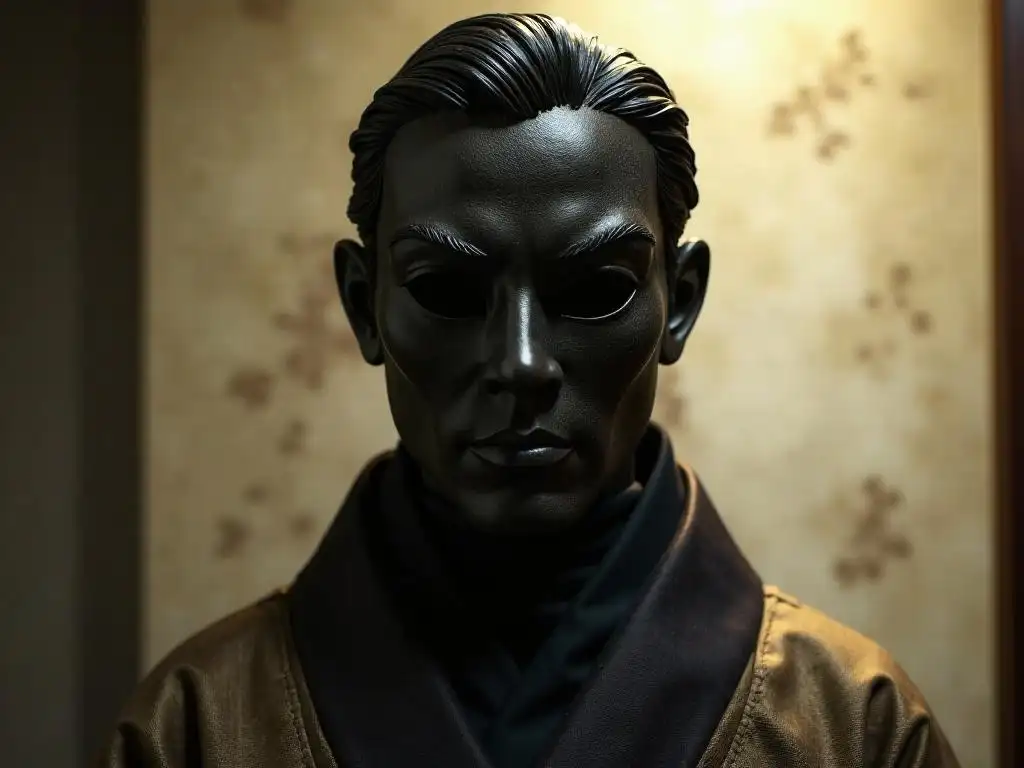
Welcome to Feudal Japan History, where we invite you to embark on a riveting journey through the rich tapestry of Japan’s feudal era. Here, we delve into the intricate cultural, historical, and societal facets that shaped this remarkable period. Our featured article, "Noh Masks: The Art of Expression in Traditional Japanese Theatre," unravels the profound significance of these captivating masks and their role in conveying emotion and storytelling in Noh theatre. Prepare to be enthralled as we explore the artistry behind each mask and the stories they tell—your adventure into the depths of Japan’s cultural heritage begins now!
- Introduction to Noh Masks in Japanese Theatre
- Historical Background of Noh Masks
- Types of Noh Masks and Their Meanings
- Craftsmanship and Techniques of Noh Mask Making
- The Role of Noh Masks in Expression and Emotion
- The Influence of Noh Masks Beyond Theatre
- Conclusion: The Enduring Legacy of Noh Masks in Japanese Theatre
- Frequently Asked Questions
- Final Reflection: The Timeless Art of Noh Masks in Japanese Theatre
- Unveil the Mysteries of Noh Masks Today!
Introduction to Noh Masks in Japanese Theatre
Noh theatre, a cornerstone of Japan's cultural heritage, combines a unique blend of drama, music, and dance. Central to this art form are the Noh masks, meticulously crafted pieces that hold profound significance in conveying emotions and character. With their intricate designs and subtle expressions, Noh masks serve not merely as props but as pivotal elements that enhance the storytelling experience. This article delves into the fascinating world of Noh masks in Japanese theatre, exploring their historical origins, artistic significance, and the cultural context that has shaped their use over centuries.
Overview of Noh Theatre
Noh theatre emerged during the 14th century and has since evolved into one of the oldest forms of traditional Japanese performance art. Characterized by its minimalist staging, Noh showcases the mastery of actors who embody various roles through a unique combination of movement, vocal performance, and music. Here are some key aspects of Noh theatre:
- Historical Background: Originating from earlier folk traditions, Noh was refined by notable figures like Kan'ami and his son Zeami, who established its aesthetic principles.
- Performance Style: Noh is known for its slow, deliberate movements and the use of a chorus (jiutai) and instrumental music (hayashi) to create an atmospheric experience.
- Themes and Stories: The narratives often draw from Japanese history, literature, and folklore, exploring themes of spirituality, loss, and the supernatural.
In Noh theatre, the use of masks is essential, as they allow actors to portray a range of characters, from gods and spirits to warriors and women, each with their distinct persona.
Significance of Noh Masks in Performance
Noh masks are not just artistic creations; they are vital tools that shape the performance's emotional landscape. Each mask is imbued with meaning and serves specific roles within the production. Here’s a closer look at their significance:
- Emotional Expression: The subtlety of Noh masks allows for a wide spectrum of emotions to be conveyed. The slight tilt of a mask can evoke joy, sorrow, or anger, making it a powerful medium of expression.
- Character Representation: Different masks represent various archetypes, including:
- Okina (Elder): Symbolizes wisdom and the divine.
- Waki (Supporting Role): Often portrays an intermediary character.
- Onna (Female): Captures the essence of femininity and grace.
- Cultural Symbolism: Noh masks also reflect deeper cultural and philosophical ideas, encapsulating concepts such as transience, beauty, and the interplay between life and death.
Noh masks play an indispensable role in traditional Japanese theatre, enriching the performance and providing audiences with profound insights into the characters and themes portrayed on stage. Their artistry not only highlights the craftsmanship involved but also underscores the cultural significance of Noh theatre as a whole.
Historical Background of Noh Masks
Origins of Noh Theatre in Feudal Japan
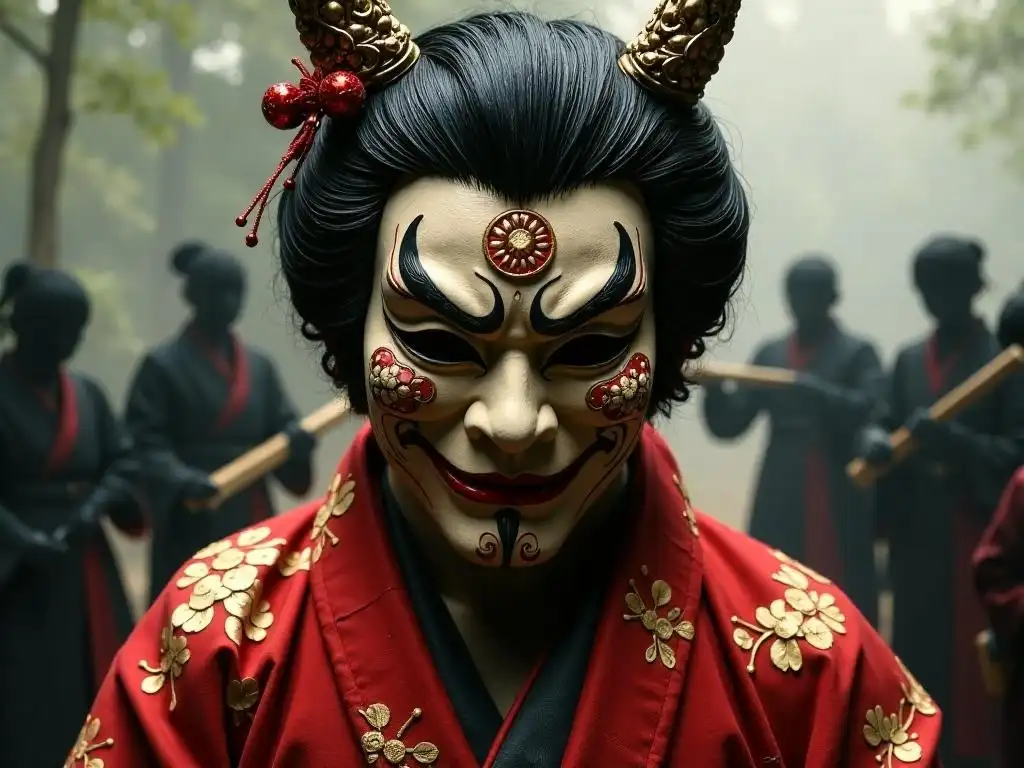
The origins of Noh theatre can be traced back to the 14th century during Japan's feudal period. Developed under the patronage of the shogunate, Noh emerged as a sophisticated form of entertainment intertwined with the spiritual and cultural fabric of the time. The genre blends poetry, music, and dance, and was significantly influenced by earlier theatrical forms, including bugaku (court dance) and sarugaku (a form of comedic theatre).
Noh's initial purpose was to convey profound philosophical ideas and explore themes such as transience, spirituality, and the relationship between the living and the dead. The performances were often staged in open-air structures within temple precincts, enhancing their spiritual significance. The art form became closely associated with the samurai class, who valued its aesthetic and meditative qualities.
Key Features of Noh Theatre:
- Minimalist Stage Design: The Noh stage is characterized by a simple wooden structure, often adorned with a pine tree backdrop, symbolizing longevity and peace.
- Use of Masks: Noh masks are pivotal to performances, allowing actors to portray a range of characters, from gods to demons, with a single, expressive face.
Evolution of Noh Masks Through the Centuries
The evolution of Noh masks reflects the changing cultural landscape of Japan from the feudal era to modern times. Initially, Noh masks were crafted from wood, with artisans employing traditional techniques that emphasized naturalism and expression. The Muromachi period (1336-1573) marked a significant development in mask artistry, resulting in a diverse range of styles that represented various characters and emotions.
Characteristics of Noh Masks
- Material and Craftsmanship: Noh masks are traditionally made from Japanese cypress wood, known for its durability and acoustic properties. Craftsmen meticulously carve and paint these masks, using natural pigments to achieve subtle gradations of color.
- Types of Masks:
- Shite Masks: These are used by the main actors and include notable types such as Hannya (female demon), Oshizu (young woman), and Kage (ghost).
- Waki Masks: Utilized by supporting characters, these masks are typically more expressive, conveying a broader range of emotions.
Cultural Significance
Throughout the centuries, Noh masks have not only served as tools for storytelling but also as symbols of spirituality and status. As the art form gained popularity among the samurai and aristocracy, the masks became revered objects, often displayed as works of art themselves. The subtlety of expression in Noh masks allows for a unique interaction between the performer and the audience, where emotions are conveyed not through words, but through nuanced facial expressions.
Conclusion
The historical context and evolution of Noh masks in Japanese theatre highlight their vital role in preserving and conveying the cultural heritage of feudal Japan. As both artistic expressions and cultural artifacts, Noh masks continue to fascinate audiences, inviting deeper exploration into the rich tapestry of Japan's theatrical traditions. The ongoing practice of crafting and performing with Noh masks not only keeps this ancient art form alive but also honors the complex interplay of history, culture, and artistry that defines Japanese theatre.
Types of Noh Masks and Their Meanings
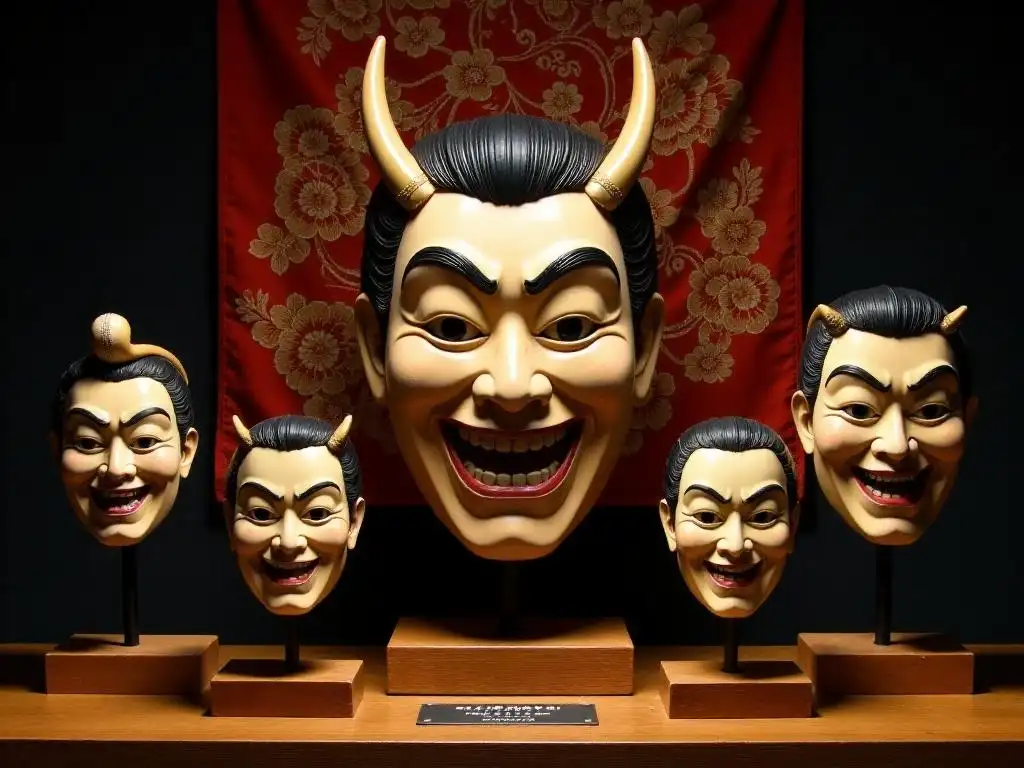
Noh masks are a fundamental aspect of traditional Japanese theatre, specifically in Noh drama, where they serve to convey complex emotions and character identities. Each mask is not merely a piece of art but a profound representation of the characters portrayed in the performances. Understanding the various types of Noh masks and their meanings is essential for appreciating this intricate art form.
Male and Female Noh Masks
In Noh theatre, masks are categorized into male and female types, each with distinct features and connotations.
- Male Masks: These masks often depict a range of characters, from noble figures to warriors. Notable examples include:
- Kanze Type: Representing aristocratic men, these masks are characterized by a serene expression and elongated features.
- Hannya Mask: Symbolizing a woman transformed into a demon due to jealousy, this mask illustrates a complex blend of beauty and rage, showcasing the duality of human emotions.
- Female Masks: Female masks, or "onnanashi," are designed to express various female archetypes, such as:
- Ko-omote: This mask represents a young woman and is known for its delicate and youthful features, embodying innocence and grace.
- Tsubaki: Depicting an older woman, this mask conveys wisdom and experience, often used to portray maternal figures.
Each mask's craftsmanship reflects not only artistic skill but also deep-rooted cultural narratives, bringing to life the stories of women and men in feudal Japan.
Types of Masks Based on Character Roles
The diversity of Noh masks extends beyond gender, encompassing various character roles that are crucial to the narratives performed.
- Deities and Spirits: Masks representing gods or supernatural entities often have exaggerated features and vivid colors to signify their otherworldly nature.
- Shōjō: A mask representing a spirit associated with sake, characterized by a joyful expression and red hair.
- Historical Figures: Some masks depict real historical characters, with intricate details that add to their authenticity.
- Yasumori: This mask portrays the renowned warrior Minamoto no Yoshitsune, emphasizing valor and nobility.
- Demons and Supernatural Beings: Masks like Tengu illustrate the intersection of fear and fascination with the supernatural, often featuring elongated noses and fierce expressions.
- Common Folk: Masks that embody everyday people, such as merchants or peasants, showcase a different emotional range and social commentary, reflecting the lives of the lower classes during the feudal era.
Symbolism and Cultural Significance of Noh Masks
The symbolism inherent in Noh masks enriches their significance within Japanese culture and theatre.
- Emotional Expression: The distinct features of each mask allow for a nuanced portrayal of emotions. The slight alteration of angles or lighting during performances can evoke different feelings, making the audience's perception dynamic and engaging.
- Cultural Identity: Noh masks encapsulate the essence of Japan’s feudal history, acting as vessels of cultural heritage. Each mask tells a story rooted in the values, struggles, and beliefs of the era, preserving the identity of the time.
- Spiritual Connection: Many masks are believed to possess spiritual significance, bridging the gap between the tangible and the spiritual realms. They invoke a sense of reverence and connection to the past, enhancing the overall theatrical experience.
The intricate artistry and profound meanings behind Noh masks in Japanese theatre reveal a rich tapestry of cultural expression, making them not only significant in the realm of performing arts but also essential to the understanding of Japan's historical narrative.
Craftsmanship and Techniques of Noh Mask Making
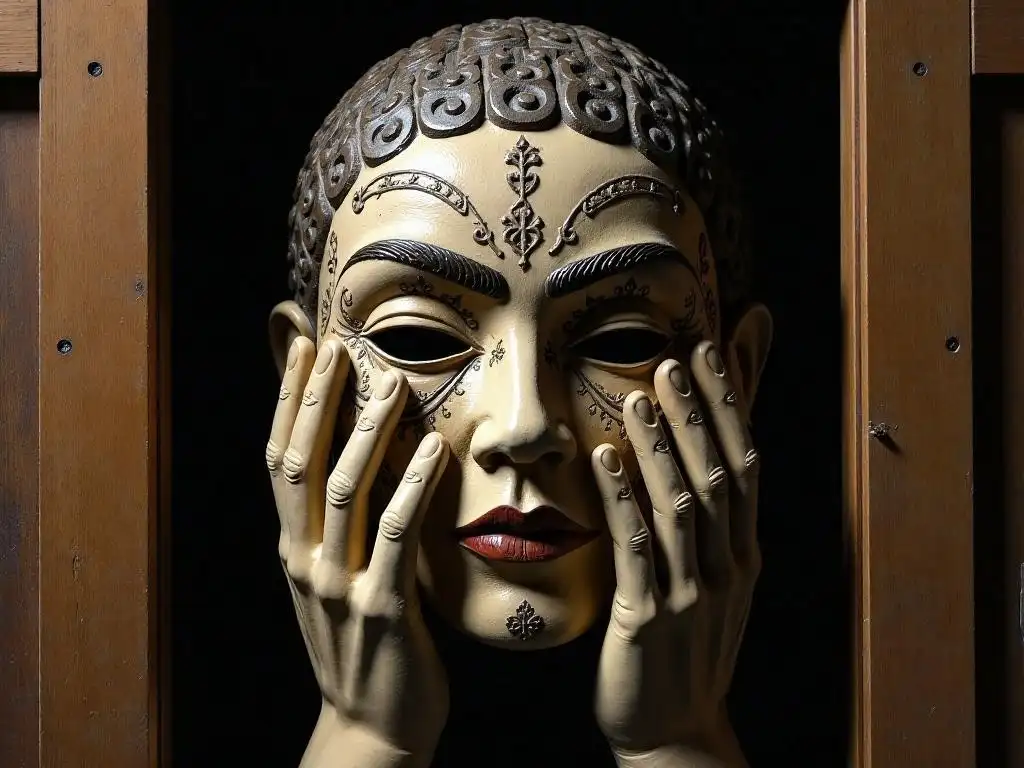
The creation of Noh masks is a meticulous process that reflects centuries of tradition and artistry. Each mask is not merely a decorative object but a profound representation of character, emotion, and narrative within the context of Noh theatre. The craftsmanship involved in making these masks is an intricate blend of traditional techniques, materials, and deep cultural significance.
Traditional Materials Used in Noh Masks
The primary materials used in the crafting of Noh masks are wood, paint, and lacquer. Each material plays a crucial role in the final appearance and durability of the masks.
- Wood: The most common wood used is Japanese cypress ( Hinoki), known for its fine grain and resistance to warping. Other types, such as Japanese cedar ( Sugi), may also be used. The choice of wood significantly influences the weight and acoustic properties of the mask.
- Paint: Traditional Noh masks are painted using natural pigments derived from minerals and plants. These pigments not only provide vibrant colors but also ensure the masks age beautifully over time. The application of paint is often done in layers, allowing for depth and a natural finish.
- Lacquer: A layer of lacquer is often applied to protect the paint and enhance the mask's appearance. This lacquer can give the mask a subtle sheen, making it visually striking under stage lights.
Each material is chosen not just for its physical properties but also for its cultural resonance, contributing to the overall narrative and emotional impact of the performance.
The Art of Carving and Painting Noh Masks
The processes of carving and painting Noh masks are steeped in tradition and require years of training to master.
- Carving Techniques: The initial stage of mask making involves careful carving. Craftsmen utilize traditional hand tools, including chisels and knives, to sculpt the mask. The carving must capture not just the physical features but also the essence of the character represented. For instance, the Hannya mask, representing a female demon, features sharp horns and a fierce expression, intricately carved to convey deep emotions.
- Layering Paint: Once carved, the painting process begins. Craftsmen typically apply multiple layers of paint to achieve the desired hues. The first layer often consists of a base color, followed by layers of detailing. For example, the Kanze school of Noh employs specific painting styles that highlight the unique characteristics of each mask. The final layer is usually a protective coating of lacquer that enhances durability and depth.
The techniques employed in carving and painting are not only technical skills but also an art form that demands a profound understanding of aesthetics, storytelling, and the emotional nuances of performance.
The Role of Master Craftsmen in Noh Mask Production
Master craftsmen, known as Noh mask makers, are pivotal in the preservation and evolution of this art form. Their expertise is essential in ensuring that each mask adheres to traditional standards while allowing for artistic expression.
- Apprenticeship: Becoming a master craftsman often involves a lengthy apprenticeship, sometimes lasting a decade or more. Apprentices learn the history, techniques, and spiritual significance of Noh masks under the guidance of a master. This generational transfer of knowledge is vital for maintaining the authenticity of the craft.
- Innovation and Tradition: While tradition plays a significant role, master craftsmen also innovate within their work. Some may experiment with contemporary materials or techniques, merging old and new to create masks that resonate with modern audiences while respecting their historical roots.
- Cultural Significance: Beyond technical skills, master craftsmen serve as custodians of cultural heritage. Their work not only contributes to the art of Noh theatre but also helps in educating future generations about the significance of these masks in Japanese culture and identity.
The craftsmanship and techniques involved in Noh mask making represent a rich tapestry of tradition, artistry, and cultural significance, making these masks a vital element of Japanese theatre and its enduring legacy.
The Role of Noh Masks in Expression and Emotion
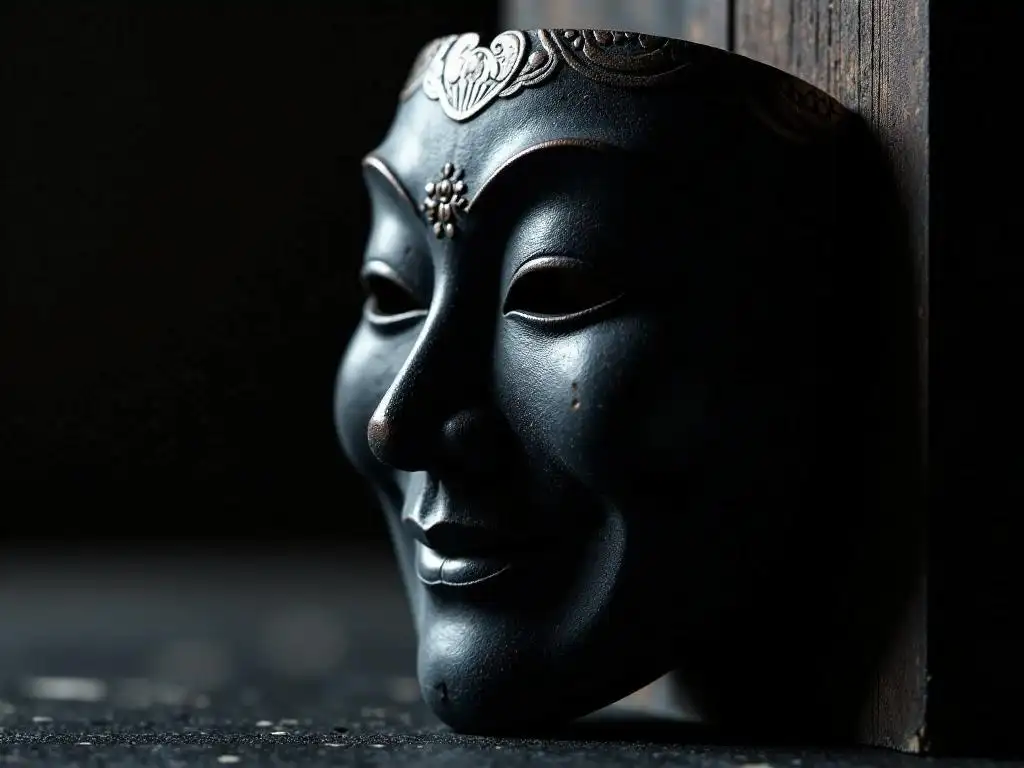
Noh masks in Japanese theatre play a crucial role in conveying complex emotions and character nuances. These intricately crafted masks serve not only as physical representations of the characters but also as emotional conduits that enhance the storytelling experience. Each mask is designed with specific attributes that embody various emotional states, allowing actors to express a wide range of feelings through subtle movements and gestures.
How Noh Masks Convey Character and Emotion
Noh masks are meticulously crafted to embody specific characters, each with its own unique aesthetic and emotional range. The artistry involved in creating these masks is profound, as they are designed to evoke emotions through their shapes, colors, and textures.
- Diverse Character Types:
- Shite: The main character, often depicted with masks that express profound emotions such as sadness or longing.
- Waki: The supporting character, typically portrayed with masks that convey a more neutral or questioning demeanor.
- Kishin: The supernatural beings, represented through masks that evoke fear or awe.
- Subtle Emotional Conveyance:
- The expression on a Noh mask can shift depending on the angle of view and the lighting, creating a dynamic interaction with the audience. For example, a mask that appears serene from one angle may seem sorrowful from another, demonstrating the complexity of human emotions.
- Symbolic Elements:
- Colors and materials used in masks also contribute to their emotional expression. For instance, a white mask may signify purity and innocence, while a darker mask could represent malevolence or grief. This color symbolism is crucial in setting the emotional tone of the performance.
The meticulous design of Noh masks enhances the performance's depth, allowing actors to convey character and emotion with minimal physical movement, relying heavily on the masks themselves to communicate with the audience.
The Interaction Between Actors and Masks in Performance
The relationship between actors and Noh masks is a unique aspect of Japanese theatre that adds layers of meaning to the performance. Actors are trained to embody their characters not just through physical representation but also through the inherent qualities of the masks they wear.
- Training and Mastery:
- Actors undergo extensive training to learn how to manipulate their bodies and voices in conjunction with the masks. The subtlety of their movements is critical, as the masks can only express so much. This training emphasizes the need for precision in performance, ensuring that the actor’s movements align with the mask's emotional undertones.
- Physicality and Expression:
- The masks often limit facial expressiveness, requiring actors to use their entire bodies to convey emotion. For instance, a slight tilt of the head or a shift in posture can communicate a range of feelings that the mask alone cannot express. This physicality creates a mesmerizing interaction that captivates the audience.
- Dialogue with the Mask:
- During performances, actors often engage in a metaphorical dialogue with their masks. The masks serve as a visual representation of the character’s inner thoughts and struggles, allowing for a deeper emotional connection between the performer and the audience. This connection is crucial in Noh theatre, where the narrative often explores themes of loss, love, and the supernatural.
The interplay between actors and masks in Noh theatre creates a rich tapestry of expression that enhances the emotional impact of the performance, inviting the audience to engage with the characters on a profound level.
Audience Perception of Noh Masks in Japanese Theatre
The audience's perception of Noh masks is integral to the overall experience of the performance. These masks not only serve as character representations but also evoke cultural and historical significance that resonates with viewers.
- Cultural Significance:
- Noh theatre is deeply rooted in Japanese culture, and the masks are seen as embodiments of traditional values and aesthetics. Audiences familiar with Noh are often attuned to the subtleties of the masks and can appreciate the cultural narratives they represent.
- Emotional Resonance:
- The ability of Noh masks to convey deep emotions allows audiences to connect with the characters on an emotional level. Viewers often interpret the emotions depicted on the masks through their own experiences, creating a personal connection to the performance.
- Aesthetic Appreciation:
- Audiences are also drawn to the beauty and craftsmanship of Noh masks. The intricate details, the use of natural materials, and the artistry involved in their creation evoke admiration and respect. This aesthetic appreciation enhances the overall experience, allowing audiences to engage with the performance not just emotionally but also artistically.
The audience's perception of Noh masks in Japanese theatre significantly influences their experience, as these masks serve as gateways to understanding the emotional and cultural narratives being portrayed. The masks’ multifaceted roles in conveying character, facilitating actor interaction, and enhancing audience engagement highlight their importance in the realm of Noh theatre.
The Influence of Noh Masks Beyond Theatre
Noh Masks in Japanese Art and Culture
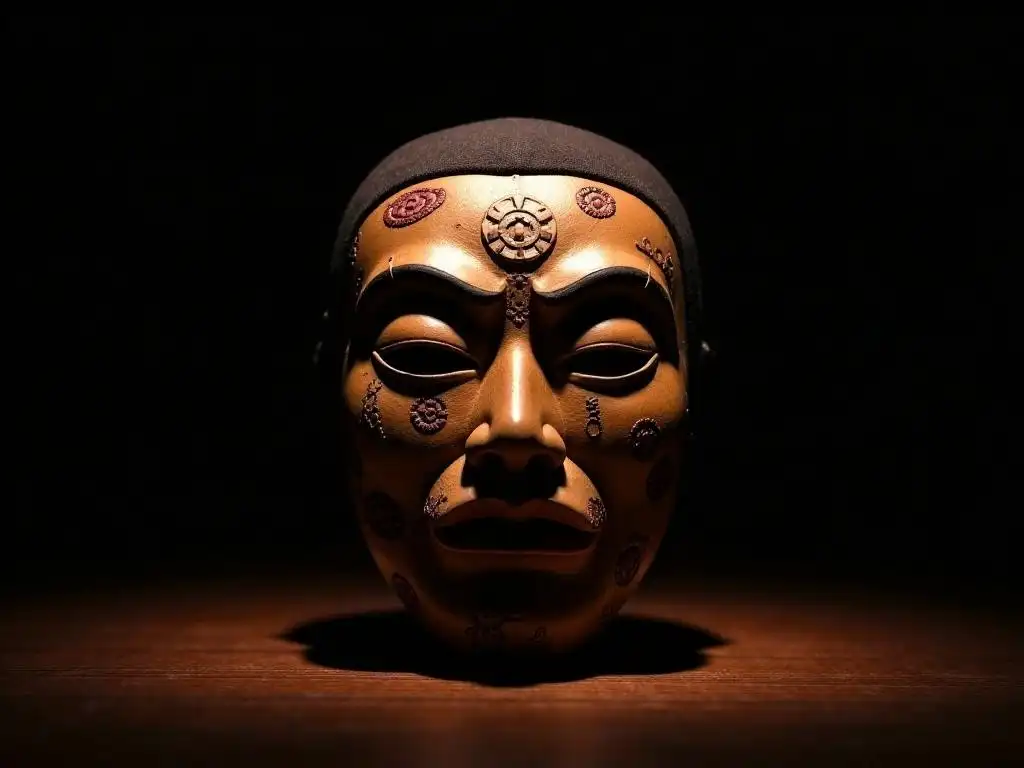
Noh masks, integral to the theatrical form of Noh, extend their influence far beyond the stage, permeating various facets of Japanese art and culture. These masks are not merely tools for performance; they are embodiments of emotion, character, and mythology, reflecting the rich tapestry of Japanese heritage.
- Visual Arts: Noh masks inspire numerous artists, influencing painting, sculpture, and textile arts. Traditional ukiyo-e prints often depict Noh performers, showcasing the intricate designs and emotional depth of the masks. Artists like Katsushika Hokusai and Utagawa Kuniyoshi incorporated Noh aesthetics into their works, capturing the masks' ethereal qualities.
- Ceramics and Pottery: The distinct forms of Noh masks have also been replicated in ceramics. Craftsmen create pottery pieces that echo the masks' features, merging functionality with cultural storytelling. These items serve as both artistic expressions and cultural relics, connecting contemporary society with historical narratives.
- Fashion and Design: The aesthetic of Noh masks has permeated modern fashion, influencing designers who seek to evoke traditional Japanese themes. From haute couture to streetwear, elements of Noh mask designs can be seen, offering a contemporary twist on classic motifs.
- Cultural Festivals: Noh masks play a pivotal role in various Japanese festivals, where they are used in rituals and performances that celebrate seasonal changes, agricultural cycles, and historical events. Their presence in these festivals underscores their significance in community bonding and cultural identity.
Contemporary Interpretations and Uses of Noh Masks
In contemporary society, Noh masks have found new life in various forms of expression, showcasing their versatility and relevance in modern culture.
- Theatrical Experimentation: Modern theatre groups often experiment with Noh masks, blending them with other performance art forms such as butoh and contemporary dance. This fusion creates innovative performances that challenge traditional boundaries and engage younger audiences.
- Film and Media: Filmmakers and animators incorporate Noh aesthetics into visual storytelling, utilizing masks to convey complex emotions or to represent supernatural elements. This can be seen in various anime and live-action films that draw inspiration from Noh's themes and visual style.
- Educational Programs: Many educational institutions now offer workshops and courses on Noh theatre and mask-making. These programs aim to educate participants about the historical significance and craftsmanship involved in creating Noh masks, fostering an appreciation for this unique art form.
- Art Exhibitions: Noh masks are increasingly featured in art exhibitions, where they are displayed as standalone pieces of art. Curators highlight their craftsmanship and the symbolic meanings behind each mask, inviting viewers to explore their cultural significance.
Noh Masks in Global Cultural Context
The influence of Noh masks is not confined to Japan; they have garnered interest and respect on a global scale, impacting various cultural contexts.
- Cultural Exchange: Noh masks have become symbols of cultural exchange, with artists and scholars from around the world studying their forms and meanings. This interest promotes a deeper understanding of Japanese culture and its artistic expressions.
- International Performances: Noh theatre has found audiences outside Japan, with performances held in major cities worldwide. These productions often incorporate local elements, creating a dialogue between Japanese traditions and global artistic expressions.
- Museum Collections: Many museums worldwide have begun to curate collections that include Noh masks, recognizing their artistic and cultural value. Exhibits often provide context about their creation, use, and significance in Japanese society, contributing to a broader appreciation of global art forms.
- Influence on Global Theatre: The aesthetics of Noh masks have influenced global theatrical practices, encouraging playwrights and directors to explore minimalist expressions of character and emotion. This can be seen in various avant-garde theatrical movements that prioritize symbolic representation over realism.
Noh masks serve as a profound conduit between Japan's rich cultural history and contemporary artistry, illustrating their enduring significance and adaptability in both national and global contexts. Their multifaceted influence speaks to the universal power of art to transcend boundaries and connect diverse cultures.
Conclusion: The Enduring Legacy of Noh Masks in Japanese Theatre
Noh masks have transcended their original purpose in traditional Japanese theatre to become enduring symbols of cultural heritage and artistic expression. These intricately crafted masks serve as a bridge, connecting the past with the present while offering a profound insight into the emotions, identities, and stories that define Japanese culture. The craftsmanship behind Noh masks, marked by meticulous attention to detail and deep cultural meanings, continues to captivate audiences and artists alike.
The Continued Relevance of Noh Masks in Modern Times
In contemporary society, Noh masks in Japanese theatre maintain their significance through various avenues. The aesthetic and symbolic qualities of these masks have influenced not only traditional performances but also modern art forms and popular culture.
- Crossover into Modern Performances:
- Contemporary theatre companies often incorporate Noh masks into their productions, blending traditional elements with innovative storytelling methods. This fusion allows for the exploration of new themes while honoring the historical roots of Noh theatre.
- Artists like Akira Kurosawa have drawn inspiration from Noh masks in films, using their expressive qualities to enhance character portrayals and emotional depth.
- Cultural Festivals and Events:
- Noh theatre performances are regularly featured in cultural festivals, attracting both locals and international visitors. These events serve as platforms for showcasing the artistry of Noh masks and educating audiences about their historical and cultural significance.
- Workshops and demonstrations at these festivals provide hands-on experiences, allowing participants to appreciate the craftsmanship involved in creating Noh masks.
- Influence on Fashion and Design:
- The aesthetic appeal of Noh masks has infiltrated various design disciplines, including fashion, graphic design, and interior decor. Designers often draw on the intricate patterns and colors of Noh masks, infusing their work with a sense of traditional elegance.
- Collaborations between traditional artisans and contemporary designers have led to unique products that celebrate the heritage of Noh masks while appealing to modern sensibilities.
Preserving the Tradition of Noh Masks in Contemporary Society
Efforts to preserve the tradition of Noh masks are vital to ensuring that this facet of Japanese culture remains vibrant for future generations. Various initiatives are in place to support the continuation of Noh mask craftsmanship and performance.
- Educational Programs:
- Institutions and cultural organizations are actively developing educational programs focused on Noh theatre and mask-making. These programs aim to teach younger generations about the history, techniques, and significance of Noh masks, fostering a sense of pride and ownership over this artistic heritage.
- Support for Artisans:
- Artisan communities are supported through grants and initiatives that promote traditional crafts. This financial backing is crucial for maintaining the skills and knowledge required to create authentic Noh masks, ensuring that these artisans can continue their work unimpeded.
- Digital Preservation:
- The use of digital platforms to document and showcase Noh masks has become increasingly popular. Online exhibitions and virtual workshops allow a global audience to engage with this art form, expanding its reach beyond Japan and encouraging international appreciation.
Noh masks in Japanese theatre represent not only a historical art form but also a living tradition that continues to evolve. Through their integration into modern expressions of culture and dedicated preservation efforts, Noh masks remain a vital part of Japan's artistic identity, rich with meaning and significance.
Frequently Asked Questions
What are Noh masks?
Noh masks are traditional Japanese theatrical masks used in Noh theatre, an art form that combines drama, music, and dance to convey complex emotions and stories.
How are Noh masks crafted?
Crafted by skilled artisans, Noh masks are made from wood and often feature intricate designs that reflect the character's personality, age, and emotional state through careful carving and painting.
What is the significance of Noh masks in performances?
In performances, Noh masks serve to enhance the emotional expression of the characters, allowing actors to convey subtle nuances of feeling, which is essential in this minimalist art form.
How do Noh masks differ from other theatrical masks?
Unlike many other theatrical masks, Noh masks are designed to allow for a range of expressions depending on the angle of viewing and the lighting, giving them a unique quality in traditional Japanese theatre.
Can anyone learn to use Noh masks?
While anyone can learn about Noh masks, mastering their use in Noh theatre requires extensive training in the art form, focusing on movement, expression, and the spiritual aspects of performance.
Final Reflection: The Timeless Art of Noh Masks in Japanese Theatre
Noh masks in Japanese theatre represent not only a profound artistic tradition but also a powerful means of emotional expression that resonates in today's world. In an era where communication often relies on digital screens and fleeting interactions, the intricate craftsmanship and deep symbolism of Noh masks remind us of the importance of genuine expression and the stories that lie beneath the surface. The masks serve as a bridge between the past and present, inviting us to explore the complexities of human emotion and the art of storytelling.
Cultural heritage is a living entity, continuously shaping and reshaping our understanding of identity and expression. The influence of Noh masks extends beyond the stage; they inspire contemporary artists and performers to delve into their own cultural narratives and emotional landscapes. As the renowned Japanese playwright Yukio Mishima once said, The mask is a mirror that reflects the soul.
This reflection encourages us to confront our own emotions and experiences, fostering a deeper connection to ourselves and to others in our communities.
As you contemplate the significance of Noh masks in Japanese theatre, I invite you to embrace the lessons they impart about authenticity and expression. Consider how you can incorporate the spirit of Noh into your own life, whether through art, performance, or simply by engaging more deeply with your emotions. Let the timeless beauty of these masks inspire you to explore your own narrative and share it with the world, for in doing so, we honor the rich tapestry of human experience that connects us all.
Unveil the Mysteries of Noh Masks Today!
Thank you for diving deep into the fascinating world of Noh masks and their profound role in traditional Japanese theatre. You've uncovered valuable insights into the artistry and cultural significance of these expressive tools. Now, it's time to take the next step and truly engage with this captivating aspect of Japanese heritage!
Here’s how you can explore further:
- Experience Noh theatre live: Check local listings or travel opportunities to catch a live performance of this traditional art form.
- Create your own Noh mask: Gather materials and follow online tutorials to design a mask that reflects your personal emotions or experiences.
- Share your newfound knowledge: Discuss the insights you've gained with friends or share about Noh masks on social media to help spread the rich culture of Japan.
What aspect of Noh masks intrigues you the most: their artistic designs, their historical significance, or the emotions they convey?