
The Colors of Status: How Dyeing Techniques Defined Social Hierarchies in Feudal Japan

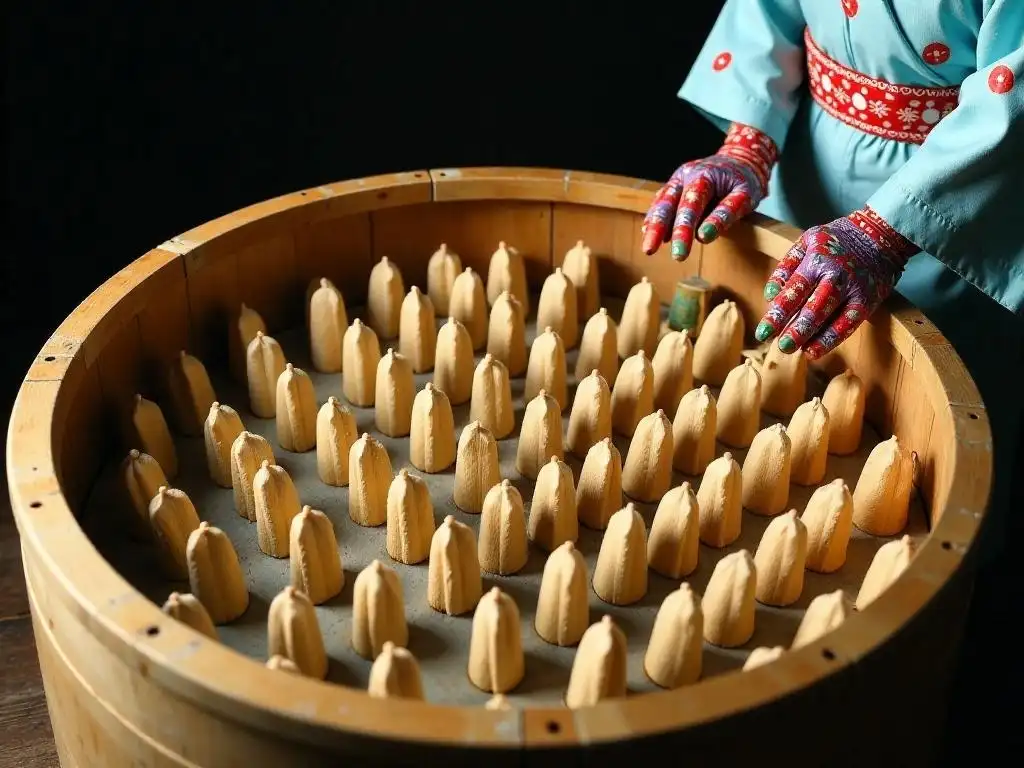
Welcome to Feudal Japan History, where we invite you to embark on a captivating journey through the rich tapestry of Japan's feudal era. In our featured article, "The Colors of Status: How Dyeing Techniques Defined Social Hierarchies in Feudal Japan," you'll discover how the vibrant hues of textiles not only reflected artistry but also communicated power and prestige among the samurai and commoners alike.
Delve into the fascinating world of feudal Japan dyeing techniques that shaped social structures and cultural identities. Prepare to be intrigued as we unravel the threads of history, inviting you to explore the profound connections between color and status in a society defined by its intricate hierarchies.
Introduction to Feudal Japan Dyeing Techniques
In feudal Japan, the interplay of color and status was not merely a matter of aesthetics but a significant reflection of the intricate social hierarchies that shaped everyday life. The art of dyeing textiles played a pivotal role in defining class distinctions, with specific colors associated with particular social ranks.
This article delves into the feudal Japan dyeing techniques, exploring how these methods not only enhanced the beauty of garments but also served as a visual language of status and identity. By examining the historical, cultural, and societal implications of dyeing practices, we can gain a deeper understanding of how color functioned as a symbol of power and privilege in Japanese society.
Overview of Dyeing in Feudal Japan
The dyeing techniques employed in feudal Japan were both diverse and sophisticated, reflecting the unique cultural heritage of the era. Artisans utilized a range of natural materials, such as plants, minerals, and insects, to create vibrant colors that adorned clothing. The most notable techniques included:
- Yūzen: A method that involved painting or stenciling designs on fabric before dyeing.
- Shibori: An intricate tie-dyeing technique that produced stunning patterns through careful folding and binding of the fabric.
- Katazome: A stencil dyeing technique that allowed for detailed and complex designs to be applied to textiles.
These techniques not only showcased the skill of artisans but also the availability of resources, which varied by region and class. The choice of dyeing method often indicated the wearer's social standing, with more elaborate processes reserved for the elite.
Importance of Color in Social Hierarchies
Color in feudal Japan was imbued with meaning, serving as a crucial indicator of one's social standing. The ruling class, including samurai and nobility, often wore garments dyed in rich, vibrant hues that signified wealth and prestige. Some key colors and their associations included:
- Crimson (aka Red): Symbolized power and authority, often reserved for the highest ranks.
- Indigo: A color associated with the merchant class, reflecting their growing influence and affluence.
- White: Represented purity and was commonly worn during ceremonial occasions.
The use of color was not just a matter of personal choice; it was governed by strict societal codes known as the “Hōken” laws, which dictated what colors could be worn by different social classes. This regulation reinforced the existing social order, ensuring that the visibility of status was maintained through the colors individuals donned.
Historical Context of Dyeing Techniques in Feudal Japan
The historical evolution of dyeing techniques in feudal Japan mirrors the dynamic changes within society itself. As Japan transitioned through various periods, including the Heian, Kamakura, and Edo, the methods and materials used for dyeing textiles evolved significantly.
The Evolution of Dyeing Techniques Over Time
From the use of rudimentary dyeing methods in the early periods, such as simple vegetable dyes, to the sophisticated processes developed during the Edo period, the evolution of dyeing techniques reflects advancements in both technology and artistry. Notably, the introduction of synthetic dyes in the late 19th century marked a significant shift, impacting traditional practices and the colors available to the populace.
- Heian Period (794-1185): Characterized by the use of natural dyes and simple techniques.
- Kamakura Period (1185-1333): Increased demand for textiles led to innovations in dyeing methods.
- Edo Period (1603-1868): The peak of dyeing artistry, with elaborate patterns and a wider palette of colors becoming available.
Key Historical Events Influencing Dye Production
Several historical events played a crucial role in shaping the dyeing industry in feudal Japan. The rise of the samurai class, the expansion of trade routes, and even foreign influences contributed to the development of dyeing techniques. Notably, the Sengoku period saw a surge in demand for textiles as samurai sought to display their wealth and status through elaborate clothing.
Additionally, the opening of Japan to foreign trade in the late Edo period brought new materials and techniques, leading to a fusion of styles that enriched the traditional practices. These historical influences not only transformed dyeing techniques but also redefined the social landscape, highlighting the enduring connection between color, craftsmanship, and status in feudal Japan.
Types of Dyeing Techniques Used in Feudal Japan
In feudal Japan, dyeing techniques played a crucial role in defining social hierarchies, with various methods employed to produce a stunning array of colors. These techniques can be broadly classified into two categories: natural dyeing and synthetic dyeing. Each method carried its own significance and implications for the fabric's final appearance, durability, and social meaning.
Natural Dyeing Techniques
Natural dyeing techniques were the backbone of color production in feudal Japan, relying on plant materials, minerals, and insects to create vibrant hues. This method was deeply rooted in tradition, with artisans passing down their knowledge through generations. Key sources for natural dyes included:
- Plants: Various plants were used to extract dyes; for instance, indigo (aizome) produced a rich blue, while safflower (benibana) yielded shades of red.
- Insects: The use of insects, such as the lac insect, provided deep reds and purples, which were highly prized among the elite.
- Minerals: Certain minerals like iron and various clays were used to create muted tones, often seen in the clothing of lower classes.
Natural dyes had the advantage of being environmentally friendly and sustainable, but they required significant skill to achieve consistent and vibrant results. The process often involved multiple stages, including extraction, mordanting (a pre-treatment to fix the dye), and dyeing, each influencing the final color.
Synthetic Dyeing Techniques
With the advent of the Meiji Restoration and increased contact with the West, synthetic dyeing techniques began to emerge in Japan. These methods utilized chemical processes to create a wider range of colors and improved colorfastness. Key developments included:
- Aniline Dyes: Introduced in the late 19th century, aniline dyes provided intense colors and were easier to use compared to natural dyes. They quickly became popular among merchants and the rising middle class.
- Synthetic Indigo: While natural indigo had been used for centuries, synthetic indigo offered greater color consistency and was less labor-intensive to produce.
The shift to synthetic dyes marked a significant turning point in Japanese textile production, allowing for mass production and broader accessibility of vibrant colors across different social classes.
Symbolism of Colors in Feudal Japan
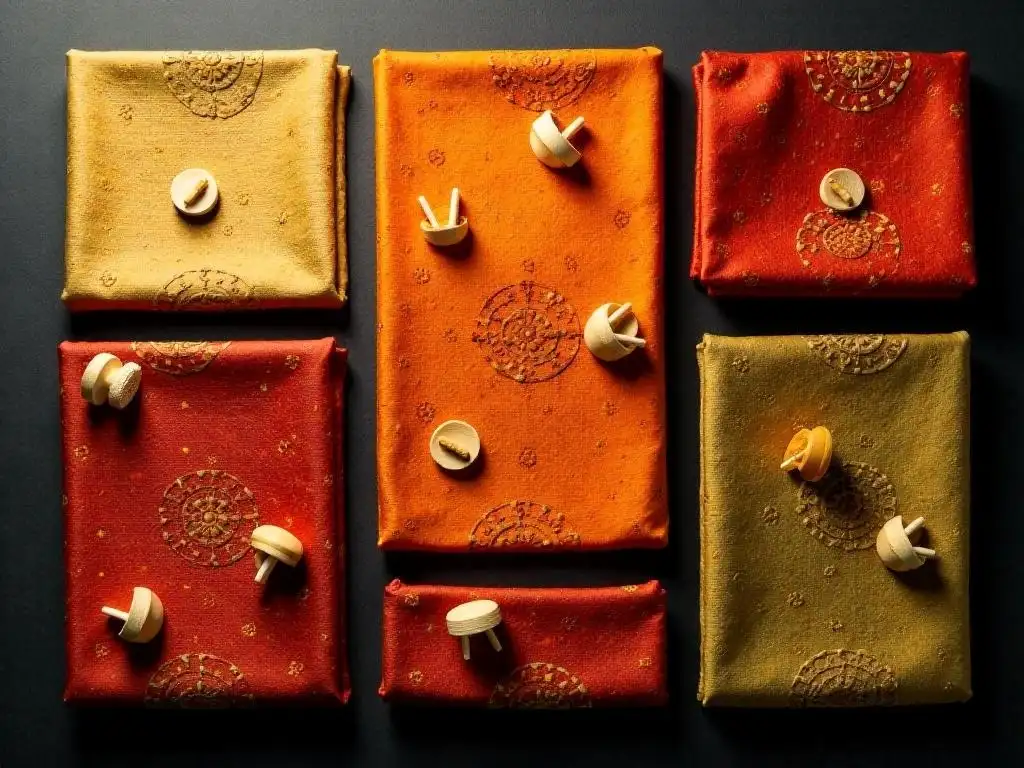
Colors in feudal Japan were imbued with deep meanings and symbolism, often dictating social status and cultural identity. The use of color extended beyond mere aesthetics; it was a visual language that conveyed messages about the wearer's identity and societal role.
Colors and Their Meanings in Society
In feudal Japan, each color carried specific connotations, shaping how individuals were perceived within the social hierarchy. For example:
- Red: Symbolizing protection and good fortune, red was often worn by brides and during festivals. However, its association with the samurai class made it a powerful color of status.
- Blue: Associated with the working class, blue was commonly used in everyday garments. While it signified humility, it also represented loyalty and stability.
- Purple: Traditionally reserved for the aristocracy, purple signified nobility and power. It was a color often seen in the garments of the emperor and high-ranking officials.
The meanings associated with colors were not static; they evolved over time and varied by region, reflecting the complex social dynamics of feudal Japan.
The Role of Color in Clothing and Status
Color played a pivotal role in determining one's status in feudal Japan, where clothing often acted as a visual marker of social hierarchy. Regulations known as sumptuary laws controlled who could wear what colors, reinforcing class distinctions.
- Laws and Regulations: The ruling class imposed strict laws governing color usage. For instance, only the emperor could wear certain shades of purple, while samurai were permitted to wear red and blue.
- Ceremonial Garments: Special occasions often called for specific colors. For example, during New Year celebrations, vibrant colors like red and gold were favored to symbolize renewal and prosperity.
This intricate relationship between color, clothing, and status not only reflected individual identity but also reinforced the social structures of feudal Japan, making color a significant aspect of daily life and societal interaction.
Regional Variations in Dyeing Techniques
In feudal Japan, dyeing techniques varied significantly across different regions, reflecting local resources, climate, and cultural influences. Each area developed its own unique methods that not only produced distinct colors but also encoded social meanings into the fabric of daily life. Understanding these regional variations provides insight into the broader social hierarchies that defined feudal Japan.
- Kanto Region: Known for its vibrant indigo dyeing techniques, the Kanto region, particularly around Tokyo, became a hub for producing deep blue hues. The use of ai (indigo) was prevalent, and the dyeing process involved fermenting the leaves of the indigo plant, creating a rich color that symbolized status and sophistication.
- Kyoto: In contrast, the Kyoto region was famous for its luxurious silk fabrics and intricate dyeing methods, such as yuzen. This technique involved hand-painting designs on silk with vibrant colors, allowing for elaborate patterns that were favored by the aristocracy and samurai class. The variety of colors and designs showcased the wearer's wealth and refinement.
- Okinawa: Farther south, Okinawa developed its own distinctive dyeing techniques using natural materials like bannai (a local plant) to create a range of colors from earthy tones to vivid shades. This regional style also reflected the island's unique cultural influences, which were different from the mainland.
- Hokkaido: The northernmost region used indigenous plants for dyeing, such as murasaki (purple root), which produced subdued colors that were practical for the harsh climate. Clothing dyed with these materials was often associated with the Ainu people, showcasing their distinct cultural identity.
These regional variations in dyeing techniques not only highlight the diversity of Japan’s cultural practices during the feudal era but also illustrate how such practices were deeply intertwined with social status and identity.
Case Studies: Notable Examples of Dyeing in Feudal Japan
The Use of Indigo in Samurai Attire
Indigo dyeing was a hallmark of samurai attire during the feudal period. The deep blue color of indigo was not merely a matter of aesthetic preference; it carried significant social implications. Samurai were often seen wearing indigo-dyed garments, which were a sign of their status and valor. The dyeing process itself was labor-intensive, involving multiple dips in indigo vats, leading to a rich and lasting color.
The color indigo was also practical; it had the added benefit of being less prone to showing dirt, making it suitable for the rigorous lifestyle of a samurai. Moreover, the association of indigo with authority and nobility was so strong that it became a symbol of the samurai class. The use of indigo in their clothing served as a visual representation of their position in society, reinforcing the status hierarchy that characterized feudal Japan.
The Role of Kyo-Yaki in Imperial Fashion
Kyo-Yaki, or Kyoto-style dyeing, played a pivotal role in the fashion of the imperial court. This technique involved intricate patterns and vibrant colors, often reserved for the elite. The sophistication of Kyo-Yaki was not just in its aesthetics; it was also a reflection of the cultural and artistic pursuits of the time, emphasizing the importance of beauty in the imperial court's identity.
The textiles produced through Kyo-Yaki often featured elaborate designs, including florals, landscapes, and mythological themes. These garments were typically worn during formal ceremonies and festivals, illustrating the wearer's rank and the significance of their position within the court. The combination of craftsmanship and artistry in Kyo-Yaki garments allowed them to serve as symbols of power, elegance, and the rich traditions of the imperial family.
Both indigo dyeing in samurai attire and Kyo-Yaki in imperial fashion exemplify how dyeing techniques in feudal Japan were not only vital for practical reasons but also served as powerful markers of social status and cultural identity.
The Decline of Traditional Dyeing Techniques
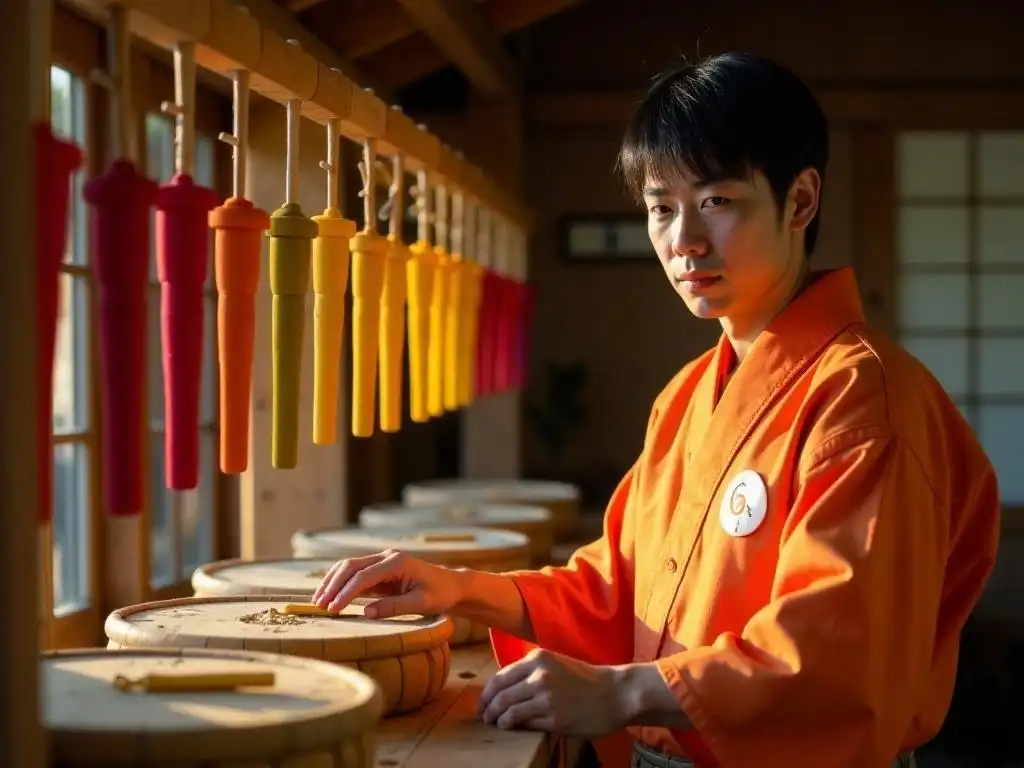
The decline of traditional dyeing techniques in Japan can be traced back to several socio-economic and cultural transformations that began in the late Edo period and continued into the Meiji Restoration. As Japan modernized and opened up to Western influences, the demand for traditional textiles diminished.
The introduction of synthetic dyes and mass production processes significantly altered the landscape of Japanese textile production, overshadowing the intricate craftsmanship of traditional dyeing methods. As industrialization took hold, many artisans who once practiced these techniques were unable to compete with the lower costs and higher outputs provided by factories, leading to a gradual loss of these ancient skills.
Moreover, the societal changes during the Meiji era, characterized by a shift towards Western clothing styles and practices, further marginalized traditional attire. The once-prominent use of naturally dyed fabrics in daily wear diminished, as Western clothing gained popularity and became symbols of modernity. This cultural shift not only affected the demand but also the perception of traditional dyeing techniques, relegating them to historical curiosity rather than current practice.
Factors Leading to the Decline
Several interrelated factors contributed to the decline of traditional dyeing techniques in feudal Japan:
- Industrialization: The emergence of factories and mass production methods significantly reduced the time and cost associated with textile production. Synthetic dyes became widely available, providing vibrant colors at a fraction of the cost of natural dyes.
- Cultural Shift: The Meiji Restoration marked a significant cultural transition, during which Western styles and customs began to dominate Japanese society. Traditional clothing and dyeing methods were often viewed as outdated, leading to a decline in their use.
- Economic Pressures: Many artisans struggled to maintain their livelihoods as traditional dyeing became less profitable. The increasing costs of natural dye materials, combined with competition from industrial textiles, forced many craftsmen to abandon their practices.
- Urbanization: As populations migrated to urban centers, the demand for traditional attire diminished. The lifestyle changes that accompanied urban living often favored the practicality and convenience of Western clothing.
Preservation Efforts in Modern Japan
Despite the decline of traditional dyeing techniques, there has been a resurgence of interest in preserving these practices in modern Japan. Various initiatives have emerged, aimed at reviving the cultural heritage associated with natural dyeing.
- Cultural Workshops: Many local communities and artisans have started offering workshops and classes to teach traditional dyeing methods to both locals and tourists. These hands-on experiences help to keep the techniques alive and introduce new generations to the art of dyeing.
- Artisan Cooperatives: Organizations and cooperatives dedicated to promoting traditional crafts have gained traction. By supporting artisans financially and providing a platform to showcase their work, these cooperatives help sustain the craft.
- Educational Programs: Educational institutions have begun integrating traditional dyeing techniques into their curricula, ensuring that students studying fashion and textile design appreciate and learn about these historical methods.
- Cultural Festivals: Events celebrating traditional crafts, including dyeing, have become popular, drawing attention to the significance of these techniques in Japanese culture. Festivals often feature demonstrations, allowing artisans to showcase their skills to a wider audience.
Conclusion: The Lasting Impact of Dyeing Techniques on Japanese Culture
The legacy of dyeing techniques in feudal Japan is profound, leaving an indelible mark on the cultural fabric of the nation. These techniques not only influenced the aesthetics of clothing but also played a crucial role in the social stratification of Japanese society. The colors and patterns produced through traditional dyeing methods often indicated social status, occupation, and regional identity, encapsulating the intricate relationship between color and culture.
Reflection on Feudal Japan's Legacy in Fashion
Feudal Japan's dyeing techniques reflect a rich tapestry of history and identity, illustrating how art and utility intertwined to create a vibrant cultural expression. The craftsmanship involved in dyeing was not merely about producing color; it was an intricate process steeped in tradition, symbolism, and regional variations. This legacy continues to inspire contemporary Japanese designers, who often draw from these historical practices to create modern interpretations that honor their roots.
The Influence of Historical Dyeing Techniques in Contemporary Fashion
Today, the influence of historical dyeing techniques is observed in various aspects of contemporary fashion, both in Japan and globally. Designers are increasingly incorporating natural dyes and traditional methods into their collections, responding to the growing consumer demand for sustainable and ethically produced textiles. The revival of interest in traditional Japanese aesthetics, including the use of indigo dye and shibori techniques, highlights how historical practices can inform and enrich modern fashion narratives. Through this fusion of past and present, traditional dyeing techniques continue to shape the landscape of fashion, ensuring that their legacy endures.
Further Reading on Feudal Japan Dyeing Techniques
To gain a deeper understanding of the intricate dyeing techniques used in feudal Japan and their significance in defining social hierarchies, a variety of resources are available. These readings explore the historical context, artistic methodologies, and cultural implications of dyeing practices that were pivotal in shaping the identity of classes within Japanese society.
The exploration of dyeing techniques not only highlights the craftsmanship involved but also reflects the broader societal structures of the time. From the use of natural dyes, such as indigo and safflower, to the development of intricate methods like tie-dyeing and stencil dyeing, each technique carried distinct meanings and associations with status. By delving into these resources, readers can appreciate the complexity and artistry of feudal Japanese dyeing practices.
Recommended Resources for In-Depth Study
- Books:
- The Art of Japanese Dyeing: A History by Yoshiko Iwamoto Wada - This comprehensive text covers the evolution of dyeing techniques in Japan, focusing on traditional methods and their cultural significance.
- Dyeing and Printing on Textiles by A. Swain - This book provides insights into the technical aspects of dyeing, including recipes and methods that were prevalent during the feudal era.
- Academic Journals:
- Studies in Japanese Culture - This journal frequently publishes articles on various aspects of Japanese history, including textile production and dyeing techniques.
- Textile History - The journal offers peer-reviewed articles that often explore historical dyeing practices, their economic implications, and their role in society.
- Documentaries and Visual Resources:
- The Fabric of Japan - A documentary that showcases traditional Japanese textile arts, including dyeing techniques and their cultural contexts.
- Online exhibitions from museums such as the Kyoto National Museum, which feature historical garments and the dyeing processes used to create them.
Links to Related Articles on Fashion and Society in Feudal Japan
- The Role of Clothing in Feudal Japanese Society: This article discusses how clothing styles and colors represented different social classes and the significance of attire in everyday life.
- Natural Dyes and Their Cultural Significance in Japan: A detailed look at the various plants and minerals used in dyeing, exploring their meanings and uses in different classes.
- Artisans of Feudal Japan: The Craftsmen Behind the Textiles: An exploration of the lives of craftsmen who produced textiles, including dyers, weavers, and designers, and their impact on society.
- Symbolism of Colors in Traditional Japanese Fashion: This article examines the meanings associated with various colors within the context of feudal Japanese society and how they informed social interactions.
These resources and articles provide a well-rounded foundation for anyone interested in the complex interplay between dyeing techniques and social hierarchies in feudal Japan. Through further reading, one can appreciate not only the technical skills involved but also the rich cultural narratives woven into the fabric of Japanese history.
- Introduction to Feudal Japan Dyeing Techniques
- Historical Context of Dyeing Techniques in Feudal Japan
- Types of Dyeing Techniques Used in Feudal Japan
- Symbolism of Colors in Feudal Japan
- Regional Variations in Dyeing Techniques
- Case Studies: Notable Examples of Dyeing in Feudal Japan
- The Decline of Traditional Dyeing Techniques
- Conclusion: The Lasting Impact of Dyeing Techniques on Japanese Culture
- Further Reading on Feudal Japan Dyeing Techniques
- What were the main dyeing techniques used in feudal Japan?
- How did dye colors reflect social hierarchies in feudal Japan?
- Were there specific regions known for their dyeing practices?
- How did the availability of materials influence dyeing in feudal Japan?
- What role did dyeing play in the economy of feudal Japan?
Frequently Asked Questions
What were the main dyeing techniques used in feudal Japan?
Feudal Japan utilized various dyeing techniques like natural dyes from plants and insects, as well as indigo dyeing. These techniques were crucial in creating vibrant colors that signified social status.
Colors in feudal Japan were often restricted by laws; specific hues like crimson and purple were reserved for the elite class, while commoners wore more subdued colors. This practice reinforced social distinctions.
Were there specific regions known for their dyeing practices?
Yes, certain regions, such as Kyoto and Edo, became famous for their unique dyeing techniques. These areas specialized in different colors and styles, contributing to the rich cultural tapestry of feudal Japan.
How did the availability of materials influence dyeing in feudal Japan?
The availability of natural materials like plants, minerals, and insects directly influenced dyeing techniques. Regions with abundant resources often developed distinctive dyeing practices, reflecting their local environment.
What role did dyeing play in the economy of feudal Japan?
Dyeing was a significant part of the artisanal economy, providing employment and trade opportunities. The production of dyed textiles not only met local demand but also contributed to export trade, enhancing Japan's economic landscape.
Final Reflection: The Enduring Legacy of Dyeing Techniques in Feudal Japan
The intricate relationship between dyeing techniques and social hierarchies in feudal Japan remains remarkably relevant today. As we navigate a world still influenced by class distinctions and cultural symbolism, the historical significance of color and craftsmanship in defining status serves as a poignant reminder of how aesthetics can shape societal perceptions. The vibrant hues that once adorned the garments of the elite continue to inspire contemporary fashion and art, underscoring the lasting impact of these ancient practices.
Cultural identity and social stratification are intricately woven together, much like the threads of a beautifully dyed fabric. The dyeing techniques of feudal Japan not only reflected the status of individuals but also contributed to a broader narrative of power and prestige that resonates in our modern society.
As noted by historian John W. Hall, “The colors we wear and the patterns we choose tell stories about who we are and where we belong.” This observation highlights the ongoing influence of these historical practices, reminding us that our choices in color and style can still convey messages of identity and belonging.
As you reflect on the themes presented in this article, consider how the lessons of feudal Japan's dyeing techniques can inform your own understanding of status and identity in today's world. What colors do you choose to wear, and what do they say about you? Embrace the opportunity to explore the rich tapestry of your own cultural heritage and the meanings behind your choices. By acknowledging the past, we can create a more inclusive future, where the colors we wear unite rather than divide us.
Unveil the Vibrancy of Feudal Japan's Dyeing Traditions!
Thank you for exploring the fascinating interplay between color and social status in Feudal Japan. Your interest in these artistic dyeing techniques unveils a rich tapestry of history that enhances our understanding of culture today. Now, let's take the next step in discovering this vibrant legacy!
- Engage with the Tradition: Try your hand at a simple dyeing project. Gather natural materials such as turmeric or beetroot to create your own fabric piece that reflects the historical techniques of Feudal Japan.
- Join the Conversation: Share your thoughts or projects on social media with the hashtag #DyeingHistory, and connect with others who appreciate this art form!
- Deepen Your Knowledge: Explore more about this era by visiting our comprehensive articles or participating in a local workshop focused on traditional Japanese dyeing methods.
What colors would you choose to represent your own social identity, and why do you think these choices hold significance in today's world?