
The Role of Accessories: How Obis and Obiage Completed the Look

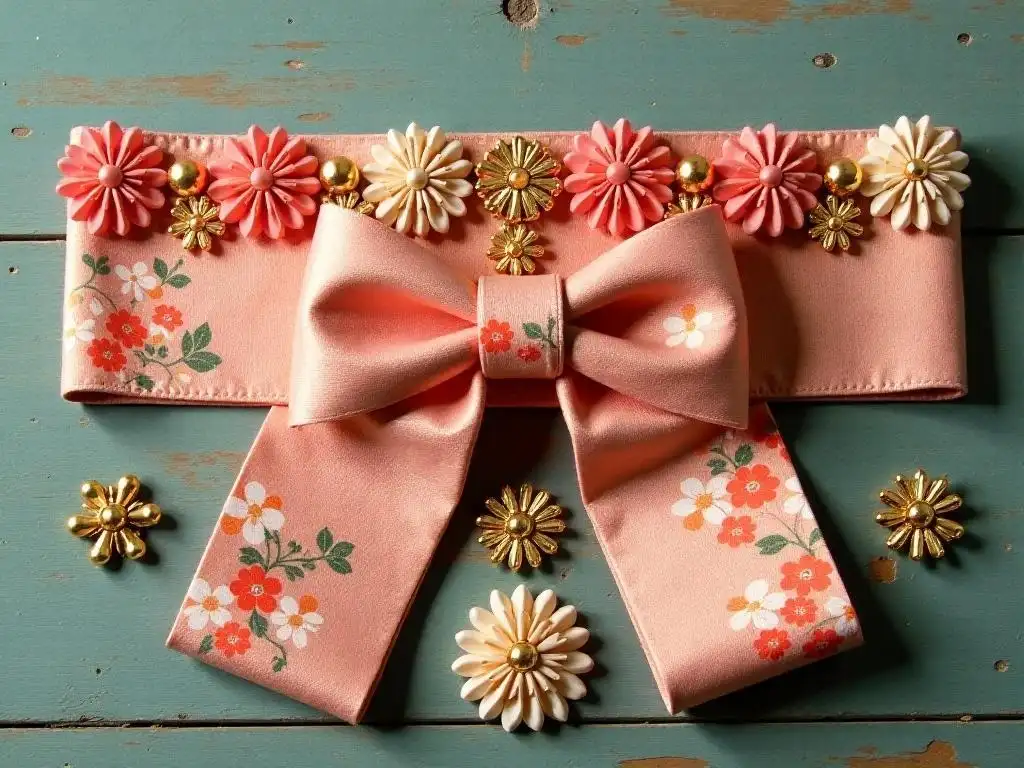
Welcome to Feudal Japan History, where we embark on an intriguing journey through the captivating world of Japan’s feudal era. Here, you’ll uncover the rich tapestry of historical, cultural, and societal elements that defined this remarkable period. In our featured article, "The Role of Accessories: How Obis and Obiage Completed the Look," we delve into the fascinating history of Japanese obi accessories.
Discover how these exquisite garments not only adorned individuals but also conveyed profound societal meanings. Prepare to be enchanted as we explore the artistry and significance behind these timeless pieces—your adventure into the depths of feudal Japan begins now!
Introduction to Japanese Obi Accessories History
The history of Japanese obi accessories is a captivating exploration of how fashion and culture intertwined during Japan's feudal era. Obis, the wide sashes worn around the waist, and obiage, the decorative silk or fabric strips that adorn the obi, not only serve practical purposes but also play a significant role in expressing the wearer's identity and status. This article delves into the evolution of these accessories, their cultural significance, and how they completed traditional Japanese attire, reflecting both artistry and functionality in a society rich with customs and traditions.
Overview of Obis and Obiage in Japanese Culture
In the context of Japanese fashion, obi and obiage are more than mere accessories; they embody a wealth of cultural heritage. The obi has been an essential element of women's clothing, primarily worn with kimono, since the Heian period (794-1185). Obis vary in width, style, and material, often showcasing intricate designs that reflect the wearer's social standing and the occasion.
On the other hand, the obiage serves a dual purpose: it not only adds a layer of aesthetic appeal but also helps secure the obi in place. Traditionally made from silk, the obiage is tied around the top of the obi, often featuring elaborate patterns and colors that complement the kimono. Together, these accessories enhance the overall silhouette and elegance of traditional attire, making them indispensable components of Japanese fashion.
Importance of Accessories in Feudal Japan Fashion
In feudal Japan, the significance of accessories extended far beyond mere decoration. Accessories like obis and obiage were pivotal in conveying social hierarchies and cultural values. The choice of color, material, and style could denote various factors, including the wearer's age, marital status, and even seasonal appropriateness.
Moreover, the art of tying the obi became a skill in itself, with different knots and styles emerging over time, each telling its own story. Accessories were not only functional but also a canvas for artistic expression, showcasing the craftsmanship and creativity of artisans. This deep connection between clothing and identity highlights the vital role that accessories played in the daily lives of individuals during the feudal era.
The Historical Context of Obi Accessories
Understanding the historical context of obi accessories provides a richer perspective on their evolution and significance. As Japan transitioned through various periods, so too did the styles and importance of obis and obiage, reflecting broader societal changes.
Origin and Evolution of the Obi
The obi's origins can be traced back to the Heian period when it was primarily used as a practical garment fastener. Over the centuries, its role evolved, transforming from a simple tie into a fashion statement. By the Edo period (1603-1868), the obi had become an integral part of the kimono ensemble, with elaborate designs and structures that showcased the wearer's wealth and status.
As fashion trends shifted, so did the obi's styles, leading to the emergence of various types, such as the fukuro obi and haneri obi. Each type served distinct purposes, from formal occasions to casual wear, illustrating the adaptability of this essential accessory.
Development of the Obiage: Function and Significance
The obiage developed alongside the obi, growing in importance as fashion became more intricate. Initially serving a purely functional role to secure the obi, the obiage eventually evolved into an art form of its own. The materials and designs began to reflect the wearer's personality and fashionable trends, making it a vital aspect of traditional attire.
In addition to aesthetics, the obiage also held symbolic meaning. Different colors and patterns were often chosen for specific occasions, such as weddings or festivals, signifying the cultural values embedded in Japanese fashion. This evolution highlights the dynamic relationship between clothing, identity, and societal norms throughout Japan's feudal history, showcasing the profound impact of obi accessories on daily life and culture.
Types of Japanese Obi
The obi is a crucial component of traditional Japanese attire, particularly in the context of kimono fashion. There are several types of obi, each serving different purposes and featuring unique designs, styles, and materials. The main types include:
- Fukuro Obi: This is a formal, wide obi that is often used for special occasions such as weddings and ceremonies. Its construction allows for intricate knotting and a reversible design, making it a versatile choice.
- Nagoya Obi: A more casual and common type, the Nagoya obi is shorter and typically worn with everyday kimono. It features a distinctive design that allows for easier wearing and is often embellished with vibrant patterns.
- Haneri Obi: This type of obi is primarily decorative and is often used with children's kimono. Its designs can range from simple to elaborate, showcasing playful themes.
- Obijime: Although not a full obi, the obijime is a decorative cord that is tied around the waist over the obi. It adds an extra layer of detail and can be made from various materials.
Each type of obi not only reflects the wearer's social status and the occasion but also showcases the artistry of Japanese textile craftsmanship. Understanding these variations is essential for grasping the evolution of Japanese fashion and its cultural implications.
Different Styles and Materials of Obis
Obis come in a variety of styles and materials, contributing to their significance in Japanese clothing. Common materials used in obi production include:
- Silk: The most luxurious and traditional choice, silk obis are often richly embroidered or dyed with intricate patterns. They serve as a status symbol and are typically worn for formal occasions.
- Cotton: More practical and affordable, cotton obis are commonly used in everyday wear. They are easier to maintain and can be found in a plethora of colors and designs.
- Polyester: In modern times, synthetic materials like polyester have become popular due to their durability and ease of care. These obis can mimic the appearance of silk while being more budget-friendly.
In terms of style, obis can be further categorized by their design elements:
- Patterns and Prints: These can range from traditional motifs like cherry blossoms and cranes to modern interpretations, reflecting the wearer's personality and the season.
- Weaves: Techniques such as brocade and kasuri (tie-dye) create distinctive textures and visual effects, elevating the obi's aesthetic appeal.
The choice of style and material plays a significant role in expressing cultural identity and personal flair, making obis a vital aspect of Japanese attire throughout history.
The Role of Obiage in Traditional Attire
The obiage is a decorative piece of fabric worn under the obi, serving both functional and aesthetic purposes. This accessory plays a critical role in traditional Japanese attire, enhancing the overall appearance of the kimono while providing practical benefits.
Functionality of the Obiage: Practical and Aesthetic Purposes
The primary function of the obiage is to secure the obi in place, preventing it from slipping or shifting during wear. This is particularly important given the intricacy of obi knots, which can be cumbersome if not properly supported. Additionally, the obiage can help to smooth the silhouette, providing a clean and polished look.
From an aesthetic perspective, the obiage offers an opportunity for personal expression. It is available in various colors and patterns, allowing individuals to coordinate their ensembles creatively. By choosing an obiage that complements or contrasts with the kimono and obi, wearers can enhance their overall attire, showcasing their fashion sense and attention to detail.
Symbolism and Cultural Significance of Obiage
Beyond its practical uses, the obiage carries rich cultural symbolism. Traditionally, the color and design of the obiage can indicate the wearer's age, marital status, or even the occasion being celebrated. For instance, vibrant colors are often associated with youth and festivities, while subdued tones may signify maturity or solemn events.
Moreover, the obiage is often considered a symbol of femininity and grace. In many traditional Japanese ceremonies, the way the obiage is tied and displayed can reflect the wearer's poise and elegance. Thus, it plays a pivotal role in the broader context of kimono fashion, emphasizing the intricate relationship between clothing, identity, and culture in Japanese society.
The obiage is not just an accessory but a significant element of traditional Japanese attire that combines functionality, aesthetic appeal, and cultural meaning. Its evolution and usage throughout history underscore the importance of accessories in completing the look of traditional garments.
How Obis and Obiage Enhanced the Kimono Look
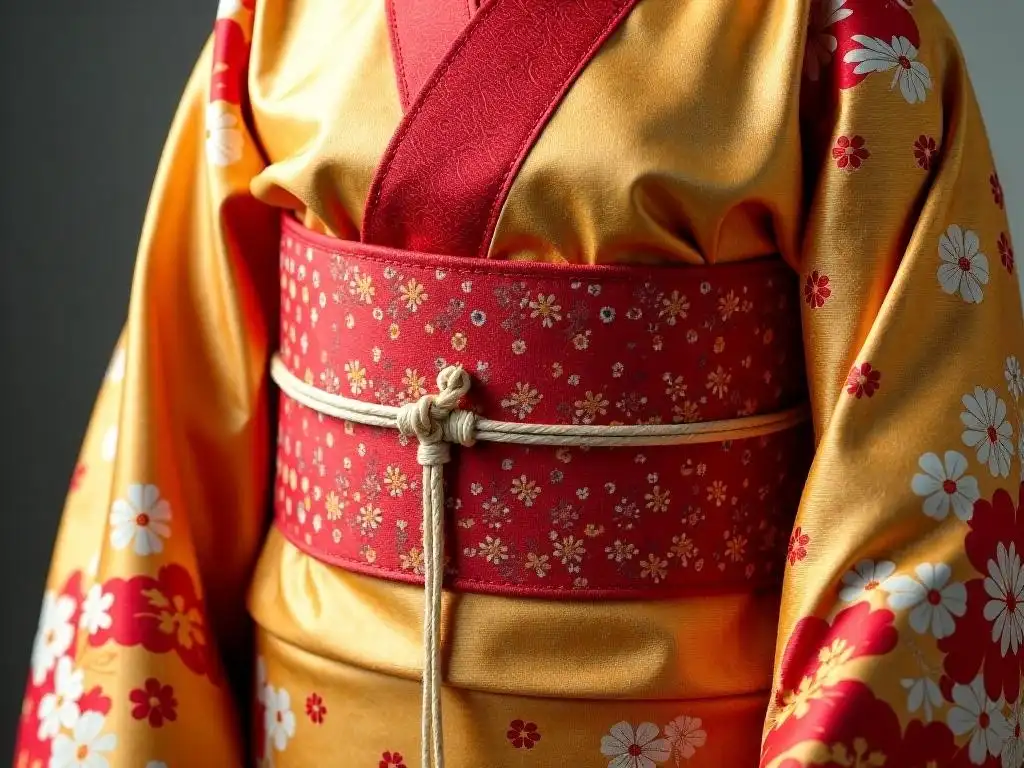
Obis and obiage are pivotal accessories in traditional Japanese attire, particularly in enhancing the overall appearance of the kimono. The obi is a wide belt that wraps around the waist, serving both a practical and decorative purpose. It helps to secure the kimono in place while adding a striking visual element that can vary significantly in style, color, and material.
The obiage, on the other hand, is a narrower piece of fabric that is tied above the obi, often visible in the space between the kimono and the obi. This accessory not only adds an extra layer of sophistication but also serves to conceal the knot of the obi and enhance the silhouette of the wearer.
The interplay of these accessories goes beyond functionality; they are a canvas for artistic expression. In many ways, the obi and obiage complete the kimono look, transforming it into a statement of individuality. The textures, colors, and embellishments of these accessories can reflect personal taste, social status, and even seasonal themes. As a result, they play a crucial role in defining the overall aesthetic and cultural significance of the outfit.
The Visual Impact of Accessories on Kimono Fashion
The visual impact of obis and obiage in kimono fashion cannot be overstated. These accessories can dramatically alter the perception of a kimono, allowing wearers to express their style and identity. A well-chosen obi can draw attention to the waist, enhancing the hourglass figure that is traditionally celebrated in Japanese aesthetics. Furthermore, the way an obi is tied—be it a simple knot or an elaborate bow—can convey different meanings and styles, from the understated elegance of a formal occasion to the playful exuberance of a festival.
The colors and patterns of the obi and obiage also contribute significantly to the overall look. Bright, bold designs can create a vibrant and eye-catching effect, while muted tones might lend an air of sophistication and grace. This visual interplay encourages wearers to experiment with different combinations, fostering a unique personal style that is reflective of their cultural background and contemporary influences.
Coordinating Colors and Patterns: Aesthetic Harmony in Attire
A crucial aspect of wearing obis and obiage is the coordination of colors and patterns, which plays a vital role in achieving aesthetic harmony in attire. In traditional Japanese fashion, the concept of "shiki" (色), or color philosophy, emphasizes the importance of color balance and seasonal relevance. For example, pastel hues may be favored in spring, while deeper tones could be preferred in autumn.
The patterns on the obi and obiage should also complement the kimono's design. Floral motifs, for instance, might harmonize beautifully with a kimono featuring similar themes, creating a sense of unity in the outfit. Additionally, contrasting patterns can create a dynamic visual effect, drawing the eye and adding layers of depth to the ensemble.
By carefully selecting combinations of fabrics, colors, and patterns, wearers of kimonos can create a visually stunning look that is not only reflective of their personal style but also resonates with the rich cultural narratives of Japan's history.
Accessories Beyond Obis and Obiage
While obis and obiage are central to traditional Japanese attire, they are not the only accessories that contribute to the overall look. The world of Japanese fashion is rich with a variety of complementary accessories that enhance the beauty and functionality of the kimono.
Other Complementary Accessories in Japanese Fashion
Several other accessories play significant roles in completing the traditional Japanese ensemble. Some of the most notable include:
- Obijime: This is a decorative cord that is tied around the obi, adding both a visual focal point and securing the obi in place.
- Obidome: A decorative piece that slides onto the obijime, often crafted from metal or lacquer, providing an additional layer of artistry.
- Haneri: A collar worn over the kimono collar, often patterned or colored differently to create contrast and interest.
- Geta and Zori: Footwear that complements the kimono, with geta being wooden sandals and zori typically made from fabric or leather, each contributing to the overall styling.
- Kanzashi: Hair ornaments that can range from simple to elaborate, often used to enhance hairstyles and add a touch of elegance to the look.
These accessories work in concert with the obi and obiage to create a cohesive and harmonious outfit, showcasing the wearer's attention to detail and appreciation for the intricacies of traditional Japanese fashion. Each piece tells a story, embodying the cultural heritage and artistic expression that characterize Japan's rich textile history.
The Influence of Obi Accessories on Modern Fashion
The influence of obi accessories on modern fashion is a fascinating testament to the enduring appeal of traditional Japanese clothing. While the obi—a wide belt traditionally worn with kimono—has its roots deeply embedded in Japan's feudal era, its aesthetic and functional aspects have transcended time and cultural boundaries. Contemporary designers and fashion enthusiasts often draw inspiration from these accessories, incorporating their unique styles into modern apparel.
One of the most significant impacts of obi accessories is their versatility. Designers have reimagined the obi as a fashionable statement piece, seamlessly blending traditional craftsmanship with contemporary design. For instance, obi belts can now be seen in fusion wear, where Western garments are paired with these traditional elements, creating a unique hybrid style. This blending not only showcases the beauty of the obi but also reflects a growing appreciation for cultural diversity in fashion.
Moreover, the artistic patterns and textures of obi materials have inspired modern textile design, leading to innovative fabric patterns that echo the historical significance of these accessories. As fashion trends continue to evolve, the incorporation of obi elements into casual and formal wear highlights their adaptability and relevance in today's style landscape.
Contemporary Interpretations of Traditional Japanese Accessories
Contemporary interpretations of traditional Japanese accessories reflect a dynamic interplay between heritage and modernity. Fashion designers, both in Japan and internationally, have embraced the obi and obiage (a decorative sash worn under the obi) as symbols of elegance and craftsmanship. These accessories are often reinterpreted through various mediums, including high fashion, streetwear, and even avant-garde designs.
In many cases, designers have opted to simplify the complexities of traditional obi styles, making them more accessible to a global audience. For example, simplified obi belts are frequently used in Western fashion collections, where they are paired with dresses, coats, and even casual outfits. This accessibility has allowed the obi to gain popularity beyond its cultural origins, being celebrated for its aesthetic appeal.
Additionally, the vibrant colors and intricate designs of obiage have inspired accessories such as headbands, bags, and shoes, demonstrating how traditional motifs can be repurposed in various forms. This trend not only pays homage to Japan's rich textile heritage but also keeps the conversation around cultural appreciation alive within the fashion industry.
The Revival of Obi and Obiage in Modern Styles
The revival of obi and obiage in modern styles can be attributed to a renewed interest in traditional Japanese culture, particularly among younger generations. This resurgence is evident in various fashion movements that seek to celebrate and incorporate cultural elements into everyday wear. The fascination with vintage and retro styles has also played a significant role, as many fashion enthusiasts are drawn to the historical significance of these accessories.
Pop culture has further fueled this revival. Celebrities and influencers have been seen sporting modern interpretations of obi and obiage, often showcasing them in a way that emphasizes their versatility. This visibility has sparked a broader conversation about cultural identity and heritage, allowing more people to engage with Japanese fashion history.
Fashion events and exhibitions highlighting traditional Japanese clothing have also contributed to this revival. These platforms provide opportunities for artisans and designers to showcase their work, educating audiences on the significance of obi accessories and their place in contemporary fashion. As a result, the appreciation for these traditional items continues to grow, solidifying their status in modern wardrobes.
Conclusion: The Enduring Legacy of Japanese Obi Accessories
The enduring legacy of Japanese obi accessories is a reflection of their rich cultural significance and craftsmanship. These accessories not only served practical purposes in traditional attire but also embodied aesthetic values that resonated throughout Japan's feudal era. Today, the legacy of the obi continues to thrive, influencing modern fashion while preserving its historical roots.
The Role of Accessories in Preserving Cultural Heritage
Accessories like the obi and obiage play a crucial role in preserving cultural heritage. They serve as tangible links to the past, allowing individuals to connect with Japan’s rich history and traditions. By wearing these accessories, people celebrate and honor the artistry and craftsmanship of previous generations.
In contemporary society, the revival and reinterpretation of these accessories act as a bridge between generations. As younger designers and fashion enthusiasts embrace traditional elements, they contribute to a sense of continuity and cultural pride. This preservation of heritage through fashion not only enriches the cultural landscape but also fosters respect and appreciation for Japan's artistic legacy.
Final Thoughts on Japanese Obi Accessories History and Fashion Trends
The history of Japanese obi accessories is deeply intertwined with the evolution of fashion trends. The adaptability and appeal of these accessories have allowed them to remain relevant in modern contexts, serving as symbols of cultural identity and artistic expression. As contemporary fashion continues to evolve, the influence of obi and obiage will likely persist, ensuring that their history and significance are celebrated for generations to come. Whether through high fashion or casual wear, the spirit of Japanese obi accessories will continue to inspire and captivate.
- Introduction to Japanese Obi Accessories History
- The Historical Context of Obi Accessories
- Types of Japanese Obi
- The Role of Obiage in Traditional Attire
- How Obis and Obiage Enhanced the Kimono Look
- Accessories Beyond Obis and Obiage
- The Influence of Obi Accessories on Modern Fashion
- Conclusion: The Enduring Legacy of Japanese Obi Accessories
- What are obi and obiage in the context of Japanese fashion?
- How did obi accessories evolve during the feudal era in Japan?
- What is the significance of obiage in traditional Japanese clothing?
- Are there specific occasions when certain obi accessories are preferred?
- How do obi accessories contribute to the overall aesthetic of a kimono?
Frequently Asked Questions
What are obi and obiage in the context of Japanese fashion?
Obi are wide sashes worn around the waist to secure a kimono, while obiage are decorative pieces that add elegance and completeness to the overall attire.
How did obi accessories evolve during the feudal era in Japan?
During the feudal era, obi accessories became increasingly ornate, reflecting the social status and wealth of the wearer, as well as the regional styles that emerged.
What is the significance of obiage in traditional Japanese clothing?
Obiage serve both functional and aesthetic purposes, helping to keep the obi in place while also adding a layer of color and texture to the kimono ensemble.
Are there specific occasions when certain obi accessories are preferred?
Yes, different obi accessories are chosen based on the occasion, such as formal ceremonies, festivals, or everyday wear, each reflecting the cultural norms of the time.
How do obi accessories contribute to the overall aesthetic of a kimono?
Obi accessories enhance the visual appeal of a kimono by providing contrast and balance, showcasing the craftsmanship and artistry involved in traditional Japanese clothing.
Final Reflection: The Timeless Elegance of Japanese Obi Accessories
The intricate history of Japanese obi accessories, particularly obis and obiage, underscores their profound significance in contemporary fashion and cultural identity. As we navigate a world increasingly influenced by globalization, the enduring charm of these traditional garments reminds us of the importance of preserving our heritage while embracing modernity. The artistry and craftsmanship behind these accessories not only enhance the aesthetic appeal of attire but also serve as a testament to the rich cultural narratives that shape our identities.
The influence of obis and obiage extends far beyond mere fashion; they encapsulate a cultural legacy that continues to inspire contemporary designers and enthusiasts alike. The way these accessories are integrated into modern wardrobes speaks volumes about our collective desire to honor tradition while innovating for the future. As fashion designer Junko Koshino once said, "> Fashion is not just about clothes; it's about the stories we tell through them." This sentiment resonates deeply as we explore how these accessories have transcended time, becoming symbols of elegance and cultural pride.
As you reflect on the role of accessories in your own life, consider how the stories behind them can enrich your personal style and cultural understanding. Embrace the opportunity to incorporate elements of traditional craftsmanship into your wardrobe, and let these pieces serve as a bridge between the past and the present. By doing so, you not only celebrate the beauty of Japanese obi accessories but also contribute to the ongoing narrative of cultural appreciation and evolution.
Transform Your Style with Accessories Today!
Thank you for joining us on this journey through the fascinating world of **traditional Japanese accessories**! We hope you found inspiration in how these unique pieces can elevate any outfit, blending history with modern fashion. Now, it’s your turn to take action and embrace your individual style!
Here are a few steps you can take right now:
- Explore your wardrobe: Look for ways to incorporate traditional elements into your outfits. Pair them with contemporary attire to create a stunning fusion of old and new.
- Share your style: Post a picture of your accessory-inspired look on social media and tag us, or join a community to discuss how you express yourself through fashion.
- Learn more about fashion history: Dive deeper into the cultural significance of accessories by reading additional articles, watching documentaries, or visiting local exhibitions.
How will you express your individuality through accessories in your next outfit? Let's spark a conversation!