
The Feudal System Explained: How Samurai Fit into Japan's Hierarchical Society

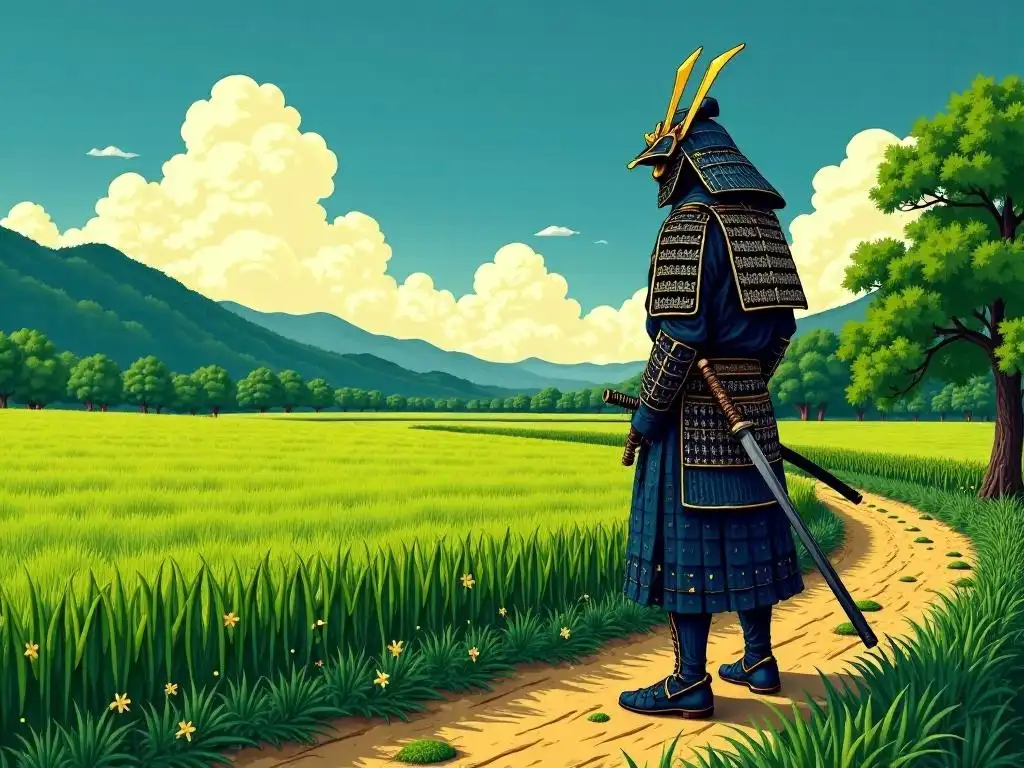
Welcome to Feudal Japan History, where we invite you to embark on a journey through the captivating tapestry of Japan’s feudal era. Here, you will uncover the intricate roles of the Samurai within the hierarchical society that defined this fascinating period. Delve into our featured article, "The Feudal System Explained: How Samurai Fit into Japan's Hierarchical Society," and discover how these legendary warriors shaped not only the political landscape but also the very culture and identity of Japan.
Prepare to be intrigued as we unravel the stories, conflicts, and codes that made the Samurai an enduring symbol of honor and loyalty. Your exploration begins now!
Introduction to Feudal Japan
Feudal Japan, a period that spanned several centuries from the late 12th century to the 19th century, was characterized by a unique hierarchical structure that defined the social, political, and economic landscape of the nation. Central to this era was the samurai, a warrior class that not only upheld the military power but also embodied the cultural ethos of Japan.
Understanding the role of the samurai within the feudal system is crucial for grasping the complexities of Japanese society during this time. This article delves into the intricacies of the feudal system, examining how the samurai fit into this hierarchical structure and the profound impact they had on Japanese history and culture.
Overview of the Feudal System in Japan
The feudal system in Japan was intricately woven into the fabric of society, creating a hierarchy that placed the emperor at the top, albeit with limited power. Below the emperor, the shogun, who wielded actual military and political authority, governed the land through a network of daimyōs (feudal lords). These daimyōs, in turn, relied on samurai to maintain order and protect their territories. This structure facilitated a system of land tenure, where loyalty and military service were exchanged for land and protection.
- Key Components of the Feudal System:
- Emperor: The symbolic leader with religious and cultural significance.
- Shogun: The military ruler who held real power.
- Daimyōs: Feudal lords who managed specific regions.
- Samurai: The warrior class responsible for defense and governance.
- Peasants: The backbone of the economy, working the land.
The feudal system was not merely a political arrangement but a comprehensive social order that dictated the relationships and obligations among various classes.
Importance of Samurai in Japanese Society
The samurai were not just warriors; they were also the custodians of a rich cultural heritage. Adhering to the Bushido code, which emphasized loyalty, honor, and discipline, samurai played a pivotal role in shaping Japan's values and social norms. Their influence extended beyond the battlefield into governance, arts, and philosophy, making them integral to the identity of feudal Japan.
- Cultural Influence:
- Promotion of arts such as calligraphy, poetry, and tea ceremonies.
- Development of martial arts and philosophies that emphasized personal discipline.
- Political Role:
- Samurai served as advisors to daimyōs, influencing decisions and policies.
- They maintained law and order within their domains, acting as local enforcers of the shogunate's authority.
The Structure of Feudal Society in Japan
Understanding the structure of feudal society is essential to appreciate the nuances of the samurai's role. The rigid hierarchy created clear distinctions among the classes, each with its own rights and responsibilities, contributing to societal stability.
Hierarchical Layers of Feudal Japan
The feudal hierarchy in Japan can be outlined as follows:
| Class | Description |
|---|---|
| Emperor | The highest authority, symbolic and religious leader. |
| Shogun | The military ruler with ultimate power over the daimyōs and samurai. |
| Daimyōs | Feudal lords who controlled large estates and had their own armies of samurai. |
| Samurai | The warrior class responsible for military service and local governance. |
| Peasants | Farmers who worked the land and supported the economy, often heavily taxed. |
| Artisans | Skilled workers who produced goods and contributed to local economies. |
| Merchants | Traders who facilitated commerce but were often viewed lower in the social hierarchy. |
Roles and Responsibilities of Each Class
Each class in the feudal system held specific roles that were critical to maintaining order and stability:
- Emperor: Largely ceremonial, focused on religious duties.
- Shogun: Managed military campaigns and political relations.
- Daimyōs: Collected taxes, maintained local law, and provided protection to peasants.
- Samurai: Served as warriors, land managers, and local leaders, upholding the shōgun's laws and protecting the daimyō's interests.
- Peasants: Worked the land, providing food and resources for the entire society.
- Artisans: Created tools, weapons, and goods essential for daily life.
- Merchants: Engaged in trade, often accumulating wealth but lacking social status.
The samurai's role in feudal Japan was multifaceted, encompassing military, cultural, and political dimensions. As we explore the complexities of this hierarchical society, the significance of the samurai becomes increasingly evident, showcasing their vital contribution to the historical narrative of Japan.
The Emergence of the Samurai Class
The emergence of the samurai class marked a significant turning point in Japan's political and social landscape during the feudal era. This class of warriors began to take shape in the Heian period (794-1185), when the imperial court's power began to wane, leading to increased local governance by provincial leaders. Initially, samurai were primarily mounted warriors serving powerful landowners, known as daimyōs, as they sought to protect their interests against rival clans and internal strife. Over time, these warriors gained prominence as they became essential to maintaining order and enforcing the will of their lords.
The rise of the samurai was closely tied to the development of a more decentralized political structure, where military prowess became increasingly valuable. As conflicts escalated between clans, especially during the late Heian period and the subsequent Kamakura period (1185-1333), the samurai distinguished themselves through their martial skills, loyalty, and adherence to a code of conduct known as bushidō. This code emphasized virtues such as honor, loyalty, and discipline, further solidifying their role within the feudal hierarchy.
Historical Context of Samurai Development
To understand the historical context of the samurai's development, it is crucial to consider the political turmoil that characterized the late Heian period. The Taira and Minamoto clans were key players in this era, engaging in a series of conflicts known as the Genpei War (1180-1185). The outcome of this war led to the establishment of the Kamakura shogunate, the first military government in Japan, which shifted power from the imperial court to the samurai class.
The Kamakura period saw the codification of samurai rights and duties, as well as the consolidation of their status. The emergence of the shogun as the de facto ruler of Japan meant that the samurai were no longer just local militiamen; they became key figures in the governance of the country. This transformation was further fueled by the need for security against external threats, such as the Mongol invasions in the late 13th century, which required a strong and organized military response.
Key Figures in the Rise of the Samurai
Several key figures played pivotal roles in the rise of the samurai class. Minamoto no Yoritomo, the founder of the Kamakura shogunate, is one of the most significant. His leadership during the Genpei War and subsequent establishment of military rule marked the beginning of samurai dominance in Japanese politics. Yoritomo's reforms helped create a system where samurai were granted land in exchange for military service, further entrenching their power.
Another notable figure is Ashikaga Takauji, who founded the Ashikaga shogunate during the Muromachi period (1336-1573). His rise to power illustrated the evolving nature of samurai authority, as he navigated complex political landscapes and established a new governance structure that emphasized the samurai's role as both warriors and ruling elites.
The Samurai Role in Feudal Japan
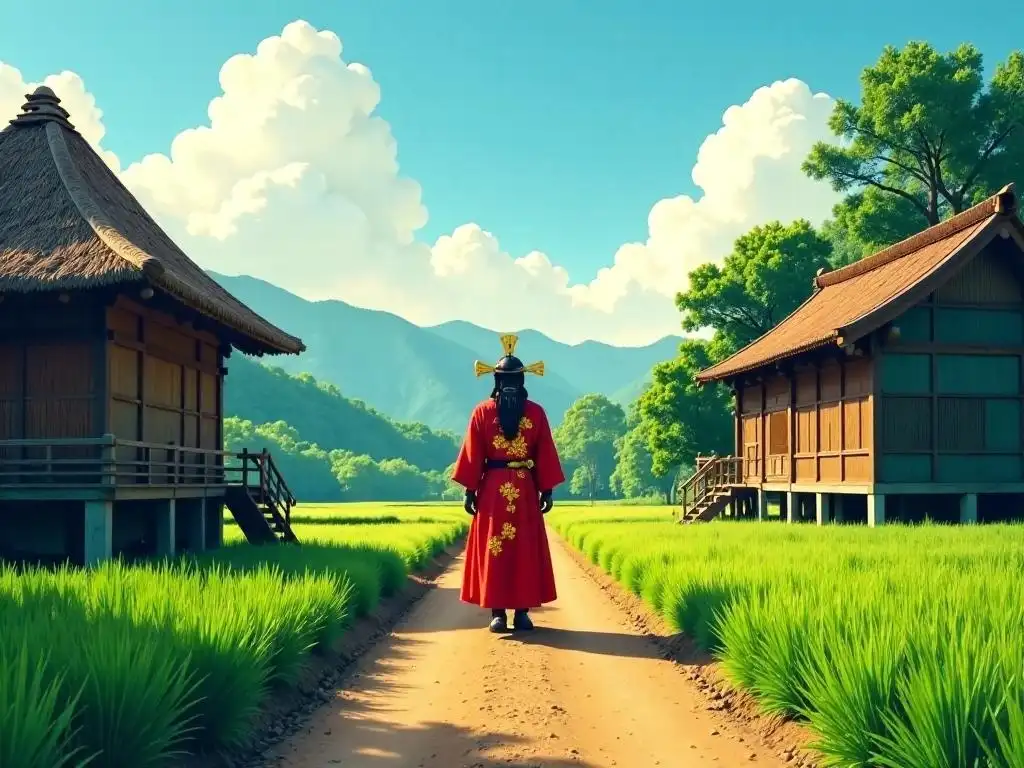
The samurai were not merely warriors; their roles encompassed a wide range of responsibilities that shaped feudal Japan's political, military, and cultural frameworks. As the primary military force of the daimyōs, they were integral to the maintenance of power and order within their territories. However, their influence extended beyond the battlefield, positioning them as key figures in the governance and cultural identity of Japan.
Military Functions of the Samurai
The primary function of the samurai was military, as they were trained in various forms of combat, including archery, horseback riding, and swordsmanship. Their effectiveness in battle was crucial for the protection of their lords' lands and interests. Samurai were often organized into clans, working together to defend against rival factions and maintain control over their domains.
During periods of conflict, such as the Onin War (1467-1477), samurai warfare became increasingly sophisticated, with strategies that included sieges and ambushes. The samurai's military prowess was not solely about brute force; it also involved tactical acumen and discipline, as they were trained to execute complex maneuvers and maintain formations in battle.
Samurai as Feudal Lords and Landholders
As the feudal system solidified, many samurai transitioned from being mere retainers to becoming daimyōs themselves, acquiring land and establishing their own domains. This shift allowed them to exercise political power and influence within their territories, as they governed the peasantry and collected taxes.
The relationship between samurai and their vassals was defined by loyalty and obligation, as samurai were expected to protect their land and people while receiving military service and tribute in return. This reciprocal relationship was fundamental to feudal Japan's social structure, creating a hierarchy where loyalty and service were paramount.
Cultural Contributions of the Samurai Class
Beyond their military and political roles, the samurai made significant cultural contributions to Japanese society. They were patrons of the arts, supporting the development of literature, theater, and painting. The samurai's appreciation for aesthetics is perhaps best exemplified in chanoyu (tea ceremony), which became a symbol of sophistication and discipline.
Additionally, the samurai's adherence to bushidō shaped the moral and ethical framework of Japanese culture. This code of conduct influenced not only the samurai but also the broader society, promoting values such as honor, loyalty, and self-discipline. The legacy of the samurai endures in modern Japan, where their ideals continue to resonate in various cultural expressions.
The Code of Bushido: The Samurai's Ethical Framework
The Code of Bushido, often translated as "the way of the warrior," embodies the ethical framework that guided the samurai class throughout feudal Japan. This code was not merely a set of rules but a comprehensive philosophy that defined the samurai's role in society, their relationship with their lords, and their conduct in both peace and war. It emphasized virtues such as loyalty, honor, courage, and respect, which were paramount in the samurai’s daily life. The principles of Bushido not only shaped individual behavior but also influenced the broader societal norms of Japan during the feudal era.
The origins of Bushido can be traced back to earlier Japanese warrior traditions, but it was during the Kamakura period (1185-1333) that it began to crystallize into a recognizable code. Influenced by Zen Buddhism, Confucianism, and Shinto beliefs, Bushido encouraged samurai to cultivate a strong moral character, embodying the ideals of loyalty to their lord and a commitment to martial excellence. This ethical framework became a source of identity for the samurai, distinguishing them from other social classes and solidifying their status within the feudal hierarchy.
Principles of Bushido and Their Impact on Samurai Life
The principles of Bushido can be summarized through several core tenets, including:
- Loyalty (Chūgi): Samurai were expected to demonstrate unwavering loyalty to their lord, often prioritizing this allegiance above their own lives.
- Honor (Meiyo): Maintaining one's honor was crucial. A samurai's reputation was everything, and dishonor could lead to a loss of status and respect.
- Courage (Yū): The willingness to face danger and adversity without fear was a celebrated trait, allowing samurai to perform valiantly in battles.
- Compassion (Jin): Despite their martial prowess, samurai were also expected to show mercy and compassion towards those weaker than themselves.
- Respect (Rei): Proper conduct and respect towards others, including both peers and adversaries, were fundamental to the samurai ethos.
These principles profoundly impacted samurai life, shaping their interactions with others and influencing their decisions during times of peace and conflict. The emphasis on loyalty and honor often led samurai to engage in acts of seppuku (ritual suicide) to preserve their dignity in the face of disgrace. The principles of Bushido also served to unify the samurai class, fostering a sense of camaraderie and collective identity that transcended individual feudal domains.
Bushido's Influence on Japanese Culture and Society
Bushido's influence extended beyond the samurai class and permeated various aspects of Japanese culture and society. It contributed to the development of a distinct cultural identity that emphasized discipline, respect, and perseverance. The ideals of Bushido found expression in various art forms, including literature, theater, and visual arts, where themes of loyalty and honor are often depicted.
Additionally, Bushido played a significant role in shaping the moral and ethical fabric of Japanese society. Its principles influenced the samurai’s relationships with the peasantry and other social classes, promoting a sense of responsibility towards the common people. This ethical framework laid the groundwork for the cultural values that persisted even after the decline of the samurai class, continuing to resonate in modern Japanese culture.
Power Dynamics: Samurai and the Shogunate
The relationship between the samurai and the shogunate was pivotal in understanding Japan's feudal system. The shogunate, as a military government led by the shogun, often relied on the samurai to enforce its rule and maintain order throughout the regions. This partnership was built on a delicate balance of power, where samurai served as both warriors and administrators, executing the will of their shogun while also navigating the complexities of local politics.
The samurai's loyalty to their shogun was rooted in the principles of Bushido, reinforcing the hierarchical nature of feudal society. In return, shoguns provided land, stipends, and protection to their samurai, ensuring their economic stability and social status. This mutual dependence created a structured power dynamic that defined the political landscape of feudal Japan.
The Relationship Between Samurai and Shoguns
The relationship between samurai and shoguns was multifaceted, characterized by both loyalty and tension. Samurai were expected to demonstrate absolute loyalty to their shogun, often engaging in military campaigns to defend or expand the shogunate’s territories. This loyalty was deeply ingrained in the samurai ethos, as any act of rebellion or disloyalty was met with severe consequences, including loss of status or death.
However, this loyalty was not blind; samurai often held significant influence within their domains and could challenge their shogun's authority if they perceived it as unjust. This delicate balance often led to conflicts and power struggles, notably seen during the Sengoku period (1467-1603), where various samurai clans vied for power, leading to a fracturing of alliances and the rise of notable figures like Oda Nobunaga and Toyotomi Hideyoshi.
Shogunate Systems: How Samurai Fit into Political Structures
The shogunate systems in feudal Japan were characterized by their hierarchical structure, with the shogun at the top, followed by the daimyo (feudal lords) and their samurai retainers. Samurai served as vassals to the daimyo, swearing allegiance and offering military service in exchange for land and protection. This system created a network of loyalty and dependence throughout the feudal hierarchy.
The role of samurai within these political structures was not solely military; they also acted as local administrators, managing agricultural production and collecting taxes. This dual role allowed samurai to exert considerable influence over local governance and maintain order within their territories. The intricate relationships between samurai, daimyo, and shoguns were crucial in maintaining the stability of the shogunate and exemplified the complexities of power dynamics within feudal Japan.
The samurai's role in feudal Japan was intricately connected to the Code of Bushido and the political structures established by the shogunate, shaping both their identity and the broader societal norms that defined the era.
The Decline of the Samurai Class
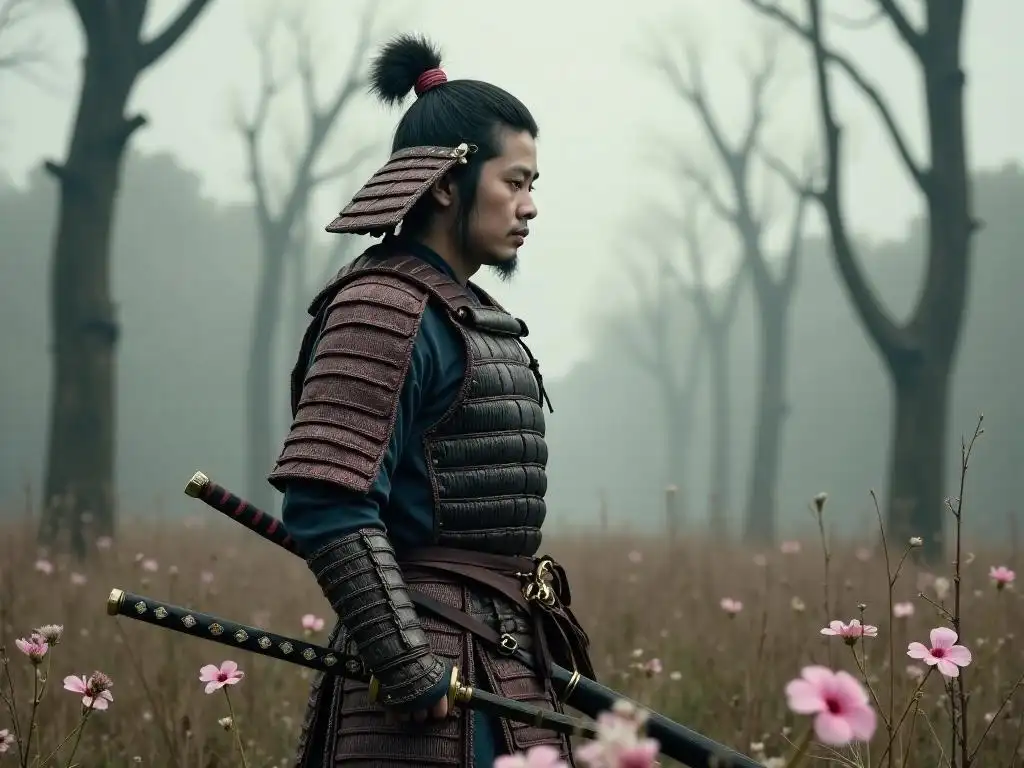
The decline of the samurai class in Japan marked a significant turning point in the country's history, transitioning from a feudal society to a modern state. This decline was not sudden; rather, it evolved over several decades, influenced by various social, political, and economic factors. As Japan faced internal strife and external pressures, the samurai's once-unassailable position began to erode, leading to the eventual dissolution of their privileges and roles.
Factors Leading to the Decline of Samurai Influence
Several interrelated factors contributed to the decline of the samurai's influence in Japan.
- Political Changes: The Meiji Restoration of 1868 was pivotal. The restoration aimed to modernize Japan and abolish the feudal system, which directly undermined the samurai's power. The new government sought to centralize authority and dismantle the domains that had previously given samurai their status.
- Economic Shifts: With the rise of the merchant class, the economy began to shift from agrarian to more commercial-oriented practices. Samurai, who had relied on stipends from their lords, found themselves increasingly financially strained as the economy evolved and the value of their traditional roles diminished.
- Military Reforms: The introduction of conscription and the establishment of a national army meant that the samurai were no longer the sole military class. The government’s ability to recruit soldiers from the general populace diminished the samurai’s unique status as warriors, further contributing to their decline.
- Cultural Changes: The changing social fabric of Japan also played a role. As Western ideas and values permeated Japanese society, the rigid, hierarchical structure that had defined the samurai's existence began to lose its relevance.
The Role of Modernization in Displacing Samurai
Modernization was a significant force in displacing the samurai class. The Meiji government actively pursued policies aimed at transforming Japan into a modern nation-state. This process included:
- Abolition of the Samurai Class: In 1871, the government officially dissolved the samurai class, eliminating hereditary privileges. Samurai were forced to adapt to new social realities and find new sources of income.
- Military Transformation: The transition to a conscript army in 1873 further marginalized the samurai. The new military structure emphasized training and professionalism over the traditional warrior code, which significantly diminished the samurai's role in Japan's defense.
- Economic Integration: The samurai were encouraged to enter the business world, yet many struggled to adapt to capitalist practices. Consequently, many samurai found themselves in dire economic situations, leading to a loss of status and power.
Conclusion: The Lasting Legacy of Samurai in Japan's Feudal System
Despite their decline, the legacy of the samurai class remains deeply embedded in Japanese culture and history. Their values, ethics, and martial traditions continue to influence modern Japanese society, reflecting a complex relationship between past and present.
Summary of the Samurai's Role in Feudal Japan
Throughout Japan’s feudal era, samurai played a crucial role as warriors, administrators, and cultural figures. Their loyalty to their lords and adherence to the bushido code shaped the political landscape and social norms of their time. As Japan transitioned into the modern era, the samurai's functions evolved, but their impact on the nation's identity remains significant.
Reflection on the Historical Significance of Samurai Culture
The samurai culture symbolizes a unique blend of martial prowess and philosophical depth. Their dedication to honor, loyalty, and discipline is not only a reflection of Japan's feudal past but also serves as a lens through which to understand the complexities of Japanese identity today. The enduring fascination with samurai in popular culture, literature, and arts underscores their importance in Japan's historical narrative, ensuring that the lessons learned from their era continue to resonate in contemporary society.
References and Further Reading
The study of the samurai and their role within the feudal system of Japan is enriched by a variety of scholarly resources. These references provide deeper insights into the historical context, cultural significance, and societal impacts of the samurai class. Below are recommended books, articles, and online resources that can enhance your understanding of this fascinating topic.
Suggested Books and Articles on Samurai History
-
"Hagakure: The Book of the Samurai" by Yamamoto Tsunetomo
This classic text offers an intimate glimpse into the mindset and philosophy of the samurai. Written in the early 18th century, it serves as a practical guide to the samurai way of life and ethics.
-
"Samurai: The Last Warrior" by John Man
This book provides a thorough overview of samurai history, exploring their evolution, influence on Japanese culture, and the factors leading to their decline.
-
"The Samurai: A Military History" by Stephen Turnbull
Turnbull's work is essential for understanding the military aspects of the samurai, detailing their strategies, battles, and the evolution of their role in feudal Japan.
-
"The Age of the Samurai: The Rise and Fall of the Samurai" by Michael C. M. Kato
This comprehensive narrative examines the societal context in which samurai thrived, discussing their political power and cultural contributions throughout Japan's feudal era.
-
"Bushido: The Soul of Japan" by Inazo Nitobe
This influential book delves into the ethical code of the samurai, exploring how bushido shaped their identity and behavior in feudal society.
Resources for Exploring Feudal Japan Further
-
The Samurai Archives
An online resource dedicated to the history of the samurai, featuring articles, timelines, and primary sources that detail the lives and legacies of these warriors.
-
The Metropolitan Museum of Art: The Samurai Collection
This collection showcases artifacts, armor, and art from the samurai period, providing a visual representation of their culture and societal role.
-
Japan Society: Educational Resources
Japan Society offers a range of educational articles and resources focused on Japanese history, including the samurai and their influence on modern Japan.
-
National Museum of Japanese History
This museum provides extensive exhibits and online resources covering various aspects of Japanese history, including the feudal era and the samurai class.
-
JSTOR and Project MUSE
These digital libraries offer access to scholarly articles and research papers on samurai history and feudal Japan, invaluable for academic research and in-depth studies.
Exploring these resources will provide you with a comprehensive understanding of the samurai's role in feudal Japan, their cultural significance, and their enduring legacy in Japanese history.
- Introduction to Feudal Japan
- The Structure of Feudal Society in Japan
- The Emergence of the Samurai Class
- The Samurai Role in Feudal Japan
- The Code of Bushido: The Samurai's Ethical Framework
- Power Dynamics: Samurai and the Shogunate
- The Decline of the Samurai Class
- Conclusion: The Lasting Legacy of Samurai in Japan's Feudal System
- References and Further Reading
Frequently Asked Questions
What was the role of samurai in feudal Japan?
The samurai served as the military elite and protectors of their lords, known as daimyos, playing a crucial role in maintaining order and security during the feudal era.
How did the samurai class influence Japanese society?
The samurai class significantly influenced Japanese culture, promoting values such as honor, loyalty, and discipline, which became integral to the Japanese identity.
Feudal Japan had a strict social hierarchy, with the emperor at the top, followed by shoguns, daimyos, samurai, and peasants, each having specific roles and responsibilities.
How did the samurai code of conduct, known as Bushido, shape their behavior?
Bushido, the way of the warrior, guided samurai in their conduct, emphasizing honor, courage, and loyalty, ultimately shaping their actions and societal expectations.
What led to the decline of the samurai class in Japan?
The decline of the samurai class was driven by the Meiji Restoration, which abolished the feudal system and modernized Japan's military and society, reducing the samurai's traditional powers and roles.
Final Reflection: Understanding the Samurai's Enduring Legacy in Feudal Japan
The intricate relationship between the samurai and the feudal system remains profoundly relevant today, as it highlights the complexities of loyalty, honor, and societal structure. In a world where hierarchies still exist in various forms, the samurai's role in feudal Japan serves as a powerful reminder of how individuals navigate their positions within a larger framework. The lessons learned from this historical context resonate strongly in contemporary discussions about leadership, duty, and the balance of power.
Cultural narratives surrounding the samurai continue to shape our understanding of honor and duty in modern society. The samurai's unwavering commitment to their lords and the code of bushido has influenced not only Japanese culture but also global perceptions of warrior ethics and nobility. As we reflect on their legacy, it is essential to recognize that "the true measure of a man is what he would do if he knew he would never be caught." This quote encapsulates the essence of integrity that the samurai embodied, urging us to consider how these values manifest in our own lives.
As we conclude our exploration of the samurai's role in feudal Japan, I invite you to reflect on your own position within the structures of your life. Consider how you can embody the principles of honor, loyalty, and responsibility in your daily interactions. By embracing these ideals, we can cultivate a sense of purpose and connection that transcends time, allowing the spirit of the samurai to inspire us in our modern journeys.
Unveil the Legacy of the Samurai Today!
Thank you for diving into the intricate world of the feudal system and discovering the fascinating role of the samurai! Your curiosity has equipped you with valuable insights into Japan's hierarchical society. Now, it’s time to take action and further explore this captivating history.
- Reflect on your learnings—consider keeping a journal to document your thoughts, questions, or any newfound passions about samurai culture and feudal Japan.
- Join a local history group or an online forum to connect with fellow enthusiasts who share your interest and can help deepen your understanding of this rich historical period.
- Share your insights on social media to spark conversations. Tag us, and let your network know what you found most intriguing about the samurai!
What aspect of samurai culture has inspired you the most, and how do you plan to explore it further? We invite you to share your thoughts below!