
Preserving History: The Best Samurai Swords for Cultural Collectors

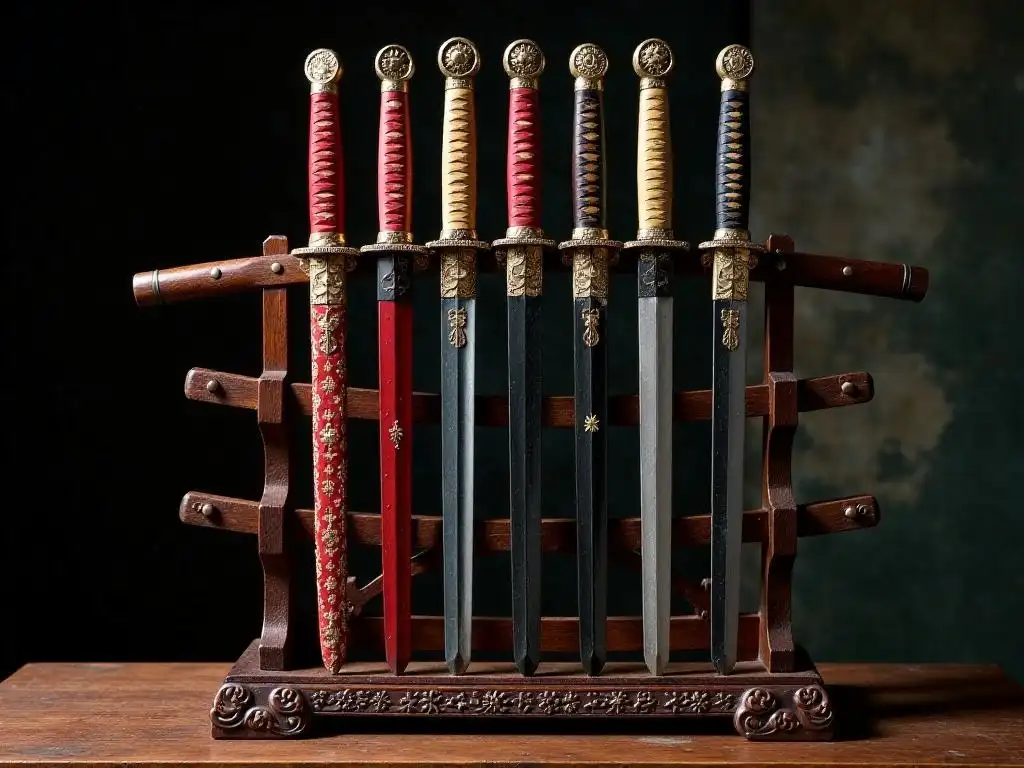
Welcome to Feudal Japan History, where we invite you to embark on a captivating journey through one of the most fascinating periods in Japanese history. In our featured article, "Preserving History: The Best Samurai Swords for Cultural Collectors," we delve into the intricate art of samurai sword craftsmanship, revealing not only the finest blades for collectors but also the rich cultural heritage they embody.
Are you ready to uncover the secrets of these iconic weapons and their significance in the feudal era? Join us as we explore the intersection of history, culture, and martial artistry, igniting your passion for the past and inspiring your collection!
Exploring the rich tapestry of Japan's feudal era, one cannot overlook the significance of samurai swords, not merely as weapons but as cultural artifacts that encapsulate centuries of history, artistry, and tradition. This article delves into the best samurai swords for collectors, offering insights that blend historical context with practical advice for enthusiasts and collectors alike.
As we navigate the intricacies of these blades, we will uncover their roles in society, the craftsmanship that defines them, and the features that make certain swords stand out as exceptional collectibles. Whether you are a seasoned collector or a newcomer fascinated by the allure of samurai culture, this guide aims to equip you with the knowledge needed to appreciate and select the finest samurai swords available today.
Understanding Samurai Swords: A Cultural Perspective
The Importance of Samurai Swords in Japanese History
Samurai swords, known as katana, are not just weapons; they are symbols of the samurai's status and a representation of the values upheld by this esteemed warrior class. Originating during the Kamakura period (1185-1333), these swords have evolved, reflecting the changes in warfare, artistry, and cultural practices throughout Japan’s history. Each blade tells a story of its maker, owner, and the era it represents, making it a profound piece of history for collectors.
Symbolism of the Samurai Sword in Feudal Japan
In feudal Japan, the samurai sword was revered as the soul of the samurai. It symbolized honor, loyalty, and the warrior code (Bushido). The act of drawing the sword was not merely for combat; it was a ritual steeped in respect and discipline. Collectors today often seek swords that embody this rich symbolism, understanding that each blade carries with it the legacy of the samurai spirit.
What to Look for in the Best Samurai Swords for Collectors
Key Features of Authentic Samurai Swords
When searching for the best samurai swords for collectors, authenticity is paramount. Key features to consider include:
- Tsuba (handguard): The design and material can indicate the sword's era and maker.
- Hamono (blade pattern): This reflects the steel's unique folding process and quality.
- Tang (nakago): Often engraved with signatures, providing vital information about the sword's origin.
Craftsmanship and Materials: Why They Matter
The craftsmanship of a samurai sword is fundamental to its value. Traditional methods involve a meticulous process of folding steel to create a blade that is both resilient and sharp. The choice of materials—such as tamahagane steel, used in high-quality swords—plays a critical role in determining the sword's durability and aesthetic appeal. Collectors should prioritize swords that showcase excellent craftsmanship and high-quality materials.
The Role of Tsuba and Tsuka in Collecting Samurai Swords
The tsuba (handguard) and tsuka (handle) are not just functional components; they also contribute significantly to the sword’s overall aesthetic and historical value. The tsuba can be a canvas for intricate designs, often reflecting the owner's status or personal beliefs. Meanwhile, the tsuka's wrapping (tsuka-ito) can vary in style, impacting both comfort and grip. Understanding these elements will help collectors appreciate the intricate details that enhance a sword's value and story.
Top 5 Best Samurai Swords for Collectors in 2024
When it comes to collecting samurai swords, the year 2024 brings forth a selection of exceptional pieces that embody the spirit of Japan's feudal history while appealing to modern collectors. Here are the top five samurai swords that every collector should consider adding to their collection this year.
1. Hanwei Shinto Katana - The Ultimate Collector’s Piece
The Hanwei Shinto Katana stands out as a premier choice for collectors who appreciate both aesthetics and authenticity. Crafted by the renowned manufacturer Paul Chen, this katana features a traditional design with a 29-inch blade made from high-carbon steel, ensuring durability and sharpness. The sword is adorned with intricate fittings and a beautifully wrapped tsuka (handle), providing a comfortable grip and an eye-catching appearance. Its balance and weight make it ideal for display and practice, making it a versatile addition to any collection.
2. Cheness Cutlery Shura Katana - A Blend of History and Artistry
The Cheness Cutlery Shura Katana combines historical significance with exquisite craftsmanship. With a blade length of approximately 28 inches, this sword is crafted from high-quality 1095 high carbon steel, known for its ability to hold a sharp edge. The Shura's unique design features a wave pattern on the blade, reminiscent of traditional Japanese aesthetics. This katana not only serves as a functional weapon but also as a stunning piece of art, making it a must-have for collectors who value both beauty and functionality.
3. Cold Steel Warrior Series Katana - The Perfect Balance of Quality and Affordability
For those seeking quality without breaking the bank, the Cold Steel Warrior Series Katana offers an impressive option. Known for its durability and affordability, this katana is made from 1060 carbon steel, providing a sturdy and reliable blade. The Warrior Series features a classic design with a comfortable grip, making it suitable for both display and practice. This katana strikes an excellent balance between quality and price, making it a popular choice among novice and seasoned collectors alike.
4. Paul Chen Practical Katana - A Stunning Display of Craftsmanship
Another remarkable offering by Paul Chen, the Practical Katana showcases the beauty of traditional sword-making techniques. With a blade length of 28 inches, this katana is forged from high-carbon steel, ensuring both strength and sharpness. The sword features a simple yet elegant design that emphasizes craftsmanship. The Practical Katana is designed for both aesthetics and functionality, making it an ideal choice for collectors who appreciate the artistry of sword-making while also seeking a practical weapon for training.
5. Masahiro Samurai Sword - An Investment for the Future
The Masahiro Samurai Sword is an excellent choice for collectors looking for a combination of quality and investment potential. This sword features a 27-inch blade made from high-carbon steel, offering impressive durability. The attention to detail in the fittings and overall design makes this sword a visually striking piece. As a collector's item, the Masahiro Samurai Sword has shown a trend in appreciating value over time, making it a smart investment for those looking to build a valuable collection.
Comparing Different Types of Samurai Swords for Collectors
When building a samurai sword collection, understanding the different types of swords available is crucial. Each type has its unique characteristics and historical significance that can enhance any collection.
Katana vs. Wakizashi: Which is Better for Your Collection?
The katana and wakizashi are both essential components of the traditional samurai sword set, known as the daisho. The katana features a longer blade, typically around 28 to 30 inches, making it ideal for combat and display. In contrast, the wakizashi, with its shorter blade of about 12 to 24 inches, served as a sidearm for close quarters.
For collectors, the choice between these two swords often comes down to personal preference and the intended purpose of the collection. The katana is more visually striking and is often the centerpiece of a collection, while the wakizashi offers versatility and historical context. A well-rounded collection should ideally include both types to represent the full scope of samurai weaponry.
The Role of Tanto in a Collector's Arsenal
The tanto, a traditional Japanese dagger, plays a significant role in a collector's arsenal. While it may not hold the same iconic status as the katana or wakizashi, the tanto's history and craftsmanship are equally noteworthy. Typically featuring a blade length of 6 to 12 inches, the tanto was used for close combat and as a utility tool by samurai.
For collectors, the tanto can provide a deeper understanding of samurai culture and offer a unique perspective on their weapons. Additionally, given its compact size, it can be an excellent option for collectors with limited display space. Owning a tanto alongside the more prominent katana and wakizashi can round out a collection, highlighting the variety and evolution of samurai weaponry throughout history.
Myths and Realities About Collecting Samurai Swords
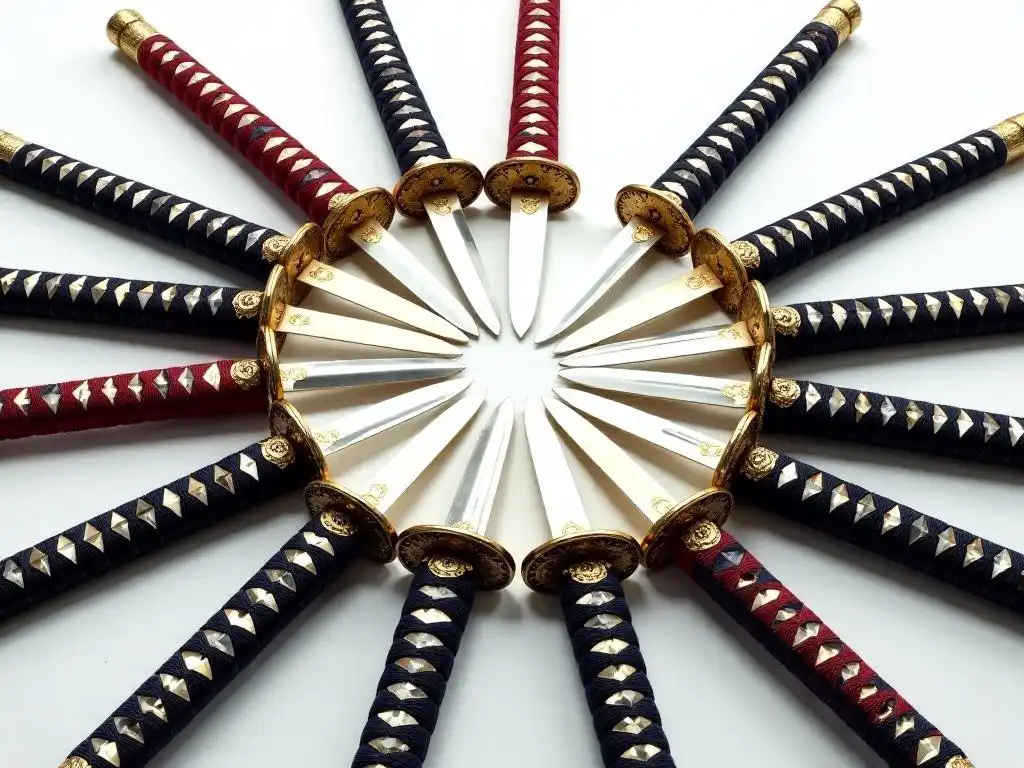
The world of samurai swords is steeped in tradition and mystique, leading to various myths and misconceptions about their collection. Many enthusiasts are drawn to these remarkable artifacts not only for their aesthetic appeal but also for their cultural significance. Understanding the myths surrounding samurai swords can help collectors make informed decisions and appreciate their value more fully.
One of the prevalent myths is that all samurai swords are equally valuable. In reality, the value of a samurai sword can vary significantly based on its age, craftsmanship, historical significance, and condition. While some swords are masterpieces of craftsmanship and worth thousands of dollars, others may be mass-produced replicas that hold little to no value in a collector's eyes.
Another common misconception is that swords can be freely used for combat or display. In fact, many collectors must navigate the legal restrictions surrounding ownership and display, which vary by region. Additionally, using a valuable samurai sword for combat can lead to damage that diminishes its historical and monetary value.
Debunking Common Misconceptions About Samurai Swords
Many collectors enter the world of samurai swords with preconceived notions that often stem from popular culture. One such misconception is that all samurai swords are forged using traditional methods. While many authentic swords were indeed crafted using ancient techniques, the market is flooded with modern reproductions that do not reflect the same quality or authenticity. Collectors should seek reputable sources to ensure they are acquiring genuine artifacts.
Another myth is that the age of a sword directly correlates to its value. While age can add to a sword's historical significance, it is not the only factor affecting value. Craftsmanship, the swordsmith's reputation, and the sword's provenance play pivotal roles. Collectors should educate themselves on these aspects to better assess the swords they are interested in.
Finally, there's a belief that all samurai swords are beautiful and in excellent condition. In reality, many swords may have been battle-worn or poorly maintained, leading to corrosion or structural damage. Understanding the condition and history of a sword is crucial for collectors who wish to preserve its integrity and value.
The Reality of Sword Authenticity and Its Impact on Value
Authenticity is a crucial aspect of collecting samurai swords, as it significantly impacts their value. Genuine swords crafted by renowned swordsmiths can command high prices, while replicas or modern reproductions can often be acquired for a fraction of that cost. Collectors must be diligent in verifying the authenticity of a sword before making a purchase.
The simplest way to assess authenticity is through documentation. Provenance, including historical records, previous ownership, and expert appraisals, plays a vital role in establishing a sword's legitimacy. Collectors should seek swords that come with certificates of authenticity or those that have been appraised by reputable experts in the field.
Moreover, the market for samurai swords is influenced by trends in collecting. As certain makers or styles gain popularity, the value of authentic pieces can rise dramatically. Collectors should stay informed about the market dynamics and be aware of the ongoing debates regarding what constitutes an authentic samurai sword.
Caring for Your Samurai Sword: Preservation Tips for Collectors
Caring for a samurai sword is essential for maintaining its beauty and historical value. Proper preservation techniques not only enhance the sword's appearance but also extend its lifespan, allowing collectors to enjoy these treasures for years to come. Here are some tips to ensure your samurai sword remains in optimal condition.
Proper Cleaning and Maintenance Techniques
Regular cleaning and maintenance are vital to preserving the integrity of a samurai sword. Collectors should use a soft, dry cloth to wipe down the blade after each handling to remove fingerprints, moisture, and dust. For more thorough cleaning, a specialized sword oil can be applied sparingly to protect the blade from rust and corrosion.
Avoid using abrasive materials or chemicals that can damage the blade's finish. Additionally, handling the sword with clean hands is crucial, as oils and dirt from the skin can lead to tarnishing over time. For swords that have been heavily used or show signs of rust, consulting a professional for restoration work is advisable to prevent further damage.
Storage Solutions to Preserve Your Collection
Proper storage is equally important in preserving a samurai sword collection. It is recommended to store swords in a cool, dry environment, away from direct sunlight and humidity, which can cause corrosion. Using a sword stand or display case can help showcase the sword while providing necessary protection.
When storing swords, wrapping them in a soft cloth or using a protective case can prevent scratches and other damage. Additionally, collectors should consider using a tamahagane or silk bag, which are traditional storage methods that provide a protective layer while allowing the blade to breathe.
For those with multiple swords, organizing them in a way that allows for easy access while minimizing the risk of accidental damage is key. Collectors should keep track of each sword's details, including its condition and maintenance history, to facilitate better care and preservation over time.
Conclusion: Embracing the Legacy of Samurai Swords
The legacy of samurai swords, or katana, extends far beyond their physical form; they embody the spirit, culture, and artistry of Japan’s feudal era. For collectors, these swords are not merely weapons but symbols of honor and craftsmanship, representing a profound connection to the past. The best samurai swords for collectors offer not only aesthetic appeal but also historical significance, reflecting the rich narrative of the samurai class and their values.
As you delve into the world of samurai swords, it’s essential to appreciate the intricate details that distinguish each piece—be it the blade's curvature, the craftsmanship of the tsuba (guard), or the unique patterns of the hamon (temper line). Collecting these swords can be a deeply rewarding experience, allowing enthusiasts to preserve ancient traditions while celebrating the artistry of the craftsmen who forged them.
In embracing the legacy of samurai swords, collectors also play a vital role in keeping history alive. By curating collections that honor the past, they ensure that future generations can appreciate the beauty and significance of these remarkable artifacts.
Final Thoughts on the Best Samurai Swords for Collectors
Selecting the best samurai swords for collectors involves careful consideration of various factors, including authenticity, craftsmanship, and historical relevance. Collectors must educate themselves about the different types of swords available, such as the katana, wakizashi, and tanto, and understand the significance of each in the context of samurai culture. High-quality replicas can also serve as valuable additions, particularly for those who wish to own a piece of history without the hefty price tag of an antique.
Moreover, engaging with reputable dealers and attending sword shows or exhibitions can provide collectors with insights into the nuances of samurai swords, enhancing their appreciation and understanding. By fostering connections within the collector community, individuals can share knowledge, discuss preservation techniques, and celebrate their shared passion for these historical treasures.
Ultimately, the pursuit of samurai swords is not merely about ownership but about stewardship. Collectors should aim to preserve these magnificent artifacts, ensuring they are treated with the respect and reverence they deserve. By doing so, they contribute to the ongoing narrative of Japan's feudal history, allowing the stories of the samurai and their swords to endure in the collective memory of culture enthusiasts.
- Understanding Samurai Swords: A Cultural Perspective
- What to Look for in the Best Samurai Swords for Collectors
- Top 5 Best Samurai Swords for Collectors in 2024
- Comparing Different Types of Samurai Swords for Collectors
- Myths and Realities About Collecting Samurai Swords
- Caring for Your Samurai Sword: Preservation Tips for Collectors
- Conclusion: Embracing the Legacy of Samurai Swords
Frequently Asked Questions
What are the best samurai swords for collectors?
The best samurai swords for collectors are typically those that are authentic, well-preserved, and come from reputable sources. Look for swords with a rich history and provenance to enhance their value.
How can I identify authentic samurai swords?
To identify authentic samurai swords, examine the mei (inscription) on the tang, check for craftsmanship, and seek the help of a qualified appraiser. Authentic swords often feature unique characteristics that distinguish them from replicas.
What factors affect the value of samurai swords?
The value of samurai swords is influenced by factors such as age, condition, maker, and historical significance. Swords made by renowned smiths or those with notable provenance can command higher prices.
Are there specific materials used in crafting samurai swords?
Yes, traditional samurai swords are often made from high-carbon steel, which allows for a sharp edge and durability. The folding process used in crafting these swords also contributes to their strength and aesthetic appeal.
How should I care for and maintain my samurai sword?
To care for and maintain your samurai sword, regularly clean it with a soft cloth, apply a thin layer of oil to prevent rust, and store it in a properly cushioned setting. Regular inspections for any signs of damage are also recommended.
Final Reflection: The Timeless Legacy of Samurai Swords
In an age where technology often overshadows tradition, the allure of samurai swords remains a powerful testament to the artistry and history of Japan. These magnificent weapons are not merely tools of war; they are symbols of honor, craftsmanship, and cultural heritage. As we delve into the world of the best samurai swords for collectors, we uncover a rich narrative that connects us to the past, reminding us of the values and stories that shaped our present.
The influence of samurai swords extends far beyond their physical form; they embody a cultural ethos that continues to resonate today. As collectors, we are not just acquiring artifacts; we are becoming stewards of history. Each blade carries with it the spirit of the samurai, a reminder of the discipline, respect, and artistry that defined an era. A sword is a reflection of its owner, a piece of history that tells a story.
This ongoing connection to the past enriches our understanding of cultural identity and the importance of preserving such legacies for future generations.
As you reflect on your own journey as a collector, consider the significance of the samurai sword in your life. Embrace the opportunity to not only collect but to educate and share the stories behind these remarkable pieces. Let each sword you acquire be a bridge to the past, a conversation starter that inspires curiosity and appreciation for the rich tapestry of history. By honoring these artifacts, you contribute to the preservation of culture and ensure that the legacy of the samurai endures for generations to come.
Unveil Your Passion for History Today!
Thank you for joining us on this intriguing journey through the world of samurai swords! We hope you’ve gained insight into these incredible artifacts that reflect the rich tapestry of feudal Japan. Now, let’s turn that knowledge into action!
Here’s how you can further explore and celebrate this fascinating culture:
- Begin your collection: Start by researching reputable dealers and considering your first purchase of an authentic samurai sword.
- Share your findings: Connect with fellow enthusiasts on forums or social media platforms—your insights could inspire others!
- Attend a local exhibition: Visit museums or cultural events showcasing samurai heritage to deepen your appreciation and understanding.
Are you ready to take the next step in your collection journey, or do you have a story to share about your experiences with samurai swords? Let’s discuss in the comments!