
The Ashikaga Shogunate: A Study of Cultural Flourishing Amidst Political Turmoil

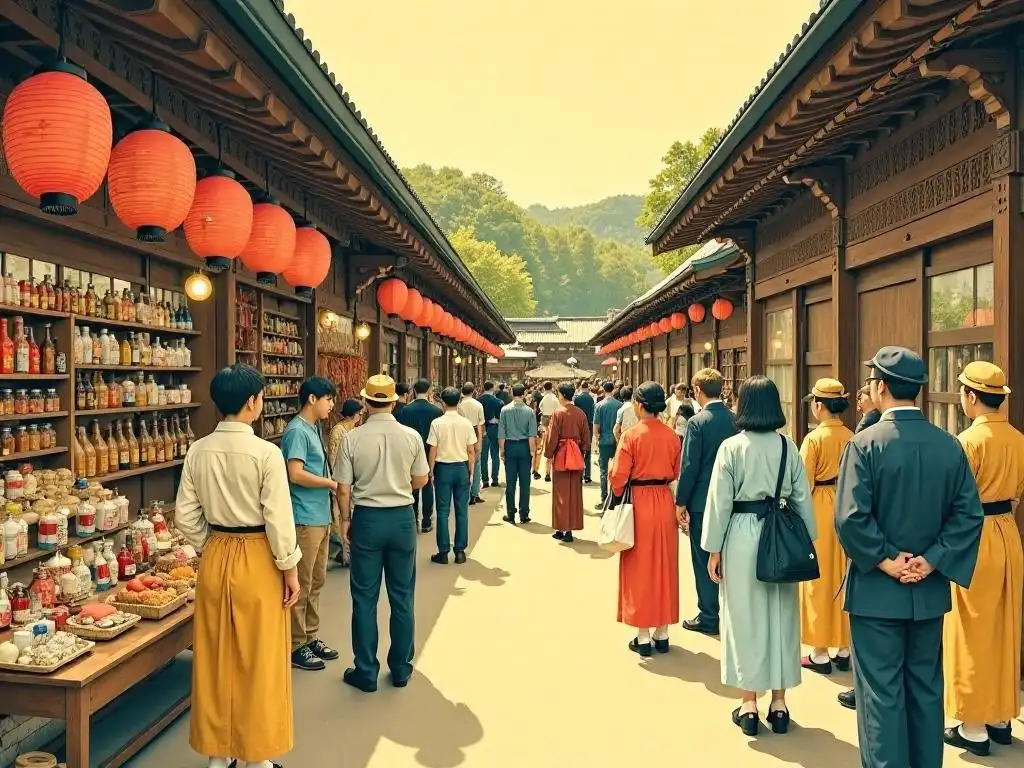
Welcome to Feudal Japan History, where we embark on a captivating journey through the intricate tapestry of Japan’s feudal era. Dive deep into our latest article, "The Ashikaga Shogunate: A Study of Cultural Flourishing Amidst Political Turmoil," as we unravel the profound cultural impact of the Ashikaga Shogunate. Discover how creativity and tradition thrived even in the shadow of political strife, and let your curiosity guide you through the vibrant art, philosophy, and societal shifts that defined this pivotal period. Uncover the stories that shaped a nation—your exploration begins here!
The Ashikaga Shogunate, which ruled Japan from the mid-14th century to the late 16th century, represents a pivotal era in Japanese history characterized by a unique blend of political strife and cultural blossoming. Emerging during a time of significant upheaval, this shogunate not only navigated the complexities of feudal governance but also fostered a remarkable cultural renaissance.
As we delve into this article, we will explore the intricacies of the Ashikaga Shogunate's cultural impact, examining how the arts, philosophy, and societal norms flourished even amid political instability. Through this comprehensive study, we aim to highlight the profound legacy of the Ashikaga period and its enduring significance in shaping Japan's cultural heritage.
Introduction to the Ashikaga Shogunate
Overview of the Ashikaga Shogunate Period
The Ashikaga Shogunate, also known as the Muromachi Shogunate due to its base in the Muromachi district of Kyoto, marked a transitional phase in Japan's feudal history. Established by Ashikaga Takauji in 1336, this shogunate succeeded the Kamakura Shogunate and faced numerous challenges, including internal conflicts and external threats from rival clans. The period is generally recognized as spanning from 1336 to 1573, encapsulating significant developments in military, political, and cultural spheres.
Key features of the Ashikaga Shogunate period include:
- The rise of samurai culture and its integration into the political framework.
- The establishment of a more centralized authority, albeit with local lords (daimyō) maintaining substantial power.
- A shift from the strict military governance of the Kamakura era to a more nuanced political structure that allowed for cultural patronage.
Significance of Cultural Impact During the Ashikaga Shogunate
The cultural impact of the Ashikaga Shogunate is profound, as it was during this time that Japan witnessed significant advancements in various art forms, including painting, poetry, and theater. The shogunate's support for cultural endeavors led to:
- The flourishing of Zen Buddhism, which influenced various art forms and fostered the development of minimalist aesthetics.
- The rise of the Noh theater, a sophisticated performance art that combined music, drama, and dance, reflecting the spiritual and philosophical currents of the time.
- The emergence of ink painting and sumi-e, characterized by simplicity and elegance, which would later become hallmarks of Japanese art.
The Ashikaga Shogunate's cultural legacy is a testament to the resilience of human creativity even in times of turmoil.
Political Context of the Ashikaga Shogunate
The Rise of the Ashikaga Family
The ascent of the Ashikaga family to power was marked by strategic alliances and military prowess. Ashikaga Takauji initially served the Kamakura Shogunate but later rebelled against it, leading to the establishment of his own shogunate. The family's rise was facilitated by:
- The discontent among samurai and regional lords with the Kamakura Shogunate’s authoritarian rule.
- The establishment of connections with powerful clans and influential Buddhist sects, which helped solidify their authority.
Major Political Events and Turmoil
The Ashikaga Shogunate faced numerous challenges that tested its stability, including:
- The Onin War (1467-1477), a pivotal civil conflict that led to the Warring States period (Sengoku), drastically altering the political landscape of Japan.
- Power struggles between the shogunate and various daimyō, which often resulted in local conflicts and instability.
These events underscored the complexities of governance during the Ashikaga period, illustrating the delicate balance between cultural flourishing and political chaos.
The Role of the Ashikaga Shogunate in Feudal Japan
The Ashikaga Shogunate played a crucial role in shaping the trajectory of feudal Japan. It served as a bridge between the earlier Kamakura Shogunate and the later Tokugawa Shogunate, influencing:
- The development of feudal relationships, wherein loyalty and honor became central tenets of samurai culture.
- The promotion of trade and commerce, which laid the groundwork for economic stability and growth in subsequent periods.
The Ashikaga Shogunate stands as a significant chapter in Japanese history, marked by its unique cultural impact amidst political turmoil, setting the stage for future developments in Japan's feudal structure.
Cultural Flourishing Under the Ashikaga Shogunate
The Ashikaga Shogunate, which ruled Japan from the mid-14th century to the late 16th century, is often noted for its significant cultural impact, particularly during a time marked by political instability and social upheaval. This era was characterized by the emergence of various artistic, literary, and philosophical movements that not only reflected the tumultuous atmosphere of the time but also contributed to the foundation of what is considered classical Japanese culture. The shogunate fostered an environment where cultural expression thrived, leading to developments in various fields such as art, literature, architecture, and religion.
Influence on Japanese Art and Aesthetics
During the Ashikaga period, a unique artistic style emerged that was heavily influenced by the principles of Zen Buddhism. This aesthetic focused on simplicity, natural beauty, and an appreciation for the fleeting moments of nature. Notable forms of art included:
- Ink Painting (Sumi-e): This form emphasized brushwork and the use of negative space, capturing landscapes and nature with minimalistic elegance.
- Tea Ceremony (Chanoyu): The tea ceremony became a vital cultural practice, embodying notions of harmony, respect, purity, and tranquility. The utensils and settings used were often designed with great attention to aesthetic detail.
- Noh Theater: This classical form of Japanese drama, characterized by its slow movements and stylized performances, flourished during the Ashikaga Shogunate. It integrated music, dance, and drama into a profound artistic expression that conveyed deep philosophical themes.
The blending of these artistic forms not only reflected the cultural values of the time but also established a legacy that would influence future generations.
Development of Literature and Poetry
The literary landscape during the Ashikaga Shogunate was rich and diverse, with significant contributions from various genres, including poetry, prose, and historical narratives. Noteworthy developments included:
- Waka and Haiku: Traditional forms of Japanese poetry thrived, with poets such as Matsuo Bashō later drawing from this rich heritage to develop the haiku. This concise poetic form captured the essence of nature and human emotion, aligning with the aesthetic values of the period.
- Sōshi Literature: This genre flourished, focusing on themes of everyday life and the struggles of common people. It provided a platform for voices that were often overlooked in previous eras.
- Historical Chronicles: Works such as the "Shinchōkōki" provided detailed accounts of the political events of the time, blending history with narrative storytelling that highlighted the complexities of the era.
These literary forms not only served as entertainment but also as vehicles for philosophical reflection and cultural expression, shaping the identity of Japanese literature.
Advancements in Architecture and Gardens
The Ashikaga Shogunate also witnessed remarkable advancements in architecture and garden design, which reflected the aesthetic sensibilities of the time. Key features included:
- Zen Temples: The construction of Zen Buddhist temples, such as Ginkaku-ji and Nanzen-ji, showcased the integration of architectural simplicity with natural landscapes. These temples often featured rock gardens and carefully arranged flora that encouraged meditation and contemplation.
- Sukiya-zukuri Style: This architectural style emerged, characterized by its use of natural materials, asymmetry, and connection to the surrounding environment. It was particularly influential in the design of tea houses, which emphasized intimate and serene spaces for the tea ceremony.
- Karesansui Gardens: Dry landscape gardens became popular, utilizing rocks, gravel, and minimal vegetation to create serene environments that represented larger natural elements, such as mountains and rivers.
These advancements in architecture and garden design not only enhanced the physical landscape of Japan but also contributed to the spiritual and cultural identity of the period.
The Ashikaga Shogunate's Impact on Religion and Philosophy
The Ashikaga Shogunate played a significant role in shaping the religious and philosophical landscape of Japan, particularly through the promotion of Zen Buddhism and its integration into various cultural practices. This era marked a shift in how religion was perceived and practiced, influencing both the elite and common people.
The Spread of Zen Buddhism
Zen Buddhism gained prominence during the Ashikaga Shogunate, largely due to the patronage of the shogunate itself. Key factors in its spread included:
- Cultural Exchange: The Ashikaga period facilitated increased interaction with China, from where many Zen teachings and practices were imported. This exchange enriched Japanese Buddhism and introduced new philosophical ideas.
- Support from the Samurai Class: The samurai, who were often the ruling class, embraced Zen as a means to cultivate discipline, mindfulness, and a sense of purpose. This led to the establishment of Zen monasteries that became centers for learning and cultural activities.
- Integration into Daily Life: Zen principles began to permeate various aspects of Japanese life, from the arts to the tea ceremony, fostering a spiritual ethos that celebrated simplicity and direct experience.
As a result, Zen Buddhism not only flourished but also influenced other religious and cultural practices, leaving a lasting legacy in Japanese society.
The Intersection of Religion and Art
The relationship between religion and art during the Ashikaga Shogunate was profound, as religious themes often inspired artistic expression. This intersection is exemplified by:
- Artistic Representations of Zen: Artists created works that depicted Buddhist themes, such as landscapes that conveyed spiritual ideals or portraits of Zen masters. These works were often infused with the philosophy of Zen, emphasizing the beauty of impermanence and simplicity.
- Ritual Objects: Many objects used in religious rituals, including tea utensils and altar decorations, were crafted with artistic finesse, combining functionality with aesthetic appeal. This reflected a deep reverence for the spiritual significance of these items.
- Noh and Religious Themes: Noh theater often incorporated religious narratives, utilizing performance to explore themes of spirituality, morality, and the human experience. This art form provided a platform for philosophical exploration and reflection on the nature of existence.
Through these artistic expressions, the Ashikaga Shogunate fostered a culture in which religion and art were interwoven, creating a rich tapestry that defined the spiritual and cultural landscape of feudal Japan.
Societal Changes During the Ashikaga Shogunate
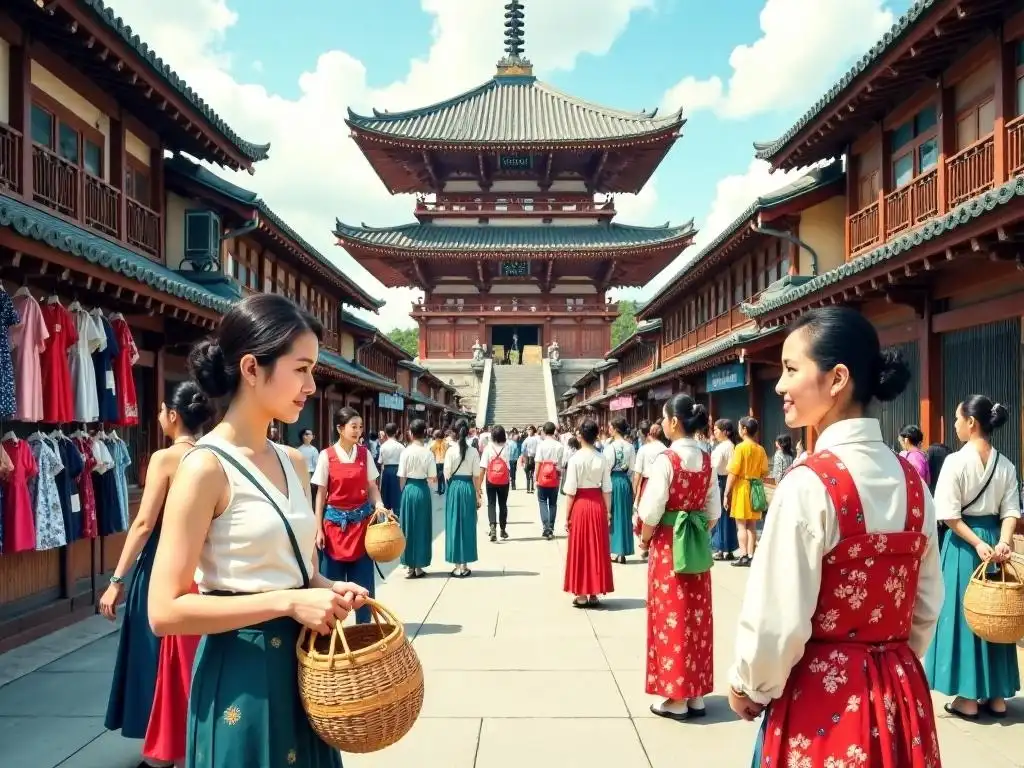
The Ashikaga Shogunate, which lasted from 1336 to 1573, was marked by significant societal changes that shaped the cultural landscape of Japan. This period witnessed the transformation of social structures, the evolution of class hierarchies, and a notable shift in the role of women in society. These changes not only reflected the political turmoil of the time but also contributed to a flourishing cultural environment, where art, literature, and philosophy thrived despite ongoing conflicts.
Class Structure and Social Hierarchies
During the Ashikaga period, Japan's class structure underwent notable changes. The traditional feudal system, which placed the emperor and nobility at the top, began to evolve. The Ashikaga shogunate promoted a more meritocratic approach, allowing samurai from lower classes to rise in status through military prowess or successful administration. This shift led to the emergence of a new class of warrior-scholars who blended martial skills with intellectual pursuits.
The daimyōs, or feudal lords, maintained significant power during this time, often rivaling the shogun's authority. At the same time, the peasants and artisans gained more agency, as their contributions to agriculture and craftsmanship became increasingly valued. This period also saw the rise of the merchant class, which became influential in urban areas, fostering a culture of commerce and trade that contributed to the overall economic growth of Japan.
The Role of Women in Ashikaga Society
The role of women in Ashikaga society experienced both advancements and limitations. While the period was still predominantly patriarchal, women began to participate more actively in cultural and economic life. Notably, women from the samurai class could inherit property, which was a significant departure from previous norms. This shift allowed some women to wield considerable influence within their families and communities.
Culturally, women contributed to the arts, particularly in the realms of literature and theater. The rise of Noh theater and literary works often featured strong female protagonists, reflecting a more nuanced understanding of women's roles. Additionally, women were instrumental in maintaining household economies, managing finances, and engaging in trade, which further solidified their place in society.
The Impact of Cultural Exchange with Other Regions
The Ashikaga Shogunate was a period of heightened cultural exchange, both within Japan and with neighboring regions. The establishment of trade routes facilitated the exchange of ideas, art, and goods, leading to the introduction of new cultural practices. This era saw the influence of Zen Buddhism from China, which permeated various aspects of Japanese life, including art, gardens, and tea ceremonies.
Moreover, the influx of foreign goods, such as textiles and ceramics, enriched the aesthetic sensibilities of Japanese artisans. The interaction with the Korean Peninsula and the Ming Dynasty in China resulted in the importation of valuable cultural artifacts and techniques, further enhancing Japan's artistic landscape. This cultural blending laid the groundwork for the Rinpa and Ukiyo-e schools of art, which would flourish in later periods.
Conclusion: The Lasting Legacy of the Ashikaga Shogunate's Cultural Impact
The Ashikaga Shogunate left an indelible mark on Japan's cultural history, serving as a bridge between the medieval and modern eras. The societal changes that occurred during this time not only fostered artistic expression but also reshaped social norms and relationships.
Summary of Cultural Achievements
The cultural achievements of the Ashikaga Shogunate are diverse and profound. This period witnessed the flowering of literature, with the production of notable works such as The Tale of the Heike and the rise of Noh drama, which combined poetry, music, and dance in unique performances. The tea ceremony, influenced by Zen practices, became a defining cultural ritual, emphasizing harmony, respect, and tranquility.
Artistic developments also flourished, with the emergence of distinctive styles in painting and ceramics. The Muromachi period is characterized by the creation of ink wash painting and the intricate designs of Japanese pottery, which reflect both indigenous and foreign influences.
The Enduring Influence of the Ashikaga Shogunate on Modern Japan
The legacy of the Ashikaga Shogunate continues to resonate in modern Japan. Elements of Zen Buddhism and traditional arts remain integral to Japanese culture, influencing contemporary practices in tea ceremonies, garden design, and theater. The societal shifts initiated during this period laid the groundwork for modern concepts of social mobility and gender roles.
Furthermore, the artistic styles and philosophies that emerged from the Ashikaga era persist in today's cultural expressions, from literature to visual arts. The emphasis on harmony with nature and the pursuit of aesthetic beauty can be seen in contemporary Japanese design and lifestyle, illustrating how the cultural impact of the Ashikaga Shogunate endures in the fabric of modern Japanese society.
References
The study of the Ashikaga Shogunate and its cultural impact is well-supported by a variety of texts and scholarly works. Below is a curated list of key texts and resources that offer valuable insights into the era's complexities, along with notable scholars who have contributed significantly to the understanding of this historical period.
Key Texts and Resources for Further Reading
- "The Ashikaga Shogunate, 1336-1573" by John W. Hall
- This book provides a comprehensive overview of the political dynamics and cultural developments during the Ashikaga period, emphasizing the shogunate's influence on Japanese society.
- "War and State in Early Modern Japan" by Peter D. Shulman
- Shulman explores the interplay between warfare, governance, and culture in early modern Japan, with specific reference to the Ashikaga Shogunate's role in shaping cultural practices.
- "The Culture of Japan as Seen Through Its History" by W. G. Beasley
- This work highlights the cultural transformations that occurred during the Ashikaga period, presenting a broader context of Japanese history and its impact on cultural identity.
- "Zen and the Art of Tea: A Cultural History of Tea in Japan" by David S. N. Kearns
- This text delves into the influence of Zen Buddhism during the Ashikaga period, particularly how it shaped cultural practices such as the tea ceremony.
- "The Arts of Japan: Ancient and Modern" by Joan A. R. McGowan
- McGowan's book discusses various art forms that flourished under the Ashikaga Shogunate, illustrating the period's significant contributions to Japanese art and culture.
Notable Scholars on Ashikaga Shogunate Cultural Impact
- Dr. Richard L. G. McCarthy
- A prominent historian specializing in Japanese art history, McCarthy has published numerous articles examining the aesthetic developments during the Ashikaga Shogunate, particularly in relation to painting and ceramics.
- Prof. Akira Matsumoto
- Renowned for his research on the socio-political structures of feudal Japan, Matsumoto's work often addresses the cultural implications of the Ashikaga Shogunate’s policies and their long-term effects on Japanese society.
- Dr. Yuki Takahashi
- Takahashi focuses on the religious influences of the Ashikaga period, particularly Zen Buddhism, and its integration into Japanese culture, providing insights into its lasting impact on modern Japanese spirituality and aesthetics.
- Dr. Naomi Shiratori
- An expert in Japanese literature, Shiratori has explored the literary movements during the Ashikaga Shogunate, investigating how political instability fostered a unique cultural renaissance in poetry and prose.
These texts and scholars form a solid foundation for anyone interested in understanding the cultural impact of the Ashikaga Shogunate, revealing how this tumultuous period contributed to the rich tapestry of Japanese history and culture.
- Introduction to the Ashikaga Shogunate
- Political Context of the Ashikaga Shogunate
- Cultural Flourishing Under the Ashikaga Shogunate
- The Ashikaga Shogunate's Impact on Religion and Philosophy
- Societal Changes During the Ashikaga Shogunate
- Conclusion: The Lasting Legacy of the Ashikaga Shogunate's Cultural Impact
- References
Frequently Asked Questions
What was the Ashikaga Shogunate?
The Ashikaga Shogunate was a military government that ruled Japan from the 14th to the 16th century, marked by significant cultural development despite ongoing political challenges.
How did the Ashikaga Shogunate influence Japanese culture?
The cultural impact of the Ashikaga Shogunate includes the promotion of arts such as Noh theater, ink painting, and tea ceremonies, which flourished during this era and laid the foundation for future Japanese aesthetics.
What were the key challenges faced by the Ashikaga Shogunate?
The Ashikaga Shogunate faced political instability, including internal conflicts and regional power struggles, which often threatened its authority and governance throughout its rule.
How did the Ashikaga Shogunate contribute to Japanese society?
The Shogunate played a crucial role in shaping social hierarchies and fostering a merchant class, which contributed to urban growth and the economic development of Japan during its time.
What legacy did the Ashikaga Shogunate leave behind?
The legacy of the Ashikaga Shogunate is seen in its lasting cultural institutions and the artistic innovations it fostered, which continue to influence Japanese culture to this day.
Final Reflection: The Enduring Legacy of the Ashikaga Shogunate's Cultural Flourishing
The Ashikaga Shogunate stands as a testament to the resilience of culture amidst chaos. In a time marked by political upheaval and strife, this era cultivated a rich tapestry of artistic and intellectual achievements that continue to resonate in contemporary society. The juxtaposition of cultural flourishing against a backdrop of turmoil serves as a powerful reminder that creativity often thrives in the most challenging of circumstances.
Cultural movements initiated during the Ashikaga Shogunate have left an indelible mark on Japan's social fabric. From the elegance of Noh theater to the intricate aesthetics of Zen gardens, the influences of this period are woven into the very identity of modern Japan. As we reflect on this legacy, we recognize that "Art is not freedom from discipline, but disciplined freedom," a sentiment echoed by the renowned artist John F. Kennedy. This quote encapsulates the spirit of the Ashikaga era, where discipline in artistic expression led to profound cultural achievements.
As we look to the future, let us embrace the lessons of the Ashikaga Shogunate in our own lives. Consider how you can cultivate creativity and resilience in the face of adversity. Whether through art, literature, or personal expression, each of us has the potential to contribute to a cultural legacy that transcends our immediate circumstances. Reflect on your own journey and take action to nurture your creative spirit, for in doing so, you honor the enduring impact of those who came before us.
Unveil the Secrets of the Ashikaga Era!
Thank you for diving into the fascinating world of the Ashikaga Shogunate with us! We hope you've gained valuable insights into how culture thrived during one of Japan's most tumultuous political periods. Now, it’s time for you to take your interest to the next level!
Here are some exciting actions you can take:
- Explore further: Read an article about the impact of Noh theatre on Japanese culture.
- Join the conversation: Share your thoughts on how political climates affect cultural growth in our comments section.
- Connect with history: Visit a museum or gallery showcasing artifacts from the Ashikaga period to experience the culture firsthand.
Which aspect of the Ashikaga period intrigues you the most, and how do you believe it shapes our understanding of culture today?