
The Tokugawa Shogunate’s Approach to Natural Disasters: Governance and Recovery

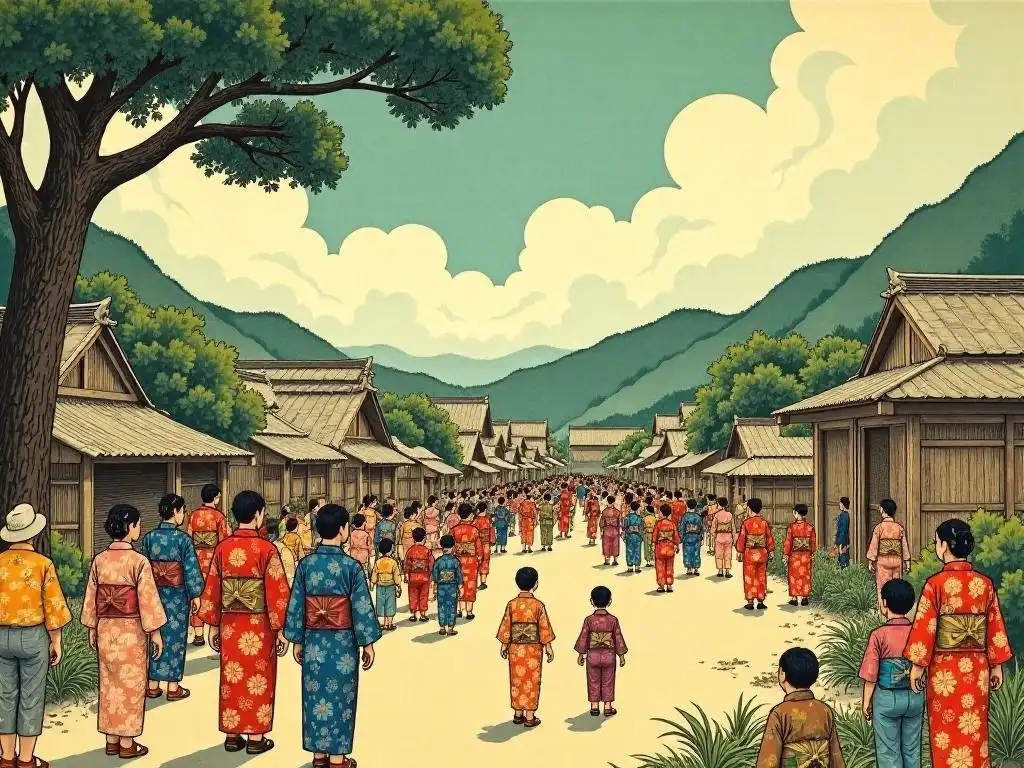
Welcome to Feudal Japan History, where we embark on a captivating journey through the intricate tapestry of Japan's feudal era. Here, we delve into the Tokugawa Shogunate disaster recovery, uncovering how governance and resilience shaped society in the face of natural calamities. As we navigate the depths of political history, prepare to uncover the strategies and philosophies that defined an era. What lessons can we learn from the past? Join us as we explore these compelling narratives and more, igniting your curiosity and inviting you to delve deeper into this fascinating chapter of Japan's history.
Introduction to the Tokugawa Shogunate
The Tokugawa Shogunate, which ruled Japan from 1603 to 1868, represents a pivotal era in Japanese history marked by political stability, economic growth, and cultural flourishing. However, this period was not without its challenges, particularly in the realm of natural disasters. Understanding the Tokugawa Shogunate's approach to disaster recovery provides valuable insights into how governance, societal resilience, and cultural practices were shaped in response to these calamities. This article will delve into the mechanisms employed by the Tokugawa government to manage and recover from natural disasters, highlighting the intricate interplay between governance and the environment during this influential period.
Overview of the Tokugawa Era
The Tokugawa era, also known as the Edo period, witnessed the consolidation of power by the Tokugawa family, which established a centralized feudal system. This era is characterized by:
- Political Stability: The shogunate enforced strict social hierarchies and maintained order through a system of alternate attendance (sankin-kōtai) that required daimyō (feudal lords) to spend time in Edo (present-day Tokyo).
- Economic Growth: Agricultural advancements and the development of trade networks contributed to a thriving economy, allowing for increased agricultural output and urbanization.
- Cultural Flourishing: This period saw the emergence of unique art forms, literature, and the development of a distinct urban culture, including the rise of kabuki theatre and ukiyo-e woodblock prints.
Despite these advancements, the Tokugawa Shogunate faced significant challenges from natural disasters, including earthquakes, floods, and famines, which tested the resilience of their governance.
Significance of Natural Disasters in Feudal Japan
Natural disasters were frequent occurrences in feudal Japan, shaping not only the physical landscape but also the socio-political dynamics of the time. The impact of these disasters was profound, affecting:
- Agricultural Production: Crop failures due to floods or droughts directly influenced food availability and economic stability.
- Social Structures: Disasters often led to population displacements, altering social hierarchies and exacerbating class tensions.
- Cultural Responses: Literature and art from the period often reflect the societal impact of these events, revealing how communities interpreted and responded to calamities.
Understanding the significance of natural disasters during the Tokugawa period is crucial to comprehending the strategies employed for disaster recovery and the resilience of the Japanese people.
Understanding Natural Disasters in Tokugawa Japan
The Tokugawa Shogunate's governance was continually challenged by the forces of nature. This section explores the common types of disasters that struck during this era and the historical context that framed these events.
Common Types of Natural Disasters
Natural disasters in Tokugawa Japan took various forms, including:
- Earthquakes: Japan’s geographical location on the Pacific Ring of Fire made it susceptible to seismic activity, with significant earthquakes leading to destruction and loss of life.
- Typhoons: Seasonal typhoons caused severe flooding and destruction, particularly impacting coastal and agricultural communities.
- Famine: Often resulting from a combination of poor harvests and natural calamities, famines were a recurrent threat that led to social unrest and mortality.
- Volcanic Eruptions: Eruptions from Japan's numerous volcanoes posed direct threats to nearby settlements and had broader climatic implications.
Historical Context of Natural Disasters During the Tokugawa Shogunate
Natural disasters during the Tokugawa period often prompted government intervention and policy changes. The historical context includes:
- Responses to Calamities: The shogunate developed systems for disaster response, including provisions for food distribution, financial aid, and infrastructure repair.
- Documentation and Record-Keeping: The Tokugawa government maintained detailed records of disasters, which allowed for better planning and response strategies in future events.
- Cultural Narratives: The impact of disasters influenced local folklore, literature, and religious practices, which often sought to explain and provide solace in the face of adversity.
This comprehensive understanding of the types and historical significance of natural disasters sets the stage for an in-depth examination of the Tokugawa Shogunate’s governance strategies and recovery efforts in the face of such challenges.
Governance During Natural Disasters
During the Tokugawa Shogunate, which lasted from 1603 to 1868, governance during natural disasters was characterized by a structured response system that emphasized collaboration among different levels of government. The Shogunate recognized that natural disasters such as earthquakes, floods, and famines posed significant threats to the stability and prosperity of Japan. Therefore, it was essential to have organized mechanisms in place to manage these crises effectively.
The Tokugawa regime utilized a hierarchical administrative structure that allowed local lords (daimyos) to take charge of disaster management within their domains while adhering to shogunal directives. This approach fostered a sense of local responsibility, ensuring that the unique needs of each region were addressed. Moreover, the Shogunate encouraged the sharing of resources and knowledge among domains, promoting a unified response to disasters across the nation.
In addition to relying on local governance, the Shogunate implemented communication channels to disseminate information about impending disasters and recovery efforts. This system played a vital role in alerting communities to prepare for and respond to emergencies, ultimately enhancing resilience.
Role of the Shogunate in Disaster Management
The Tokugawa Shogunate took an active role in disaster management, viewing it as a vital aspect of maintaining social order and public welfare. The Shogunate established protocols that mandated local officials to report on the state of their regions following a disaster, ensuring that the central government was informed and could coordinate assistance.
Furthermore, the Shogunate issued edicts that outlined the responsibilities of local leaders during times of crisis. These edicts emphasized the need for swift action, resource allocation, and the mobilization of labor to aid recovery efforts. The Shogunate's involvement was crucial in preventing the escalation of chaos that often accompanies natural disasters, as it provided a clear framework for action.
In response to significant events, such as the devastating 1854 Ansei Tokai Earthquake, the Shogunate demonstrated its commitment to disaster management by deploying relief efforts and mobilizing resources from unaffected areas. This capacity for rapid response underscored the Shogunate's proactive stance in addressing the challenges posed by natural calamities.
Policies Implemented for Disaster Preparedness
The Tokugawa Shogunate enacted several policies aimed at disaster preparedness, recognizing that preemptive measures could mitigate the impact of natural disasters. One of the key initiatives was the promotion of infrastructure projects, such as the construction of levees and flood control systems, particularly in vulnerable regions. These projects were designed to reduce the risk of flooding and protect agricultural lands, which were vital for sustaining the population.
In addition, the Shogunate emphasized the importance of community drills and education regarding disaster response. Local officials were encouraged to train residents in emergency preparedness, ensuring that communities were better equipped to handle disasters when they struck. This focus on education was complemented by the publication of disaster response manuals, which outlined best practices for individuals and local leaders.
The Shogunate also established a network of early warning systems, leveraging local knowledge to identify environmental signs that could indicate impending disasters. This combination of infrastructure investment, community training, and early warning systems formed a comprehensive approach to disaster preparedness.
Tokugawa Shogunate Disaster Recovery Strategies
Recovery strategies during the Tokugawa Shogunate were multifaceted, aiming to restore normalcy and rebuild communities after disasters. The Shogunate recognized that effective recovery required both immediate relief efforts and long-term planning to ensure sustainable rebuilding.
Immediate Response Initiatives
In the wake of a natural disaster, the Shogunate prioritized immediate response initiatives to address the urgent needs of affected populations. Relief efforts often included the distribution of food, clothing, and medical supplies, sourced from nearby regions that were less impacted by the disaster. Local officials were tasked with organizing these relief efforts, ensuring that assistance reached those who needed it most.
Additionally, the Shogunate implemented labor mobilization schemes, wherein able-bodied individuals were encouraged to participate in recovery efforts. This not only provided immediate assistance in rebuilding infrastructure but also fostered a sense of community solidarity in the face of adversity.
The Shogunate would also establish temporary shelters for displaced individuals, demonstrating a commitment to providing safety and security during the initial stages of recovery. These shelters played a critical role in mitigating the hardships faced by survivors, allowing them time to regroup and plan for their future.
Long-Term Recovery Plans
The long-term recovery plans of the Tokugawa Shogunate focused on rebuilding and revitalizing affected areas while ensuring resilience against future disasters. One of the primary strategies was the restoration of agricultural productivity, which involved providing seeds, tools, and financial support to farmers whose livelihoods had been devastated.
Furthermore, the Shogunate encouraged the reconstruction of infrastructure, including roads, bridges, and public buildings, to facilitate trade and improve access to resources. This was essential not only for economic recovery but also for restoring social cohesion within communities.
In addition to economic measures, the Tokugawa Shogunate recognized the importance of psychological recovery. Efforts were made to support the mental well-being of survivors through community gatherings and rituals that honored those lost to disasters. This holistic approach to recovery helped to rebuild the social fabric of affected communities, fostering resilience and adaptability in the face of future challenges.
Overall, the Tokugawa Shogunate's disaster recovery strategies reflected a comprehensive understanding of governance, community resilience, and the importance of sustainable rebuilding practices.
Case Studies of Notable Disasters
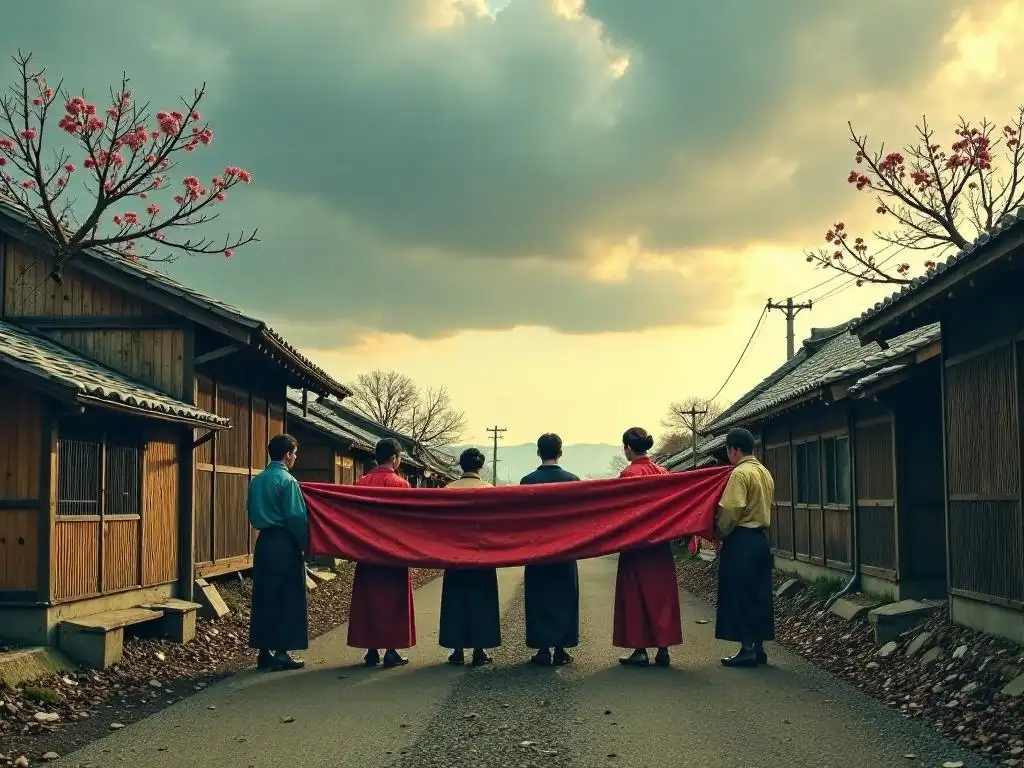
The Tokugawa Shogunate, ruling from 1603 to 1868, faced several significant natural disasters that tested its governance and recovery strategies. Understanding these events provides insight into the shogunate's approach to disaster management and sheds light on its lasting impact on Japanese society. Two notable disasters during this era were the Great Edo Earthquake of 1855 and the Flood of 1833.
The Great Edo Earthquake of 1855
On November 11, 1855, the Great Edo Earthquake rocked the capital city of Edo (modern-day Tokyo), resulting in widespread destruction and loss of life. The earthquake, registering an estimated magnitude of 6.9, caused severe structural damage, collapsing buildings and leading to fires that further devastated the area.
In the aftermath, the Tokugawa government quickly mobilized resources for recovery efforts. The shogunate implemented emergency measures, such as:
- Relief Distribution: The government organized food and supplies for the affected population, prioritizing those who lost their homes.
- Reconstruction Initiatives: Officials established plans to rebuild the city, focusing on fire-resistant construction techniques to prevent future disasters.
- Community Involvement: Local samurai and citizens were encouraged to assist in recovery efforts, fostering a sense of unity and resilience among the population.
Despite the challenges, the shogunate's prompt response allowed Edo to recover relatively quickly, showcasing its governance capabilities during crises.
The Flood of 1833
In 1833, heavy rains led to catastrophic flooding across several regions of Japan, including the provinces of Kanto and Kinki. This disaster caused significant agricultural destruction, jeopardizing the livelihoods of many farmers and leading to food shortages.
The Tokugawa Shogunate's response to the flooding included:
- Emergency Relief Efforts: The government dispatched officials to assess the damage and provide immediate aid to those affected by the floods.
- Agricultural Support: The shogunate implemented policies to support farmers, including the distribution of rice and other food supplies to alleviate hunger.
- Infrastructure Improvements: Recognizing the importance of water management, the Tokugawa government invested in infrastructure improvements, such as river dredging and dam construction, to reduce the risk of future flooding.
These measures highlighted the shogunate's commitment to disaster recovery and its proactive approach to preventing similar occurrences in the future.
The Legacy of Tokugawa Disaster Recovery
The Tokugawa Shogunate's disaster recovery strategies left a lasting legacy on Japan's governance and societal resilience. The lessons learned during this period have influenced modern disaster management practices in the country.
Influence on Modern Disaster Management in Japan
The Tokugawa era established foundational principles for disaster management that continue to resonate in contemporary Japan. Key influences include:
- Community Engagement: The importance of involving local communities in recovery efforts remains a central tenet of modern disaster management, fostering resilience and collective action.
- Preparedness Planning: The emphasis on infrastructure improvements, such as flood control and fire prevention, laid the groundwork for Japan's sophisticated disaster preparedness programs today.
- Government Coordination: The Tokugawa Shogunate's coordinated response to disasters exemplified the necessity of effective governance in crisis situations, a principle that is mirrored in Japan's current disaster response frameworks.
These historical practices have evolved into a comprehensive approach to disaster management that prioritizes prevention, preparedness, and community involvement.
Cultural Reflections on Resilience and Recovery
The Tokugawa period also contributed to cultural narratives surrounding resilience and recovery in Japan. The experiences of natural disasters during this time influenced literature, art, and societal values. Notable cultural reflections include:
- Literature and Art: Many authors and artists depicted the struggles and triumphs of individuals and communities in the aftermath of disasters, celebrating human resilience.
- Philosophical Outlook: The belief in perseverance and the ability to adapt to adversity became ingrained in Japanese culture, shaping societal attitudes toward challenges.
- Festivals and Commemorations: Events commemorating recovery efforts and honoring those lost during disasters evolved into community festivals, fostering a shared sense of identity and resilience.
These cultural reflections continue to inspire and guide contemporary Japanese society as it faces ongoing natural disasters, reinforcing the enduring legacy of the Tokugawa Shogunate's approach to disaster recovery.
Conclusion
The Tokugawa Shogunate's management of natural disasters presents a compelling case study in governance during an era marked by unpredictability. By prioritizing infrastructure, employing a centralized response mechanism, and fostering community resilience, the shogunate was able to mitigate the impact of calamities. The historical lessons learned from this period underscore the importance of systematic planning, resource allocation, and community engagement in disaster response strategies.
This approach not only shaped the immediate recovery efforts but also laid the groundwork for future governance practices in Japan. Understanding these historical frameworks provides valuable insights into contemporary disaster management, highlighting that effective governance can significantly alleviate the repercussions of natural disasters.
Summary of Key Takeaways on Governance and Natural Disasters
- Centralized Disaster Management: The Tokugawa Shogunate established a centralized framework to coordinate disaster response, which streamlined efforts and improved efficiency.
- Investment in Infrastructure: Significant resources were allocated to the construction and maintenance of resilient infrastructure, such as levees and roads, which proved crucial in disaster preparedness and recovery.
- Community Involvement: The Shogunate emphasized the role of local communities, encouraging them to participate in recovery efforts and fostering a sense of collective responsibility.
- Documentation and Learning: The Tokugawa regime maintained detailed records of disasters and their impacts, allowing for retrospective analysis and improved response strategies in the face of future events.
- Cultural Resilience: The societal responses to disasters during this period contributed to a culture of resilience, reflected in the arts, literature, and community practices that celebrated recovery and adaptation.
The Enduring Impact of the Tokugawa Shogunate’s Approach to Disaster Recovery
The strategies employed by the Tokugawa Shogunate have left an indelible mark on Japan's approach to disaster recovery. The principles of centralized governance, infrastructure investment, and community involvement established during this period continue to influence Japan's modern disaster management policies.
In contemporary times, Japan remains one of the most disaster-prepared nations, drawing from historical precedents to bolster its resilience against earthquakes, tsunamis, and other natural calamities. The lessons from the Tokugawa era emphasize the necessity of comprehensive planning, collaboration between governmental and local entities, and the importance of fostering societal resilience.
The Tokugawa Shogunate’s proactive and structured approach not only helped mitigate the immediate effects of natural disasters but also laid a foundation for enduring practices that inform Japan's ongoing relationship with disaster recovery and resilience today.
- Introduction to the Tokugawa Shogunate
- Understanding Natural Disasters in Tokugawa Japan
- Governance During Natural Disasters
- Tokugawa Shogunate Disaster Recovery Strategies
- Case Studies of Notable Disasters
- The Legacy of Tokugawa Disaster Recovery
- Conclusion
- What was the Tokugawa Shogunate’s primary approach to disaster recovery?
- How did natural disasters affect the Tokugawa Shogunate’s policies?
- Were there any specific disasters that highlighted the Shogunate's approach?
- What role did local communities play during disaster recovery?
- How did the Tokugawa Shogunate's disaster recovery strategies influence modern Japan?
Frequently Asked Questions
What was the Tokugawa Shogunate’s primary approach to disaster recovery?
The Tokugawa Shogunate emphasized centralized governance and community resilience, implementing strategies that involved local leadership in managing recovery efforts after natural disasters.
How did natural disasters affect the Tokugawa Shogunate’s policies?
Natural disasters prompted the Tokugawa Shogunate to enhance its infrastructure and disaster preparedness, leading to better resource allocation and ultimately strengthening their governance.
Were there any specific disasters that highlighted the Shogunate's approach?
Yes, significant events like the Ansei Earthquakes and famine during the Tokugawa period showcased the Shogunate's efforts in community mobilization and relief measures to aid recovery.
What role did local communities play during disaster recovery?
Local communities were vital in the recovery process, as the Shogunate relied on them to lead reconstruction efforts, manage resources, and provide support to affected individuals.
How did the Tokugawa Shogunate's disaster recovery strategies influence modern Japan?
The disaster recovery strategies established during the Tokugawa period laid the groundwork for contemporary disaster management practices in Japan, emphasizing the importance of preparedness and community involvement.
Final Reflection: The Enduring Legacy of Tokugawa Shogunate Disaster Recovery
The Tokugawa Shogunate’s innovative governance strategies in response to natural disasters remain profoundly relevant today. As we face an increasing frequency of climate-related disasters, understanding historical frameworks of disaster recovery can equip us with valuable insights. The resilience and adaptability demonstrated by the Tokugawa leaders serve as a striking reminder that effective governance can significantly mitigate the impacts of crises.
Cultural and social landscapes have been shaped by the lessons learned from the Tokugawa Shogunate's approach to disaster recovery. Their emphasis on community involvement and proactive planning not only fostered resilience but also reinforced the importance of collective responsibility in the face of adversity. In times of crisis, it is the strength of our communities that will carry us through.
This quote encapsulates the essence of the Tokugawa response, highlighting how their strategies continue to inspire modern disaster management practices and community solidarity.
As we reflect on the lessons from the Tokugawa Shogunate, I invite you to consider how these historical insights can be applied in your own life and community. What steps can you take to foster resilience in the face of uncertainty? By embracing the principles of preparedness, collaboration, and adaptability, we can build a stronger foundation for ourselves and future generations. Let the legacy of the Tokugawa Shogunate inspire you to take action and contribute to a more resilient world.
Embrace Resilience: Take Action for a Safer Tomorrow!
Thank you for exploring the fascinating world of the Tokugawa Shogunate and their strategies for managing natural disasters. Your interest in governance and recovery reflects a commitment to understanding how historical lessons can inform modern practices. Now, let's turn that knowledge into action!
Here are a few steps you can take right now:
- Sign up for a local disaster preparedness course to learn essential skills that can help you and your community during times of crisis.
- Join a community group focused on emergency management, where you can collaborate with others to create effective recovery plans.
- Share your insights! Engage in discussions about this article with friends or on social media to raise awareness about the importance of preparedness.
What strategies do you think modern leaders can adopt from the Tokugawa Shogunate’s approach to ensure better disaster recovery today?