
Women in Shogunate Politics: The Influence of Female Figures in Feudal Japan

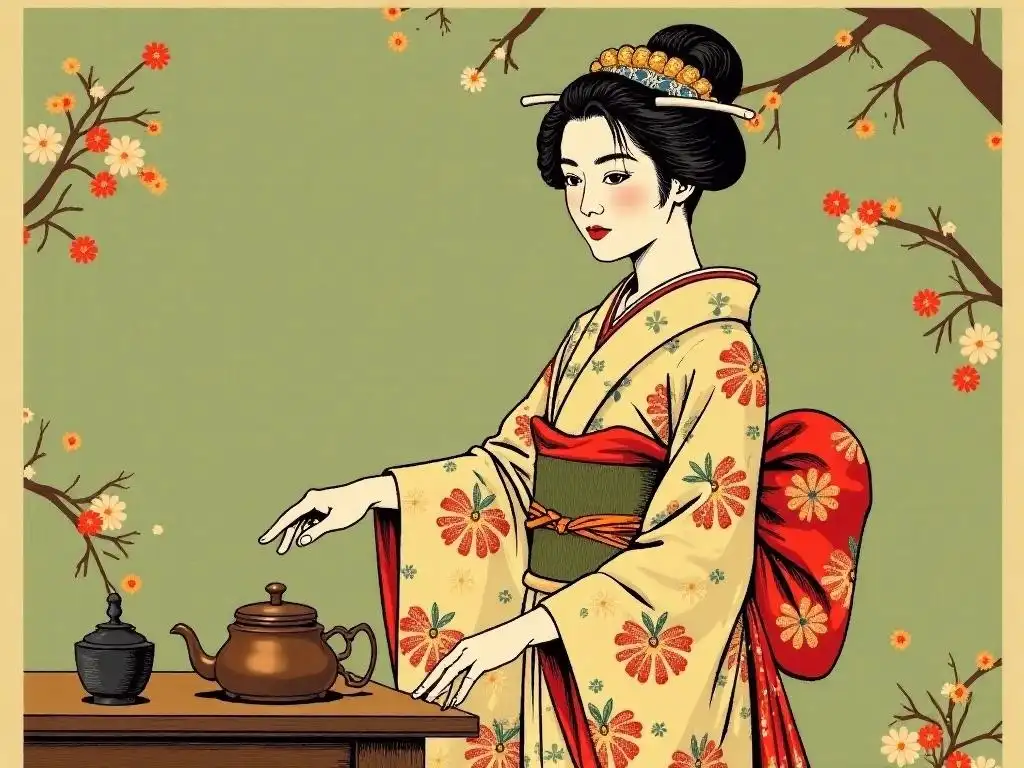
Welcome to Feudal Japan History—your ultimate gateway to the captivating world of Japan's feudal era! Here, we invite you to delve deep into the intricate tapestry of historical, cultural, and societal narratives that have shaped this fascinating period. In our featured article, “Women in Shogunate Politics: The Influence of Female Figures in Feudal Japan,” we uncover the often-overlooked roles that women played in the political landscape of feudal Japan.
Prepare to be intrigued as we explore the powerful women who wielded influence behind the scenes, challenging the norms of their time. Join us on this enlightening journey, and discover how these remarkable figures carved their place in history, igniting your curiosity to learn more!
-
Women in Feudal Japan Politics: The Influence of Female Figures in Feudal Japan
- Introduction to Women in Feudal Japan Politics
- Key Female Figures in Shogunate Politics
- The Mechanisms of Influence
- Case Studies of Women in Shogunate Politics
- Challenges Faced by Women in Politics
- The Evolution of Women’s Political Influence Over Time
- Conclusion: The Lasting Legacy of Women in Feudal Japan Politics
- Further Reading on Women in Feudal Japan Politics
- Frequently Asked Questions
- Final Reflection: The Enduring Legacy of Women in Feudal Japan Politics
- Empower Change: Embrace the Legacy of Influential Women in Feudal Japan!
Women in Feudal Japan Politics: The Influence of Female Figures in Feudal Japan
Introduction to Women in Feudal Japan Politics
The history of Japan's feudal era is often dominated by male figures such as samurai and shoguns, yet women played a crucial and often overlooked role in shaping the political landscape of this time. The dynamics of power, influence, and authority in feudal Japan were not solely dictated by gender; rather, women contributed significantly to political decision-making, diplomacy, and the lineage of powerful families.
This article explores the multifaceted involvement of women in feudal Japan politics, shedding light on their influence across various periods and the complexities of their roles in a male-centric society. Understanding these contributions allows us to appreciate the nuanced tapestry of feudal Japanese politics, highlighting how women navigated and sometimes transcended the limitations imposed by their societal roles.
Overview of Women’s Roles in Feudal Society
In feudal Japan, the societal framework was heavily patriarchal, with men typically positioned as leaders and warriors. However, women were not merely passive figures; they often held substantial sway within their families and communities. Their roles varied greatly depending on their social status, which ranged from peasant women managing household affairs to noble women wielding significant political influence through marriages and alliances.
- Noble Women:
- Engaged in strategic marriages to align with powerful clans.
- Acted as advisors to their husbands or sons.
- Managed estates and resources during wartime.
- Common Women:
- Participated in agricultural production and trade.
- Played vital roles in family businesses and local governance.
Women often utilized their unique positions to influence decisions, manage conflicts, and maintain political alliances, demonstrating that their impact on feudal Japan was profound and multifaceted.
Historical Context of Female Influence in Shogunate Politics
The shogunate system, established during the Kamakura period, marked a significant shift in Japan's political structure, leading to the rise of military governance. Amidst this political transformation, women emerged as key figures within the power dynamics of their clans. The intertwining of familial loyalty and political strategy allowed women to serve as critical players in the machinations of shogunate politics.
Throughout the various shogunates, notably the Kamakura, Muromachi, and Edo periods, women participated in political life in ways that were sometimes subtle yet impactful. Their influence was often exercised through:
- Marriage Alliances: Securing power through strategic unions.
- Political Patronage: Supporting or opposing figures in power based on familial ties.
- Cultural Diplomacy: Engaging in the arts and culture to forge connections and influence public sentiment.
This historical context sets the stage for examining the key female figures who navigated these complex political landscapes, showcasing their contributions and the legacies they left behind.
Key Female Figures in Shogunate Politics
The influence of women in feudal Japan politics can be highlighted through the stories of several remarkable figures who shaped the course of history during the Kamakura, Muromachi, and Edo periods. Their actions and decisions often had far-reaching implications, reflecting the intricate interplay of gender and power in a time when women's roles were largely circumscribed by societal norms.
Prominent Women in the Kamakura Period
During the Kamakura period (1185-1333), several women rose to prominence, exerting influence in both familial and political spheres. Notable figures included:
- Hojo Masako: The daughter of a powerful samurai, she became the wife of Minamoto no Yoritomo, the first shogun of the Kamakura shogunate. Masako played a pivotal role in the political arena, acting as a regent and advisor during her husband's reign and beyond. Her political acumen and strategic marriages helped solidify the Hojo family's power.
- Tamura Tomoe: A legendary female warrior and tactician, Tomoe fought in battles alongside men, defying the expectations of her time. Her exploits in battle and her loyalty to her lord made her a celebrated figure in Japanese folklore.
Influential Women in the Muromachi Period
The Muromachi period (1336-1573) saw continued female involvement in politics, with women leveraging their positions to influence the shogunate directly:
- Shōgun Yoshimitsu's Concubines: The concubines of Ashikaga Yoshimitsu wielded considerable influence, often acting as intermediaries in political negotiations and decisions. Their ability to navigate the complexities of court life enabled them to shape policies and alliances.
- The Women of the Takeda Clan: Women in the Takeda clan played crucial roles in maintaining family alliances and managing estates during periods of conflict. Their contributions were essential in sustaining the clan's power and influence.
Notable Female Figures in the Edo Period
The Edo period (1603-1868) marked a time of relative peace and stability in Japan, yet women continued to impact the political landscape:
- Empress Kazuko: As the consort of Shogun Tokugawa Ieyasu, Kazuko’s influence extended to matters of governance, providing counsel and support to her husband. Her role in the Tokugawa court exemplified the importance of women in maintaining political stability.
- Miyamoto Musashi’s Sisters: The sisters of the famous swordsman Musashi were involved in the arts and politics, using their cultural influence to broker alliances and maintain the family’s legacy.
Through these examples, the article emphasizes the significant yet often underappreciated role of women in feudal Japan politics, illustrating their complex relationships with power and authority in a society that frequently marginalized their contributions.
The Mechanisms of Influence
The role of women in feudal Japan politics was nuanced and multifaceted, often operating behind the scenes yet wielding significant power through various mechanisms of influence. Women were not merely passive figures; they actively participated in political life through strategic marriages, advisory roles, and the management of samurai households. Their influence was shaped by societal norms and the prevailing gender roles of the time, allowing them to navigate the complex political landscape of the shogunate.
Political Power through Marriage Alliances
Marriage was one of the most powerful tools for women in feudal Japan to exert political influence. Families strategically arranged marriages to forge alliances that could enhance their power, secure peace, or expand their territories. Women, often viewed as pawns in these alliances, could nonetheless gain significant political leverage. For instance:
- Alliances with powerful clans: Marriages connected prominent families, allowing women to serve as bridges between factions. A well-placed marriage could mean the difference between war and peace.
- Inheritance and estates: Women sometimes inherited land and titles, further solidifying their family's political standing. This practice was particularly prominent among the samurai class, where women could manage estates in the absence of male heirs.
- Influence over heirs: Women often played crucial roles in the upbringing and education of their children, particularly their sons, who would eventually carry on political legacies. Their influence in shaping future leaders cannot be understated.
Women as Advisors and Strategists in Shogunate Politics
Beyond marriage, women also served as advisors and strategists within the political sphere of feudal Japan. Their insight and experiences often provided valuable perspectives to the male leaders of their time. Notable aspects of this influence include:
- Counseling powerful figures: Women like Hojo Masako acted as crucial counselors to their husbands and sons, guiding decisions that affected the fate of clans and the shogunate.
- Political maneuvering: Women were adept at navigating the intricate power dynamics of the shogunate, using their positions to influence decisions in favor of their families or factions.
- Diplomatic roles: Women sometimes undertook diplomatic missions, negotiating terms between rival factions or clans, thereby showcasing their capabilities in governance and diplomacy.
The Role of Women in Samurai Households
Within samurai households, women held significant responsibilities that extended beyond domestic duties. Their roles were integral to maintaining the family’s honor and legacy, and they often engaged in the following:
- Management of household affairs: Women were responsible for the administration of the household, managing finances, and ensuring the smooth operation of family estates, which often required astute political acumen.
- Training of heirs: Women educated their children in the arts of war, strategy, and governance, instilling the values necessary for future leaders. This education was vital in preparing samurai sons for their roles in society.
- Cultural custodianship: Women preserved cultural traditions and values through their involvement in the arts, literature, and religion, which were often intertwined with the political fabric of feudal Japan.
Case Studies of Women in Shogunate Politics
The historical record is replete with examples of women who exerted considerable influence in shogunate politics. Their stories illustrate the diverse ways women shaped political landscapes in feudal Japan.
The Impact of Hojo Masako in the Kamakura Shogunate
Hojo Masako, the daughter of a powerful samurai family, became a pivotal figure during the Kamakura Shogunate. After her marriage to Minamoto no Yoritomo, the founder of the shogunate, she became the de facto ruler during his absence. Her contributions included:
- Political leadership: Masako wielded substantial power as a regent for her son, Minamoto no Yoriie, effectively managing the shogunate's affairs during a tumultuous period.
- Promotion of the Hojo clan: She ensured the rise of the Hojo clan, solidifying their influence over the shogunate and shaping the political landscape of the era.
- Advocacy for Buddhist institutions: Masako supported the establishment of Buddhist temples, which further legitimized her family's rule and contributed to the cultural development of the period.
Ashikaga Yoshiko: A Woman’s Influence in the Muromachi Era
Ashikaga Yoshiko, also known as the "Empress of the North," played a crucial role during the Muromachi period. Her influence stemmed from her unique position as both a member of the Ashikaga family and a significant political player:
- Claim to the throne: Yoshiko's claim to the throne during the civil strife of the period showcased her political ambitions and the lengths to which women could go to secure power.
- Strategic marriages: Like many women of her time, she utilized marriage as a means to forge alliances, enhancing her family's political standing.
- Symbol of resistance: Her life and actions symbolized the resilience of women in a male-dominated society, challenging traditional gender roles in the pursuit of political power.
The Legacy of the Tokugawa Women in Edo Japan
The Tokugawa period saw women wield significant influence within the structured confines of the Edo period's political hierarchy. Women of the Tokugawa family, in particular, left a lasting legacy:
- Influence in the shogunal court: Women like Tokugawa Tsunayoshi's mother played crucial roles in court politics, influencing decisions made by the shogun and his advisors.
- Cultural patrons: Tokugawa women became patrons of the arts, contributing to the cultural richness of the period, which often intertwined with political power.
- Enduring legacy: The roles that women played during the Tokugawa period helped to establish a foundation for future generations, influencing perceptions of women in politics and society long after the shogunate's decline.
Challenges Faced by Women in Politics
Women in Feudal Japan encountered numerous challenges when navigating the political landscape, largely dictated by the rigid societal norms and deeply ingrained gender roles of the time. These obstacles were not only a reflection of their contemporaneous society but also influenced the extent and nature of their involvement in political matters.
Societal Norms and Gender Roles in Feudal Japan
In feudal Japan, societal norms positioned women primarily as caretakers and homemakers. The prevailing ideology, influenced by Confucian principles, emphasized the virtues of obedience, modesty, and fidelity. Women were often relegated to the domestic sphere, with their roles defined by family duties and the upbringing of children. This ideology severely limited women's opportunities to engage in public life, including politics.
Cultural practices, such as the seclusion of women and the expectation of their submission to male authority, further entrenched these gender roles. For instance, samurai families often viewed women as pawns in political alliances, marrying them off to secure power rather than allowing them to exercise autonomy. Such societal expectations created an environment where political involvement was seen as a masculine domain, limiting women's access to education and political discourse.
The Limitations of Female Political Power
While some women managed to exert influence within the political sphere, their power was often constrained. Women who held positions of authority—such as the wives of powerful daimyos or mothers of shoguns—could wield influence behind the scenes, but they rarely held formal political office. Their roles were frequently tied to their familial relationships, which meant that their political power was contingent on their male relatives' status.
Furthermore, legal restrictions reinforced these limitations. Women had few rights in terms of property ownership and inheritance, which affected their ability to engage in political machinations independently. Even when women attempted to take on more prominent roles, they faced backlash from a society that prioritized male leadership and authority. As a result, their contributions often went unrecognized or were overshadowed by their male counterparts.
Resistance and Agency of Women in Politics
Despite the limitations placed upon them, women in feudal Japan exhibited significant resilience and resourcefulness in their political engagement. Many women found ways to assert their agency and influence, often operating within the confines of societal expectations while pushing boundaries.
For example, some women played crucial roles in court politics, serving as advisors or intermediaries in negotiations. Figures like Hojo Masako, the wife of the first shogun of the Kamakura period, navigated the complexities of shogunate politics, using her position to influence decisions and shape policies. Women also utilized informal networks, forming alliances with other women and leveraging their familial connections to impact political events.
Additionally, there were instances of women leading uprisings or managing estates in the absence of male heirs, showcasing their ability to step into leadership roles when necessary. These acts of resistance not only challenged gender norms but also highlighted the potential for women to influence political outcomes in feudal Japan.
The Evolution of Women’s Political Influence Over Time
The role of women in the political landscape of feudal Japan evolved significantly across different shogunates, reflecting broader societal changes and shifting power dynamics.
Shifts in Female Power Dynamics Through the Shogunates
The Kamakura and Muromachi periods saw women like Hojo Masako and the women of the Ashikaga clan, who played vital roles in supporting their husbands and sons in political matters. During these times, women often acted as power brokers, influencing decision-making processes from behind the scenes. The emergence of the warrior class allowed for some women to assume leadership roles, particularly in times of conflict when male figures were absent.
However, the establishment of the Tokugawa shogunate marked a turning point. While women continued to hold informal power, the Tokugawa period introduced stricter patriarchal structures that limited women's public roles. The emphasis on maintaining a peaceful society led to the reinforcement of the domestic sphere as women's primary domain, curtailing their involvement in politics.
The Decline of Female Political Influence Post-Feudal Era
As Japan transitioned from the feudal system to the modern era, women's political influence diminished significantly. The Meiji Restoration in the late 19th century brought about sweeping reforms that further marginalized women's roles in politics. The new political structures established during this period often excluded women from formal political participation, emphasizing a Western model of governance that did not account for the nuanced roles women had previously played.
Despite these challenges, the legacy of women's involvement in feudal politics persisted. The stories of influential women, their resistance, and their agency contributed to the gradual shift in societal perceptions of women's roles. In the years that followed, the groundwork laid by these early figures would eventually pave the way for the feminist movements of the 20th century, highlighting the enduring impact of women in feudal Japan politics on contemporary gender discourse.
Conclusion: The Lasting Legacy of Women in Feudal Japan Politics
The role of women in feudal Japan politics is a subject that often remains overlooked in mainstream historical narratives. However, their contributions and influence were significant, shaping the political landscape of the time in ways that resonate even today. Women such as Hojo Masako and the Empress Dowager Jingu wielded power not only through their familial connections but also through their agency in political affairs, diplomacy, and governance. Their actions and decisions had lasting impacts, challenging the conventional notions of power and gender during the shogunate period.
The legacy of these women serves as a reminder that political influence was not exclusively the domain of men. Their stories invite a reevaluation of historical accounts, prompting us to consider how gender dynamics shaped feudal Japan's political structures. As we uncover the multifaceted roles that women played, we gain a more comprehensive understanding of the complexities of feudal society.
Summary of Contributions and Influence
Women in feudal Japan politics contributed in various capacities, often leveraging their familial ties to gain influence. For instance, Hojo Masako, as the wife of Yasutoki Hojo, not only played a crucial role in the governance of the Kamakura shogunate but also became a formidable political figure in her own right. She was instrumental in consolidating power for her family and managing political affairs during her husband's and son's reigns.
Other figures, such as Empress Jingu, are celebrated for their legendary exploits and leadership, demonstrating that women could take on significant roles in shaping the state. These contributions often went beyond mere support roles; they actively engaged in diplomacy, land management, and even military strategy. Their collective influence shaped policies and decisions that affected the lives of many, highlighting their essential role in the political framework of feudal Japan.
The Importance of Recognizing Female Figures in History
Recognizing the contributions of women in feudal Japan politics is vital for several reasons. Firstly, it provides a more balanced and inclusive view of history. Often, historical narratives have sidelined women's contributions, leading to a skewed understanding of social and political dynamics. By highlighting female figures, we can better appreciate how their involvement influenced historical events and decisions.
Moreover, acknowledging these figures fosters a broader conversation about gender roles in politics, not only in historical contexts but also in contemporary society. Understanding the challenges and successes of women in feudal Japan can inspire modern discussions on gender equality and representation in political spheres. By studying their legacy, we can identify patterns and barriers that persist today, emphasizing the need for a more equitable political landscape.
Further Reading on Women in Feudal Japan Politics
For those interested in delving deeper into the subject of women in feudal Japan politics, several resources are available that provide a comprehensive overview and analysis. This section outlines recommended books, articles, and documentaries that explore the roles and influence of women during this transformative period in Japanese history.
Recommended Books and Articles
-
"Women in Japan: From Ancient Times to the Present" by Haruko Taya Cook and Theodore F. Cook
This book provides a comprehensive overview of women's roles throughout Japanese history, including their political influence during the feudal era.
-
"The Role of Women in the Kamakura Period" by Shinichiro Nakamura
This article offers a focused analysis of women's political roles and contributions specifically during the Kamakura period, highlighting key figures and their impacts.
-
"Warriors, Wives, and Mothers: Women in Japan's Feudal Society" by Yoko Tada
This work examines the complex social structures that allowed women to exert influence and power during Japan's feudal era.
Documentaries and Academic Resources
-
"Women of the Samurai" (Documentary)
This documentary explores the lives of women during the samurai era, including their political roles and social status, providing visual context to their contributions.
-
"The Hidden Histories of Women in Feudal Japan" (Academic Lecture Series)
This series of lectures dives into the lesser-known stories of women in feudal Japan, discussing their political influence and societal roles.
These resources can serve as valuable tools for anyone looking to gain a deeper understanding of the impact of women in feudal Japan politics, shedding light on their lasting legacy.
Frequently Asked Questions
What role did women play in feudal Japan politics?
Women in feudal Japan often held significant influence, particularly within samurai families. They could manage estates and sometimes engage in political negotiations, demonstrating their political acumen.
How did the shogunate impact women's status in society?
The shogunate established a patriarchal system that often limited women's formal power. However, women of the warrior class maintained some influence through marriage alliances and family connections.
Were there any notable women in shogunate politics?
Yes, figures like Hojo Masako and Tomoe Gozen are prominent. They played crucial roles in political decisions and were influential in their respective clans, showcasing women's capacity for leadership.
How did cultural views of women affect their political roles?
Cultural views often confined women to domestic spheres, yet literary works and historical texts reveal that many women were engaged in politics through strategic marriages and as advisors.
What legacy did women leave in feudal Japan politics?
Women in feudal Japan contributed to a complex political landscape that challenged traditional views. Their involvement laid groundwork for future generations, influencing political thought and gender roles in Japan.
Final Reflection: The Enduring Legacy of Women in Feudal Japan Politics
The influence of women in feudal Japan's political landscape is not just a historical footnote; it is a testament to the resilience and power of female figures in shaping governance and society. As we navigate through contemporary discussions on gender equality and representation, the stories of these women remind us that their contributions were pivotal in a male-dominated era. Their legacies challenge us to reconsider the narratives we hold about power and influence, urging us to recognize that women have always played crucial roles in the fabric of political life.
Clearly, the impact of women in shogunate politics extends far beyond their time, resonating within our cultural and social frameworks today. The stories of figures like Hojo Masako and Tomoe Gozen serve as powerful reminders that women have historically wielded significant influence, often in subtle yet profound ways. As we reflect on their contributions, we can appreciate the complexity of their roles in shaping political dynamics. Women are the architects of society, and their influence is woven into the very fabric of our history.
This quote encapsulates the idea that the legacies of these women continue to inspire movements for equality and representation in our modern world.
As we conclude this exploration of women in feudal Japan politics, I invite you to reflect on the lessons these historical figures impart. Consider how their courage and agency can inspire you to advocate for change in your own community. Whether through activism, leadership, or simply by sharing their stories, we can honor their legacy by ensuring that the voices of women—past, present, and future—are heard and valued. Let us carry forward the spirit of these remarkable women, recognizing that their influence is not confined to history but is a living force that can shape our future.
Empower Change: Embrace the Legacy of Influential Women in Feudal Japan!
Thank you for diving into the fascinating world of female figures in the politics of feudal Japan! Your interest highlights the **power** and **resilience** of women who shaped history, leaving a mark that continues to inspire. Now, it’s time to take that inspiration and turn it into action!
Here are some ways you can further explore this enriching topic:
- Dive deeper: Read more about the influential women discussed in this article. Consider checking out biographies or documentaries that delve into their remarkable stories.
- Share your insights: Discuss this topic with friends or share your thoughts on social media! Start a conversation about how these women shaped their society and the lessons we can apply in our lives today.
- Join the conversation: Participate in online forums or groups focused on Japanese history; your unique perspective could provide invaluable insights and enrich the community discussion!
What do you think is the most significant lesson we can learn from the women of feudal Japan that remains relevant in today's world?