
Women in the Samurai Era: The Untold Stories of Female Warriors

Welcome to Feudal Japan History, where we delve deep into the captivating narratives of Japan's feudal era. In our featured article, "Women in the Samurai Era: The Untold Stories of Female Warriors," we uncover the remarkable tales of fierce women who defied societal norms and carved their place in history as warriors. What drove these extraordinary females to take up arms in a male-dominated world?
Join us as we explore their stories, shedding light on a forgotten chapter of political history that continues to intrigue and inspire. Prepare to embark on a journey filled with courage, resilience, and the power of the untold!
- Introduction to Female Warriors in the Samurai Era
- The Historical Context of Female Warriors in the Samurai Era
- Prominent Female Warriors of the Samurai Era
- The Training and Skills of Female Warriors
- The Contributions of Women in Samurai Society
- Myths and Realities Surrounding Female Warriors in the Samurai Era
- Conclusion: The Untold Stories of Female Warriors
- References and Further Reading
-
Frequently Asked Questions
- What role did women play in the samurai era?
- Were there any famous female warriors in Japanese history?
- How did societal views on women change during the feudal period?
- What impact did female warriors have on the samurai culture?
- Are there modern representations of female warriors from the samurai era?
- Final Reflection: Unveiling the Strength of Female Warriors in the Samurai Era
- Unveil the Strength of Female Warriors!
Introduction to Female Warriors in the Samurai Era
The narratives of the samurai era in Japan often focus on the male warriors who defined the period through their codes of honor, martial prowess, and political influence. However, the stories of women, particularly female warriors, remain largely untold and overlooked.
This article aims to shed light on the significant yet often forgotten contributions of women during the samurai era, exploring their roles not only as supporters but also as formidable fighters in their own right. By delving into the historical and cultural contexts of feudal Japan, we will uncover the rich tapestry of female warriors, highlighting their impact on society and the samurai class.
Overview of Women’s Roles in Feudal Japan
In feudal Japan, the roles of women were complex and multifaceted, extending beyond the domestic sphere.
While traditional views often confined them to household duties, women participated actively in various aspects of life, including politics, education, and warfare.
- Social Structure: Women belonged to different classes, affecting their rights and duties.
- Noble Women: Often engaged in political alliances through marriage and managed family estates.
- Peasant Women: Played crucial roles in agriculture and the economy, often taking over family responsibilities during wartime.
- Warrior Women: Some women trained in martial arts and took up arms to defend their homes and families when necessary.
In many cases, women were not merely passive figures; they exhibited resilience and strength, managing households during the absence of men and sometimes even leading troops into battle. The samurai ethos emphasized loyalty and honor, values that women embodied as they supported their families and clans.
Importance of Female Warriors in Samurai History
The presence of female warriors in the samurai era challenges the conventional narratives surrounding the samurai class and highlights a crucial dimension of Japan’s martial history. While the samurai were predominantly male, women like Tomoe Gozen and Hojo Masako emerged as notable figures who not only participated in warfare but also influenced the socio-political landscape of their time.
- Cultural Impact: The stories of female warriors contributed to the rich folklore and literature of Japan, inspiring future generations and adding depth to the understanding of gender roles in historical contexts.
- Legacy: The legacy of female warriors continues to resonate today, with modern representations in media and literature, acknowledging their place in history and challenging traditional gender norms.
In exploring these themes, this article will bring to light the untold stories of female warriors in the samurai era, emphasizing their significance and the unique perspectives they offer on the dynamics of feudal Japan.
The Historical Context of Female Warriors in the Samurai Era
The Rise of the Samurai Class
The emergence of the samurai class during the late Heian period (794-1185) marked a significant shift in Japan's political landscape. Initially, the samurai were employed as military servants for the noble class, evolving into a distinct warrior class by the early Kamakura period (1185-1333). This transition was not merely military; it was also cultural, as the samurai adopted codes of honor, loyalty, and martial skill.
Interestingly, this period also saw the rise of female warriors, known as onna-bugeisha. These women were not merely passive figures in the shadows of their male counterparts; instead, they actively participated in the defense of their clans and territories. The onna-bugeisha were trained in various weapons and combat techniques, often taking on roles traditionally reserved for men, especially during times of conflict when their families or communities faced threats.
Key Characteristics of Female Warriors
- Training and Skills: Onna-bugeisha were trained in the use of weapons such as the naginata (a polearm) and the katana, showcasing their martial abilities.
- Cultural Significance: These female warriors were integral to the samurai ethos, embodying values of bravery, loyalty, and honor.
- Family Dynamics: Many women warriors operated under the expectation to defend their families' honor and property, particularly when male relatives were away at war.
Societal Norms and Gender Roles in Feudal Japan
Feudal Japan was characterized by a strict social hierarchy, shaped by Confucian principles that emphasized a patriarchal system. Women's roles were often defined by their relationships with men—daughters, wives, and mothers—leading to a societal view of women as primarily caregivers and homemakers. However, this traditional narrative does not fully capture the complexities of women's lives during the samurai era.
Despite societal expectations, women from samurai families held more power and autonomy compared to those of lower classes. For instance, they could inherit property, manage family estates, and even engage in military affairs. The duality of their existence is evident in the following aspects:
- Education and Training: While many women were educated in arts and literature, those from samurai families received training in martial arts, preparing them for the possibility of combat.
- Role during Warfare: When the men were away, women were expected to defend their homes and families, stepping into roles that challenged the conventional gender norms of their time.
Notable Historical Events Impacting Women Warriors
Several pivotal events in Japan's history significantly influenced the role of women warriors during the samurai era. These events not only allowed women to take up arms but also contributed to evolving perceptions of their capabilities and contributions.
- The Genpei War (1180-1185): This conflict between the Taira and Minamoto clans showcased the valor of female warriors. Women like Tomoe Gozen, a legendary onna-bugeisha, fought alongside male warriors, earning a place in the annals of history for her bravery and skill.
- The Sengoku Period (1467-1603): Known as the "Age of Warring States," this era saw increased conflict and instability. Women were often required to defend castles and villages, leading to a surge in the prominence of female warriors. The legendary Hangaku Gozen, for example, played a crucial role in defending her clan during sieges.
- Sieges and Defenses: Numerous historical records detail women taking up arms during sieges, defending their homes and loved ones with remarkable courage. Their involvement in military affairs during these tumultuous times further established their status as warriors in their own right.
The narratives surrounding female warriors in the samurai era reveal a complex interplay between societal expectations and individual agency. While women faced significant challenges due to prevailing gender norms, their contributions as warriors and defenders of their families were undeniably impactful, carving a unique space within the broader historical narrative of feudal Japan.
Prominent Female Warriors of the Samurai Era
The Samurai era, often characterized by its male-dominated narratives of valor and combat, also harbors remarkable stories of female warriors who defied societal norms. These women not only contributed to the battlefield but also played pivotal roles in the political landscape of feudal Japan. Here, we delve into some of the most prominent female warriors of the samurai era, highlighting their significant contributions and legacies.
Tomoe Gozen: The Legendary Warrior
Tomoe Gozen is perhaps the most renowned female warrior in the history of the samurai. A legendary figure from the late 12th century, she is often depicted in literature and folklore as a stunning beauty and a fierce fighter.
- Background and Early Life: Tomoe was born into the Minamoto clan, a family noted for its military prowess. Her extraordinary skills in martial arts were recognized early, and she became a formidable warrior trained in the arts of horseback riding, archery, and swordsmanship.
- Role in the Genpei War: Tomoe's most famous exploits occurred during the Genpei War (1180-1185), a conflict between the Minamoto and Taira clans. She fought valiantly at the Battle of Awazu, where she single-handedly defeated numerous enemies, including a notable Taira warrior. Her bravery and skill on the battlefield earned her the respect of her male counterparts, illustrating the capabilities of female warriors in samurai society.
Tomoe Gozen was not only a warrior but a symbol of women's potential in a patriarchal society.
- Legacy: Tomoe's story has transcended time, inspiring countless adaptations in literature, theater, and modern media. She serves as a powerful reminder of the role women played in the samurai era, challenging stereotypes and elevating the narrative of female warriors.
Hojo Masako: The Political Strategist
While Tomoe Gozen represents the warrior spirit, Hojo Masako exemplifies the political acumen of women during the samurai era. Born in 1156, Masako was the daughter of a powerful samurai and later became the wife of Minamoto no Yoritomo, the founder of the Kamakura shogunate.
- Influence in Governance: After Yoritomo's death, Masako took on a significant role in governance, demonstrating her political prowess. Alongside her father, Hojo Yoshitoki, she was instrumental in managing the shogunate's affairs. Her influence extended to the appointment of officials and the establishment of policies that shaped the governance of the Kamakura period.
- Defender of the Shogunate: Masako was also known for her involvement in military matters, particularly in defending the shogunate against rival factions. Her strategic mind was crucial in orchestrating alliances and navigating the complex political landscape of feudal Japan.
- Cultural Contributions: Beyond her political initiatives, Hojo Masako is remembered for her contributions to culture and religion. She supported the establishment of Zen Buddhism in Kamakura, fostering a cultural renaissance that influenced Japanese society.
Hojo Masako's legacy is a testament to the power of women in shaping political narratives during the samurai era.
Other Notable Female Figures in Samurai History
The stories of Tomoe Gozen and Hojo Masako are just two examples of the many women who left their mark on samurai history. Other notable female figures include:
- Nakano Takeko: A warrior during the Boshin War, she led a group of women known as the "Jōshitai" in defense of the Tokugawa shogunate. Takeko is remembered for her bravery and her ultimate sacrifice in battle.
- Miyamoto Musashi's Female Students: Musashi, the famed swordsman, had several female students who trained in his techniques, showcasing that martial arts education was not limited to males.
- Kunoichi: Female ninjas known as Kunoichi played crucial roles in espionage and sabotage during the samurai era. Their contributions, though often overlooked, were vital to the success of various military campaigns.
These remarkable women illustrate that the narrative of the samurai era is incomplete without acknowledging the contributions of female warriors. Their stories challenge the conventional understanding of gender roles in feudal Japan and highlight the diverse experiences of those who lived during this tumultuous period.
The Training and Skills of Female Warriors
The role of women in the samurai era extends beyond traditional expectations, revealing a complex tapestry of martial prowess and cultural significance. Female warriors, known as onna-bugeisha, were not only skilled fighters but also exemplified the values of loyalty and honor associated with the samurai class. Their training was rigorous, often mirroring that of their male counterparts, and included various martial arts forms and combat techniques.
Martial Arts and Combat Training for Women
Female warriors underwent extensive training in martial disciplines, primarily focusing on:
- Kenjutsu: The art of swordsmanship, where women learned to wield the katana with precision and skill.
- Bojutsu: The technique of using the bo staff, allowing women to fight effectively at various distances.
- Naginatajutsu: Training in the use of the naginata, a polearm that provided both reach and versatility in combat.
Training often began at a young age, with girls learning to defend themselves and their homes. Notable figures such as Tomoe Gozen and Hojo Masako exemplified this training, showcasing remarkable combat skills on the battlefield.
The curriculum for female warriors included not only physical training but also teachings on strategy and battlefield tactics, emphasizing the importance of intellect in combat situations. Combat training for women was often conducted in secrecy to protect their identities and roles, given the societal norms of the time.
The Influence of Samurai Culture on Female Warriors
The samurai culture profoundly influenced the lives and training of female warriors. The bushido code, which emphasized honor, courage, and loyalty, was not solely reserved for men; women were also expected to adhere to these principles. This cultural backdrop fostered an environment where women could train as warriors and earn respect in their communities.
- Cultural Expectations: Women were often expected to protect their homes and families, especially during times of conflict. This necessity drove many to pursue martial training.
- Social Status: Women from samurai families, or those in the noble classes, had greater opportunities for formal training and were often encouraged to develop their skills.
Furthermore, female warriors often participated in battles alongside their male counterparts, challenging the notion that combat was a male-dominated arena. Their contributions were not only vital to the defense of their clans but also served to inspire future generations of female fighters.
Weapons Used by Female Warriors in the Samurai Era
Female warriors employed a range of weapons, showcasing their versatility and adaptability in combat. Some of the most notable weapons included:
| Weapon | Description |
|---|---|
| Katana | A curved, single-edged sword that symbolized the samurai class. |
| Naginata | A polearm with a curved blade, effective for both slashing and thrusting. |
| Tanto | A small dagger used for close combat, often utilized by women for self-defense. |
| Bo | A long wooden staff that provided reach and leverage against opponents. |
The choice of weapon often depended on the individual warrior’s training and personal preference. Women were known to excel in the use of the naginata due to its balance and versatility, allowing them to engage effectively in combat while maintaining a level of distance from their opponents.
The training and skills of female warriors in the samurai era reveal a rich and often overlooked aspect of Japan's feudal history. Their martial abilities and significant contributions to the samurai class challenge the traditional narratives and highlight the complex roles women played during this pivotal time.
The Contributions of Women in Samurai Society
Women in the Samurai Household: Roles and Responsibilities
In the samurai era, women played a crucial role within the household, often managing the domestic sphere while their male counterparts engaged in warfare and governance. The responsibilities of samurai women extended beyond mere homemaking; they were integral to the management of their family's estate and finances.
-
Household Management
Samurai women were tasked with overseeing the daily operations of their homes, which included:
- Financial Management: Women often handled budgeting and resource allocation, ensuring the household was well-equipped to support both daily needs and wartime preparations.
- Education of Children: They educated their children in various disciplines, including literature, ethics, and martial training, instilling the values of bushido (the way of the warrior) from a young age.
-
Social and Political Influence
Samurai women wielded significant social influence, particularly through marriage alliances. These unions were strategic, often intended to fortify political ties and enhance their family's power. Notable examples include:
- Political Marriages: Women like Hojo Masako became influential figures through their marriages, often acting as regents and advisors when their husbands were away or deceased.
- Cultural Patrons: Many women in the samurai class supported the arts, sponsoring poets, artists, and craftsmen, thereby contributing to the cultural richness of the era.
Female Warriors in Battle: Strategies and Impact
While often overshadowed by their male counterparts, female warriors in the samurai era were not uncommon. These women, known as Onna-bugeisha, actively participated in battles and defended their homes and families with remarkable skill and bravery.
-
Training and Weaponry
Female warriors were trained in martial arts, mastering various weapons such as:
- Naginata: A polearm that allowed for effective combat both at a distance and in close quarters.
- Tanto: A dagger that was essential for close combat situations.
This training often took place at a young age, and many women were just as adept in combat as their male peers.
-
Notable Examples
Historical records highlight several female warriors whose contributions were pivotal during conflicts:
- Tomoe Gozen: A legendary figure known for her prowess on the battlefield, she fought alongside her husband in the Genpei War and earned acclaim for her bravery.
- Nakano Takeko: A warrior during the Boshin War, she is remembered for her leadership and valiant efforts in battle, ultimately sacrificing her life for her cause.
The impact of these female warriors extended beyond the battlefield; their actions challenged traditional gender roles and inspired future generations of women in Japan.
The Legacy of Female Warriors in Japanese History
The legacy of female warriors in the samurai era is profound and multifaceted, influencing both historical narratives and contemporary perceptions of women in Japan. The stories of these women have been preserved through various cultural mediums, including literature, theater, and modern media.
-
Cultural Representation
The heroic tales of female warriors have inspired countless works of art and literature, serving to:
- Challenge Stereotypes: By showcasing the strength and valor of women, these narratives have contributed to a re-evaluation of women's roles throughout history.
- Inspire Modern Feminism: The legacy of these warriors has resonated with contemporary feminist movements, highlighting the importance of female agency and empowerment.
-
Historical Recognition
Recent scholarly research has begun to reevaluate the contributions of women in samurai society, acknowledging their roles not just as passive figures but as active participants in shaping Japan's history. This recognition has led to:
- Inclusion in Historical Narratives: Efforts to include female warriors in the broader discourse of samurai history have emerged, emphasizing their significance in both warfare and societal structures.
- Educational Initiatives: Museums and educational programs are increasingly focusing on the contributions of female warriors, ensuring their stories are told alongside those of their male counterparts.
The exploration of female warriors in the samurai era not only enriches our understanding of this historical period but also serves as a testament to the enduring strength and resilience of women throughout history.
Myths and Realities Surrounding Female Warriors in the Samurai Era
Common Misconceptions About Female Samurai
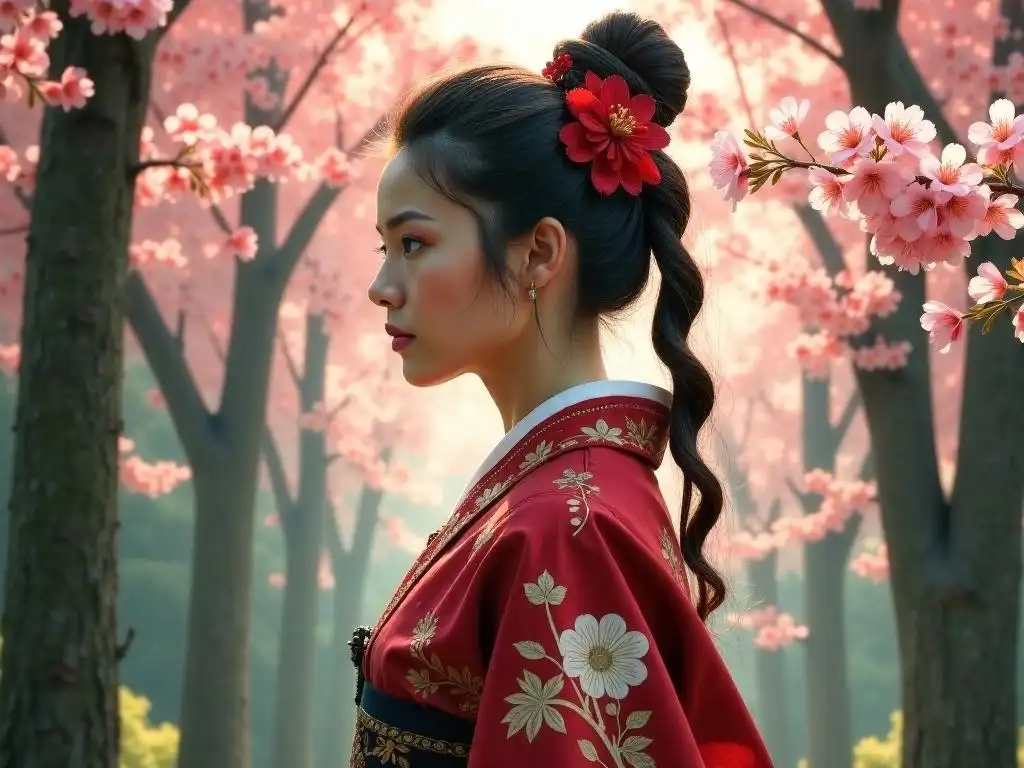
The narratives surrounding female warriors in the samurai era are often clouded by misconceptions and stereotypes that have persisted through time. One of the most prevalent myths is the belief that women were entirely excluded from the martial sphere and that their roles were strictly domestic. This notion simplifies the complexity of women's lives during the feudal period and undermines their contributions in various capacities.
- The "Passive" Role of Women: Many historical accounts portray women as passive figures, primarily caretakers and supporters of their male counterparts. However, this perspective ignores the significant roles women played in managing households and sometimes even leading in battles. Women like Tomoe Gozen, a legendary figure in Japanese history, exemplify the martial spirit that existed among some women during this era.
- Stereotypes of Honor and Shame: Another misconception is that women who participated in warfare were dishonorable or outside the societal norm. In reality, certain women were celebrated for their bravery and combat skills. They were often seen as protectors of their families and clans, and their participation in battle was sometimes viewed as an extension of their loyalty and honor.
- Limited Historical Recognition: The lack of documented evidence regarding female warriors often leads to the belief that they were rare or non-existent. This idea is misleading, as many records from the samurai era were written by men who may have overlooked or undervalued women's contributions. As a result, the stories of countless female warriors remain untold and unacknowledged.
The Reality of Women’s Participation in Samurai Warfare
While the myths surrounding female warriors in the samurai era persist, the reality showcases a more nuanced picture of women's involvement in warfare and society. Throughout Japan's feudal history, women exhibited courage and skill on the battlefield, challenging the traditional gender roles of their time.
- Historical Accounts of Female Warriors: Historical texts and folklore recount numerous instances of women engaging in warfare. For example, women from the samurai class, known as Onna-bugeisha, were trained in martial arts and weaponry. They often fought alongside their male counterparts during times of conflict, defending their homes and clans with remarkable ferocity.
- Military Training and Skills: These female warriors were not simply participating in battles out of mere necessity; they underwent rigorous training in various combat techniques, including the use of the naginata (a polearm weapon) and archery. The Onna-bugeisha were respected for their martial prowess, and their skills were often passed down through generations.
- Cultural Impact and Legacy: The contributions of female warriors in the samurai era have had a lasting impact on Japanese culture. Their stories, though often overshadowed by their male counterparts, highlight the importance of women in the socio-political landscape of feudal Japan. Efforts to reclaim and celebrate these narratives continue to inspire contemporary discussions about gender roles in history and society.
The reality of women's participation in samurai warfare reflects a complex interplay of courage, skill, and cultural significance, challenging the stereotypes that have long obscured their stories. By acknowledging the contributions of female warriors in the samurai era, we enrich our understanding of Japan’s feudal history and the pivotal roles women played in shaping it.
Conclusion: The Untold Stories of Female Warriors
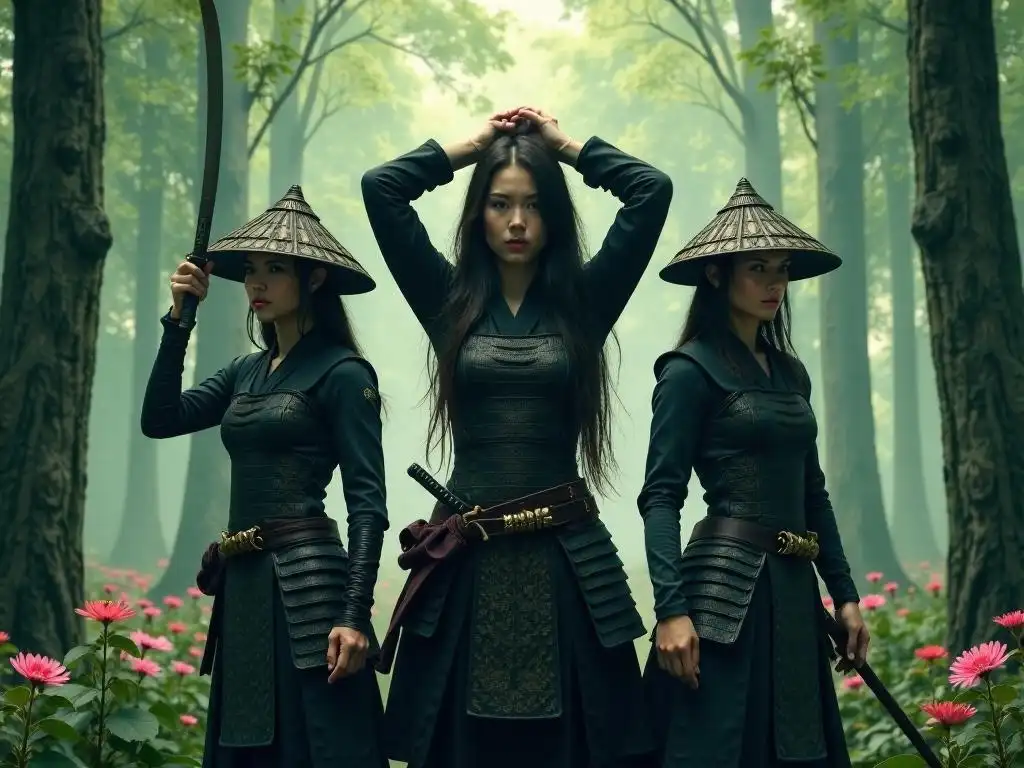
In the tapestry of Japan's feudal era, the narratives of female warriors often remain overshadowed by their male counterparts. However, the stories of these formidable women are not just footnotes; they represent a significant part of the cultural and historical fabric of the samurai era. Female warriors, or onna-bugeisha, played crucial roles in both warfare and the preservation of their clans, demonstrating that the martial spirit was not exclusive to men.
From figures like Tomoe Gozen, who fought alongside her male peers, to the lesser-known but equally fierce women who defended their homes and families, the untold stories of these warriors reveal a complex society where gender roles were not as rigid as sometimes portrayed. They wielded swords, took part in battles, and in some cases, even led troops into combat. Their legacy is a testament to the resilience and strength of women during a time when their contributions were often overlooked.
The Enduring Legacy of Female Warriors in Samurai History
The legacy of female warriors in the samurai era extends beyond their participation in battles; it encompasses their influence on Japanese culture and society. Women like Tomoe Gozen and Hojo Masako are celebrated not only for their martial prowess but also for their strategic acumen and leadership skills. Their stories have inspired countless works of literature, art, and modern media, ensuring that their contributions are remembered.
Key Aspects of Their Legacy:
- Cultural Representation: Female warriors have been immortalized in literature and folklore, often depicted as symbols of bravery and loyalty.
- Role Models: They serve as role models for modern women, illustrating the strength and capabilities of women throughout history.
- Historical Recognition: Increasingly, historians are acknowledging the roles these women played, calling for a reevaluation of traditional narratives that often minimize their contributions.
The enduring legacy of female warriors highlights the necessity of recognizing their place in history, challenging the conventional understanding of samurai culture and the roles of women within it.
Encouraging Further Research on Women in the Samurai Era
As we delve deeper into the history of the samurai era, it is crucial to continue exploring the nuanced roles of women during this time. There is a wealth of untapped resources, such as historical texts, archaeological findings, and oral traditions that could provide richer insights into the lives of female warriors.
Suggestions for Further Research:
- Historical Texts: Investigate classic Japanese literature and chronicles that mention female warriors, such as the "Heike Monogatari".
- Archaeological Evidence: Explore findings from burial sites and artifacts that may shed light on the lives of women warriors.
- Comparative Studies: Examine the roles of female warriors in other cultures to understand broader patterns of gender and warfare.
By encouraging further research into the lives of female warriors in the samurai era, we can foster a more inclusive and accurate understanding of this fascinating period in Japan's history. The stories of these women deserve to be told, not just as a curiosity but as an essential part of the narrative of feudal Japan. Their experiences and contributions can enrich our comprehension of the complexities of gender roles and societal structures in the past.
References and Further Reading
Recommended Books on Female Warriors in Samurai Era
-
"Women Warriors: An Unexpected History" by Pamela S. Thoma
This book delves into the stories of women who took up arms throughout history, including the samurai era. Thoma presents a comprehensive look at female warriors, their motivations, and the societal norms that shaped their lives.
-
"The Samurai Women: A Historical Perspective" by Kiyoko M. Tsuji
Tsuji explores the lives of women in the samurai class, examining their roles not only as warriors but also as caretakers of culture and tradition. This book offers a detailed analysis of how these women navigated their dual responsibilities.
-
"Onna-Bugeisha: Warrior Women of Japan" by John D. W. Duffy
Focusing specifically on the onna-bugeisha, or female warriors, this book highlights notable figures and their contributions to the samurai legacy. Duffy provides an engaging narrative backed by historical evidence.
-
"Samurai Women: A Reexamination of Gender Roles in the Samurai Era" by Mark R. Smith
This scholarly work challenges traditional gender roles within the samurai class, arguing for a broader understanding of women's contributions during this period. Smith analyzes historical documents to shed light on female warriors’ experiences.
Academic Articles and Journals on Women in Samurai History
-
“The Role of Women in Samurai Society”
This article, published in the Journal of Japanese History, investigates women's roles beyond the battlefield, emphasizing their influence in familial and societal structures during the samurai era.
-
“A Study of Onna-Bugeisha: The Female Samurai”
Featured in The Asian Historical Review, this paper provides an in-depth exploration of the onna-bugeisha, detailing their training, martial skills, and the cultural perceptions surrounding them.
-
“Gender and Warfare in the Feudal Japanese Context”
This journal article discusses the intersections of gender and warfare, analyzing how female warriors were portrayed in literature and historical accounts during the samurai era.
-
“Samurai Women: Their Lives and Legacies”
Published in Historical Studies in Japan, this article highlights the legacies of female warriors and their impact on contemporary views of women in Japanese history.
These resources are invaluable for anyone seeking to understand the complex and often overlooked narratives of female warriors in the samurai era.
Frequently Asked Questions
What role did women play in the samurai era?
Women in the samurai era often took on roles as warriors, defenders of their family honor, and leaders in times of conflict. They were trained in martial arts and could engage in battle when necessary.
Were there any famous female warriors in Japanese history?
Yes, notable female warriors include Tomoe Gozen, a legendary figure known for her bravery in battle, and Hojo Masako, who played a significant role in political affairs during the Kamakura period.
How did societal views on women change during the feudal period?
During the feudal period, societal views on women fluctuated, with some periods allowing for greater autonomy and recognition of women's contributions, while others confined them to traditional domestic roles.
What impact did female warriors have on the samurai culture?
Female warriors influenced samurai culture by challenging gender norms and demonstrating that women could be just as capable in combat and leadership, thus leaving a legacy that impacted future generations.
Are there modern representations of female warriors from the samurai era?
Yes, modern media such as films, literature, and video games often portray female warriors from the samurai era, highlighting their stories and contributions, and inspiring a renewed interest in their historical significance.
Final Reflection: Unveiling the Strength of Female Warriors in the Samurai Era
The stories of female warriors in the Samurai Era are not just historical footnotes; they resonate profoundly in today's world. As we explore the untold narratives of these remarkable women, we uncover a legacy of strength, resilience, and empowerment that continues to inspire modern discussions around gender equality and representation. The courage and skill of these female warriors challenge the traditional narratives of history, reminding us that heroism knows no gender.
The impact of these stories extends far beyond the pages of history books; they shape our cultural and social landscape today. The recognition of female warriors in the Samurai Era serves as a powerful reminder of the diverse roles women have played throughout history. Their contributions, often overlooked, pave the way for a broader understanding of women's capabilities and rights. The history of women is not just a history of oppression; it is a history of strength and resilience.
This acknowledgment encourages us to celebrate female empowerment in all its forms, fostering a society that values equality and diversity.
As we reflect on the lessons from the lives of these extraordinary women, I invite you to consider how their stories can influence your own journey. Embrace the spirit of these female warriors by challenging stereotypes and advocating for equality in your community. Let their courage inspire you to stand up for what is right, to share untold stories, and to ensure that the voices of all warriors—past and present—are heard and honored. Together, we can continue to break barriers and create a future where every individual's strength is recognized and celebrated.
Unveil the Strength of Female Warriors!
Thank you for diving into the powerful stories of women warriors from the Samurai Era! You've uncovered their resilience and courage in a time often dominated by male narratives. Now, let's bring these inspiring tales to life through your actions!
Here’s how you can continue to engage with these remarkable histories:
- Dive Deeper: Explore additional literature or documentaries about female samurai to enhance your understanding and appreciation of their significant contributions.
- Share the Knowledge: Communicate these stories with friends or on social media. Let’s honor the legacy of female warriors together!
- Join the Discussion: Connect with our community on social media or visit our website to engage with others who share your passion for Feudal Japan!
What surprising lessons have you learned from the stories of these formidable women, and how do you believe their bravery can inspire resilience in today's world?