
The Role of Loyalty and Honor in the Rise of the Samurai

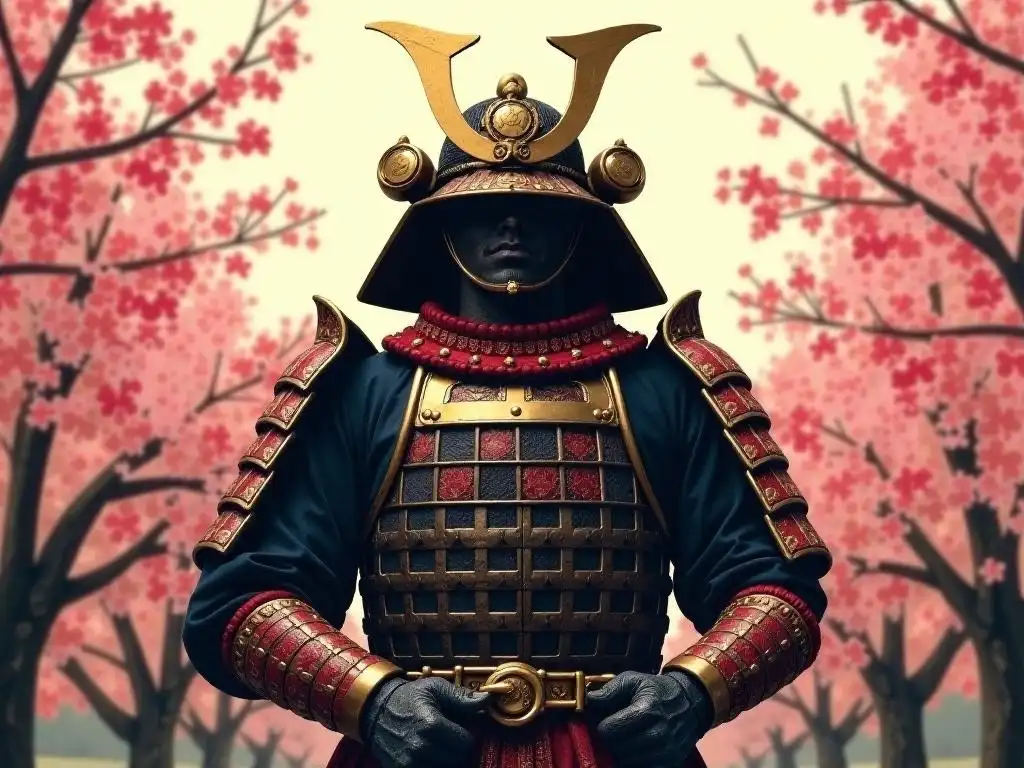
Welcome to Feudal Japan History, where we invite you to embark on a captivating journey through the intricate tapestry of Japan’s feudal era. Here, we delve deep into the political history, cultural nuances, and societal dynamics that shaped a nation. In our main article, “The Role of Loyalty and Honor in the Rise of the Samurai,” we explore the profound concepts of samurai loyalty and honor—the very bedrock of their legendary status.
What drove these noble warriors to such unwavering allegiance? What sacrifices did they make in the name of honor? Join us as we uncover these compelling narratives and more, igniting your curiosity to learn about a time when loyalty was a matter of life and death.
In the intricate tapestry of Feudal Japan, the samurai class emerged as a powerful social and military force, deeply intertwined with the concepts of loyalty and honor. These two ideals not only formed the bedrock of samurai identity but also influenced the political landscape of the era.
The unwavering commitment to loyalty and the relentless pursuit of honor were pivotal in shaping the actions and societal roles of the samurai, driving them to uphold their duties and obligations, often at great personal cost. This article delves into the significance of these values, exploring how they facilitated the rise of the samurai class and solidified their status within feudal society.
Introduction to Samurai Loyalty and Honor
The notions of loyalty and honor hold a profound place within the samurai ethos, acting as guiding principles that dictate behavior, relationships, and the very essence of a samurai's existence. Understanding these concepts is essential for grasping the motivations behind the samurai's actions and their enduring legacy in Japanese culture.
Definition of Loyalty in the Samurai Context
In the samurai context, loyalty is characterized by an unwavering allegiance to one's lord, known as daimyo. This loyalty transcends mere obligation; it embodies a deep-seated commitment that often equates to personal sacrifice. Samurai were expected to demonstrate loyalty through:
- Service: Providing military support and protection to their lord.
- Obedience: Following orders without question, even at the risk of personal danger.
- Sacrifice: Willingness to give one’s life for the sake of their lord's honor and the stability of their domain.
The concept of loyalty was not only a personal virtue but also a crucial element of the feudal system, reinforcing the hierarchical structure that defined society during this period.
Definition of Honor in Samurai Culture
Honor, or bushido, is a fundamental aspect of samurai culture, representing a code of ethics that emphasized virtues such as courage, integrity, and respect. This code dictated that samurai must:
- Act with Integrity: Maintain honesty and uphold one’s word.
- Embrace Courage: Face adversities without fear, demonstrating bravery in battle and personal conduct.
- Show Respect: Treat others, including adversaries, with dignity, recognizing their humanity.
For samurai, honor was not merely an abstract concept; it was a tangible asset that could be gained or lost through actions. A samurai's personal honor was intimately tied to the honor of their family and lord, creating a complex web of responsibility and expectation.
The Significance of Loyalty and Honor in Feudal Japan
The interplay of loyalty and honor significantly influenced the stability and structure of feudal Japan. These values:
- Fostered Unity: Loyalty to a lord helped unify the samurai under a common cause, strengthening military alliances.
- Maintained Order: Honor-driven conduct among samurai helped maintain social order, as breaches could lead to conflicts or civil unrest.
- Promoted Warfare Ethics: The samurai’s adherence to these values established a code of conduct in warfare, promoting honorable battle practices and respect for opponents.
Ultimately, loyalty and honor were not just personal ideals; they were instrumental in shaping the political and social dynamics of feudal Japan.
Historical Context of the Samurai Class
To fully appreciate the role of loyalty and honor in the rise of the samurai, it is essential to understand the historical backdrop against which this class emerged.
The Emergence of the Samurai in Feudal Japan
The samurai class began to take shape during the late Heian period (794-1185), when the central government weakened, leading to the rise of regional warlords. As a response to increasing violence and political instability, local leaders began to recruit warriors who would protect their interests. This marked the formation of a distinct warrior class, who would later be known as samurai.
Key Historical Events that Shaped Samurai Values
Several pivotal events contributed to shaping the values of loyalty and honor among the samurai:
- The Gempei War (1180-1185): This conflict between the Taira and Minamoto clans highlighted the importance of loyalty, as samurai fought fiercely for their respective lords.
- The Kamakura Shogunate (1192-1333): The establishment of the shogunate formalized samurai loyalty structures, as warriors pledged fealty to their shogun in exchange for land and protection.
- The Mongol Invasions (1274 and 1281): The samurai's collective defense against external threats reinforced their commitment to honor and loyalty, as they united against a common enemy.
The Evolution of Samurai Loyalty and Honor Over Time
As the feudal system evolved, so too did the concepts of loyalty and honor. The rise of the bushido code in the 16th century further cemented these ideals, emphasizing moral conduct and ethical warfare. The samurai's loyalty shifted from solely serving their lords to embodying the spirit of the people, reflecting a broader sense of duty to the nation.
Loyalty and honor were not mere ideals for the samurai; they were fundamental principles that guided their lives and actions, ultimately leading to their prominence in the political history of Japan. Understanding these values is crucial for comprehending the complex social dynamics of feudal Japan and the enduring legacy of the samurai.
The Philosophical Foundations of Samurai Loyalty and Honor
The concepts of loyalty and honor are deeply embedded in the culture of the samurai, forming a philosophical foundation that guided their actions and decisions throughout the feudal era of Japan. These principles were not merely personal virtues but were intricately woven into the very fabric of society, influencing political structures, social relationships, and military strategies. The samurai's commitment to loyalty and honor was essential for maintaining the social order and ensuring the stability of feudal Japan.
Bushido: The Way of the Warrior
Bushido, often translated as "the way of the warrior," serves as the ethical code that governed the conduct of the samurai. This code emphasized virtues such as bravery, honor, loyalty, and self-discipline. Samurai were expected to uphold these values in every aspect of their lives, not only in battle but also in their interactions with others. The importance of loyalty in Bushido cannot be overstated; it was considered a fundamental tenet that dictated a samurai's relationship with their lord, peers, and even their adversaries.
Bushido was influenced by various philosophical and religious traditions, including Shinto, Buddhism, and Confucianism, each contributing to the samurai's understanding of honor and loyalty. The practice of seppuku, or ritual suicide, exemplifies the extreme devotion to these principles, as samurai would choose death over dishonor, thus reinforcing their commitment to their code and lord.
The Influence of Confucianism on Samurai Values
Confucianism played a significant role in shaping the moral framework within which the samurai operated. Introduced to Japan from China, Confucian ideals stressed the importance of hierarchical relationships and the duty of loyalty to one's superiors. This philosophical system emphasized the obligations that individuals had toward their families and rulers, aligning seamlessly with the samurai's own values of loyalty and honor.
The Confucian concept of filial piety also influenced samurai loyalty, fostering a deep reverence for family and clan. This intertwining of loyalty to lord and family created a complex web of allegiances that defined the samurai identity. As samurai navigated their duties, they were often guided by the Confucian belief in the moral imperative to serve and protect their superiors, reinforcing the social hierarchy and stability of the feudal system.
Honor Codes and Their Impact on Samurai Behavior
The notion of honor was not simply an abstract idea for samurai; it was codified into a series of honor codes that dictated their behavior. These codes varied across different clans and regions but shared common themes of personal integrity, loyalty, and the obligation to protect one's reputation. Samurai were expected to act honorably in all situations, as their status and legacy depended on their adherence to these codes.
These honor codes significantly impacted samurai behavior, shaping their decisions in both personal and professional contexts. Acts of betrayal, cowardice, or dishonor were met with severe consequences, including social ostracization or death. The impact of honor codes extended beyond individual samurai, affecting entire clans and influencing the outcomes of conflicts and power struggles throughout feudal Japan.
Loyalty as a Pillar of Samurai Identity
Loyalty was not merely a personal virtue for samurai but a defining characteristic of their identity and social function. It bound samurai to their lords, families, and clans, creating a network of obligations that permeated every aspect of their lives. This unwavering loyalty played a crucial role in the establishment and maintenance of the feudal system, reinforcing social hierarchies and political stability.
The Duty to One's Lord: Feudal Allegiances
At the heart of samurai loyalty was the duty to one's lord, a relationship that was both personal and feudal. Samurai pledged their fidelity to their daimyo (feudal lord) in exchange for land, protection, and social status. This bond was often formalized through oaths and ceremonies, solidifying the samurai's commitment to serve and protect their lord, sometimes even at the cost of their own lives.
The concept of loyalty to one's lord was further reinforced by the idea of mutual obligation; a loyal samurai could expect their lord to provide for and protect them in return. This reciprocal relationship was vital for the stability of feudal Japan, as the loyalty of samurai ensured the loyalty of their retainers and, by extension, the security of the entire domain.
Loyalty to Family and Clan: A Broader Perspective
While loyalty to one's lord was paramount, samurai also held strong allegiances to their families and clans. The samurai's identity was often tied to their lineage, and loyalty to family was seen as an extension of their duty to their lord. This dual loyalty created a complex dynamic where samurai had to navigate their obligations to both their immediate family and the broader clan.
In many cases, familial loyalty could supersede feudal loyalty, leading to conflicts of interest. Samurai often prioritized the welfare of their families, sometimes engaging in actions that would benefit their clan at the expense of their obligations to their lord. This broader perspective of loyalty enriched the samurai culture, fostering strong bonds within clans and reinforcing the importance of family ties amidst the rigid structures of feudal society.
Case Studies of Notable Samurai Loyalty
Numerous historical examples illustrate the profound loyalty exhibited by samurai throughout Japan's feudal era. One prominent case is that of Minamoto no Yoshitsune, whose loyalty to his brother Minamoto no Yoritomo helped solidify their family's power during the Genpei War (1180-1185). Despite facing numerous challenges, Yoshitsune remained committed to supporting his brother, showcasing the deep-rooted loyalty that characterized samurai relationships.
Another notable example is the story of the 47 Ronin, a group of samurai who avenged their lord's death after he was forced to commit seppuku due to a dishonorable act. Their quest for vengeance demonstrated the extreme lengths to which samurai would go to uphold their loyalty and honor, ultimately leading to their own deaths. This legendary tale has become emblematic of samurai virtues and the critical role that loyalty played in their identity and legacy.
Through these case studies, it is evident that loyalty was not just a personal trait but a fundamental aspect of samurai culture, deeply influencing their actions and shaping the historical narrative of feudal Japan.
Honor in the Life of a Samurai
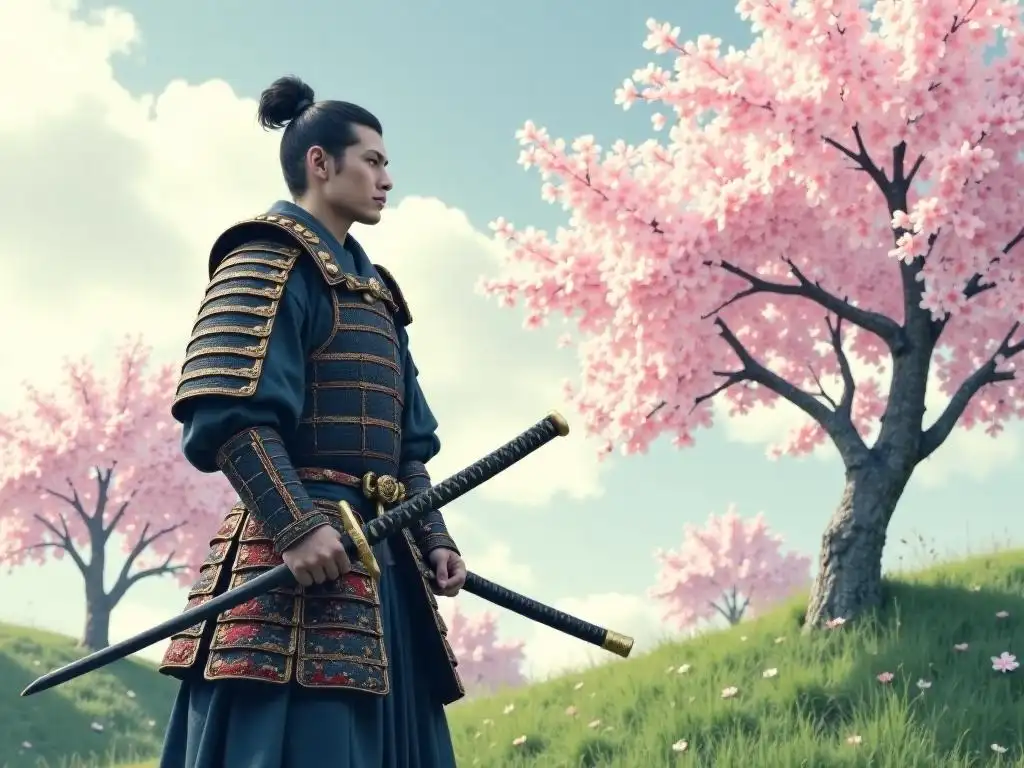
Honor was a cornerstone of the samurai's identity and lifestyle, influencing their behavior, decisions, and societal interactions. For the samurai, honor was not just a personal virtue but a societal expectation that dictated their conduct. It was deeply intertwined with the concept of bushido, the "way of the warrior," which outlined the ethical code governing samurai behavior, emphasizing virtues such as bravery, loyalty, and righteousness. This code was essential in maintaining their status within the feudal hierarchy and was often regarded as more important than life itself.
The samurai believed that their honor could be tarnished through cowardice, betrayal, or failure in duty. This perception led them to adopt a lifestyle that prioritized honor in all aspects, including their martial engagements and interactions with peers and lords. The pursuit of honor also affected their roles in society, shaping their relationships with the common people and their responsibilities as protectors of their domains. In essence, honor was not merely an abstract ideal; it was a practical guide that influenced every facet of a samurai's life.
The Role of Honor in Samurai Warfare
In warfare, the samurai's honor was paramount. Success in battle was not solely measured by victory but by the manner in which one fought. Engaging in honorable combat was essential; underhanded tactics or attacking the unprepared were seen as disgraceful. This code of conduct fostered a unique form of warfare, where personal valor and skilled combat were revered over sheer numbers or brute force. The samurai often engaged in one-on-one duels, where individual prowess could shine, and victory could enhance their standing and honor.
Furthermore, the concept of honor in warfare was closely linked to loyalty to one's lord. A samurai's actions in battle directly reflected on their master's reputation. Therefore, fighting bravely and demonstrating loyalty were critical components of maintaining both personal and familial honor. Failure in battle could lead to loss of status, not just for the samurai but for their entire clan, underscoring the weight of honor in military engagements.
Rituals and Practices that Embody Honor
Various rituals and practices reinforced the importance of honor in samurai culture. One of the most significant was the practice of kamo, or the ritualized act of presenting oneself for battle. This involved meticulous preparation and adherence to specific customs to demonstrate readiness and respect for the art of war. Additionally, ceremonies such as the tea ceremony and ikebana (flower arrangement) were essential in cultivating a sense of discipline and aesthetic appreciation, reinforcing the samurai's commitment to honor in everyday life.
Another crucial aspect was the practice of nobility in defeat. Samurai were expected to accept defeat with grace, demonstrating their honor even in loss. This often involved acknowledging the superiority of their opponents and maintaining composure, which was celebrated in various literary and artistic forms, further embedding these ideals into the cultural fabric of feudal Japan.
Consequences of Dishonor: Seppuku and Its Significance
Dishonor carried severe consequences for samurai, leading to the practice of seppuku, a form of ritual suicide. This act was viewed as a means to restore honor after a perceived failure or disgrace. Engaging in seppuku allowed a samurai to die with dignity, rather than live with the shame of dishonor. The ritual itself was steeped in ceremony, often involving the presence of witnesses and the execution of specific protocols, symbolizing the gravity of the act.
The significance of seppuku extended beyond individual cases; it served as a social mechanism to reinforce the code of honor within the samurai class. By choosing death over dishonor, samurai set a standard for future generations, emphasizing that honor was worth more than life itself. This practice also created a cultural narrative around honor, shaping the samurai's legacy and influence in Japanese history.
The Interplay Between Loyalty and Honor
The relationship between loyalty and honor was complex and multifaceted, as both concepts were fundamental to the samurai ethos. Loyalty to one's lord was a defining characteristic of a samurai's identity, often prioritized above personal needs or desires. This loyalty was seen as a reflection of one's honor, as a loyal samurai was considered honorable in the eyes of peers and society.
However, this interplay could lead to intricate dilemmas, especially when personal loyalties conflicted with larger duties or expectations. The tension between these two ideals often defined the actions and decisions of samurai throughout history.
How Loyalty and Honor Complement Each Other
Loyalty and honor were interdependent elements within the samurai's life, each enhancing the other. A loyal samurai earned honor through their unwavering commitment to their lord, often engaging in acts of bravery and service that elevated their status. Conversely, an honorable samurai was expected to be loyal to their lord, as any disloyalty would tarnish their reputation and legacy.
This symbiotic relationship created a powerful motivation for samurai to uphold both ideals. Acts of loyalty—such as defending one's lord in battle or sacrificing personal gain for the sake of the clan—were celebrated and recognized as honorable. Thus, the interplay between loyalty and honor solidified the samurai's position within the feudal hierarchy and reinforced societal values.
Conflicts Between Personal Loyalty and Duty
While loyalty and honor generally complemented each other, conflicts occasionally arose when personal loyalties clashed with duty. A samurai may find themselves torn between loyalty to a lord and loyalty to family or friends, especially in times of political upheaval or betrayal. Such conflicts could lead to profound moral dilemmas, forcing samurai to make difficult choices that tested their values and principles.
In some historical cases, samurai chose to defy their lords in the name of personal loyalty, leading to their eventual downfall or loss of honor. These situations illustrate the complexities of the samurai's ethical landscape, where loyalty to a lord could sometimes be in direct opposition to other forms of loyalty. The resolution of these conflicts often depended on individual circumstances and the prevailing societal norms of the time.
Case Studies of Diverging Paths in Loyalty and Honor
Historical examples abound of samurai navigating the intricate balance between loyalty and honor. One prominent case is that of Minamoto no Yoshitsune, a celebrated warrior who initially achieved great honor through his loyalty to his brother, Minamoto no Yoritomo. However, as political tensions escalated, Yoshitsune found himself in a position where his loyalty to his brother conflicted with his own honor, ultimately leading him to become an outlaw in his quest for personal honor.
Another example is Taira no Kiyomori, whose ambitious rise to power exemplified the conflict between loyalty and personal ambition. Kiyomori's desire for control often placed him at odds with others, leading to acts that, while politically strategic, compromised his honor.
These case studies illustrate the intricate dance of loyalty and honor within the samurai class, showcasing how personal choices and broader societal expectations often influenced the paths of these historical figures. The legacy of these choices continues to resonate in the narratives of feudal Japan, highlighting the enduring importance of loyalty and honor in the samurai tradition.
The Decline of Samurai Loyalty and Honor
The decline of samurai loyalty and honor occurred during the late Edo period and into the Meiji Restoration, marking a significant transformation in Japanese society. As Japan faced internal and external pressures, the once unwavering principles of loyalty and honor that defined the samurai class began to erode. This decline was not merely a result of political upheaval but also a complex interplay of cultural shifts, economic changes, and the onset of modernization.
Factors Leading to the Erosion of Samurai Values
Several factors contributed to the erosion of traditional samurai values. First, the abolition of the feudal system dismantled the social structure that reinforced loyalty and honor. As samurai found themselves without the daimyōs (feudal lords) to whom they pledged allegiance, their purpose and identity began to wane.
Second, economic changes played a critical role. The rise of a merchant class and the flourishing of trade shifted the power dynamics within society. As wealth became concentrated in the hands of merchants, the samurai's economic stability was threatened, leading to feelings of disenfranchisement and a reevaluation of their societal role.
Third, the influence of Western ideologies introduced new values that conflicted with traditional samurai ethics. The adoption of modern military practices and the Western legal framework undermined the samurai's code of conduct, as honor and loyalty became less relevant in a rapidly changing world.
The Impact of Modernization on Samurai Culture
Modernization in Japan during the Meiji Restoration (1868-1912) drastically altered samurai culture. The government sought to create a centralized, modern nation-state, which involved the disbanding of samurai armies and the incorporation of a conscript military. This transition diminished the samurai's status and rendered their traditional skills obsolete.
Education reforms further influenced the decline of samurai values. The new curriculum emphasized Western sciences, technology, and civic duty over the bushido code, which promoted loyalty and honor. This shift reflected a broader societal move towards practicality and efficiency, sidelining the romantic ideals associated with the samurai.
Moreover, the samurai's role in society transitioned from warriors to bureaucrats, which diluted their heroic image. As they adapted to new societal roles, the concepts of loyalty and honor became increasingly abstract, losing their immediate relevance in daily life.
Reflections on Loyalty and Honor in Contemporary Japan
In contemporary Japan, reflections on samurai loyalty and honor continue to resonate, albeit in different forms. While the strict adherence to bushido may no longer be prevalent, the underlying themes of loyalty and honor remain relevant in modern contexts. They manifest in various aspects of Japanese culture, including business ethics, interpersonal relationships, and national identity.
Additionally, popular culture—through literature, film, and art—often romanticizes the samurai ethos, portraying the values of loyalty and honor as ideals worth emulating. Such representations contribute to a collective memory that celebrates these principles, even as society evolves.
However, there is also an ongoing discourse about the applicability of samurai values in today's world. Many Japanese people grapple with the balance between traditional values and contemporary societal needs, leading to a nuanced understanding of loyalty and honor that adapts to modern challenges.
Conclusion: The Legacy of Samurai Loyalty and Honor
The legacy of samurai loyalty and honor, while transformed, remains a significant part of Japan's historical narrative. Understanding this legacy provides insights into the cultural and ethical frameworks that continue to shape Japanese society.
Lasting Influences on Japanese Society and Culture
The influences of samurai loyalty and honor persist in various facets of Japanese society. For instance, the concept of loyalty is often emphasized in corporate culture, where dedication to one's company and colleagues is highly valued. This reflects the samurai's commitment to their lords and serves as a bridge between historical values and modern employment practices.
Furthermore, rituals and traditions, such as tea ceremonies and martial arts, often incorporate elements of bushido, reinforcing principles of respect, discipline, and integrity. These practices not only honor the samurai's legacy but also provide a means of cultural continuity in a rapidly changing world.
The Future of Samurai Values in Modern Contexts
As Japan continues to navigate the complexities of globalization and modernization, the future of samurai values will likely evolve. While some may view these values as outdated, others advocate for their relevance in fostering social cohesion and ethical behavior in contemporary society.
The challenge lies in integrating these values into modern contexts, ensuring they resonate with younger generations who may feel disconnected from historical narratives. By reinterpreting loyalty and honor within the framework of contemporary challenges, Japan can honor its past while embracing the future.
Final Thoughts on the Importance of Loyalty and Honor in the Samurai Tradition
The importance of loyalty and honor in the samurai tradition is undeniable. These values not only shaped the samurai's identity but also left an indelible mark on Japanese culture. As society evolves, the challenge remains to preserve the essence of these principles while adapting them to modern realities. The enduring legacy of samurai loyalty and honor serves as a reminder of the profound impact that ethical values can have on personal and collective identity, fostering a sense of purpose and integrity that transcends time.
- Introduction to Samurai Loyalty and Honor
- Historical Context of the Samurai Class
- The Philosophical Foundations of Samurai Loyalty and Honor
- Loyalty as a Pillar of Samurai Identity
- Honor in the Life of a Samurai
- The Interplay Between Loyalty and Honor
- The Decline of Samurai Loyalty and Honor
- Conclusion: The Legacy of Samurai Loyalty and Honor
- What were the core values of the samurai in feudal Japan?
- How did loyalty influence samurai relationships with their lords?
- What is the significance of honor in samurai culture?
- How did the concepts of loyalty and honor impact samurai warfare?
- Are there modern interpretations of samurai loyalty and honor?
Frequently Asked Questions
What were the core values of the samurai in feudal Japan?
The core values of the samurai included loyalty and honor, which guided their actions and decisions. These principles were essential in maintaining their status and fulfilling their duties to their lords.
How did loyalty influence samurai relationships with their lords?
Loyalty was paramount in samurai culture, often leading to a deep personal bond with their lords. This bond ensured that samurai would defend their lord's interests, even at the cost of their own lives.
What is the significance of honor in samurai culture?
Honor was a defining characteristic of the samurai, influencing their reputation and social standing. A samurai's honor dictated their conduct in battle and daily life, shaping their identity within society.
How did the concepts of loyalty and honor impact samurai warfare?
The emphasis on loyalty and honor directly affected samurai warfare strategies. They often fought with greater resolve and commitment, driven by the desire to uphold their reputation and serve their lords faithfully.
Are there modern interpretations of samurai loyalty and honor?
Yes, modern interpretations often reflect on samurai loyalty and honor as ideals that resonate in contemporary society, emphasizing the importance of integrity, commitment, and respect in personal and professional relationships.
Final Reflection: The Enduring Legacy of Samurai Loyalty and Honor
The principles of loyalty and honor, as embodied by the samurai, resonate profoundly in our contemporary society. In an age where personal integrity and commitment can often seem overshadowed by fleeting trends and superficial connections, the samurai's unwavering dedication to their code serves as a powerful reminder of the strength found in steadfast values. The samurai's legacy is not merely a relic of the past; it is a guiding light that continues to inspire individuals and communities today.
Culture and society are shaped by the values we uphold, and the samurai's emphasis on loyalty and honor has left an indelible mark on our collective consciousness. This influence can be seen in various aspects of modern life, from the way we approach relationships to our understanding of leadership and responsibility. As the philosopher Yamamoto Tsunetomo once said, The way of the samurai is found in death.
This profound statement reflects the samurai's commitment to living honorably, reminding us that true loyalty often requires sacrifice and a deep understanding of one's principles.
As we reflect on the lessons of the samurai, let us challenge ourselves to embody the values of loyalty and honor in our daily lives. Consider how you can cultivate these principles in your relationships, your work, and your community. By doing so, we not only honor the legacy of the samurai but also contribute to a world where integrity and commitment thrive. Embrace the call to action, and let the spirit of the samurai guide you toward a life of purpose and authenticity.
Embrace the Spirit of the Samurai – Take Action Now!
Thank you for exploring the rich legacy of loyalty and honor that shaped the samurai! We hope you gained insight into the values that defined an era and the enduring principles they offer us today. Now, it’s time to channel that inspiration into action!
Here are a few ways you can deepen your connection to this fascinating history and embody the virtues of the samurai:
- Dive Deeper: **Consider reading a book on samurai philosophy or the bushido code** to understand how these values can be applied in modern life.
- Share Knowledge: **Engage with friends or online communities** by sharing your newfound insights—start a discussion about what loyalty and honor mean to you today.
- Practice Reflection: **Write a personal pledge** inspired by the samurai’s values and principles, and commit to living by those ideals in your daily actions.
What does loyalty mean to you, and how can you reflect that in your life? Share your thoughts and let’s cultivate a community of honor and respect together!