
Samurai and Swords: The Symbolic Importance of the Katana in Feudal Japan

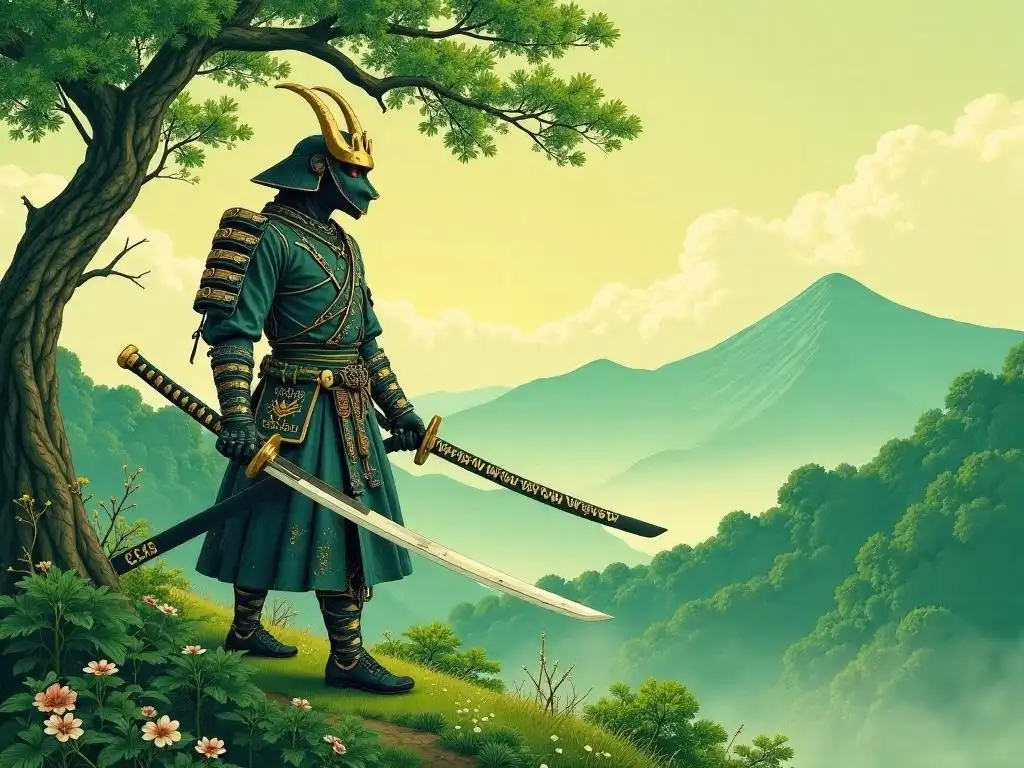
Welcome to Feudal Japan History, where we invite you to journey through the intricate tapestry of Japan's feudal era. In our featured article, “Samurai and Swords: The Symbolic Importance of the Katana in Feudal Japan,” we delve into the profound significance of the katana, exploring not just its role as a weapon, but its deeper cultural and societal implications. Why did this sword become the soul of the samurai?
What secrets does it hold that transcend mere steel? Prepare to unlock the mysteries of Japan’s rich history as we guide you through the legacy of the katana, a true emblem of honor and identity. Dive in and discover the stories that shaped a nation!
Introduction to the Katana and Its Significance
The katana, often depicted in various forms of media, stands as a powerful symbol synonymous with the samurai class in feudal Japan. More than just a weapon, the katana embodies the spirit, culture, and philosophy of the samurai—an elite warrior class that played a crucial role in shaping Japan's political landscape during the feudal era.
Its sleek design, exceptional craftsmanship, and storied history have cemented the katana's status as an enduring icon of Japanese heritage. This article delves into the symbolic importance of the katana, exploring its multifaceted role as both a tool of warfare and a representation of the samurai's values, honor, and artistry.
The Katana: A Weapon and a Symbol
Overview of the Katana as a Symbol
The katana is often viewed as a metaphor for the samurai's code of conduct, known as Bushido, which emphasizes virtues such as loyalty, courage, and honor. The sword is not merely a physical object; it is a manifestation of the samurai's identity and a reflection of their societal status. For the samurai, the katana was considered an extension of the self, a partner in battle that demanded respect and reverence.
A samurai's sword is his soul.
- Traditional Japanese Proverb
Historical Context of the Katana in Feudal Japan
The katana emerged during the late Heian period (794-1185) and became increasingly significant during the Kamakura (1185-1333) and Muromachi (1336-1573) periods. As the samurai class rose to prominence, the katana evolved alongside them, reflecting the changing dynamics of warfare and social structure. By the time of the Sengoku period (1467-1603), the katana had solidified its place as a crucial instrument of power, symbolizing the samurai's authority and martial prowess.
The Katana: A Weapon and a Symbol
The Evolution of Sword-Making Techniques
The craftsmanship behind the katana is a blend of artistry and functionality. Traditional sword-making techniques, such as the process of folding iron to create a resilient blade, have been refined over centuries. This meticulous process not only enhances the katana's strength and sharpness but also contributes to its aesthetic appeal, showcasing the skill of the artisan. The differential hardening technique, which involves using clay to control the cooling of the blade, creates the characteristic curve and distinctive hamon (temper line) that are hallmarks of the katana.
The Role of the Katana in Samurai Warfare
In battle, the katana was not just a weapon; it was a symbol of the samurai's honor and duty. The swift, precise strikes of the katana were designed for close combat, reflecting the samurai's need for agility and skill on the battlefield. The katana also played a crucial role in rituals such as seppuku (ritual suicide), where it served as a means for samurai to restore their honor in the face of defeat or disgrace.
The Aesthetics of the Katana: Craftsmanship and Design
Beyond its functionality, the katana is celebrated for its stunning aesthetics. The intricate designs of the tsuba (guard), the quality of the tsuka (handle), and the artistry of the saya (scabbard) all contribute to the katana's status as a work of art. The interplay of form and function elevates the katana to a symbol of beauty, reflecting the deeper cultural values of the samurai and their connection to nature, spirituality, and the pursuit of perfection in craftsmanship.
The katana encapsulates the essence of the samurai, intertwining historical significance with cultural and artistic expression. Understanding the symbolic importance of the katana offers profound insights into the life and values of the samurai class, making it a pivotal subject of study in the rich tapestry of feudal Japan's history.
The Cultural Significance of the Katana
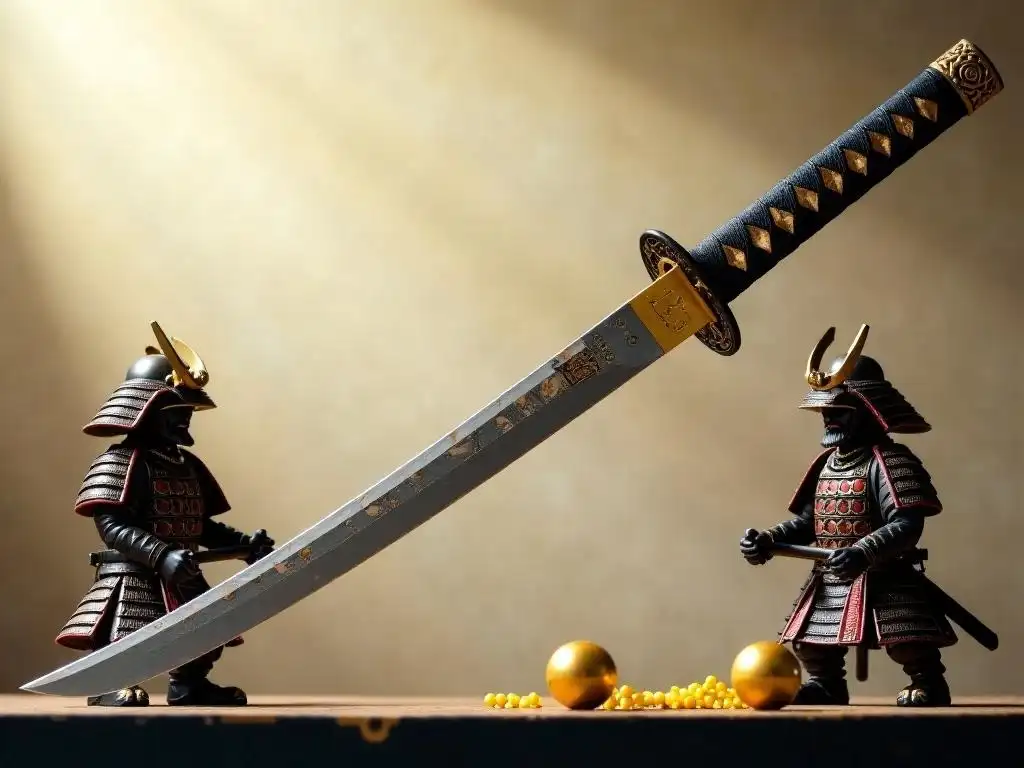
The katana is more than just a weapon in feudal Japan; it embodies the rich cultural tapestry of the era. This elegant sword, characterized by its curved, single-edged blade, is deeply intertwined with the identity and lifestyle of the samurai class. The katana represents not only martial prowess but also artistic mastery. Skilled artisans crafted these swords, infusing them with techniques that reflected both functionality and beauty. The katana became a symbol of status and power, often passed down through generations, enhancing its cultural significance.
Moreover, the katana served as a focal point in the samurai's life, symbolizing their commitment to their code of conduct and their social responsibilities. Its presence was felt in everyday life, from battlefields to domestic settings, highlighting its multifaceted role in samurai culture. The katana is a reflection of the samurai's identity, aspirations, and their place within the hierarchical structure of feudal Japan.
The Katana in Samurai Identity
For the samurai, the katana was an extension of their very being. It was considered a central element of their identity, distinct from mere weaponry. Samurai believed that the katana possessed a spirit known as "Tamashii" or "soul," which meant that the bond between a samurai and their sword was sacred. The katana was personalized to its wielder, often adorned with unique ornaments and engravings that reflected the samurai’s lineage and personal achievements.
This deep connection to the katana influenced the samurai's behavior and their adherence to the warrior code, known as Bushido. The katana was not just used in combat; it was a tool of discipline, representing the samurai's lifelong dedication to mastery and honor. In this way, the katana was central to the samurai identity, making it a powerful symbol of who they were and what they stood for.
Rituals and Ceremonies Involving the Katana
Rituals and ceremonies involving the katana were integral to samurai culture, underscoring its symbolic importance. One of the most significant rituals was the "katana no shiki," or the ceremony of the sword, which marked the transition of a young samurai into adulthood. During this rite, the katana was presented to the initiate, symbolizing their new responsibilities and the expectations placed upon them as warriors.
Another important ceremony was the "kaji," or sword blessing ritual, conducted by a priest to ensure the katana was imbued with spiritual protection and power. This ceremony not only reinforced the katana's significance as a weapon but also emphasized its role as a sacred object. Samurai would also employ the katana in seppuku, a ritual suicide that demonstrated honor and loyalty, further exemplifying its deep-rooted place in the samurai's ethos.
The Katana as a Symbol of Honor and Loyalty
The katana served as a profound symbol of honor and loyalty within the samurai class. It represented the samurai's commitment to their lord and their duty to uphold justice. A samurai's life was dictated by loyalty to their daimyo (feudal lord), and the katana was a constant reminder of this obligation. The act of drawing the katana was not taken lightly; it signified readiness to defend one's honor and that of their clan.
Moreover, the katana's role in seppuku highlighted its association with honor. When a samurai faced disgrace or defeat, the katana became the means of restoring their honor through ritual suicide. This act of loyalty to one's principles and lord reinforced the katana’s status as a symbol of unwavering fidelity and valor, deeply entrenched in the samurai’s moral framework.
The Katana in Samurai Philosophy
The katana's significance extends beyond its physical form; it is deeply embedded in the philosophical principles that guided the samurai. The sword embodies the essence of samurai philosophy, particularly through the lens of Bushido, which emphasizes virtues such as courage, honor, and loyalty.
Bushido: The Way of the Warrior
Bushido, often translated as "the way of the warrior," is the ethical code that governed the samurai way of life. Central to this philosophy was the katana, which represented the samurai’s commitment to these ideals. The sword was not merely a tool for battle; it symbolized the samurai's inner strength, moral integrity, and dedication to their duties.
Bushido taught that a samurai must possess a calm mind and a resolute spirit, qualities that were often personified in the katana’s sleek design and deadly efficiency. The philosophy emphasized that the true warrior must be prepared to face death with dignity, a notion intrinsically linked to the katana and its role in both life and death.
The Katana as a Representation of the Samurai Spirit
The katana is often viewed as a representation of the samurai spirit, embodying the values and virtues that defined this warrior class. Its craftsmanship reflects the samurai's pursuit of perfection and beauty, while its purpose speaks to their martial discipline. The katana was more than just a weapon; it was a testament to the samurai's dedication to their craft, their loyalty to their lords, and their adherence to the principles of Bushido.
Throughout history, the katana has been infused with various meanings, evolving into a symbol of resilience and honor. It remains an enduring representation of the samurai spirit, inspiring admiration and respect even beyond its original cultural context.
The Connection Between the Katana and Zen Buddhism
Zen Buddhism played a significant role in shaping the philosophy surrounding the katana and the samurai. The principles of Zen, which emphasize mindfulness, discipline, and the pursuit of enlightenment, resonated deeply with the samurai's approach to both their martial practice and their lives. The act of wielding the katana became a form of meditation, focusing the samurai’s mind and spirit in preparation for battle.
This connection is evident in the practice of "kendo" and "iaido," martial arts that emphasize the fluidity and precision of movement with the katana. Through these practices, samurai sought to achieve a state of harmony between their mind and body, reflecting the Zen belief in the unity of self. The katana, therefore, transcended its physical form to become a tool for spiritual development, illustrating the profound connections between the sword, samurai philosophy, and Zen Buddhism.
The Role of the Katana in Feudal Society
The katana, often regarded as the soul of the samurai, played a multifaceted role in feudal Japanese society. Beyond being a weapon of war, it was a profound symbol of the samurai's honor, loyalty, and martial prowess. The katana's design, characterized by its curved, single-edged blade, not only made it effective in combat but also imbued it with a sense of artistry and craftsmanship, reflective of the values held dear by the samurai class.
In feudal Japan, the katana was more than just a tool for battle; it was integrated into the very identity of the samurai. Each katana was often custom-made, embodying the personality and status of its owner. The act of drawing the sword was a ritualistic gesture, symbolizing readiness and commitment to the samurai code, known as Bushido. This code emphasized virtues such as loyalty, courage, and honor, which were epitomized by the katana itself.
Moreover, the katana's significance extended into various aspects of daily life. It was common for samurai to carry their swords even in peaceful settings, signifying their readiness to defend their honor at any moment. The presence of a katana signified not only a warrior's status but also their adherence to the samurai ethos, making it a crucial element of feudal society's structure.
The Status Symbol of the Katana Among the Samurai Class
In the rigid social hierarchy of feudal Japan, the katana served as a powerful status symbol among the samurai class. Possession of a katana was exclusive to samurai, distinguishing them from the lower classes, such as farmers and merchants. This exclusive right underscored the social stratification that defined feudal Japan, where honor and rank were paramount.
The craftsmanship of the katana also played a significant role in its status. High-quality swords, often adorned with intricate designs and made by master swordsmiths, were highly valued. The more ornate and well-crafted the katana, the higher the status of its owner. In many cases, the katana was passed down through generations, becoming a family heirloom that represented not only martial skill but also lineage and legacy.
Furthermore, during ceremonies and significant events, the katana was prominently displayed, reinforcing its status as an emblem of nobility and power. The act of presenting a katana to a lord or during a formal engagement was ceremonious, symbolizing trust and allegiance, thereby intertwining the sword's significance with the socio-political landscape of the time.
The Katana in the Context of Social Hierarchy
The katana's role in the social hierarchy of feudal Japan was profound, serving as a marker of identity and societal standing. The samurai class, with their distinct privileges, were set apart from the rest of society by their association with the katana. This association reinforced their role as both warriors and leaders, tasked with the protection of their lords and the maintenance of order within their domains.
Within the samurai class itself, there were different ranks, and the type and quality of katana one possessed often reflected their social standing. Higher-ranking samurai, such as daimyōs (feudal lords), would possess more elaborate and finely crafted swords, while lower-ranking samurai might have simpler versions. This differentiation not only indicated rank but also the wealth and resources available to the samurai, further enforcing the hierarchical structure.
Moreover, the katana's symbolic weight extended to its role in the Bushido code. A samurai's honor was intrinsically linked to their katana; its loss or damage could lead to a profound sense of shame. In this way, the katana was not just a weapon, but a crucial element in maintaining the social order and personal integrity within feudal society.
Depictions of the Katana in Art and Literature
The katana has been immortalized in various forms of art and literature throughout Japanese history, further solidifying its symbolic importance. Traditional Japanese paintings and woodblock prints often depict samurai wielding their katanas, showcasing not only the weapon's beauty but also its role in martial culture. These artworks serve as historical records, illustrating the reverence with which the katana was regarded.
In literature, the katana is frequently portrayed as a symbol of heroism and duty. Classic works such as "The Tale of the Heike" and "The Book of Five Rings" delve into the philosophy of the samurai, where the katana symbolizes more than just a physical weapon; it embodies the spirit and moral obligations of the samurai. These narratives often explore themes of sacrifice, loyalty, and the struggle between duty and personal honor, with the katana serving as a constant reminder of these values.
Moreover, contemporary media, including films and manga, continue to celebrate the katana's legacy, often romanticizing its role in samurai culture. The katana's representation in modern storytelling reflects a continued fascination with the ideals of honor and martial skill, showcasing its lasting impact on Japanese culture and identity.
The Decline of the Katana's Symbolic Importance

As Japan transitioned from the feudal era into the modern age, the katana's symbolic significance began to wane. The Meiji Restoration in the late 19th century marked a pivotal change in Japan's political and social landscape, leading to the dissolution of the samurai class and the adoption of Western practices and technologies.
Transition from Feudal Japan to the Modern Era
The transition from feudal Japan to the modern era was largely driven by the Meiji Restoration, which sought to modernize the country and establish a centralized government. This period saw the disbandment of the samurai class and the abolition of their privileges, including the right to carry swords. As a result, the katana lost its status as a symbol of power and authority, as the samurai were no longer the ruling class.
With the introduction of conscription and the modernization of the military, the katana was replaced by firearms and other modern weaponry. This shift diminished the katana's role in warfare and, consequently, its symbolic importance as a weapon of the samurai. The once revered sword became a relic of a bygone era, representing a past that was increasingly at odds with a rapidly modernizing society.
Moreover, the cultural significance of the katana began to evolve. While it still held a place in traditional ceremonies and as a collector's item, its role as a symbol of the samurai's martial prowess and societal status diminished significantly. The katana transitioned from a tool of power to a symbol of nostalgia, reflecting the changing values and priorities of modern Japan.
The Impact of Westernization on Samurai Weapons
The Westernization of Japan during the Meiji era had a profound impact on the katana and its symbolic role. As Japan sought to modernize its military and adopt Western technologies, traditional weapons, including the katana, were increasingly viewed as outdated. The adoption of firearms and mechanized warfare led to a decline in the katana's practical use in combat.
This shift in military focus diminished the katana's status as a symbol of martial excellence. As Western weapons became more prevalent, the katana was relegated to ceremonial use and cultural symbolism rather than practical application. The samurai's loss of power and status further contributed to this decline, as the cultural narrative shifted away from the warrior ethos that had once celebrated the katana.
Additionally, the introduction of Western culture and ideas influenced the perception of the katana within Japanese society. While it was still revered for its craftsmanship and aesthetic beauty, the katana began to be seen more as an art piece than a weapon of honor. This transformation marked a significant departure from its previous role as a symbol of power and authority.
Contemporary Views on the Katana and its Legacy
Today, the katana is celebrated not only as a weapon of the samurai but also as a cultural artifact that embodies Japan's rich history and heritage. In contemporary society, the katana is often viewed through the lens of art and craftsmanship, with many modern artisans dedicated to preserving the traditional methods of sword-making.
Moreover, the katana continues to hold a symbolic place in Japanese culture, representing ideals of honor, discipline, and the spirit of the samurai. It is frequently featured in popular culture, including films, anime, and video games, where it is portrayed as a powerful weapon imbued with mystical qualities, thus keeping the romanticized image of the samurai alive.
In addition to its artistic and cultural significance, the katana has also become a subject of interest for collectors and historians worldwide. The legacy of the katana as a symbol of Japan's feudal era persists, serving as a reminder of a time when the samurai class held a central role in the nation's history and identity. As such, the katana remains an enduring emblem of Japan's martial tradition and cultural pride.
Conclusion: The Enduring Legacy of the Katana
The katana, more than just a weapon, has evolved into a powerful symbol of the samurai's ethos and the intricate culture of feudal Japan. Its significance transcends the battlefield, embodying ideals such as honor, loyalty, and discipline. The craftsmanship behind each katana, reflecting the artistry and skill of the swordsmiths, further underscores its status as a cultural artifact.
The katana represents a unique blend of martial prowess and spiritual depth, reinforcing the notion that it is a conduit of the samurai's spirit. As such, its legacy continues to resonate, not only as a historical artifact but also as an enduring symbol of Japanese heritage.
Reflection on the Symbolic Importance of Katana Today
In contemporary society, the katana remains a potent symbol of Japan’s cultural identity. It is often viewed as a representation of the samurai way of life—values that are increasingly revered in modern times. The principles of discipline and respect, which the katana embodies, find relevance in various aspects of life today, from martial arts to business practices.
This reverence is also evident in the way the katana is honored in traditional ceremonies and practices, such as the art of iaido, where practitioners draw and cut with the sword in a fluid motion, symbolizing the balance of mind and body. The katana has thus become a timeless symbol, inviting reflection on the virtues of courage and integrity that characterized the samurai.
The Katana in Modern Popular Culture and Media
The katana has made a significant impact on modern popular culture, appearing in numerous films, television shows, and video games. Iconic characters, from samurai warriors in classic films like "Seven Samurai" to modern interpretations in series like "Naruto," showcase the katana as a weapon of choice, further cementing its status in the collective imagination.
Its association with honor and skill often elevates the katana beyond mere weaponry, portraying it as a symbol of heroism and personal journey. This cultural portrayal not only highlights the katana's historical significance but also revitalizes interest in samurai culture and Japanese history among global audiences.
Additional Resources
Recommended Books on Samurai and the Katana
-
"Hagakure: The Book of the Samurai" by Yamamoto Tsunetomo
This classic text provides insights into the samurai way of life, offering reflections on the moral and philosophical dimensions that shaped their code.
-
"The Book of Five Rings" by Miyamoto Musashi
Written by one of Japan's most famous swordsmen, this book delves into the art of strategy and the philosophy of combat, highlighting the katana's role in martial mastery.
-
"Samurai: The Last Warrior" by John Man
This comprehensive account explores the history of the samurai and the cultural significance of the katana throughout different eras.
Documentaries and Films Featuring the Katana
-
"Kurosawa's Samurai" (Documentary)
A documentary that examines Akira Kurosawa's influence on samurai cinema and the symbolic role of the katana in his films.
-
"The Last Samurai" (Film)
This film portrays the clash of cultures in the late 19th century, showcasing the katana as a symbol of honor and tradition against modernity.
-
"The Art of the Katana" (Documentary)
A deep dive into the craftsmanship of katana making, exploring the techniques and philosophies that have been passed down through generations.
Museums and Exhibits Focused on Feudal Japan and the Katana
-
Tokyo National Museum
Home to a vast collection of samurai artifacts, including various katanas, it offers insights into the craftsmanship and historical context of these swords.
-
The Samurai and the Sword Exhibit at the Met
This exhibit showcases the evolution of the katana and its cultural significance, featuring rare specimens and historical contexts.
-
Kyoto National Museum
Featuring exhibits on the samurai era, this museum highlights the artistic and functional aspects of the katana within Japanese history.
- Introduction to the Katana and Its Significance
- The Katana: A Weapon and a Symbol
- The Katana: A Weapon and a Symbol
- The Cultural Significance of the Katana
- The Katana in Samurai Philosophy
- The Role of the Katana in Feudal Society
- The Decline of the Katana's Symbolic Importance
- Conclusion: The Enduring Legacy of the Katana
- Additional Resources
Frequently Asked Questions
What is the symbolic importance of the katana in Feudal Japan?
The katana is more than just a weapon; it symbolizes the samurai's honor, duty, and spirituality. It represents the warrior's status and is often viewed as an extension of their soul.
How did the katana influence samurai culture?
The katana played a crucial role in shaping samurai culture, embodying the bushido code of honor and loyalty. Its craftsmanship and aesthetic beauty also reflected the values and artistry of the samurai.
What role did the katana play in samurai society?
In samurai society, the katana served as a status symbol and a tool of war, but it also had ceremonial significance. It was used in rituals and was often passed down through generations as a family heirloom.
How is the katana viewed in modern Japanese culture?
Today, the katana continues to hold cultural significance in Japan, representing heritage and tradition. It is celebrated in art, literature, and film, often symbolizing the spirit of the samurai.
Are there specific rituals associated with the katana?
Yes, there are various rituals associated with the katana, including katana forging ceremonies and presentation rituals. These practices honor the craftsmanship of the sword and its place in Japanese tradition.
Final Reflection: The Enduring Legacy of the Katana's Symbolic Importance
The symbolic importance of the katana transcends time and culture, embodying the spirit of the samurai and the values of honor, loyalty, and discipline. Today, as we navigate a world filled with rapid change and uncertainty, the lessons embedded in the katana's legacy resonate more than ever. The katana is not merely a weapon; it is a profound representation of the ideals that shaped a society and continues to inspire individuals seeking purpose and meaning in their lives.
Cultural narratives surrounding the katana have evolved, yet its essence remains a powerful influence in our modern landscape. The katana serves as a reminder of the virtues that can guide us through life's challenges. As we reflect on the samurai's code of conduct, we can find parallels in our own lives, urging us to uphold integrity and resilience. The sword is a reflection of the soul; it is the embodiment of the warrior's spirit.
This quote encapsulates the deep connection between the katana and the character of those who wield it, reminding us that our actions and values define us.
As you ponder the symbolic importance of the katana, consider how its lessons can be woven into your own journey. Embrace the principles of honor and discipline in your daily life, and let the spirit of the samurai guide you toward personal growth and fulfillment.
Reflect on what it means to carry your own 'katana'—the values and beliefs that shape your identity—and strive to embody them with courage and conviction. The legacy of the katana is not just a relic of the past; it is a call to action for all of us to cultivate our inner strength and live with purpose.
Embrace the Spirit of the Samurai Today!
Thank you for diving into the fascinating world of the katana and its deep-rooted symbolism in feudal Japan. Through this exploration, you've gained insights into the honor, artistry, and philosophy that shaped the samurai’s way of life. Now, it’s time to take inspiration from their legacy and incorporate these values into your own journey.
Here’s how you can connect further with the spirit of the samurai:
- Begin your own tradition: Start a daily practice of mindfulness or reflection, inspired by the discipline and focus of the samurai.
- Explore the art of the sword: Join a local martial arts class or workshop to experience the techniques and philosophy behind the katana.
- Share your knowledge: Discuss what you’ve learned with friends or on social media to inspire others to appreciate the rich history of feudal Japan.
What does the spirit of the samurai mean to you, and how will you carry it forward in your life?