
Women in the Genpei War: Unsung Heroes and Their Contributions

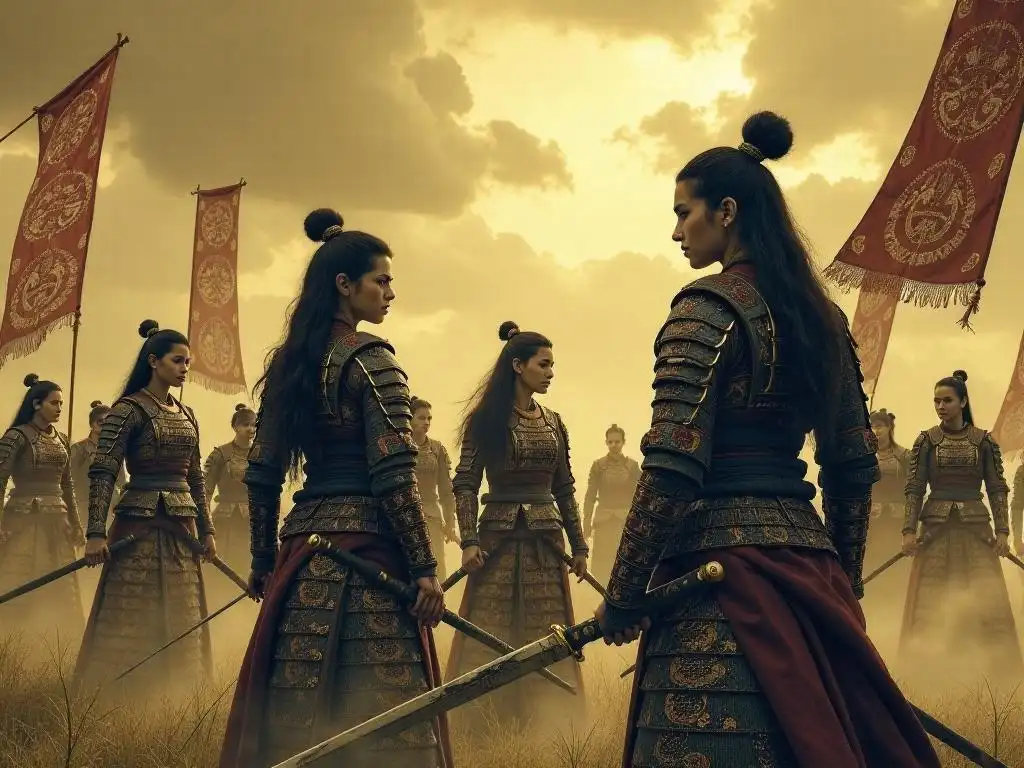
Welcome to Feudal Japan History, where we embark on a comprehensive exploration of Japan’s feudal era, uncovering the intricate tapestry of historical, cultural, and societal aspects that shaped this remarkable period. In our featured article, “Women in the Genpei War: Unsung Heroes and Their Contributions,” we delve into the pivotal yet often overlooked roles that women played during this tumultuous conflict.
Prepare to be fascinated as we shine a light on these courageous figures whose stories have been hidden in the shadows of history. Join us as we unravel their contributions and impact on the political landscape of the time— you won’t want to miss it!
Introduction to Women in the Genpei War
The Genpei War, fought between 1180 and 1185, was a pivotal conflict in Japanese history that led to the rise of the Kamakura shogunate and the decline of the Heian aristocracy. Often overshadowed by the celebrated tales of samurai warriors and noble clans, the contributions of women during this tumultuous period have remained largely unrecognized.
However, women played crucial roles, not only as supporters of their families and clans but also as active participants in the war efforts. This article delves into the often-overlooked narratives of women in the Genpei War, exploring their multifaceted roles, societal status, and the lasting impact they had on the evolution of feudal Japan.
Overview of the Genpei War
The Genpei War was primarily a struggle for power between the Taira and Minamoto clans, two of the most powerful families in Japan. This conflict was marked by significant battles, political intrigue, and the shifting loyalties of various factions. The war culminated in the decisive Battle of Dan-no-ura, where the Minamoto clan emerged victorious, leading to the establishment of the first shogunate in Japan.
While the battles and strategies are well-documented, the narratives of women who lived through these times often remain in the shadows. Women contributed in various capacities, from managing households during their husbands' absences to directly participating in military actions.
Significance of Women's Roles in Feudal Japan
In the context of feudal Japan, women were often viewed through the lens of their relationships to men—mothers, wives, and daughters of warriors. Despite this, their roles were far more dynamic and integral to the functioning of society. Women were not only responsible for the household but also engaged in economic activities such as farming and textile production. Furthermore, they played vital roles in cultural preservation by transmitting traditions, rituals, and stories. During the Genpei War, the resilience and resourcefulness of women became evident as they navigated the complexities of war-torn life, asserting their agency in a male-dominated society.
Historical Context of Women During the Genpei War
To fully understand the contributions of women in the Genpei War, it is essential to examine the historical context of their lives during the Heian and Kamakura periods. These eras were characterized by distinct social structures, cultural norms, and expectations that shaped women's experiences.
Social Status of Women in the Heian and Kamakura Periods
During the Heian period (794-1185), women enjoyed a relatively high status compared to later periods. They were educated, could own property, and participated in the cultural life of the court. However, with the emergence of the samurai class and the feudal system, women's status began to shift. In the Kamakura period (1185-1333), while social mobility became more rigidly defined, women still found ways to exert influence within their families and communities. Their roles as caretakers and mediators in family conflicts often positioned them as key figures in maintaining social stability.
Women's Contributions to Society Prior to the Genpei War
Before the Genpei War, women in Japan were instrumental in various aspects of daily life. They were responsible for household management, which included agricultural production and the crafting of textiles. Additionally, women often played crucial roles in religious practices, serving as priestesses in local shrines and temples.
The skills and knowledge they possessed not only supported their families but also contributed to the broader societal fabric of Japan. As the nation faced the impending conflict of the Genpei War, these foundations laid by women would become increasingly important, as their resilience and adaptability would be called upon in unprecedented ways.
Key Female Figures in the Genpei War
The Genpei War (1180-1185) was not solely a male-dominated conflict; women played significant roles that have often been overlooked in historical narratives. Key female figures emerged who impacted military strategies, political alliances, and the overall war effort. Their contributions are essential in understanding the broader context of this tumultuous period in Japanese history.
The Role of Hojo Masako in the Genpei War
Hojo Masako, the daughter of Hojo Tokimasa, was a pivotal figure during the Genpei War. After the defeat of the Taira clan, Masako married Minamoto no Yoritomo, the leader of the Minamoto clan. She wielded considerable influence as both a political strategist and a mediator, utilizing her family connections to bolster the Minamoto's position. Masako's political acumen was instrumental in forming alliances that helped shape the outcome of the war. Upon Yoritomo's death, she became a formidable regent, guiding the Kamakura shogunate and ensuring the Minamoto’s legacy endured, thus highlighting her essential role in the era’s power dynamics.
Tomoe Gozen: The Legendary Female Warrior
Tomoe Gozen stands out as one of the most celebrated female warriors of the Genpei War. Renowned for her beauty, bravery, and skill in battle, she fought valiantly alongside her husband, Minamoto no Yoshinaka. Historical accounts describe her as a fierce combatant who led troops into battle, demonstrating tactical prowess and exceptional martial abilities. Tomoe’s exploits became legendary, symbolizing not only the capabilities of women in warfare but also serving as a source of inspiration for future generations. Her story reflects the complexities of gender roles during this era, where women could embody both nurturing and warrior-like qualities.
The Influence of Women in Political Alliances
Women in feudal Japan were often key players in the formation of political alliances, particularly during the Genpei War. Marriages were strategic tools that linked powerful families and clans, and women frequently acted as negotiators and intermediaries. The unions formed through these marriages often resulted in strengthened military support and enhanced political stability. For example, the marriages and familial ties among the Hojo, Minamoto, and Taira clans illustrate how women facilitated alliances that were crucial for survival and success in the war. Their roles underscore the importance of female agency in the political landscape of the time.
Contributions of Women in the Genpei War
The contributions of women during the Genpei War extended beyond mere support roles; they actively shaped the conflict's course through various means.
Women as Strategists and Military Leaders
Women were not merely passive observers of the battles; they emerged as strategists and military leaders in their own right. Figures like Hojo Masako and Tomoe Gozen exemplify how women mobilized resources and troops, influencing military strategies. Women organized community efforts to support the war, such as gathering supplies, recruiting fighters, and even participating directly in combat. This highlights a significant shift in the perception of women's roles during wartime, showcasing their capabilities in leadership and strategic planning.
Contributions of Women in Logistics and Support Roles
Women played vital logistical roles that were essential to sustaining the war effort. They managed supply chains, prepared food, and tended to the wounded, ensuring that armies remained well-supported. Their involvement in logistical tasks was crucial, especially as men were often preoccupied with battle. Women’s work behind the scenes allowed for a more effective military operation, highlighting the importance of their contributions to the overall success of their respective clans.
The Impact of Women on Morale and Community during War
The presence of women during the Genpei War had a profound impact on the morale and cohesion of communities. They provided emotional support to soldiers and families, fostering a sense of unity and resilience in the face of adversity. Women organized community gatherings, offered prayers for the safety of warriors, and shared stories of bravery, serving as a source of inspiration. Their roles in maintaining morale were invaluable, as they helped to sustain the spirit of those involved in the conflict, ultimately contributing to the war’s dynamics and outcomes.
Cultural Representations of Women in the Genpei War
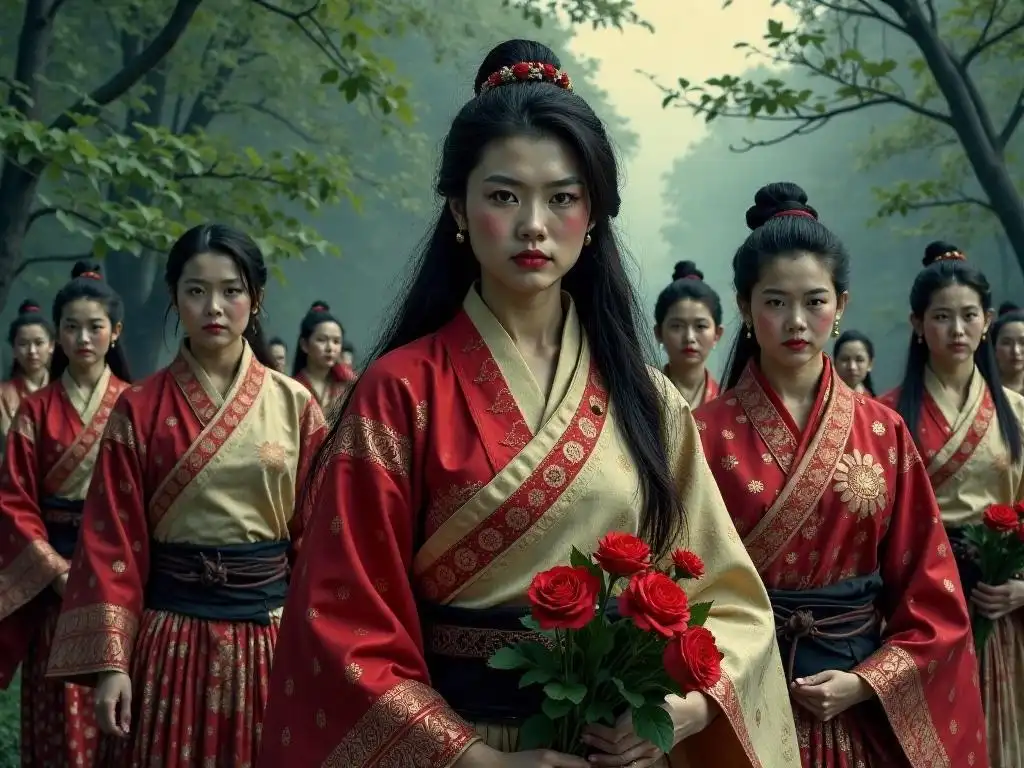
The Genpei War (1180-1185) was a pivotal conflict in Japanese history, marking the struggle between the Taira and Minamoto clans. While the focus often centers on the male warriors, the contributions and roles of women during this tumultuous period have been both profound and multifaceted. Cultural representations of women in this era reflect not only the societal norms but also the powerful and sometimes subversive roles that women played in the context of war. Literature, folklore, and the arts serve as vital lenses through which we can understand these representations.
Women were not merely passive figures; they were actively involved in the sociopolitical landscape of the time. Their depictions in cultural narratives often highlight themes of loyalty, courage, and sacrifice. From the heroic tales of women supporting their warrior husbands to narratives showcasing their strategic influence within the clans, these representations provide a rich tapestry that illustrates the complexities of women's lives during the Genpei War.
Literature and Folklore: Women in the Narratives of the Genpei War
Literature from the Genpei era, including epic tales and historical accounts, often features women in significant roles, emphasizing their impact on the events of the war. Works such as "The Tale of the Heike" showcase women as central figures, portraying them not just as supporters but as individuals with agency. For instance, the character of Tomoe Gozen stands out as a warrior woman who fought valiantly alongside her male counterparts, defying the traditional gender roles of her time.
Folklore also plays a vital role in shaping the image of women during this period. Various stories depict women as protectors of their families and clans, highlighting their resilience in the face of adversity. These narratives are essential in understanding how women were perceived and the vital roles they played, often acting as the emotional and strategic backbone of their families during the war.
Artistic Depictions of Female Figures in the Context of War
In addition to literature, artistic representations of women during the Genpei War further illustrate their roles. Traditional ukiyo-e woodblock prints and paintings from the Edo period often depict women in various capacities, from warriors to grieving mothers. These artworks not only capture the physicality of women engaged in the war but also convey their emotional depth and the burdens they carried.
The visual arts reflect societal attitudes toward women during the conflict. While some artworks romanticize the ideal of the dutiful wife or the sorrowful mother, others celebrate the bravery of women warriors, thus challenging the existing gender norms. These artistic expressions serve as historical documents that reveal the complexities of women's experiences and contributions during the Genpei War.
Myths and Realities of Women's Roles in the Genpei War
The narratives surrounding women's roles in the Genpei War are often clouded by myths and misconceptions. To fully appreciate the contributions of women during this era, it is crucial to distinguish between the romanticized legends and the historical realities of their influence and power.
Common Misconceptions about Women’s Contributions
One prevalent misconception is that women were solely passive observers of the conflicts, limited to domestic roles. This stereotype overlooks the substantial contributions that women made, both in direct participation and through indirect influence. While many women did fulfill traditional roles, such as caretakers and homemakers, numerous accounts demonstrate that they also engaged in wartime activities, including espionage, logistics, and even combat.
Additionally, the belief that women's involvement was minimal fails to recognize the strategic importance of their roles in familial and clan dynamics. Women often acted as mediators, negotiators, and even leaders in the absence of their male counterparts, especially during times of crisis. These contributions, though often overlooked, were integral to the survival and success of their clans.
The Reality of Women's Influence and Power during the War
The reality of women's influence during the Genpei War is far more nuanced than commonly perceived. Many noblewomen held significant power within their clans, managing affairs and making critical decisions in the absence of men. For instance, women like Hojo Masako, who later became a pivotal figure in Japanese politics, demonstrated that women could wield considerable influence in the feudal system.
Moreover, women were instrumental in maintaining morale and unity within their communities. They often took on roles as leaders, inspiring loyalty and resilience among their kin. The complexities of their contributions reveal a dynamic interplay of gender roles, where women navigated and sometimes subverted the expectations placed upon them by society.
Reevaluating the narratives and representations of women during the Genpei War uncovers a rich history of unsung heroes whose contributions were vital to the sociopolitical landscape of the time. Understanding these aspects is essential for a comprehensive exploration of Japan's feudal history.
Conclusion: The Legacy of Women in the Genpei War
The Genpei War (1180-1185) not only marked a pivotal moment in Japanese history but also highlighted the critical roles played by women, often overlooked in traditional narratives. These women, whether as warriors, strategists, or caretakers, contributed significantly to the war's dynamics and outcomes. Their legacy is reflected in various aspects of Japanese culture and history, influencing subsequent generations and shaping the societal perception of women's capabilities in times of conflict.
The contributions of women during the Genpei War serve as a poignant reminder of the complexity of historical narratives. By examining their roles and acknowledging their sacrifices, we gain a fuller understanding of this tumultuous period. The women's stories from the Genpei War challenge the dominant male-centric narratives and invite us to re-evaluate the importance of women's contributions in shaping history.
Lasting Impact on Japanese History and Culture
The impact of women in the Genpei War extends beyond the battlefield. Their involvement influenced various cultural aspects, including literature, folklore, and art. For instance, the legendary tales of women like Tomoe Gozen, a skilled warrior, have been immortalized in numerous literary works, symbolizing the strength and resilience of women in feudal Japan. These narratives have inspired countless adaptations in modern media, reflecting a growing recognition of women's contributions to Japanese heritage.
Moreover, the participation of women in the Genpei War contributed to evolving gender roles in Japanese society. While traditional views often relegated women to domestic spheres, the war showcased their capacity for leadership and bravery. This shift gradually paved the way for greater agency and recognition of women's roles in subsequent historical periods, influencing societal expectations and the framework of women's rights in Japan.
Recognition of Unsung Heroes in Modern Scholarship
In recent years, modern scholarship has begun to unearth the stories of these unsung heroes, providing a more nuanced understanding of their contributions during the Genpei War. Researchers are increasingly focusing on women's roles in military strategies, logistics, and morale-boosting, which were often as crucial as their male counterparts' actions.
Many historians emphasize the need to integrate women's experiences into broader historical narratives. This work involves revisiting historical texts and examining them through a feminist lens, revealing the complexities of women's involvement in feudal conflicts. As these narratives gain traction, they enrich our understanding of the Genpei War and highlight the importance of inclusive historiography.
Further Reading on Women in Feudal Japan
Recommended Books and Articles on Women's Roles in Feudal Japan
-
“Women and War in Japan: The Role of Women in the Genpei War” by [Author Name]
This book delves into the specific contributions of women during the Genpei War, offering in-depth analyses and personal accounts.
-
“Samurai Women: The Untold Story of the Female Warriors” by [Author Name]
This work explores the broader context of women's roles in samurai culture, including the Genpei War, highlighting their contributions to warfare and society.
-
“The Silent Warriors: Women in Feudal Japan” by [Author Name]
A comprehensive examination of women's experiences during Japan's feudal era, this text discusses the societal expectations and roles women navigated.
-
“Tomoe Gozen: The Warrior Woman of the Genpei War” by [Author Name]
This article focuses specifically on the legendary figure of Tomoe Gozen, analyzing her contributions and the cultural implications of her legacy.
Resources for Exploring the Genpei War and Its Key Figures
- Online Archives and Databases
- The National Archives of Japan: A rich resource for primary documents related to the Genpei War.
- Japanese Historical Society: Offers access to a range of scholarly articles and publications on feudal Japan.
- Documentaries and Educational Videos
- “The Genpei War: A Tale of Honor and Conflict”: This documentary provides visual insight into the war and the roles of women.
- YouTube Channels like “Japanese History Explained”: Feature discussions on the Genpei War and its key figures, including women’s contributions.
- Academic Journals
- The Journal of Japanese History: Regularly publishes articles focusing on various aspects of Japan’s feudal era, including gender studies and women's history.
By engaging with these resources, readers can enhance their understanding of the significant yet often overlooked roles of women in the Genpei War, fostering a more inclusive view of this formative period in Japanese history.
- Introduction to Women in the Genpei War
- Historical Context of Women During the Genpei War
- Key Female Figures in the Genpei War
- Contributions of Women in the Genpei War
- Cultural Representations of Women in the Genpei War
- Myths and Realities of Women's Roles in the Genpei War
- Conclusion: The Legacy of Women in the Genpei War
- Further Reading on Women in Feudal Japan
Frequently Asked Questions
What role did women play in the Genpei War?
Women played a significant role in the Genpei War, often serving as strategic advisors, defenders of their homes, and even warriors, showcasing their courage and resourcefulness.
Were there any notable women warriors during the Genpei War?
Yes, several women, such as Tomoe Gozen, are celebrated for their valor and combat skills, often fighting alongside men and contributing to key battles during the conflict.
How did societal views of women change during the feudal era?
During the feudal era, women's roles evolved, with some gaining recognition as warriors or leaders. However, societal norms generally confined them to domestic duties, contrasting with their contributions in times of conflict.
What impact did the Genpei War have on women's status in Japan?
The Genpei War highlighted women's capabilities in leadership and warfare, eventually leading to a gradual shift in how they were perceived, although traditional views often remained dominant in society.
Are there any modern representations of women from the Genpei War?
Yes, contemporary literature, films, and art often depict women from the Genpei War, emphasizing their heroism and struggles, helping to reclaim their stories in Japan’s rich historical narrative.
Final Reflection: Honoring the Unsung Heroes of the Genpei War
The contributions of women during the Genpei War are not merely historical footnotes; they are vital threads woven into the fabric of a pivotal era in Japanese history. As we explore the narratives of these remarkable women, we uncover their resilience, bravery, and strategic acumen, which played crucial roles in shaping the outcomes of battles and the lives of those around them. Today, as we navigate a world still grappling with gender inequality, the stories of these unsung heroes remind us that the fight for recognition and equality is ongoing.
The impact of women in the Genpei War extends far beyond the battlefield; it resonates through our cultural and social landscape today. Their stories inspire us to acknowledge the often-overlooked contributions of women throughout history. As we reflect on their bravery, we can draw parallels to contemporary movements advocating for women's rights and representation. History is written by the victors, but it is the voices of the unsung that often tell the truest stories.
This quote encapsulates the need to amplify the voices of those who have been marginalized, reminding us that every contribution matters.
As we conclude this exploration of women in the Genpei War, I invite you to reflect on how the lessons from their lives can inspire action in your own. Consider how you can honor the legacy of these women by advocating for equality and recognition in your community. Whether through education, activism, or simply sharing their stories, each of us has the power to ensure that the contributions of women—past and present—are celebrated and remembered. Let us carry forward their spirit of resilience and courage as we strive for a more inclusive future.
Honor Their Legacy: Take Action Today!
Thank you for exploring the remarkable contributions of women during the Genpei War with us! You've gained insight into how these unsung heroes shaped history, and now it’s time to honor their legacy. Let’s not just learn but also take action to keep their stories alive!
- Dive deeper into this fascinating chapter of history by reading about individual women warriors and their incredible stories. Consider visiting your local library or searching online for books dedicated to the influential female figures of feudal Japan.
- Share your insights with friends and followers on social media! Start a discussion about the significant roles women played in history and encourage others to explore their contributions.
- Join a community group or online forum focused on historical research and preservation. Your voice can help bring awareness and recognition to these powerful figures.
What unique perspectives or stories about women in history inspire you the most?