
The Evolution of Leadership: Key Figures in Japan’s Unification Story

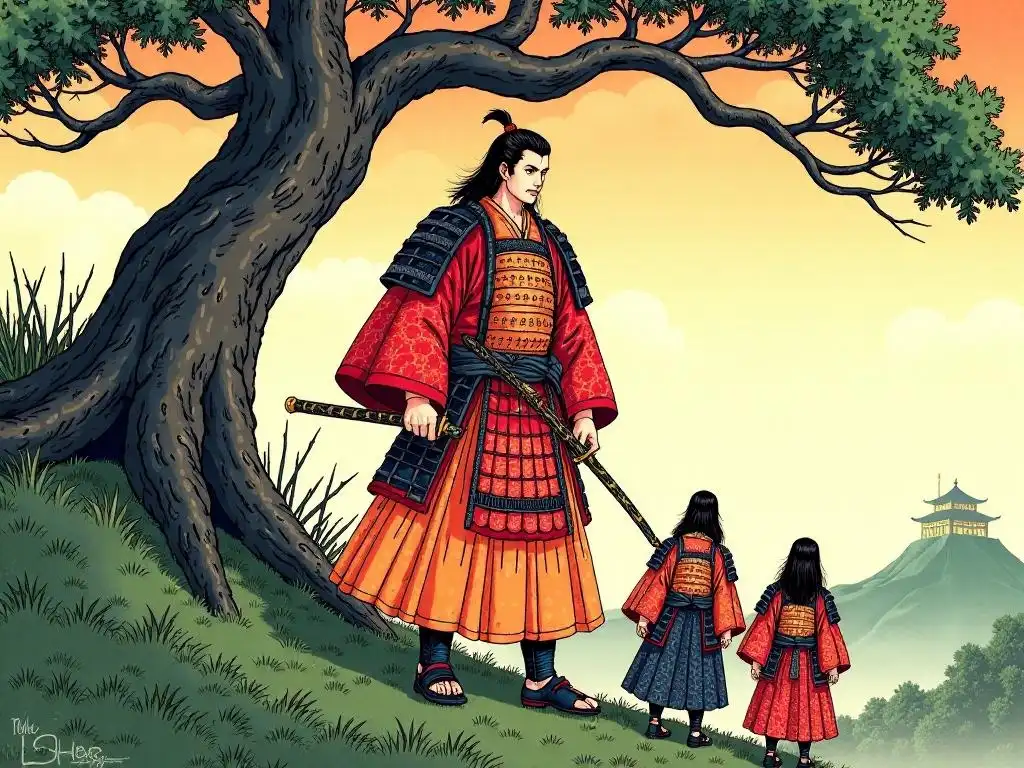
Welcome to Feudal Japan History, where we embark on a captivating journey through the intricate tapestry of Japan's feudal era. Here, we delve into the lives and legacies of the key figures in Japan's unification, exploring their profound impact on the nation’s political landscape. Discover how these leaders navigated the tumultuous waters of power and ambition to shape a unified Japan. Curious to learn about the dynamic personalities behind this historical transformation? Join us as we unravel the fascinating stories that defined an era, inviting you to explore deeper into the rich narrative of political history.
Introduction to Japan's Unification
The unification of Japan during the late 15th to the early 17th centuries marks a pivotal chapter in the nation's history, characterized by transformative shifts in political power, cultural identity, and societal structure. This era, known as the Sengoku period, was defined by incessant warfare among rival clans, each vying for dominance in a fractured landscape.
However, it was the emergence of formidable leaders who wielded both military prowess and strategic acumen that ultimately paved the way for Japan's unification. This article delves into the key figures in Japan's unification story, examining their influence, motivations, and the lasting impact of their leadership on the nation.
Overview of Japan's Feudal Era
Japan's feudal era extends from the late 12th century, marked by the emergence of the Kamakura shogunate, to the mid-19th century when the Meiji Restoration signaled the end of feudalism. During this extensive period, power was decentralized, with local lords (daimyōs) controlling vast territories and engaging in frequent conflicts. The samurai class emerged as the ruling elite, adhering to a strict code of honor and loyalty.
The feudal structure fostered a complex societal hierarchy and cultural developments, including the rise of Zen Buddhism, tea ceremonies, and traditional arts. Understanding this backdrop is crucial to grasping the significance of the key figures who would later drive the unification of Japan.
Importance of Leadership in Historical Context
Leadership played an instrumental role in shaping Japan's trajectory during the feudal era. Charismatic leaders emerged as central figures, not just in military campaigns but also in diplomacy, governance, and cultural patronage. The ability to inspire loyalty, forge alliances, and maintain stability in tumultuous times was essential for the consolidation of power.
The strategic decisions made by these leaders, often involving military tactics and political maneuvering, had far-reaching consequences. Thus, analyzing the leadership styles and contributions of key figures in this period provides valuable insights into how Japan transitioned from a fragmented nation into a unified empire.
Key Figures in Japan's Unification
Introduction to Major Leaders
The narrative of Japan's unification is incomplete without acknowledging the major leaders whose visions and actions shaped the course of history. Key figures such as Oda Nobunaga, Toyotomi Hideyoshi, and Tokugawa Ieyasu each played distinct roles in this transformative journey.
- Oda Nobunaga: Often regarded as the initiator of the unification process, Nobunaga's innovative military strategies and ruthless tactics dismantled traditional power structures.
- Toyotomi Hideyoshi: A former peasant who rose to prominence under Nobunaga, Hideyoshi is credited with furthering unification efforts and implementing significant social reforms.
- Tokugawa Ieyasu: The ultimate victor in the power struggle, Ieyasu established the Tokugawa shogunate, which would bring about a long-lasting peace known as the Edo period.
These leaders exemplify the diverse approaches to governance and military strategy that characterized this era of unification.
The Role of Leadership in Unifying Japan
The leadership styles of these key figures were critical in navigating the political landscape of feudal Japan. Each leader's ability to adapt to changing circumstances, forge alliances, and consolidate power was instrumental in overcoming regional conflicts.
- Military Innovation: Nobunaga's use of firearms and Hideyoshi's logistical prowess transformed warfare in Japan.
- Diplomatic Alliances: Strategic marriages and treaties facilitated the expansion of influence and territory.
- Cultural Patronage: The leaders also recognized the importance of culture in solidifying their power, promoting arts and religion that fostered a sense of national identity.
The evolution of leadership during Japan's unification was marked by groundbreaking strategies and decisive actions that ultimately shaped the modern state of Japan, making the study of these key figures essential for understanding the complexities of its political history.
Oda Nobunaga: The Innovator
Background and Early Life of Oda Nobunaga
Oda Nobunaga, born in 1534, was the second son of Oda Nobuhide, a minor daimyo in the Owari Province. His early life was marked by instability and power struggles, which characterized the Sengoku period. After his father's death in 1551, Nobunaga inherited control of the Oda clan at a young age, facing the challenge of asserting his authority amidst rival clans. His unconventional approach and willingness to embrace change set the stage for his later innovations in both military and governance.
Military Strategies and Tactics
Nobunaga is renowned for his revolutionary military strategies that transformed Japanese warfare. He was one of the first to utilize firearms effectively in battle, exemplified in the Battle of Nagashino in 1575, where his troops used a three-line firing technique that devastated the cavalry charges of the Takeda clan. Moreover, he implemented rigorous training and discipline among his soldiers, emphasizing speed, mobility, and surprise tactics. His approach to warfare encouraged a shift from traditional samurai combat to more structured military formations, which would influence future leaders in Japan.
Impact on Japan's Unification Process
Oda Nobunaga played a crucial role in the early stages of Japan's unification. His conquests expanded Oda territory significantly, capturing key cities and territories, including Kyoto in 1568. Nobunaga's ambition to unify Japan was underscored by his pragmatic alliances with other powerful daimyos, as well as his ruthless elimination of rivals. By destabilizing the existing power structures, he laid the groundwork for the eventual unification of Japan under the Tokugawa shogunate. His legacy as an innovator and a precursor to unification is evident in his forward-thinking governance, which embraced commerce and cultural exchange.
Toyotomi Hideyoshi: The Unifier

Rise to Power: Toyotomi Hideyoshi's Journey
Toyotomi Hideyoshi, originally born as a peasant in 1537, rose to prominence through sheer determination and military prowess. After serving under Oda Nobunaga, he became a trusted general and played a significant role in Nobunaga's campaigns. Following Nobunaga's assassination in 1582, Hideyoshi quickly maneuvered to consolidate power, avenging his lord's death and defeating rival clans. By 1590, he had succeeded in unifying most of Japan, establishing himself as the preeminent leader and eventually adopting the title of “Kampo,” or “the Great Minister of State.”
Key Policies and Reforms
Hideyoshi implemented several key policies that facilitated his unification efforts. His land surveys, known as the "Taikō Kenchi," reallocated land based on productivity, ensuring a more efficient taxation system and diminishing the power of local daimyos. Additionally, he enforced the "sword hunt" policy, which disarmed the peasantry and consolidated military power under his rule. Hideyoshi’s promotion of trade and commerce, alongside the construction of the famous Osaka Castle, further solidified his control and encouraged economic stability across Japan.
Contributions to Japan's Political Landscape
Toyotomi Hideyoshi's contributions to Japan's political landscape were pivotal in shaping the future of the nation. His policies promoted social mobility, allowing for a more meritocratic structure within the samurai class. He also initiated campaigns to invade Korea, which, although ultimately unsuccessful, showcased his ambition for expansion and influence beyond Japan. Hideyoshi’s legacy as the unifier of Japan is marked by his ability to blend military strength with innovative governance, setting the stage for the enduring Tokugawa shogunate that followed.
Tokugawa Ieyasu: The Stabilizer
Tokugawa Ieyasu stands as one of the most pivotal figures in the history of Japan's unification, marking the transition from a period of civil strife to a long era of stability and peace known as the Edo period. His strategies and leadership style not only solidified his power but also laid the groundwork for the political landscape of Japan for centuries to come.
Early Life and Political Ascent
Born in 1543 in a tumultuous era of warfare, Ieyasu was the son of a minor daimyo. His early life was marked by the chaos of the Sengoku period, during which he was captured by rival clans, leading him to experience firsthand the instability of his environment. Eventually, he became a retainer of the powerful warlord Oda Nobunaga, where he honed his military and political skills.
Ieyasu's political ascent began in earnest after the death of Nobunaga in 1582. He aligned himself with Toyotomi Hideyoshi, another key figure in Japan's unification. Through a series of strategic marriages and alliances, Ieyasu secured a significant power base. His ability to navigate the complex political landscape of the time enabled him to emerge as one of the foremost leaders in Japan, setting the stage for his eventual consolidation of power.
Establishing the Tokugawa Shogunate
The decisive moment in Ieyasu's career came at the Battle of Sekigahara in 1600, where he defeated a coalition of rival warlords. This victory effectively gave him control over Japan, and in 1603, he was appointed shogun, establishing the Tokugawa Shogunate. This marked the beginning of a new era characterized by strict social order, isolationist policies, and a focus on internal stability.
Under Ieyasu's rule, the shogunate implemented policies that centralized power and reduced the influence of the daimyo, leading to a stable governance structure. The establishment of the sankin-kōtai system required daimyos to spend every other year in Edo (modern-day Tokyo), further ensuring loyalty and reducing the potential for rebellion. Ieyasu's leadership created a lasting framework that governed Japan until the Meiji Restoration in the late 19th century.
Long-term Effects on Japan’s Political Structure
The Tokugawa Shogunate, founded by Ieyasu, brought about significant long-term effects on Japan’s political structure. The shogunate’s policies fostered a period of peace known as the Pax Tokugawa, allowing for economic growth, cultural development, and a flourishing of the arts. However, it also created a rigid class structure that would later contribute to social unrest.
Ieyasu's emphasis on centralized authority set the precedent for future Japanese governance, where the shogunate maintained control over the feudal lords. The legacy of his reign is evident in the stability and relative isolation that characterized Japan until the 19th century, shaping the nation’s identity and political landscape.
The Influence of Other Key Figures
While Tokugawa Ieyasu was a central figure in Japan's unification, several other leaders played critical roles in shaping the country’s destiny. Their contributions varied from military prowess to political strategy, each leaving an indelible mark on the history of Japan.
Uesugi Kenshin: The Warrior of the North
Uesugi Kenshin, known as the "Warrior of the North," was a formidable daimyo during the Sengoku period. Renowned for his military skills and chivalric code, Kenshin was a key player in the power struggles of the time. His rivalry with Takeda Shingen resulted in some of the most famous battles in Japanese history, showcasing his tactical genius.
Despite his military focus, Kenshin was also a patron of the arts and Buddhism, promoting cultural development in his domains. His death in 1578 left a power vacuum in the north, which ultimately influenced the unification efforts led by Ieyasu and other leaders.
Date Masamune: The One-Eyed Dragon
Date Masamune, often referred to as the "One-Eyed Dragon," was a notable daimyo in the Tohoku region. Despite losing an eye to smallpox, Masamune became a respected and influential leader known for his ambition and military acumen. His efforts to unify the fragmented northern territories significantly contributed to the overall unification of Japan.
Masamune was also a forward-thinking leader who embraced trade and cultural exchanges with foreign powers, such as the Spanish and Portuguese. His vision of a unified Japan included not only military might but also economic development, positioning him as a key figure in the broader unification narrative.
Other Notable Leaders and Their Contributions
In addition to Ieyasu, Kenshin, and Masamune, several other leaders played crucial roles in Japan's unification efforts. Figures such as Oda Nobunaga, whose innovative tactics and ruthless ambition paved the way for unification, and Toyotomi Hideyoshi, who further consolidated power after Nobunaga's death, were instrumental in shaping the era.
- Oda Nobunaga: Implemented revolutionary military strategies, leading to significant territorial gains.
- Toyotomi Hideyoshi: Unified Japan after Nobunaga, known for his land surveys and tax reforms.
- Hojo Ujiyasu: A defender of the Kanto region, known for his defensive strategies against Ieyasu's forces.
These leaders collectively contributed to the complex tapestry of alliances, betrayals, and battles that characterized the unification of Japan, highlighting the multi-faceted nature of this historical process.
The Cultural Impact of Leadership during Unification
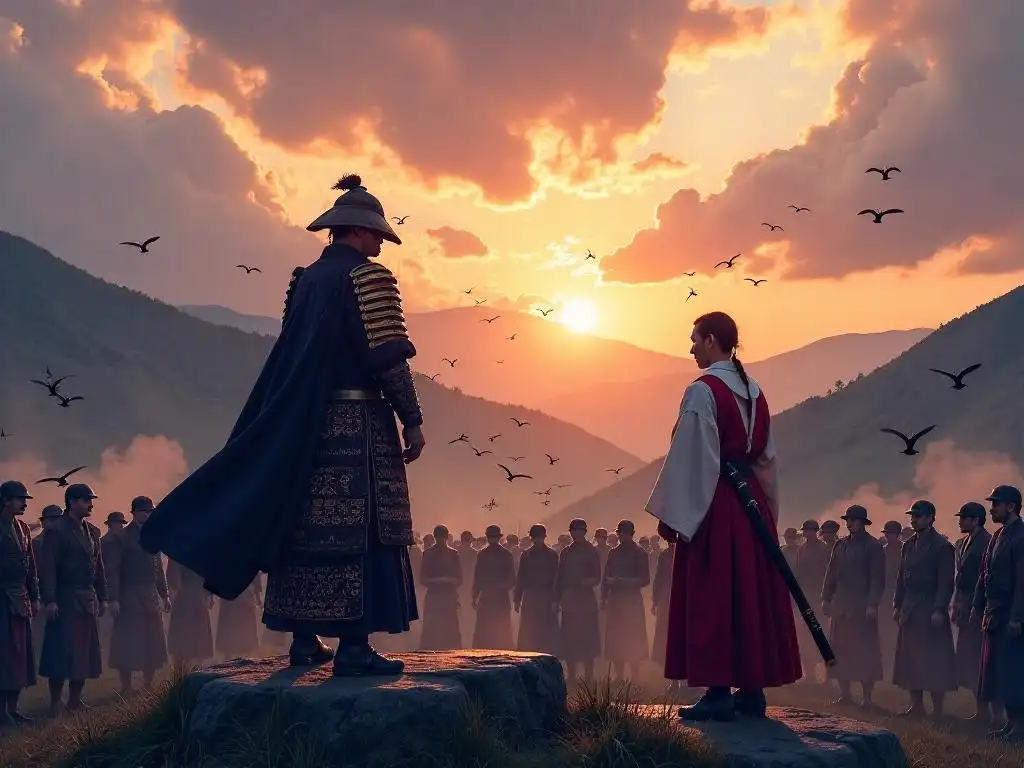
The period of Japan's unification, particularly during the late 16th century to the early 17th century, was not only significant in terms of political consolidation but also had a profound cultural impact on the nation. The key figures in this era played pivotal roles in not only unifying the various warring factions but also in fostering a shared cultural identity among the Japanese people. As leaders sought to establish stability and governance, they simultaneously influenced art, religion, and societal norms, which would have lasting effects on Japanese culture.
The unification period saw the rise of prominent leaders like Oda Nobunaga, Toyotomi Hideyoshi, and Tokugawa Ieyasu, each contributing to a cultural renaissance. Nobunaga, for instance, was known for his patronage of the arts and his efforts to promote the tea ceremony, which became a significant cultural practice.
Hideyoshi continued this trend, encouraging the development of Noh theater and the cultivation of traditional Japanese gardens, which became symbols of harmony and aesthetic beauty. Under Tokugawa's rule, the Edo period, Japan experienced a flourishing of popular culture, including literature and ukiyo-e woodblock prints, which depicted everyday life and historical events, thus solidifying a common cultural narrative.
Changes in Society and Culture
The unification of Japan led to substantial changes in societal structures and cultural practices. As the power of the samurai class was consolidated, a new social order emerged, which included the rise of the merchant class. This shift allowed for greater cultural exchange and interaction between different social groups, leading to a more diverse cultural landscape. The establishment of stable governance under the Tokugawa shogunate also facilitated the growth of urban centers, where arts and culture thrived.
During this time, Confucian ideals were promoted, influencing education and social hierarchy. The samurai class began to adopt these principles, which emphasized loyalty, duty, and moral integrity. This cultural shift helped to shape the national identity, fostering a sense of pride and unity among the populace. Festivals, literature, and artistic expressions began to reflect the values of loyalty and harmony, ingraining these concepts into the fabric of Japanese society.
The Role of Leadership in Shaping National Identity
Leadership during Japan's unification played a crucial role in shaping a collective national identity. The actions and policies of leaders like Nobunaga, Hideyoshi, and Ieyasu not only aimed at military conquest but also at the consolidation of a unified national ethos. Their emphasis on cultural patronage helped to foster a sense of belonging and shared history among the diverse populations of Japan.
Nobunaga's innovative military strategies and his pursuit of control over trade routes encouraged economic integration, which was vital for forming a cohesive national identity. Hideyoshi's edicts, which included the prohibition of internal warfare among samurai, further solidified the notion of a peaceful and united Japan. Ieyasu’s establishment of the Tokugawa shogunate marked the culmination of these efforts, as it provided a stable political framework that allowed for continued cultural development and the promotion of a singular Japanese identity rooted in shared traditions and values.
Conclusion: The Legacy of Key Figures in Japan's Unification
The legacy of the key figures in Japan's unification is multifaceted, encompassing not only the political landscape but also the cultural and societal transformations that emerged from their leadership. The unification process was marked by significant contributions from these leaders, who shaped the course of Japanese history through their vision and policies.
Summary of Contributions
Oda Nobunaga, Toyotomi Hideyoshi, and Tokugawa Ieyasu each made distinct contributions that paved the way for a unified Japan. Nobunaga's military innovations and cultural patronage set the stage for unification. Hideyoshi's consolidation of power and cultural advancements, particularly in the arts, further united the nation under a common cultural banner. Finally, Tokugawa Ieyasu’s establishment of a long-lasting shogunate ensured political stability and the continued flourishing of culture and identity throughout the Edo period.
Lasting Influence on Modern Japan
The impact of these key figures extends into modern Japan, where their legacies continue to shape the national consciousness. The values of loyalty, duty, and harmonious living, emphasized by the leadership during the unification, remain integral to Japanese culture today. Moreover, the artistic and cultural advancements initiated during this era laid the groundwork for contemporary Japanese art, literature, and societal norms. The unification of Japan is not merely a historical event but a foundational chapter that resonates in the collective identity of the nation, influencing its trajectory into the present day.
Further Reading and Resources
To gain a deeper understanding of the key figures in Japan's unification and the broader historical context, a variety of resources are available. Here are some recommended books and online resources that provide valuable insights into this transformative period in Japanese history.
Recommended Books on Japan's Unification
-
"The Making of Modern Japan" by Judith Merritt
This comprehensive work offers an in-depth analysis of Japan's transition from feudalism to a modern state, highlighting key figures and events that shaped the unification process.
-
"Samurai and Silk: A Japanese and American Heritage" by Patricia J. Graham
This book explores the cultural dimensions of Japan's unification while shedding light on influential samurai leaders who played pivotal roles in the process.
-
"Japan: A History" by John Whitney Hall
Hall’s narrative provides a complete overview of Japanese history, with a specific focus on the unification era and the significant figures involved.
-
"The Last Samurai: The Life and Battles of Saigo Takamori" by Mark Ravina
A detailed account of one of the last samurai who fought for the unification of Japan, offering insights into his life and the historical context of his actions.
-
"Unification of Japan: A Historical Overview" by William G. Beasley
This book delves into the political and military aspects of Japan’s unification, focusing on the strategies employed by key leaders.
Online Resources for Deeper Exploration
-
National Diet Library (Japan)
The National Diet Library’s website hosts a plethora of resources, including historical documents and publications relevant to Japan's unification.
-
Japan Society
This organization provides educational resources and events related to Japanese history, including lectures and articles focused on the unification period.
-
The Samurai Archives
An online repository dedicated to samurai history, this resource offers a wealth of information on the samurai class and key figures in Japan’s unification, including primary sources and scholarly articles.
-
The Asia-Pacific Journal: Japan Focus
This academic journal features articles and essays on various aspects of Japanese history, including thematic explorations of the unification era and its leaders.
-
YouTube: Educational Channels
Several channels, such as "The History Guy" and "Extra Credits," provide accessible video content discussing key figures in Japan's unification, making complex historical narratives easier to understand.
These resources serve as a springboard for those interested in delving deeper into the fascinating story of Japan's unification and the remarkable individuals who shaped its course.
- Introduction to Japan's Unification
- Key Figures in Japan's Unification
- Oda Nobunaga: The Innovator
- Toyotomi Hideyoshi: The Unifier
- Tokugawa Ieyasu: The Stabilizer
- The Influence of Other Key Figures
- The Cultural Impact of Leadership during Unification
- Conclusion: The Legacy of Key Figures in Japan's Unification
- Further Reading and Resources
Frequently Asked Questions
What were the main events leading to Japan's unification?
The unification of Japan occurred during the 16th and 17th centuries, primarily through the actions of key leaders like Oda Nobunaga, Toyotomi Hideyoshi, and Tokugawa Ieyasu, who played pivotal roles in consolidating power and territory.
Who were the key figures in Japan's unification?
The key figures in Japan's unification include Oda Nobunaga, who initiated the process, Toyotomi Hideyoshi, who completed the unification, and Tokugawa Ieyasu, who established a lasting military government after unification.
How did the leadership styles of these figures differ?
Oda Nobunaga was known for his brutal tactics and innovative approaches, while Toyotomi Hideyoshi focused on diplomacy and cultural integration. Tokugawa Ieyasu, on the other hand, emphasized stability and control through a rigid class system and governance.
What impact did these leaders have on Japanese society?
The unification leaders dramatically altered Japanese society by promoting centralized governance, fostering economic growth, and establishing a peaceful era known as the Edo period, which allowed for cultural and artistic flourishing.
How does the feudal era influence modern Japan?
The feudal era's leadership laid the groundwork for the political and social structures in modern Japan, influencing contemporary governance, cultural values, and national identity, reflecting the lasting impact of key figures in Japan's unification.
Final Reflection: The Enduring Legacy of Leadership in Japan's Unification
The evolution of leadership during Japan's unification is not just a historical narrative; it is a powerful reminder of how visionary figures can shape the destiny of a nation. Today, as we navigate a world marked by rapid change and uncertainty, the lessons drawn from the key figures in Japan's unification resonate more than ever. Their ability to inspire, innovate, and unite diverse factions serves as a blueprint for contemporary leaders facing complex challenges in our global society.
Culture and society are continuously influenced by the legacies of past leaders, and the impact of these key figures in Japan's unification is no exception. Their stories remind us that effective leadership is rooted in understanding, collaboration, and a commitment to a greater vision. As the historian John W. Dower aptly stated, The past is never dead. It's not even past.
This quote encapsulates how the principles of leadership established during Japan's unification continue to inform our understanding of governance and community building today.
As you reflect on the themes presented in this article, consider how the lessons of these historical leaders can be applied in your own life. Embrace the opportunity to lead with purpose and integrity, drawing inspiration from the past to navigate the complexities of the present. Each of us has the potential to be a key figure in our own stories, influencing those around us and contributing to a more unified and harmonious future.
Unveil Your Leadership Journey Today!
Thank you for exploring the rich tapestry of Japan's unification and the influential leaders who shaped its destiny. Your curiosity about these pivotal figures is the first step toward understanding the deeper lessons of leadership and strategy throughout history.
Now, it’s time to take action! Here’s how you can embrace these insights and engage further:
- Reflect on the Leadership Styles of key figures discussed in this article and identify which qualities resonate with you.
- Join our online community to share your thoughts on leadership in today's world or compare it to those historical figures.
- Explore additional resources on our website, where you can find interviews, podcasts, and more about how these leaders overcame challenges.
Are you ready to evolve your own leadership approach by drawing inspiration from Japan’s past? Let us know how you plan to incorporate these lessons into your life!