
The Samurai Class in Crisis: Internal Conflicts and Their Political Ramifications

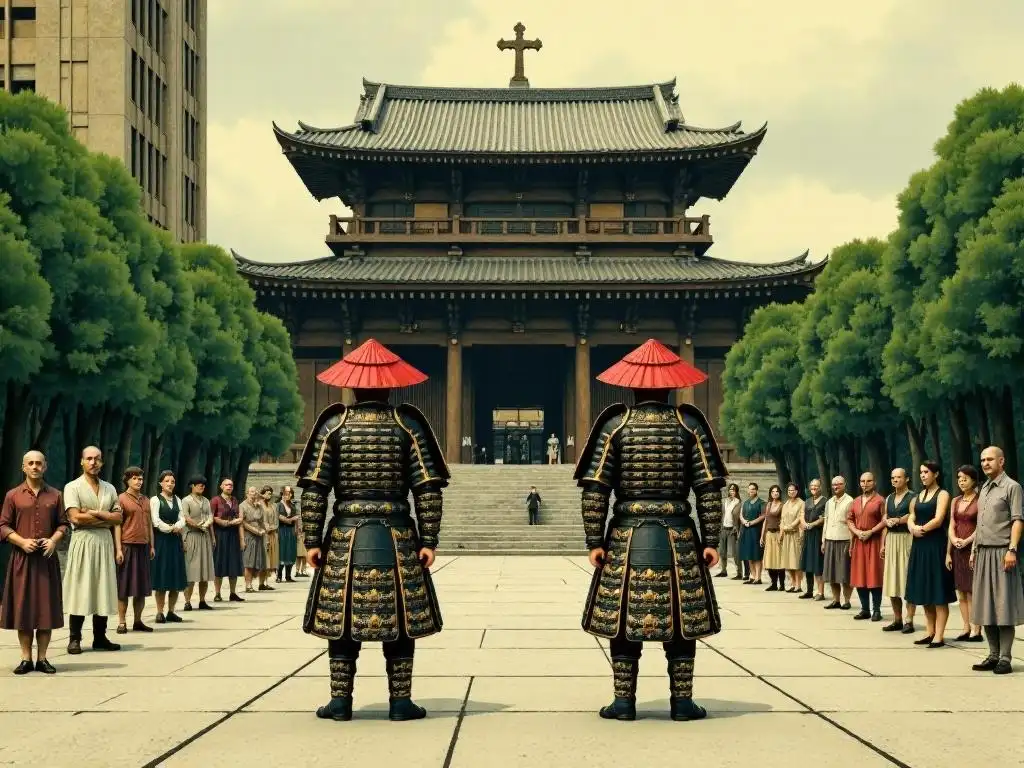
Welcome to Feudal Japan History, where the intricate tapestry of Japan's feudal era unfolds before you. Delve into our latest feature, “The Samurai Class in Crisis: Internal Conflicts and Their Political Ramifications,” and uncover the fascinating dynamics of the samurai class internal conflicts that shaped the landscape of political power during this tumultuous time. What drove these legendary warriors to discord, and how did their struggles influence the course of Japan's history? Join us on this captivating journey and ignite your curiosity as we unravel the complexities of a society at odds with itself. Your exploration begins now!
Introduction to the Samurai Class and Its Importance in Feudal Japan
The samurai class holds a prominent place in the historical narrative of feudal Japan, serving as both warriors and noblemen who shaped the political and cultural landscape of the era. Emerging during the late Heian period (794-1185), the samurai were initially tasked with protecting the interests of the aristocracy. However, over time, they evolved into a powerful social class with significant influence over political affairs. This article delves into the internal conflicts within the samurai class, exploring how these disputes not only reflected the class's struggles but also had profound political ramifications that altered the course of Japanese history.
Overview of the Samurai Class in Feudal Japan
The samurai class was characterized by a strict code of conduct known as Bushido, which emphasized loyalty, honor, and martial prowess. This code not only defined the behavior of the samurai but also reinforced their role as elite warriors in service to feudal lords, known as daimyō.
Key characteristics of the samurai class included:
- Military Training: Samurai were skilled in various forms of combat, including archery, swordsmanship, and horseback riding.
- Land Ownership: Many samurai were granted land in exchange for their service, creating a feudal system that linked loyalty to land.
- Cultural Contributions: Beyond their martial duties, samurai also engaged in cultural pursuits such as poetry, tea ceremonies, and calligraphy.
As the feudal system became more entrenched, the samurai class's influence grew, making them pivotal players in the political dynamics of Japan.
Significance of Internal Conflicts within the Samurai Class
Internal conflicts within the samurai class often stemmed from power struggles, personal rivalries, and differing allegiances. These conflicts were not merely personal disputes; they had broader implications for the political landscape of feudal Japan. Some key points to consider include:
- Factionalism: Divisions within the samurai class led to the formation of factions, which could destabilize regions and disrupt governance.
- Political Alliances: Internal strife often influenced alliances and betrayals among daimyō, leading to shifts in power that could result in warfare.
- Impact on Governance: The inability to maintain unity often weakened the samurai's ability to govern effectively, leading to periods of chaos and instability.
Understanding these internal conflicts is crucial for comprehending the broader political ramifications of the samurai class's struggles.
Historical Context of Samurai Class Internal Conflicts
Origins of the Samurai Class and Initial Unity
The samurai class originated from the need for military protection during the turbulent Heian period. Initially, samurai served as provincial warriors loyal to local landowners. During this time, they exhibited a degree of unity, fighting together against common threats such as banditry and rival clans. This early solidarity was essential for establishing the samurai as a formidable force in Japanese society.
Key Historical Events Leading to Internal Strife
Several key historical events contributed to the internal conflicts within the samurai class:
- The Genpei War (1180-1185): A civil war between the Taira and Minamoto clans that set the stage for the rise of the samurai as a political force.
- The Kamakura Shogunate (1192-1333): The establishment of military rule introduced new power dynamics and rivalries among samurai.
- The Onin War (1467-1477): A conflict that ignited a power struggle in Kyoto, leading to widespread chaos and the fragmentation of samurai alliances.
These events reveal how external pressures and internal rivalries intertwined, exacerbating the conflicts within the samurai class.
The Impact of Regional Power Struggles on the Samurai Class
Regional power struggles significantly impacted the samurai class, leading to shifting allegiances and a fracturing of unity. The rise of powerful daimyō often resulted in conflicts over territory and resources, forcing samurai to choose sides. This competition for power had several consequences:
- Decline of Central Authority: As regional lords vied for control, the central authority weakened, leading to a fragmented political landscape.
- Increased Warfare: Internal conflicts often escalated into full-blown wars, disrupting local economies and causing civilian suffering.
- Cultural Shifts: The constant state of conflict led to changes in samurai culture, as survival often took precedence over adherence to the traditional Bushido code.
The internal conflicts of the samurai class were not mere historical footnotes but pivotal events that shaped feudal Japan's political and social fabric. Understanding these dynamics provides valuable insight into the complexities of a society defined by its warrior elite.
Major Internal Conflicts within the Samurai Class
The samurai class, revered as the warrior elite of feudal Japan, was not immune to internal strife. Throughout the history of the samurai, various conflicts arose that reflected deeper societal and political tensions. These internal conflicts were often fueled by factionalism, personal ambitions, and ideological differences, leading to significant ramifications for both the samurai and the broader political landscape of Japan.
One of the most notable forms of internal conflict was the struggle for power among different clans. The loyalty of samurai was typically tied to their respective lords or daimyōs, which resulted in fragmented allegiances. This fragmentation often escalated into open conflict, as samurai sought to assert their influence or to support rival factions. Additionally, personal rivalries and grievances among samurai could spark violent clashes, further complicating the political fabric of the time.
The Role of Factionalism in Samurai Politics
Factionalism played a crucial role in shaping the political dynamics within the samurai class. The presence of competing factions often resulted in a lack of unity, which weakened the samurai's collective power. These factions were often based on differing loyalties to various lords, differing philosophies, or even regional affiliations.
Factional disputes could lead to significant consequences, including civil wars and the fragmentation of political power. For instance, during the late Muromachi period, the Ashikaga shogunate faced considerable challenges from various samurai factions vying for dominance. The lack of a cohesive leadership structure made it challenging to maintain order and governance, leading to widespread unrest and instability across the realms.
The interplay of factionalism not only created rifts within the samurai class but also influenced the policies and strategies of the ruling shogunates. Alliances were often forged and broken, resulting in a volatile political environment that had lasting effects on the governance of Japan.
Notable Conflicts: Case Studies of Internal Disputes
Several significant internal disputes exemplify the conflicts that plagued the samurai class. One prominent case is the Genpei War (1180-1185), a struggle between the Minamoto and Taira clans that ultimately led to the establishment of the Kamakura shogunate. This conflict was not merely a battle for territory but also represented differing philosophies and leadership styles within the samurai class.
Another notable example is the Ōnin War (1467-1477), which marked the beginning of the Sengoku period. This conflict arose from a dispute over shogunal succession and involved numerous samurai factions aligning with different daimyōs. The civil war resulted in widespread devastation and significantly altered the power dynamics across the archipelago.
These case studies demonstrate how internal conflicts among the samurai class were often intertwined with broader political struggles, affecting the stability and governance of feudal Japan.
Political Ramifications of Samurai Class Internal Conflicts
The internal conflicts within the samurai class had profound political ramifications that extended far beyond the immediate battles. The fragmentation of the samurai's loyalty and the constant power struggles led to significant changes in governance and political structures in feudal Japan.
Impact on Feudal Governance and Political Stability
The internal strife among the samurai class undermined the stability of feudal governance. As factions vied for power, the authority of the shogunate often weakened, leading to a power vacuum that was frequently exploited by ambitious daimyōs. This lack of centralized authority resulted in increased local autonomy as regional lords asserted their power, often at the expense of the shogunate's control.
The resulting instability not only affected the samurai but also had dire consequences for the common populace. Civil wars and skirmishes disrupted agricultural production, trade, and everyday life, leading to social unrest and economic decline. The inability of the samurai class to present a unified front further exacerbated these issues, highlighting the importance of political cohesion in maintaining order.
Shifting Alliances and Their Effects on Power Dynamics
The nature of shifting alliances among samurai factions played a critical role in the evolving power dynamics of feudal Japan. As loyalty could easily shift from one daimyō to another based on personal interests or grievances, the political landscape was in constant flux. Such shifts often resulted in the rise and fall of powerful families and clans, as allegiances were tested and reformed in response to changing circumstances.
These shifting alliances also influenced larger political entities. For instance, the rise of the Tokugawa shogunate was facilitated by their ability to navigate the complexities of samurai factionalism, securing loyalty from key clans while marginalizing others. This adaptability in alliance-building was crucial for establishing a lasting peace during the Edo period.
Influence on the Rise of New Political Entities
The internal conflicts within the samurai class not only destabilized existing political structures but also paved the way for the emergence of new political entities. As traditional power structures weakened, new leaders and factions began to rise. The Sengoku period is a prime example of this phenomenon, characterized by the emergence of various daimyōs who capitalized on the chaos to expand their territories and influence.
The eventual resolution of these conflicts through the unification efforts of figures like Oda Nobunaga, Toyotomi Hideyoshi, and Tokugawa Ieyasu fundamentally transformed Japan's political landscape. These leaders not only consolidated power but also established new governance systems that would shape the future of the country, leading to the eventual establishment of a centralized authority under the Tokugawa shogunate.
The internal conflicts within the samurai class were pivotal in shaping Japan's political history, reflecting a complex interplay of power, loyalty, and governance that defined the feudal era.
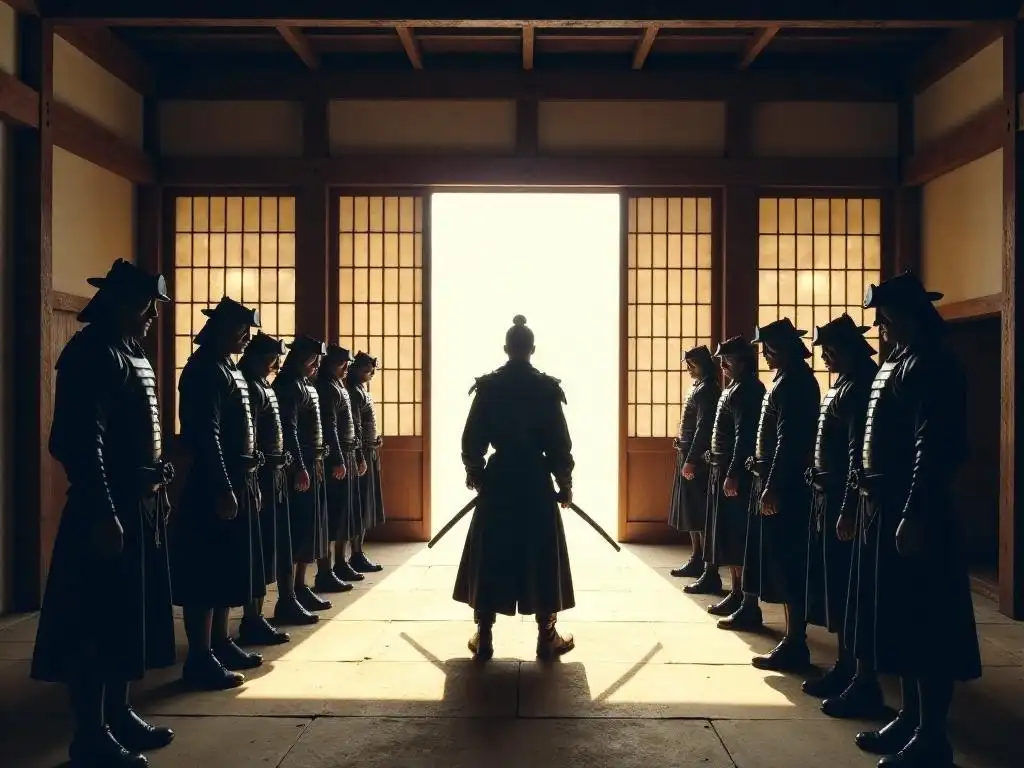
The internal conflicts within the samurai class during Japan's feudal era had profound cultural and social implications that echoed throughout society. As the samurai began to grapple with issues of loyalty, honor, and power, their actions not only shaped their own identity but also influenced the common populace and the socio-political landscape of Japan.
These conflicts often manifested in shifting allegiances and rivalries, which led to a fracturing of the once-unified samurai ideal. The traditional values that defined the samurai, such as loyalty to one's lord (daimyō), began to wane as individual ambitions and personal vendettas took precedence. This erosion of the samurai code created a rift between the samurai and the common people, as the latter often found themselves caught in the crossfire of these power struggles.
Moreover, the societal implications extended beyond the battlefield, affecting local governance and the daily lives of peasants. With samurai clans vying for control, the feudal system became increasingly unstable, leading to social unrest and violence that disrupted agricultural cycles and trade.
Changes in Samurai Identity and Code of Conduct
The ongoing internal conflicts forced a reevaluation of what it meant to be a samurai. Initially defined by strict adherence to the bushidō, or "way of the warrior," which emphasized loyalty, honor, and discipline, the samurai identity began to shift as conflicts intensified. As factions emerged, the once-sacred code was often interpreted differently, leading to a more individualistic approach among samurai.
The rise of mercenary practices and the adoption of more pragmatic approaches to warfare indicated a departure from traditional values. This transformation also influenced younger samurai, who began to prioritize personal ambition over collective loyalty. The once-heroic image of the samurai, rooted in self-sacrifice and duty, began to tarnish as betrayal and opportunism became more prevalent.
The crisis ultimately led to a redefinition of the samurai identity, as many sought to adapt to the changing political landscape. This evolution was both a response to internal conflicts and a catalyst for further societal change, as the samurai class grappled with its diminishing role in a rapidly transforming Japan.
The Effect on Peasantry and Common Society
The internal strife within the samurai class had a cascading effect on the peasantry and the fabric of common society. As samurai clans engaged in conflicts, the resulting power struggles often left rural communities vulnerable. Peasants faced the brunt of these clashes, suffering from land confiscations, increased taxation, and violence.
Additionally, the instability created a sense of fear and uncertainty among the common people. As samurai turned their focus inward to resolve their disputes, local governance weakened, leading to a lack of protection for peasants. This situation prompted many to form alliances and uprisings, seeking to defend their rights against oppressive samurai lords.
Moreover, the conflicts among samurai contributed to a growing discontent among the lower classes, which sometimes resulted in revolts. The infamous Hakuzan Rebellion of the late 16th century is a prime example, where disillusioned peasants, driven by economic hardship and political oppression, rose against their samurai overlords. This turbulence marked a critical juncture in the relationship between the samurai and the common people, highlighting the direct impact of samurai internal conflicts on societal structures.
Literature and Arts Reflecting Samurai Conflicts
The internal conflicts experienced by the samurai class during this tumultuous period were vividly captured in various forms of literature and art. These artistic expressions served not only as a reflection of the samurai psyche but also provided insights into the broader societal implications of their internal struggles.
Literature, particularly in the form of historical chronicles, dramas, and poetry, became a medium through which the complexities of samurai conflicts were explored. Works such as "The Tale of the Heike" depicted the rise and fall of clans, emphasizing themes of honor, betrayal, and the impermanence of power. These narratives resonated with both the samurai and the common people, encapsulating the emotional and moral dilemmas faced during periods of strife.
In visual arts, the ukiyo-e woodblock prints illustrated samurai battles and legendary figures, often idealizing their conflicts while simultaneously critiquing the consequences of their actions on society. Artists like Katsushika Hokusai and Utagawa Kuniyoshi brought to life the tension and drama surrounding samurai conflicts, reflecting a culture grappling with the duality of admiration and disdain for their warrior class.
Through these cultural lenses, the literature and arts of the time played a pivotal role in shaping public perception of the samurai class, highlighting their internal conflicts while also serving as a commentary on the shifting values within Japanese society.
Conclusion: The Legacy of Samurai Class Internal Conflicts
The legacy of the internal conflicts within the samurai class is a complex tapestry woven into the broader narrative of Japanese history. The implications of these conflicts not only altered the trajectory of the samurai but also had lasting effects on the socio-political landscape of Japan.
Summary of Key Points on Internal Conflicts and Politics
The internal strife among samurai factions led to significant political ramifications, including the erosion of traditional values, shifts in power dynamics, and the destabilization of the feudal system. As loyalty to individual lords faltered, the samurai class became fragmented, resulting in a loss of collective identity and purpose. This disintegration weakened their political power, paving the way for emerging forces that would eventually reshape Japan.
Lasting Effects of the Samurai Class Crisis on Japanese History
The repercussions of the samurai class's internal conflicts extended far beyond their era. The decline of samurai power contributed to the rise of new political entities, leading to the eventual unification of Japan under the Tokugawa shogunate in the early 17th century. Furthermore, the cultural shifts initiated during this period laid the groundwork for the modernization of Japan in the Meiji Restoration, as the ideals and values of the samurai were reinterpreted in a rapidly changing world.
In essence, the internal conflicts of the samurai class not only marked a pivotal moment in Japan’s feudal history but also influenced the trajectory of the nation as it transitioned into a modern state. The legacy of these conflicts continues to be felt, as they shaped the cultural and political identity of Japan for generations to come.
References and Further Reading on Samurai Class Internal Conflicts
Understanding the complexities surrounding the samurai class and their internal conflicts during Japan's feudal era requires delving into a variety of scholarly sources. These references provide insights into the political, social, and cultural dynamics that shaped the lives of samurai and the broader Japanese society. Below are some recommended resources for further exploration.
Recommended Books and Articles
-
"Samurai: The World of the Warrior" by Stephen Turnbull
This book offers a comprehensive overview of the samurai's history, including their internal conflicts and the socio-political ramifications of their actions. Turnbull’s work is well-researched and provides a solid foundation for understanding the samurai class.
-
"The Samurai: A Military History" by Jonathan Lopez-Vera
Lopez-Vera examines the military strategies and internal divisions within the samurai class. This book highlights how these conflicts influenced Japan's political landscape and shaped its history.
-
"War and State Formation in Ancient China and Early Modern Japan" by R. Bin Wong
While focusing on a comparative analysis, Wong’s work offers valuable insights into the samurai's internal conflicts and their relationship with the state, shedding light on broader themes of governance and power.
-
"The Collapse of the Samurai" by William Scott Wilson
Wilson's analysis of the decline of the samurai class provides context for understanding the internal struggles that contributed to its downfall. This book discusses the socio-economic factors that exacerbated conflicts among samurai.
-
"The Essence of the Samurai: The Samurai Code" by A.L. Muir
Muir’s exploration of the samurai code, or bushido, addresses how internal conflicts often stemmed from differing interpretations of these principles, affecting loyalty and honor among samurai.
Online Resources for Further Exploration of Feudal Japan
-
Nihon Koten Bungaku Zenshu (日本古典文学全集)
This online database contains classical Japanese literature, which frequently references samurai and their conflicts. It offers primary sources that can provide deeper insights into the samurai mindset and societal roles.
-
The Samurai Archives
This website is dedicated to the study of samurai history and culture. It features articles, bibliographies, and discussion forums that cover various aspects of the samurai class, including internal conflicts.
-
The Japan Society
The Japan Society’s website has resources and articles related to Japanese history, including the feudal era and the samurai class. It provides access to lectures, seminars, and scholarly papers that explore samurai internal conflicts.
-
The National Diet Library of Japan
The National Diet Library offers access to a wealth of historical documents, manuscripts, and publications related to the samurai class. This resource is invaluable for researchers looking for primary sources on samurai internal conflicts.
-
BBC History: Feudal Japan
BBC History provides accessible articles that outline the historical context of feudal Japan, including the role of samurai within the political framework. This resource is useful for those seeking a general overview of the era.
These resources collectively present a comprehensive view of the samurai class's internal conflicts, enabling readers to grasp the nuances of this pivotal period in Japanese history.
- Introduction to the Samurai Class and Its Importance in Feudal Japan
- Historical Context of Samurai Class Internal Conflicts
- Major Internal Conflicts within the Samurai Class
- Political Ramifications of Samurai Class Internal Conflicts
- Cultural and Social Implications of Samurai Internal Conflicts
- Conclusion: The Legacy of Samurai Class Internal Conflicts
- References and Further Reading on Samurai Class Internal Conflicts
- What were the main internal conflicts within the Samurai class during feudal Japan?
- How did these conflicts impact the political landscape of feudal Japan?
- Were there any key figures involved in these Samurai conflicts?
- How did the internal strife influence the cultural aspects of the Samurai?
- What lessons can be drawn from the Samurai class's internal conflicts?
Frequently Asked Questions
What were the main internal conflicts within the Samurai class during feudal Japan?
The Samurai class faced significant internal conflicts stemming from power struggles, loyalty issues, and differing political ideologies, which often led to civil wars and factional disputes.
How did these conflicts impact the political landscape of feudal Japan?
The internal conflicts within the Samurai class destabilized the political landscape, leading to shifts in power between clans and the eventual rise of new ruling powers, such as the Tokugawa shogunate.
Were there any key figures involved in these Samurai conflicts?
Yes, significant figures such as Oda Nobunaga and Toyotomi Hideyoshi played pivotal roles in the conflicts, often uniting or opposing various Samurai factions to further their own ambitions.
How did the internal strife influence the cultural aspects of the Samurai?
The internal strife led to a cultural shift, as Samurai began to emphasize loyalty and honor in response to the chaos, which became foundational to the Bushido code.
What lessons can be drawn from the Samurai class's internal conflicts?
The internal conflicts highlight the importance of unity and the dangers of infighting within a class, showcasing how such divisions can lead to political instability and social upheaval.
Final Reflection: The Enduring Legacy of Samurai Class Internal Conflicts
The internal conflicts within the samurai class are not merely historical footnotes; they resonate profoundly in today's society, reflecting the complexities of loyalty, honor, and power struggles. As we navigate our own turbulent times, the lessons from the samurai's struggles remind us that the quest for identity and stability is a timeless human endeavor. The conflicts that once shaped the samurai class serve as a mirror for contemporary issues, urging us to examine our own allegiances and the consequences of discord within our communities.
The samurai class, with its intricate web of internal conflicts, has left an indelible mark on Japan's cultural and political landscape. These historical struggles illustrate the delicate balance between tradition and change, a theme that continues to echo in modern society. As we witness similar power dynamics and conflicts in various spheres today, we are reminded of the words of historian John W. Hall: The samurai were not just warriors; they were the embodiment of a complex social order that struggled to adapt in the face of change.
This observation underscores the ongoing relevance of the samurai's internal conflicts as we grapple with our own societal shifts.
As we reflect on the lessons of the samurai class, I invite you to consider how these historical narratives can inform your own life. What internal conflicts do you face, and how do they shape your identity and relationships? Embrace the opportunity to learn from the past, recognizing that the struggles of the samurai offer valuable insights into navigating our own complexities. Let us honor their legacy by fostering understanding and unity in our communities, ensuring that we rise above conflict to create a harmonious future.
Unveil the Secrets of the Samurai Legacy!
Thank you for diving into the rich history of the samurai class and their intricate political struggles! Understanding these internal conflicts not only sheds light on Japan's past but also enriches our appreciation of contemporary societal dynamics.
Now, it’s your turn to explore further and engage with this compelling history!
- Dive deeper into this fascinating era by reading more articles on our site to uncover hidden narratives and perspectives about the samurai.
- Join the conversation: Share your insights or questions in the comments below to connect with fellow history enthusiasts and thinkers!
- Consider reaching out to local history groups or online forums where you can discuss your newfound knowledge and expand your understanding!
What aspect of the samurai's internal conflicts intrigues you the most, and how do you believe these historical events continue to shape modern society?