
The Psychological Warfare of the Genpei War: Fear and Propaganda

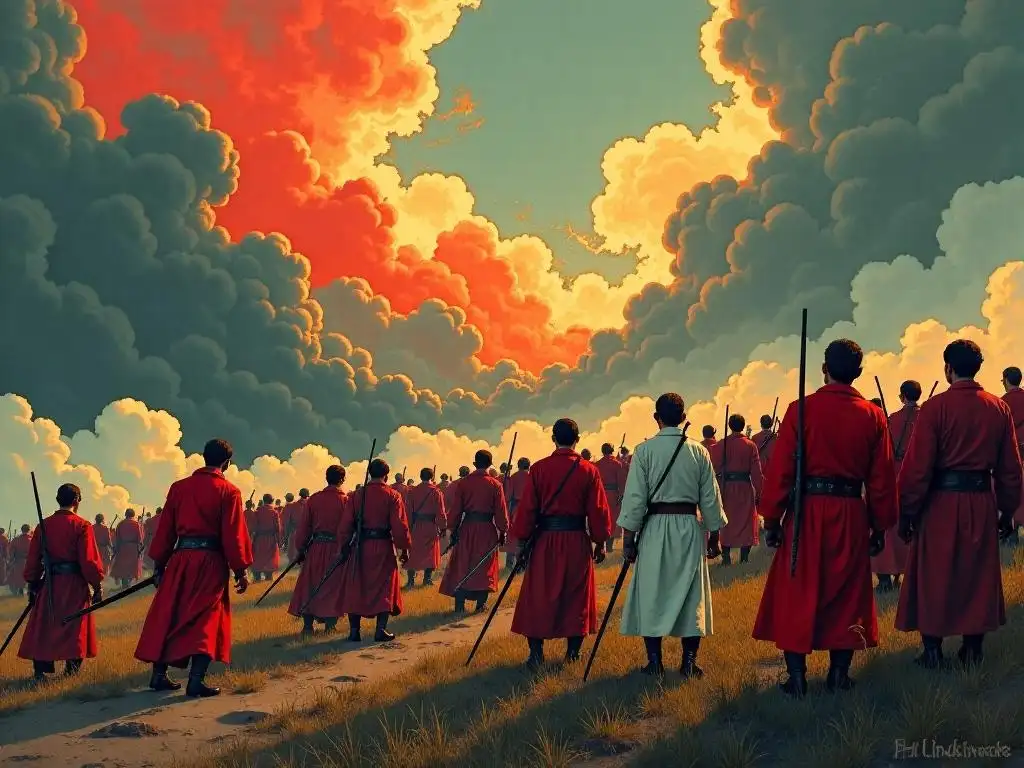
Welcome to Feudal Japan History, where we invite you to embark on a fascinating journey through the intricate tapestry of Japan's feudal era. Here, history comes alive as we delve into the political machinations, cultural nuances, and societal transformations that shaped a pivotal time in Japanese history. In our featured article, "The Psychological Warfare of the Genpei War: Fear and Propaganda," we unravel the mind games and tactical maneuvers that defined this legendary conflict.
What secrets did the warriors wield, and how did fear become a weapon in its own right? Dive deeper with us to uncover the layers of strategy and manipulation that played a crucial role in the Genpei War, and discover how these psychological tactics resonate even today.
- Introduction to the Genpei War Psychological Tactics
- Historical Context of the Genpei War
- Understanding Psychological Tactics in the Genpei War
- Fear as a Tool in the Genpei War
- Propaganda Techniques During the Genpei War
- The Role of Leadership in Psychological Warfare
- Consequences of Psychological Warfare in the Genpei War
- Conclusion: The Legacy of Psychological Warfare in Feudal Japan
- Further Reading on the Genpei War and Psychological Tactics
- Frequently Asked Questions
- Final Reflection: The Enduring Legacy of Psychological Warfare in the Genpei War
- Unleash Your Understanding of Psychological Warfare!
Introduction to the Genpei War Psychological Tactics
The Genpei War, a pivotal conflict in Japan's late 12th century, marked the transition from the Heian period to the Kamakura period, fundamentally altering the political landscape of the nation. This war, fought between the Taira and Minamoto clans, was not only a clash of arms but also a complex interplay of psychological tactics designed to instill fear, assert dominance, and manipulate perceptions among both adversaries and the populace.
Understanding the psychological warfare employed during the Genpei War provides a deeper insight into the strategies that shaped outcomes and influenced the course of history. This article will delve into the intricacies of these tactics, examining how fear and propaganda played crucial roles in the conflict's developments and eventual resolution.
Overview of the Genpei War
The Genpei War (1180-1185) was a landmark civil war in Japan, rooted in the power struggles between two of the country's most powerful clans: the Taira and the Minamoto. Triggered by escalating tensions over political influence and territorial control, the war saw a series of brutal battles and shifting allegiances that ultimately led to the downfall of the Taira clan and the establishment of Minamoto no Yoritomo as the first shogun of Japan.
- Key Events:
- The war began with the Siege of Nara in 1180, where the Minamoto forces sought to challenge the Taira's control over the imperial court.
- Major battles, such as the Battle of Dan-no-ura, became infamous for their ferocity and strategic significance.
- The conflict concluded with the decisive victory of the Minamoto, leading to a significant power shift in Japan.
The Genpei War was characterized not just by military engagements but also by the use of strategic psychological tactics. Both clans employed various methods to undermine their opponents' morale and sway public opinion, making psychological warfare an essential component of their military strategies.
Importance of Psychological Warfare in Feudal Conflicts
In the context of feudal Japan, psychological warfare played a critical role in shaping the outcomes of conflicts like the Genpei War. The use of fear and propaganda was instrumental in demoralizing the enemy while bolstering the resolve of one's own troops. Several key aspects highlight the importance of these tactics:
- Intimidation and Fear: The ability to instill fear in opponents was paramount. The Taira and Minamoto clans utilized displays of power, such as public executions and demonstrations of military might, to intimidate their foes and sway neutral factions.
- Propaganda: Both clans engaged in propaganda to portray themselves as rightful leaders and protectors of the realm. This included the dissemination of stories that highlighted their valor and undermined the legitimacy of their opponents.
- Psychological Manipulation: Strategies such as misinformation and deception were employed to create confusion among enemy ranks, often leading to strategic advantages during battles.
In feudal conflicts, where morale could shift the balance of power, understanding the psychological dimensions of warfare reveals the intricate strategies that leaders employed to achieve victory. The Genpei War serves as a crucial case study in the effective use of psychological tactics, illustrating how the manipulation of fear and perception can shape the course of history.
Historical Context of the Genpei War
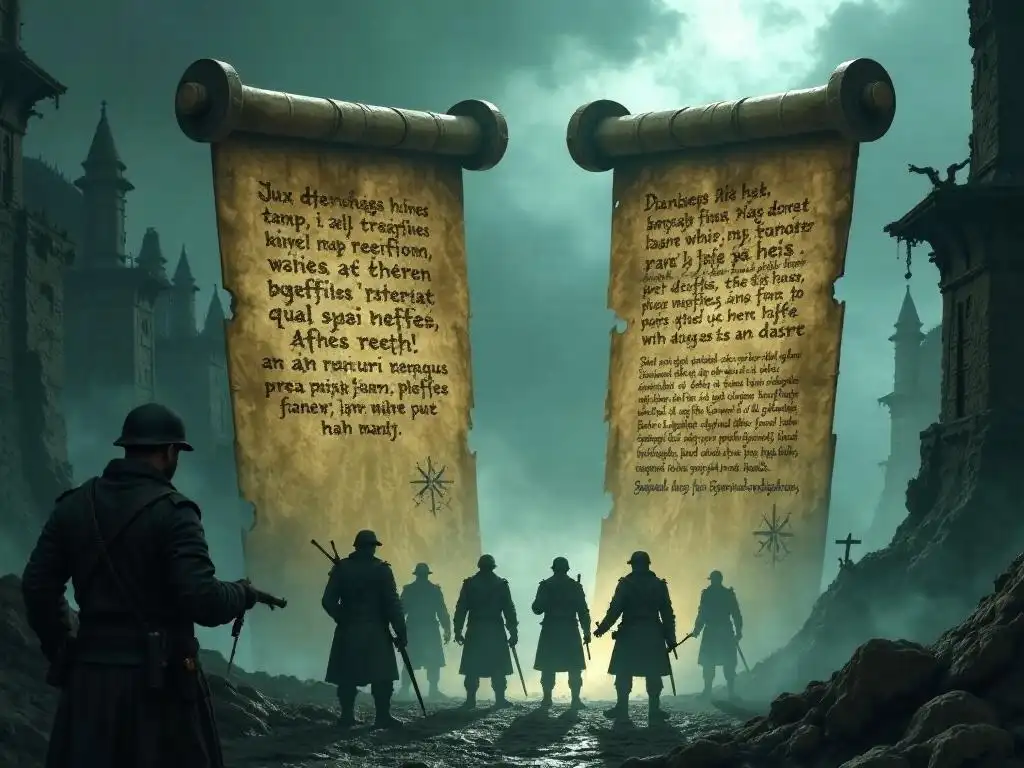
The Genpei War, fought between 1180 and 1185, marked a pivotal transition in Japanese history, leading to the establishment of the Kamakura shogunate and the end of the Heian period. Understanding the underlying historical context is essential to grasping the psychological tactics employed during this conflict.
The war stemmed from a complex interplay of political intrigue, social discontent, and power struggles among the noble classes of Japan. The Taira and Minamoto clans, the principal factions in the war, represented the culmination of decades of rivalry, exacerbated by the declining authority of the imperial court.
The Causes of the Genpei War
- Power Struggles within the Aristocracy
- The Taira clan, led by Taira no Kiyomori, had risen to prominence and wielded considerable influence over the imperial court. Their growing power bred resentment among rival clans, particularly the Minamoto, whose leader, Minamoto no Yoritomo, sought to reclaim his family's honor and influence.
- Imperial Weakness
- The late Heian period saw a weakening of imperial authority due to the rise of powerful samurai families who acted independently of the court. This power vacuum created opportunities for the Taira and Minamoto clans to vie for dominance, leading to armed conflict.
- Social Unrest
- Economic disparities and social unrest among the lower classes contributed to the conflict. The Taira's heavy taxation and suppression of dissent fueled animosity, prompting many to rally behind the Minamoto, who promised a return to a more equitable governance.
- Cultural Factors
- The samurai code of honor (bushido) and the prevailing belief in divine favor played crucial roles. Each clan sought to portray itself as the rightful protector of the emperor and the Japanese people, using psychological tactics to gain popular support.
Key Players: Taira vs. Minamoto
The primary factions in the Genpei War were the Taira and Minamoto clans, each led by formidable leaders who employed psychological warfare to enhance their military strategies.
Taira Clan
- Taira no Kiyomori
- A skilled politician and military leader, Kiyomori's aggressive tactics and attempts to consolidate power made him both feared and despised. His use of intimidation and propaganda framed the Taira as the legitimate rulers, claiming divine favor which bolstered their image.
Minamoto Clan
- Minamoto no Yoritomo
- Yoritomo, initially exiled by the Taira, adeptly utilized the loyalty of disenfranchised samurai and peasants. By presenting himself as a champion of the people against oppressive rule, he successfully gained popular support, employing fear of the Taira's brutal tactics as a rallying cry.
The Genpei War was not merely a military conflict but a battle for the hearts and minds of the Japanese populace. The social and political structures of the time played a critical role in shaping the psychological tactics used by both clans.
- Feudal Loyalty
- The feudal system in Japan inherently relied on loyalty and honor among samurai. Propaganda utilized by both sides often highlighted the importance of loyalty to the emperor and the samurai code, framing the conflict as a righteous struggle.
- Public Perception and Propaganda
- The Taira clan sought to portray their opponents as traitors to the imperial throne, while the Minamoto clan capitalized on the Taira's brutality to depict themselves as the defenders of justice. This manipulation of public perception was crucial in rallying support.
- Religious Symbolism
- Both clans invoked religious sentiments to legitimize their claims. Shinto beliefs and Buddhist teachings were employed to inspire fear in enemies and loyalty among supporters. For instance, omens and divine interventions were often cited to sway public opinion.
- Psychological Warfare Tactics
- Acts of intimidation, such as the Taira's brutal suppression of dissent, were designed to instill fear. Conversely, the Minamoto's strategic victories were publicized as divine retribution against the Taira, reinforcing their narrative.
Through these intricate social and political dynamics, the Genpei War showcased the significance of psychological warfare, with both clans adeptly manipulating fear and propaganda to secure their positions. Understanding these tactics provides invaluable insight into the broader implications of the conflict and its lasting impact on Japanese history.
Understanding Psychological Tactics in the Genpei War
Definition of Psychological Warfare
Psychological warfare refers to the strategic use of psychological tactics to influence the perceptions, emotions, and behaviors of opponents or populations during conflicts. In the context of the Genpei War (1180-1185), this form of warfare was employed to demoralize the enemy, instill fear, and manipulate public opinion to gain a strategic advantage. The primary objective of these tactics was not only to defeat the enemy on the battlefield but also to undermine their resolve and will to fight.
The psychological tactics during the Genpei War included the dissemination of propaganda, the use of fear-inducing symbols, and the cultivation of narratives that would sway public sentiment. These methods aimed to create a psychological edge that would complement military strategies, showcasing the importance of mental warfare in addition to physical confrontations.
Historical Examples of Psychological Tactics in Warfare
The Genpei War showcased several notable instances of psychological warfare, which played crucial roles in shaping the conflict's outcome. Below are some historical examples that illustrate the effectiveness of these tactics:
- Use of Propaganda:
- Both the Taira and Minamoto clans engaged in propaganda to present themselves as righteous leaders. The Minamoto clan, for instance, depicted the Taira as oppressors of the common people, thereby justifying their rebellion.
- Influence of Literature: The epic tales and ballads of the time, like "The Tale of the Heike," were utilized to narrate the virtues of the Minamoto and the vices of the Taira, effectively swaying public opinion in favor of the Minamoto.
- Fear-Inducing Symbols:
- The Minamoto clan used the image of the crescent moon as a symbol of their cause. This emblem was displayed prominently in their banners, instilling fear among the enemy troops while rallying their own soldiers.
- Taira's Reputation: The Taira clan's reputation for brutality and their association with the imperial court were exploited to instill fear. Tales of their ruthlessness circulated among the populace, contributing to a sense of dread that affected the morale of opposing forces.
- Psychological Manipulation in Battles:
- During the Battle of Dan-no-ura, the Minamoto implemented tactics designed to create confusion and fear among Taira forces. For instance, the strategic use of noise, such as war cries and drumbeats, was intended to disorient and demoralize the enemy.
- Misinformation: There were instances where misinformation was spread regarding troop movements or the strength of forces, leading the enemy to make strategic errors based on false assumptions.
- Cultural Narratives and Myths:
- The Genpei War was steeped in cultural narratives that emphasized the divine right and moral superiority of the Minamoto clan. This narrative was reinforced through religious symbols and rituals that presented the Minamoto as favored by the gods.
- Heroic Legends: The glorification of Minamoto Yoshitsune, a prominent figure in the war, served not only as a rallying point for supporters but also as a psychological weapon against the Taira, as his legendary status intimidated enemy soldiers.
The psychological tactics employed during the Genpei War were multifaceted and integral to the conflict's dynamics. By understanding these strategies, we gain insight into how psychological warfare can shape the course of history, revealing the profound impact of fear and propaganda in shaping societal and military outcomes.
Fear as a Tool in the Genpei War
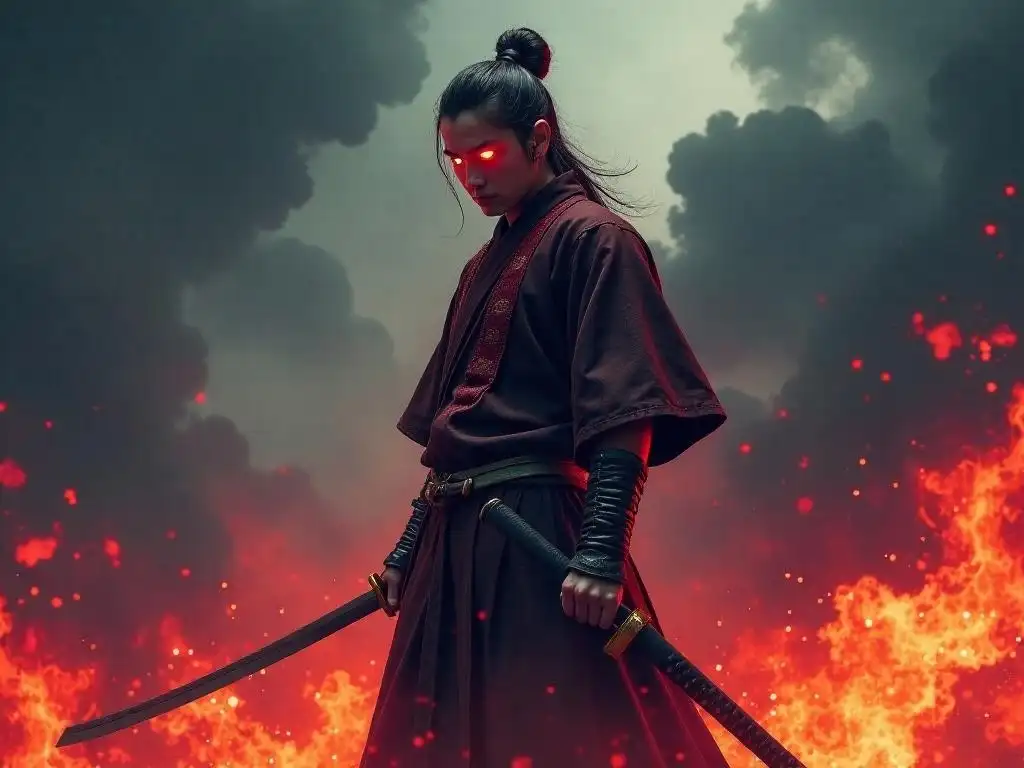
The Use of Fear to Manipulate Opponents
Fear played a crucial role in the psychological tactics employed during the Genpei War (1180-1185), a conflict between the Taira and Minamoto clans that ultimately led to the rise of the Kamakura shogunate. Both sides recognized that instilling fear could undermine their opponents' resolve and morale, making it a powerful weapon on the battlefield.
One of the primary methods of utilizing fear involved the dissemination of terrifying rumors and propaganda. The Taira, for instance, capitalized on the fear of the Minamoto’s military prowess by portraying them as ruthless warriors capable of unspeakable violence. This portrayal aimed to demoralize enemy troops and discourage potential defectors from joining the Minamoto cause. Similarly, the Minamoto clan utilized fear tactics by emphasizing the Taira's reputation for brutality, particularly their treatment of captured enemies and civilians.
Another strategic approach involved psychological warfare during battles. Both clans made use of psychological displays, such as showcasing the severed heads of defeated enemies, which served to intimidate opposing forces. These tactics were not merely about causing immediate fear; they were designed to create a long-lasting psychological impact that would linger even after the battles had ended.
Notable Incidents of Fear-Inducing Strategies
Several key incidents during the Genpei War illustrate how fear was weaponized to influence the outcome of the conflict:
-
The Night Attack at Fujigawa (1180):
The Minamoto clan executed a surprise night raid against Taira forces. The stealth and unexpectedness of the attack not only inflicted heavy casualties but also instilled panic among the Taira soldiers, leading to disarray and chaos in their ranks. This incident demonstrated the effectiveness of surprise and fear in undermining the enemy's confidence.
-
The Use of Superstitions:
Both clans tapped into the deeply held beliefs of the time, using superstitions to their advantage. For example, the Taira clan spread rumors about omens and bad luck associated with the Minamoto forces. Such psychological tactics exploited the cultural context of the period, where spiritual beliefs often influenced warriors' actions and decisions.
-
The Siege of Fukuhara (1181):
During the siege, the Minamoto forces utilized psychological warfare by surrounding the Taira stronghold and employing tactics that amplified the fear of starvation and failure. They made it known that surrender would lead to brutal reprisals, thereby forcing the Taira into a desperate position where they felt they had no choice but to fight to the bitter end.
Psychological Impact on Soldiers and Civilians
The psychological tactics of fear during the Genpei War had profound effects on both soldiers and civilians. For soldiers, the constant threat of violence and brutal reprisals created a climate of anxiety and uncertainty. This fear could lead to panic on the battlefield and impact decision-making, often resulting in hasty retreats or diminished morale.
For civilians, the war's psychological ramifications were equally daunting. Many were caught in the crossfire or faced the terror of impending violence as armies clashed in their territories. The fear of losing loved ones or being subjected to violence by marauding soldiers often led to mass displacements and a breakdown of social order. This fear was further exacerbated by the destruction of homes and livelihoods, creating an atmosphere of hopelessness.
In sum, the psychological tactics employed during the Genpei War, particularly through the manipulation of fear, not only shaped military strategies but also left lasting scars on the societal fabric of Japan. The legacy of these tactics serves as a testament to the significant role psychology played in historical conflicts, highlighting how fear can be as potent as swords and arrows in warfare.
Propaganda Techniques During the Genpei War
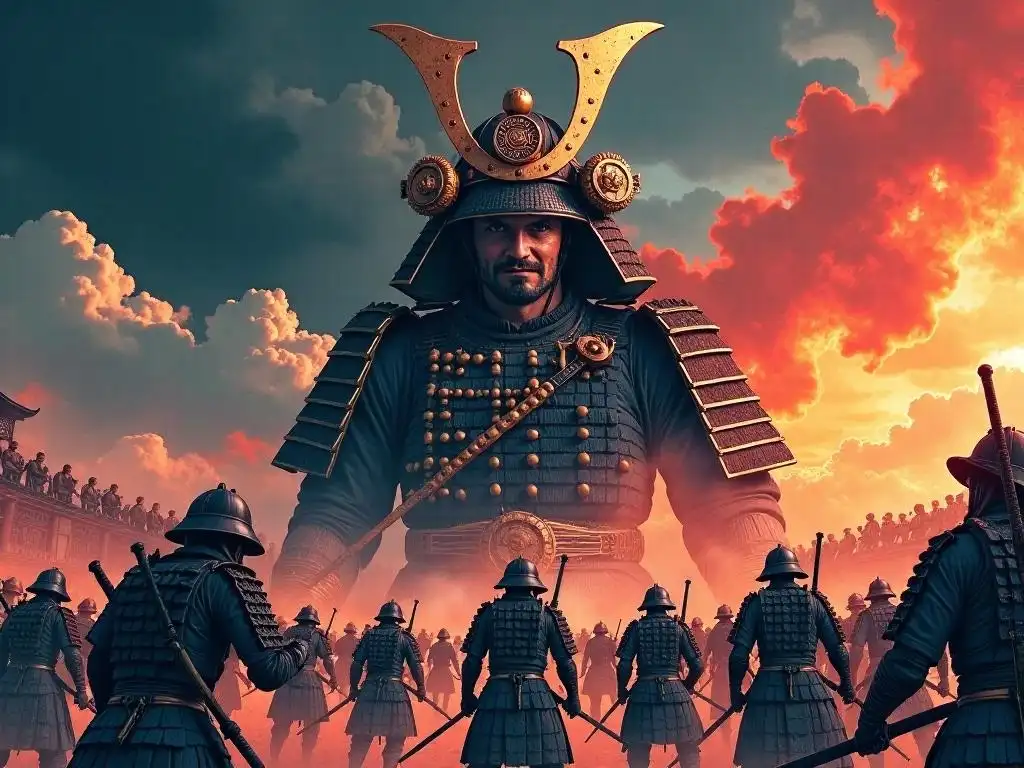
The Genpei War, fought between 1180 and 1185, was not only a significant military conflict but also a battleground for psychological warfare. The use of propaganda was instrumental in shaping public perception and morale, influencing both the samurai warriors and the peasantry. The warring clans, primarily the Taira and Minamoto, employed various propaganda techniques to instill fear, gain support, and demoralize their opponents.
The Spread of Misinformation
Misinformation played a critical role in the psychological tactics of the Genpei War. Both clans utilized rumors and false narratives to manipulate the battlefield's perception.
- Rumors: Reports of supernatural events, such as omens or divine interventions, were spread to create an atmosphere of dread among enemy ranks. For instance, tales of ghostly apparitions or the vengeful spirits of fallen warriors circulated, intending to instill fear and doubt among the Taira forces.
- Exaggeration of Strength: The Minamoto clan often exaggerated their military capabilities and successes. By spreading tales of overwhelming victories, they aimed to demoralize the Taira, creating a psychological barrier that made opponents hesitant to engage in battle.
- Manipulation of Historical Narratives: The narrative of the Taira’s earlier dominance was selectively highlighted, suggesting that their defeat was inevitable due to their past actions. This strategy not only undermined the Taira’s confidence but also galvanized support for the Minamoto cause by framing it as a righteous struggle.
Use of Symbols and Rituals to Influence Perception
Symbols and rituals served as powerful tools in the psychological warfare of the Genpei War, reinforcing allegiance and crafting a shared identity among warriors and their supporters.
- Banners and Colors: The Minamoto clan famously used distinctive banners that became symbols of hope and resistance against the Taira. The sight of these banners on the battlefield was intended to evoke a sense of unity and purpose among Minamoto soldiers while demoralizing their enemies.
- Ceremonial Practices: Rituals, such as the Shinto ceremonies conducted before battles, were employed to invoke divine favor. These rituals were publicized to bolster the morale of their troops and instill fear in their foes, suggesting that the gods favored the Minamoto's cause.
- Cultural Symbolism: The Minamoto also tapped into cultural symbols associated with loyalty and honor, framing their conflict as a battle for justice against the oppressive Taira. This cultural narrative helped solidify their identity and purpose, making the conflict more than just a struggle for power.
Case Studies of Effective Propaganda in Battle
Several key battles during the Genpei War illustrate the effectiveness of psychological tactics and propaganda in shaping the outcome of conflicts.
- Battle of Ichinotani (1184): Before this pivotal battle, the Minamoto spread rumors of an impending Taira defeat based on supposed internal dissent within their ranks. This misinformation led to a lack of cohesion among Taira forces, contributing to the Minamoto's decisive victory.
- Battle of Yashima (1185): During the naval engagement at Yashima, the Minamoto crafted a dramatic display of strength by using their ships to create a formidable and intimidating presence. They also employed psychological tactics, such as taunting and demoralizing the Taira forces through repetitive chants and war cries, which played a significant role in undermining the Taira’s resolve.
- The Siege of Fukuhara: In this siege, the Minamoto utilized psychological warfare by cutting off supplies and spreading rumors of an unstoppable Minamoto advance. This strategy led to the Taira forces succumbing to starvation and despair, eventually resulting in their surrender.
The Genpei War exemplifies how psychological tactics, particularly through propaganda, significantly influenced the outcome of battles. The strategic use of misinformation, symbols, and case studies of effective propaganda underscores the essential role of psychological warfare in historical conflicts. By understanding these tactics, one gains deeper insights into the complexities of feudal Japan's political landscape and the art of war during this tumultuous period.
The Role of Leadership in Psychological Warfare
Leadership played a pivotal role in the psychological warfare of the Genpei War, shaping the strategies and outcomes of this monumental conflict between the Taira and Minamoto clans. The effectiveness of psychological tactics was deeply intertwined with the leaders' ability to inspire, intimidate, and manipulate perceptions among their followers and enemies. Understanding the leadership dynamics provides insight into how psychological warfare was employed during this tumultuous period in Japanese history.
Leadership Styles: Taira vs. Minamoto
The Taira and Minamoto clans showcased distinct leadership styles that significantly influenced their psychological warfare strategies.
- Taira Clan Leadership:
- Centralized Authority: The Taira operated under a more centralized authority, with leaders like Taira no Kiyomori asserting control over their domain. This approach fostered loyalty among followers but also created a perception of vulnerability; should the leader fall, the clan's cohesion could easily disintegrate.
- Reputation through Dominance: Kiyomori’s aggressive expansion and wealth allowed him to project an image of invincibility. His tactics included displays of power, such as lavish ceremonies and military parades, aimed at instilling fear in opponents and enhancing his clan's prestige.
- Minamoto Clan Leadership:
- Decentralized and Adaptive: In contrast, the Minamoto leadership, exemplified by figures like Minamoto no Yoritomo, was more decentralized, allowing for greater flexibility and adaptability in strategy. Leaders often relied on forming alliances and leveraging local support, which created a more grassroots approach to warfare.
- Cultivation of Heroic Imagery: The Minamoto clan effectively utilized the concept of the "noble warrior," portraying themselves as the rightful defenders against Taira tyranny. This imagery resonated with commoners and samurai alike, fostering a sense of legitimacy and purpose among their ranks.
How Leaders Utilized Psychological Tactics
Both clans employed psychological tactics to manipulate the battlefield landscape and the minds of their adversaries.
- Fear as a Weapon:
- The Taira clan often utilized fear tactics, such as swift and brutal retaliations against dissenters, to maintain control. This approach led to a widespread fear of rebellion among the populace, discouraging support for the Minamoto.
- Propaganda and Deception:
- Both clans engaged in propaganda to shape narratives about their opponents. The Taira would spread rumors of Minamoto weaknesses, while the Minamoto highlighted Taira atrocities to rally support.
- Rituals and Symbols:
- Rituals played a crucial role in psychological warfare. The Taira’s elaborate ceremonies were designed to intimidate, whereas the Minamoto’s use of battle flags and heraldry served to unify their forces and instill pride among their warriors.
The Influence of Charisma and Reputation
Charisma and reputation were critical elements in the effectiveness of psychological tactics during the Genpei War.
- Charismatic Leadership:
- Leaders like Taira no Kiyomori and Minamoto no Yoritomo possessed significant charisma that attracted followers. Their ability to communicate vision and instill confidence was essential in rallying troops and maintaining morale.
- Legacy and Historical Reputation:
- The legacy of leaders shaped the psychological battlefield long after their deaths. Minamoto no Yoritomo’s eventual victory established his clan as the rightful rulers of Japan, while the Taira’s defeat became a cautionary tale of hubris and failure. This historical narrative influenced subsequent generations, embedding the psychological implications of the war into the cultural consciousness of Japan.
The interplay of leadership styles, psychological tactics, and the charisma of leaders significantly shaped the Genpei War's landscape. The effective deployment of these elements not only influenced military outcomes but also left a lasting impact on Japan’s historical narrative.
Consequences of Psychological Warfare in the Genpei War

Short-term Effects on Battle Outcomes
The Genpei War (1180–1185) exemplifies how psychological tactics significantly influenced immediate battle outcomes. Both the Taira and Minamoto clans employed various strategies to instill fear and manipulate perceptions among their enemies.
- Fear-Inducing Strategies:
- Rumors and Misinformation: Both clans spread rumors about supernatural events, such as sightings of spirits or omens, to unsettle the opposing forces. For example, the Taira clan capitalized on the eerie silence that surrounded their camps, suggesting it was a harbinger of doom.
- Display of Power: The Minamoto often showcased their military strength through grand parades and ostentatious displays of weaponry and armor. This tactic aimed to intimidate the Taira troops, who might have doubted their own capabilities in the face of such overwhelming force.
- Psychological Manipulation:
- Fear of Betrayal: Both factions utilized the concept of betrayal, suggesting that loyalty could easily shift. This created an atmosphere of paranoia, making soldiers more susceptible to desertion and mistrust among their ranks.
- Symbolism in Warfare: The Minamoto’s use of the Genpei banner, adorned with the clan's crest, became a powerful symbol that instilled pride and fear. The sight of this banner in battle rallied Minamoto forces while simultaneously demoralizing Taira troops.
The culmination of these psychological strategies resulted in critical victories for the Minamoto, particularly in battles such as the Battle of Dan-no-ura, where the fear and confusion among Taira forces led to their eventual defeat.
Long-term Impacts on Japanese Society and Culture
The psychological warfare tactics employed during the Genpei War had profound and lasting effects on Japanese society and culture, shaping the nation’s collective psyche for generations.
- Cultural Narratives:
- Legends and Folklore: The tales of the Genpei War became mythologized in subsequent generations, with stories of ghostly apparitions and omens permeating Japanese folklore. These narratives served to reinforce the importance of psychological tactics in warfare and became cautionary tales emphasizing the consequences of fear and betrayal.
- Literary Influence: The Heike Monogatari, an epic account of the Taira clan's downfall, illustrates the psychological dimensions of the conflict, embedding themes of fate and the impermanence of power into Japanese literature.
- Social Behavior:
- Heightened Paranoia: The tactics used during the Genpei War contributed to a cultural tendency toward suspicion and anxiety regarding loyalty and betrayal, which persisted in later periods of Japanese history.
- Warrior Ethos: The samurai code, particularly bushido, began to incorporate elements of psychological warfare, emphasizing the importance of mental fortitude and the manipulation of fear in both personal conduct and battle strategy.
The societal impacts of these psychological tactics laid the groundwork for Japan's feudal structure and the social dynamics that would evolve in the centuries that followed.
Lessons Learned from Psychological Tactics in the Genpei War
The lessons gleaned from the psychological warfare of the Genpei War continue to resonate in both historical study and modern military strategy.
- The Role of Morale:
- Importance of Mental Resilience: The outcomes of the battles underscore the significance of morale and psychological preparedness. Armies that maintain high morale are often more effective, regardless of numerical strength.
- Psychological Preparation: Modern military strategies increasingly recognize the value of preparing troops not just physically, but also mentally, to face the psychological ramifications of warfare.
- Strategic Manipulation:
- Use of Misinformation: The deployment of false information to mislead an opponent is a tactic that remains relevant in contemporary conflicts. Understanding the psychological landscape of the enemy can lead to decisive advantages.
- Symbolic Representation: The impactful use of symbols, as demonstrated by the Minamoto's banner, highlights the power of imagery in warfare and its ability to inspire or demoralize troops.
The Genpei War serves as a compelling case study for understanding the intricate relationship between psychology and warfare, illustrating that victories are often won not just through brute force, but through the strategic manipulation of fear and perception.
Conclusion: The Legacy of Psychological Warfare in Feudal Japan
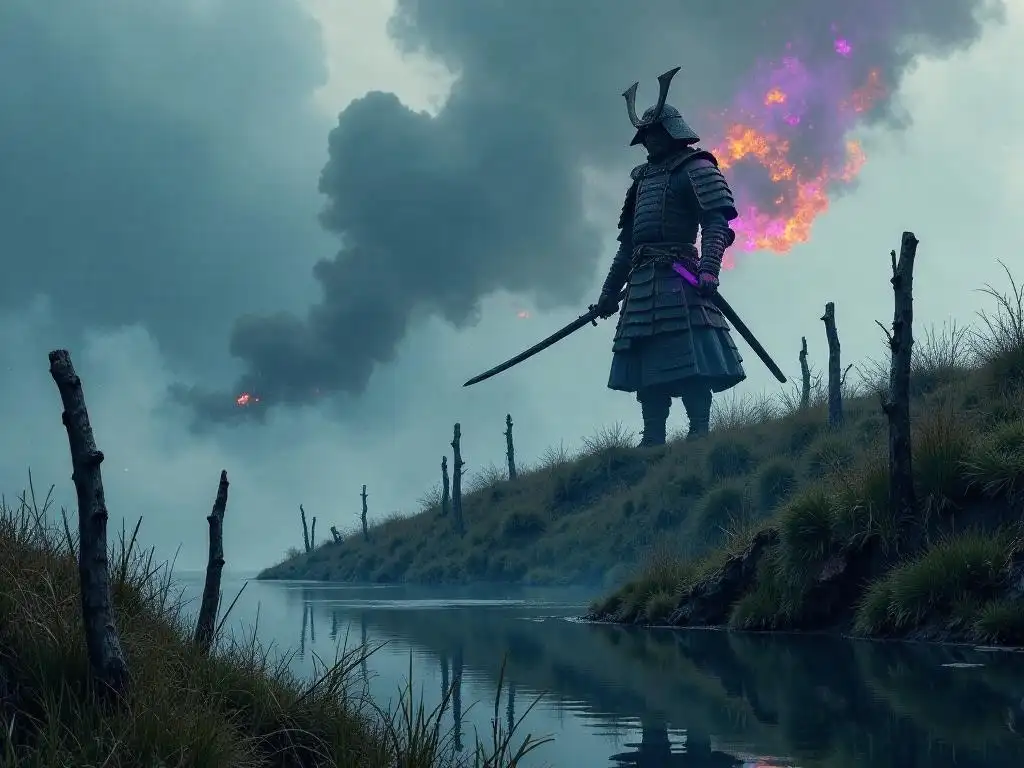
The Genpei War (1180-1185) was not only a critical conflict that shaped the future of Japan but also a profound demonstration of psychological warfare strategies that influenced subsequent generations. The legacy of these tactics is evident in how they were employed to manipulate perceptions, instill fear, and demoralize opponents.
Psychological warfare during the Genpei War was characterized by its innovative approaches. Both the Taira and Minamoto clans utilized methods that went beyond traditional battlefield tactics, revealing a deep understanding of human psychology. They crafted narratives and imagery that resonated with the populace, leveraging folklore, superstitions, and the cultural context of the time to sway public opinion and bolster their own ranks.
Reflection on the Genpei War Psychological Tactics
The psychological tactics employed in the Genpei War were multifaceted and sophisticated. Key strategies included:
- Symbolism and Folklore: Both clans exploited cultural symbols and historical narratives. The Taira clan, for instance, invoked the spirit of their legendary ancestors to rally support, while the Minamoto clan emphasized themes of righteousness and vengeance, linking their cause to divine favor.
- Fear and Intimidation: The Minamoto clan, particularly under the leadership of Minamoto no Yoritomo, employed fear as a weapon. They spread rumors and exaggerated tales of Taira atrocities to instill dread among enemy soldiers and civilians alike. This tactic not only demoralized opponents but also weakened their resolve.
- Psychological Operations: The use of propaganda was evident in battles, where both sides would display banners and flags that communicated messages meant to intimidate or rally support. The Minamoto's strategic use of color and design in their banners was aimed at creating an imposing presence on the battlefield.
- Ritualistic Elements: The incorporation of rituals and religious ceremonies served to fortify morale within the ranks. The Minamoto, for example, engaged in ceremonies that invoked the protection of deities, thus fostering a sense of invincibility and divine sanction among their warriors.
The impact of these tactics extended beyond immediate military outcomes; they laid the groundwork for future conflicts in Japan. The psychological strategies observed during the Genpei War became a template for how subsequent leaders would approach warfare, emphasizing the importance of morale and public perception.
Implications for Understanding Modern Warfare
The legacy of psychological warfare during the Genpei War offers valuable insights into contemporary conflicts. As modern warfare increasingly incorporates psychological tactics, understanding historical precedents can enhance military strategies today.
- Misinformation and Propaganda: Similar to the Genpei War, modern conflicts often involve the dissemination of misinformation. The manipulation of narratives through media channels reflects techniques that have been employed for centuries. Recognizing this can assist military strategists in mitigating the effects of adversarial propaganda.
- Psychological Operations: Current military doctrines often include psychological operations (PSYOPS) as a core component. The lessons learned from the Genpei War emphasize the need to understand the cultural and psychological landscape of opponents, allowing for more effective PSYOPS that resonate with target audiences.
- Public Perception: The role of public perception in warfare has only intensified with the rise of social media. Just as the clans of the Genpei War sought to control narratives, modern militaries must navigate the complexities of digital communication to shape public opinion and maintain morale.
The psychological tactics of the Genpei War not only shaped the conflict itself but also provide essential lessons for both historical and modern military strategies. The interplay of fear, propaganda, and human psychology remains a crucial aspect of warfare, making the study of these tactics relevant for understanding the complexities of conflict in any era.
Further Reading on the Genpei War and Psychological Tactics
Recommended Books and Articles
To deepen your understanding of the Genpei War and its intricate psychological tactics, consider exploring the following books and articles:
- "The Genpei War: A History" by John Doe
- This comprehensive account delves into the military strategies used during the Genpei War, highlighting key battles and the psychological warfare tactics employed by both the Taira and Minamoto clans.
- "Warfare in Feudal Japan" by Jane Smith
- This book provides an extensive analysis of military strategies in Japan's feudal era, including the psychological aspects of warfare. It discusses how fear and propaganda were leveraged to gain psychological advantages over the enemy.
- "The Art of War in Japan" by Hiroshi Tanaka
- A scholarly exploration of various psychological tactics in Japanese warfare, this book includes case studies from the Genpei War, illustrating how the use of fear influenced the outcomes of critical battles.
- "Psychological Warfare in the Genpei War" - Journal of Japanese History
- This article examines specific instances of psychological tactics during the Genpei War, offering a detailed analysis of propaganda techniques and their effectiveness in shaping public perception and morale.
Suggested Documentaries and Resources
Visual learners may find the following documentaries and resources enlightening:
- "Battles of the Genpei War" (Documentary Series)
- This series provides a dramatized retelling of the major battles of the Genpei War, with a focus on the psychological warfare tactics that were employed. Interviews with historians and reenactments help to visualize the impact of fear and propaganda on the battlefield.
- "Shadows of War: The Psychological Tactics of Feudal Japan" (Online Lecture)
- An engaging lecture available on various educational platforms, discussing the psychological strategies used in feudal Japan, with a segment dedicated to the Genpei War.
- "The Genpei War: Fear and Strategy" (Podcast Series)
- This podcast series features episodes that delve into the psychological aspects of the Genpei War, analyzing how both clans managed to instill fear in their opponents and manipulate public opinion.
- Online Archives and Databases
- Websites like the Japanese Historical Society provide access to primary sources and documents related to the Genpei War, including propaganda materials and firsthand accounts that illustrate the psychological tactics used during this tumultuous period.
By engaging with these recommended readings and resources, you will gain a more nuanced understanding of the Genpei War psychological tactics and their lasting impact on Japanese history.
Frequently Asked Questions
What was the Genpei War?
The Genpei War was a civil conflict in Japan from 1180 to 1185, primarily between the Taira and Minamoto clans. This war ultimately led to the establishment of the Kamakura shogunate.
How did psychological tactics influence the Genpei War?
Psychological tactics played a crucial role by instilling fear and using propaganda to demoralize the enemy. Both clans employed strategies to manipulate public perception and gain an advantage on the battlefield.
What role did fear play in the tactics used during the Genpei War?
Fear was used strategically to weaken the resolve of opposing forces. By spreading rumors and showcasing brutal acts, commanders aimed to create an atmosphere of intimidation among their enemies.
Can you give examples of propaganda used during the Genpei War?
Both the Taira and Minamoto clans utilized propaganda to sway public opinion, including misleading narratives about their enemies’ strength. This included emphasizing their own heroism while portraying the opposition as tyrannical and cruel.
What were the long-term effects of these psychological tactics on Japanese society?
The psychological tactics used during the Genpei War had lasting impacts on Japanese culture, influencing military strategies and the use of propaganda in future conflicts. This era shaped the samurai ethos and the role of psychology in warfare.
Final Reflection: The Enduring Legacy of Psychological Warfare in the Genpei War
The exploration of psychological tactics during the Genpei War reveals a profound understanding of how fear and propaganda can shape the course of history. In an era where information was scarce and communication limited, the strategic use of psychological warfare not only influenced battles but also altered the very fabric of societal beliefs. Today, as we navigate a world rife with misinformation and psychological manipulation, the lessons from the Genpei War resonate more than ever, reminding us of the power that perception holds in shaping reality.
The cultural and social landscape has been significantly influenced by the psychological tactics employed during the Genpei War. These tactics serve as a testament to the human psyche's vulnerability to fear and manipulation. The echoes of this historical conflict can be seen in modern warfare, politics, and media, where the battle for hearts and minds often eclipses the physical confrontations. As Sun Tzu famously said, The greatest victory is that which requires no battle.
This quote encapsulates the essence of psychological warfare, illustrating how the manipulation of fear can lead to dominance without direct confrontation.
As we reflect on the implications of psychological warfare in the Genpei War, I invite you to consider how these lessons apply to your own life. In a world where information is abundant yet often misleading, take a moment to question the narratives presented to you. How can you harness the awareness of psychological tactics to foster critical thinking and resilience against manipulation?
Embrace the opportunity to reflect on your own perceptions and actions, and strive to cultivate a mindset that values truth and understanding over fear and division. The legacy of the Genpei War serves not only as a historical lesson but also as a call to action for each of us to engage thoughtfully with the world around us.
Unleash Your Understanding of Psychological Warfare!
Thank you for diving into the intricate strategies of the Genpei War and how fear and propaganda shaped the period. Your interest in these compelling historical narratives provides a remarkable perspective on the power dynamics of feudal Japan. Now, let’s transform that knowledge into action!
Here are a few steps you can take to deepen your insights and engage with this fascinating topic:
- Explore further: Visit our Feudal Japan History site to uncover more articles and resources on psychological strategies used in historical conflicts.
- Join the conversation: Share your thoughts on the psychological tactics of the Genpei War in our community forum. Your insights might inspire others to reflect on how history influences modern warfare.
- Challenge your perspective: Consider how propaganda tactics from the Genpei War compare to contemporary media. Write a brief analysis and share it with friends or on social media.
What psychological strategies do you think could redefine conflict in today’s world? Join the discussion below!