
The Role of Women in Japan's Isolationist Society

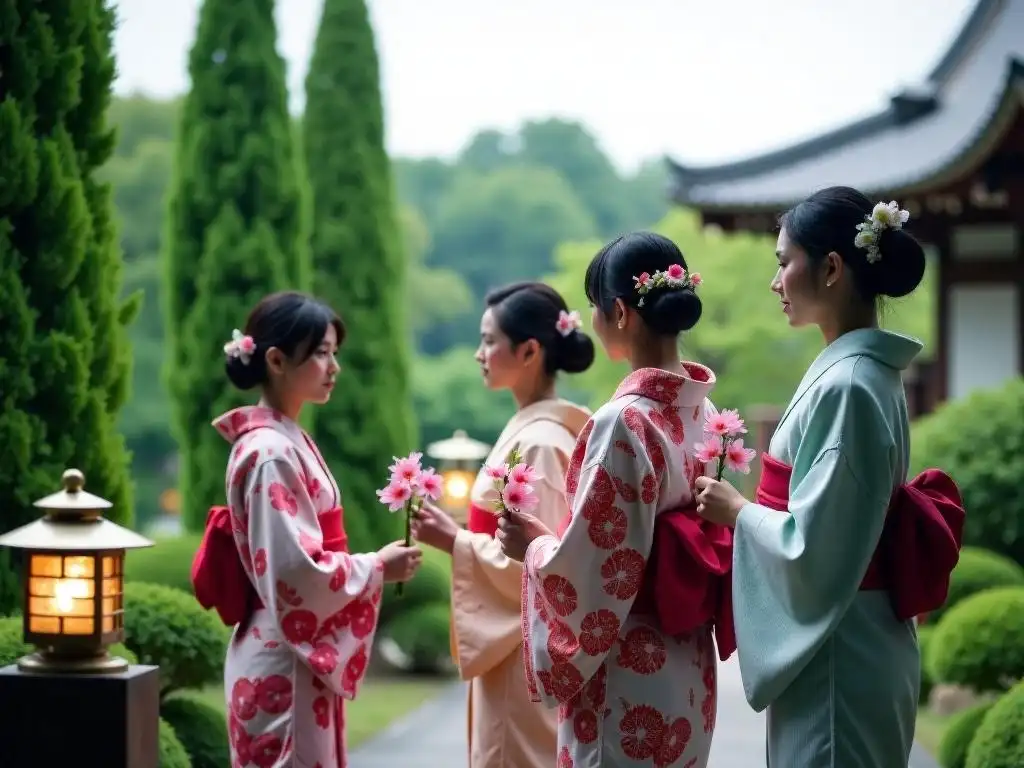
Welcome to Feudal Japan History, where we delve into the rich tapestry of Japan's feudal era, unveiling its intricate historical, cultural, and societal narratives. In our featured article, "The Role of Women in Japan's Isolationist Society," we explore the often-overlooked contributions of women during this transformative period. What influence did they wield behind the scenes, and how did their roles shape the very fabric of society? Join us as we unlock the secrets of their lives and encourage you to discover more about the powerful women who navigated the complexities of feudal Japan. Your journey into history begins here!
Introduction to Women in Japan's Feudal Society
Japan's feudal era, spanning from the 12th to the 19th centuries, was characterized by a rigid social hierarchy, political instability, and a unique cultural identity that evolved in isolation from the rest of the world. Within this complex framework, the role of women in Japan's feudal society provides a fascinating glimpse into the intersection of gender, culture, and power dynamics during a time when the country was largely closed off from foreign influence.
Understanding the significance of women in this period is essential, as it reveals not only their contributions to family and society but also how their status was shaped by the prevailing norms and practices of the time.
Women in Japan's feudal society were often relegated to traditional roles, primarily centered around the home and family. However, their influence extended far beyond domestic responsibilities; they played crucial roles in various aspects of life, including economics, education, and even politics, albeit within constrained frameworks. This article aims to explore the multifaceted roles of women during Japan's isolationist period, shedding light on their experiences and the societal structures that defined their lives.
Overview of Feudal Japan
Feudal Japan was marked by a decentralized political system where power was held by local lords known as daimyo and enforced by samurai warriors. The hierarchy was strictly defined, with the emperor at the top, followed by the shogun, daimyo, samurai, and peasants. This rigid structure not only influenced the governance of the nation but also dictated the roles and responsibilities assigned to different societal classes, including women.
In this era, the isolationist policies implemented during the Edo period (1603-1868) further solidified these structures, limiting foreign influence and promoting a sense of national identity. As a result, traditional roles became more pronounced, and women often found themselves navigating a complex web of expectations that defined their place within both the household and the broader society.
Significance of Women in Historical Context
Women in feudal Japan were integral to the functioning of society, although their contributions frequently went unrecognized in historical narratives. They were responsible for managing households, raising children, and often partaking in agricultural labor, which was essential for sustaining families and communities.
Moreover, women of higher social classes, such as the wives of samurai, often held significant influence in family affairs and could even manage estates in the absence of their husbands. Their roles were not merely passive; they were active participants in the preservation of family honor and heritage, often guiding their children in the ways of their social class and traditions.
In this context, understanding women's roles provides valuable insights into the broader social and cultural dynamics of feudal Japan. It highlights how their experiences were intertwined with the political and economic factors of their time, contributing to the rich tapestry of Japan's history.
Hierarchical Society and Gender Roles
The social structure of feudal Japan was characterized by a strict hierarchy that dictated the roles and expectations of individuals based on their class and gender. At the top of this hierarchy were the samurai, followed by farmers, artisans, and merchants. Women’s roles were largely determined by their social status, with expectations varying significantly across different classes.
In general, women were expected to embody qualities such as obedience, loyalty, and devotion to family. This was particularly true for the samurai class, where women were often trained in the arts of household management and the traditional values of bushido, the way of the warrior. However, despite these expectations, many women found ways to assert their agency within this patriarchal structure, engaging in activities such as weaving, farming, and even participating in local governance.
Position of Women in Different Classes
The position of women in feudal Japan differed markedly across social classes.
- Aristocratic Women: Women from noble families enjoyed greater privileges, including access to education and the ability to influence family decisions. They were often involved in cultural pursuits, such as poetry, calligraphy, and the tea ceremony, which were seen as vital to maintaining the family's status.
- Peasant Women: In contrast, peasant women bore the brunt of labor-intensive work, managing farms and households. Their contributions were vital to the economy, and they often took on significant responsibilities, especially during times of conflict or hardship.
- Merchant Women: Women in merchant families also played essential roles in business operations. They managed finances and sometimes ran shops, showcasing their economic importance despite the societal stigma attached to commerce.
While women in Japan's feudal society faced considerable limitations, their roles varied widely depending on their social class. Understanding these dynamics not only enriches our knowledge of women's experiences but also highlights their resilience and adaptability during a time of significant historical transformation.
Cultural Expectations and Norms for Women
In feudal Japan, the role of women was largely dictated by a complex web of cultural expectations and societal norms that emphasized subservience and domesticity. The patriarchal structure of society placed men in positions of authority, both at home and in public life, while women were often relegated to the private sphere. This cultural framework was heavily influenced by Confucian values, which reinforced notions of hierarchy and duty within family structures.
Women were expected to fulfill specific roles, primarily as wives and mothers, responsible for managing the household and raising children. Their education often focused on domestic skills, such as sewing, cooking, and child-rearing, rather than intellectual pursuits. The concept of "Onna Daigaku," or "Lessons for Women," emerged during this period, further shaping women's roles and expectations. This educational framework aimed to instruct women on virtues such as obedience, humility, and fidelity, essentially equipping them to be ideal wives and mothers.
While women did possess certain rights, such as inheritance and property ownership, these were often overshadowed by the societal expectation that they would ultimately serve their husbands and families. Consequently, women navigated a society that valued their contributions in the home while simultaneously limiting their freedoms and opportunities.
Confucian Influences on Gender Roles
Confucianism played a pivotal role in shaping gender roles in feudal Japan, dictating the moral and ethical standards by which society operated. Introduced from China, Confucian principles emphasized hierarchy, filial piety, and the importance of maintaining social order. In this context, women were viewed as subordinate to men, with their primary duty being to support their husbands and bear children.
The Confucian ideal outlined a clear demarcation of roles within the family. Men were expected to act as providers and protectors, whereas women were to embody virtues of loyalty and obedience. This philosophical framework not only influenced familial relationships but also permeated broader societal structures, contributing to the systemic oppression of women. As a result, women's aspirations for autonomy and self-expression were stifled, and their identities became intertwined with their roles as wives and mothers.
The Concept of "Onna Daigaku" (Lessons for Women)
The "Onna Daigaku," or "Lessons for Women," served as a formalized set of teachings aimed at instructing women in their societal roles and responsibilities. Composed in the 17th and 18th centuries, this educational framework was designed to cultivate virtues such as obedience, chastity, and diligence among women. It emphasized the importance of being a devoted wife and mother, ensuring that women understood their place within the family and society at large.
These lessons were often disseminated through texts that offered moral guidance, practical advice, and philosophical reflections on women's roles. The Onna Daigaku underscored the belief that a woman's primary identity should be rooted in her familial ties, often prioritizing the needs and desires of her husband and children over her own. This educational approach not only reinforced existing gender norms but also perpetuated the idea that women's fulfillment could be derived solely from their domestic contributions.
Expectations of Marriage and Family Life
Marriage and family life were central to the existence of women in feudal Japan, shaping their identities and societal roles. Arranged marriages were the norm, often designed to strengthen familial ties or enhance social standing rather than being based on romantic love. Women were expected to conform to the wishes of their families, emphasizing the importance of obedience and loyalty.
Once married, a woman's primary responsibilities revolved around managing the household, raising children, and supporting her husband's endeavors. The expectation was that she would be a diligent caretaker, ensuring the family's well-being and stability. Despite these challenges, women often found ways to exert influence within the domestic sphere, shaping family dynamics and making significant contributions to the upbringing of their children.
The cultural expectation of motherhood was paramount, as women were revered for their ability to bear children, particularly male heirs. This societal pressure contributed to the significance placed on female fertility and the continuation of family lineage, often overshadowing women's personal aspirations and desires.
Women’s Contributions During the Isolationist Period
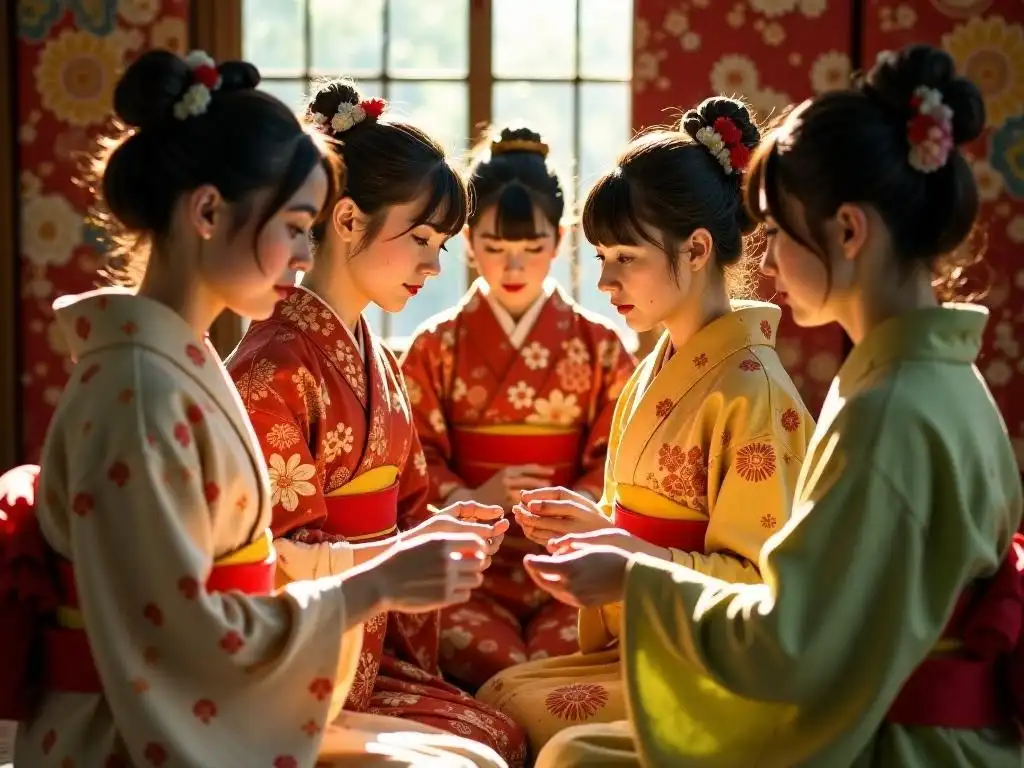
Despite the limitations imposed by societal norms, women in feudal Japan played crucial roles that contributed significantly to the economy and culture during the isolationist period. Their participation in various sectors not only ensured the survival of families but also shaped the broader societal landscape.
Economic Roles of Women in Agriculture
Women were integral to the agricultural sector, contributing to farming activities that were vital for sustenance and economic stability. In rural areas, they participated alongside men in planting, harvesting, and processing crops. Their involvement in agriculture was essential, as women often managed household food production and assisted in tasks such as rice cultivation, which was a staple of the Japanese diet.
Moreover, women were responsible for preserving food and maintaining household supplies, ensuring that families remained self-sufficient. Their knowledge of agricultural practices and resource management allowed them to play a pivotal role in the economic well-being of their communities, even if their contributions went largely unrecognized in historical accounts.
Women in Craftsmanship and Trade
In addition to agriculture, women were active participants in craftsmanship and trade, contributing to the local economy through various skilled trades. Many women engaged in textile production, such as weaving and dyeing fabrics, which were essential for clothing and household items. These activities not only provided economic support to families but also showcased women's artistic talents and craftsmanship.
Women often played a significant role in local markets, selling handmade goods and agricultural products. Their involvement in trade allowed them to exert a degree of financial independence, although they remained bound by societal constraints. The skills and knowledge women possessed in these areas helped sustain communities and contributed to the overall prosperity of feudal Japan.
Influence of Women in Religious and Cultural Practices
Women in feudal Japan also made notable contributions to religious and cultural practices, influencing the spiritual and artistic landscape of the era. Many women served as priestesses in Shinto shrines, where they played vital roles in rituals and ceremonies, preserving cultural traditions and communal beliefs. Their involvement in religious practices allowed them to maintain a degree of respect and authority within their communities.
Additionally, women were key figures in the arts, contributing to the creation of literature, poetry, and performance arts. While male authors often dominated historical narratives, women's voices emerged in various forms of artistic expression, reflecting their experiences and perspectives. These contributions enriched Japan's cultural heritage and demonstrated that, despite societal restrictions, women were able to leave a lasting impact on the cultural fabric of their society.
Women’s Education and Intellectual Life
During Japan's feudal era, particularly under the Tokugawa shogunate (1603-1868), women's education and intellectual pursuits underwent significant transformations. While the prevailing societal norms often relegated women to domestic roles, there were avenues for education that allowed women to engage with literature, arts, and even philosophy. Education for women varied widely depending on their social status, region, and the specific family they belonged to.
Access to Education for Women in Feudal Japan
Access to education for women in feudal Japan was largely influenced by class distinctions. The elite classes, particularly samurai families, often provided education for their daughters, emphasizing skills such as calligraphy, poetry, and the arts. This was seen as a way to enhance a family's social standing and ensure that daughters could be well-prepared for marriage.
Conversely, commoner women typically had limited access to formal education. However, they often learned practical skills necessary for household management, agriculture, and weaving. In some rural areas, women participated in community-based learning, which allowed them to share knowledge and skills. Despite the barriers, many women demonstrated a thirst for knowledge, often seeking informal education through literature and local gatherings.
Prominent Female Figures and Their Contributions
Several women emerged as prominent figures during Japan's isolationist period, making significant contributions to literature, arts, and social thought. One notable example is Sei Shonagon, a court lady from the Heian period whose work, The Pillow Book, offered insight into court life and the experiences of women. While her life predates the Tokugawa period, her influence persisted through generations.
In the Tokugawa period, Murasaki Shikibu, author of The Tale of Genji, continued to inspire many women writers. Additionally, women like Hanaoka Seishū's daughter, who contributed to the field of medicine, and Yamamoto Shūhō, who wrote about women's issues, exemplified the diverse contributions women made in intellectual circles despite societal constraints.
Literary Works by Women in Isolationist Japan
Literature produced by women during Japan's isolationist period was remarkable for its depth and emotional resonance. Women often wrote in genres such as poetry, diaries, and essays. The haiku form became particularly popular, with women poets like Chiyo-ni gaining recognition for their skillful expressions of nature and personal reflection.
Moreover, the kibyōshi, or illustrated books, featured stories written by women that addressed everyday life, love, and social issues. These works not only entertained but also provided a subtle critique of the society in which they lived. The literary output of women during this time showcased their perspectives and experiences, affirming their role as intellectual contributors.
Challenges and Limitations Faced by Women
Despite their contributions, women in feudal Japan faced numerous challenges and limitations that impacted their lives and opportunities. These barriers were deeply rooted in societal norms and legal structures that defined women's roles.
Legal Restrictions on Women’s Rights
Women in Japan's feudal society were subject to a myriad of legal restrictions that curtailed their rights and freedoms. Under the Confucian ideals that dominated the Tokugawa period, women were largely seen as subservient to men, particularly fathers and husbands. Legal frameworks often prioritized male inheritance and property rights, leaving women with limited autonomy.
Marriage laws further exemplified this inequality. Women were often married off at a young age, with little say in their chosen partners, and their legal identity was closely tied to their husbands. Inheritance laws typically excluded women, reinforcing their economic dependency on male relatives. This lack of legal rights severely limited women's ability to engage in commerce or own property independently.
Societal Pressures and Expectations
Societal pressures and expectations imposed strict norms on women's behavior, limiting their freedom and personal expression. Women were often expected to embody the virtues of chastity, obedience, and domesticity, which dictated their roles within the family and society. This idealization of women as devoted wives and mothers reinforced the notion that their primary purpose was to support their husbands and raise children.
Additionally, women faced scrutiny and judgment for any deviation from societal norms. This pressure often stifled their aspirations, forcing many to choose between personal desires and societal expectations. The fear of ostracism or losing social standing kept many women within the confines of traditional roles, stifling their potential.
The Impact of Isolationist Policies on Women’s Lives
Japan's isolationist policies during the Tokugawa period had profound implications for women's lives. While these policies aimed to maintain social order and stability, they inadvertently created a more insular society that limited women's access to new ideas and influences from abroad. The ban on foreign interactions meant that women were often cut off from broader intellectual trends and cultural exchanges that could have enriched their lives.
Moreover, the emphasis on maintaining a rigid class structure meant that women from lower classes faced even harsher limitations. The growing economic stratification highlighted inequalities, as wealthier women had more access to education and cultural pursuits than their poorer counterparts. Isolationist policies thus perpetuated existing disparities, making it challenging for women to carve out a space for themselves in a rapidly changing world.
While women in Japan's feudal society demonstrated resilience and ingenuity, their roles were often constrained by legal and societal limitations. The interplay between education, intellectual contributions, and institutional challenges shaped their experiences and the legacy they left behind.
The Changing Role of Women in the Late Feudal Period
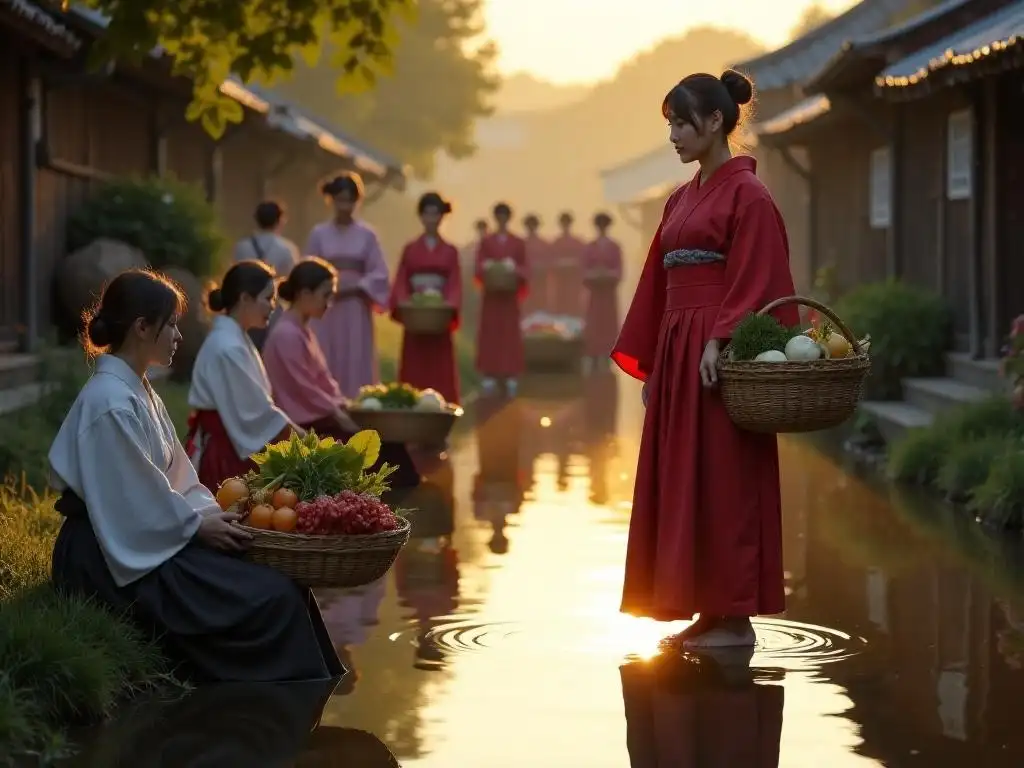
During the late feudal period in Japan, particularly in the 17th to 19th centuries, the role of women began to evolve significantly amidst the backdrop of isolationist policies. Initially, women in Japan’s feudal society were largely confined to domestic roles, focused on managing the household and bearing children. However, as the Tokugawa shogunate solidified its power and peace reigned, the social structure started to shift.
Women began to take on more significant roles within the family and community. In rural areas, they were involved in agricultural production, contributing to the family economy. They often managed small-scale businesses, selling products at local markets, which gave them a degree of financial independence. Meanwhile, in urban settings, women increasingly participated in the burgeoning merchant class, engaging in trade and crafts.
This period also saw the emergence of educational opportunities for women, particularly among the samurai class. The establishment of schools allowed women to learn reading, writing, and other skills, leading to a gradual recognition of their intellectual capabilities. Yet, despite these advancements, societal expectations remained largely conservative, and their ultimate purpose was still defined primarily in relation to their roles as wives and mothers.
Shifts in Women’s Status Towards the End of Isolationism
As Japan approached the end of its isolationist policies in the mid-19th century, significant shifts in women's status began to emerge. The arrival of Western influences brought about new ideas regarding gender roles and women's rights. While traditional Confucian values still permeated society, the challenge posed by foreign powers initiated discussions around modernization, which included re-evaluating women's roles.
During this period, women began to gain more visibility in social and cultural spheres. The rise of the Meiji Restoration in 1868 marked a pivotal moment, as the government realized the importance of educating women to contribute to national progress. Educational reforms allowed women to attend schools, and they began to participate more actively in social reform movements. This newfound awareness of their rights led to early feminist movements, advocating for women's education and legal rights.
Despite these shifts, the transition was not uniform. Societal constraints persisted, and many women continued to be subjected to traditional expectations. However, the groundwork laid during this time would eventually support the rise of more progressive views in the following decades.
The Influence of Western Ideas on Gender Roles
The introduction of Western ideas during the late 19th century played a crucial role in reshaping gender roles in Japan. With increased contact with foreign nations came exposure to Western concepts of individual rights and gender equality. Japanese intellectuals and reformers began to critique traditional gender roles and advocate for women's emancipation.
Women's literature and education flourished as a response to these influences. Prominent figures such as Hiratsuka Raichō emerged, championing women's rights and publishing works that explored women's experiences in a changing society. The establishment of women's organizations further facilitated dialogue on gender issues, challenging the long-held beliefs about women's place in society.
Moreover, the influence of Western fashion and cultural practices began to permeate Japanese society, leading to changes in women's clothing and social interactions. While some viewed these changes as a threat to traditional values, others embraced them as symbols of modernity and progress. This complex interplay between tradition and modernity would define the evolving role of women in Japan's society.
Conclusion: Legacy of Women in Japan's Feudal Society
The legacy of women in Japan's feudal society is multifaceted, reflecting the complexities of their roles within a patriarchal framework. While many women were relegated to domestic duties, their contributions to family and society were significant, particularly in agricultural and commercial contexts. As the late feudal period progressed, women began to assert their presence, paving the way for future generations to challenge societal norms.
Reflection on Women’s Role in Shaping History
Women in Japan's feudal society played a vital role in shaping the cultural and social landscape of their times. Their resilience and adaptability allowed them to navigate a society that often marginalized their contributions. Through their involvement in family businesses, education, and early advocacy for rights, women laid the groundwork for the social changes that would follow in the Meiji era and beyond.
Notable women from this period, such as the poet and writer Matsuo Taseko, exemplified the intellectual and creative contributions of women, demonstrating that they were not merely passive participants but active agents of change. Their legacies inspire ongoing discussions about gender roles and women's rights in contemporary Japan.
The Lasting Impact of Isolationist Policies on Women’s Rights
The isolationist policies of Japan had a profound yet complicated impact on women's rights. While these policies limited external influences and reinforced traditional gender norms, they also created a unique environment in which women could carve out spaces of autonomy within the confines of their roles.
As Japan transitioned out of isolation, the groundwork laid by women during the feudal period became instrumental in the fight for rights and recognition. The eventual embrace of Western ideas on gender equality can be traced back to the gradual shifts that began during the late feudal period, highlighting the resilience and adaptability of women in Japan.
Understanding the role of women in Japan’s feudal society not only sheds light on their historical experiences but also emphasizes the ongoing struggles for gender equality that continue to shape Japanese society today.
References
Understanding the role of women in Japan's feudal society requires delving into various scholarly resources that provide insights into their experiences, responsibilities, and societal roles during a time marked by isolationist policies. Below are suggested readings and historical documents that focus on this topic.
Suggested Readings on Women in Japan's Feudal Society
-
"Women and the Japanese Family System" by Francesca M. Cancian
This book examines the dynamics of the family system in Japan and how women navigated their roles within it during the feudal era. Cancian provides a comprehensive analysis of the social expectations placed on women and their contributions to family and society.
-
"The Tale of Genji" by Murasaki Shikibu
Often considered the world's first novel, this classic work provides a nuanced portrayal of court life and women’s roles in Heian Japan, offering valuable insights into their status and influence in Japanese society.
-
"Samurai Women: A History of Women in Japan's Feudal Society" by Stephen Turnbull
This book focuses on the unique positions held by women in samurai culture, detailing how they contributed to the feudal system both within the household and on the battlefield.
-
"Women in Japan: A History from Ancient Times to the Present" by Matsumoto Hiroko
Hiroko's work offers a broad overview of women's history in Japan, including the feudal period, and discusses the transformations in their roles over centuries.
-
"The Role of Women in Traditional Japanese Society" by Yoko Arisaka
This academic article explores the societal expectations of women and how those roles were defined by historical, cultural, and economic factors throughout Japan's feudal era.
Historical Documents and Sources on Isolationism in Japan
-
"Sakoku Edicts" (1635)
These edicts were formalized by the Tokugawa shogunate, establishing Japan's isolationist policies. The documents provide context on how these policies affected all levels of society, including women, who were often confined to domestic roles.
-
"Diary of Lady Sarashina" by Lady Sarashina
This diary from the early 11th century offers personal reflections from a woman living in the feudal period. It highlights the daily life of women during a time when isolationist policies were beginning to take shape.
-
"The Records of the Tokugawa Shogunate"
These records provide detailed accounts of the governance and policies enacted during the Tokugawa era, including the implications for women's roles in society as the nation pursued isolation.
-
"Letters from the Edo Period"
A collection of correspondence from women during the Edo period, these letters reveal insights into their thoughts, aspirations, and the restrictions imposed on their lives due to the prevailing isolationist stance.
-
"The Women of the Samurai" by John M. Maki
This scholarly work investigates the lives of women within samurai families during Japan's feudal period, detailing how they were affected by the broader societal changes driven by isolationism.
By exploring these readings and historical documents, one can gain a more profound understanding of the complexities surrounding women in Japan's feudal society and how isolationist policies shaped their lives.
- Introduction to Women in Japan's Feudal Society
- The Social Structure of Feudal Japan
- The Social Structure of Feudal Japan
- Cultural Expectations and Norms for Women
- Women’s Contributions During the Isolationist Period
- Women’s Education and Intellectual Life
- Challenges and Limitations Faced by Women
- The Changing Role of Women in the Late Feudal Period
- Conclusion: Legacy of Women in Japan's Feudal Society
- References
Frequently Asked Questions
What was the role of women in Japan's feudal society?
Women in Japan's feudal society primarily managed households and children, while some engaged in agricultural work. Their roles varied significantly based on social class and region.
Did women have any legal rights during Japan's feudal era?
Yes, women had some legal rights, particularly in matters of inheritance and property ownership, although these rights were often limited compared to men.
Women's roles were heavily influenced by their social class; for example, noblewomen had more opportunities for education and influence than peasant women, who focused on labor-intensive tasks.
Were there any notable female figures in feudal Japan?
Yes, there were notable female figures, such as empresses and warriors like Tomoe Gozen, who challenged traditional norms and showcased women's capabilities beyond domestic duties.
How did isolationism impact women's roles in society?
The isolationist policies of the Edo period led to a more structured and restricted society for women, reinforcing traditional roles while also allowing some cultural developments, such as literature and art by women.
Final Reflection: The Enduring Legacy of Women in Japan's Feudal Society
The exploration of women's roles in Japan's isolationist society reveals a complex tapestry of resilience and influence that resonates profoundly in today's world. As we reflect on the historical context of women's contributions during the feudal era, we recognize that their strength and agency were pivotal in shaping not only their immediate communities but also the broader cultural landscape of Japan. This legacy serves as a striking reminder of how the past continues to inform contemporary discussions about gender roles and equality.
The impact of women in Japan's feudal society is not merely a relic of history; it is a living narrative that continues to influence cultural and social dynamics today. The stories of women who navigated the constraints of their time inspire ongoing conversations about empowerment and agency. As we consider their experiences, we can draw parallels to modern movements advocating for women's rights and representation. The past is never dead. It's not even past.
— William Faulkner. This quote encapsulates the idea that the struggles and triumphs of women in history remain relevant, urging us to acknowledge their contributions as we strive for a more equitable future.
As we conclude this reflection, I invite you to contemplate the lessons learned from the women of Japan's feudal society. Consider how their resilience can inspire your own journey and the ways in which you can contribute to the ongoing fight for gender equality. Embrace the stories of these remarkable women, and let their legacy motivate you to challenge societal norms and advocate for change in your own life and community. Together, we can honor their memory by continuing to uplift and empower those around us.
Empower Your Understanding of Women in Feudal Japan!
Thank you for taking the time to explore the fascinating role of women in Japan's isolationist society. Your engagement helps uncover the untold stories and contributions of women throughout history. Now, let's turn that curiosity into action!
- Dive Deeper: Discover additional resources on the roles of women in various historical periods to understand how their contributions have shaped societies over time.
- Share Your Thoughts: Engage in discussions with friends or online communities to spark conversations about how historical perspectives can enrich modern gender discussions.
- Join a Community: Connect with fellow history enthusiasts on platforms dedicated to Feudal Japan, where you can share insights, ask questions, and expand your knowledge.
What one quality or strength of women in feudal Japan resonates with you the most, and how can we honor that legacy in today’s world?