
The Maritime Policies of Japan: Navigating the Seas under Isolation

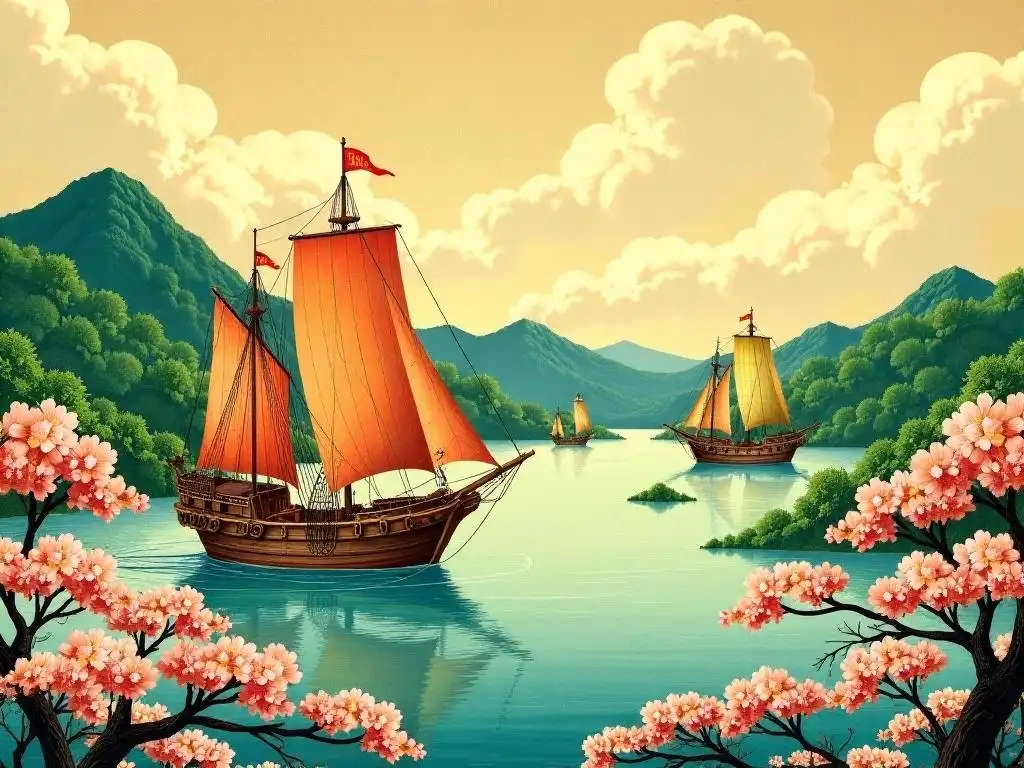
Welcome to Feudal Japan History, where we invite you to embark on a fascinating journey through the intricate tapestry of Japan's feudal era. In our featured article, "The Maritime Policies of Japan: Navigating the Seas under Isolation," we delve into the lesser-known strategies that shaped Japan's foreign relations during a time of seclusion. What drove these maritime decisions, and how did they impact the nation’s interactions with the outside world? Prepare to uncover the layers of history that defined an era, and let your curiosity lead you deeper into the captivating world of feudal Japan.
Introduction to Japan's Feudal Maritime Policies
Japan's feudal maritime policies represent a fascinating chapter in the nation's history, reflecting a complex interplay of isolation, cultural values, and strategic interests. During the feudal era, particularly from the early 17th century onward, Japan adopted strict isolationist policies, largely under the Tokugawa shogunate. These policies not only shaped Japan's internal dynamics but also defined its interactions with the outside world, particularly in terms of maritime trade and naval strategies. The study of these policies offers valuable insights into how Japan navigated the challenges of foreign relations while maintaining its sovereignty and cultural identity.
Overview of Japan's Isolationist Era
The isolationist era, known as sakoku, lasted from the 1630s until the mid-19th century. This period was characterized by a series of laws that restricted foreign influence and limited trade primarily to the Dutch and Chinese. The isolation was not merely a rejection of foreign engagement; it was a calculated approach that sought to protect Japanese society from external disruptions while fostering internal stability. Under the sakoku system, Japan developed a unique maritime policy that emphasized self-sufficiency and controlled engagement with the world.
Importance of Maritime Policies in Feudal Japan
Maritime policies during Japan's feudal era were crucial for several reasons:
- Economic Control: By regulating foreign trade, Japan aimed to bolster its economy while preventing the influx of foreign ideas and religions that could disrupt the social order.
- Cultural Preservation: The isolationist policies facilitated a focus on domestic culture and governance, enabling Japan to refine its unique traditions without external interference.
- Strategic Defense: The maritime policies also played a vital role in national defense, as Japan sought to protect its shores from potential invasions and piracy.
Historical Context of Japan's Maritime Policies
The Rise of Japanese Isolationism in the 17th Century
The shift towards isolationism in Japan can be traced back to the aftermath of the Sengoku period, a time of intense conflict and civil strife. With the unification of Japan under Tokugawa Ieyasu, stability became paramount. The enactment of the sakoku policy was a strategic decision influenced by various factors, including the desire to curb the spread of Christianity and consolidate political power. As a result, Japan's maritime activities became tightly regulated, leading to a focus on domestic shipping and the development of a robust internal trade network.
Influences of Confucianism and Buddhism on Maritime Thought
The philosophical frameworks of Confucianism and Buddhism significantly influenced Japan's maritime policies. Confucian ideals emphasized social harmony, hierarchy, and loyalty to the state, which aligned with the shogunate's goals of maintaining order and control over maritime activities. Conversely, Buddhism fostered a sense of introspection and detachment from worldly affairs, promoting the idea of a self-contained society. Together, these philosophies shaped the mindset that underpinned Japan's maritime strategies during the feudal era, reinforcing the notion that isolation could be a source of strength and stability.
Key Features of Japan's Feudal Maritime Policies

Japan's feudal maritime policies were characterized by strict regulations aimed at controlling foreign interactions while promoting domestic stability. During the Edo period (1603-1868), the Tokugawa shogunate implemented a range of measures that defined how Japan engaged with the outside world. These policies were influenced by a desire to maintain political power, social order, and cultural integrity.
- Sakoku (Closed Country) Policy: One of the most notable features was the Sakoku policy, which limited foreign influence and prohibited Japanese citizens from traveling abroad. This was designed to prevent the spread of foreign ideologies, particularly Christianity, and maintain the shogunate's authority.
- Restricted Trade: The shogunate allowed limited trade with select foreign nations, primarily the Dutch and the Chinese, through designated ports like Nagasaki. This trade was heavily monitored to ensure that it did not lead to cultural or political upheaval.
- Maritime Surveillance: The Japanese maritime environment was closely monitored. The shogunate maintained a navy to defend against potential invasions and to enforce maritime laws, reflecting a dual focus on security and control.
- Promotion of Domestic Shipping: While foreign trade was restricted, the shogunate actively encouraged the development of domestic shipping industries. This was aimed at enhancing local economies and improving the transportation of goods within Japan.
These key features illustrate how Japan's feudal maritime policies were intricately designed to balance the need for economic stability with the desire to insulate Japanese society from external influences.
Regulation of Foreign Trade and Relations
The regulation of foreign trade and relations during Japan's feudal era was marked by a careful selection of trading partners and stringent controls over trade practices. The Tokugawa shogunate aimed to minimize foreign influence while reaping the benefits of controlled commerce.
- Trading Partners: Japan primarily engaged in trade with the Dutch and the Chinese. The Dutch were granted a special status due to their non-missionary approach, allowing them to operate from Dejima, a small island in Nagasaki Bay. This exclusivity highlighted Japan's desire to limit foreign ideologies while still benefiting from trade.
- Trade Regulations: Strict regulations governed the types of goods that could be imported and exported. Items such as silver, gold, and certain textiles were heavily monitored. Additionally, trade was restricted to specific times of the year, further controlling the flow of foreign goods.
- Customs and Duties: The shogunate imposed high customs duties on foreign goods, generating revenue while simultaneously discouraging excessive foreign influence. This created a controlled environment where foreign interactions were predictable and manageable.
- Diplomatic Isolation: Japan's diplomatic relations were limited, with embassies and consulates virtually non-existent. The focus was on maintaining a balance of power and preventing the infiltration of foreign ideas that could disrupt the societal structure.
Through these regulations, the Tokugawa shogunate maintained a delicate balance between engaging in beneficial trade and shielding Japanese society from external influences.
Development of Domestic Maritime Trade
While Japan's feudal maritime policies restricted foreign trade, they simultaneously fostered the growth of domestic maritime trade, which played a crucial role in the economy and societal structure.
- Increased Internal Trade: With foreign trade limited, domestic shipping routes flourished, connecting various regions of Japan. The rise of merchant classes in cities like Osaka and Edo facilitated a vibrant internal economy, leading to increased production and consumption of goods.
- Advancements in Shipbuilding: The demand for domestic shipping spurred advancements in shipbuilding techniques. The development of larger and more efficient vessels allowed for greater cargo capacity and improved navigation, enhancing the overall efficiency of maritime trade.
- Regulation of Coastal Trade: The shogunate implemented regulations to oversee coastal trade, ensuring that regional markets operated smoothly. This included licensing systems for merchants and shipowners, which helped to maintain order and control over maritime activities.
- Cultural Exchange Within Japan: Domestic maritime trade also contributed to cultural exchange among different regions. The movement of goods facilitated the spread of ideas, traditions, and technologies, fostering a unique blend of regional identities while maintaining a sense of national unity.
The development of domestic maritime trade during the feudal era not only supported the economy but also helped to solidify Japan's internal cohesion amidst a backdrop of isolationist policies.
The Impact of Maritime Policies on Japanese Society
The maritime policies of feudal Japan had profound effects on various aspects of society, shaping economic structures, cultural exchanges, and social dynamics.
Economic Implications of Isolationist Maritime Policies
Japan's isolationist maritime policies had significant economic implications that shaped the country's development during the feudal period.
- Trade Limitations: The restrictions on foreign trade limited access to a broader range of goods and resources. While this helped protect local industries from foreign competition, it also stifled innovation and technological advancement that could have arisen from more open trade practices.
- Strengthening of Local Economies: On the positive side, the focus on domestic trade bolstered local economies. Regions became more self-sufficient, leading to the growth of agricultural and artisanal industries. This enhanced regional interdependence, contributing to a stronger national economy.
- Merchant Class Emergence: The restrictions on foreign trade led to the rise of a powerful merchant class, particularly in urban centers. These merchants played a critical role in the economy, facilitating trade and commerce and gradually accumulating wealth and influence.
- Inflation and Currency Issues: The isolationist policies also contributed to inflation and currency issues as the shogunate struggled to manage a growing economy without the stabilizing effects of international trade. The reliance on gold and silver, alongside limited currency circulation, created economic challenges.
Thus, while Japan's isolationist maritime policies aimed to preserve order and stability, they also resulted in complex economic dynamics that shaped the nation's development.
Cultural Exchange and Isolation
The interplay between cultural exchange and isolation during Japan's feudal era created a unique societal landscape that both preserved traditional practices and limited external influences.
- Preservation of Culture: The isolationist policies effectively shielded Japan from foreign cultural impositions, allowing indigenous traditions, religions, and practices to flourish. This preservation contributed to a rich cultural heritage that would influence future generations.
- Limited Foreign Cultural Exchange: Although the Dutch were allowed limited trade, cultural exchange was significantly restricted. This meant that while some scientific knowledge and Western technologies filtered in, many aspects of foreign culture were kept at bay, leading to a homogenous cultural identity.
- Internal Cultural Flourishing: The lack of foreign influences fostered a unique internal cultural flourishing. The Edo period saw the rise of Ukiyo-e (woodblock prints), Kabuki theater, and tea ceremonies, which became integral parts of Japanese identity and social life.
- Impact on Art and Literature: The isolation allowed for a distinctive artistic and literary evolution, characterized by themes rooted in nature, spirituality, and the samurai ethos. This cultural specificity became a defining feature of Japan during the feudal era.
Overall, while Japan's maritime isolation limited foreign interaction, it also allowed for the cultivation of a rich and unique cultural identity that would endure through the ages.
Comparative Analysis of Maritime Policies
Japan's feudal maritime policies, particularly during the Edo period (1603-1868), were marked by strict regulations that aimed to control foreign interactions and trade. This isolationist approach can be contrasted with the maritime policies of other nations that adopted similar strategies during their respective periods. While Japan focused on limiting outside influence through a selective approach to maritime trade, countries like China and Korea also implemented isolationist policies but differed significantly in execution and impact.
For instance, while Japan's Sakoku (locked country) policy effectively restricted foreign traders, allowing only the Dutch and Chinese to engage in limited trade through designated ports like Nagasaki, China maintained a more complex relationship with foreign entities. The Qing Dynasty, for example, imposed the Canton System, which restricted trade to a specific port but did not entirely sever foreign relations, allowing for a more extensive exchange of goods and cultural influences compared to Japan's stringent isolation.
Furthermore, comparing Japan's maritime policies to those of European nations reveals differing motivations. European powers, such as Spain and Portugal, often sought to expand their empires through aggressive maritime exploration and colonization, driven by economic gain and the spread of Christianity. Conversely, Japan's policies stemmed from a desire to protect its sovereignty and cultural integrity, leading to a more introspective maritime stance that prioritized internal stability over external expansion.
Japan vs. Other Isolationist Nations
When examining Japan's isolationist maritime policies alongside other nations, such as Ming China and Tokugawa Japan, several key differences emerge. Both Japan and Ming China adopted isolationist measures, but their motivations and outcomes varied. Ming China sought to reinforce its cultural identity and control foreign influence after earlier contact with the West destabilized its society. The maritime trade restrictions led to a flourishing of domestic industries but also spurred illegal trade, particularly with European powers.
In contrast, Japan's Tokugawa shogunate pursued a more rigid approach, effectively sealing the nation off from foreign contact for over 200 years. This isolationist policy resulted in a unique cultural evolution distinct from the influences that permeated other countries, allowing Japan to develop a strong internal economy driven by domestic trade and agriculture. However, the downside was a stagnation of technological advancement compared to the West, which was undergoing rapid industrialization during the same period.
The comparison of maritime policies reveals not only the distinct choices made by nations but also the long-term impacts these decisions had on their respective societies. Japan's approach ultimately led to a cultural renaissance, while other nations faced challenges as they navigated the complexities of trade and foreign relations.
Challenges Faced by Japan's Maritime Policies
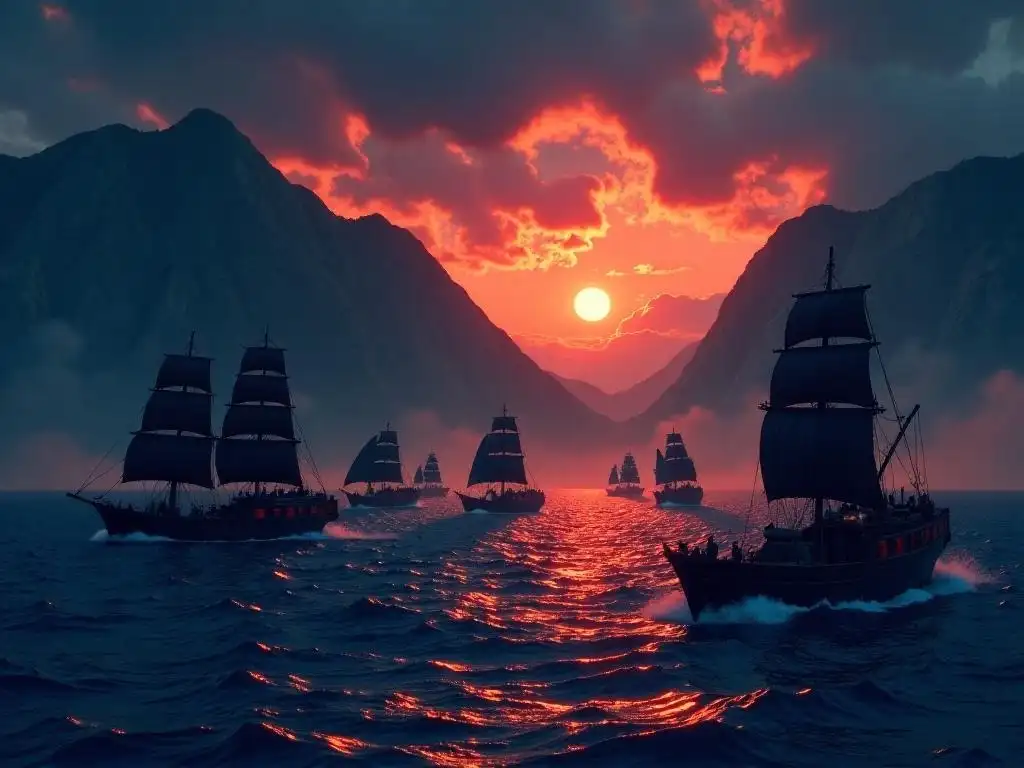
Japan's maritime policies during the Edo period were not without significant challenges that threatened their effectiveness and the nation’s stability. While the isolationist stance aimed to preserve Japanese culture and autonomy, various factors tested the resilience of these policies.
Smuggling and Illegal Trade Practices
Despite the strict enforcement of isolationist maritime policies, smuggling and illegal trade flourished. The high demand for foreign goods, particularly luxury items such as silk and spices, led to an underground economy that bypassed the official trade channels. This illicit trade often involved complex networks of merchants and smugglers who operated in secrecy, undermining the Tokugawa shogunate's authority.
The government imposed severe penalties for those caught engaging in unauthorized trade, yet the lure of profit proved too enticing for many. Coastal areas, especially in regions like Kyushu, became hotspots for smuggling activities, with traders finding creative ways to circumvent restrictions. This persistent illegal trade not only disrupted the official economy but also posed a challenge to the shogunate’s efforts to maintain control over maritime activities.
Internal Conflicts and Their Impact on Maritime Activities
Internal conflicts, including power struggles among the samurai class and peasant uprisings, significantly impacted Japan's maritime activities. The need for the shogunate to allocate resources and attention to quelling domestic unrest often diverted focus from maritime regulation and defense, leading to vulnerabilities.
Moreover, the frequent disturbances within the country diminished the effectiveness of naval patrols and enforcement of maritime laws. As internal strife took precedence, opportunities arose for external forces to exploit Japan's weakened maritime defenses. The tension between maintaining strict isolationist policies and the realities of internal conflict ultimately influenced Japan's maritime strategies, revealing the intricate balance the Tokugawa shogunate sought to achieve between control and stability.
While Japan's feudal maritime policies were designed to protect its sovereignty and culture, they faced significant challenges that highlighted the complexities of maintaining such a rigid stance in a changing world.
Conclusion: The Legacy of Japan's Feudal Maritime Policies
Japan's feudal maritime policies have left an enduring legacy that continues to influence the nation’s cultural and historical landscape. The strict isolationist measures enacted during the Edo period (1603-1868) shaped not only Japan’s interactions with foreign powers but also the internal dynamics of society and governance.
The Sakoku, or “closed country” policy, effectively curtailed foreign influence while attempting to control trade, particularly with European nations and nearby Asian countries. This isolation fostered a unique cultural identity, characterized by advancements in arts, literature, and technology within Japan, but it also resulted in a lack of technological and scientific exchange that would later challenge Japan during the Meiji Restoration.
The repercussions of these policies can be seen in the modern era as Japan navigates its position on the global stage. The balance between maintaining a distinct cultural identity and engaging with the world continues to be a topic of national discourse, echoing the historical tensions between isolation and openness. Thus, the maritime policies of feudal Japan serve as a pivotal reference point for understanding contemporary Japan’s foreign relations and cultural positioning.
Long-term Effects on Japan's Foreign Relations
The long-term effects of Japan's feudal maritime policies are profound and multifaceted. One significant impact was the establishment of a framework for foreign relations that prioritized trade with selected nations while excluding others. For instance, during the Edo period, the Dutch were granted limited access to trade through the port of Nagasaki, which allowed them to become the sole European traders in Japan. This selective engagement not only influenced Japan's economic development but also shaped its perceptions of foreign cultures and ideologies.
Furthermore, the isolationist policies fostered a sense of nationalism and cultural pride, which became crucial during periods of foreign intervention and modernization. The eventual opening of Japan to the outside world in the mid-19th century was marked by a cautious approach that reflected the historical complexities of its maritime policies. The legacy of these policies can still be felt in Japan's contemporary diplomatic strategies, where an emphasis on selective engagement persists, balancing the need for international cooperation with the desire to protect national interests.
Reflection on the Balance of Isolation and Engagement
The historical balance between isolation and engagement in Japan's maritime policies offers critical insights into the dynamics of Japanese society. On one hand, the isolationist stance allowed Japan to develop a rich cultural heritage and a stable social structure free from foreign influence. This period witnessed the flourishing of traditional arts, crafts, and philosophies that defined Japanese identity.
Conversely, the rigid enforcement of isolation also led to a stagnation in technological progress and a limited worldview. When faced with external pressures, such as Commodore Perry's arrival in 1853, Japan had to pivot quickly from a position of isolation to one of engagement. This transition highlights the inherent tension between preserving cultural integrity and adapting to a changing global landscape.
The lessons learned from this balance are applicable today, as Japan navigates modern challenges related to globalization, security, and environmental issues. Understanding the historical context of these maritime policies can provide valuable guidance in crafting future foreign relations strategies that honor Japan's rich heritage while embracing necessary engagement with the world.
Further Reading and Resources on Japan's Feudal Era Maritime Policies
To deepen your understanding of Japan's feudal maritime policies and their implications, the following resources offer a wealth of information:
Recommended Books and Articles
-
"Japan's Closed World: 1639-1853" by John W. Dower
This book explores the socio-political atmosphere of Japan during its isolationist period, providing insights into the maritime policies that defined the era.
-
"The Tokugawa World" edited by James L. McClain
A comprehensive examination of the Tokugawa period, including discussions on trade, foreign relations, and the impact of maritime policies on Japanese society.
-
"The Sea of Japan: Historical and Cultural Perspectives" by David P. Barrows
This text delves into the maritime history of Japan, addressing its foreign relations and the evolution of maritime policies over the centuries.
Online Resources for Deeper Understanding of Japan’s Isolationist Policies
-
National Diet Library of Japan
The library offers a digital collection of documents and historical texts related to Japan's isolationist policies and maritime history.
-
Japan Society
This organization provides articles and research on various aspects of Japan's history, including its feudal maritime policies and their long-term effects.
-
The Japan Times
The publication features a range of articles discussing Japan’s historical maritime policies and their implications for contemporary foreign relations.
These resources will provide further insights into the intricate relationship between Japan’s maritime policies and its broader historical narrative, enriching your understanding of this pivotal era in Japanese history.
- Introduction to Japan's Feudal Maritime Policies
- Overview of Japan's Isolationist Era
- Importance of Maritime Policies in Feudal Japan
- Historical Context of Japan's Maritime Policies
- Key Features of Japan's Feudal Maritime Policies
- The Impact of Maritime Policies on Japanese Society
- Comparative Analysis of Maritime Policies
- Japan vs. Other Isolationist Nations
- Challenges Faced by Japan's Maritime Policies
- Conclusion: The Legacy of Japan's Feudal Maritime Policies
- Further Reading and Resources on Japan's Feudal Era Maritime Policies
- What were the main maritime policies during Japan's feudal era?
- How did Japan's isolation impact its maritime activities?
- Who were the primary foreign traders allowed access to Japan during this time?
- What role did the samurai play in Japan's maritime policies?
- How did Japan's feudal maritime policies influence its culture?
Frequently Asked Questions
What were the main maritime policies during Japan's feudal era?
The maritime policies of feudal Japan focused on isolationism, limiting foreign trade and interactions primarily to the Dutch and Chinese, thus protecting Japanese culture and interests.
How did Japan's isolation impact its maritime activities?
Japan's isolationist policies restricted international trade and maritime exploration, resulting in a unique development of domestic industries and a self-sufficient economy during the Edo period.
Who were the primary foreign traders allowed access to Japan during this time?
Only the Dutch and Chinese were permitted to engage in trade with Japan, as they were seen as less threatening to Japan's cultural integrity and sovereignty.
What role did the samurai play in Japan's maritime policies?
The samurai class enforced maritime laws and policies, ensuring that trade and navigation adhered to the strict regulations set forth by the shogunate to maintain order and stability.
How did Japan's feudal maritime policies influence its culture?
The isolationist maritime policies led to the development of unique cultural practices and art forms, as Japan had limited exposure to foreign influences, thereby preserving its traditional heritage.
The exploration of Japan's feudal maritime policies reveals a profound connection between isolation and maritime strategy, underscoring the importance of understanding how historical frameworks shape contemporary maritime practices. Today, as nations grapple with global interdependence and the complexities of maritime law, the lessons from Japan's past resonate powerfully, reminding us that the seas are not merely pathways for trade but also arenas of cultural and political significance.
The influence of Japan's maritime policies during its feudal era continues to echo in modern society, shaping not only Japan's national identity but also its approach to international relations. The careful balance between isolation and engagement crafted by feudal leaders has laid the groundwork for Japan's current maritime stance. As noted by historian John W. Dower, The past is never dead. It's not even past.
This sentiment encapsulates how historical maritime policies inform present-day maritime governance and cultural interactions, emphasizing the need to reflect on our maritime heritage.
As we navigate our own waters today, I invite you to reflect on the lessons of Japan's feudal maritime policies and consider how they apply to your life. What can we learn from the delicate balance of isolation and engagement? Embrace the opportunity to explore your own connections to the sea—whether through environmental stewardship, cultural exchange, or international cooperation. By understanding the past, we can better navigate the future, ensuring that our maritime endeavors are informed by history and driven by a vision of unity and respect for the oceans that bind us all.
Embark on Your Journey Through Japan's Maritime History!
Thank you for diving into the fascinating world of Japan's maritime policies during its period of isolation. You've uncovered the intriguing ways in which these policies shaped not only Japan's identity but also its interactions with the wider world. Now, let’s turn your newfound knowledge into action!
- Explore more about the impact of these policies by reading related articles on our site. Each piece adds depth to your understanding of Japan’s historical landscape.
- Share this article with fellow history enthusiasts! Inspire conversations about Japan's maritime past and its relevance today.
- Join our community by leaving a comment or sharing your thoughts on how Japan's isolation has influenced modern maritime practices around the globe.
What aspect of Japan’s maritime isolation intrigues you the most, and how do you think it has influenced today’s global maritime policies?