
The Global Impact of Perry's Arrival on Japan and Beyond

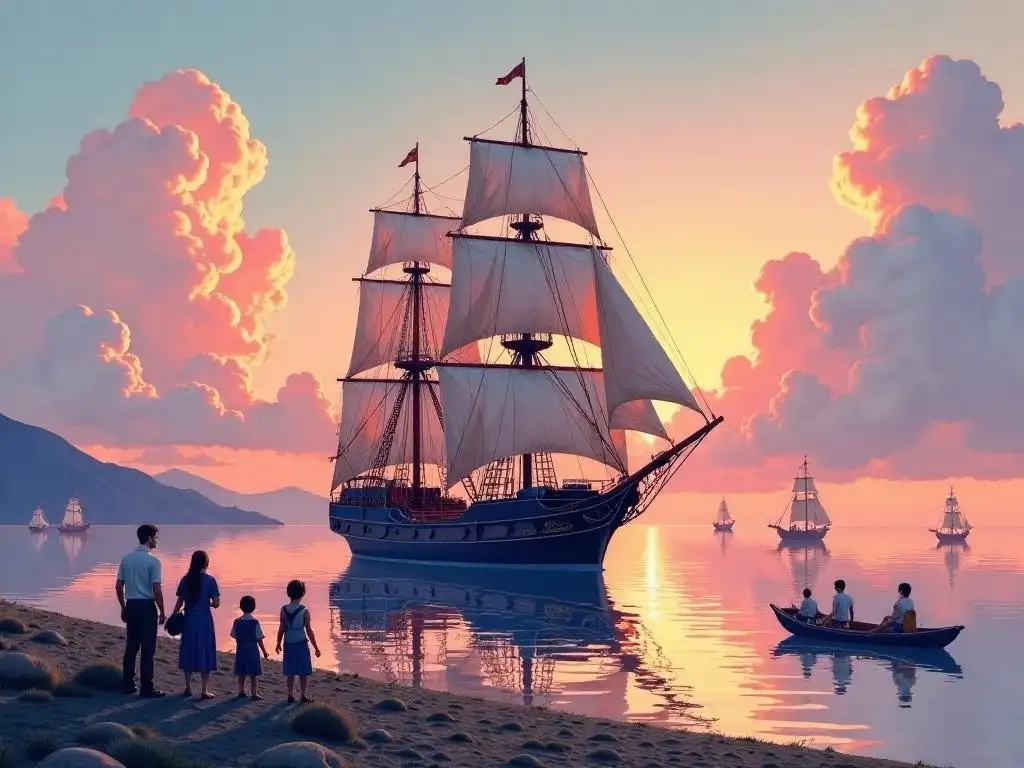
Welcome to Feudal Japan History, where we delve deep into the rich tapestry of Japan’s feudal era. Here, history isn't just a series of events; it's a vibrant narrative that shapes our understanding of culture and society. In our featured article, “The Global Impact of Perry's Arrival on Japan and Beyond,” we unravel the profound changes that followed this pivotal moment in foreign relations.
What transformations emerged as Japan opened its doors to the world? Join us as we explore the ripples of Perry's arrival and discover how it altered the course of Japanese history forever. Are you ready to uncover the layers of this compelling story?
Introduction to Perry's Arrival in Japan
The arrival of Commodore Matthew Perry in Japan in 1853 marked a pivotal moment in both Japanese and global history. This event not only initiated the end of Japan's more than two-century-long policy of isolation, known as sakoku, but also set the stage for significant changes in international relations, trade, and cultural exchanges.
Perry's expedition was underpinned by a desire to open Japan to American commerce, but its implications reached far beyond the shores of Japan, influencing the dynamics of power in the Asia-Pacific region and reshaping the course of Japanese history. Understanding the impact of Perry's arrival on Japan requires a comprehensive exploration of the immediate and long-term effects it had on Japan’s political, social, and cultural landscape, as well as its repercussions on global relations.
Overview of Commodore Perry's Expedition
In 1852, Commodore Perry was tasked by the United States government to lead a naval expedition to Japan. His mission was to establish diplomatic relations and secure trade agreements with a nation that had remained largely closed to foreign influence since the early 17th century. Arriving in Tokyo Bay with four warships on July 8, 1853, Perry's fleet presented a formidable display of American naval power. This show of strength was crucial in persuading the Japanese shogunate to engage in negotiations, as it highlighted the shift in global power dynamics and the growing influence of Western nations in Asia.
The expedition was notable not only for its military presence but also for Perry's diplomatic approach, which included the delivery of a letter from President Millard Fillmore. The letter outlined the benefits of trade and cooperation with the United States, ultimately setting the stage for a new era in Japanese foreign relations.
Significance of Perry's Arrival in 1853
The significance of Perry's arrival cannot be overstated. It acted as a catalyst for Japan's transformation from an isolated feudal society to a modern nation-state. The forced opening of Japan to foreign trade led to a series of treaties, including the Treaty of Kanagawa in 1854, which established formal relations between Japan and the United States. This treaty not only marked the end of Japan's isolation but also initiated a period of rapid modernization and Westernization known as the Meiji Restoration, which began in 1868.
Furthermore, Perry's arrival highlighted the growing imperial ambitions of Western powers in Asia, signaling a shift in global geopolitics that would have lasting implications for Japan and the region. The event is often seen as a turning point that ushered in a new chapter in Japan's history, one of engagement with the world rather than isolation.
The Impact of Perry's Arrival on Japan
Immediate Reactions from the Japanese Government
Perry's arrival elicited a mix of reactions from the Japanese government, primarily led by the Tokugawa shogunate. Initially, the shogunate was caught off guard by Perry's show of force and the demands for trade. There was a palpable sense of fear and uncertainty among the ruling elite regarding how to respond to this unprecedented situation. The immediate reaction involved a combination of diplomatic negotiations and internal debates concerning the future of Japan's foreign policy.
In the face of pressure from both Perry and the internal factions advocating for modernization, the shogunate ultimately decided to engage in negotiations, leading to the signing of the Treaty of Kanagawa. This decision marked a significant shift in Japan's approach to foreign relations, showcasing the complexities of governance during a time of crisis.
Changes in Japanese Foreign Policy
The impact of Perry's arrival fundamentally altered Japan's foreign policy. The initial treaty with the United States opened Japan to other Western nations, leading to a series of unequal treaties that favored foreign powers. This shift prompted significant political discourse within Japan, as various factions debated the merits and consequences of opening the nation to the West.
In the years following Perry's expedition, Japan gradually transitioned from a policy of isolation to one of active engagement with the international community. This included not only the establishment of diplomatic relations but also the adoption of Western technologies and practices, which would eventually contribute to Japan's emergence as a global power by the early 20th century.
Cultural Exchange and Western Influence in Japan
Perry's arrival also initiated a profound cultural exchange between Japan and the West. The influx of foreign ideas, customs, and technologies began to permeate Japanese society, influencing everything from art and architecture to education and industry. The exposure to Western philosophies and practices stimulated intellectual movements within Japan, leading to a reevaluation of traditional values and a push towards modernization.
Moreover, this cultural exchange was not one-sided; Japan began to export its own culture, leading to a fusion of Eastern and Western elements that enriched both societies. As Japanese art, cuisine, and literature gained recognition abroad, they contributed to a growing appreciation of Japan in the global arena, heralding a new age of cultural diplomacy.
The impact of Perry's arrival on Japan was both immediate and profound, shaping the trajectory of Japanese history and its relations with the world. The repercussions of this event continue to be felt today, making it a crucial subject of study for those interested in Japan's evolution and its place in global history.
Economic Effects of Perry's Arrival on Japan
The arrival of Commodore Matthew Perry in 1853 marked a significant turning point in Japan's economic trajectory, fundamentally altering its relationships with foreign powers and reshaping its own internal economy. The forced opening of Japanese ports to foreign trade initiated a transformative period that would lead to substantial economic changes within the nation. The effects were manifold, influencing both traditional practices and the adoption of new technologies.
Opening of Japanese Ports to Trade
The signing of the Treaty of Kanagawa in 1854, which was precipitated by Perry's expedition, effectively opened Japan to international trade for the first time in over two centuries. This treaty allowed American vessels access to Japanese ports, specifically Shimoda and Hakodate, and marked the beginning of Japan's integration into the global economy. The immediate effect was a surge in foreign trade, leading to increased imports of Western goods, which included textiles, machinery, and luxury items. This influx not only diversified the Japanese market but also introduced new consumer behaviors and preferences among the Japanese populace.
In addition to American trade, other Western nations followed suit, leading to a series of unequal treaties that expanded trade relations. Japan's economy began to shift from a primarily agrarian base to one increasingly integrated with international markets. As a result, local economies started adapting to the demands of foreign markets, altering traditional supply chains and production methods.
Impact on Traditional Japanese Industries
The opening of Japan's ports had profound effects on traditional industries, particularly agriculture and artisan crafts. As Western goods flooded the market, local artisans faced fierce competition from imported products. This competition often led to a decline in traditional craftsmanship, as consumers gravitated towards cheaper and more varied foreign goods. For instance, the local silk industry experienced a transformation as Japanese silk was exported to meet foreign demands, but the influx of Western textiles diminished the local cloth production.
Conversely, some traditional industries adapted by incorporating Western techniques and materials. The need to modernize spurred innovation within sectors such as shipbuilding and textiles, which began to integrate mechanization and new production methods. This adaptation showcased the resilience of Japanese industries, as they strived to compete in an evolving economic landscape.
The Role of Western Technology in Japan's Economic Transformation
Western technology played a crucial role in Japan's economic transformation post-Perry. The introduction of steam-powered vessels, telegraph systems, and modern manufacturing processes revolutionized transportation and communication within the country. These technological advancements facilitated not only domestic economic growth but also enhanced Japan's ability to engage in international trade.
The Meiji Restoration in 1868 was significantly influenced by the desire to adopt Western technology to prevent colonization and to establish Japan as a competitive global power. The government actively sought to learn from Western nations, sending students abroad and inviting foreign experts to Japan. This exchange of knowledge led to the rapid modernization of industries such as textiles, railroads, and shipbuilding, which became pivotal to Japan's economic expansion in the late 19th and early 20th centuries.
Societal Changes Triggered by Perry's Arrival
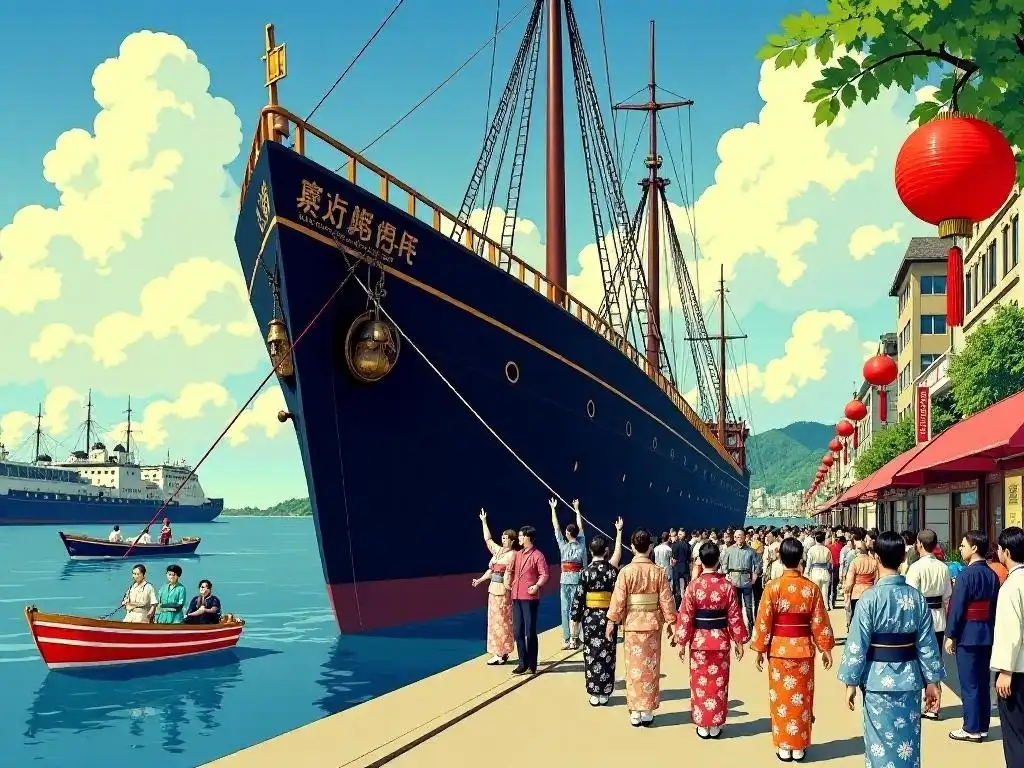
Perry's arrival not only reshaped Japan's economy but also instigated profound societal changes. The forced engagement with Western powers led to a reevaluation of Japan's social structure, national identity, and educational systems. These changes laid the groundwork for the emergence of modern Japan.
Alterations in Japanese Social Structure
The influx of foreign influence prompted significant shifts in the traditional Japanese social hierarchy, which had been long dominated by the samurai class and feudal lords. The weakening of the Tokugawa shogunate, combined with the growing discontent of various social classes, set the stage for the eventual rise of a more egalitarian society. As commerce expanded and the merchant class gained wealth and influence, societal roles began to shift.
The collapse of the rigid caste system allowed for greater mobility and the emergence of new social classes. The samurai class, in particular, faced challenges as their privileges diminished in the face of modernization and economic change. As a result, a new middle class began to form, contributing to a more dynamic and fluid social structure that was conducive to the ideas of nationalism and modernization.
The Rise of Nationalism and Modernization Movements
Perry's arrival served as a catalyst for the rise of nationalism in Japan. The shock of encountering superior Western military power instilled a sense of urgency among Japanese leaders and intellectuals to modernize and strengthen the nation. This newfound nationalism was characterized by a desire to assert Japan's sovereignty and identity on the global stage.
The Meiji Restoration was largely propelled by nationalist sentiments, leading to sweeping reforms aimed at modernizing the state and society. The slogan "Rich country, strong military" encapsulated the aspirations of the era, as leaders sought to build a nation capable of standing toe-to-toe with Western powers. This period saw a concerted effort to foster a sense of national pride and unity among the populace, paving the way for Japan's emergence as a formidable global player.
Impact on Education and Western Learning
The opening of Japan to the West also had significant implications for education and learning. The introduction of Western educational systems and curricula began to reshape Japanese education, emphasizing scientific knowledge, technology, and foreign languages. This shift was crucial for cultivating a workforce that could support Japan's modernization efforts.
The government established new schools and universities, promoting Western learning and encouraging the study of subjects such as engineering, medicine, and military science. The adoption of Western educational practices not only increased literacy rates but also fostered a new generation of thinkers and leaders who would play pivotal roles in Japan's transformation. This educational revolution was instrumental in creating a skilled workforce capable of driving industrialization and modernization, ultimately contributing to Japan's rapid ascent as a global power.
The Broader Global Impact of Perry's Arrival
Commodore Matthew Perry's arrival in Japan in 1853 marked a pivotal moment not only in Japanese history but also in the global context of the 19th century. His expedition, which aimed to open Japan to trade with the United States, was a catalyst for significant changes that rippled through international relations, economic systems, and cultural exchanges. The impact of Perry's arrival was multifaceted, influencing U.S.-Japan relations, altering power dynamics in East Asia, and reshaping global maritime trade.
Influence on U.S.-Japan Relations
The arrival of Perry initiated a new chapter in U.S.-Japan relations, characterized by both cooperation and conflict. Initially met with resistance, Perry's insistence on establishing diplomatic ties led to the signing of the Treaty of Kanagawa in 1854. This treaty not only opened Japanese ports to American ships but also laid the groundwork for future treaties with other Western powers.
- Diplomatic Engagement: The treaty marked the first formal diplomatic agreement between Japan and the United States, signaling the end of Japan's 220-year policy of national seclusion (sakoku). This engagement opened the door for further diplomatic, cultural, and economic exchanges.
- Cultural Exchange: Following Perry's expedition, there was an influx of American culture into Japan, influencing various aspects of Japanese society, from art and literature to education and technology.
- Foundation for Alliances: The newly established relations with the U.S. ultimately provided Japan with a powerful ally as it navigated the complex landscape of international politics in the late 19th and early 20th centuries.
The Shift in Power Dynamics in East Asia
Perry's arrival had profound implications for the power dynamics in East Asia. As Japan opened up to the West, it began to modernize its military and industrial capabilities, which altered the balance of power in the region.
- Emergence of Japan as a Power: Japan's rapid modernization led to its emergence as a significant power in East Asia, culminating in victories against China and Russia in the Sino-Japanese War (1894-1895) and the Russo-Japanese War (1904-1905).
- Decline of Traditional Powers: The opening of Japan also highlighted the weaknesses of neighboring nations, particularly China, which struggled to modernize and faced internal strife. This decline set the stage for Japan's expansionist policies in the early 20th century.
- Regional Tensions: The shift in power dynamics contributed to rising tensions in East Asia, as Japan's newfound status led to conflicts with Western powers and neighboring countries, ultimately shaping the geopolitical landscape of the region.
Long-term Consequences for Global Maritime Trade
Perry's expedition had significant ramifications for global maritime trade. By opening Japan to international commerce, the dynamics of trade in the Pacific region began to shift.
- Increased Trade Routes: The opening of Japanese ports created new trade routes and opportunities for Western nations, enhancing global trade networks. The U.S. gained access to valuable resources and markets, and Japan became a crucial player in international trade.
- Impact on Shipping Industries: The demand for maritime trade led to the growth of shipping industries, with increased competition among Western nations seeking to establish their presence in Asia. This competition contributed to technological advancements in shipbuilding and navigation.
- Transformation of Global Economies: The integration of Japan into the global economy facilitated cultural exchanges and resource flows, transforming economies not only in Japan but also in the broader Asia-Pacific region and beyond.
Conclusion
Summary of the Impact of Perry's Arrival on Japan
Commodore Perry's arrival in Japan served as a catalyst for profound changes that shaped the nation’s trajectory. It facilitated Japan's transition from isolation to engagement with the global community, leading to modernization and the emergence of Japan as a significant world power. The initial shockwaves of Perry's expedition were felt not only in Japan but across the globe, influencing diplomatic relations, economic systems, and cultural exchanges.
Reflection on the Legacy of Commodore Perry's Expedition
The legacy of Commodore Perry's expedition is a complex tapestry of progress and conflict. While it opened Japan to the world, it also set in motion a series of events that would lead to imperialism and conflict in East Asia. Perry's arrival serves as a reminder of the delicate balance between engagement and exploitation, and how the actions of one nation can alter the course of history for others. The impact of Perry's arrival continues to be felt today as Japan plays a prominent role in global affairs, showcasing the enduring significance of this historic moment.
- Introduction to Perry's Arrival in Japan
- The Impact of Perry's Arrival on Japan
- Economic Effects of Perry's Arrival on Japan
- Societal Changes Triggered by Perry's Arrival
- The Broader Global Impact of Perry's Arrival
- Conclusion
Frequently Asked Questions
What was the significance of Perry's arrival in Japan?
Perry's arrival in 1853 marked a turning point in Japan's history, leading to the end of over two centuries of isolation and the opening of Japanese ports to international trade.
How did Perry's expedition affect Japan's society?
Perry's expedition introduced Western technologies and ideas that significantly influenced Japanese society, prompting a cultural exchange that led to modernization and social reforms.
What were the immediate economic impacts of Perry's arrival?
The opening of Japan's ports resulted in increased trade opportunities, stimulating the economy and leading to the establishment of new industries and commerce.
How did Perry's arrival influence Japan's political landscape?
Perry's arrival pressured the Tokugawa shogunate to sign unequal treaties, which ultimately weakened its authority and contributed to the Meiji Restoration and the rise of a modern state.
What is the broader global impact of Perry's arrival on Japan?
Perry's expedition not only changed Japan but also reshaped international relations in Asia, leading other nations to pursue similar diplomatic engagements with Japan and influencing regional dynamics.
Final Reflection: The Enduring Legacy of Perry's Arrival on Japan
The impact of Perry's arrival on Japan is a pivotal moment in history that resonates profoundly in today's global landscape. As we navigate an increasingly interconnected world, the lessons from this encounter remind us of the complexities of cultural exchange and the consequences of imperialism. The arrival of Commodore Matthew Perry in 1853 not only altered Japan's trajectory but also set the stage for a broader dialogue on globalization and its implications for national identity and sovereignty.
Culture and society have been irrevocably shaped by the events that followed Perry's arrival, influencing everything from Japan's modernization to its role in international relations. The ripple effects of this moment continue to be felt, as nations grapple with the balance between tradition and progress. As the historian John Dower aptly noted, The past is never dead. It's not even past.
This sentiment underscores the importance of understanding historical events like Perry's arrival, as they inform contemporary discussions on diplomacy, cultural exchange, and the power dynamics that persist in our global society.
As we reflect on the lessons learned from Perry's arrival, I invite you to consider how these historical narratives shape your own understanding of cultural interactions today. What can we learn from the past to foster more respectful and equitable relationships in our increasingly globalized world? By engaging with these reflections, we can honor the complexities of history while striving for a future that values collaboration and mutual respect among nations.
Unveil New Perspectives on Japan's Transformation!
Thank you for diving into the fascinating world of Commodore Perry's arrival and its ripple effects on Japan and beyond! You’ve explored how this pivotal moment shaped international relations, culture, and society. Now, let’s harness that knowledge and take action to deepen your understanding and engage with this significant chapter in history.
Here are a few impactful ways you can continue this journey:
- Join a discussion group focused on maritime history or international relations to enhance your insights and connect with like-minded enthusiasts.
- Share your thoughts on social media or in the comments below. What surprised you the most about Commodore Perry's arrival?
- Explore further: Read more about Japan’s Meiji Restoration to understand how this event set the stage for modernization.
What aspect of Commodore Perry's impact do you find most intriguing, and how do you think it continues to influence Japan today?