
The Tokugawa Shogunate: Architects of Japan's Isolationist Policies


Welcome to Feudal Japan History, where we embark on a captivating journey through the intricate tapestry of Japan’s feudal era. Here, you’ll uncover the profound influences that shaped the nation, from cultural nuances to societal transformations. Dive into our featured article, "The Tokugawa Shogunate: Architects of Japan's Isolationist Policies," and discover how the Tokugawa Shogunate masterfully crafted isolationist policies that not only shaped Japan’s foreign relations but also defined an era. Are you ready to uncover the secrets behind their strategic decisions? Your exploration begins now!
The Tokugawa Shogunate, which reigned from 1603 to 1868, marked a significant period in Japanese history characterized by a unique blend of governance, culture, and societal norms. This era is often recognized for its profound impact on Japan's foreign relations, particularly regarding its isolationist policies. As Japan turned inward, the Tokugawa Shogunate implemented strategies that not only shaped the nation’s interactions with the outside world but also influenced its internal dynamics. Through a comprehensive exploration of the Tokugawa Shogunate and its isolationist policies, we can gain insights into how this pivotal period helped define Japan's identity and governance.
Introduction to the Tokugawa Shogunate
Overview of the Tokugawa Era
The Tokugawa era, also known as the Edo period, is often regarded as a time of peace and stability following centuries of warfare. Established by Tokugawa Ieyasu after his victory at the Battle of Sekigahara, the Shogunate laid the foundation for a centralized feudal system that prioritized order and control. This period saw the rise of a merchant class, cultural flourishing, and the development of distinct Japanese arts, including Ukiyo-e and Kabuki.
During this time, Japan became increasingly insular, adopting policies that restricted foreign influence and trade. The implementation of the sakoku policy, which literally means "locked country," exemplified this shift. The Shogunate aimed to maintain political stability by limiting contact with foreign nations, especially those perceived as threats to Japanese culture and sovereignty.
Key Figures in the Tokugawa Shogunate
Key figures in the Tokugawa Shogunate include:
- Tokugawa Ieyasu: The founder of the Shogunate, whose policies laid the groundwork for Japan's isolationist stance.
- Tokugawa Hidetada: Ieyasu's son, who continued to enforce isolationist policies and consolidate power.
- Tokugawa Iemitsu: Grandson of Ieyasu, known for intensifying isolationist measures and enforcing the sakoku laws more strictly.
These leaders played crucial roles in shaping the political landscape of Japan and enforcing policies that would have lasting repercussions on the nation’s foreign relations.
Understanding Isolationist Policies in Japan
Definition of Isolationism in a Historical Context
Isolationism, in the context of the Tokugawa Shogunate, refers to the deliberate decision to limit foreign influence and interaction. This was achieved through a series of restrictive laws that controlled trade, religious practices, and foreign relationships. The most notable of these laws was the prohibition of Christianity and the expulsion of foreign missionaries, which illustrated the Shogunate's fear of external ideologies threatening the established order.
Importance of Isolationist Policies for Japan
The isolationist policies of the Tokugawa Shogunate were critical for several reasons:
- Cultural Preservation: By limiting foreign influence, Japan was able to maintain its cultural identity, traditions, and social structures.
- Political Stability: Isolationism helped prevent foreign powers from destabilizing the Shogunate's control, contributing to a long period of peace known as the Pax Tokugawa.
- Economic Control: With restricted trade, the Shogunate could regulate commerce and protect domestic industries from foreign competition.
These policies ultimately defined Japan's socio-political landscape for centuries and set the stage for the country's eventual reopening and modernization in the Meiji Restoration. Through this exploration, we can better appreciate the complexities and implications of the Tokugawa Shogunate’s isolationist strategies.
The Tokugawa Shogunate Isolationist Policies
The Tokugawa Shogunate, which ruled Japan from 1603 to 1868, is renowned for its implementation of strict isolationist policies known as "sakoku," which translates to "locked country." These policies were crafted to maintain internal stability, prevent foreign influence, and protect Japanese culture and society from the tumultuous changes occurring in the world outside. The isolationist stance was a defining feature of the Tokugawa era, profoundly shaping Japan's foreign relations and internal dynamics.
The isolationist policies included restrictions on international trade, limited foreign interactions, and a strong emphasis on self-sufficiency. The shogunate believed that by controlling foreign influences, they could ensure the stability of their rule and maintain their Confucian social order. This approach not only affected Japan's economic landscape but also had lasting implications for its social and cultural development.
Origins of Isolationist Policies Under Tokugawa Rule
The origins of the Tokugawa Shogunate's isolationist policies can be traced back to the political landscape of Japan in the early 17th century. Following a period of civil war and social upheaval known as the Sengoku period, the Tokugawa clan emerged victorious and sought to consolidate their power. The shogunate recognized that foreign engagement, particularly with European powers, posed a potential threat to their authority and the stability of the nation.
The initial encounters with European traders and missionaries, particularly the Portuguese and Spanish, raised concerns about the influence of Christianity and the disruption of traditional Japanese values. The shogunate aimed to curtail the spread of foreign religions and ideas, believing they could lead to unrest and challenge the established social order. This apprehension culminated in the enactment of policies that severely limited foreign contact, setting the groundwork for prolonged isolation.
Key Policies Implemented by the Tokugawa Shogunate
The Tokugawa Shogunate implemented several key policies that defined its isolationist stance:
- Sakoku Edicts: Enacted in the 1630s, these laws mandated that no Japanese citizen could leave the country, and those who did would face execution upon return. This measure aimed to prevent the influence of foreign cultures and ideas.
- Trade Restrictions: Foreign trade was restricted to specific ports, most notably Nagasaki, where only the Dutch and Chinese were permitted to trade under stringent regulations. This limited the flow of foreign goods and ideas into Japan.
- Control of Christianity: The shogunate viewed Christianity as a destabilizing force. In 1614, Christianity was banned, and missionaries were expelled. The persecution of Christians intensified, leading to the martyrdom of numerous believers.
- Censorship and Information Control: The Tokugawa government tightly controlled the dissemination of information, ensuring that literature and education did not promote foreign ideologies. This was part of a broader effort to maintain cultural purity.
These policies collectively reinforced the shogunate's control over Japan, allowing them to maintain a stable society while limiting external influences.
Impact of the Isolationist Policies
The isolationist policies of the Tokugawa Shogunate had profound impacts on various facets of Japanese society, economy, and culture. While these measures ensured relative peace and stability during the Edo period, they also resulted in significant long-term consequences that shaped Japan's trajectory.
Economic Effects of the Tokugawa Isolationism
Economically, the Tokugawa isolationist policies led to a unique situation where Japan became self-sufficient, relying heavily on domestic resources and agriculture. The restrictions on foreign trade meant that the economy had to adapt to a closed system, resulting in several notable outcomes:
- Agricultural Growth: The focus on self-sufficiency spurred advancements in agricultural techniques, leading to increased productivity. Rice remained the staple crop, and land reforms improved farming efficiency.
- Merchant Class Emergence: Although foreign trade was limited, a vibrant domestic market developed. The rise of a merchant class, known as "chonin," played a crucial role in the economy, facilitating trade within Japan and contributing to urban growth.
- Stagnation in Technological Advancement: While Japan achieved stability, the isolationist policies also resulted in stagnation in technological and industrial development. Without foreign competition and innovation, Japan fell behind the rapidly industrializing nations of the West.
Overall, while the Tokugawa isolationism fostered economic stability, it also restricted Japan's ability to evolve in the face of global changes.
Social and Cultural Implications of Isolation
The social and cultural implications of Japan's isolationist policies were equally significant. The shogunate's efforts to maintain cultural homogeneity had lasting effects on Japanese society:
- Cultural Flourishing: The isolation allowed for the flourishing of traditional Japanese arts, literature, and theater, such as Kabuki and Noh. The shogunate promoted cultural activities that reinforced national identity and traditional values.
- Class Structure Solidification: The rigid class system enforced by the Tokugawa regime became deeply entrenched. The samurai class, along with peasants, artisans, and merchants, maintained distinct social roles, leading to limited social mobility.
- Limited Global Awareness: The lack of contact with the outside world resulted in a narrow worldview among the Japanese populace. This isolation fostered a strong sense of nationalism but also bred ignorance about global developments and advancements.
The shogunate's isolation policies ultimately created a society that was rich in tradition yet disconnected from external influences.
The Role of the Samurai Class During Isolation
During the Tokugawa period, the samurai class played a pivotal role in maintaining the shogunate's isolationist policies. As the ruling class, their duties extended beyond military obligations to include governance, social control, and cultural preservation:
- Guardians of Stability: The samurai were tasked with enforcing the shogunate's laws and policies, including the restrictions on foreign influence. Their role as local enforcers helped maintain order and prevent dissent.
- Cultural Custodians: Samurai were educated in Confucian ideals and traditional arts, becoming custodians of Japanese culture. They promoted and participated in cultural practices that emphasized loyalty, honor, and the preservation of Japanese identity.
- Transition to Bureaucracy: As Japan entered a prolonged peace, many samurai transitioned from warriors to bureaucrats. They became involved in governance and administration, ensuring the continued stability of the Tokugawa regime.
The samurai class, therefore, was integral to the shogunate's efforts to implement and maintain isolationist policies, shaping the social and cultural landscape of Japan during this era.
Resistance and Challenges to Isolationism
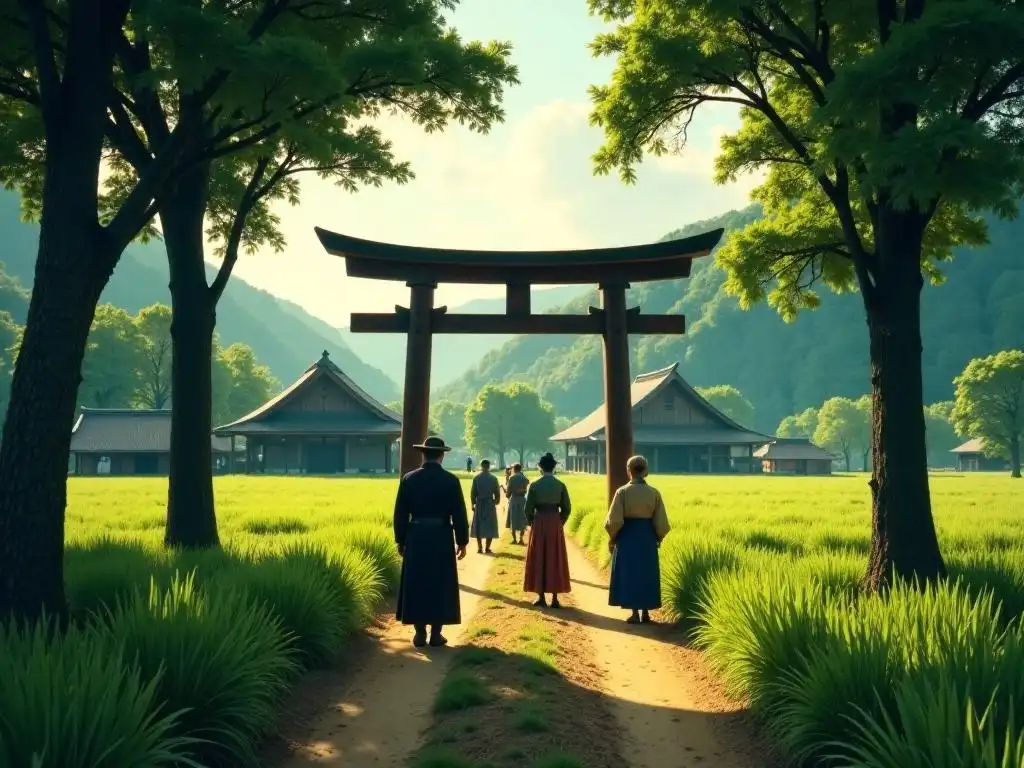
The Tokugawa Shogunate's isolationist policies, formally known as sakoku, were met with various forms of resistance and challenges both from within Japan and influenced by external factors. This period of enforced isolation, which lasted from the early 17th century until the mid-19th century, aimed to preserve Japanese culture and maintain political stability by limiting foreign influence. However, the rigidity of these policies faced opposition that ultimately contributed to the shogunate's decline.
Internal Opposition to Tokugawa Policies
Within Japan, discontent brewed among various social classes as the isolationist policies took hold. The samurai class, who initially benefited from the shogunate's power, began to feel marginalized as the economy stagnated and trade restrictions tightened. The growing merchant class, meanwhile, found their ambitions stifled by the rigid class system that the Tokugawa regime enforced. This led to increasing resentment and calls for reform.
Furthermore, regional daimyōs (feudal lords) began to challenge the shogunate's authority as economic opportunities dwindled, leading to political fragmentation. Some daimyōs sought to engage in trade with foreign nations, arguing that contact with the outside world could reinvigorate their domains. This internal dissent was exacerbated by the rise of nationalist sentiment, with calls for a return to traditional Japanese values and governance, which clashed with the shogunate's isolationist stance.
Influence of Foreign Powers on Japanese Isolationism
The Tokugawa Shogunate's isolationist policies were not only challenged internally but also significantly affected by foreign powers seeking to establish trade relations and influence in Japan. By the mid-19th century, Western nations, particularly the United States and European powers, began to exert pressure on Japan to open its ports. The arrival of Commodore Matthew Perry in 1853 and his subsequent demands for trade marked a pivotal moment in this struggle.
These foreign overtures highlighted the vulnerabilities of Japan's isolationist stance and the technological and military superiority of Western nations. As foreign ships began to appear in Japanese waters, the Tokugawa government found itself in a precarious position, facing both the threat of military force and the allure of economic opportunity. This external pressure ultimately undermined the shogunate's authority and contributed to the calls for modernization and reform within Japan.
The Decline of the Tokugawa Shogunate and the End of Isolationism
The decline of the Tokugawa Shogunate was a complex process influenced by a variety of internal and external factors, all of which culminated in the end of Japan's isolationist policies. As the world rapidly changed around Japan, the rigidity of the shogunate's policies became increasingly untenable.
Factors Leading to the Fall of the Tokugawa Shogunate
Several factors contributed to the fall of the Tokugawa Shogunate. Economic instability, exacerbated by natural disasters and crop failures, led to widespread famine and unrest among the populace. The rising influence of the merchant class and the declining power of the samurai further eroded the social structure the shogunate had maintained.
Additionally, the shogunate's inability to effectively respond to foreign pressure, particularly during Perry's expedition, revealed its weaknesses. The signing of unequal treaties with Western powers ignited public outrage and fostered a sense of nationalism among Japanese people who craved sovereignty and independence. This growing discontent ultimately fueled the uprising against the Tokugawa regime, leading to its downfall.
The Meiji Restoration: A Shift from Isolation to Engagement
The Meiji Restoration of 1868 marked a dramatic shift in Japan's foreign relations and governance, ending over two centuries of isolation. Following the fall of the Tokugawa Shogunate, the new Meiji government embraced modernization and sought to engage with the international community.
This shift was characterized by a rapid transformation of Japan's political, military, and economic structures. The government implemented reforms aiming to industrialize and strengthen Japan, learning from Western powers while discarding the isolationist policies that had previously defined the nation.
The subsequent openness to foreign trade and influence not only revitalized Japan's economy but also positioned it as a formidable player on the global stage. The end of isolationism paved the way for Japan to adopt a more assertive foreign policy, drastically changing its historical trajectory and leading to its emergence as an imperial power in the early 20th century.
Legacy of the Tokugawa Shogunate Isolationist Policies
The legacy of the Tokugawa Shogunate's isolationist policies, known as Sakoku, is a complex interplay of cultural preservation, economic development, and sociopolitical stability. Implemented in the 17th century, these policies effectively closed Japan to foreign influence for over 200 years, shaping the nation in profound ways. The isolationist stance fostered a unique Japanese identity, as the absence of foreign cultural and political interference allowed indigenous traditions, arts, and customs to flourish.
During this period, Japan saw significant advancements in various fields, including agriculture, literature, and the arts. The creation of a vibrant domestic culture, characterized by ukiyo-e (woodblock prints), kabuki theater, and haiku poetry, can be traced back to this era. Furthermore, the Tokugawa era saw the rise of a merchant class that became influential in the economy, leading to a more structured and prosperous society.
However, the isolationist policies also had drawbacks, including technological stagnation and a limited worldview. By restricting contact with foreign nations, Japan fell behind in industrial advancements that were occurring elsewhere, ultimately impacting its ability to adapt during the Meiji Restoration in the late 19th century.
Long-term Effects on Japanese Society and Culture
The long-term effects of the Tokugawa Shogunate's isolationist policies significantly shaped Japanese society and culture. One of the most notable consequences was the preservation and enhancement of traditional Japanese culture. With limited foreign influence, customs such as tea ceremonies, traditional clothing, and festivals were able to evolve uniquely, leading to a rich cultural heritage that persists today.
Moreover, the rigid class structure established during this era laid the groundwork for societal norms that influenced Japan's hierarchical organization for centuries. The samurai class retained its prestige, and the merchant class gradually gained economic power, which altered the dynamics of social mobility.
The isolationist policies also fostered a sense of nationalism among the population. As Japan became more insular, the idea of a distinct national identity emerged, leading to a stronger collective consciousness. This sentiment would later play a crucial role in Japan's approach to foreign relations in the 20th century as the nation sought to redefine itself on the global stage.
Modern Perspectives on Tokugawa Isolationism
Modern perspectives on the Tokugawa Shogunate's isolationist policies are varied and nuanced. Some scholars view these policies as a necessary measure for maintaining internal stability and cultural integrity during a time of potential foreign threats. The Shogunate's ability to control foreign influence is often credited with allowing Japan to develop a cohesive national identity and cultural continuity.
On the other hand, contemporary analysis also critiques these policies for their restrictive nature, arguing that they hindered Japan's technological and economic development. The isolationist stance left Japan unprepared for the rapid changes that came with the arrival of Commodore Perry's Black Ships in 1853, which ultimately led to the end of Sakoku and the opening of Japan to Western influence.
Today, discussions around Tokugawa isolationism often focus on the balance between tradition and modernity. While some celebrate the era for its cultural achievements, others call for a critical understanding of the implications of extreme isolation and how they shaped Japan's modern identity and foreign relations.
Conclusion: The Tokugawa Shogunate and Its Enduring Influence on Japan’s Foreign Relations
The Tokugawa Shogunate's isolationist policies have left an indelible mark on Japan's historical trajectory and its approach to foreign relations. The legacy of Sakoku continues to influence how Japan interacts with other nations and shapes its national identity. The policies not only defined Japan's domestic landscape but also set the stage for the complicated dynamics Japan would face as it re-engaged with the world in the 19th century.
Recap of Key Points on Tokugawa Isolationist Policies
The Tokugawa Shogunate's isolationist policies were pivotal in crafting a unique Japanese identity while fostering internal stability and cultural development. Key points include:
- Cultural Preservation: Indigenous arts and customs flourished due to limited foreign influence.
- Economic Development: A thriving merchant class emerged, leading to a structured economy.
- Class Structure: The rigid social hierarchy established during this period influenced societal norms for generations.
- Nationalism: A strong sense of identity and collective consciousness developed among the Japanese people.
Final Thoughts on the Historical Significance of the Tokugawa Era
The historical significance of the Tokugawa era cannot be overstated. The isolationist policies, while restrictive, played a crucial role in defining Japan's cultural and social landscape. Understanding these policies offers valuable insights into the complexities of Japan's identity and its relationships with other nations. As Japan navigates its place on the global stage today, the lessons learned from the Tokugawa period remain relevant, reminding us of the delicate balance between preserving tradition and embracing change in an interconnected world.
- Introduction to the Tokugawa Shogunate
- Understanding Isolationist Policies in Japan
- The Tokugawa Shogunate Isolationist Policies
- Impact of the Isolationist Policies
- Resistance and Challenges to Isolationism
- The Decline of the Tokugawa Shogunate and the End of Isolationism
- Legacy of the Tokugawa Shogunate Isolationist Policies
- Conclusion: The Tokugawa Shogunate and Its Enduring Influence on Japan’s Foreign Relations
- What were the main goals of the Tokugawa Shogunate's isolationist policies?
- How did the isolationist policies affect Japan's foreign relations?
- What were the economic impacts of the Tokugawa Shogunate's policies?
- How did the Tokugawa Shogunate's isolationism influence Japanese culture?
- What led to the end of the Tokugawa Shogunate's isolationist policies?
Frequently Asked Questions
What were the main goals of the Tokugawa Shogunate's isolationist policies?
The main goals of the Tokugawa Shogunate's isolationist policies were to maintain social order, prevent the influence of foreign powers, and protect Japanese culture from Westernization.
How did the isolationist policies affect Japan's foreign relations?
The isolationist policies led to a significant decline in foreign trade and diplomatic relations, limiting contact primarily to the Dutch and Chinese, and effectively closing Japan off from most Western nations.
What were the economic impacts of the Tokugawa Shogunate's policies?
The isolationist policies resulted in a period of economic stability and growth within Japan, as the focus shifted to internal markets, agriculture, and local craftsmanship, but also created challenges due to limited trade opportunities.
How did the Tokugawa Shogunate's isolationism influence Japanese culture?
The isolationism fostered a unique cultural identity, allowing for the development of arts such as ukiyo-e and kabuki, and encouraging a rich cultural heritage that would evolve without outside influence for over two centuries.
What led to the end of the Tokugawa Shogunate's isolationist policies?
The end of isolationist policies was prompted by external pressures, notably the arrival of Commodore Perry from the United States in 1853, which forced Japan to reconsider its stance on foreign engagement and ultimately led to the Meiji Restoration.
Final Reflection: The Enduring Legacy of Tokugawa Shogunate Isolationist Policies
The Tokugawa Shogunate's isolationist policies were not merely a historical footnote; they shaped the very fabric of Japan's identity and its interactions with the world. In an era marked by globalization and interconnectedness, understanding the reasons behind Japan's deliberate seclusion offers profound insights into the complexities of national identity and cultural preservation. The decisions made during this period resonate today, reminding us of the delicate balance between openness and protectionism in our increasingly globalized society.
The impact of the Tokugawa Shogunate's policies extends far beyond the borders of Japan, influencing cultural exchanges and social dynamics that continue to evolve. The isolationist stance fostered a unique cultural development that allowed Japan to cultivate its traditions while simultaneously safeguarding them from external influences. As historian John Dower aptly noted, Japan's isolation was a double-edged sword, preserving its culture while also creating a world apart.
This reflection on the past prompts us to consider how contemporary societies navigate the challenges of cultural preservation in an age of rapid change and influence.
As we contemplate the lessons of the Tokugawa Shogunate, I invite you to reflect on your own relationship with cultural identity and globalization. How can we learn from Japan's past to foster a sense of belonging while embracing the world around us? In a time when cultural exchanges are more accessible than ever, let us strive to honor our unique heritages while remaining open to the enriching experiences that diversity brings. The legacy of the Tokugawa Shogunate serves as a powerful reminder that our choices today will shape the cultural landscapes of tomorrow.
Thank you for investing your time in exploring the fascinating journey of the Tokugawa Shogunate and their isolationist policies! You've gained insights into a pivotal era that shaped Japan's culture and identity. Now, let's turn that knowledge into action!
Here are a few steps you can take to deepen your understanding and share the wealth of information:
- Dive Deeper: Read additional resources or books about the Tokugawa period to expand your perspective on how these policies influenced modern Japan.
- Share Your Learnings: Discuss your discoveries with friends or share them on social media—engage others in this captivating topic!
- Join the Conversation: Participate in online forums or local history clubs focused on Japanese history, connecting with fellow enthusiasts and expert historians.
Which aspect of the Tokugawa Shogunate intrigues you the most, and in what ways do you believe their policies continue to impact contemporary Japan?