
The Perception of Commodore Perry in Japanese History


Welcome to Feudal Japan History, where we invite you to embark on a captivating journey through the intricate tapestry of Japan's feudal era. Delve into the profound impact of Commodore Perry on Japan, an exploration that unveils the dramatic shifts in foreign relations during this pivotal time. What were the perceptions of this enigmatic figure and how did his arrival alter the course of Japanese history?
Join us as we unravel these questions and more, igniting your curiosity and expanding your understanding of a fascinating period that shaped a nation. Dive deeper into our expertly crafted articles and discover the rich cultural and societal nuances that defined feudal Japan!
Introduction to Commodore Perry's Arrival in Japan
The arrival of Commodore Matthew Perry in Japan during the mid-19th century marked a pivotal moment in the nation's history, profoundly influencing its trajectory towards modernization and international engagement. In 1853, Perry, commanding a fleet of American warships, entered Tokyo Bay, extending an invitation for Japan to open its ports to foreign trade.
This event shattered Japan's long-standing isolationist policies, which had been in place for over two centuries under the Tokugawa shogunate. The ensuing negotiations not only altered Japan’s foreign relations but also set in motion a series of internal transformations that would ultimately lead to the Meiji Restoration.
Perry's mission was not merely one of commerce; it represented the broader imperial ambitions of Western powers seeking to expand their influence in Asia. The Japanese perception of Perry was complex, shaped by a blend of fear, admiration, and resistance. As we delve deeper into the impact of Commodore Perry on Japan, we will explore the historical context of his arrival, the multifaceted responses from Japanese society, and the cultural implications that continue to resonate in Japan’s understanding of foreign relations.
Commodore Perry's Impact on Japan
Commodore Perry's expedition had far-reaching consequences that extended beyond the immediate opening of Japan to foreign trade. His actions catalyzed a profound shift in Japan's political, economic, and social landscapes.
- Opening of Japan: The Treaty of Kanagawa, signed in 1854, was a direct outcome of Perry’s pressure, establishing formal diplomatic relations between Japan and the United States. This treaty allowed American ships to resupply in Japanese ports, marking the beginning of Japan’s engagement with the outside world.
- End of Isolation: Perry's arrival signified the end of the sakoku (closed country) policy, which had restricted foreign relations and trade since the early 1600s. This transition allowed other Western nations, such as Britain and France, to follow suit, leading to a series of unequal treaties that further eroded Japanese sovereignty.
- Modernization and Reform: The interaction with Perry and the subsequent influx of foreign ideas and technologies prompted a national reassessment of Japan’s place in the world. The need to modernize became evident, leading to the Meiji Restoration in 1868, a transformative period characterized by rapid industrialization and the adoption of Western political systems.
- Societal Changes: The arrival of Perry and the subsequent treaties ignited debates within Japan about national identity, foreign influence, and the need for reform. Many Japanese intellectuals and leaders recognized the necessity of adopting Western practices to preserve Japan’s sovereignty and enhance its status on the global stage.
Cultural Perceptions of Commodore Perry
The cultural perception of Commodore Perry within Japan is a fascinating interplay of historical interpretation, myth, and memory. While some viewed him as a harbinger of Western imperialism, others recognized his role in ushering in a new era for Japan.
- Hero or Villain?: Perry is often depicted as a controversial figure in Japanese history. While some narratives portray him as an aggressive force undermining Japanese traditions, others acknowledge his influence in prompting modernization. This duality reflects the broader tensions within Japanese society regarding the balance between tradition and progress.
- Symbol of Change: In contemporary Japan, Commodore Perry is sometimes seen as a symbol of the inevitable changes brought about by external forces. His arrival is commemorated in various forms, from literature to cinema, illustrating the complexity of his legacy in Japanese culture.
- Historical Reinterpretation: Over the years, the portrayal of Perry has evolved, with modern historians providing a more nuanced understanding of his impact. This reinterpretation highlights the importance of context, acknowledging both the aggressive tactics employed by Perry and the significant transformations he inspired within Japan.
The perception of Commodore Perry in Japanese history encapsulates a critical juncture that not only changed the fate of Japan but also shaped its cultural and societal landscape. The legacy of his arrival continues to be a subject of exploration and reflection, demonstrating the lasting impact of foreign relations on national identity.
Political Ramifications of Perry's Arrival
The arrival of Commodore Matthew Perry in 1853 marked a significant turning point in Japanese history, leading to profound political ramifications. Perry's expedition, which aimed to open Japan to American trade, challenged the Tokugawa shogunate's isolationist policies that had been in place for over two centuries. The immediate effect was the signing of the Treaty of Kanagawa in 1854, which ended Japan's seclusion and established diplomatic relations with the United States.
This treaty had several political implications:
- Weakening of the Tokugawa Shogunate: The shogunate's inability to resist Western pressure highlighted its vulnerabilities, leading to a loss of prestige and authority. The forced opening of Japan to foreign powers catalyzed internal dissent and contributed to the growing anti-shogunate sentiment.
- Rise of Nationalism: Perry's arrival ignited a sense of nationalism among the Japanese. Many began to advocate for modernization and military reform to resist foreign domination. This sentiment eventually contributed to the Meiji Restoration of 1868, which sought to restore imperial power and modernize Japan.
- Shifts in Foreign Policy: Following Perry's visit, Japan's foreign policy evolved from isolationism to engagement with Western powers. The shogunate negotiated several unequal treaties, which allowed European countries and the United States to establish trade relations under terms favorable to them, further complicating Japan's political landscape.
Commodore Perry in Japanese Historical Narrative
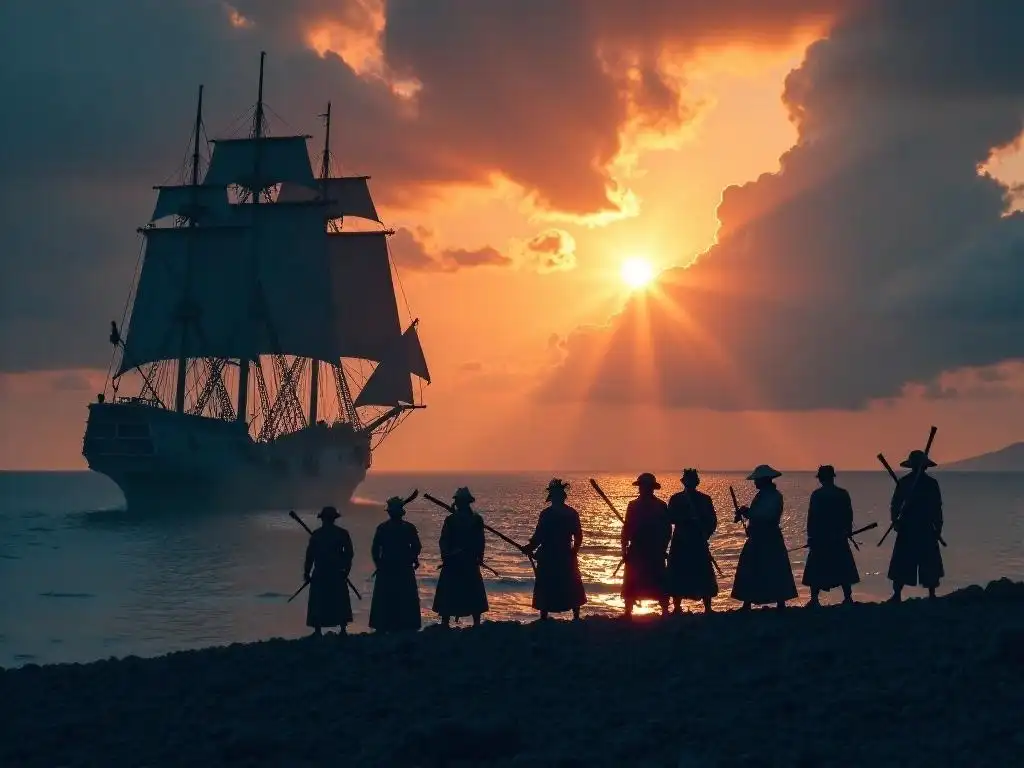
Commodore Perry's impact on Japan has been embedded in the historical narrative as a symbol of both foreign influence and the struggles of a nation at a crossroads. In Japanese historiography, Perry is often depicted as a catalyst for change, representing the intrusion of Western powers into East Asia.
- Hero or Villain?: Interpretations of Perry's role vary. Some narratives portray him as a villain, representing the coercive tactics of Western imperialism. Others view him more neutrally, as a necessary figure who forced Japan to confront its outdated policies, ultimately leading to modernization.
- Cultural Representations: In literature and popular culture, Perry has been depicted in various forms, from children's books to serious historical analyses. These representations often reflect contemporary attitudes towards Western influence, modernization, and Japan's identity.
- Legacy in Education: The narrative surrounding Perry is included in school curriculums, often highlighting the dichotomy between Japan's isolation and its eventual transformation into a modern state. This educational emphasis shapes how future generations perceive both Perry and the broader implications of his actions.
Comparative Analysis of Commodore Perry and Other Foreign Influences
Perry's arrival cannot be viewed in isolation; it is essential to compare his influence with that of other foreign interactions that shaped Japan during the 19th century.
- Commodore Perry vs. European Powers: While Perry's arrival was pivotal in opening Japan, European powers like Britain and France also played significant roles. The Anglo-Japanese Treaty of 1854 and subsequent treaties established trade relations, but these were often enforced through military might, contrasting Perry’s more diplomatic approach.
- Cultural Exchange vs. Coercion: Perry's mission was primarily driven by economic interests, whereas other foreign influences, such as missionaries from the United States and Europe, aimed at cultural and religious exchange. This led to different types of engagement, with some fostering mutual understanding and others leading to resentment.
- Long-term Impacts: While Perry's impact on Japan initiated immediate political changes, the long-term effects of other foreign influences, such as those from British naval power or French military advisors, also significantly shaped Japan’s modernization efforts. The comparison reveals a complex interplay of coercion and collaboration that ultimately transformed Japan into a global power.
While Commodore Perry's arrival was a critical moment in Japanese history, it is essential to contextualize his influence within the broader spectrum of foreign interactions that shaped the nation during this transformative period.
Conclusion: The Lasting Legacy of Commodore Perry
Commodore Matthew Perry's arrival in Japan in 1853 marked a pivotal moment in the nation’s history, initiating a complex interplay of admiration, resentment, and transformation. His impact on Japan is multifaceted, influencing not only foreign relations but also the socio-political landscape of the country.
One of the most significant aspects of Perry's legacy is the opening of Japan to the West. The signing of the Treaty of Kanagawa in 1854 established formal relations between Japan and the United States, ending over two centuries of self-imposed isolation. This shift allowed Japan to engage with Western powers, leading to the influx of new ideas, technologies, and cultural exchanges.
The subsequent modernization efforts in Japan, such as the Meiji Restoration, can be traced back to the initial contact Perry facilitated. His actions prompted Japan to reevaluate its position in the world, ultimately transforming it into a formidable global power by the early 20th century.
Moreover, Perry is often perceived as a symbol of the clash between traditional Japanese values and the encroaching influence of Western imperialism. While some viewed him as a harbinger of progress and modernization, others saw him as an agent of foreign aggression. This duality in perception has left a lasting imprint on Japan’s collective memory, as it grapples with the implications of Western engagement and its own identity.
The cultural exchanges initiated by Perry's arrival also had a profound impact. Western art, literature, and science began to permeate Japanese society, leading to significant developments in various fields. The blending of Eastern and Western influences has shaped modern Japanese culture, which continues to evolve while maintaining its unique heritage.
In contemporary discussions, Commodore Perry's legacy remains a subject of debate among historians and scholars. His role in shaping Japan's foreign policy and modernization is often recognized, yet it also serves as a reminder of the complexities involved in international relations. The narrative surrounding Perry is not merely a reflection of his actions but a dialogue about Japan's journey from isolation to global engagement.
The legacy of Commodore Perry in Japanese history is undeniable. His influence catalyzed a series of transformations that reshaped Japan's trajectory, fostering a dynamic interplay between tradition and modernity. As Japan continues to navigate its place in the world, Perry's impact serves as a historical touchstone, reminding us of the intricate tapestry of relationships that define nations and cultures.
- Introduction to Commodore Perry's Arrival in Japan
- Commodore Perry's Impact on Japan
- Cultural Perceptions of Commodore Perry
- Political Ramifications of Perry's Arrival
- Commodore Perry in Japanese Historical Narrative
- Comparative Analysis of Commodore Perry and Other Foreign Influences
- Conclusion: The Lasting Legacy of Commodore Perry
Frequently Asked Questions
What was Commodore Perry's primary mission in Japan?
Commodore Perry's primary mission was to open Japan to trade with the United States, which he achieved through diplomatic pressure and show of military force in the 1850s.
How did Commodore Perry's arrival impact Japanese society?
Perry's arrival marked the end of Japan's isolationist policies, leading to significant social and cultural changes as Western influences permeated Japanese life.
What were the consequences of the Treaty of Kanagawa?
The Treaty of Kanagawa established formal trade relations and marked Japan's transition from isolation to engagement with global powers, setting the stage for modernization.
How is Commodore Perry viewed in modern Japan?
Today, Commodore Perry is often viewed as a complex figure—his actions are seen as both a catalyst for modernization and a symbol of Western imperialism.
What role did Commodore Perry play in Japan's modernization?
Perry's expedition prompted Japan to undertake a rapid modernization process known as the Meiji Restoration, transforming its political, economic, and military systems to compete with Western nations.
Final Reflection: The Lasting Impact of Commodore Perry on Japan
The historical encounter between Commodore Perry and Japan in the mid-19th century remains a pivotal moment that reshaped the nation’s trajectory. Today, as we navigate a world increasingly defined by globalization and cross-cultural exchanges, the implications of Perry's arrival resonate profoundly. His actions catalyzed a transformation in Japan, propelling it from isolation into the modern era. This encounter serves as a reminder of how a single event can alter the course of history and the importance of understanding these dynamics in our contemporary society.
Commodore Perry's impact on Japan extends beyond mere historical significance; it has woven itself into the fabric of Japanese identity and cultural evolution. The opening of Japan to the West not only introduced new technologies and ideas but also sparked a profound internal reflection on national identity and modernization. As the Japanese proverb goes, "The nail that sticks out gets hammered down," illustrating the tension between tradition and change that Perry's arrival ignited. The greatest danger in times of turbulence is not the turbulence; it is to act with yesterday's logic.
– Peter Drucker. This quote encapsulates the ongoing struggle within Japan to balance its rich heritage with the demands of a rapidly changing world.
As we reflect on the legacy of Commodore Perry, let us consider how we can apply these lessons in our own lives. How do we respond to the forces of change and the unknown? In a world that often feels divided and uncertain, we are called to embrace the spirit of inquiry and openness that Perry's journey exemplified. I invite you to explore the intersections of your own life with the broader currents of history, recognizing that each of us has the power to influence the future, just as Perry did over a century ago.
Unveil Your Understanding of Commodore Perry's Impact!
Thank you for diving into the fascinating world of Japanese history and exploring the complex legacy of Commodore Perry. Your interest enriches our understanding of this pivotal moment in time. Now, it's your turn to take action and deepen your knowledge!
Here are some engaging steps you can take:
- Dive Deeper: Read a comprehensive book or watch a detailed documentary about the opening of Japan and its implications for both national and international relations.
- Join the Conversation: Share your thoughts and insights on our community forum. Engaging with others will enhance your perspective and broaden your understanding.
- Explore Further: Investigate other influential historical figures of this era and how their decisions shaped Japan’s future—who else made a significant impact?
What aspect of Commodore Perry’s voyage do you find most surprising or impactful, and why? Let's discuss!