
The Influence of Western Music on Traditional Japanese Instruments

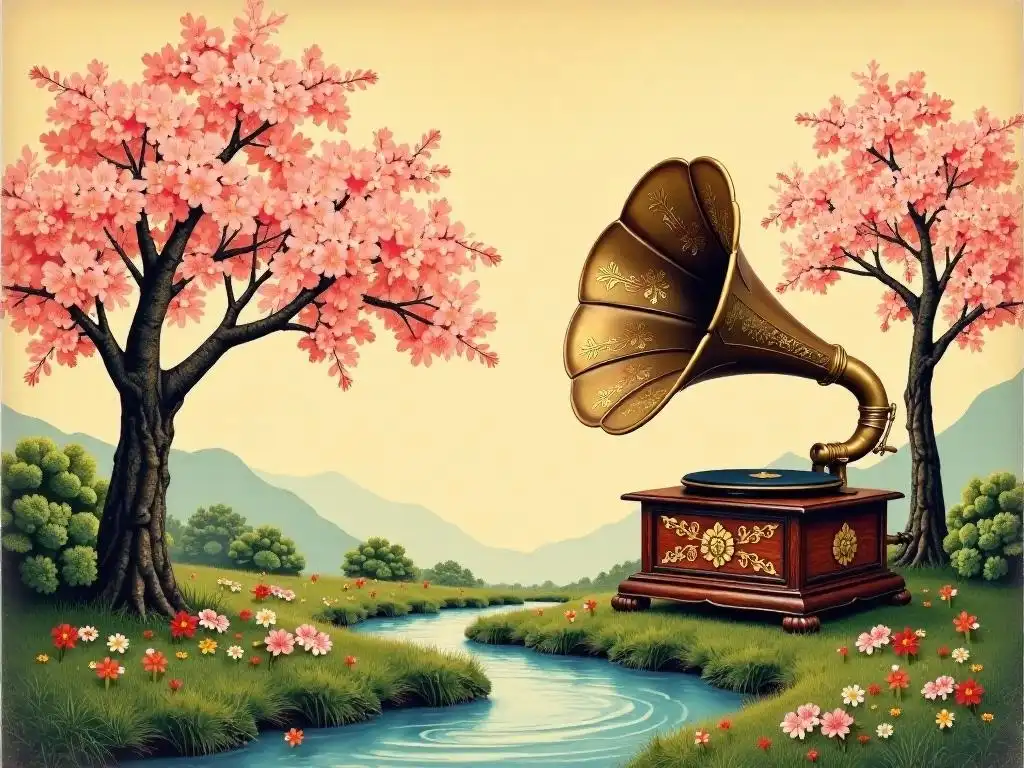
Welcome to Feudal Japan History, where we embark on a fascinating journey through the intricate tapestry of Japan's feudal era. In our featured article, "The Influence of Western Music on Traditional Japanese Instruments," we delve into the captivating transformation that occurred when Western melodies intertwined with Japan's rich musical heritage. How did these cross-cultural exchanges reshape the sounds of traditional instruments? Join us as we uncover the profound impact of foreign relations on Japan's vibrant musical landscape, and prepare to be intrigued by the unexpected connections that emerged during this transformative period. Your exploration starts now!
Introduction to Western Music Impact on Japanese Instruments
The interaction between Western music and traditional Japanese instruments marks a fascinating chapter in the evolution of Japan's musical landscape. As globalization increased, so too did the cross-pollination of musical styles and techniques. The impact of Western music on Japanese instruments is not merely an exchange of sound but a profound transformation that reflects broader cultural shifts and adaptations. This article explores how Western music has influenced the development, performance, and perception of traditional Japanese instruments, revealing a rich tapestry of historical interactions and contemporary innovations.
Overview of Western Music's Global Influence
Western music has historically held a significant influence around the globe, shaping numerous musical traditions. From classical music to jazz and rock, the reach of Western musical styles has led to the incorporation of diverse instruments and methodologies in various cultures. This influence can be seen in:
- Adoption of Instruments: Many cultures have embraced Western instruments like the piano, guitar, and brass instruments, blending them with local sounds.
- Harmonization Techniques: The introduction of Western harmonic structures has transformed the way traditional music is composed and performed.
- Genre Fusion: Genres such as world music have emerged, showcasing a blend of Western and indigenous music styles.
Historical Context of Music in Japan
Japan's musical history is rich and multifaceted, dating back centuries. Traditional music, including genres like Gagaku (court music), Noh (theatre music), and folk songs, has been integral to Japanese culture. Key characteristics include:
- Use of Traditional Instruments: Instruments such as the shamisen, koto, and shakuhachi have played vital roles in cultural expression.
- Cultural Significance: Music has often been intertwined with rituals, festivals, and ceremonies, reflecting societal values and beliefs.
- Evolution Over Time: The music of Japan has evolved through various historical periods, influenced by both internal dynamics and external factors.
Historical Interactions Between Western Music and Japanese Instruments
The Arrival of Western Music in Japan
The arrival of Western music in Japan can be traced back to the late 19th century, during the Meiji Restoration. This period marked Japan’s opening to the world, leading to significant cultural exchanges. Key developments included:
- Introduction of Western Musical Education: Music schools were established, teaching Western music theory and instrument techniques.
- Influence of Western Composers: Japanese composers began to integrate Western styles into their works, creating a unique fusion of sounds.
Key Historical Events Influencing Musical Exchange
Several pivotal events have shaped the exchange between Western music and Japanese instruments:
- Treaty of Kanagawa (1854): This treaty opened Japanese ports to American ships, facilitating cultural exchange.
- World Expositions: Participation in international exhibitions allowed Japan to showcase its music while absorbing Western influences.
- Post-War Era: The American occupation after World War II further accelerated the integration of Western music into Japanese culture.
The Role of Trade and Cultural Exchange in Music
The role of trade and cultural exchange has been crucial in the evolution of musical traditions. As Japan engaged in trade with Western nations, various cultural elements were exchanged:
- Instrument Development: Traditional instruments were adapted to include Western tuning systems or hybrid designs.
- Collaborative Performances: Musicians from both cultures began to collaborate, leading to innovative performances that blended styles.
- Cultural Festivals: Events celebrating both Western and Japanese music have fostered appreciation and exploration of diverse musical forms.
Through these interactions, the impact of Western music on Japanese instruments not only reshaped traditional practices but also enriched Japan's musical identity, creating a dynamic and evolving cultural narrative.
The Evolution of Traditional Japanese Instruments
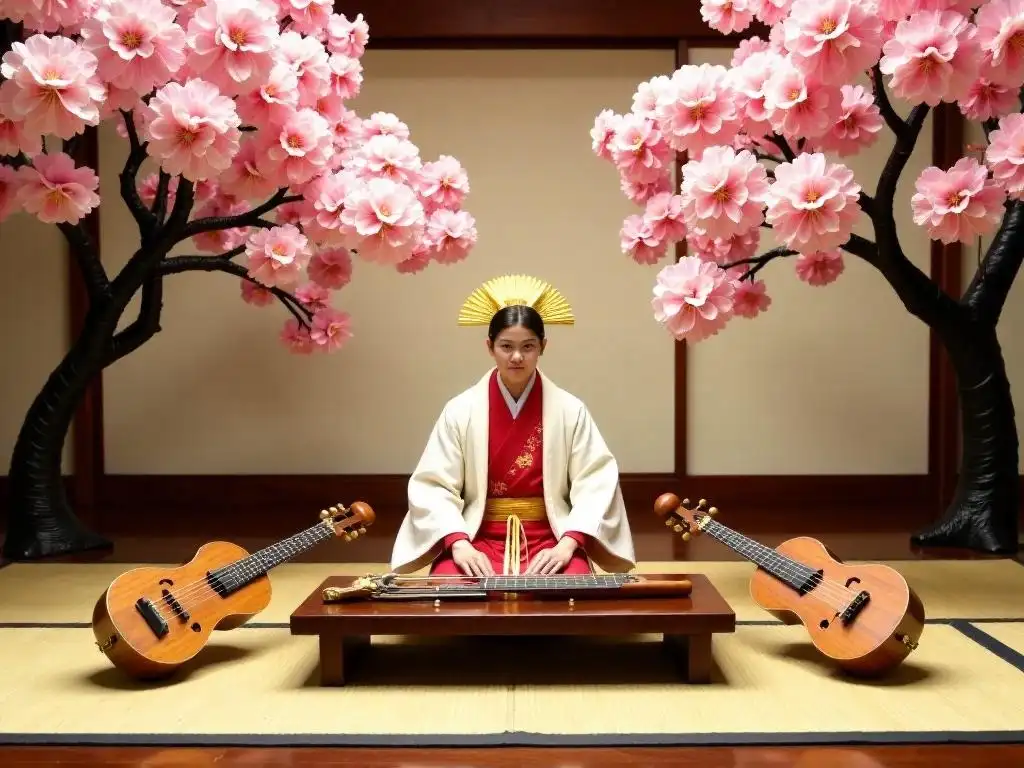
The evolution of traditional Japanese instruments is a fascinating journey that reflects the broader cultural and social transformations within Japan. Rooted in ancient practices, these instruments have undergone significant changes influenced by various factors, including geography, religion, and, notably, Western music. The historical timeline of Japanese instruments can be traced back to the Nara (710-794) and Heian (794-1185) periods, where instruments such as the koto (a stringed instrument) and shamisen (a three-stringed instrument) began to take shape.
As Japan entered the Edo period (1603-1868), these instruments became integral to the performance arts, influencing theatrical forms like Noh and Kabuki. During this time, the craftsmanship of instruments also advanced, with artisans honing their skills to create instruments that produced unique sounds. However, the real turning point came in the 19th century, with Japan's opening to the Western world, leading to a blend of musical traditions that would have a lasting impact on traditional instruments.
Overview of Traditional Japanese Instruments
Traditional Japanese instruments are often categorized into three main types: string instruments, wind instruments, and percussion instruments.
- String Instruments:
- Koto: A long zither with 13 strings, played by plucking.
- Shamisen: A three-stringed instrument played with a plectrum, known for its distinct sound.
- Wind Instruments:
- Shakuhachi: A bamboo flute known for its rich, earthy tones.
- Nsoon: A double-reed instrument used in various traditional performances.
- Percussion Instruments:
- Taiko: Large drums played with sticks, essential in festivals and ceremonies.
- Narimono: Smaller percussion instruments that provide rhythmic accompaniment.
These instruments are not only musical tools but also cultural symbols, deeply intertwined with Japan's historical narratives, rituals, and communal activities. Each instrument carries its own unique significance and playing technique, showcasing the rich tapestry of Japanese musical heritage.
The Adaptation of Instruments Due to Western Influence
The adaptation of traditional Japanese instruments in response to Western influence is a testament to the dynamic nature of cultural exchange. Following the Meiji Restoration in 1868, Japan experienced rapid modernization and industrialization, which brought Western music and instruments into the cultural fold. This integration prompted Japanese musicians and instrument makers to experiment with new materials and designs, leading to modifications in traditional instruments.
For instance, the shamisen underwent changes in its body shape and string materials to enhance its sound quality and volume, making it more suitable for ensembles that included Western instruments. Similarly, the koto was adapted to accommodate a wider range of tunings and playing techniques, allowing for greater versatility in performance. This blending of styles and techniques illustrates how traditional instruments can evolve while retaining their cultural essence.
The Impact of Western Musical Styles on Japanese Instrumentation
The impact of Western musical styles on Japanese instrumentation has manifested in various ways, influencing both the sound and the performance practices of traditional Japanese music. Western genres, such as jazz, rock, and pop, have found their way into the Japanese music scene, prompting a reevaluation of traditional forms and the instruments used to perform them.
Incorporation of Western Genres into Japanese Music
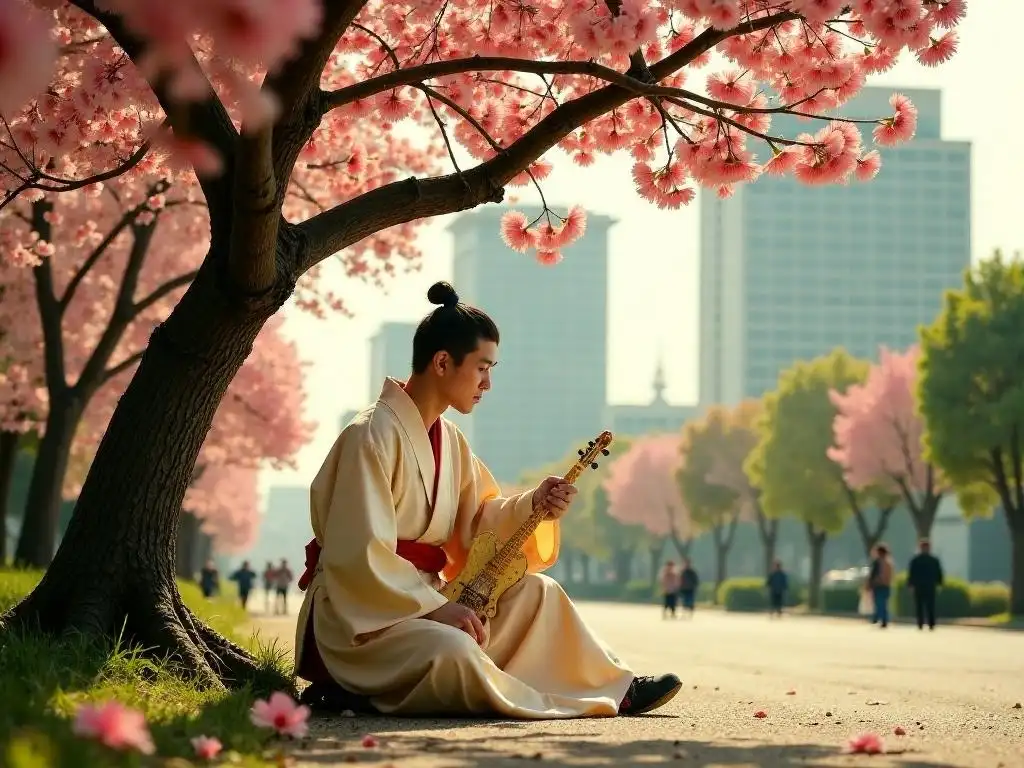
As Western genres began to permeate Japan’s music landscape in the 20th century, traditional Japanese instruments started to be incorporated into these new musical styles. Musicians began experimenting with the shamisen, koto, and shakuhachi in popular music contexts, leading to innovative fusions. For example, collaborations between traditional musicians and Western artists have resulted in unique performances that blend jazz improvisation with koto melodies, creating a fresh sound that appeals to diverse audiences.
Events like the Tokyo Jazz Festival have showcased these hybrid performances, highlighting how Western influences have invigorated traditional music. This cross-pollination not only revitalizes interest in traditional instruments but also fosters a new appreciation for their versatility and adaptability.
The Hybridization of Musical Styles
The hybridization of musical styles in Japan stands as a prominent feature of its contemporary music scene. This phenomenon is characterized by the blending of traditional and Western elements, resulting in new genres that resonate with both domestic and global audiences.
Examples of Hybrid Styles Include:
- J-Pop: The popular music genre incorporates traditional instruments alongside electronic beats and Western melodies, creating a unique soundscape.
- Min'yō Jazz: A fusion of traditional folk music with jazz improvisation, highlighting the rhythmic and melodic elements of both genres.
This musical hybridization reflects a broader trend in Japan where traditional practices are not seen as static but rather as evolving forms that can incorporate new influences and ideas. The result is a rich tapestry of sound that honors Japan's cultural heritage while embracing modernity.
Case Studies of Specific Japanese Instruments Affected by Western Music
The interaction between Western music and traditional Japanese instruments has led to significant transformations and adaptations, showcasing a fascinating blend of cultural influences. This section explores three key instruments—the shamisen, koto, and shakuhachi—demonstrating how Western musical elements have been integrated into their traditional forms, evolving their sound and cultural significance.
The Shamisen and Its Transformation
The shamisen, a three-stringed instrument traditionally used in Japanese folk music and theater, has undergone substantial changes due to Western music influences. Initially played with a plectrum, the shamisen's sound has been enriched by the incorporation of Western techniques and styles.
- Adoption of New Techniques: Players have started to adopt finger-picking techniques reminiscent of guitar playing, creating a more versatile sound. This has allowed the shamisen to be used in various genres, from jazz to pop music.
- Cross-Genre Collaborations: Notable artists, such as Yoshida Brothers, have fused shamisen with Western instruments, collaborating with guitarists and drummers, which has expanded its reach to global audiences.
- Contemporary Compositions: Modern composers have begun to write pieces specifically for the shamisen that blend traditional Japanese scales with Western harmonic structures, further evolving the instrument's presence in contemporary music.
The Koto: Evolution through Western Influence
The koto, a 13-stringed zither, has also been significantly impacted by Western music. This instrument, with its deep cultural roots in Japan, has seen adaptations that reflect the changing musical landscape.
- Harmonic Expansion: The introduction of Western scales and harmonies has led to new compositions that challenge traditional playing methods. Composers like Michio Miyagi have integrated Western musical ideas, creating pieces that resonate with both Eastern and Western audiences.
- Instrument Design Changes: Some modern koto makers have experimented with design, adjusting string tension and materials to achieve different tonal qualities that align more closely with Western aesthetics.
- Crossover Genres: The koto has found its way into various music genres, including fusion and pop, allowing artists to explore new soundscapes while maintaining its traditional essence.
The Shakuhachi and Its Modern Adaptations
The shakuhachi, a bamboo flute known for its spiritual and meditative qualities, has also seen a notable impact from Western music. Its unique sound has caught the attention of musicians worldwide, leading to innovative adaptations.
- Improvisational Techniques: Western musicians have embraced the shakuhachi's improvisational potential, using it in jazz ensembles and experimental music, thus expanding its role beyond traditional Japanese contexts.
- Fusion Projects: Collaborations between shakuhachi players and Western musicians have produced groundbreaking works, blending the instrument's ethereal sound with various genres, including rock and electronic music.
- Educational Initiatives: Workshops and courses that teach shakuhachi alongside Western music theory have emerged, promoting a deeper understanding of both musical traditions and encouraging cross-cultural creativity.
The Cultural Significance of Western Music on Japanese Instruments
The infusion of Western music into traditional Japanese instruments has not only transformed their sound but also played a crucial role in shaping modern Japanese identity. This cultural exchange has implications for how these instruments are perceived both domestically and internationally.
How Western Music Shaped Modern Japanese Identity
The blending of Western musical influences with traditional Japanese instruments has contributed to a redefined sense of identity among contemporary Japanese musicians. As these artists navigate their cultural heritage while embracing global trends, they reflect a dynamic cultural landscape.
- Cultural Hybridity: The emergence of fusion genres signifies a cultural hybridity that resonates with younger generations, allowing them to connect with their heritage while exploring diverse musical influences.
- Global Representation: Traditional Japanese instruments, when infused with Western elements, help in representing Japan's cultural narrative on the world stage, showcasing its adaptability and innovation.
The Role of Education in Promoting Western Music Influence
Education has played a pivotal role in facilitating the integration of Western music into the training of traditional Japanese musicians. Institutions are increasingly recognizing the value of cross-cultural music education.
- Curriculum Development: Music schools are developing curricula that combine traditional Japanese music with Western techniques, fostering an environment where students can learn and innovate.
- Collaborative Performances: Educational programs often promote collaborative performances that bring together traditional and Western musicians, encouraging dialogue and mutual respect between the two traditions.
Contemporary Japanese Artists Bridging Traditional and Western Styles
A new generation of Japanese artists is actively bridging traditional and Western styles, creating a vibrant musical landscape that reflects both influences. These artists are redefining the boundaries of Japanese music.
- Innovative Projects: Artists like Ryuichi Sakamoto and Kitaro are known for their ability to blend traditional Japanese sounds with Western electronic music, pushing the envelope of what is considered traditional.
- Cultural Ambassadors: These musicians often serve as cultural ambassadors, introducing international audiences to the beauty of Japanese instruments while simultaneously embracing Western genres, thereby fostering greater understanding and appreciation of both cultures.
The influence of Western music on traditional Japanese instruments continues to evolve, highlighting the dynamic interplay between cultural heritage and global musical trends. Through this ongoing dialogue, both traditions enrich each other, paving the way for innovative expressions of artistry.
Conclusion: The Lasting Legacy of Western Music on Japanese Instruments
The interaction between Western music and traditional Japanese instruments has left an indelible mark on the musical landscape of Japan. As Western musical styles began to permeate Japanese culture during the Meiji Restoration and beyond, traditional instruments adapted to incorporate new sounds, techniques, and forms. This fusion not only enriched the repertoire of Japanese music but also facilitated a broader understanding of global musical practices. The legacy of this interaction is evident in contemporary performances that blend traditional Japanese instruments such as the shamisen, koto, and shakuhachi with Western genres like jazz, rock, and pop.
Moreover, the ongoing dialogue between Eastern and Western music continues to inspire musicians and composers, leading to innovative compositions that respect traditional aesthetics while embracing modernity. This evolution reflects a broader trend of cultural exchange and adaptation, demonstrating how music transcends boundaries and fosters creativity. Thus, the influence of Western music on Japanese instruments remains a vibrant aspect of Japan's musical heritage, shaping its future while honoring its past.
Summary of Key Points
- Historical Context: The introduction of Western music to Japan began in earnest during the Meiji era, influencing the development of modern Japanese music.
- Instrumental Adaptation: Traditional Japanese instruments have evolved in response to Western styles, adopting new playing techniques and expanding their tonal possibilities.
- Musical Fusion: The blending of Western and Japanese music has led to innovative genres and new forms of expression, showcasing the versatility of traditional instruments.
- Cultural Exchange: The interaction between Eastern and Western music highlights the importance of cultural exchange in music, fostering mutual understanding and appreciation.
- Contemporary Impact: Today's musicians continue to explore and expand the boundaries of traditional Japanese music, creating a dynamic and evolving musical landscape.
The Future of Musical Interactions Between East and West
As globalization continues to shape cultural landscapes, the future of musical interactions between East and West looks promising. Emerging technologies, such as digital platforms and social media, are enabling musicians from diverse backgrounds to collaborate and share their work with a global audience. This accessibility encourages experimentation and cross-pollination of ideas, allowing for the creation of hybrid musical forms that draw from both Japanese and Western traditions.
Educational programs and institutions are increasingly recognizing the value of cross-cultural music education, fostering a new generation of musicians who are well-versed in various musical languages. This trend is likely to lead to greater innovation and creativity in musical expression, as artists blend traditional techniques with contemporary influences. Furthermore, the growing interest in world music suggests that audiences are increasingly receptive to diverse musical styles, paving the way for continued exploration of Western music's impact on Japanese instruments and vice versa.
References and Further Reading
Suggested Books on Japanese Music History
- "The Traditional Music of Japan" by Barbara H. O'Brien: This book offers an in-depth look at the evolution of Japanese music, including its interaction with Western influences.
- "Japanese Music and Musical Instruments" by T. A. P. A. Yamaguchi: A detailed exploration of traditional instruments and their place in Japanese culture, with discussions on Western music's impact.
- "Japan's Music: A History of Traditional Music": by K. Tsukahara: This work provides a comprehensive overview of the historical development of Japanese music, highlighting key moments of cultural exchange.
Articles on Musicology and Cross-Cultural Influences
- "Cultural Exchange in Music: An Overview": This article discusses the dynamics of cultural exchange in music, focusing on case studies from Japan and the West.
- "The Evolution of Traditional Japanese Instruments in Contemporary Settings": An analysis of how traditional instruments have transformed in response to Western musical influences.
- "Fusion Genres: The Blending of Eastern and Western Music": A scholarly article exploring various fusion genres that have emerged from the interaction between Eastern and Western music traditions.
- Introduction to Western Music Impact on Japanese Instruments
- Overview of Western Music's Global Influence
- Historical Context of Music in Japan
- Historical Interactions Between Western Music and Japanese Instruments
- The Evolution of Traditional Japanese Instruments
- Overview of Traditional Japanese Instruments
- The Adaptation of Instruments Due to Western Influence
- The Impact of Western Musical Styles on Japanese Instrumentation
- Incorporation of Western Genres into Japanese Music
- The Hybridization of Musical Styles
- Case Studies of Specific Japanese Instruments Affected by Western Music
- The Cultural Significance of Western Music on Japanese Instruments
- Conclusion: The Lasting Legacy of Western Music on Japanese Instruments
- References and Further Reading
- What is the main focus of the article "The Influence of Western Music on Traditional Japanese Instruments"?
- How did Western music initially influence Japanese instruments?
- Are there specific Japanese instruments that were notably changed by Western music?
- What are some examples of Western musical styles that have impacted Japan?
- How does the article suggest these influences affect modern Japanese music?
Frequently Asked Questions
What is the main focus of the article "The Influence of Western Music on Traditional Japanese Instruments"?
The article explores the impact of Western music on traditional Japanese instruments, examining how these influences have shaped their evolution and usage in contemporary settings.
How did Western music initially influence Japanese instruments?
Western music began to influence Japanese instruments through cultural exchanges in the 19th century, leading to the incorporation of new techniques and styles that enriched traditional practices.
Are there specific Japanese instruments that were notably changed by Western music?
Yes, instruments like the shamisen and koto have seen adaptations in their playing techniques and repertoire due to the integration of Western musical elements.
What are some examples of Western musical styles that have impacted Japan?
Genres such as jazz, rock, and classical music have significantly influenced the sound and performance of Japanese instruments, encouraging fusion genres that blend both traditions.
How does the article suggest these influences affect modern Japanese music?
The article indicates that the fusion of Western and Japanese music has led to a vibrant and diverse musical landscape, showcasing innovative collaborations and a broader appeal to audiences.
Final Reflection: The Harmonious Fusion of Cultures
The exploration of how Western music has influenced traditional Japanese instruments reveals a profound and ongoing dialogue between cultures. As we navigate an increasingly globalized world, the blending of musical traditions not only enriches our auditory experiences but also challenges our perceptions of cultural identity. The impact of Western music on Japanese instruments is not merely a historical footnote; it is a vibrant testament to the adaptability and resilience of cultural expressions in the face of change.
Cultural exchange is a powerful force that shapes our social landscape, and the evolution of Japanese instruments under the influence of Western music exemplifies this dynamic beautifully. This fusion has led to innovative sounds and new genres, allowing musicians to express themselves in ways that resonate with both traditional and contemporary audiences. As the renowned composer John Cage once said, I can't understand why people are frightened of new ideas. I'm frightened of the old ones.
This sentiment underscores the importance of embracing change and recognizing the beauty that emerges when diverse musical traditions intersect.
As you reflect on the themes presented in this article, consider how you can engage with and appreciate the rich tapestry of musical influences in your own life. Let the story of Western music's impact on Japanese instruments inspire you to explore new sounds, challenge your musical boundaries, and celebrate the cultural exchanges that shape our world. By doing so, you not only honor the past but also contribute to the ongoing evolution of music, creating a future that is as diverse and harmonious as the melodies that inspire us.
Embrace the Harmony of Cultures!
Thank you for exploring the fascinating interplay between Western music and traditional Japanese instruments with us! You’ve gained insights into how these musical worlds collide and enrich one another. Now, it’s time to take action and deepen your connection to this vibrant fusion.
- Visit a local music store to experience traditional Japanese instruments firsthand, or sign up for a class to learn how to play one.
- Share your newfound knowledge by discussing this cultural blend with friends or on social media—who knows where the conversation might lead!
- Discover more about this topic by browsing our archives for articles on various instruments and unique musical techniques that exemplify this cultural exchange.
As you reflect on this musical journey, consider this: How might your personal experiences with music shape your understanding of different cultures? We invite you to share your thoughts below!