
The Samurai and the Shogunate: A Complex Relationship with Authority


Welcome to Feudal Japan History, where we embark on a captivating journey through the intricacies of Japan’s feudal era. Here, we delve deep into the dynamic interplay of power that defined the Samurai Shogunate authority dynamics, revealing how loyalty, rebellion, and governance shaped a fascinating period in history. Are you ready to uncover the secrets behind the complex relationship between the samurai and the shogunate? Join us as we explore the political landscape that forged a legacy still felt today.
Introduction to Samurai and Shogunate Dynamics
The intricate relationship between the Samurai and the Shogunate is a defining feature of Japan's feudal history. This dynamic embodies a complex interplay of power, loyalty, and authority that shaped the political landscape from the late 12th century until the Meiji Restoration in the 19th century.
At the heart of this relationship lies the concept of authority dynamics, where the Samurai, often viewed as the elite warrior class, navigated their roles in a society governed by the Shogunate—a military government that wielded significant political power. Understanding these dynamics is crucial to grasping the broader implications for Japanese political history and cultural identity during the feudal era.
Overview of Samurai Shogunate Authority Dynamics
The authority dynamics between the Samurai and the Shogunate can be characterized by several key elements:
- Loyalty and Service: The Samurai pledged loyalty to their lords (daimyōs), who were vassals of the Shogunate. This feudal system established a hierarchy where allegiance was paramount.
- Military Obligation: Samurai were tasked with military duties, serving as both protectors of their domains and enforcers of the Shogunate's will.
- Political Influence: Although the Shogunate held ultimate authority, influential Samurai could wield power through their military strength and local governance, creating a balance of power that was often contested.
- Cultural Identity: The Samurai's code of conduct, known as Bushido, emphasized honor and virtue, shaping their identity and influencing the Shogunate’s governance approach.
This complexity reveals how authority was not merely imposed but negotiated, with both parties influencing each other in significant ways.
Importance of Understanding the Relationship
Grasping the nuances of the Samurai and Shogunate relationship is vital for several reasons:
- Political Evolution: It sheds light on the development of Japan’s political structures over centuries.
- Cultural Legacy: The Samurai's ethos and the Shogunate's governance continue to resonate in modern Japanese culture and values.
- Conflict and Resolution: Understanding this dynamic helps explain periods of conflict, such as the Onin War, and subsequent resolutions that led to the establishment of stable governance systems.
Historical Context of the Samurai and Shogunate
The historical context of the Samurai and Shogunate relationship is steeped in a rich narrative that spans several centuries, marked by pivotal transformations in governance, society, and culture.
Origins of the Samurai Class in Feudal Japan
The Samurai class emerged during the late Heian period (794-1185) as a response to increasing conflict and the need for military protection. Initially, they were military retainers for noble families, gradually evolving into a distinct social class with its own code, privileges, and responsibilities. This period saw:
- The rise of warrior clans, such as the Taira and Minamoto, who vied for power.
- The establishment of feudal relationships that would define the Samurai's role in society.
The Rise of the Shogunate: Key Historical Milestones
The establishment of the Shogunate marked a significant shift in Japan's governance. Key milestones include:
- The Genpei War (1180-1185): This conflict between the Taira and Minamoto clans culminated in the Minamoto's victory and the establishment of the first Shogunate under Minamoto no Yoritomo.
- The Kamakura Shogunate (1192-1333): This marked the beginning of military rule in Japan, where the Shogun became the de facto leader, while the emperor retained a ceremonial role.
- The Muromachi Shogunate (1336-1573): This era witnessed the rise of powerful daimyōs and the increasing autonomy of Samurai, further complicating the Shogunate's authority.
Evolution of Authority in Japanese Political Structures
The evolution of authority in Japan reflects a gradual shift from imperial to military governance. Over time, the Shogunate adapted to various challenges, including internal strife and external pressures. This evolution can be summarized as follows:
- Power Distribution: The Shogunate relied on a network of vassal lords, leading to a decentralized power structure.
- Legal and Administrative Developments: The establishment of formalized laws and administrative regions helped consolidate Shogunate authority while accommodating local Samurai autonomy.
- Cultural Integration: The blending of Samurai ideals with Shogunate policies created a unique governance model that emphasized both military prowess and cultural sophistication.
Understanding these historical contexts provides a comprehensive view of how the Samurai and the Shogunate navigated their complex relationship, ultimately influencing Japan's trajectory throughout the feudal era.
The relationship between the samurai and the shogunate is a defining aspect of Japan's feudal era, characterized by a complex interplay of authority and governance. At its core, this relationship revolves around the concepts of loyalty, honor, and the nature of power. The samurai, as the warrior class, held significant influence, but their authority was often contested by the shogunate, the military government that managed the country's affairs. Understanding this dynamic sheds light on the intricate balance of power during this period.
Defining Authority: Samurai vs. Shogunate
Authority in the context of the samurai and shogunate can be viewed through two lenses: the personal authority of the samurai and the institutional authority of the shogunate. The samurai derived their power from their skills in combat, their adherence to the Bushido code, and their service to feudal lords, known as daimyōs. Their authority was deeply rooted in personal honor and social status, as they were expected to protect their lords and uphold the peace.
In contrast, the shogunate wielded a more centralized form of authority, managing not only military affairs but also political and economic matters. The shogun, as the supreme military leader, had the ultimate say in governance and was responsible for maintaining order across the realm. This institutional authority often clashed with the samurai's personal sense of honor and loyalty, leading to tensions that would shape the political landscape of feudal Japan.
The Role of Loyalty and Honor in Samurai Culture
Loyalty and honor are foundational principles within samurai culture, often serving as the guiding tenets of their actions. The samurai's loyalty to their lord was paramount; it dictated their duty and sense of purpose. Breaking this bond could lead to dishonor, not just for the individual samurai but also for their family and clan. This deep-seated loyalty created an environment where samurai were willing to sacrifice their lives for their lords, further complicating their relationship with the shogunate.
Honor, encapsulated in the Bushido code, emphasized virtues such as courage, integrity, and respect. Samurai were expected to act honorably in all aspects of life, which sometimes led to conflicts with the shogunate's directives. For instance, when the shogunate implemented policies or enforced laws that were perceived as unjust, samurai would find themselves torn between their loyalty to their lord and their moral convictions. This tension often resulted in uprisings or dissent against the shogunate's authority.
The Shogunate's Authority: Power and Governance
The shogunate's authority was characterized by a centralized power structure that enabled it to govern effectively over Japan's fragmented feudal system. The shogun operated as the de facto ruler, wielding significant military and political power. To maintain control, the shogunate implemented a system of vassalage, where daimyōs were granted land in exchange for military service and loyalty.
Moreover, the shogunate exercised its authority through various bureaucratic mechanisms, including taxation and law enforcement. By establishing a network of officials and samurai, the shogunate could enforce its will across the provinces. However, this centralized power was often challenged by the independent-minded samurai, especially when local grievances arose or when the shogunate's policies conflicted with the samurai's values.
Power Struggles and Conflicts
Power struggles between the samurai and the shogunate were an inevitable outcome of their intricate relationship. The constants of loyalty, honor, and governance created a fertile ground for conflict, as differing interpretations of authority led to significant confrontations throughout Japan's feudal history.
Key Conflicts between Samurai and Shogunate
Throughout the feudal era, several conflicts exemplified the struggle for power between the samurai and the shogunate. Notable among these was the Genpei War (1180-1185), which saw the samurai rise against the Taira clan, leading to the establishment of the Kamakura shogunate. This conflict marked a significant shift in authority, as the samurai class gained political power.
Another key conflict was the Ōnin War (1467-1477), which stemmed from disputes between rival daimyōs and the central authority of the shogunate. The chaos of this war highlighted the fragility of the shogunate's power and the willingness of samurai to engage in battle against perceived injustices or breaches of loyalty.
Case Studies of Notable Samurai Revolts
Several notable samurai revolts further illustrate the complexities of authority dynamics. The Ikko-ikki movement in the 15th and 16th centuries involved peasant uprisings supported by samurai, who sought to challenge the shogunate's control and promote their own interests. This revolt not only disrupted the established order but also showcased the deep-seated desire for autonomy among the samurai.
Another significant revolt was the Satsuma Rebellion (1877), led by Saigo Takamori, a former samurai who opposed the Meiji Restoration's drastic changes to Japan's political landscape. This rebellion underscored the tension between the samurai's traditional values and the emerging modern state, ultimately resulting in the decline of the samurai's influence in Japanese society.
The Impact of Power Dynamics on Feudal Society
The dynamics of power between the samurai and the shogunate had far-reaching effects on feudal Japanese society. The constant struggle for authority shaped social hierarchies, influenced cultural norms, and led to shifts in governance structures. As samurai asserted their influence, they contributed to the evolution of political thought, paving the way for future governance models.
Additionally, the conflicts arising from these power dynamics often had socio-economic repercussions, disrupting trade and agricultural production. The resultant instability allowed for the rise of new factions and the reconfiguration of alliances, illustrating the ever-changing landscape of feudal Japan. This interplay between authority, loyalty, and governance continues to resonate in the historical narrative of Japan's feudal era, providing insights into the complexities of its political history.
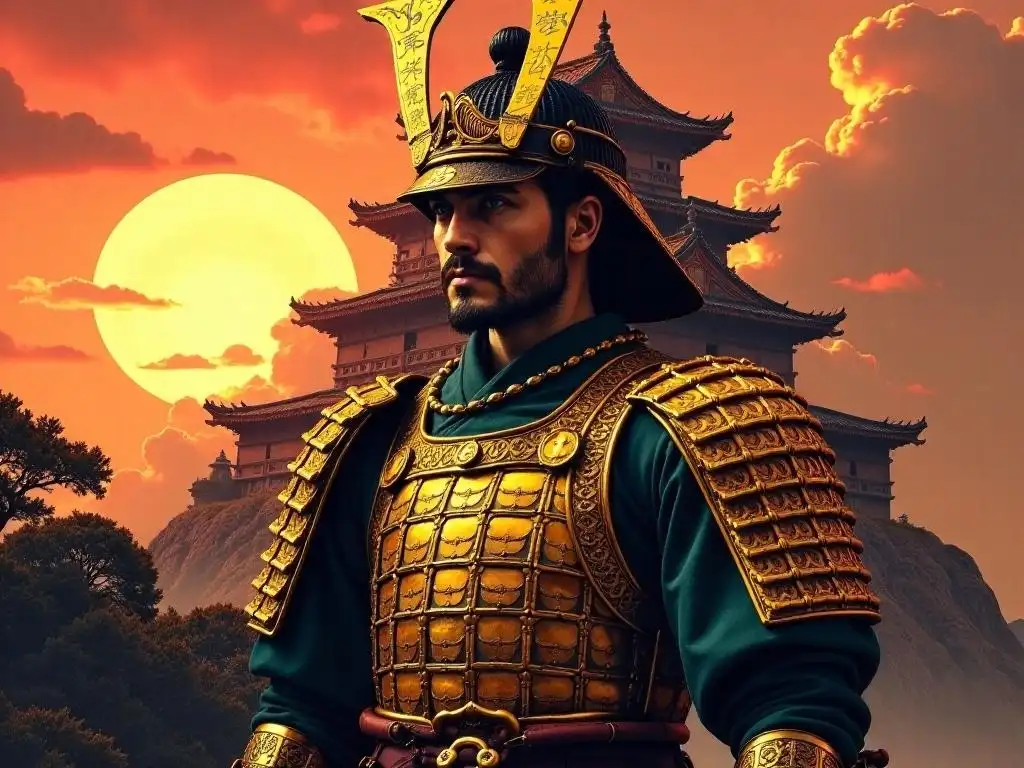
The dynamics between the samurai and the shogunate profoundly influenced various aspects of Japanese culture and society. This relationship was not just a political or military alliance; it also shaped artistic expression, philosophical thought, and societal norms. The samurai's role as both warriors and cultural icons created a unique interplay that contributed to the development of Japan's identity during the feudal era.
The samurai class acted as a bridge between the ruling shogunate and the common people, often embodying the values and beliefs of their time. Their authority was not only derived from their martial prowess but also from their adherence to a code of conduct that emphasized honor, loyalty, and discipline. This duality fostered a cultural environment where martial and artistic pursuits could coexist, allowing for the flourishing of various art forms that celebrated the samurai ethos.
Influence on Japanese Arts and Literature
The samurai's impact on Japanese arts and literature is evident in multiple forms. Poetry, particularly haiku and linked-verse (renga), became popular among samurai, reflecting their experiences, emotions, and philosophies. Works like Matsuo Basho's haikus often drew inspiration from nature and the samurai's introspective life, creating a lasting literary legacy that emphasized the beauty of transience.
In visual arts, the samurai were frequently depicted in ukiyo-e woodblock prints, showcasing their attire, battles, and daily life. These prints not only immortalized the samurai's image but also served as a means of storytelling, capturing the essence of their relationship with the shogunate and the broader society. Additionally, the samurai's influence extended to Noh and Kabuki theater, where their tales of valor and honor were dramatized, further embedding their ideals into the cultural consciousness of Japan.
The Samurai Code: Bushido and Its Relationship with Authority
Bushido, the way of the warrior, served as the ethical foundation for samurai conduct and significantly influenced their relationship with the shogunate. This code emphasized virtues such as loyalty, honor, courage, and self-discipline, framing the samurai's duty not just to their lords but also to the broader ideals of justice and morality.
The shogunate, recognizing the importance of Bushido, sought to align its authority with these values. By promoting the samurai's adherence to this code, the shogunate fortified its own legitimacy and control. Samurai were expected to serve their lords unwaveringly, and in turn, the shogunate provided them with status and land. This mutual reinforcement of authority created a system where the samurai's ethical framework supported the political structure of the shogunate, establishing a unique bond that defined the era.
The Shogunate's Patronage of Culture and Religion
The shogunate played a critical role as a cultural patron, influencing the development of various artistic and religious practices throughout Japan. By supporting Buddhism, Shintoism, and Confucianism, the shogunate helped to shape religious life and cultural practices. This patronage aimed to legitimize its authority and promote social cohesion among the diverse groups within its realm.
Artistic endeavors flourished under shogunal patronage, leading to advancements in architecture, painting, and literature. The construction of grand temples, castles, and gardens exemplified the shogunate's influence on Japanese aesthetics. Furthermore, festivals and rituals sponsored by the shogunate not only provided entertainment but also reinforced the social hierarchy, intertwining culture with the political landscape of the time.
As Japan transitioned into the modern era, the power dynamics between the samurai and the shogunate began to shift dramatically. Several factors contributed to this decline, culminating in significant changes to the structure of authority in Japan.
Factors Leading to the Decline of the Samurai Class
The samurai class faced numerous challenges that contributed to its decline. Economic changes, particularly the rise of merchant classes during the Edo period, diminished the samurai's traditional role as the primary military and social authority. As commerce flourished, wealth shifted from land ownership to trade, undermining the samurai's status.
Additionally, internal conflicts, such as the Sengoku period, led to a depletion of samurai resources and a reevaluation of their role in society. The advent of firearms and changes in warfare strategies further rendered the samurai's traditional martial skills less significant. By the late 19th century, these factors had culminated in a loss of relevance for the samurai class.
The Meiji Restoration and the Transformation of Authority
The Meiji Restoration of 1868 marked a turning point in Japanese history, leading to the abolition of the samurai class and the establishment of a new modern state. This period saw the dismantling of the feudal system and the centralization of power under the Emperor, effectively ending the shogunate's authority.
In this transformative era, the samurai were stripped of their privileges and titles, leading to widespread unrest among former samurai. The government promoted Westernization and modernization, focusing on industrialization and military reform. The samurai's traditional values and lifestyle were challenged, leading to a profound cultural and societal shift in Japan.
Legacy of the Samurai and Shogunate in Modern Japan
Despite their decline, the legacy of the samurai and the shogunate continues to influence modern Japan. The ideals of Bushido remain respected and are often romanticized in contemporary culture, inspiring literature, film, and martial arts. The samurai's image as noble warriors persists, contributing to Japan's national identity.
Moreover, the political and social structures established during the shogunate era laid the groundwork for Japan's future governance. The emphasis on authority, loyalty, and social hierarchy can still be observed in various aspects of Japanese society today. Thus, the complex relationship between the samurai and the shogunate not only shaped historical dynamics but also echoes through Japan's modern cultural and political landscape.
The relationship between the samurai and the shogunate is a defining aspect of Japan's feudal history, characterized by intricate power dynamics and shifting allegiances. This relationship not only shaped the political landscape of the time but also influenced cultural practices and societal structures. The samurai, initially warriors serving noble families, evolved into a powerful class with significant political authority, particularly during the Kamakura and Muromachi periods. The shogunate, established as a military government, relied on the samurai for enforcement and loyalty, creating a complex interplay between authority and loyalty that would resonate throughout Japan's history.
The impact of this relationship is evident even today in Japanese culture, where the samurai ethos of honor, loyalty, and discipline continues to influence modern societal values. The legacy of the shogunate, marked by its centralized military governance, set a precedent for future governance structures in Japan. Understanding these dynamics provides insight into the evolution of Japanese authority and the enduring fascination with the samurai in contemporary culture.
Summary of Key Points Discussed
- Origins of the Samurai: The samurai emerged as a distinct warrior class during the Heian period, initially serving noble families in exchange for land and protection.
- Rise of the Shogunate: The establishment of the shogunate marked a significant shift in power from the emperor to military leaders, primarily the samurai.
- Power Dynamics: The relationship between the samurai and the shogunate was characterized by both cooperation and conflict, shaping the political landscape of feudal Japan.
- Cultural Influence: The samurai's code of conduct, bushido, and their role in the shogunate influenced Japanese culture, arts, and philosophies.
- Enduring Legacy: The authority dynamics between the samurai and the shogunate have left a lasting imprint on Japanese society and governance, evident in modern cultural references and values.
Reflections on the Complex Relationship with Authority
The dynamics between the samurai and the shogunate exemplify a nuanced relationship where authority was often contested. While the shogunate sought to maintain control through military might and governance, the samurai wielded significant influence due to their loyalty and martial prowess. This interdependence created a duality in authority; the shogunate required the samurai's skills in warfare and enforcement, while the samurai relied on the shogunate for status and protection.
Moreover, this relationship was not static. It evolved through various historical contexts, including periods of peace and conflict. The samurai's transition from warriors to bureaucrats during the Edo period showcases how authority dynamics adjusted according to societal needs. This fluidity highlights the complexity of governance in feudal Japan, where power was often shared, negotiated, and challenged.
Further Reading and Resources
Recommended Books on Samurai and Shogunate History
-
"Samurai: The World of the Warrior" by Stephen Turnbull
This book provides an in-depth exploration of the samurai's role in Japanese history, culture, and warfare.
-
"The Rise of the Samurai: 1185-1868" by Chris H. B. Hinton
A comprehensive analysis of the samurai's evolution and their impact on Japanese society during the feudal era.
-
"Shogun: The Life of Tokugawa Ieyasu" by John Man
An engaging biography that details the life of Tokugawa Ieyasu, the founder of the Tokugawa shogunate, and the dynamics of power during his rule.
-
"The Samurai: A New History" by Jonathan Clements
This book reexamines the history of the samurai, providing fresh perspectives on their societal roles and relationships with authority.
Online Resources for Deeper Exploration of Feudal Japan
-
The Samurai Archives
A comprehensive digital resource featuring articles, documents, and images related to the samurai and Japanese feudal history.
-
The National Diet Library of Japan
Offers access to a wealth of historical documents, books, and articles in both English and Japanese, focusing on the samurai era.
-
Japanese History: The Samurai Era
This educational website provides a curated collection of articles, timelines, and multimedia resources dedicated to the feudal period in Japan.
-
Japan National Tourism Organization (JNTO)
Provides insights into historical sites related to the samurai and shogunate, offering a glimpse into their cultural significance today.
- Introduction to Samurai and Shogunate Dynamics
- Historical Context of the Samurai and Shogunate
- The Nature of Authority in the Samurai-Shogunate Relationship
- Power Struggles and Conflicts
- Cultural Implications of Samurai-Shogunate Authority Dynamics
- The Decline of Samurai Power and Shogunate Authority
- Conclusion: The Lasting Impact of Samurai and Shogunate Authority Dynamics
- Further Reading and Resources
- What was the role of the Samurai in feudal Japan?
- How did the Shogunate maintain its power?
- What were the dynamics of authority between the Samurai and the Shogunate?
- How did cultural aspects influence the Samurai-Shogunate relationship?
- What led to the decline of Samurai power in relation to the Shogunate?
Frequently Asked Questions
What was the role of the Samurai in feudal Japan?
The Samurai served as the military nobility, upholding the Shogunate's authority and protecting the land. They were bound by the code of conduct known as Bushido, emphasizing loyalty, honor, and courage.
How did the Shogunate maintain its power?
The Shogunate maintained its power through a combination of military might, strategic alliances, and a hierarchical feudal system that reinforced loyalty among the Samurai and other vassals.
The authority dynamics were complex, as Samurai were both enforcers and challengers of the Shogunate's power, balancing their loyalty to their lords with their own aspirations for autonomy and influence.
How did cultural aspects influence the Samurai-Shogunate relationship?
Cultural aspects, including art, literature, and philosophy, shaped the identity of the Samurai and their perception of the Shogunate, often reinforcing the ideals of loyalty and justice.
What led to the decline of Samurai power in relation to the Shogunate?
The decline of Samurai power was influenced by the centralization of authority in the Shogunate, changes in military technology, and the eventual transition to the Meiji Restoration, which diminished their traditional roles.
The intricate relationship between the samurai and the shogunate remains profoundly relevant today, as it highlights the complexities of authority and loyalty in any hierarchical structure. In an era where power dynamics shape our societies, the lessons drawn from the samurai's allegiance and the shogunate's governance resonate with contemporary discussions about leadership, rebellion, and the balance of power. The historical interplay between these two forces serves as a reminder that authority is not merely a top-down structure but a complex web of relationships that can define the very fabric of society.
The legacy of the samurai and the shogunate continues to influence our cultural narratives and social structures. Their story is not just one of warriors and rulers; it is a reflection of the ongoing struggle between individual agency and institutional power. As we navigate our modern world, we can see echoes of this relationship in various contexts, from political movements to corporate hierarchies. In the end, the samurai's true strength lay not in their swords, but in their unwavering commitment to their code and their leaders.
This quote encapsulates the essence of loyalty and the moral dilemmas faced within authority dynamics, reminding us that our choices define our relationships with power.
As we reflect on the lessons of the samurai and the shogunate, I invite you to consider your own relationship with authority in your life. How do you navigate the balance between loyalty and personal conviction? Whether in your workplace, community, or personal relationships, the dynamics of authority are ever-present. Embrace the opportunity to learn from history, challenge the status quo when necessary, and cultivate a sense of responsibility in your interactions. By doing so, you can contribute to a more equitable and understanding society, honoring the complexities that come with authority while forging your own path.
🌟 Embrace the Legacy of the Samurai and Shogunate!
Thank you for exploring the fascinating intricacies of the samurai and shogunate's relationship with authority! By understanding this complex dynamic, you have gained valuable insights into Japan's vibrant feudal history. Now, it’s your turn to reflect on what this legacy means for us today.
Here are some exciting next steps you can take:
- Dive deeper: Discover more articles on our site to uncover the riveting tales of influential samurai and pivotal battles that shaped Japan’s past.
- Join the conversation: Engage with us on how the concept of authority in feudal Japan resonates with modern governance. Participate in our community forum!
- Spread the knowledge: Share this article with friends or on social media to inspire others to explore the history of feudal Japan.
As you reflect on the samurai's profound ideals and the shogunate's authority, consider this: How can the lessons from their complex relationship apply to contemporary leadership styles?