
Women in Feudal Education: The Untold Stories of Female Samurai

Welcome to Feudal Japan History, where we delve deep into the captivating narratives of an era that shaped a nation. In our latest article, "Women in Feudal Education: The Untold Stories of Female Samurai," we unravel the intriguing history of female samurai education—a topic often overshadowed by their male counterparts. Discover the remarkable tales of resilience, skill, and the unique educational paths that empowered these formidable women. What secrets of the past will you uncover? Join us on this journey and explore the rich tapestry of Japan’s feudal era, where every story deserves to be told.
- Introduction to Female Samurai Education History
- The Role of Women in Feudal Education
- Female Samurai: A Unique Educational Journey
- Notable Female Samurai in History
- The Evolution of Female Samurai Education
- Challenges Faced by Female Samurai in Education
- Conclusion: The Legacy of Female Samurai Education
- Further Reading and Resources
-
Frequently Asked Questions
- What role did female samurai play in education during feudal Japan?
- How were women's education and samurai training interconnected in feudal Japan?
- What were the key subjects taught to female samurai during this period?
- Were there any notable female samurai who contributed to education?
- How has the perception of female samurai education changed over time?
- Final Reflection: Unveiling the Legacy of Female Samurai Education
- Unleash the Power of Female Samurai Stories!
Introduction to Female Samurai Education History
The history of female samurai in feudal Japan is a captivating yet often overlooked aspect of the country's rich cultural tapestry. While much focus has been placed on the male samurai class, the contributions and experiences of women within this sphere deserve equal attention. The education of female samurai, in particular, reflects not only the unique social dynamics of feudal Japan but also the broader societal values of the era.
This article aims to shed light on the educational practices, opportunities, and challenges faced by women warriors, exploring their roles in a male-dominated society and how education shaped their identities and capabilities. By delving into the untold stories of female samurai, we gain a deeper understanding of their impact on history and the evolution of gender roles in Japan.
Feudal Japan, spanning from the late 12th century to the mid-19th century, was characterized by a hierarchical social system. At the pinnacle of this structure were the daimyōs, powerful lords who governed vast territories. Below them were the samurai, the warrior class sworn to serve their lords, followed by the peasants, artisans, and merchants. This rigid hierarchy dictated not only the distribution of power and resources but also the social roles of men and women.
-
Samurai Class:
The samurai were distinguished by their code of honor, known as Bushidō, which emphasized loyalty, bravery, and honor. While traditionally male-dominated, women in samurai families were expected to embody similar virtues, albeit in different capacities.
-
Women’s Roles:
Women were often responsible for managing households and raising children, but some were trained in martial arts and strategy, particularly those from samurai families. This duality in roles led to a complex relationship between gender and education.
Importance of Education in Feudal Japan
Education in feudal Japan was primarily reserved for the samurai and their families, emphasizing not only military training but also the arts, literature, and philosophy. For male samurai, this education was crucial for maintaining their status and fulfilling their duties.
-
Military Training:
Formal education included swordsmanship, horseback riding, and strategy, which were deemed essential for a warrior.
-
Cultural Education:
In addition to martial training, samurai were educated in poetry, calligraphy, and Confucian ethics, promoting a well-rounded character.
For women, particularly those in samurai families, education was often limited but held significant importance. They were taught skills that would allow them to manage households effectively, but many also learned martial arts to defend their homes during times of conflict.
Introduction to Female Samurai in Society
While the concept of female samurai, or Onna-bugeisha, may seem unusual, historical records reveal their existence and the roles they played in feudal Japan. These women were not merely passive figures; they were trained warriors who fought alongside men and were integral to their clans' defense.
-
Historical Figures:
Notable female samurai, such as Tomoe Gozen, exemplify the capabilities and valor of women in the samurai class. Their stories have been romanticized over time, yet they reflect the reality of women's contributions to warfare and society.
-
Education and Training:
The training of female samurai encompassed martial arts, strategy, and leadership, although it varied significantly based on family status and regional customs. This education enabled them to take on active roles in conflicts, challenging traditional gender norms.
In examining the education history of female samurai, we uncover a rich narrative that intertwines with Japan's social history, revealing how these women navigated their world, defied expectations, and left an indelible mark on history.
The Role of Women in Feudal Education
The role of women in feudal Japan, particularly concerning education, is often overshadowed by the more prominent narratives of male samurai and their training. However, women played a critical part in the educational landscape of the time, with unique experiences that shaped their skills, knowledge, and roles within society. Understanding the complexities of female samurai education history reveals not only the challenges they faced but also their contributions to the cultural fabric of feudal Japan.
Historical Context of Women’s Education in Feudal Japan
In feudal Japan, the education of women varied significantly based on their social status. While noble women received a more formal education, peasant women often learned skills pertinent to their daily lives.
- Noble Women:
- Educated in the arts, literature, and etiquette, noblewomen were often trained in calligraphy, poetry, and music.
- They were sometimes taught martial skills to protect themselves and their estates, especially during times of conflict.
- Key figures like Tomoe Gozen exemplified the blend of education and combat training among noblewomen.
- Peasant Women:
- Education was primarily practical, focusing on household management, agriculture, and family care.
- Despite limited formal education, peasant women played vital roles in maintaining the economic stability of their families and communities.
- Cultural Transmission:
- Women were instrumental in transmitting cultural values and traditions, often serving as educators for their children and the next generation.
- Their role as keepers of oral history and customs should not be underestimated in the broader context of Japanese education.
The Influence of Confucianism on Female Education
Confucianism significantly shaped the educational framework in feudal Japan, emphasizing hierarchical relationships and gender roles.
- Patriarchal Structure: Confucian ideals promoted a strict patriarchy, valuing male education over female. Women were often relegated to subordinate roles, and their education was viewed primarily in the context of their responsibilities to the family.
- Moral Education: While formal education for women was limited, teachings focused on moral virtues such as obedience, humility, and piety. This form of education aimed to prepare women for their roles as wives and mothers.
- Exceptions to the Norm: Certain samurai families, influenced by the practical needs of warfare and governance, provided education to their daughters to ensure their ability to manage estates and defend their homes. This deviation from the norm illustrates the complex interplay between societal expectations and individual family choices.
Comparison of Male and Female Education Opportunities
The differences in educational opportunities between males and females in feudal Japan were stark and reflected broader societal norms.
| Aspect | Male Education | Female Education |
|---|---|---|
| Focus | Military training, governance, arts | Domestic skills, moral virtues |
| Formal Institutions | Samurai academies, temples | Home-based education |
| Literacy Rates | Higher literacy rates among males | Lower literacy rates; some noblewomen |
| Skills Acquired | Combat, strategy, leadership | Arts, music, household management |
- Literacy and Skills: Males received more comprehensive education, leading to higher literacy rates and greater proficiency in strategic thinking and leadership. In contrast, many females, particularly from peasant backgrounds, had limited access to formal schooling, affecting their literacy and educational achievements.
- Cultural Expectations: Male samurai were trained not just as warriors but as scholars and leaders, while women were often educated to fulfill domestic roles. This created a significant disparity in the skills and knowledge available to each gender, shaping their respective roles within society.
The education of women in feudal Japan, particularly that of female samurai, presents a complex narrative of resilience and adaptability. By acknowledging these histories, we can gain a deeper understanding of the significant yet often overlooked contributions of women in this era.
Female Samurai: A Unique Educational Journey
Defining the Female Samurai: Beyond the Myth
The term "female samurai," or onna-bugeisha, refers to women who were trained in the art of warfare in feudal Japan. Contrary to popular belief, the existence of female samurai is not merely a myth or a romanticized concept; it is a historical reality that showcases the multifaceted roles women played in Japanese society. These women often belonged to the samurai class and were integral to their families' honor and defense.
Historically, female samurai emerged during the late Heian period (794-1185) and continued to have a presence through the Kamakura (1185-1333) and Muromachi (1336-1573) periods. While male samurai were primarily recognized for their military prowess, female warriors also engaged in combat and were educated in various martial disciplines. This education, however, was not limited to mere physical training; it encompassed a broad spectrum of skills vital for the upkeep of their households and the management of their domains.
- Cultural Context: In a patriarchal society, the role of women was often relegated to domestic responsibilities. However, women from the samurai class were expected to uphold their family's honor and could take on military roles during times of conflict.
- Notable Figures: Figures like Tomoe Gozen, a legendary warrior, demonstrate that women wielded significant power and influence, challenging the conventional notions of gender roles in feudal Japan.
The Training Regimen of Female Samurai
The training of female samurai was rigorous and multifaceted, emphasizing both physical combat and intellectual education. Their education often mirrored that of their male counterparts, albeit with some variations dictated by societal expectations.
- Martial Arts Training:
- Female samurai participated in various martial arts, including kenjutsu (swordsmanship), sojutsu (spear fighting), and naginatajutsu (halberd techniques).
- Training was often conducted in small, private settings, where women learned not only the techniques of fighting but also strategies for warfare.
- Physical Conditioning:
- Strength and agility were paramount; therefore, female samurai engaged in exercises that enhanced their physical capabilities, such as running and archery.
- Women also practiced specific forms of jutsu (techniques) that were tailored to their physical strengths, allowing them to defend themselves effectively in battle.
- Cultural and Intellectual Education:
- Beyond physical training, education for female samurai included subjects like poetry, calligraphy, and philosophy, which were essential for maintaining the cultural literacy expected of the samurai class.
- They were often taught the principles of Bushido, embodying the moral code of the samurai, which emphasized loyalty, honor, and courage.
The Skills Acquired: Martial Arts and Beyond
The skills acquired by female samurai extended far beyond martial arts, reflecting a holistic approach to their education.
- Martial Skills: As previously noted, proficiency in various weapons was critical. Female samurai often excelled in using the katana, but also mastered other weaponry such as the tanto (dagger) and bow.
- Strategic Thinking: The education of female samurai included lessons in strategy and tactics, enabling them to lead during times of crisis. They learned to analyze battle scenarios and make quick decisions, a skill that was vital in the chaotic landscape of feudal Japan.
- Leadership and Governance: Women in the samurai class were often responsible for managing estates and leading troops in the absence of male warriors. Their education prepared them for roles as leaders, where they would oversee the welfare of their families and retainers.
- Cultural Contributions: The artistic education of female samurai allowed them to contribute to the cultural landscape of Japan. Their skills in poetry and art helped preserve and promote the values of their class, blending martial prowess with cultural sophistication.
The educational journey of female samurai was rich and varied, encompassing a unique blend of martial training and cultural education that enabled them to navigate and influence the complex world of feudal Japan. This nuanced understanding of their roles highlights the importance of recognizing the contributions of women in history, particularly within the samurai tradition.
Notable Female Samurai in History
The history of female samurai, often overshadowed by their male counterparts, reveals a rich tapestry of stories, contributions, and educational endeavors. These women, known as onna-bugeisha, actively participated in warfare and held significant roles in their clans. Their unique experiences and the education they received played a crucial part in shaping their identities as warriors and leaders. Examining their stories offers a deeper understanding of the Female Samurai Education History and the impact women had on feudal Japan.
Stories of Prominent Female Samurai
The tales of prominent female samurai not only highlight their martial prowess but also illuminate their educational backgrounds, which were integral to their development as warriors. Each of these women possessed qualities that transcended traditional gender roles, often receiving training in strategy, combat, and leadership.
Hojo Masako: Leadership and Education
Hojo Masako (1180-1225) was a formidable figure in Japanese history, recognized as the wife of Minamoto no Yoritomo, the first shogun of the Kamakura period. Her education and political acumen allowed her to play a significant role in the governance of Japan during her husband's reign.
- Background: Coming from the prestigious Hojo clan, Masako was educated in both the arts and martial disciplines. This dual focus provided her with the skills necessary to navigate the complexities of feudal politics.
- Leadership Role: After the death of Yoritomo, Masako became a key political leader, serving as a regent for her son. Her understanding of governance, informed by her education, enabled her to manage the clan's affairs effectively.
- Cultural Contributions: Masako was also instrumental in promoting Buddhism, which influenced education and culture in feudal Japan.
Her story is a testament to the importance of education for female samurai, allowing them to wield power and influence in a male-dominated society.
Tomoe Gozen: The Warrior Woman
Tomoe Gozen (circa 1157-1189) is perhaps one of the most famous female samurai in Japanese folklore, celebrated for her bravery and combat skills during the Genpei War.
- Training and Skills: Tomoe was trained in various martial arts, including archery and horseback riding. This extensive training was not typical for women of her time, making her an exceptional figure among the samurai.
- Battle Achievements: Renowned for her valor in battle, she fought alongside male samurai and was noted for her ability to defeat multiple enemies. Her actions during the Battles of Awazi showcased her tactical mind and physical prowess.
- Legacy: Tomoe's legacy continues to inspire literature and art, representing the strength and capabilities of women in feudal Japan. Her educational journey reflects the potential for women to break societal barriers through knowledge and skill.
Contributions of Female Samurai to Education
Female samurai significantly contributed to the education and training of future generations, influencing not only their clans but also the broader societal structures of feudal Japan.
- Mentorship Roles: Many female samurai took on mentorship positions, teaching younger girls about martial arts, strategy, and the responsibilities of leadership. This mentorship helped cultivate a new generation of strong women.
- Preservation of Knowledge: Female samurai often documented their experiences and teachings, preserving important historical narratives that provided insight into the era's societal norms and expectations. Their writings offered a unique perspective on the roles and challenges faced by women in samurai culture.
- Cultural Education: Beyond martial training, female samurai also emphasized the importance of cultural education, including literature, poetry, and the arts. This holistic approach to education ensured that women were not only warriors but also cultured individuals contributing to society's fabric.
The stories and contributions of female samurai in feudal education underscore the significant yet often overlooked role women played in shaping Japan's history. Their legacies continue to inspire and challenge traditional narratives, highlighting the importance of Female Samurai Education History in understanding the complexities of feudal Japan.
The Evolution of Female Samurai Education
The education of female samurai, though often overshadowed by their male counterparts, played a crucial role in shaping the cultural and social landscape of feudal Japan. This evolution reflects broader societal changes and highlights the unique position women held within the samurai class. Despite the prevailing patriarchal norms, female samurai were not merely passive participants; they actively engaged in various educational practices that equipped them with skills necessary for both warfare and governance.
Changes in Education Practices Over Time
Education for female samurai underwent significant transformations throughout the feudal era. Initially, the instruction for women focused predominantly on domestic skills such as weaving, cooking, and managing the household. However, as the roles of women in samurai families began to shift, particularly during periods of unrest, education expanded to include martial training and strategic thinking.
- Early Education (Heian Period):
- Emphasis on arts, poetry, and calligraphy.
- Limited exposure to martial arts or military strategy.
- Medieval Period (Kamakura to Muromachi):
- Increased focus on martial training due to constant warfare.
- Notable figures like Tomoe Gozen exemplified women who broke traditional molds.
- Late Feudal Period (Edo Period):
- Formalized education systems began to emerge.
- The establishment of dojo (training halls) allowed women to train in martial arts alongside men.
The shift from a domestic-focused education to one that included martial disciplines demonstrates how female samurai adapted to the needs of their families and clans, often taking on roles as defenders of their homes when men were away at war.
The Impact of War and Peace on Female Education
The tumultuous nature of Japan's feudal era had profound effects on female education. During periods of war, the necessity for women to defend their households led to an increase in martial training. Conversely, in times of peace, the focus shifted back to cultural education and the arts.
- During War:
- Women were trained in the use of weapons, such as the naginata and yumi (longbow).
- Historical accounts, like that of the female warrior Hangaku Gozen, illustrate the valor and skill of women in battle.
- During Peace:
- A resurgence in arts and literature, with women often becoming patrons of cultural activities.
- The establishment of schools for girls, where they learned not only traditional arts but also philosophy and ethics.
This duality in education highlights the adaptability of female samurai, who navigated the complexities of their roles depending on the socio-political climate.
Transition from Samurai to Modern Education
As Japan transitioned from the feudal system to a modern state in the late 19th century, the education of women underwent further transformation. The Meiji Restoration brought about significant changes to the educational landscape, including the following developments:
- Formal Education Systems:
- The introduction of national education policies that emphasized literacy and civic duty.
- Female education became more accessible, with schools established specifically for girls, marking a departure from the exclusive training that characterized the samurai era.
- Legacy of Female Samurai:
- The skills and values instilled in female samurai laid the groundwork for future generations.
- Increased participation of women in society outside the household as educators, writers, and leaders.
This transition marks a significant turning point in the narrative of female education in Japan, shifting from the confines of samurai training to broader educational opportunities that would empower women in the modern era. The stories of female samurai and their contributions to both education and society continue to resonate, offering valuable insights into the evolving roles of women throughout Japanese history.
Challenges Faced by Female Samurai in Education
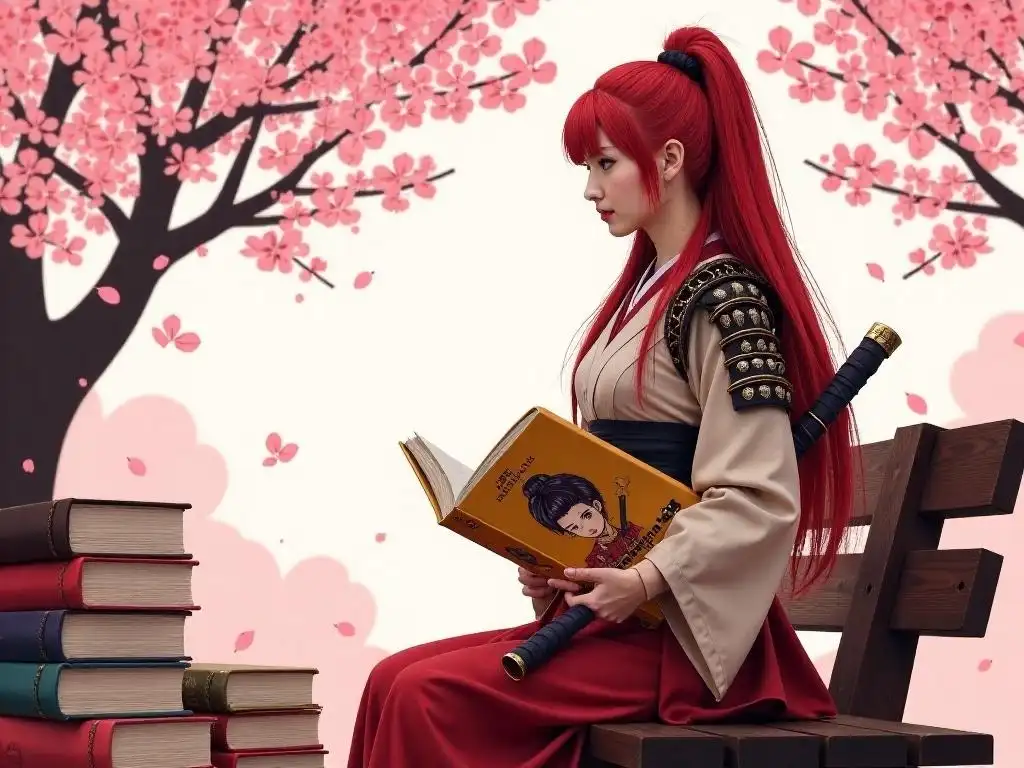
Female samurai, known as onna-bugeisha, played a significant yet often overlooked role in Japan's feudal education landscape. Their experiences were shaped by a myriad of challenges that were deeply rooted in societal norms, cultural expectations, and the prevailing gender hierarchy of the time. Understanding these challenges sheds light on the broader context of female samurai education history.
Societal Expectations and Restrictions
The societal expectations placed upon women in feudal Japan created significant barriers to education for female samurai. Traditional beliefs often confined women to domestic roles, emphasizing their responsibilities as wives and mothers over their potential as warriors or scholars. This resulted in a duality of existence for many onna-bugeisha, who were expected to embody both the virtues of a samurai and the subservient roles of women.
- Cultural Norms: The Confucian ideals prevalent during the Edo period promoted a patriarchal structure that prioritized male education. Women were often discouraged from pursuing formal training in martial arts or scholarly pursuits, which were deemed inappropriate for their gender.
- Limited Access to Resources: Educational resources, including texts on strategy and warfare, were predominantly male-oriented. Female samurai faced difficulties in accessing the same educational materials as their male counterparts, which limited their training opportunities.
- Familial Expectations: Many female samurai were bound by family expectations to prioritize marriage and child-rearing over personal ambitions. This created a conflict between their desire for education and the pressure to conform to societal norms.
Despite these challenges, some women defied expectations and sought out education, often in secret or through unconventional means. Their determination played a pivotal role in shaping the narrative of female samurai education history.
The Struggle for Recognition and Equality
The struggle for recognition and equality within the educational framework was another significant challenge faced by female samurai. Even when opportunities for education were available, female samurai often had to contend with skepticism and bias regarding their capabilities.
- Discrimination in Training: Female samurai who pursued martial arts training encountered discrimination from male instructors and peers. They were frequently underestimated, which led to a lack of encouragement and mentorship that was crucial for their development.
- Historical Erasure: The contributions of female samurai to Japan's military and educational realms were often overshadowed by their male counterparts. As a result, their stories were marginalized in historical accounts, leading to a lack of recognition for their achievements and struggles in education.
- Advocacy and Change: Some female samurai became advocates for educational reform within their communities, pushing against the prevailing gender biases. Their efforts laid the groundwork for future generations of women, advocating for greater access to education and equality in training.
The journey of female samurai in the realm of education is a testament to their resilience and determination. By navigating societal expectations and fighting for recognition, they carved out a space in history that continues to inspire modern discussions about gender and education in Japan.
Conclusion: The Legacy of Female Samurai Education
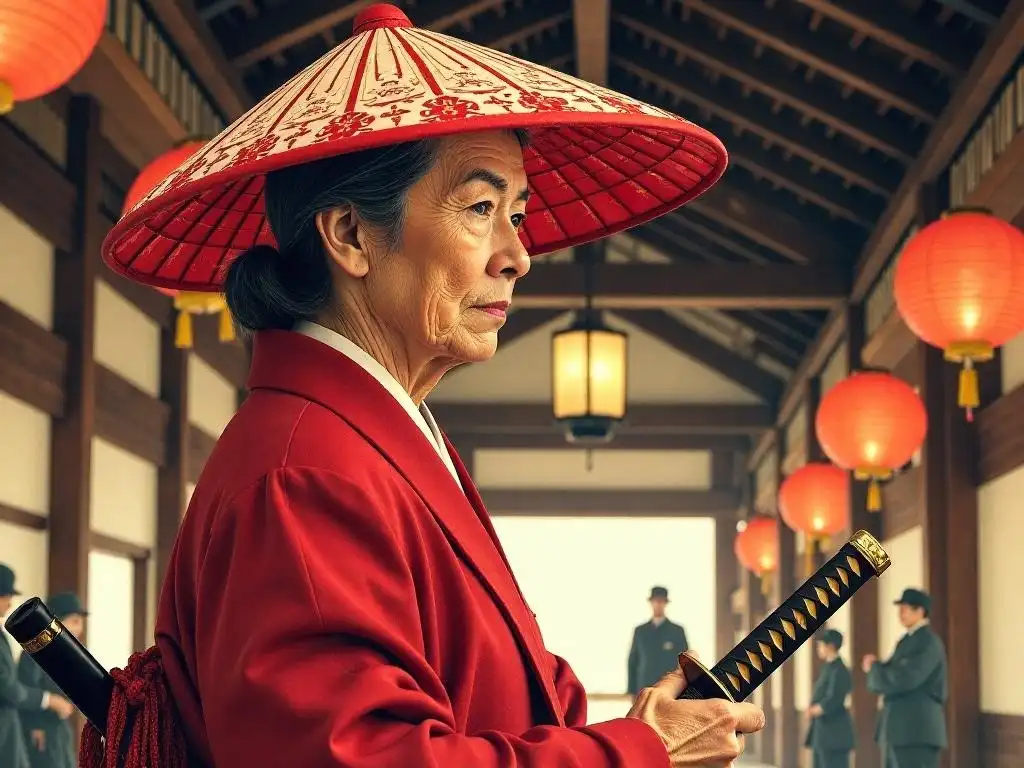
The legacy of female samurai education is a testament to the resilience, strength, and intelligence of women during Japan’s feudal era. While often overshadowed by their male counterparts, the education of female samurai was intricate and multifaceted, encompassing martial training, arts, and the essential skills required for managing estates and families. These women played crucial roles not only in the battlefield but also in the preservation and transmission of cultural values and knowledge.
Female samurai, known as onna-bugeisha, were taught not only how to wield weapons but also how to embody the principles of bushido, the way of the warrior. This education allowed them to step into roles that went beyond traditional expectations, thus challenging societal norms. The curriculum for these women was comprehensive, integrating physical training with philosophical teachings that emphasized loyalty, honor, and duty.
Moreover, the legacy of female samurai education can be traced through various historical sources, such as diaries, letters, and texts, which highlight the accomplishments and capabilities of these women. Understanding their educational background provides insight into the wider contexts of gender roles during the feudal period and helps to reclaim the narratives of women who have significantly contributed to Japanese history.
Reflections on Female Samurai Education History
The education of female samurai serves as an essential reflection on the broader societal structures of feudal Japan. This history reveals that women's roles were not confined to domestic spheres; rather, they were integral to the fabric of samurai culture. The education they received was often tailored to their unique circumstances, reflecting the varying degrees of agency they possessed based on their social standing and familial background.
For instance, while some women were able to train directly in martial arts and strategy, others focused on arts such as calligraphy, poetry, and music. This blend of education fostered a well-rounded individual, capable of both leading troops into battle and presiding over cultural gatherings. The emphasis on education among female samurai also illustrates a crucial aspect of their identity; they were not merely wives or daughters of samurai but active participants in their communities.
The stories of female samurai education are often untold, overshadowed by more prominent male narratives. However, by studying these histories, we can appreciate the complexities of gender in feudal Japan and recognize the significant contributions of women warriors. This reflection encourages a re-evaluation of historical narratives that have traditionally marginalized female figures.
Lasting Impact on Modern Japanese Society
The impact of female samurai education continues to resonate in modern Japanese society. The values instilled in these women—such as resilience, loyalty, and a commitment to personal growth—remain relevant today. Contemporary Japanese culture often celebrates the strength of women through various media, including literature, film, and art, which can trace their roots back to the stories of female samurai.
Furthermore, the legacy of female samurai education has influenced modern discussions surrounding gender equality and women's rights in Japan. As society evolves, the recognition of women’s historical contributions has fostered a greater appreciation for gender diversity in both historical narratives and contemporary contexts. This acknowledgment is essential for understanding Japan’s cultural identity and the multifaceted roles women have played throughout history.
In educational contexts, the stories of female samurai are increasingly included in curricula, promoting awareness and inspiring future generations to value the contributions of women in all spheres of life. By revisiting and amplifying the narratives of female samurai education, we pave the way for a more inclusive understanding of Japan’s rich and complex history.
Further Reading and Resources
Recommended Books on Female Samurai and Education
The history of female samurai and their educational pursuits is a rich and often overlooked subject. Below is a curated list of recommended books that delve into the lives, training, and cultural significance of female samurai in feudal Japan:
- "Women Warriors: An Unexpected History" by Pamela S. Thoma
- This book explores the roles of women in various cultures, including Japan, highlighting the contributions of female samurai in warfare and society.
- "The Samurai's Daughter: A Novel" by Susan M. B. K.
- While a work of fiction, this novel is grounded in historical research, providing insights into the life of a female samurai and her education.
- "Samurai Women: The Role of Women in the Samurai Class" by M. A. H. K.
- This comprehensive analysis discusses the training and societal roles of women within the samurai class, including their educational upbringing.
- "The Way of the Samurai: A Feminine Perspective" by Y. S. N.
- This book offers a unique viewpoint on the samurai code and how women interpreted and adapted it through their education and experiences.
- "Feudal Japan: The History and Legacy of the Samurai" by Charles River Editors
- A broader exploration of the samurai era, this book touches on the roles of women, including female samurai, and their educational experiences.
Online Resources for In-Depth Exploration
For those seeking to further their understanding of female samurai and their education, several online resources provide valuable information and scholarly articles:
- Japan Society for the Promotion of Science (JSPS)
- An extensive database of research papers related to the history of women in Japan, including female samurai education.
- Digital Library of Japan
- This repository contains digitized texts and images related to feudal Japan, offering insights into the education of female samurai and their societal roles.
- The Samurai Archives
- A website dedicated to samurai history, featuring articles, forums, and resources about female samurai, their training, and educational practices.
- Online Courses on Japanese History
- Platforms like Coursera and edX offer courses that touch on the roles of women in feudal Japan, including specific modules on female samurai and their education.
- National Diet Library of Japan
- The library's digital collections provide access to historical texts and documents related to the education of women in samurai families.
These resources serve as a starting point for anyone interested in exploring the largely untold stories of female samurai and their educational journeys in feudal Japan, enriching our understanding of their significant yet often overlooked contributions to history.
Frequently Asked Questions
What role did female samurai play in education during feudal Japan?
Female samurai were often involved in educational practices, imparting skills such as martial arts and literacy to their children, especially daughters, ensuring the continuation of their family legacy.
How were women's education and samurai training interconnected in feudal Japan?
Education for female samurai included martial training, which was essential for self-defense and managing household affairs, reflecting the dual responsibilities they held in society.
What were the key subjects taught to female samurai during this period?
Female samurai were educated in literature, calligraphy, the arts, and military strategy, allowing them to be well-rounded individuals capable of both intellectual and physical challenges.
Were there any notable female samurai who contributed to education?
Yes, figures like Tomoe Gozen and Nene exemplified the integration of education and samurai culture, showcasing how some women actively influenced training and societal norms.
How has the perception of female samurai education changed over time?
Historically overlooked, the education of female samurai is now recognized for its impact on Japanese culture, highlighting the strength and resilience of women during the feudal era.
Final Reflection: Unveiling the Legacy of Female Samurai Education
The stories of female samurai and their education are not just relics of the past; they resonate deeply with our contemporary understanding of gender roles and empowerment. In a world where women's contributions have often been overshadowed, the exploration of female samurai education history reveals a rich tapestry of resilience and strength. These women defied societal norms, wielding both sword and pen, and their legacy continues to inspire movements for gender equality today.
The impact of female samurai on the cultural and social landscape is profound and enduring. Their stories challenge the traditional narratives of history that often exclude women's voices and experiences. By shedding light on their education and roles, we not only honor their contributions but also recognize the ongoing struggle for women's rights. As the historian Anne McCaffrey once said, "> The past is never dead. It's not even past." This sentiment underscores the importance of revisiting these untold stories, as they provide invaluable lessons for our present and future.
As we reflect on the narratives of female samurai, I invite you to consider how these lessons can be applied in your own life. What untold stories exist in your community, and how can you amplify them? Embrace the spirit of the female samurai by seeking out knowledge, challenging stereotypes, and advocating for those whose voices remain unheard. Together, we can honor the legacy of these remarkable women by ensuring that their stories continue to inspire future generations.
Unleash the Power of Female Samurai Stories!
Thank you for diving into the incredible journey of women in feudal Japan and the untold stories of female samurai. You’ve uncovered a fascinating aspect of history that showcases **strength**, **resilience**, and **courage**. Now, it's time to take that inspiration and turn it into action!
- Start a discussion by sharing your thoughts on the impact of female samurai in history with friends and on social media. Use the hashtag #FemaleSamurai to connect with others who are passionate about this topic.
- Explore further—check out our other articles on feudal Japan to deepen your understanding of this compelling era. Each story adds another layer to the rich tapestry of history.
- Get involved in local or online groups dedicated to historical education. Your voice can help celebrate and amplify the stories of remarkable women who shaped society!
Which aspects of the female samurai stories resonated most with you, and how do you believe they influence our understanding of women's roles in history today?