
The Cultural Impact of Edo Period Pilgrimages

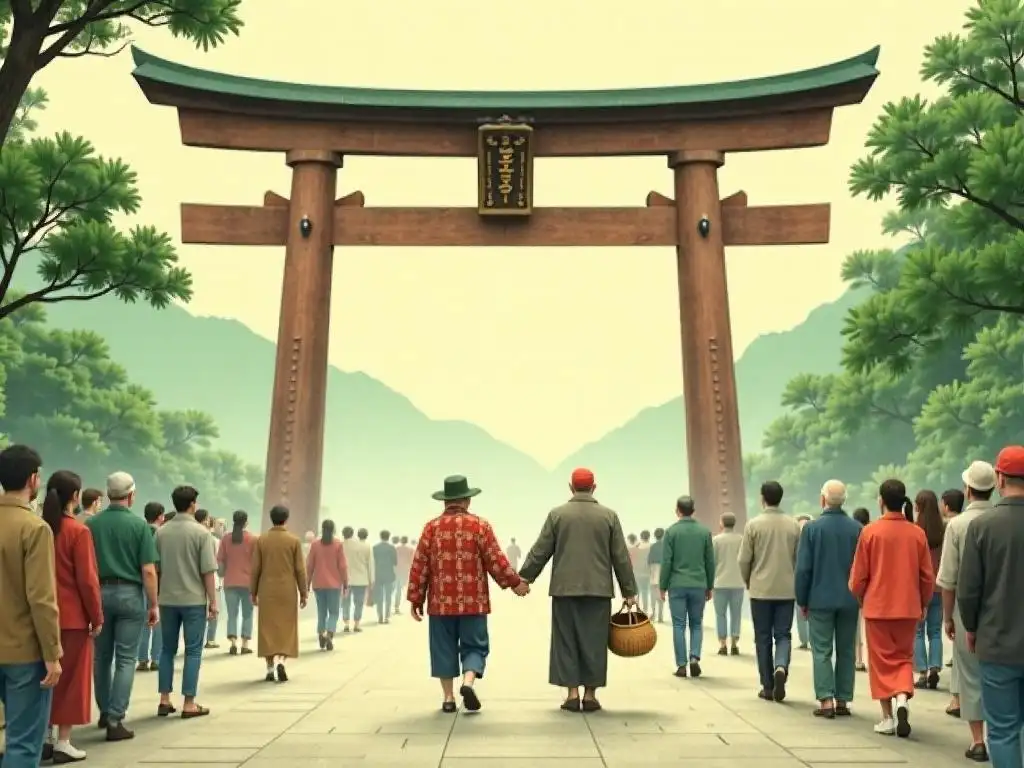
Welcome to Feudal Japan History, your gateway to uncovering the rich tapestry of Japan's feudal era! Here, we delve deep into the intricate layers of historical, cultural, and societal facets that shaped this fascinating period. In our featured article, “The Cultural Impact of Edo Period Pilgrimages,” we invite you to journey through the vibrant pilgrimage culture that defined the Edo period. Discover how these sacred travels not only influenced spirituality but also transformed social dynamics and cultural practices. Are you ready to embark on an enlightening exploration? Dive in and let your curiosity lead the way!
Introduction to Edo Period Pilgrimage Culture
The Edo period (1603-1868) marks a significant chapter in Japan's history, characterized by relative peace, political stability, and cultural flourishing under the Tokugawa shogunate. This era witnessed not only the consolidation of power but also a remarkable transformation in the social and cultural landscape of Japan.
One of the most fascinating aspects of this period is the burgeoning pilgrimage culture, which played a pivotal role in shaping the spiritual and communal life of the Japanese people. Pilgrimages during the Edo period were more than mere religious journeys; they served as a medium for cultural exchange, economic stimulation, and social cohesion among diverse groups.
In this article, we will delve into the intricate tapestry of Edo period pilgrimage culture, exploring its historical context, significance, and the evolution of pilgrimage practices. By examining the major pilgrimage routes and prominent sites, we aim to provide a comprehensive understanding of how these journeys influenced the cultural fabric of Edo Japan.
Overview of the Edo Period (1603-1868)
The Edo period is renowned for its unique socio-political environment, marked by a long-lasting peace known as the Pax Tokugawa. This stability fostered economic growth, urbanization, and a blossoming of the arts. The samurai class maintained their status, while the merchant and artisan classes emerged, contributing to a vibrant urban culture in cities like Edo (modern-day Tokyo), Osaka, and Kyoto.
During this time, religion also flourished, with Shinto and Buddhism coexisting and often intertwining in the spiritual practices of the populace. Pilgrimages became a popular means for individuals to seek spiritual merit, fulfill religious obligations, and connect with sacred sites across the archipelago.
Significance of Pilgrimages in Japanese Culture
Pilgrimages in Japan are deeply rooted in the nation's spiritual and cultural traditions. They serve as a conduit for personal reflection, communal bonding, and the reinforcement of cultural identity.
Key aspects of their significance include:
- Spiritual Fulfillment: Many pilgrims sought to attain spiritual merit or pray for blessings, health, and prosperity.
- Cultural Exchange: Pilgrimages facilitated interactions between diverse groups, fostering a sense of community and shared experience.
- Economic Impact: The influx of pilgrims contributed to the local economies of pilgrimage sites, stimulating trade and commerce.
- Cultural Preservation: Pilgrimages helped in the transmission of cultural practices, folklore, and traditions, ensuring their continuity through generations.
Historical Context of Pilgrimages in the Edo Period
Understanding the cultural impact of Edo period pilgrimages requires a closer examination of the historical context in which these practices evolved. Pilgrimages were influenced by various factors, including religious doctrines, societal norms, and the political landscape.
Evolution of Pilgrimage Practices
During the Edo period, pilgrimage practices underwent significant changes. The Tokugawa shogunate promoted certain routes and sites, leading to the establishment of organized pilgrimages. This period also saw the rise of guidebooks, maps, and pilgrimage associations, which facilitated the journeys of common people.
- Increased Accessibility: With improvements in infrastructure, such as roads and inns, pilgrimage became more accessible to the broader population.
- Pilgrimage Festivals: Many sites hosted festivals that attracted large crowds, combining religious observance with entertainment and social gatherings.
Major Pilgrimage Routes in Edo Japan
Several pilgrimage routes emerged as key arteries of spiritual travel during the Edo period. These routes not only connected sacred sites but also fostered economic and cultural exchanges among different regions.
Some of the most notable routes include:
- The Kumano Kodo: A network of trails leading to the Kumano Sanzan shrines, known for their scenic beauty and spiritual significance.
- The Shikoku Pilgrimage: A circular route encompassing 88 temples associated with the Buddhist monk Kobo Daishi, which continues to be a popular pilgrimage today.
- The Nakasendo: An ancient highway that connected Kyoto and Edo, frequented by pilgrims traveling between sacred sites.
Prominent Pilgrimage Sites During the Edo Period
Certain sites became iconic destinations for pilgrims during the Edo period, each with its own unique history and significance. These sites attracted thousands of visitors, who sought spiritual enlightenment and communal experiences.
Some of the prominent pilgrimage sites include:
- Ise Grand Shrine: A major Shinto shrine dedicated to the sun goddess Amaterasu, attracting pilgrims seeking divine favor.
- Kamakura: Home to significant Buddhist temples, including Hase-dera and the Great Buddha, which served as focal points for pilgrimage.
- Mount Koya: The headquarters of the Shingon sect of Buddhism, known for its serene landscapes and spiritual atmosphere.
As we explore the various dimensions of Edo period pilgrimage culture, we will uncover the profound impact these journeys had on the spiritual, cultural, and societal aspects of Japan during this dynamic era.
The Role of Pilgrimages in Edo Period Society
During the Edo period (1603-1868), Japan experienced a profound transformation in its social, political, and cultural landscapes. One of the most significant aspects of this era was the flourishing of pilgrimage culture, which played a pivotal role in shaping the spiritual and social dynamics of society. Pilgrimages were not merely journeys to sacred sites; they were integral to the community’s fabric, fostering connections between individuals, families, and localities.
The Edo period saw an increase in the number of pilgrimage routes, with many people traveling to famous shrines and temples such as the Ise Grand Shrine and the Kumano Sanzan. These journeys were often undertaken for spiritual renewal, but they also served as a means of social engagement. As pilgrims traveled, they formed networks of shared experiences and collective identity, reinforcing the bonds of community and tradition.
Pilgrimages as a Form of Spiritual Practice
In Edo Japan, pilgrimages were deeply rooted in the spiritual practices of Shinto and Buddhism. Many pilgrims sought to attain spiritual merit, purification, and enlightenment through their journeys. The act of pilgrimage was considered a form of devotion, allowing individuals to express their faith while connecting with the divine.
Pilgrims often followed established routes filled with sacred sites, each with its own unique significance. As they traversed these paths, they engaged in rituals such as prayers, offerings, and ceremonies at the temples and shrines they visited. This spiritual practice not only provided a sense of purpose but also served as a transformative experience, often leading to personal revelations and a deeper understanding of one’s faith.
Social and Community Aspects of Pilgrimage Culture
Pilgrimage culture in the Edo period was characterized by its strong social components. Many pilgrims traveled in groups, fostering a sense of camaraderie and shared purpose. These collective journeys often strengthened bonds among participants, creating a community that extended beyond the pilgrimage itself.
Moreover, local communities benefitted from the influx of pilgrims, who brought economic activity to the regions along pilgrimage routes. Inns, shops, and food stalls arose to cater to travelers, contributing to the local economy and encouraging cultural exchanges. Festivals and communal celebrations often coincided with pilgrimage seasons, further enhancing the social fabric of these interactions.
Pilgrimage and the Concept of Faith in Edo Japan
The Edo period witnessed a complex interplay between various religious traditions, particularly Shinto and Buddhism. Pilgrimages became a vital expression of faith, allowing individuals to navigate their spiritual beliefs and practices. Each pilgrimage site held its distinct religious significance, attracting followers from different backgrounds.
This era saw the emergence of syncretism, where elements of Shintoism and Buddhism intermingled. Pilgrimages often included visits to both types of sacred sites, reflecting the acceptance and integration of diverse spiritual practices. The concept of faith during this time was not merely about adherence to doctrine; it was also about personal and communal experiences that enriched one's spiritual journey.
Cultural Expressions Influenced by Pilgrimages
The rich tradition of pilgrimage during the Edo period left an indelible mark on various cultural expressions, including art, literature, and local festivals. These influences are evident in the way pilgrimage experiences were represented and celebrated throughout the era, showcasing the deep connection between spirituality and culture.
Art and Literature Inspired by Pilgrimage Experiences
The journeys undertaken by pilgrims inspired an array of artistic and literary works throughout the Edo period. Artists depicted scenes of pilgrimage in woodblock prints, capturing the beauty of nature and the spiritual significance of sacred sites. These artworks often illustrated the challenges and joys of the journey, emphasizing the emotional and spiritual dimensions of pilgrimage.
Literature also flourished, with many writers drawing upon their pilgrimage experiences to create narratives that explored themes of faith, adventure, and self-discovery. Travel diaries, poems, and essays reflected the personal journeys of individuals, offering a glimpse into the spiritual landscapes of the time. Notable authors like Matsuo Bashō incorporated pilgrimage motifs into their works, elevating the cultural significance of these journeys.
Festivals and Events Related to Pilgrimage Journeys
Festivals celebrating pilgrimage routes became pivotal cultural events in Edo Japan. Many local communities organized festivities to honor their sacred sites, often coinciding with the peak pilgrimage seasons. These events included traditional performances, parades, and rituals that showcased the community's devotion and pride in their heritage.
Such festivals served to reinforce communal bonds, drawing both pilgrims and locals together in celebration. They provided an opportunity for cultural exchange, allowing different regions to share their unique pilgrimage experiences and traditions. This interplay of faith and festivity enriched the cultural landscape of the Edo period, further embedding pilgrimage within the societal framework.
The Impact of Pilgrimages on Traditional Japanese Crafts
The rise of pilgrimage culture during the Edo period significantly influenced traditional Japanese crafts. As pilgrims traveled, they often brought back souvenirs and religious artifacts, stimulating local artisans to produce goods that catered to this demand. Items such as talismans, amulets, and ritual implements became popular, each carrying spiritual significance for the pilgrims.
Additionally, the craft of creating pilgrimage-related art, such as intricately designed pilgrimage maps and illustrated travel guides, flourished. These crafts not only served a practical purpose for travelers but also became an important part of the cultural heritage, preserving the stories and experiences of the pilgrimage journeys for future generations.
The cultural impact of Edo period pilgrimages is multifaceted, shaping both the spiritual lives of individuals and the broader society. Through the intersection of faith, community, and artistic expression, pilgrimage culture left an enduring legacy that continues to resonate in modern Japan.
The Economic Impact of Edo Period Pilgrimages
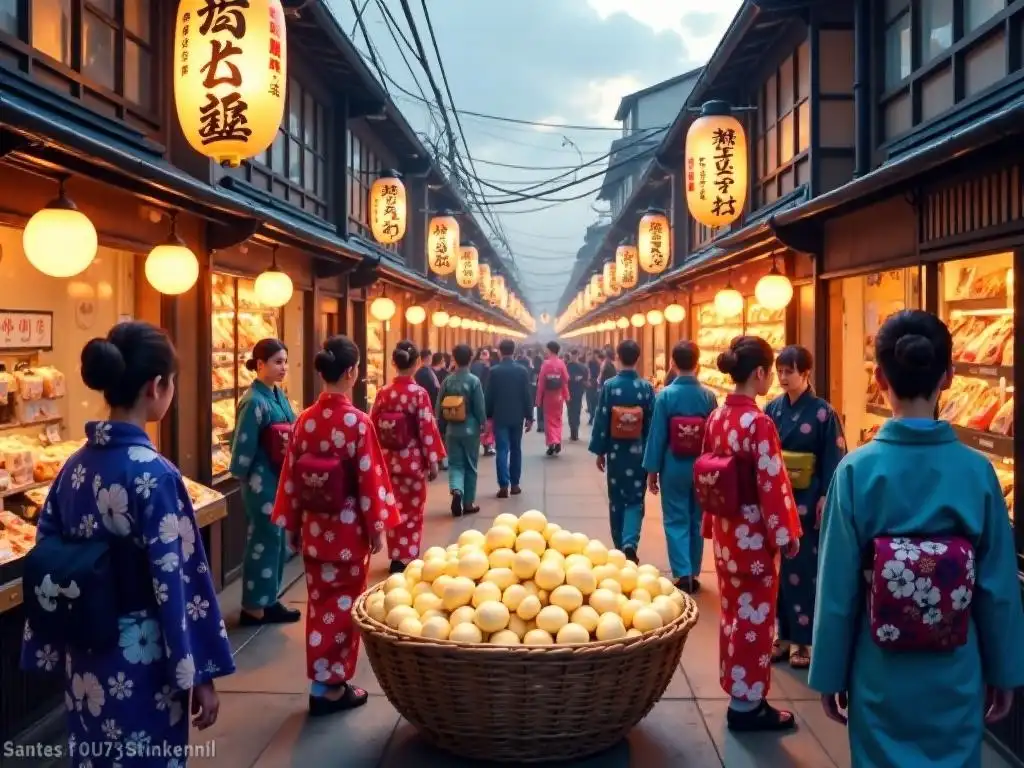
The Edo period, spanning from 1603 to 1868, was a time of significant cultural and economic transformation in Japan, particularly influenced by the surge in pilgrimage activities. Pilgrimages during this era not only served religious purposes but also became a catalyst for economic growth and local community development. This section delves into the economic ramifications of pilgrimage culture, highlighting how it shaped local economies, infrastructure, and the tourism landscape.
Pilgrimage Routes and Local Economies
The extensive network of pilgrimage routes established during the Edo period was crucial in stimulating local economies. Major pilgrimage destinations, such as Mount Kumano and the Ise Grand Shrine, attracted thousands of pilgrims each year. This influx of visitors generated considerable economic activity in surrounding areas. Local merchants saw a surge in demand for goods and services, ranging from food and lodging to souvenirs and religious artifacts.
The impact of these routes was not uniform; certain areas thrived due to their proximity to popular pilgrimage sites. For instance, towns along the Kumano Kodo trail experienced a boom in trade and hospitality. Local inns, known as ryokan, catered to weary travelers, providing not just accommodation but also meals and traditional entertainment. This symbiotic relationship between pilgrimage routes and local economies laid the groundwork for what would evolve into Japan's vibrant tourism industry.
The Development of Infrastructure for Pilgrims
To accommodate the growing number of pilgrims, significant investments were made in infrastructure during the Edo period. Roads were improved, bridges built, and rest stations established along pilgrimage routes. The famous Tōkaidō Road, for example, linked Edo (modern-day Tokyo) to Kyoto and became a vital artery for pilgrims traveling to religious sites.
These developments facilitated not only pilgrimages but also general trade and transportation, enhancing commerce across regions. The establishment of post towns (shukuba) provided necessary amenities for travelers, including food, rest, and safety, further integrating pilgrimage culture into the economic fabric of the era. This infrastructure laid the foundation for future transportation and tourism networks, reflecting the lasting influence of Edo period pilgrimage culture on Japan's development.
Pilgrimages and Tourism in the Edo Period
The Edo period marked the beginning of organized tourism in Japan, with pilgrimages at the forefront. The practice of traveling to sacred sites became a popular leisure activity for people across different social strata, including commoners and samurai. As pilgrimage journeys became more accessible, travel literature and guides emerged, detailing routes, accommodations, and the spiritual significance of destinations.
Festivals and events associated with pilgrimages also became significant attractions, drawing larger crowds and enhancing the festive atmosphere of these journeys. The interplay between spirituality and tourism allowed for a rich cultural exchange, as pilgrims engaged with local customs, traditions, and economies. Furthermore, the commercialization of pilgrimage experiences, such as the sale of talismans and amulets, contributed to the economic vitality of regions reliant on pilgrimage traffic.
Legacy of Edo Period Pilgrimage Culture
The cultural legacy of Edo period pilgrimage practices continues to resonate in contemporary Japan. Understanding this legacy involves examining the ongoing influence of historical pilgrimage traditions on modern practices, the preservation of significant pilgrimage sites, and the cultural narratives that shape public memory.
Influence on Modern Japanese Pilgrimage Practices
Today, Japan boasts a variety of pilgrimage routes that echo the traditions of the Edo period. Modern pilgrims can experience a blend of historical practices with contemporary spirituality, as many of these routes have been revitalized for both religious and touristic purposes. For instance, the Shikoku Pilgrimage, which encompasses 88 temples, retains elements from the Edo period, emphasizing the spiritual journey while attracting a diverse range of pilgrims and tourists.
Furthermore, the concept of "walking" as a meditative practice continues to thrive, with many individuals undertaking pilgrimages for personal reflection and spiritual growth. This enduring connection illustrates how Edo period pilgrimage culture has shaped modern rituals, lifestyle choices, and community engagements across Japan.
Preservation of Edo Period Pilgrimage Sites Today
Many pilgrimage sites from the Edo period have been preserved and recognized for their historical and cultural significance. Organizations and local governments actively work to maintain these sites, ensuring that the architectural heritage, landscapes, and spiritual practices associated with them are safeguarded for future generations.
These efforts are evident in the restoration of temples, shrines, and pilgrimage routes, which attract both domestic and international visitors. By promoting cultural tourism, these initiatives not only foster an appreciation for Japan’s rich history but also contribute to local economies, much like during the Edo period.
Cultural Narratives and Memory of Pilgrimages in Contemporary Japan
The narratives surrounding Edo period pilgrimages continue to shape the cultural memory of Japan today. Literature, art, and festivals often reflect the themes of pilgrimage, highlighting spiritual quests, community connections, and the natural beauty of pilgrimage routes.
Moreover, modern media and educational programs help disseminate these stories, ensuring that the significance of pilgrimage culture remains alive in public consciousness. By celebrating the historical journeys and the interconnectedness of spirituality and community, contemporary Japan honors its past while fostering a sense of identity rooted in the rich tapestry of its pilgrimage traditions.
Conclusion: The Enduring Significance of Edo Period Pilgrimages
The Edo period, lasting from 1603 to 1868, was marked by a flourishing of pilgrimage culture in Japan, which left an indelible mark on the country's cultural landscape. Pilgrimages during this era were not merely religious exercises; they were also social events that fostered community ties, cultural exchange, and economic activity. The routes taken by pilgrims transformed into vital arteries of commerce and communication, allowing for the exchange of ideas, goods, and regional specialties.
The significance of Edo period pilgrimages continues to resonate today, as modern cultural practices often echo the traditions established during this time. Festivals, local customs, and even contemporary travel practices can trace their roots back to the vibrant pilgrimage culture of the Edo period. The legacy of these journeys is evident in the ongoing reverence for sacred sites and the continued celebration of pilgrimage-related festivals that draw participants from across the nation.
Reflection on the Cultural Impact of Pilgrimage Traditions
The cultural impact of pilgrimage traditions in the Edo period is multifaceted. Pilgrimages served as a means of spiritual renewal and personal reflection, allowing individuals to engage deeply with their faith while also interacting with a diverse array of fellow pilgrims. This interaction fostered a sense of community and shared identity among participants, transcending regional and social barriers.
Art and literature from the Edo period frequently depict pilgrimage experiences, capturing the beauty of the landscapes, the vibrancy of local cultures, and the transformative nature of these journeys. The narratives created during this time not only enriched Japanese art and literature but also contributed to a broader understanding of Japanese identity and spirituality.
Furthermore, the routes and landmarks established during pilgrimages have been preserved and celebrated, contributing to Japan's cultural heritage and tourism industry. The pilgrimages of the Edo period laid the groundwork for a contemporary appreciation of Japan's historical and spiritual landscapes.
The Continued Relevance of Pilgrimage Culture in Japan
Pilgrimage culture remains relevant in contemporary Japan, reflecting the ongoing significance of spiritual journeys and their cultural implications. Modern pilgrims continue to traverse ancient routes, seeking both physical and spiritual fulfillment. This revival of interest in pilgrimage can be seen in various festivals and events dedicated to the preservation of historical pilgrimage routes, such as the Kumano Kodo and the Shikoku Pilgrimage.
Moreover, the rise of wellness tourism has brought a renewed focus on the benefits of pilgrimage, as many people pursue these journeys for their meditative and restorative qualities. The blend of traditional practices with contemporary needs underscores the adaptability of pilgrimage culture, ensuring its continued relevance in a rapidly changing world.
The social aspect of pilgrimage also persists, with communal activities surrounding these journeys fostering connections among participants. As individuals share their experiences, they contribute to the collective memory of pilgrimage culture, reinforcing its importance in Japanese society today.
References and Further Reading
Key Texts on Edo Period Pilgrimage Culture
- "Edo Pilgrimage: The Spiritual Journey of the Japanese": by Hiroshi Nakagawa - This text delves into the spiritual and cultural significance of pilgrimage during the Edo period.
- "The Routes of Faith: Pilgrimage in Japan": by Akiko Tanaka - A comprehensive exploration of key pilgrimage routes and their historical context.
- "Cultural Landscapes of Japan: Pilgrimage Routes and Sacred Sites": by Yuki Sato - This book examines the interplay between cultural landscapes and pilgrimage practices.
Suggested Sources for Additional Research on Cultural History
- "The History of Japanese Religion" by Ian Reader - A detailed overview of religious practices in Japan, including the role of pilgrimage.
- "Feudal Japan: A History": by William G. Beasley - Provides context on the cultural and social dynamics of the Edo period.
- Japan's Cultural Heritage (online journal) - A resource for ongoing research and articles about the cultural history of Japan, including pilgrimage-related studies.
These references serve as a foundation for anyone interested in further exploring the rich tapestry of Edo period pilgrimage culture and its lasting impacts on Japanese society.
- Introduction to Edo Period Pilgrimage Culture
- Historical Context of Pilgrimages in the Edo Period
- The Role of Pilgrimages in Edo Period Society
- Cultural Expressions Influenced by Pilgrimages
- The Economic Impact of Edo Period Pilgrimages
- Legacy of Edo Period Pilgrimage Culture
- Conclusion: The Enduring Significance of Edo Period Pilgrimages
- References and Further Reading
- What was the significance of pilgrimages during the Edo period?
- How did pilgrimage routes influence trade and economy in Edo Japan?
- What role did temples and shrines play in pilgrimage culture?
- How did pilgrimage culture affect art and literature in the Edo period?
- What impact did pilgrimages have on social structures in Edo Japan?
Frequently Asked Questions
What was the significance of pilgrimages during the Edo period?
Pilgrimages were essential in the Edo period, serving as both a spiritual journey and a means of connecting with cultural heritage. They fostered a sense of community and strengthened religious devotion among the populace.
How did pilgrimage routes influence trade and economy in Edo Japan?
The pilgrimage routes became vital for trade, as merchants began to establish businesses along these paths. This led to the growth of local economies and facilitated the exchange of cultural goods and ideas.
What role did temples and shrines play in pilgrimage culture?
Temples and shrines were central to pilgrimage culture, serving as destinations for worship and reflection. They also acted as hubs of social activity, where pilgrims could gather and share experiences.
How did pilgrimage culture affect art and literature in the Edo period?
The pilgrimage culture inspired a wealth of art and literature, with many artists and writers drawing upon the themes of spirituality and nature. This led to the creation of unique artistic expressions and narratives that celebrated these journeys.
Pilgrimages contributed to the social structures of Edo Japan by fostering a sense of unity among diverse classes. They provided opportunities for people from different backgrounds to interact, breaking down some social barriers.
Final Reflection: The Enduring Legacy of Edo Period Pilgrimage Culture
The Edo period pilgrimage culture remains a profound testament to the intricate relationship between spirituality and community in Japan. As we navigate a world increasingly defined by rapid change and technological advancement, the echoes of these historical journeys remind us of the importance of connection—both to our heritage and to one another. The rituals and practices of the Edo period not only shaped the spiritual landscape of their time but continue to resonate in contemporary society, highlighting the timeless quest for meaning and belonging.
The cultural significance of these pilgrimages has woven itself into the very fabric of Japanese identity, influencing art, literature, and social practices. As we reflect on the ongoing influence of pilgrimage culture, we recognize its power to foster community and inspire personal growth. Pilgrimage is a journey of the heart, where every step taken is a step closer to understanding oneself.
This quote encapsulates the essence of what these journeys represent—not just a physical traversal of landscapes, but a profound exploration of the self and one's place within the larger tapestry of life.
As we conclude our exploration of the Edo period pilgrimage culture, I invite you to reflect on your own journeys—both literal and metaphorical. Consider how the lessons from these historical practices can be integrated into your life today. Are there paths you wish to explore, connections you seek to deepen, or traditions you want to revive? Embrace the spirit of pilgrimage in your daily life, allowing it to guide you toward greater understanding and appreciation of your own journey.
Unveil Your Journey Through Edo Period Pilgrimages!
Thank you for exploring the rich cultural tapestry of Edo period pilgrimages with us! Your interest in this fascinating era reveals the profound connections between spirituality, community, and travel. Now, it's time to take that knowledge a step further.
Here are some simple yet impactful actions you can take:
- Dive deeper: Visit local museums or engage with online exhibitions that showcase artifacts and stories from the Edo period to truly appreciate their historical significance.
- Join the discussion: Express your thoughts on social media using the hashtag #EdoPilgrimages, and connect with others who share your enthusiasm for Japan's feudal history.
- Experience history: Plan a visit to historical pilgrimage sites or create your own journey through travel itineraries inspired by the routes taken during the Edo period!
What unique perspectives or experiences do you believe modern pilgrimages could adopt from the Edo period?