
Shogunates and Sisters: The Political Power of Women in Feudal Japan

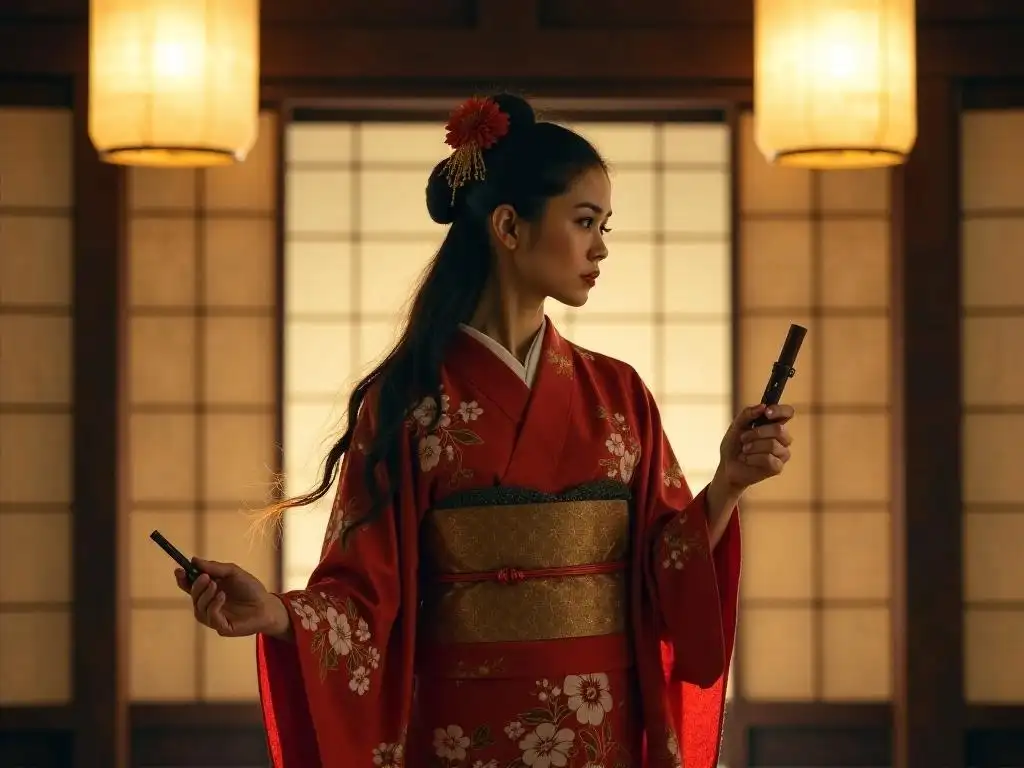
Welcome to Feudal Japan History, where we embark on a fascinating journey through the intricate tapestry of Japan’s feudal era. Here, we delve deep into the social history that shaped a nation, unearthing stories that often go unheard. In our featured article, "Shogunates and Sisters: The Political Power of Women in Feudal Japan," we invite you to discover the profound impact women had on the political landscape of their time.
What roles did they play behind the scenes, and how did they influence the powerful shogunates? Prepare to challenge your assumptions and uncover the hidden narratives that define this remarkable period. Your exploration starts now!
- Introduction to Women in Feudal Japan
- The Role of Women in Political Structures
- Shogunates and the Influence of Women
- Societal Expectations and Limitations
- Women as Political Players: Strategies and Tactics
- Legacy of Women in Feudal Japan
- Conclusion: The Complex Legacy of Women in Feudal Japan
- References and Further Reading
-
Frequently Asked Questions
- What role did women play in the political landscape of Feudal Japan?
- Were there any notable women leaders during the Shogunate period?
- How did the social status of women change throughout the feudal era?
- What rights did women have regarding inheritance in Feudal Japan?
- How did cultural practices affect women's roles in Feudal Japan?
- Final Reflection: The Enduring Legacy of Women in Feudal Japan
- Empower Your Knowledge: Discover the Legacy of Women in Feudal Japan!
Introduction to Women in Feudal Japan
The role of women in feudal Japan is a nuanced and oft-overlooked aspect of the country’s rich historical tapestry. While the dominant narrative frequently highlights the exploits of samurai and the political maneuvers of male leaders, it is essential to recognize the significant impact that women had on Japan's feudal structure.
From noblewomen wielding considerable influence in the political arena to peasant women managing households and farms, their contributions shaped the very fabric of Japanese society. This article delves into the multifaceted roles of women in feudal Japan, illustrating how their lives intertwined with the broader socio-political landscape and how they navigated the complexities of a patriarchal system.
Overview of the Feudal Era in Japan
The feudal era in Japan, spanning from the late 12th century to the mid-19th century, was characterized by a decentralized political structure dominated by a hierarchy of landholding aristocrats and samurai. This period was marked by a series of shogunates, where military leaders held de facto power while the emperor retained a ceremonial role. The societal structure was rigidly stratified, divided into classes that dictated one's role, rights, and responsibilities.
- Key Features of Feudal Japan:
- Samurai Class: The warrior class that served as the military elite, sworn to loyalty and service to their lords.
- Land Ownership: Land was the basis of wealth and power, with the shogun granting lands to daimyo (feudal lords) in exchange for military service.
- Rural Life: The majority of the population lived in rural areas, primarily engaged in agriculture, and were subject to the authority of local lords.
Despite the constraints of a patriarchal society, women played crucial roles within these structures, not only in managing households but also in influencing political decisions through familial ties. Their contributions were vital to the stability and continuity of feudal Japan, often overlooked in traditional narratives.
Importance of Women in Feudal Society
Women in feudal Japan were not merely passive figures; rather, they actively participated in and shaped the cultural, social, and political landscapes of their time. Their roles varied dramatically depending on their class and circumstances, ranging from noblewomen who could exert influence in court politics to commoners who played essential roles in the economic sustenance of their families.
- Influential Roles:
- Noblewomen: Many women of the samurai class were educated and could manage estates in the absence of their husbands. They often arranged marriages to secure political alliances, thereby maintaining their family's power and influence.
- Peasant Women: These women managed day-to-day operations of farms and households, ensuring the survival of their families. Their labor was crucial to sustaining agricultural productivity, thus supporting the feudal economy.
- Cultural Contributions:
- Literature and Arts: Women were significant contributors to the literary arts, producing works that reflected their experiences and perspectives. Notable figures include Murasaki Shikibu, author of "The Tale of Genji," who explored themes of love and power through a female lens.
The importance of women in feudal Japan cannot be understated; they were integral to the functioning of society and played pivotal roles that helped to shape the era's historical narrative. Understanding their contributions provides a more comprehensive view of feudal Japan and highlights the complexities of gender dynamics in this historical context.
The Role of Women in Political Structures
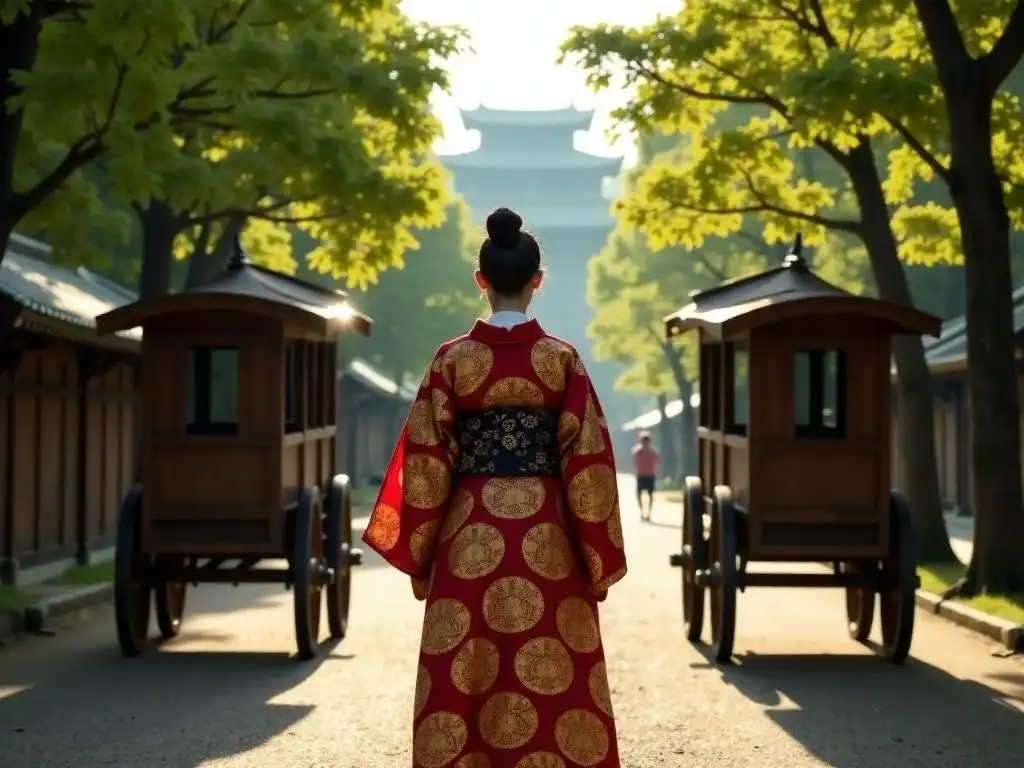
Women and Power: An Overview
Women in Feudal Japan occupied a complex and often paradoxical position within the political landscape. While the prevailing samurai culture prioritized male dominance, women still wielded significant influence in various ways. Their roles were largely dictated by family ties, social status, and the political climate of the time.
In many cases, women were not just passive figures but active participants in governance, diplomacy, and even warfare. The concept of onnabunmei, or “women’s civilization,” highlights the contributions of women in maintaining social order and cultural continuity. Despite the patriarchal framework, women could exert political power through strategic marriages, managing estates, and serving as regents or advisors.
Key Aspects of Women's Political Involvement:
- Marriage Alliances: Women were often married off to secure alliances between powerful families, allowing them to influence the political landscape indirectly.
- Regency and Leadership: In the absence of male heirs, women sometimes took on the role of regents, managing their family’s affairs and political dealings.
- Cultural Influence: Women were instrumental in maintaining cultural practices and traditions, which indirectly shaped the political identity of their clans.
Notable Women in Feudal Japan's Political Landscape
Throughout Feudal Japan, several women distinguished themselves through their political acumen and leadership. Here are some notable figures who left a lasting impact on Japan’s history:
- Hojo Masako: A key figure during the Kamakura period, she was the wife of Minamoto no Yoritomo and played a significant role in the governance of the shogunate as a political advisor and regent.
- Tomoe Gozen: A legendary female samurai known for her exceptional skills in battle, she not only fought alongside men but also influenced the morale and strategy of her troops.
- Empress Jingu: Although her historical existence is debated, she is celebrated in legend for leading an invasion of Korea and is often viewed as a symbol of female strength in leadership.
Empresses and Their Influence
Empresses in Feudal Japan often held profound influence, particularly in the realms of religion and culture, which were closely intertwined with politics. They served as spiritual leaders and were seen as embodiments of divine authority.
Key Contributions of Empresses:
- Shinto Practices: Empresses played a vital role in Shinto rituals, which were crucial for legitimizing the emperor's rule and maintaining the social fabric.
- Cultural Patronage: Many empresses were patrons of the arts and education, fostering cultural advancements that would impact society long after their reigns.
- Political Advisors: Empresses often acted as confidants and advisors to their husbands or sons, influencing decisions that shaped the course of political events.
Female Samurai and Warrior Women
The existence of female samurai and warrior women in Feudal Japan challenges the traditional narrative of gender roles during this period. These women were not only skilled fighters but also played pivotal roles in battles and military strategies.
Characteristics of Female Warriors:
- Martial Training: Many warrior women received training in martial arts and weaponry, making them formidable opponents in battle.
- Leadership in Combat: Some women led troops into battle, serving as commanders and inspiring their soldiers with their bravery and tactical skills.
- Legacy of Resistance: Figures like Tomoe Gozen symbolize the spirit of resistance against oppression and the capacity for women to challenge societal norms.
Contributions to Society:
The presence of female warriors contributed to a broader understanding of gender roles in Feudal Japan. Their involvement in warfare highlighted the complexities of women's contributions to society, showing that they could transcend traditional boundaries.
The narrative of women in Feudal Japan is rich and multifaceted, revealing their significant influence within political structures despite the constraints imposed by a patriarchal society. From empresses to warrior women, their legacies continue to resonate in the cultural memory of Japan.
Shogunates and the Influence of Women
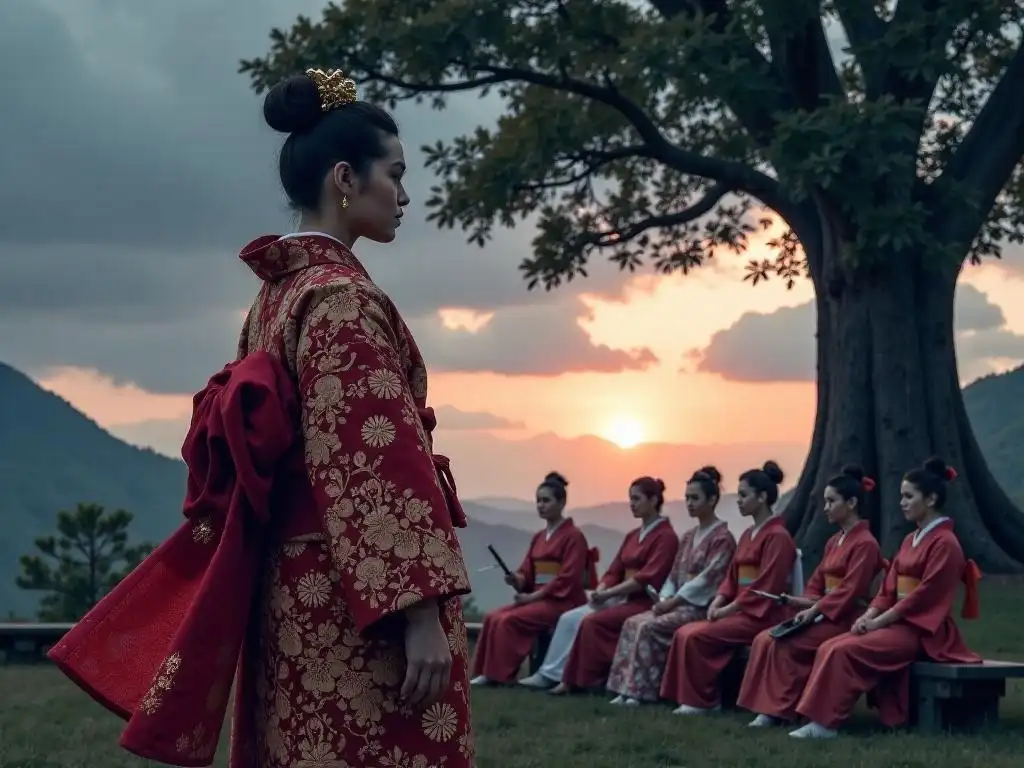
The Role of Women in Shogunate Politics
In the feudal hierarchy of Japan, women often held roles that, while not overtly political, significantly impacted the dynamics of power within shogunates. The political landscape was predominantly male-dominated, yet women exercised influence through their relationships with powerful figures, such as husbands, brothers, or fathers.
Women’s roles extended beyond the domestic sphere. They were often involved in the strategic marriages that cemented alliances between clans. These unions were crucial for maintaining peace and securing power. For instance, the Hōjō clan utilized such marriages to strengthen their political standing during the Kamakura period.
Moreover, women sometimes acted as regents during their sons' minority or as advisors to their husbands. This practice underscored their political agency, even if it was indirect. While women could not hold the title of shogun or daimyo, their influence permeated the fabric of political decision-making.
Case Studies of Powerful Women in Shogunates
Hojo Masako: The Warrior Widow and Political Strategist
Hojo Masako, the daughter of the powerful Hojo clan, exemplifies the significant role women played in feudal politics. Following the death of her husband, Minamoto no Yoriie, she became a formidable political figure in her own right.
- Regency: Masako served as a regent for her son, Minamoto no Sanetomo, effectively wielding power during a critical period of the Kamakura shogunate. Her ability to navigate the male-dominated political landscape demonstrated her adeptness at governance.
- Political Maneuvering: Masako was not only a regent but also a strategist who understood the importance of alliances. She worked to consolidate the power of the Hōjō clan, ensuring its dominance over rival factions. Her influence was felt in both political and military decisions.
- Cultural Impact: Beyond politics, Masako’s legacy includes her role in promoting Zen Buddhism and supporting the arts, influencing the cultural landscape of her time.
Tomoe Gozen: The Legendary Female Samurai
Tomoe Gozen stands out as one of the most renowned female figures in Japanese history, often celebrated as a samurai warrior. Her story intersects with the events of the Genpei War, highlighting the potential for women to take on roles traditionally reserved for men.
- Warrior Skills: Tomoe was not just a figurehead; she was a skilled warrior who fought alongside men in battle. Her prowess in martial arts and her leadership on the battlefield challenged conventional gender roles of her era.
- Symbol of Resistance: Her participation in the Genpei War as a loyal retainer of Minamoto no Yoshinaka showcased her commitment to her clan and the samurai code. Tomoe’s bravery became a symbol of resistance and strength, inspiring future generations.
- Cultural Legacy: The tales of Tomoe Gozen have permeated Japanese folklore, making her an enduring symbol of female empowerment within the samurai tradition. Her legendary status serves as a reminder of the complexities and capabilities of women in feudal Japan.
Through these case studies, it becomes evident that women in feudal Japan, particularly during the shogunate periods, wielded significant political influence despite the constraints of a patriarchal society. Their strategic actions, whether through regency, warfare, or cultural patronage, contributed to shaping the societal framework of their time.
Societal Expectations and Limitations
In feudal Japan, societal expectations played a crucial role in defining the lives of women. The rigid class structure and patriarchal norms dictated the behavior, roles, and opportunities available to women across different strata of society. Women were often seen as extensions of their families, with their primary roles revolving around marriage and child-rearing. This societal framework not only limited personal freedom but also shaped the cultural narratives surrounding women's contributions and capabilities.
Gender Roles in Feudal Japan
Women in feudal Japan occupied various roles depending on their social status, but their overarching expectation was to be dutiful daughters, wives, and mothers. In the samurai class, women were often educated in the arts and literature to enhance their marriage prospects, yet their primary duty remained to support their husbands and manage household affairs. This included the management of finances, overseeing servants, and ensuring the family legacy continued through childbearing.
- Common Women: For women of lower classes, such as peasants, their roles were more labor-intensive, contributing to agricultural work and family businesses. Despite their labor, they had limited rights and were often subjected to the authority of their fathers and husbands.
- Noble Women: In contrast, noble women wielded some influence through strategic marriages and alliances. They could inherit property and manage estates, though they were still bound by societal limitations.
The constraints imposed by feudal society were further exacerbated by Confucian ideals, which emphasized the subservience of women to men, reinforcing the notion of women as passive figures within the family structure.
The Dichotomy of Power: Women in Power vs. Common Women
Despite the overarching limitations, there existed a fascinating dichotomy where some women held significant power, particularly within the ruling elite. Prominent figures like Hojo Masako, the wife of the first shogun of the Kamakura period, exemplified how women could navigate the political landscape to exert influence.
- Women in Power: These women often operated behind the scenes, acting as advisers or regents. Their political power was generally tied to their familial connections or marriages. For instance, Empress Jingu is celebrated in legend for leading military campaigns, showcasing that women in rare instances could ascend to positions of authority.
- Common Women: In contrast, common women had little to no political influence. Their lives were dictated by the whims of their male relatives, limiting their ability to participate in governance or decision-making. Nevertheless, they played vital roles in maintaining the social fabric of their communities through cultural practices and traditional knowledge.
This stark contrast highlights the complexities of women's experiences in feudal Japan, where the intersection of social class dramatically influenced their roles and opportunities.
Cultural Narratives Surrounding Women in Feudal Japan
Cultural narratives surrounding women in feudal Japan often reflect the prevailing societal attitudes of the time. Literature, theater, and art frequently depicted women in specific archetypes, reinforcing both their virtues and limitations.
- Literary Representations: Classical works like The Tale of Genji provide insight into the lives of noble women, showcasing their emotional depth, intelligence, and subtle influence in courtly affairs. However, such narratives also often reinforced the notion of women as passive participants in their own stories.
- Theatrical Portrayals: In Kabuki theater, women were typically portrayed through the lens of tragedy or sacrifice, further entrenching the idea that their value was tied to their relationships with men. The portrayal of women as either virtuous heroines or tragic figures served to reinforce the expectations of behavior within society.
- Historical Accounts: Historical texts sometimes acknowledged the contributions of women, yet these accounts often remained overshadowed by the achievements of their male counterparts. The lack of comprehensive records on the lives of common women points to a broader trend of marginalization in historical narratives.
These cultural narratives not only shaped public perception but also affected the self-identity of women in feudal Japan, often confining them to predefined roles that limited their aspirations and potential.
While women in feudal Japan faced significant societal expectations and limitations, the existence of powerful women and cultural narratives that celebrated them highlights a complex interplay of gender dynamics, identity, and societal structure during this era.
Women as Political Players: Strategies and Tactics
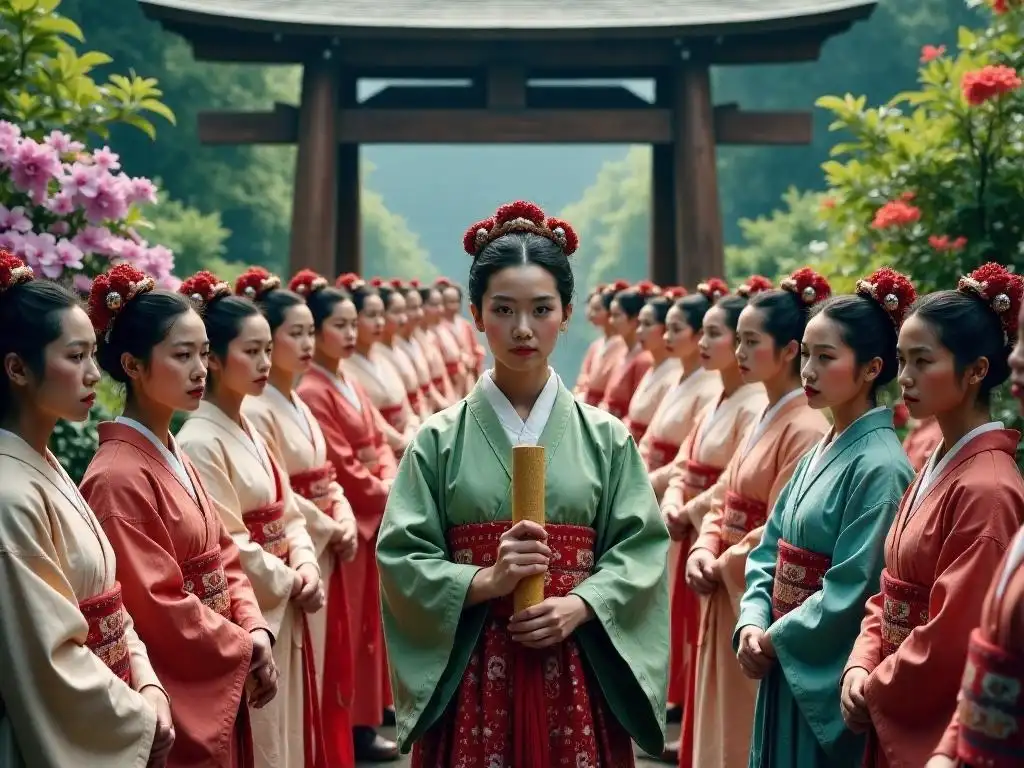
In feudal Japan, women played a crucial role in the political landscape, often employing various strategies and tactics to wield influence in a patriarchal society. While the prevailing narrative tends to focus on male samurai and shoguns, women, particularly those of the samurai class, were not merely passive figures; they actively engaged in political maneuvering, often using their familial connections and societal roles to assert power.
Women utilized their positions within the family and community to form strategic alliances that could bolster their clan’s power and stability. This involved not only personal relationships but also the management of resources and the negotiation of loyalties. Women were often the backbone of their households, making decisions that affected both domestic and political spheres.
Alliances and Marriages as Political Tools
Marriages among the samurai class were often arranged with significant political considerations in mind. Families would negotiate unions that could solidify alliances, expand territories, or secure peace among rival factions.
- Political Marriages: Many noble women were married off to influential men to strengthen ties between clans. For example, the marriage of Hojo Masako, daughter of the Hojo clan, to Minamoto Yoritomo, the founder of the Kamakura shogunate, was not only a personal union but also a strategic alliance that helped consolidate power in the region.
- Dowries as Leverage: A woman's dowry often included land and resources that could be used as bargaining chips in political negotiations. This practice empowered women to have a say in their families' political strategies, as their dowries could sway decisions in clan politics.
- Widows and Second Marriages: Widows of powerful men sometimes remarried to maintain or enhance their political influence. These unions could reinstate their families' power or shift allegiances, often allowing women to navigate complex political landscapes effectively.
Women in the Arts: Influence through Culture
Women in feudal Japan also exerted their influence through cultural avenues, particularly in the arts. The creation and patronage of art not only reflected personal taste but also served as a means of political expression and power.
- Literature and Poetry: Women such as Sei Shonagon and Murasaki Shikibu were influential writers whose works provided insights into the feudal society and the roles of women. Their literary contributions shaped cultural discourse, often highlighting the nuances of female experience in a male-dominated world.
- Painting and Calligraphy: Women were skilled in traditional arts like calligraphy and painting. The ability to produce exquisite works not only illustrated their education but also allowed them to gain respect and recognition within their communities, serving as a form of soft power.
- Cultural Patronage: Many noble women acted as patrons of the arts, supporting artists and craftsmen. This patronage not only enhanced their status but also allowed them to influence cultural trends and preserve their family's legacy.
The Use of Education and Literacy among Women
Education played a pivotal role in enabling women to navigate the political sphere effectively. In feudal Japan, literacy was often a privilege reserved for the elite, and women who were educated could wield their knowledge as a form of power.
- Literacy Rates: Although education for women was not as widespread as for men, certain families recognized the value of educating their daughters. Women who could read and write often became key figures in managing family affairs and engaging in political discourse.
- Role of Temples and Shrines: Some women received education in religious institutions, where they learned not only spiritual teachings but also skills like writing and poetry. This education allowed them to become literate and articulate, giving them a voice in political matters.
- Influence on Succession and Governance: Educated women could advise their male relatives on political matters and decisions, often becoming crucial advisers in times of crisis. Their understanding of political dynamics and strategy enabled them to influence succession plans and governance policies.
Women in feudal Japan were not merely sidelined actors but rather influential political players who utilized a variety of strategies, from marriages and cultural contributions to education, to assert their power and influence in a male-dominated society. Their legacy, often overlooked, is a critical component of understanding Japan's feudal history.
Legacy of Women in Feudal Japan

The Lasting Impact of Women on Japanese Society
The legacy of women in feudal Japan is multifaceted, shaped by their roles within the family, the political sphere, and cultural expressions. Women were not merely passive figures; they actively influenced various aspects of society, often in ways that were pivotal to the survival and prosperity of their clans.
One of the most significant contributions of women during this period was their role in managing household affairs, especially during times when men were away at war or engaged in governance. Women were responsible for the family economy, controlling resources, and making critical decisions that ensured the clan's stability. This management role was particularly pronounced among the samurai class, where women were tasked with safeguarding family honor and property.
In addition to domestic responsibilities, women occasionally participated in politics. For example, Hojo Masako, the wife of the shogun Minamoto Yoriie, played a significant role in the Kamakura shogunate. She wielded power as a political advisor and was instrumental in the administration of the shogunate during her son's minority. Women like Masako exemplify how women in feudal Japan could rise to positions of influence and authority, shaping the political landscape despite societal constraints.
Moreover, the cultural contributions of women cannot be understated. Many women were educated and engaged in literature, poetry, and art. They produced significant literary works, including diaries and poetry collections that provided insights into the social norms and daily life of the era. These writings serve as vital historical documents that reflect the perspectives and experiences of women, enriching our understanding of feudal Japan.
Modern Reflections on Female Political Power in Japan
The historical roles of women in feudal Japan resonate in contemporary discussions about female political power in Japan. Today, women continue to grapple with the legacies of their predecessors while advocating for greater representation and influence in political arenas.
In modern Japan, the political landscape has seen notable shifts, with women increasingly occupying leadership roles. Despite progress, challenges remain, including societal expectations and gender norms that can hinder women's political participation. However, the historical precedent set by influential figures in feudal Japan serves as a reminder of women's capabilities and potential for leadership.
The revitalization of interest in women's roles during the feudal era has spurred movements that aim to empower women politically and socially. Initiatives that promote women's education and professional development are crucial in fostering future leaders who can break through the glass ceiling that still exists in many sectors today.
The legacy of women in feudal Japan is not only a reflection of their past contributions but also a foundation for ongoing discussions about gender equality and political power in contemporary Japanese society. By acknowledging the historical impact of women, we can better understand the complexities of their roles and the importance of continuing to advocate for their representation and rights in modern governance.
Conclusion: The Complex Legacy of Women in Feudal Japan
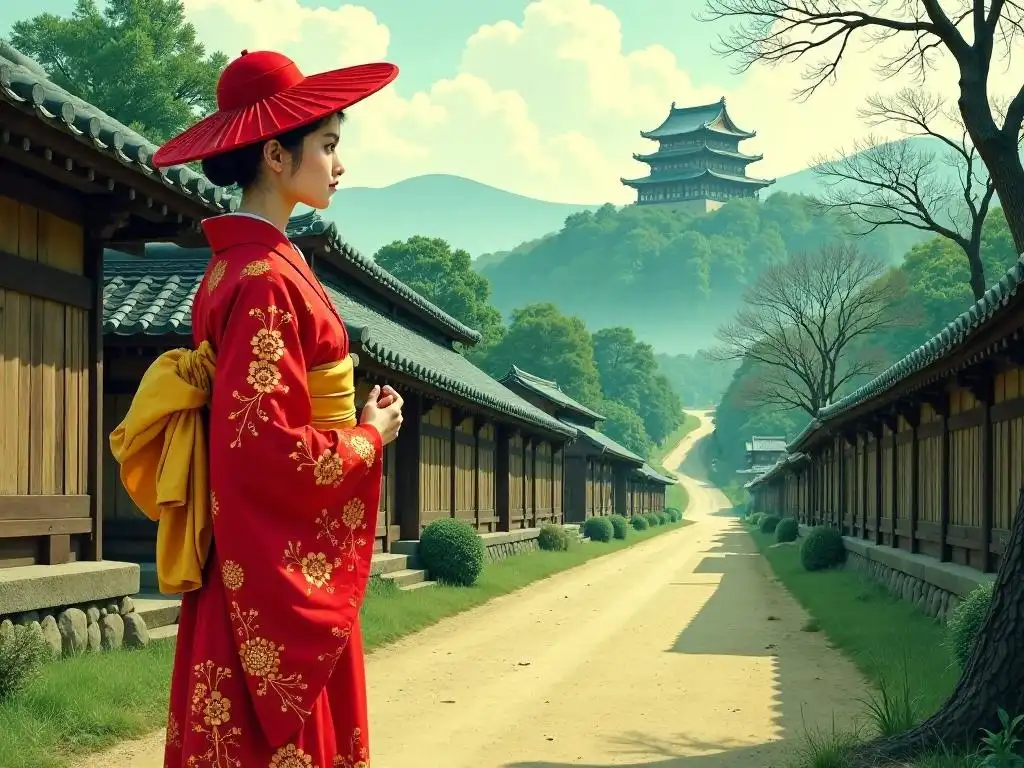
The legacy of women in Feudal Japan is multifaceted, reflecting their vital roles in both the domestic and political spheres. Throughout this era, women navigated a complex social hierarchy, often exerting influence in ways that were not always visible in the historical record. While the prevailing narrative may highlight the constraints imposed upon women by a patriarchal society, it is crucial to recognize their agency and contributions. From powerful figures like Hojo Masako, who helped shape the political landscape, to the everyday lives of women managing households and engaging in commerce, their impact was profound and lasting.
Summary of Key Points
- Political Influence: Women such as Hojo Masako and Taira no Tokiko played significant roles in the governance and political intrigues of the time, often acting as regents or advisors.
- Social Roles: The roles of women varied widely depending on their social class. While noblewomen had access to education and political power, peasant women were primarily tasked with domestic duties and agriculture.
- Cultural Contributions: Women contributed to the arts and literature, with figures like Murasaki Shikibu, author of The Tale of Genji, showcasing the intellectual capabilities of women in the Heian period, which overlapped with Feudal Japan.
- Resistance and Resilience: Despite societal constraints, many women exhibited resilience, participating in uprisings and local governance, demonstrating their ability to challenge the status quo.
- Legacy and Recognition: As historical narratives continue to evolve, the acknowledgment of women’s roles in Feudal Japan is increasingly recognized, prompting a reevaluation of their contributions to Japanese history.
Future Research Directions on Women in Feudal Japan
The study of women in Feudal Japan remains an underexplored area that warrants further investigation. Future research could focus on several key areas:
- Local Governance: Investigating the roles women played in local governance and community leadership could provide deeper insights into their influence beyond the household.
- Comparative Studies: Comparing the roles of women in different regions of Japan and across various social classes could reveal the nuances of their experiences and contributions.
- Cultural Artifacts: Analyzing art, literature, and artifacts from the period could shed light on the lived experiences of women and their societal perceptions.
- Oral Histories: Collecting oral histories and folk narratives could uncover untold stories about women’s roles and agency in Feudal Japan.
- Intersectionality: Exploring the intersection of gender with other identities, such as class and ethnicity, can provide a more comprehensive understanding of the complexities of women's experiences.
By pursuing these avenues, scholars can continue to unravel the rich tapestry of women's lives in Feudal Japan, ensuring that their stories are preserved and celebrated in the historical narrative.
References and Further Reading
Exploring the multifaceted roles of women in feudal Japan reveals a rich tapestry of influence and power that often goes unnoticed. To further delve into this topic, a selection of suggested books and academic articles is provided below, offering valuable insights and scholarly perspectives.
Suggested Books on Women in Feudal Japan
-
Women and Power in the Middle Ages by Susan Mosher Stuard
This book provides a thorough examination of women's roles in various cultures, including Japan, during the feudal era. It contextualizes the influence women had in political and social spheres.
-
The World of the Shining Prince: Court Life in Ancient Japan by Ivan Morris
Although primarily focused on the Heian period, this work offers insights into the lives of women at court, which can inform understanding of their roles in later feudal contexts.
-
Women in Japan: A History from Ancient Times to the Present by Gail Lee Bernstein
Bernstein’s comprehensive text traverses Japan's history, making connections to the socio-political structures that shaped women's experiences throughout the feudal era.
-
Gender and Power in the Japanese Visual Field by Karen M. Fraser
This book explores the intersection of gender and visual culture in Japan, providing a unique lens through which to understand women's roles and representations during the feudal period.
-
The Samurai's Daughter: A Novel of Feudal Japan by Francesca Simon
While a work of fiction, this novel presents a narrative that highlights the experiences of women in samurai culture, offering an engaging perspective on their societal roles.
-
"The Role of Women in Samurai Society" by Yoshiko Okubo
This article examines the various positions held by women in the samurai class, discussing their influence in family and political matters.
-
"Women in the Japanese Feudal System: An Analysis of Social Status and Power" by Akiko Takahashi
Takahashi's research provides a detailed analysis of the social stratification of women during the feudal period, emphasizing their contributions to the family and state.
-
"Gender Dynamics in Feudal Japan: The Intersection of Class and Gender" by Masako Yamamoto
This scholarly work investigates how class distinctions impacted women's roles and social mobility during Japan's feudal era.
-
"Warriors and Women: The Gendered Politics of the Samurai" by Haruko Nakamura
This article explores the complexities of gender roles within the samurai class, highlighting the political maneuvering of women in a male-dominated society.
-
"The Influence of Women in Feudal Japan: A Historical Overview" by Taro Saito
A comprehensive overview of women's influence in various spheres, this article contextualizes their power within the broader spectrum of feudal Japan's political landscape.
By engaging with these resources, readers can gain a deeper understanding of the significant yet often overlooked roles women played in shaping feudal Japan's political and social narratives.
Frequently Asked Questions
What role did women play in the political landscape of Feudal Japan?
Women in Feudal Japan often wielded considerable political influence, especially within noble families. They could manage estates, make strategic marriages, and sometimes even act as regents.
Were there any notable women leaders during the Shogunate period?
Yes, figures like Hojo Masako emerged as powerful leaders. She not only played a crucial role in the Kamakura Shogunate but also influenced political decisions during her time.
Women's social status fluctuated, with some enjoying privileges in noble families while others faced restrictions. The samurai class often saw women as both managers of family affairs and protectors of their lineage.
What rights did women have regarding inheritance in Feudal Japan?
Women could inherit property, but their rights often depended on their family's status. In some cases, they could hold land and manage estates, especially if there were no male heirs.
How did cultural practices affect women's roles in Feudal Japan?
Cultural practices, such as Confucian ideals, often dictated women's roles. However, these traditions also allowed women to engage in arts and education, reflecting their diverse contributions to society.
Final Reflection: The Enduring Legacy of Women in Feudal Japan
**The exploration of women's roles in feudal Japan reveals a profound truth: **the political power of women has often been overlooked, yet it remains a vital part of our historical narrative. In an era dominated by samurai and shogunates, women wielded influence in ways that shaped the very fabric of society. Understanding this dynamic not only enriches our knowledge of Japanese history but also highlights the ongoing struggle for gender equality in contemporary contexts.
Clearly, the impact of women in feudal Japan extends beyond the past, resonating within our cultural and social landscapes today. The stories of influential figures such as Hojo Masako and Tomoe Gozen serve as reminders of the strength and agency women have historically possessed, often against formidable odds. As we reflect on their legacies, we are reminded of the words of historian Joan Wallach Scott: Gender is a primary way of signifying relationships of power.
This observation underscores the importance of recognizing women's contributions, not only as historical figures but as active agents of change.
As we move forward, let us take a moment to reflect on the lessons learned from the powerful women of feudal Japan. Consider how their resilience and influence can inspire us to advocate for gender equality in our own lives. Whether through supporting women's rights, amplifying female voices, or challenging societal norms, each of us has a role to play in continuing the legacy of these remarkable women. Embrace the spirit of their determination, and let it guide you in creating a more equitable future for all.
Empower Your Knowledge: Discover the Legacy of Women in Feudal Japan!
Thank you for taking the time to explore the remarkable influence of women during the shogunate era. You’ve delved into history and uncovered the vital roles that women played in shaping political landscapes. Now, it’s time to take action and further enrich your understanding!
Here are some steps you can take next:
- Dive Deeper: Explore additional resources on women's contributions throughout history—you might be surprised by what you discover!
- Share Insights: Engage in discussions about this fascinating topic with friends or family to highlight the often-overlooked stories of these influential women.
- Engage with History: Become a member of an online community or forum dedicated to Feudal Japan to connect with others who share a passion for this era.
What unique perspectives do you think the women of feudal Japan could offer to today’s discussions on power and leadership?