
From Peasants to Poets: The Diverse Lives of Women in Japan’s Feudal Era

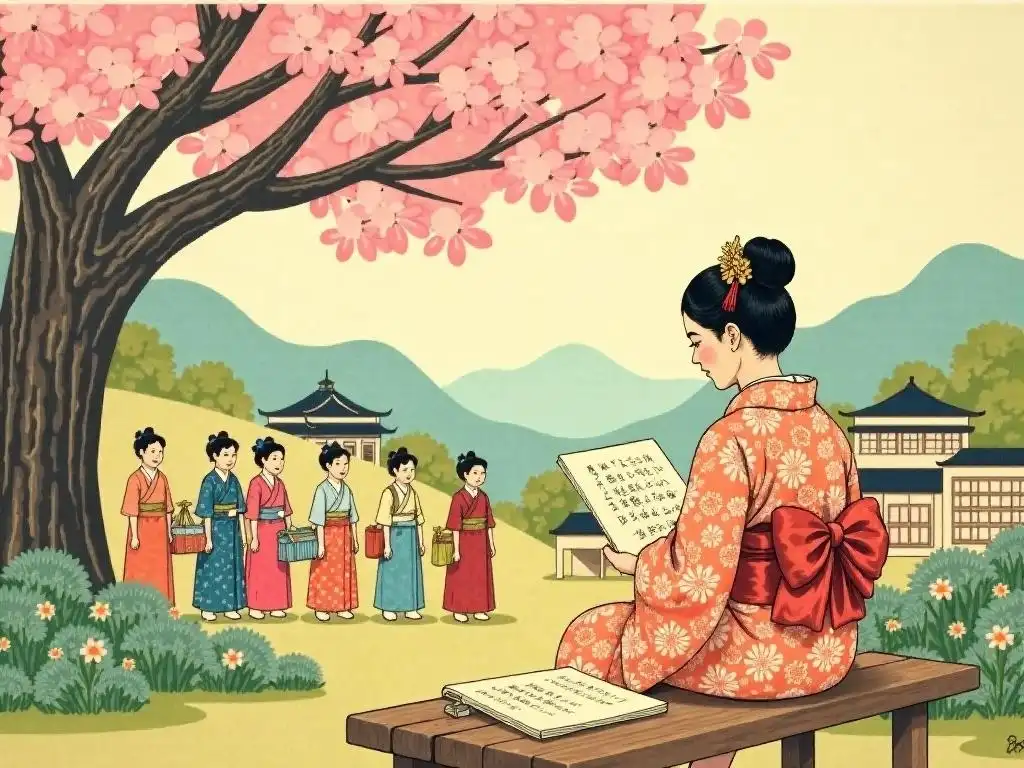
Welcome to Feudal Japan History, where we invite you to embark on a journey through the captivating corridors of Japan’s feudal era. In today’s featured article, "From Peasants to Poets: The Diverse Lives of Women in Japan’s Feudal Era," we delve into the often-overlooked roles of women within this intricate society. Discover how their stories, from the fields to the courts, shaped the cultural tapestry of their time.
Join us as we unravel the complexities of women in Japan's feudal society—a narrative rich with resilience, creativity, and profound influence. Prepare to be intrigued and inspired as you explore the layers of history that defined an era!
The feudal era of Japan, spanning from the late 12th century to the mid-19th century, was a time characterized by significant social stratification, cultural richness, and complex power dynamics. Within this intricate tapestry of history, the roles of women were both multifaceted and pivotal, shaping not only their immediate households but also the broader societal landscape. The keyword "Women in Japan's feudal society" encapsulates a wide array of experiences, from the labor of peasant women on farms to the artistic expressions of noblewomen in the courts.
This article delves into the diverse lives of women during this period, exploring their social roles, cultural contributions, and the challenges they faced. By examining their stories, we gain insight into how women navigated a world defined by strict hierarchies and expectations, revealing their resilience and creativity in the face of adversity.
Women in feudal Japan occupied various positions within a rigid social hierarchy. Their roles were largely determined by their class, with noblewomen and peasant women experiencing vastly different lives.
- Noblewomen: Often educated and involved in cultural pursuits, noblewomen played significant roles in the arts, literature, and political alliances.
- Peasant Women: These women were key to agricultural production, managing households and contributing to the family economy through labor and resource management.
Cultural Contributions and Artistic Expression
Despite the limitations placed upon them, women contributed richly to Japan's cultural landscape during the feudal era.
- Literature: Many noblewomen became renowned poets and authors, with works that reflected their inner lives and societal observations.
- Arts and Crafts: Women were involved in various crafts, producing textiles, pottery, and other goods that were both utilitarian and artistic.
Challenges and Resistance
Women in Japan’s feudal society faced numerous challenges, including limited rights and societal expectations.
- Legal Status: Women had restricted legal rights, often dependent on male guardians for property and inheritance.
- Social Expectations: The Confucian ideals of the time emphasized women's roles as obedient daughters, wives, and mothers, often stifling their ambitions and aspirations.
Conclusion: A Complex Legacy
The lives of women in Japan’s feudal era were marked by both hardship and vibrancy. Through their contributions to society, culture, and family, they carved out spaces for themselves in a world dominated by men. Understanding their diverse experiences allows us to appreciate the complexities of feudal Japan and the enduring legacy of its women.
- The Social Hierarchy and Women's Roles
- Cultural Contributions and Artistic Expression
- Challenges and Resistance
- Conclusion: A Complex Legacy
Introduction to Women in Japan's Feudal Society
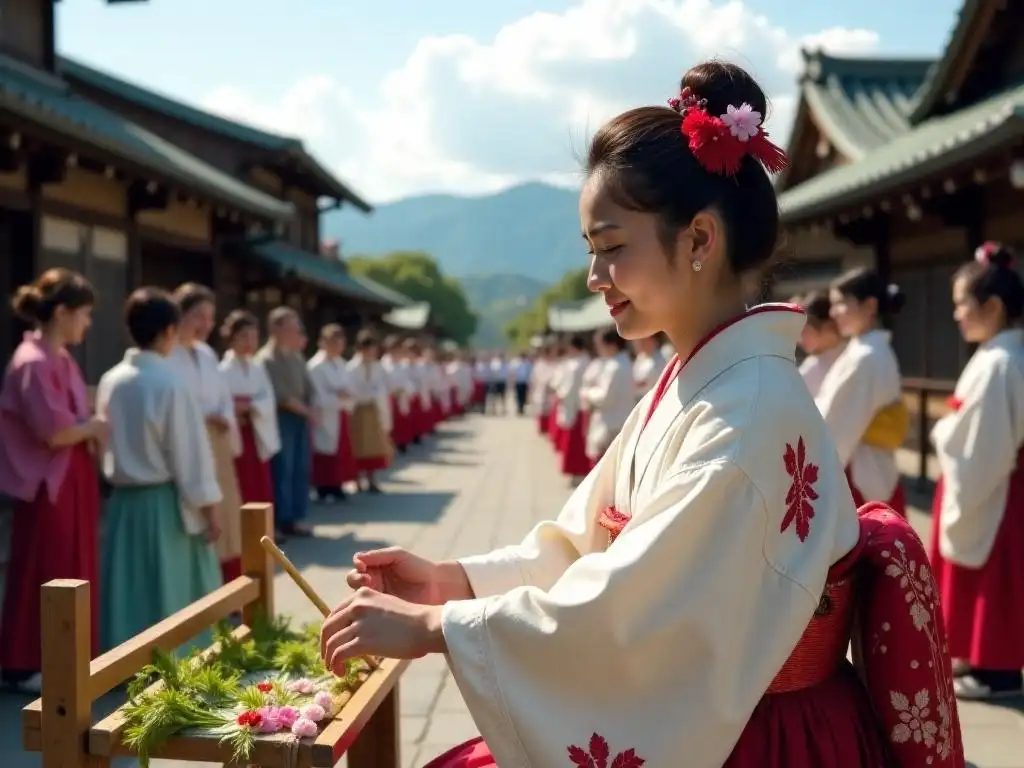
The feudal era of Japan, spanning from the late 12th century until the mid-19th century, was a complex period characterized by a rigid social hierarchy and a rich cultural tapestry. While much of the historical narrative focuses on samurai and their exploits, the roles of women in Japan's feudal society deserve equal attention. Women were not merely passive figures; they actively shaped their families, communities, and even the socio-political landscape of their time. This section delves into the multifaceted lives of women during this era, providing a comprehensive overview of their roles, challenges, and contributions.
Overview of Japan’s Feudal Era
Japan's feudal era is often defined by the emergence and dominance of the samurai class, which began in the late 12th century with the Kamakura period. The social structure was hierarchical, comprising distinct classes including the emperor, nobility, samurai, farmers, artisans, and merchants. Each class had specific roles and responsibilities, creating a complex web of interactions.
- Social Structure:
- Emperor: The symbolic figurehead of authority.
- Shogun: The military leader who wielded real power.
- Daimyo: Feudal lords who governed regions and controlled samurai.
- Samurai: The warrior class, responsible for loyalty and military service.
- Peasants: Primarily farmers who worked the land and provided sustenance.
The position of women varied significantly based on their social class, geographic location, and family structure. While peasant women engaged in agricultural work alongside men, noblewomen often managed household affairs and wielded influence behind the scenes. Despite the patriarchal norms of the time, women played crucial roles in maintaining the fabric of society, whether through labor, cultural practices, or family lineage.
Importance of Understanding Women's Roles
Understanding the roles of women in Japan's feudal society is essential for several reasons:
- Historical Context: Recognizing the contributions of women provides a more nuanced understanding of Japanese history. Women were not merely passive observers; they were active participants in the socio-economic framework.
- Cultural Significance: Women influenced various cultural aspects, including literature, art, and religion. For instance, noblewomen often served as patrons of the arts, and their writings contributed significantly to Japan's literary heritage.
- Societal Impacts: The roles of women in family and community life were pivotal in shaping societal norms. They influenced child-rearing practices, household management, and even political alliances through marriage.
- Legacy of Gender Roles: Examining women's roles during this era sheds light on the evolving nature of gender dynamics in Japan. Understanding the past helps contextualize contemporary discussions about gender equality and women's rights in modern Japan.
Exploring the diverse lives of women in Japan's feudal society enriches our comprehension of this historical period and highlights the significance of women's contributions to the cultural and social landscape of feudal Japan.
In Japan’s feudal society, the social hierarchy was a rigid structure that profoundly influenced the roles and lives of women. This system was characterized by a distinct separation of classes, each with its own cultural norms and expectations. Women’s positions were largely determined by their social class, which affected their rights, duties, and opportunities throughout the feudal era.
Class Distinctions: Nobility, Farmers, and Artisans
Women in feudal Japan were categorized into several classes, each with unique roles and responsibilities. The primary social classes included the nobility (bushi), farmers (nōmin), artisans (kōgei), and merchants (shōnin).
- Nobility (Bushi): Noble women were often married into powerful families to forge alliances, and their primary responsibility was to manage household affairs and raise children, particularly sons who would inherit family titles and lands. They had limited personal freedom and were often expected to adhere to strict social etiquette.
- Farmers (Nōmin): Women in farming families played a crucial role in agricultural production. They were involved in planting, harvesting, and household management while also raising children. Their labor was vital for the family’s sustenance, but they had few rights beyond their domestic roles.
- Artisans (Kōgei): Artisan women often worked alongside their male counterparts in workshops. They were responsible for creating goods, which contributed to the local economy. Their status could vary significantly based on the success and reputation of their family’s trade.
The social class directly influenced the daily lives and opportunities available to women.
- Education and Literacy: Noble women had access to education, which allowed them to become literate and engage in cultural activities, such as poetry and calligraphy. In contrast, peasant women had limited educational opportunities, focusing primarily on domestic skills and labor.
- Marriage and Family: Marriage was often arranged, especially among the nobility, to strengthen alliances. Noble women had little choice in their partners, while peasant women might have a slightly greater say in their marital arrangements but still faced societal pressures.
- Social Mobility: The rigid class structure meant that social mobility was nearly impossible. Women from noble families could wield some influence through their marriages, while peasant women remained largely confined to their roles, with little hope for change.
Women in Samurai Families vs. Peasant Women
The lives of women in samurai families contrasted sharply with those of peasant women.
- Women in Samurai Families: Samurai women were educated and trained to support their families in times of conflict. They were taught the arts of war, strategy, and governance, preparing them to manage the household and even defend it if necessary. In many cases, they held considerable authority within the home and were responsible for upholding family honor.
- Peasant Women: In contrast, peasant women were primarily occupied with labor-intensive tasks. Their lives revolved around agriculture, child-rearing, and maintaining the household. Although they were integral to their families' survival, their societal influence was minimal, and they had little access to education or personal development.
The intricate social hierarchy of feudal Japan significantly shaped the experiences and roles of women. From the educated noblewomen who influenced cultural developments to the hardworking peasant women whose efforts sustained their families, each class of women navigated a complex landscape that defined their lives within Japan's feudal society.
Daily Life of Women in Feudal Japan
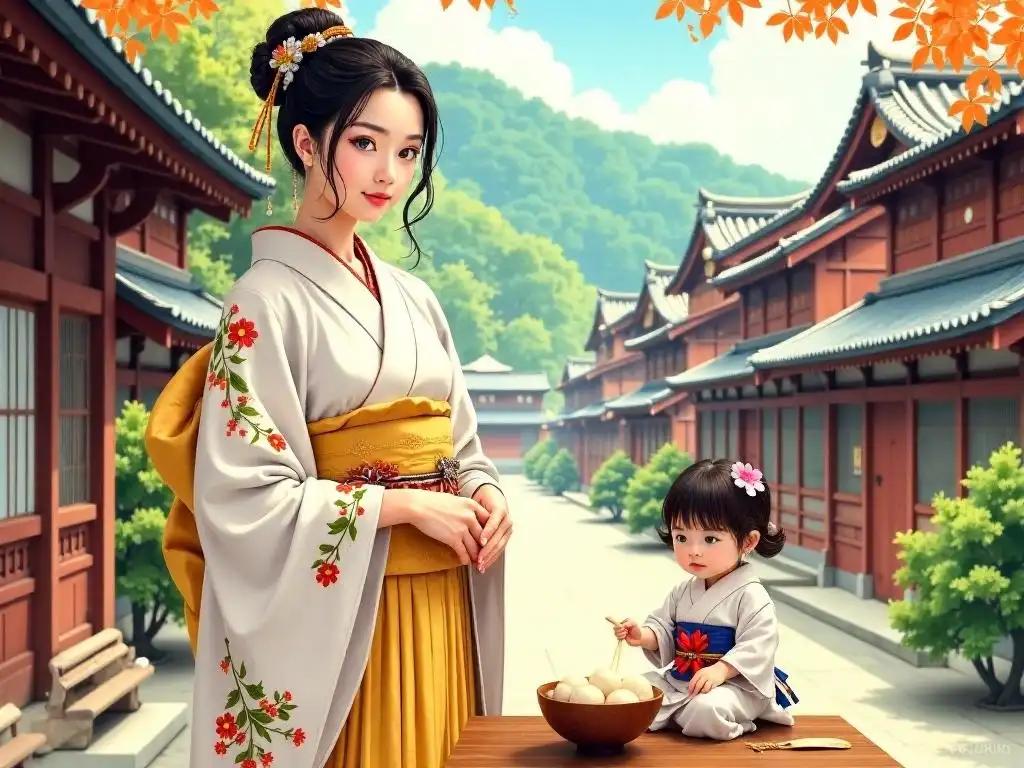
The daily life of women in feudal Japan was shaped by the rigid social hierarchies and cultural expectations of the time. Women’s roles varied significantly based on their social class, region, and family status, leading to a multifaceted existence that encompassed various responsibilities and opportunities.
Household Responsibilities of Women in Japan's Feudal Society
In feudal Japan, women were primarily seen as caretakers of the home. Their responsibilities encompassed a wide array of tasks crucial for the family's survival and prosperity. These duties often included:
- Food Preparation: Women were typically in charge of preparing meals for the family, which involved not only cooking but also foraging and preserving food. They were skilled in using seasonal ingredients to create nutritious dishes.
- Textile Production: Spinning and weaving were essential skills for women. Many women engaged in textile production, crafting clothing and household linens, which could also be sold for additional income.
- Child Rearing: Women were the primary caregivers for children. Their role included educating children in the household duties, morals, and cultural practices, thereby instilling the family’s values in the next generation.
- Agricultural Work: In rural households, women often participated in farming activities alongside men. They helped in planting, harvesting, and tending to livestock, contributing significantly to the family’s agricultural output.
The contributions of women in the household were not just supportive; they were foundational to the family's economy and social structure.
Educational Opportunities for Women
Educational opportunities for women in Japan's feudal society varied widely, influenced by factors such as social class and region. While formal education was predominantly reserved for the elite, some avenues for learning existed:
- Literacy and Arts: Noblewomen had access to education that included reading, writing, and the arts, such as poetry and painting. The Tale of Genji, one of Japan's classic works, was often read and studied by women of high status.
- Practical Skills: Lower-class women might not have formal education but learned practical skills essential for their daily lives. Skills such as herbal medicine, textile arts, and cooking were often passed down through generations.
- Cultural Education: Women participated in cultural practices, including traditional crafts and performances. Festivals and religious ceremonies often provided informal education in cultural traditions and community roles.
Thus, while educational opportunities were limited, women in various social strata found ways to cultivate their knowledge and skills, contributing to their families and communities in meaningful ways.
Cultural Contributions of Women in Feudal Japan
Women in feudal Japan made significant cultural contributions that shaped the societal landscape. Their influence can be seen in various fields:
- Literature: Women authored notable literary works that explored themes of love, nature, and social commentary. Female poets, such as the famous Ise Monogatari contributors, played a crucial role in the development of Japanese literature.
- Performing Arts: Many women participated in traditional performing arts, such as Noh and Kabuki. These forms of theater often featured female roles and were instrumental in conveying cultural narratives.
- Craftsmanship: Women were skilled artisans, particularly in textile arts. The creation of beautiful kimonos and obi not only showcased women's talents but also contributed to Japan's rich artistic heritage.
The diverse lives of women in Japan's feudal society encompassed a range of household responsibilities, educational pursuits, and cultural contributions, all of which played an essential role in shaping the social fabric of their time. Their legacies continue to influence Japanese culture and history today.
Women as Peasants: Labor and Resilience
The Role of Peasant Women in Agriculture
In Japan's feudal society, women played a pivotal role in agricultural production, contributing significantly to the sustenance of their families and communities. Peasant women were primarily responsible for a variety of tasks that were essential for farming operations. These tasks often included planting, weeding, harvesting, and processing rice and other crops.
- Daily Responsibilities:
- Planting and Harvesting: Women participated in both the sowing of seeds and the gathering of crops during harvest time. This labor was physically demanding, requiring strength and endurance.
- Weeding: Maintaining the fields was crucial, as weeds could threaten crop yields. Women often spent hours under the sun pulling weeds, ensuring a healthy harvest.
- Supplemental Tasks:
- Food Preservation: Beyond cultivation, women were responsible for preserving food, particularly during the harvest season, ensuring that the family had enough provisions throughout the year. Techniques included pickling, drying, and fermenting.
- Animal Husbandry: Many peasant women also took charge of livestock, managing the care of animals such as chickens, pigs, and cows, which provided both food and labor.
This labor-intensive lifestyle not only showcased the resilience of women but also highlighted their central role in maintaining the agricultural backbone of feudal Japan.
Economic Contributions of Women in Rural Communities
Peasant women were not only laborers but also vital economic agents within their rural communities. Their contributions extended beyond household responsibilities to include participation in local economies.
- Household Economy: Women managed household finances, often making decisions about resource allocation. Their skills in budgeting and managing crops allowed families to thrive economically.
- Craftsmanship: Many women engaged in artisanal crafts such as weaving, pottery, and dyeing, producing goods that could be traded in local markets. This not only supplemented family income but also fostered community ties through barter systems.
- Market Participation: Women frequently sold surplus produce and handmade goods at local markets, providing them with a degree of economic independence and agency. Their involvement in commerce was crucial for the local economy, as it supported both the household and the community.
These economic contributions were essential for rural stability and demonstrated the integral role of women in sustaining feudal society despite their marginalized social status.
Challenges Faced by Peasant Women in Feudal Japan
Despite their significant contributions, peasant women faced numerous challenges that shaped their lives in feudal Japan.
- Social Hierarchies: The rigid class structures of feudal society often limited women's rights and opportunities. Women in lower classes had fewer resources and less access to education compared to their counterparts in higher social strata.
- Labor Demands: The expectation for women to fulfill both domestic responsibilities and agricultural labor created a demanding lifestyle. This dual burden often led to exhaustion and limited personal freedom.
The life of a peasant woman was a continuous cycle of hard work, with little time for personal pursuits or leisure.
- Health Risks: The physical toll of labor, combined with the lack of medical care, meant that peasant women faced significant health risks. Childbirth, often occurring in challenging conditions, posed dangers to both mothers and infants.
- Limited Agency: Marriages were often arranged, and women had limited say in their personal lives. Their roles were largely defined by the needs of their families and the expectations of society, which stifled their individuality and aspirations.
Peasant women in feudal Japan were resilient figures whose labor was foundational to agricultural success and community stability. Yet, they navigated a complex landscape of social expectations and economic challenges that defined their existence within this historical context.
Women in the Arts: From Peasants to Poets
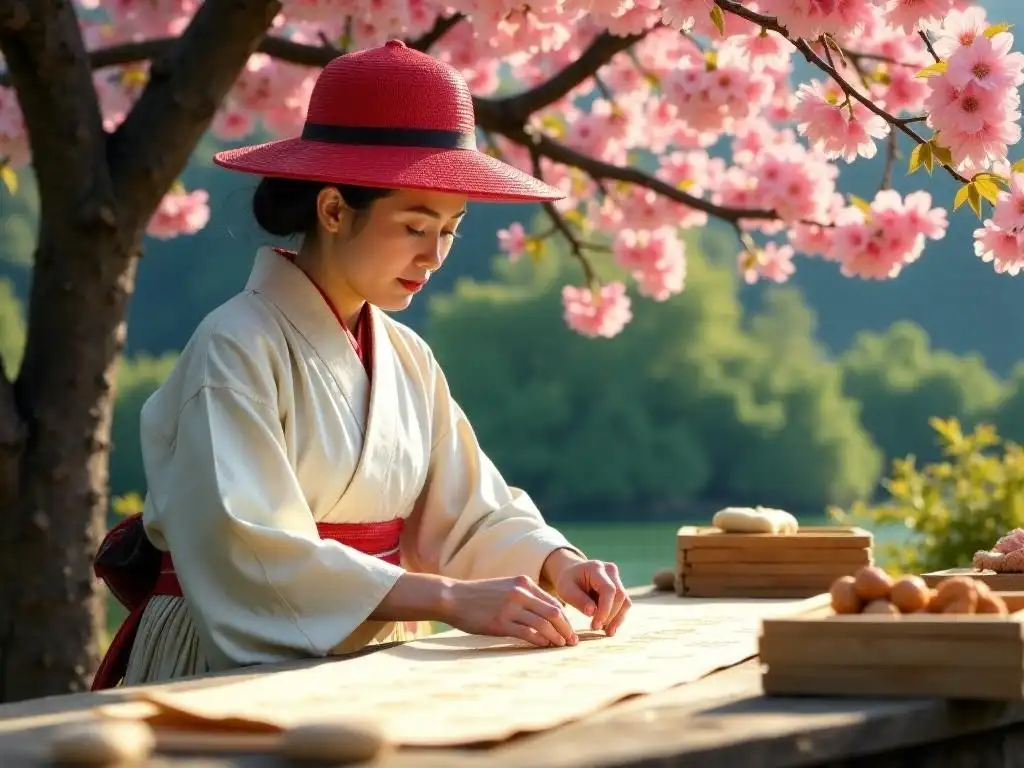
The Rise of Female Poets in Feudal Japan
In feudal Japan, the literary landscape was not solely dominated by men; women carved their own niche as poets and writers, contributing significantly to the cultural fabric of the era. The rise of female poets can be traced back to the Heian period (794-1185), a time when court culture flourished, and the art of poetry became a vital means of communication among the elite. Women, particularly those within the court, began to engage in the practice of composing poetry, utilizing it as a form of personal expression and social commentary.
One of the most notable developments was the emergence of waka, a traditional Japanese poem consisting of 31 syllables. Women found solace and strength through this medium, often reflecting their intimate experiences, emotions, and perspectives on love and nature. This poetic form allowed them a voice in a society that often relegated them to domestic roles. With the increased literacy rates among women, particularly in urban settings, many began to share their work, leading to a burgeoning literary culture that included female perspectives.
The Tale of Genji by Murasaki Shikibu, a seminal work of literature written during the Heian period, exemplifies the contributions of women to the arts. Although primarily a narrative prose work, it is interspersed with poetry, showcasing the author's mastery of both forms. The popularity of such literature encouraged other women to pursue poetry, paving the way for a rich tradition of female literary expression.
Literature and Poetry: Expression and Influence
The influence of women in Japan's feudal society extended beyond mere participation in poetry; their works often served as a counter-narrative to the male-dominated literature of the time. Female poets used their writing to articulate their desires, frustrations, and societal observations. This form of expression was not only a personal outlet but also a means to subtly critique the constraints placed upon them by a patriarchal society.
Women like Sei Shonagon, another prominent figure from the Heian period, contributed to the literary arts through her work, The Pillow Book, which combined essays, lists, and poetry. In her writings, Shonagon provided insights into court life and the roles of women, revealing the complexities of their existences. Her sharp observations and humor painted a vivid picture of the cultural milieu in which she lived, demonstrating that women's voices were essential to the literary sphere.
Moreover, during the later periods, such as the Kamakura (1185-1333) and Edo (1603-1868) periods, notable developments occurred in the arts, including the rise of narrative poetry and plays. Women participated in these artistic expressions, contributing to the development of Kabuki and Noh theater, where they not only performed but also wrote many of the plays. This evolution further solidified women's roles as creative forces within society.
Notable Female Figures in Literature
Several women stand out in the annals of feudal Japanese literature, leaving an indelible mark on the arts:
- Murasaki Shikibu: Often regarded as the world's first novelist, she authored The Tale of Genji, a work that intricately combines prose and poetry, offering a profound glimpse into the lives of the Heian court.
- Sei Shonagon: Known for The Pillow Book, her witty and observational writing style captured the essence of court life, making her a significant figure in Japanese literature.
- Chiyo-ni: A prominent haiku poet of the Edo period, she is celebrated for her ability to convey deep emotions and observations of nature in just a few lines, illustrating the power of brevity in poetry.
- Miyamoto Yuriko: A 20th-century novelist and playwright, her works often explored the lives of women and their struggles, showing how the legacy of female literary expression continued well into modern Japan.
Through their contributions, these women not only enriched the literary traditions of their time but also paved the way for future generations of female writers. Their voices resonate even today, symbolizing the enduring spirit and creativity of women in Japan's feudal society.
Women's Rights and Legal Status in Feudal Japan
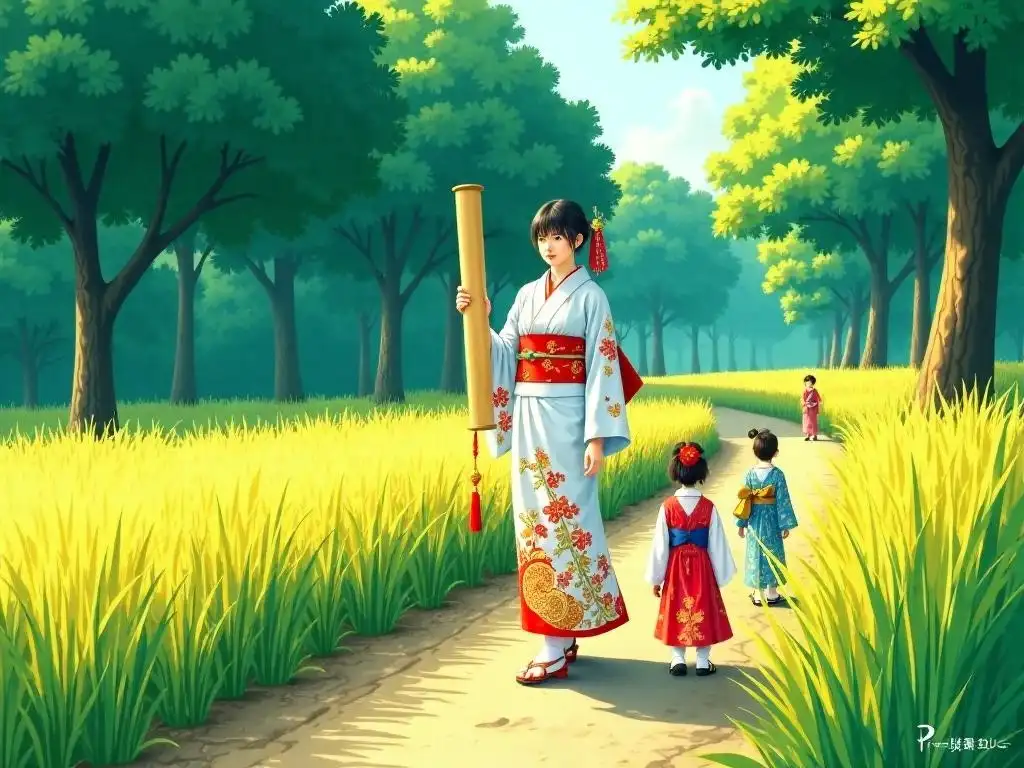
In feudal Japan, women's rights and legal status were markedly different from contemporary standards. The societal structure was predominantly patriarchal, heavily influenced by Confucian ideals, which dictated many aspects of women's lives. While women held certain rights, their roles were largely confined to the domestic sphere, limiting their independence and agency.
Marriage and Family Dynamics
Marriage in feudal Japan was primarily viewed as a strategic alliance between families rather than a romantic union. Women were often married at a young age, typically in their early teens, to men chosen by their families. The concept of omiai (arranged marriage) was prevalent, emphasizing familial ties over individual desires.
- Roles within Marriage: Once married, a woman's primary responsibilities included managing the household, raising children, and supporting her husband. Her role was to ensure the continuation of the family lineage, which was paramount in a society that valued heritage and status.
- Divorce and Separation: Although divorce was permissible, it was often more advantageous for men. Women could initiate divorce, but the reasons were typically limited to neglect or failure to produce heirs. In such cases, the husband retained custody of the children, further emphasizing women's subordinate status.
- Motherhood and Kinship: Motherhood was one of the few avenues through which women could exert influence. A woman's value was often measured by her ability to bear children, particularly sons. The maternal bond was essential, yet it also reinforced the expectation that women would dedicate their lives to their families.
Inheritance Rights of Women
Inheritance rights for women in feudal Japan varied significantly depending on the social class and family structure.
- Peasant Women: In agrarian societies, women often had more equitable inheritance rights compared to those in samurai families. If a family had no male heirs, a daughter could inherit property, albeit this was uncommon due to prevailing societal norms.
- Samurai Women: Among the samurai class, women had limited rights regarding inheritance. Typically, land and titles were passed down through male heirs, with daughters receiving only a small dowry upon marriage. However, if a samurai family faced financial difficulties, women might be called upon to manage family assets, showcasing their capability despite restrictions.
- Legal Framework: The Code of the Samurai established that women's inheritance rights were subordinate to men's. Despite this, women in some noble families could wield considerable influence over property management, especially if they were widowed or if their husbands were away for extended periods.
The Influence of Confucianism on Women's Roles
Confucianism deeply shaped the roles and expectations of women in feudal Japan, reinforcing a hierarchy that prioritized male authority.
- Educational Limitations: Confucian values emphasized the importance of education, yet this was predominantly available to men. Women were often discouraged from pursuing formal education, limiting their intellectual development and reinforcing their dependency on male relatives.
- Moral Virtue: Confucian teachings extolled specific virtues for women, such as obedience, chastity, and fidelity. The idealized image of the "good wife" was one who dutifully supported her husband and managed the household without complaint. This moral framework restricted women's freedom and reinforced their roles as subservient to men.
- Cultural Reflections: Literature and arts from the feudal era, including Noh theater and ukiyo-e prints, often depicted women in roles that aligned with Confucian ideals. These cultural representations helped to entrench societal expectations and norms regarding women's behavior and status.
The lives of women in Japan’s feudal society were shaped by a complex interplay of legal rights, familial expectations, and philosophical influences. Despite the constraints imposed upon them, women navigated their roles with resilience, contributing to the cultural tapestry of their time.
The Transition of Women's Roles in Late Feudal Japan
Changes in Society and Their Impact on Women
The late feudal period in Japan, particularly during the Edo period (1603-1868), marked significant transformations in societal structure that greatly influenced the roles of women. As Japan transitioned from a largely warrior-based society to one dominated by commerce and urbanization, the status and functions of women also evolved.
- Economic Changes: The rise of a merchant class allowed women to engage in various economic activities, particularly in urban centers. Women began to take on roles in family businesses, from textile production to trade, which provided them with a degree of financial independence previously uncommon in agrarian societies. This shift contributed to a small but notable increase in women's social status.
- Cultural Shifts: The introduction of Confucian ideals emphasized moral responsibilities and family loyalty, positioning women as key figures in the domestic sphere. While this often reinforced traditional roles, it also allowed women to wield influence within the household. The concept of Onna Daigaku (The Greater Learning for Women) emerged, promoting education for women, albeit in a limited scope that focused primarily on domestic skills.
- Legal Status: Despite these changes, women in Japan's feudal society remained largely subordinate to men within legal frameworks. Marriage and inheritance laws favored male heirs, and women were often seen as property passed from father to husband. However, certain classes, such as samurai women, enjoyed more rights and could manage family estates in the absence of male heirs.
The Influence of Western Ideas on Japanese Women
The arrival of Western influence during the late 19th century began to challenge traditional norms surrounding women’s roles in Japan. As Japan opened up to the world following the Meiji Restoration in 1868, new ideas about gender equality and women's rights began to permeate Japanese society.
- Exposure to New Ideologies: Western literature and philosophies introduced concepts of individualism and personal freedom, which resonated with some Japanese women. Educated women began to advocate for rights including access to education, employment opportunities, and political participation. Figures such as Yosano Akiko emerged as prominent voices, challenging the status quo through their writings and activism.
- Educational Reforms: The establishment of modern education for girls in the late 19th century was a pivotal moment for women in Japan. Schools were founded that focused not only on domestic education but also on subjects like science and literature. This education allowed women to enter professions traditionally dominated by men, such as teaching and nursing.
- Cultural Transformation: The blending of Western and Japanese values led to a cultural renaissance that included women's literature and arts. Women began to express their thoughts and experiences through poetry and prose, contributing to a broader narrative that highlighted their diverse roles and identities.
Women’s Movements and Early Feminism in Japan
As Japan continued to modernize, the late 19th and early 20th centuries saw the emergence of organized women's movements that sought to address issues of inequality and advocate for women's rights.
- Formation of Organizations: Groups such as the Japanese Women’s Association and Shakai Shisō Kyōkai (Social Thought Society) were established, focusing on women's education, suffrage, and social reforms. These organizations played a crucial role in mobilizing women and raising awareness about their rights.
- The Suffrage Movement: The push for women's suffrage gained momentum in the 1920s, with activists like Kato Shidzue leading the charge. These efforts were often met with resistance, but they laid the groundwork for future generations. The struggle for voting rights highlighted the broader aspirations of women in Japan's feudal society, emphasizing the desire for autonomy and recognition.
- Cultural Representation: Early feminist literature began to emerge, reflecting the complexities of women's lives and their societal roles. Writers such as Higuchi Ichiyo and Natsume Sōseki offered nuanced portrayals of women, challenging stereotypical representations and advocating for their rights through their narratives.
The transition of women's roles in Japan's feudal society was marked by a complex interplay of economic, cultural, and political changes. The influence of Western ideas and the rise of organized movements contributed significantly to the evolution of women's rights and societal perceptions, paving the way for the ongoing struggle for gender equality in modern Japan.
Conclusion: The Legacy of Women in Japan's Feudal Society
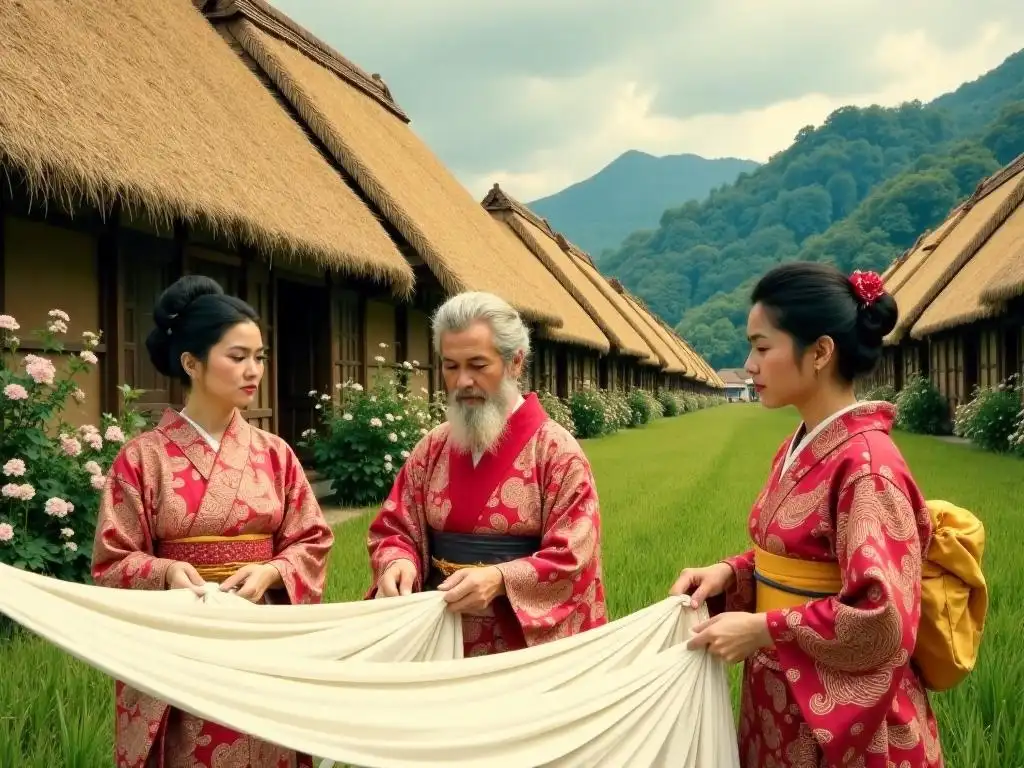
Reflection on Women’s Contributions to Japanese Culture
The role of women in Japan's feudal society was multifaceted and profound, significantly shaping the cultural landscape of their time. From the humble peasant to the noblewoman, women contributed to various facets of life that still resonate in modern Japanese culture.
- Literary Contributions: Many women of the Heian period, particularly those in the court, were instrumental in the development of Japanese literature. Works such as The Tale of Genji often highlight female perspectives, showcasing their emotional depth and intellectual prowess. This literary heritage laid the groundwork for a rich tradition of storytelling that persists today.
- Artistic Endeavors: Women were also key figures in the arts, engaging in practices like painting, embroidery, and pottery. The skills passed down through generations not only reflect the aesthetic values of their time but also the dedication of women to preserving and innovating cultural expressions.
- Religious Influence: Many women held significant roles within religious contexts, often as nuns or priestesses. Their participation in spiritual life and rituals helped shape the religious practices of the era, contributing to the syncretism of Shinto and Buddhist beliefs that characterizes Japanese spirituality even now.
The Lasting Impact of Feudal Women's Roles on Modern Japan
The legacy of women in feudal Japan extends far beyond their immediate contributions; it has shaped the societal norms and expectations in contemporary Japan.
- Empowerment and Education: The educational pursuits of women during the feudal era, especially among the samurai class, laid the foundation for future generations. The emphasis on education among women has evolved into a modern context where women actively participate in higher education and professional fields, reflecting a shift in societal expectations.
- Cultural Preservation: The crafts and traditions fostered by women during the feudal period continue to be celebrated. Practices such as traditional tea ceremonies, kimono making, and various performing arts showcase the skills and creativity of women, preserving their legacy in Japan’s cultural identity.
- Social Commentary and Feminism: The historical roles of women have sparked discussions around gender equality in Japan. Feminist movements often draw inspiration from the stories of women from the feudal era, highlighting their strength and resilience against patriarchal structures. This ongoing dialogue reflects a growing awareness and advocacy for women's rights in modern society.
Women in Japan's feudal society not only contributed significantly to their communities but also left a lasting imprint on the nation’s cultural and social fabric. Their diverse lives and roles serve as a testament to their resilience and adaptability, echoing through the ages and influencing contemporary Japan.
References
Suggested Readings on Women in Japan's Feudal Society
Understanding the multifaceted roles of women in Japan's feudal society can be greatly enhanced through a selection of scholarly texts that delve into various aspects of their lives. Here are some essential readings:
-
"Women of the Samurai: A History of the Female Samurai" by Katherine A. W. H. Yoshida
This book explores the unique position of women in the samurai class, detailing their contributions and influences within the warrior culture.
-
"Geisha, Gion and the Japanese Woman" by Miyako S. Shibata
A captivating examination of the cultural significance of geishas, this work highlights how their roles reflect broader societal norms and expectations for women during the feudal era.
-
"The Gender of Memory: Rural Women and the Japanese State" by Yasuko Takeda
This text takes a closer look at rural women’s experiences, addressing how their memories and narratives contribute to our understanding of women's roles in feudal Japan.
-
"Women in Japan: A History" by Minae Mizumura
This comprehensive history outlines the evolution of women's roles in Japan, with a focus on the feudal period and the transitions that followed.
Historical Texts and Resources for Further Study
For a more in-depth exploration of women's roles and experiences in feudal Japan, consider these historical texts and resources that provide primary accounts and scholarly analysis:
-
"The Tale of Genji" by Murasaki Shikibu
A classic work of literature from the Heian period, this story offers insights into the lives of women in the imperial court, reflecting the cultural context that preceded the feudal era.
-
"The Pillow Book" by Sei Shonagon
This collection of essays, lists, and anecdotes presents a rich tapestry of court life, including the perspectives of women, their roles, and societal expectations.
-
"Shinto: The Kami Way" by Mitsuo Kato
While not exclusively about women, this text discusses the religious framework within which many women operated in feudal Japan, particularly in relation to their spiritual roles.
-
"Women and Society in the Tokugawa Period" by Eiko Ikegami
This resource examines the societal structures of the Tokugawa shogunate and how they shaped women's roles across different classes.
-
"The World of the Shining Prince: Court Life in Ancient Japan" by Ivan Morris
A detailed exploration of court life during the Heian period, this book provides context for understanding the transition to the feudal system and its impact on women.
These readings and resources will deepen your understanding of the complexities surrounding women in Japan's feudal society, showcasing their diverse experiences and contributions across various realms of life.
Frequently Asked Questions
What role did women play in Japan's feudal society?
Women in Japan's feudal society held varied roles, from peasant workers to noble poets. Their contributions were essential to both family life and cultural development during this era.
How were women's rights and status defined in feudal Japan?
Women's rights and status were largely determined by their social class and family connections. While noble women could wield political influence, peasant women primarily worked in the fields and managed households.
Did women participate in the arts during the feudal era?
Yes, women actively participated in the arts during the feudal era, particularly as poets and artists. Many left a significant mark on literature and culture, showcasing their talents despite societal restrictions.
What challenges did women face in feudal Japan?
Women faced numerous challenges, including limited rights and expectations to conform to traditional roles. Their opportunities for education and independence were often restricted by patriarchal norms.
How did the status of women evolve towards the end of the feudal period?
Towards the end of the feudal period, the status of women began to shift, with increased opportunities for education and participation in the commercial economy. This gradual change laid the groundwork for future advancements in women's rights in Japan.
Final Reflection: The Enduring Legacy of Women in Japan's Feudal Society
The lives of women in Japan's feudal society reveal a rich tapestry of resilience and creativity that remains relevant today. As we explore their journeys from peasants to poets, we uncover the profound impact these women had on culture, literature, and society at large. Their stories remind us that even in the most oppressive circumstances, the human spirit can flourish, and the voices of women can resonate through time.
The influence of these women continues to shape our understanding of gender roles and cultural expression. Their experiences challenge the traditional narratives that often overlook the contributions of women in history. As we reflect on their legacy, we are reminded of the words of the renowned Japanese poet Izumi Shikibu: The heart is a garden that blooms in the most unexpected places.
This sentiment encapsulates the idea that creativity and strength can emerge from even the harshest conditions, inspiring generations to come.
As we conclude this exploration, I invite you to reflect on the lessons learned from the lives of these remarkable women. Consider how their stories can inspire you to embrace your own voice and creativity, regardless of societal constraints. Let their resilience motivate you to challenge the status quo and advocate for the recognition of women's contributions in all spheres of life. By honoring their legacy, we can continue to cultivate a world where every voice is heard and valued.
Embrace the Legacy: Explore Women’s Roles in Feudal Japan!
Thank you for taking the time to dive into the fascinating world of women in Japan’s feudal era! You’ve uncovered the diverse lives and remarkable contributions of these historical figures, from peasants to poets. Now, it's time to take your newfound knowledge a step further.
Here are some engaging actions you can take:
- Dive deeper into history: Explore additional articles that highlight influential women in Feudal Japan and discover the untold stories behind their significant impact.
- Share your insights: Discuss what you've learned with friends or on social media by tagging us! Use the hashtag #FeudalWomen to join the conversation.
- Join the conversation: Connect with other history enthusiasts on our forum to share your thoughts on how these women's experiences continue to shape modern perspectives.
What aspect of women's lives in feudal Japan surprised you the most, and how do you think it resonates with today's society?