
Behind the Samurai: Women’s Influence in the Warrior Class

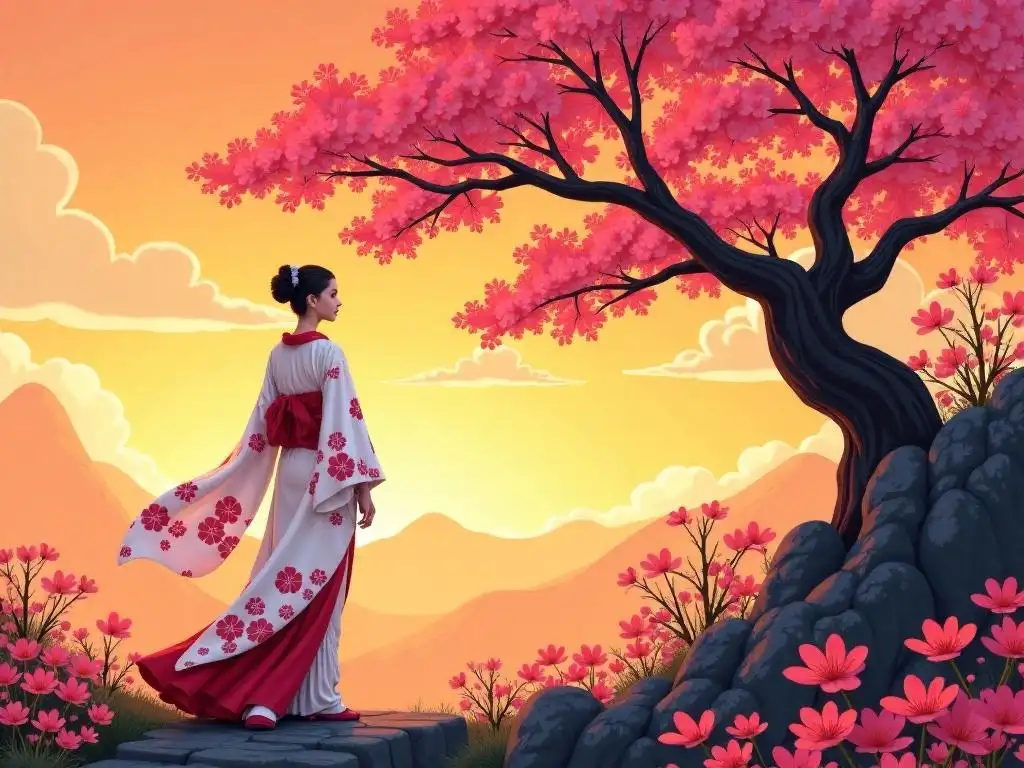
Welcome to Feudal Japan History! Here, we invite you to journey through the captivating layers of Japan’s feudal era, where history, culture, and society intertwine. Today, we delve into a lesser-known yet profoundly influential aspect of this period: Women in Samurai Culture. In our featured article, "Behind the Samurai: Women’s Influence in the Warrior Class," you will uncover the vital roles that women played within the samurai clans, shaping the very fabric of their society. Are you ready to explore the untold stories and significant contributions of these remarkable women? Let’s embark on this enlightening adventure together!
- Introduction to Women in Samurai Culture
- Historical Context of Women in Samurai Culture
- Women’s Contributions to Samurai Culture
- Case Studies of Influential Women in Samurai Culture
- Cultural Representation of Women in Samurai Culture
- Myths and Realities of Women in Samurai Culture
- Legacy of Women in Samurai Culture
- Conclusion: The Enduring Impact of Women in Samurai Culture
- Frequently Asked Questions
- Final Reflection: The Unseen Strength of Women in Samurai Culture
- Embrace the Legacy: Honor Women's Role in Samurai History!
Introduction to Women in Samurai Culture
The role of women in samurai culture represents a fascinating and often overlooked aspect of Japan's feudal era. While samurai warriors are predominantly recognized for their martial prowess and adherence to the bushido code, the contributions and influences of women within this class played a crucial role in shaping not only the household but also the broader societal structures of the time.
This article delves into the multifaceted roles that women occupied within samurai society, highlighting their significance in familial, social, and cultural contexts. Understanding these dynamics not only enriches our comprehension of feudal Japan but also challenges the conventional narratives that often marginalize women's contributions in history.
Overview of the Samurai Class in Feudal Japan
To fully appreciate the influence of women within the samurai class, it's essential to first understand the structure and values of this elite warrior group. The samurai emerged during the late Heian period (794-1185) and became prominent during the Kamakura period (1185-1333). They were characterized by their:
- Military Skills: Trained from a young age in various combat techniques, samurai were expected to be expert horsemen, archers, and swordsmen.
- Code of Conduct: Adherence to bushido, the "way of the warrior," which emphasized loyalty, honor, and discipline.
- Social Hierarchy: Positioned within a strict social framework, samurai were often vassals to feudal lords (daimyos) and held land in exchange for military service.
Women in samurai families were typically raised with the expectation to manage the home and educate children, often embodying the virtues of loyalty and resilience that were admired in their male counterparts. Despite being largely confined to domestic roles, their influence permeated various aspects of samurai life, including politics, education, and even martial training.
Importance of Women in Samurai Society
Women played pivotal roles in the samurai class, often acting as the backbone of their households and communities. Their contributions were not merely limited to domestic affairs; they influenced their families' social standing and political alliances through marriage and kinship ties. Some key aspects of their importance include:
- Family Management: Women were responsible for managing household affairs, including finances, education of children, and even the training of male heirs in martial arts.
- Political Influence: Marriage alliances were strategic, often leading to powerful connections between families. Women could wield significant influence through these unions.
- Cultural Preservation: Women were instrumental in preserving and passing down cultural traditions, literature, and arts, ensuring the continuation of samurai values and heritage.
In exploring the role of women in samurai culture, we uncover a rich tapestry of influence that transcends the battlefield, illustrating that their impact was foundational to the samurai ethos and the broader historical narrative of feudal Japan.
Historical Context of Women in Samurai Culture
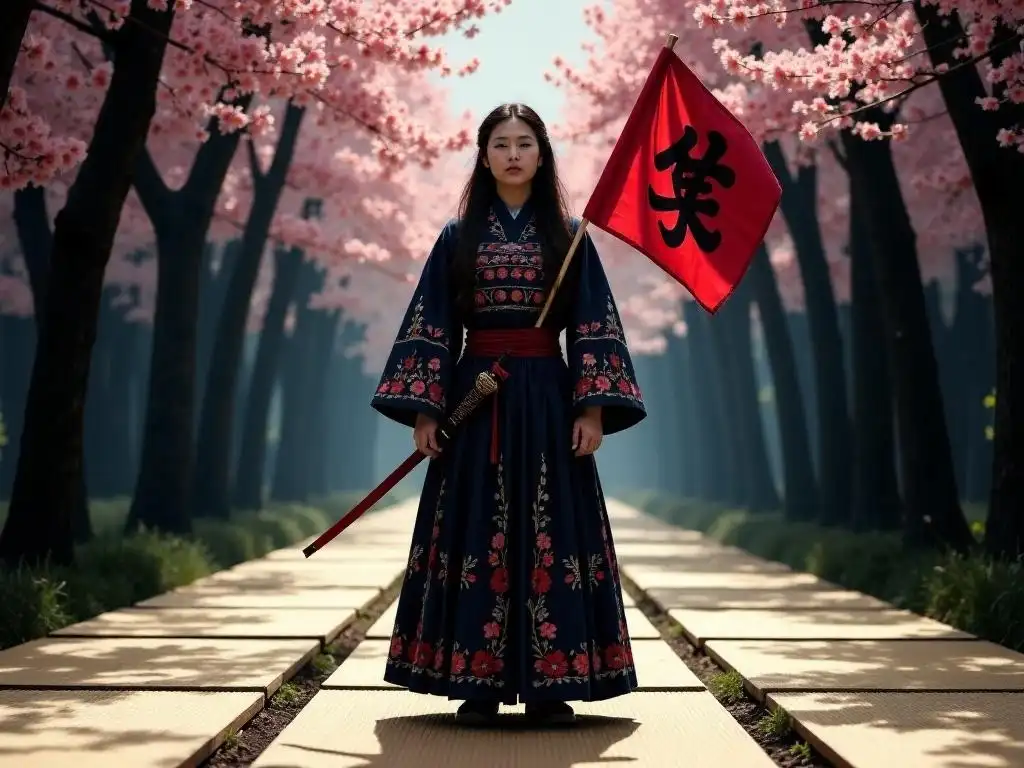
The history of women in samurai culture is often overshadowed by the glorified narrative of male warriors. However, women's roles in feudal Japan were complex and multifaceted, significantly influencing the dynamics of samurai society. To understand their impact, we must first examine the historical context in which these women lived.
During the feudal era, Japan was characterized by a rigid social hierarchy known as the shinōkōshō, which classified society into four main classes: samurai, farmers, artisans, and merchants. While the samurai class held political power and military authority, women played vital roles within their families and communities.
The Role of Women in Feudal Japan
Women in samurai culture were not merely passive figures; they were active participants in both the domestic and public spheres. Their roles varied significantly depending on their social status, region, and individual circumstances. Here are some key aspects of women's roles:
- Family Responsibilities: Women were primarily responsible for managing the household, which included overseeing finances, education, and the well-being of the family. The samurai wife, or katoku, often played a crucial role in maintaining family honor and lineage.
- Education and Training: Education for women in samurai families included training in etiquette, poetry, and sometimes martial arts. While their training was often less rigorous than that of their male counterparts, many women were skilled in self-defense, which was essential for their safety during times of conflict.
- Political Influence: Women wielded considerable influence in political matters, particularly in the context of marriage alliances. Marriages were often used to solidify power and alliances between families, and women could act as mediators in political negotiations.
- Warrior Women: Some women took on more direct roles in warfare. Figures such as Tomoe Gozen, a legendary female warrior of the late 12th century, exemplify the active participation of women in battles, challenging the stereotype that they were entirely relegated to domestic roles.
Evolving Perceptions of Women in Samurai Society
The perception of women in samurai culture evolved significantly over the centuries, shaped by sociopolitical changes and cultural shifts.
- Heian Period (794-1185): During this era, women enjoyed relative freedom and could engage in cultural activities, including literature and arts. The Genji Monogatari, authored by Murasaki Shikibu, highlights the intellectual contributions of women during this time.
- Kamakura Period (1185-1333): As the samurai class solidified its power, women's roles began to shift. While noblewomen maintained influence through family ties, the rise of military rule also demanded more strict adherence to codes of conduct, which often relegated women to subordinate roles.
- Muromachi Period (1336-1573): The concept of the Onna Bugeisha emerged, referring to women trained in martial arts. As warfare intensified, some women took up arms to defend their homes, illustrating their resilience and capability.
- Edo Period (1603-1868): With the establishment of peace, the role of women became increasingly confined to domesticity. However, this period also saw the flourishing of cultural practices, where women contributed to arts, theater, and literature, albeit within the confines of societal expectations.
The roles and perceptions of women in samurai culture were dynamic and complex, marked by both restrictions and opportunities. Their contributions significantly shaped the social fabric of feudal Japan, demonstrating that women were more than mere shadows behind the samurai. Understanding their influence provides a richer, more nuanced view of this historical period.
Women’s Contributions to Samurai Culture
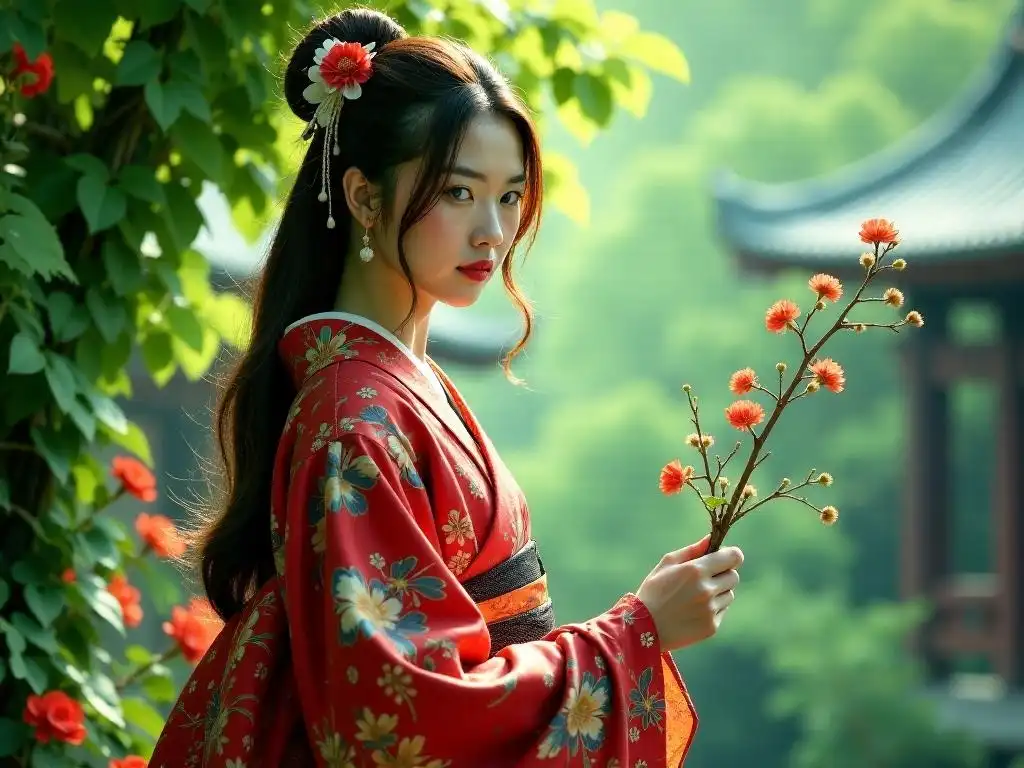
Female Samurai: Onna-bugeisha and Their Impact
During feudal Japan, the role of women was not limited to domestic responsibilities; they also played a significant role in the warrior class, particularly as onna-bugeisha—female warriors who trained alongside their male counterparts. These women were not merely passive participants in the feudal system; they actively contributed to the military and social fabric of their time.
Historical Context and Recognition
Onna-bugeisha emerged during the late Heian period (794-1185) and continued to be recognized throughout the Sengoku period (1467-1603). Women from samurai families were trained in combat techniques, often learning to wield weapons such as the naginata and the katana. Their training was not just for personal defense; many women engaged in battles to protect their homes and families during times of conflict.
For example, Tomoe Gozen, a legendary female samurai, is celebrated for her bravery and skill in the Genpei War. Her exploits are chronicled in The Tales of the Heike, illustrating that women in the samurai culture were not only formidable warriors but also significant figures in Japan's historical narrative.
Women as Educators and Cultural Custodians
Beyond their roles as warriors, women in samurai culture were pivotal as educators and custodians of cultural traditions. They were responsible for instilling values of loyalty, honor, and discipline in their children, particularly in a society where the samurai code, known as bushido, was paramount.
The Influence of Women in Education
Women often played an integral role in the education of young samurai. They taught not only martial skills but also cultural practices such as poetry, music, and calligraphy. This education ensured that children understood the importance of both physical prowess and intellectual development, creating well-rounded members of the samurai class.
- Literature and Arts: Women contributed significantly to the preservation and promotion of literature and the arts. They were often involved in the sado (tea ceremony) and ikebana (flower arranging), which were essential aspects of samurai culture.
- Cultural Rituals: Women facilitated various cultural rituals that reinforced the cultural identity of the samurai class. They organized events and ceremonies that showcased both martial and artistic skills, fostering a sense of community and tradition.
The Role of Women in Maintaining Samurai Families
The stability of samurai families often rested on the shoulders of women, who managed household affairs and ensured the continuity of family legacies. Their roles extended far beyond the traditional view of domesticity, as they were critical in maintaining the socio-economic status of their families.
Household Management and Economic Contributions
Women managed the family estate, overseeing agricultural production and finances, which were crucial for sustaining their samurai households. They often engaged in trade and managed resources, ensuring the family’s wealth and status were preserved.
- Marriage Alliances: Marriages were strategically arranged to strengthen political ties and alliances. Women negotiated these marriages, which played a vital role in the broader political landscape of feudal Japan.
- Support During Conflicts: During periods of war, while men were away, women took on the responsibility of defending their homes and managing the family’s assets. They often led in the absence of their husbands, showcasing resilience and leadership.
Women's influence in samurai culture is a multifaceted aspect of the feudal era that deserves recognition. From the valiant onna-bugeisha to the cultural educators and the backbone of family stability, women played essential roles that shaped the samurai class and, by extension, Japan's history. Their contributions remind us that the samurai culture was not solely a male domain but rather a complex social structure enriched by the strength and influence of women.
Case Studies of Influential Women in Samurai Culture
Tomoe Gozen: The Legendary Female Warrior
Tomoe Gozen stands out as one of the most iconic figures in the history of samurai culture. Renowned for her exceptional skills in battle and her fierce loyalty, she is often depicted as a symbol of female strength in a predominantly male-dominated society. Historical texts, particularly the Heike Monogatari, portray her as a stunning warrior who fought alongside her husband, Minamoto no Yoshinaka, during the late Heian period.
Tomoe's prowess in combat is highlighted by her accomplishments on the battlefield. She was known to wield a naginata with great skill, and her agility and strategic acumen allowed her to outmaneuver many adversaries. Accounts suggest that she participated in the Genpei War (1180-1185), where she distinguished herself in various engagements, earning the respect of both allies and enemies.
Her legendary status is further accentuated by the tales surrounding her life. According to folklore, after Yoshinaka's defeat at the Battle of Awazu, Tomoe was given the choice to flee or die. Rather than surrender, she chose to face her fate with honor, embodying the samurai code of bushido. This narrative not only showcases her martial prowess but also highlights the complexities of women's roles in samurai culture, where they were both warriors and caretakers.
“Tomoe Gozen’s legacy transcends her time, illustrating that women played vital roles within samurai culture, not just as supporters but as formidable warriors in their own right.”
Hojo Masako: A Political Powerhouse
Hojo Masako, often referred to as the "Shikken" or regent, exemplifies the significant political influence women wielded in samurai culture. Born into the powerful Hojo clan, she was married to Minamoto no Yoriie, the third shogun of the Kamakura shogunate. Following her husband's political sidelining, Masako emerged as a key figure in the governance of Japan.
Masako's political acumen was evident in her ability to navigate the tumultuous political landscape of the Kamakura period. After Yoriie's death, she took on the role of a regent and utilized her influence to secure her family's position. Her leadership was characterized by a shrewd approach to alliances and a strong commitment to the samurai ethos, ensuring the stability of the shogunate during a time of unrest.
In addition to her political maneuvers, Masako also played a crucial role in promoting the Zen Buddhist movement, which became intertwined with samurai culture. By fostering patronage for temples and supporting religious leaders, she helped shape the spiritual landscape of the era, demonstrating that women were not only integral to military affairs but also to cultural and religious spheres.
| Influence | Details |
|---|---|
| Political Role | Regent and key advisor during the Kamakura period |
| Cultural Impact | Promoted Zen Buddhism and supported temple patronage |
| Legacy | Paved the way for future female political figures |
The Role of Samurai Wives in Battle and Strategy
The role of samurai wives extended beyond domestic responsibilities; they were often crucial to the survival and success of their families and clans during times of conflict. Samurai women, particularly those from prominent families, were trained in the arts of combat and strategy, preparing them to defend their homes and assist in warfare when necessary.
Wives of samurai were expected to manage household affairs while their husbands were away at battle. This responsibility often included overseeing supplies, maintaining fortifications, and ensuring the well-being of the family. In times of siege, women would actively participate in defense efforts, utilizing whatever weapons were available to protect their homes.
Moreover, these women played a strategic role by forming alliances through marriage, enhancing their clan's political power. Their ability to cultivate relationships with other samurai families often influenced diplomatic decisions and military strategies. This multifaceted role underscores the importance of women in samurai culture, revealing that their influence extended well beyond traditional gender expectations.
- Key Responsibilities of Samurai Wives:
- Household Management: Ensuring the smooth operation of the home during the absence of male warriors.
- Defense: Actively participating in the defense of their homes, using weapons like naginatas.
- Political Alliances: Facilitating marriages between families to strengthen political ties.
Examining the roles of women in samurai culture reveals a rich tapestry of influence that shaped the social and political dynamics of feudal Japan. The stories of figures like Tomoe Gozen and Hojo Masako demonstrate that women were not merely passive participants but rather active and vital contributors to the legacy of the samurai era.
Cultural Representation of Women in Samurai Culture
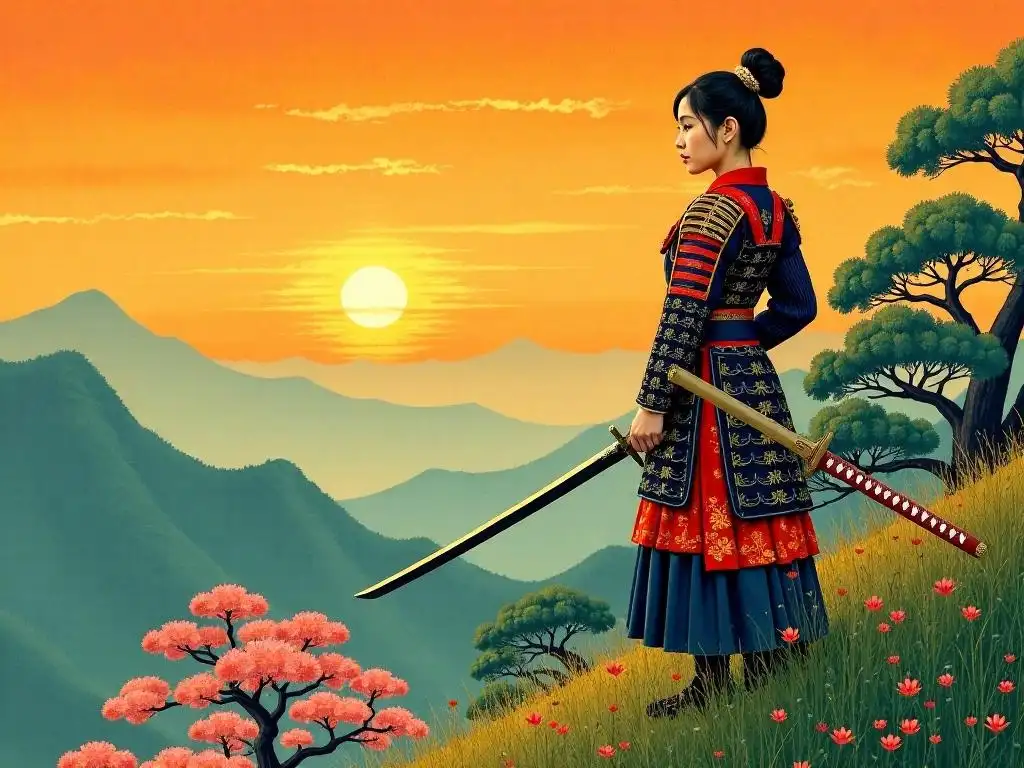
Women in Samurai Literature and Art
The representation of women in samurai literature and art offers a fascinating glimpse into the roles and perceptions of women within the warrior class during Japan’s feudal era. The literature of this period, ranging from epic tales to poetry, often portrays women as pivotal figures who influence the narrative arcs of male samurai characters. Women are depicted not only as muses but also as powerful figures in their own right.
Prominent Literary Works
- The Tale of the Heike: This epic narrative showcases several strong female characters, such as Lady Kiyohime, who embodies themes of love and vengeance, illustrating women's emotional depth and capacity for influence.
- The Pillow Book of Sei Shonagon: Although slightly earlier than the samurai era, this work provides insight into the cultural context in which samurai women operated, revealing their sophistication and social acumen.
In art, women were frequently represented in various forms, including paintings and woodblock prints. The ukiyo-e style, popular in the Edo period, often featured beautiful women (bijin) alongside samurai, highlighting their status as integral to the samurai lifestyle. These depictions serve to reinforce the idea that women were not merely passive figures but active participants in the social and cultural fabric of samurai life.
The Impact of Noh and Kabuki Theatre on Gender Roles
Noh and Kabuki theatre, two traditional forms of Japanese performance art, played a significant role in shaping and reflecting gender roles within samurai culture. These theatrical forms provided a platform for women’s stories and experiences, albeit often through male actors.
Noh Theatre
- Historical Context: Noh, developed in the 14th century, often presented narratives involving female spirits and historical figures, showcasing their emotional struggles and societal roles. The portrayal of women in Noh was complex; while their physical presence was often limited due to the male-only performance tradition, their influence was significant in the narratives presented.
- Symbolic Representation: Women in Noh often symbolize deeper themes such as loyalty, love, and tragedy, reflecting the societal expectations placed upon them and their resilience.
Kabuki Theatre
- Diverse Female Characters: Kabuki, which emerged in the early 17th century, featured a broader range of female characters, from noblewomen to courtesans, allowing for a more direct representation of women's lives in samurai culture. The actors, known as onnagata, were men who specialized in portraying female roles, bringing a unique perspective to these characters.
- Cultural Commentary: The vibrant performances in Kabuki often critiqued social norms and illustrated the struggles of women within the confines of samurai society. Through exaggerated expressions and dramatic storytelling, Kabuki highlighted the agency and complexities of female characters, thereby influencing public perception of gender roles.
Both Noh and Kabuki theatre significantly impacted the cultural representation of women in samurai culture, allowing for narratives that explored their multifaceted identities and contributions, and ultimately challenging the rigid gender norms of the time.
Myths and Realities of Women in Samurai Culture
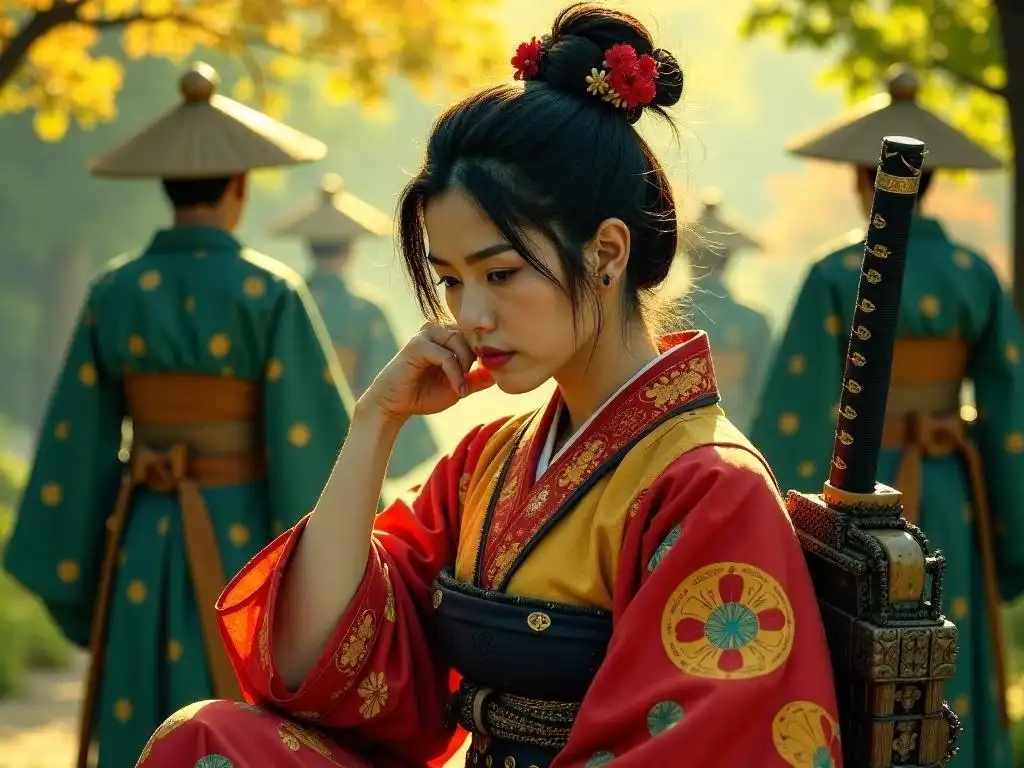
The role of women in samurai culture is often shrouded in myths and misconceptions, leading to a distorted understanding of their true influence and contributions. While the samurai are predominantly depicted as male warriors, women played critical roles both within the family and in society, challenging the notion of their invisibility in this era. Here, we will explore common misconceptions and the realities of women's roles in samurai life.
Common Misconceptions About Female Samurai
Many people assume that women had little to no involvement in samurai culture, primarily viewing the samurai class as a male-dominated sphere. This stereotype is misleading and fails to recognize the diverse roles women occupied. Here are a few prevalent misconceptions:
-
Women Were Completely Excluded from Warfare:
While it is true that men were the primary warriors on the battlefield, women also participated in combat under certain circumstances. Some women, known as onna-bugeisha, were trained in martial arts and could defend their homes and families when necessary. Notable figures like Tomoe Gozen, a legendary warrior during the Genpei War, exemplify the capability and valor of female samurai.
-
Women Were Only Caregivers:
The stereotype that women were solely responsible for domestic duties undermines their active participation in governance and strategy. Women often managed household affairs and made significant decisions, particularly during the absence of their husbands. For instance, women in the samurai class could inherit property and were involved in negotiations, showcasing their influence beyond the home.
-
All Samurai Women Were Passive:
The portrayal of samurai women as passive and submissive is a simplification of their roles. In reality, many women were formidable in their own right. They were educated, skilled in arts such as poetry and calligraphy, and influential in cultural matters. Their contributions to society extended beyond the battlefield, shaping the cultural landscape of the time.
The Reality of Women's Roles in Samurai Life
The reality of women's roles in samurai life is much more nuanced than popular myths suggest. Women in the samurai class experienced various responsibilities and opportunities that contributed to their families and society.
1. Educators and Cultural Custodians
Women were often responsible for educating their children, particularly in the arts and moral values. This role was crucial in ensuring the continuation of samurai traditions and ethics. They were instrumental in transmitting knowledge about the bushido code and cultural practices, fostering a sense of honor and duty in the next generation.
2. Political Players
Women could wield significant political power, particularly in the context of managing estates. In times of conflict, women often took on leadership roles, overseeing their family's affairs and alliances. For example, Hojo Masako, the wife of a shogun, was a key political figure who influenced the Kamakura shogunate's policies and decisions.
3. Defenders of the Home
In times of war, when men were away, women were tasked with defending their homes. This often meant taking up arms and leading forces in the absence of male warriors. Historical records indicate that women took up the sword to protect their families and estates, demonstrating their bravery and resilience in the face of danger.
4. Social and Economic Contributors
Women in samurai families often managed economic activities, such as trade and agriculture, ensuring the family's financial stability. Their involvement in these aspects was vital for the clan's overall prosperity, as they balanced domestic responsibilities with economic management.
The narrative of women in samurai culture is rich and multifaceted. Rather than being mere supporters or passive figures, women of the samurai class were active participants in various spheres, from education and politics to warfare and economic management. By understanding these realities, we can appreciate the significant influence women had in shaping the samurai era and its cultural legacy.
Legacy of Women in Samurai Culture
Lasting Influence on Modern Japanese Society
The legacy of women in samurai culture extends far beyond the feudal era, influencing various aspects of modern Japanese society. Women were not merely passive figures in the samurai household but played crucial roles that shaped the societal norms and values of their time. This influence can be seen today in several key areas:
- Cultural Heritage: Traditional arts such as tea ceremony (茶道, sadō), ikebana (flower arranging), and various forms of music and dance have roots in the practices of samurai women. These customs emphasize grace, discipline, and aesthetic appreciation, qualities that are still celebrated in modern Japan.
- Social Structures: The clan-based structure of samurai families has parallels in contemporary Japanese society. The concept of loyalty and duty, hallmarks of the samurai ethos, continues to resonate within family dynamics and corporate culture, influencing relationships and social expectations.
- Empowerment and Representation: The stories of women who wielded influence in samurai culture have inspired modern movements advocating for gender equality. Figures like Tomoe Gozen, a legendary female warrior, challenge the traditional narratives of Japan’s history and encourage a reevaluation of women's roles in society.
Through these lenses, the contributions of women in samurai culture provide a framework for understanding the evolution of gender roles in Japan. Their legacy is a testament to the strength and resilience of women, whose impact is felt in both historical and contemporary contexts.
Recognizing Women’s Contributions in Historical Narratives
Despite their significant roles, women’s contributions to samurai culture have often been overlooked in historical narratives. The traditional focus on male samurai figures tends to obscure the vital influence women had in both familial and social spheres. Recognizing these contributions requires a shift in perspective:
- Documentation of Female Samurai: It is essential to highlight the documented histories of women warriors, known as onna-bugeisha. Women like Nakano Takeko and Hojo Masako led battles and managed estates, illustrating their capabilities beyond the domestic sphere.
- Influence on Strategy and Politics: Women also played critical roles in political alliances and strategies. Marriages were often used as tools for forming alliances between samurai families, and women were pivotal in maintaining these relationships. Their involvement in negotiations and political decisions showcases their influence in shaping the samurai class.
- Challenging Historical Narratives: By incorporating women's stories into the broader historical narrative, scholars can provide a more nuanced understanding of the samurai era. This involves re-evaluating existing texts and exploring lesser-known accounts of women who contributed to Japan's feudal history.
Acknowledging the contributions of women in samurai culture not only enriches our understanding of the past but also empowers contemporary discussions about gender roles and representation in Japan. Their legacy serves as a reminder of the diverse experiences that have shaped the nation’s history, fostering a more inclusive narrative that honors all voices within the samurai tradition.
Conclusion: The Enduring Impact of Women in Samurai Culture
The role of women in samurai culture is often overshadowed by the more prominent narratives surrounding male warriors. However, a closer examination reveals that women were not only integral to the social fabric of feudal Japan but also played crucial roles in shaping the samurai ethos. From managing households to participating in military strategies, women contributed significantly to the legacy of the samurai class.
Reflecting on the Role of Women in Shaping Samurai History
Throughout the feudal era, women in samurai culture were not merely passive figures; they were active participants in both the domestic and martial spheres. Notable examples include:
- Warrior Women: Although rare, there were women who took up arms alongside their male counterparts. Figures such as Tomoe Gozen, a legendary female warrior, exemplify the martial prowess that some women exhibited. Their involvement in battles was not just an anomaly; it reflected a broader acceptance of women's capabilities in warfare during certain periods.
- Strategic Influence: Women often wielded significant influence behind the scenes. They were responsible for managing estates and resources, especially during times when men were away at war. This empowerment allowed them to make critical decisions that affected their families and retainers, thus shaping the socio-political landscape.
- Cultural Patrons: In addition to their roles in warfare and governance, women were also patrons of the arts and education. They played a vital role in the transmission of culture, ensuring the continuation of traditions, literature, and teachings that defined the samurai ethos. The nurturing of future generations through education and cultural practices was a fundamental aspect of their contribution.
Moving Forward: Acknowledging Women’s Influence in Historical Discourse
As we delve deeper into the history of feudal Japan, it is essential to reassess the narratives that have long marginalized the contributions of women. By recognizing their influence in samurai culture, we can foster a more nuanced understanding of the period. Key steps include:
- Incorporating Diverse Perspectives: Historical discourse should integrate the experiences and voices of women in samurai culture. This can be achieved through a careful examination of historical texts, artifacts, and oral traditions that highlight women's roles in their communities.
- Encouraging Further Research: Scholars and historians should prioritize research on women's contributions to samurai culture. This includes exploring lesser-known figures and stories that can provide a more comprehensive picture of feudal Japan.
- Raising Awareness: Educating the public about the significance of women's roles in samurai culture can shift prevailing perceptions. This can be facilitated through lectures, exhibitions, and publications that highlight the critical impact women had in shaping the samurai legacy.
The contributions of women in samurai culture are vital to understanding the complexities of feudal Japan. Their influence, often overlooked, deserves recognition and appreciation as we continue to explore the rich tapestry of this historical period. By acknowledging and celebrating the roles of women, we not only honor their legacy but also enrich our understanding of samurai history as a whole.
Frequently Asked Questions
What role did women play in Samurai culture?
Women in Samurai culture had a significant influence, often managing households and upholding family honor. They were also trained in martial arts, preparing them to defend their families during times of conflict.
Were women allowed to become Samurai?
While women could not officially become Samurai, they held important positions within the warrior class. Some women, known as Onna-bugeisha, were trained as warriors and participated in battles when necessary.
How did societal views on women in Samurai culture change over time?
Initially, women played a vital role in the Samurai class, but over time, their influence waned due to changing socio-political dynamics and the rise of Confucian ideals, which emphasized male dominance.
What were the expectations of Samurai women regarding family?
Samurai women were expected to be dedicated wives and mothers, managing the household and ensuring the continuity of family lineage. Their roles were critical in maintaining the family's status and social responsibilities.
How have modern perceptions of women in Samurai culture evolved?
Modern interpretations recognize the historical contributions and complexities of women's roles in Samurai culture, challenging the traditional narratives that often overlooked their significant impact on the warrior class.
Final Reflection: The Unseen Strength of Women in Samurai Culture
The influence of women in samurai culture is a testament to the often-overlooked roles that women played in shaping history. As we delve into the intricate tapestry of the samurai class, it becomes clear that their contributions were not merely peripheral but rather foundational to the ethos of loyalty, honor, and resilience that defined this warrior society. Today, as we seek to understand the complexities of gender roles in historical contexts, the recognition of women's impact in samurai culture serves as a powerful reminder of their enduring legacy.
Culture is not a monologue; it is a dialogue, and the voices of women in the samurai era continue to resonate in our contemporary discussions about gender and power. The stories of these women, whether as warriors, strategists, or caretakers, challenge the traditional narratives that often marginalize female contributions. They remind us that strength can manifest in various forms, and that the influence of women has been pivotal in shaping the values and practices of the samurai. As historian John W. Hall aptly noted, The samurai were not just men; they were a community, and women were integral to that community's survival and identity.
As we reflect on the lessons of the past, let us embrace the call to honor the contributions of women in all spheres of life. Consider how you can amplify the voices of those who have been historically silenced and recognize the strength that diversity brings to any community.
By acknowledging and celebrating the roles of women in samurai culture, we not only enrich our understanding of history but also inspire future generations to appreciate the multifaceted nature of strength and resilience. Let this be an invitation to explore, learn, and advocate for the recognition of women's influence in every aspect of our lives.
Embrace the Legacy: Honor Women's Role in Samurai History!
Thank you for exploring the captivating influence of women in the samurai class. Their stories are rich with resilience and strength, and we hope you feel inspired to appreciate and celebrate their contributions. Now, let's take action to honor this remarkable legacy!
- Dive Deeper: Read more about prominent women warriors from feudal Japan by exploring our dedicated articles—uncover inspiring tales that may surprise you!
- Share the Knowledge: Spread the word! Share this article with friends or on social media to spark conversations about the incredible roles women have played throughout history.
- Join Our Community: Engage with fellow history enthusiasts in our online forums—your insights and perspectives are invaluable in keeping these stories alive.
What insights can you share about how women's roles in the samurai class have influenced modern perceptions of gender in martial arts and history?