
The Silent Strength: Unveiling the Roles of Women in Feudal Japan

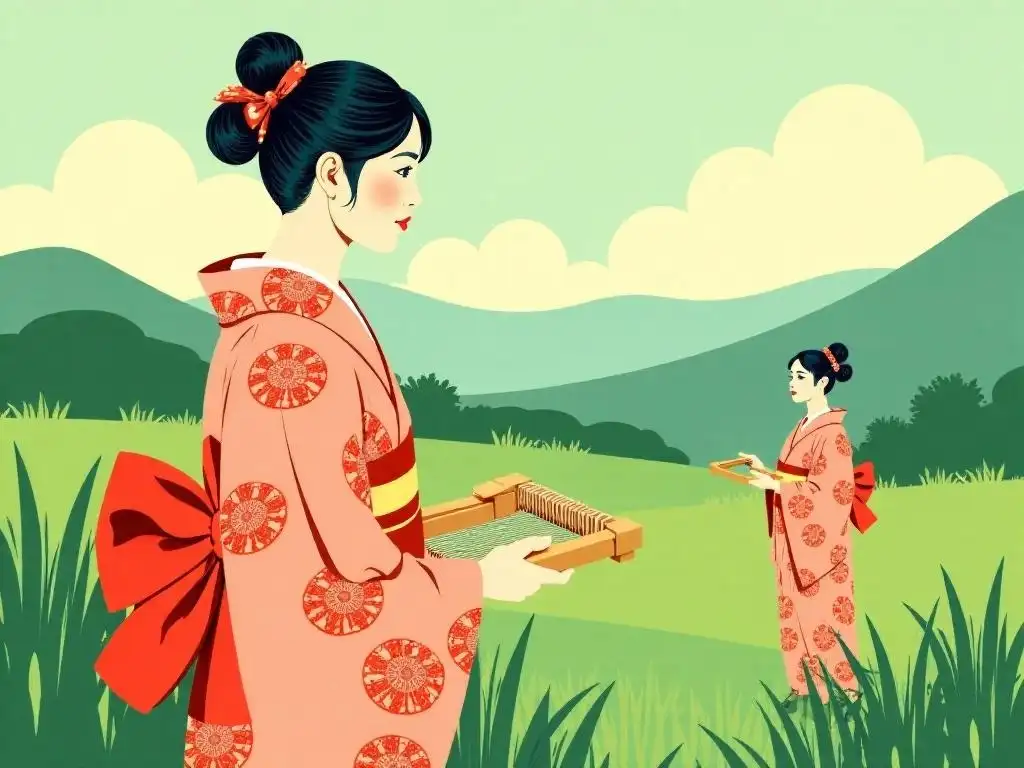
Welcome to Feudal Japan History! Here, we invite you to embark on a captivating journey through the intricate tapestry of Japan's feudal era. Our latest article, "The Silent Strength: Unveiling the Roles of Women in Feudal Japan," uncovers the often-overlooked narratives of women who played pivotal roles in shaping society, culture, and family life during this transformative period. What strengths did these women possess? Discover the hidden stories that challenge conventional perceptions and highlight the resilience and influence of women in a time dominated by samurai and shoguns. Dive deeper into the rich history that awaits you!
- Introduction to Women in Feudal Japan
- The Historical Context of Women in Feudal Japan
- The Diverse Roles of Women in Feudal Japan
- The Cultural Representation of Women in Feudal Japan
- The Legal Status of Women in Feudal Japan
- Challenges Faced by Women in Feudal Japan
- The Legacy of Women in Feudal Japan
- Conclusion: The Silent Strength of Women in Feudal Japan
- Frequently Asked Questions
- Final Reflection: The Enduring Legacy of Women in Feudal Japan
- Unveil the Power of Women's Roles in Feudal Japan!
Introduction to Women in Feudal Japan
The history of feudal Japan is often characterized by the prominence of samurai warriors, political intrigue, and the rigid social hierarchy that defined the era. However, a critical yet often overlooked aspect of this era is the multifaceted roles that women played in shaping society, culture, and family life.
This article, "The Silent Strength: Unveiling the Roles of Women in Feudal Japan," delves deep into the lives of women during this period, illustrating their influence and contributions amid the constraints of a patriarchal society. By examining historical records, cultural practices, and societal expectations, we aim to provide a comprehensive understanding of how women navigated their realities in feudal Japan.
Overview of the Feudal Era in Japan
The feudal era in Japan, spanning from the late 12th century to the early 19th century, was marked by a decentralized political structure dominated by military lords known as daimyōs and their retainers, the samurai. This period, commonly referred to as the Edo period, witnessed significant socio-economic and cultural developments.
- Political Structure:
- The shogunate system established a hierarchy where the shōgun held ultimate power, while the emperor was relegated to a ceremonial role.
- Daimyōs governed their domains with considerable autonomy, leading to a patchwork of local governance across Japan.
- Societal Class System:
- Society was organized into four main classes: samurai, farmers, artisans, and merchants, with women typically associated with the lower classes.
- Despite their class, women often held responsibilities that were vital to the economy and family structure.
- Cultural Developments:
- The era saw the flourishing of arts, literature, and philosophy, with women contributing to the cultural fabric through various means, including storytelling and textile arts.
Understanding the feudal era is essential for contextualizing the roles that women held, as their lives were intricately woven into the social, economic, and cultural tapestries of the time.
Importance of Understanding Women's Roles
Recognizing the roles of women in feudal Japan is crucial for several reasons:
- Historical Contribution: Women were not merely passive figures; they played active roles in family businesses, agriculture, and even in the arts. Their contributions laid the groundwork for many societal advancements.
- Cultural Legacy: The cultural practices and traditions that women maintained and passed down through generations have had a lasting impact on Japanese culture, influencing everything from cuisine to festivals.
- Social Dynamics: Analyzing women's roles provides insight into the broader social dynamics of feudal Japan, including the intersections of class, gender, and power.
- Challenging Stereotypes: By uncovering the narratives of women in feudal Japan, we challenge the often simplistic and male-centric portrayals of history, highlighting the complexities of their experiences.
Through this exploration, we aim to illuminate the silent strengths of women in feudal Japan, revealing their pivotal roles in shaping the historical landscape of the nation.
The Historical Context of Women in Feudal Japan
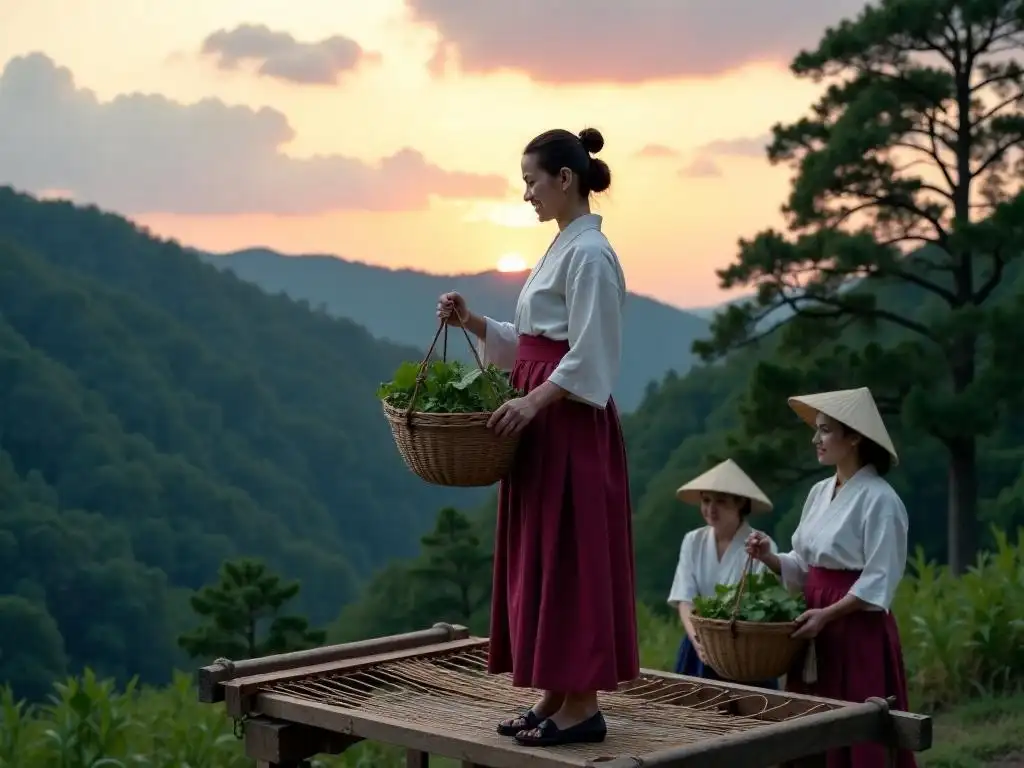
In feudal Japan, the social hierarchy was rigid and stratified, significantly influencing the roles and status of women across different classes. Society was predominantly organized under a confucian framework, where loyalty, duty, and family hierarchy were paramount. This structure created distinct roles for women, which varied considerably based on their social class—noble women, peasant women, and those from the merchant class.
Noble Women
Noble women, particularly those from the samurai class, occupied a unique yet constrained position. They were often educated in arts and literature, and their primary roles revolved around managing household affairs, raising children, and supporting their husbands in their duties. However, their autonomy was limited, as marriages were frequently arranged for political alliances rather than personal choice. Notably, the concept of "Onna Daigaku," or "The Great Learning for Women," emerged during this era, emphasizing virtues such as obedience, chastity, and diligence.
Peasant Women
In contrast, peasant women played a crucial role in agricultural production, often working alongside men in the fields. They were responsible for both household tasks and contributing to the family economy. The labor demands of rural life meant that women had a more active role, albeit without the rights and privileges enjoyed by noble women. They were vital in sustaining their families and communities, often taking charge of family businesses when men went to war or were away.
Merchant Women
Women from merchant backgrounds had slightly more freedom compared to their noble and peasant counterparts. They could engage in trade and manage businesses, especially in urban areas. However, societal norms still dictated that their roles be subordinate to men, and they were expected to uphold family honor through their behavior and choices.
Key Historical Events Influencing Women's Lives
Several key events throughout Japan's feudal era profoundly impacted women's roles and status. Understanding these events provides insight into how the societal structure evolved and how women navigated their lives within it.
The Genpei War (1180-1185)
The Genpei War marked a significant turning point in Japanese history, leading to the rise of the Kamakura shogunate. During this period, women from samurai families often took on roles as defenders of their homes and estates while their husbands were away at war. The legendary figure of Tomoe Gozen, a female warrior who fought bravely during the Genpei War, exemplifies the unexpected strength and agency that women could wield during turbulent times.
The Muromachi Period (1336-1573)
This period saw the emergence of the "ninja" and female warriors, known as "Onna-Bugeisha," who were trained in martial arts and combat. This era challenged traditional gender roles and allowed some women to gain recognition for their skills in battle. The rise of the tea ceremony also offered women a cultural platform to express themselves, gaining respect within the social hierarchy.
The Edo Period (1603-1868)
The Edo period brought about a shift towards more restrictive norms for women as the Tokugawa shogunate emphasized a rigid social order. While noble women were expected to adhere strictly to household duties, peasant women experienced increased workloads due to agricultural demands. However, this period also saw the flourishing of women's literature, such as "The Tale of Genji," allowing women to express their thoughts and experiences through writing.
Conclusion
Women in feudal Japan navigated a complex web of societal expectations and norms. While their roles were often constrained by the rigid social hierarchy, historical events and cultural shifts allowed for moments of agency and influence. By examining the historical context and the impact of key events, we can better understand the multifaceted lives of women in feudal Japan and their silent yet significant strength in shaping their world.
The Diverse Roles of Women in Feudal Japan
Women in Peasant Families
Daily Life and Responsibilities
Women in peasant families played a crucial role in the daily functioning of their households. Their responsibilities extended far beyond child-rearing, encompassing a wide range of tasks essential for familial survival. Typically, women managed the household, which included cooking, cleaning, and maintaining the home. Additionally, they were responsible for agricultural work, often working alongside their husbands in the fields.
- Childcare: Women took charge of raising children, which included teaching them essential skills for future responsibilities.
- Food Production: In addition to cooking, women were involved in planting, harvesting, and processing food, ensuring that their families had enough to eat throughout the year.
- Crafting and Weaving: Many women engaged in textile production, spinning thread and weaving cloth for clothing and other household items.
These daily responsibilities were vital, as peasant life was heavily dependent on agriculture and self-sufficiency.
Economic Contributions and Labor
The economic contributions of women in peasant families were significant. They not only participated in agricultural activities but also engaged in various forms of labor that bolstered the family’s income.
- Market Sales: Women often sold surplus produce and handcrafted goods at local markets, allowing families to supplement their income.
- Craft Production: Many women took on roles as artisans, creating items such as pottery, textiles, and tools, which were critical to both household needs and local economies.
- Community Support: Women's labor was often collaborative, as they would assist neighboring families during peak agricultural seasons, creating a strong sense of community and mutual support.
These economic activities demonstrated the integral role women played in sustaining their families and contributing to the local economy.
Women in Samurai Families
The Role of Women in Warrior Households
In samurai families, women held distinct roles that, while often centered on domestic responsibilities, also included significant influence within the household and the broader community. Samurai women were expected to uphold the family’s honor and manage household affairs, especially in the absence of their husbands.
- Household Management: Women were responsible for overseeing the household, including budgeting and managing servants, ensuring that everything operated smoothly.
- Education of Children: They played a pivotal role in educating their children, particularly instilling values of loyalty and honor, which were central to samurai culture.
- Strategic Alliances: Marriages were often arranged for political reasons, and women were key players in forging these alliances, thus influencing the power dynamics of their families.
These roles showcased the importance of women in maintaining the family's social status and influence.
Education and Cultural Contributions
Women in samurai families also contributed to the cultural and educational landscape of Feudal Japan. Their involvement in arts and education illustrated their multifaceted roles beyond mere domesticity.
- Literature and Arts: Many samurai women were educated and participated in cultural activities such as poetry, calligraphy, and the tea ceremony, which were not only personal pursuits but also enhanced their family’s social standing.
- Preserving Traditions: Women were often responsible for passing down traditions and cultural practices, ensuring that the values and customs of their families and communities endured.
- Influence on Samurai Ideals: Through their education and cultural participation, women influenced the moral and ethical frameworks of samurai society, often serving as examples of grace and resilience.
This involvement in cultural and educational spheres highlights the significant yet often overlooked contributions of women in samurai households to the broader cultural heritage of Feudal Japan.
Women in the Court and Nobility
Women in the court and nobility of feudal Japan played significant roles that often went unrecognized in historical narratives dominated by male figures. Within the imperial court, women were not merely consorts or passive figures; they were influential players in political and cultural realms. The most prominent among them were the empresses and noblewomen, whose status allowed them to wield considerable power behind the scenes. They often managed household affairs, engaged in diplomatic relations, and acted as advisors to their male counterparts.
One notable example is Empress Jitō, a ruler during the Nara period who actively participated in governance and policy-making. Nobility women, such as the daughters of powerful samurai families, were also strategically married to strengthen alliances, thereby impacting political landscapes and ensuring the survival of their clans. These women often had a profound understanding of political dynamics, demonstrating that their influence extended beyond traditional roles.
Influence in Politics and Governance
The influence of women in feudal Japan extended into various aspects of politics and governance, reflecting their importance in shaping the socio-political landscape. Though women were largely excluded from formal positions of power, they often operated within the confines of their households and familial structures, exerting influence through strategic marriages and alliances.
For instance, women of the samurai class managed their family’s estates, especially during times when their husbands were away at war. This allowed them to make crucial decisions regarding resource management and local governance. Furthermore, women like Hojo Masako, a powerful figure during the Kamakura period, took on a more direct role in governance following her husband's death. As a regent, she was instrumental in stabilizing the shogunate and influencing the political climate of her time.
In addition, noblewomen were often tasked with the education of their children, instilling in them the values and political ideologies that would guide future leaders. This role underscored their indirect but significant influence on the next generation of political figures in feudal Japan.
Artistic and Cultural Achievements
Women in feudal Japan made vital contributions to artistic and cultural achievements, enriching the cultural fabric of the society. Their involvement in literature, arts, and crafts is a testament to their creativity and skill. Notably, women were prolific writers and poets, with works that often reflected their unique perspectives and experiences. The "Tale of Genji," attributed to Murasaki Shikibu, remains one of the most celebrated literary masterpieces of the Heian period. This novel not only highlights the depth of female literary talent but also explores the complexities of court life from a woman's viewpoint.
In addition to literature, women were key figures in traditional arts such as ikebana (flower arranging), tea ceremonies, and textile arts. The production of silk and textiles was a significant industry, and women played a central role in weaving and dyeing fabrics, which were highly valued in both domestic and international markets.
Moreover, women contributed to the cultural practices surrounding festivals and rituals, often serving as caretakers of religious sites and participating in ceremonial events. This involvement not only affirmed their societal roles but also showcased their importance in maintaining the cultural heritage of feudal Japan. Through these artistic and cultural endeavors, women left an indelible mark on the historical narrative, showcasing their silent yet powerful strength in the fabric of Japanese society.
The Cultural Representation of Women in Feudal Japan
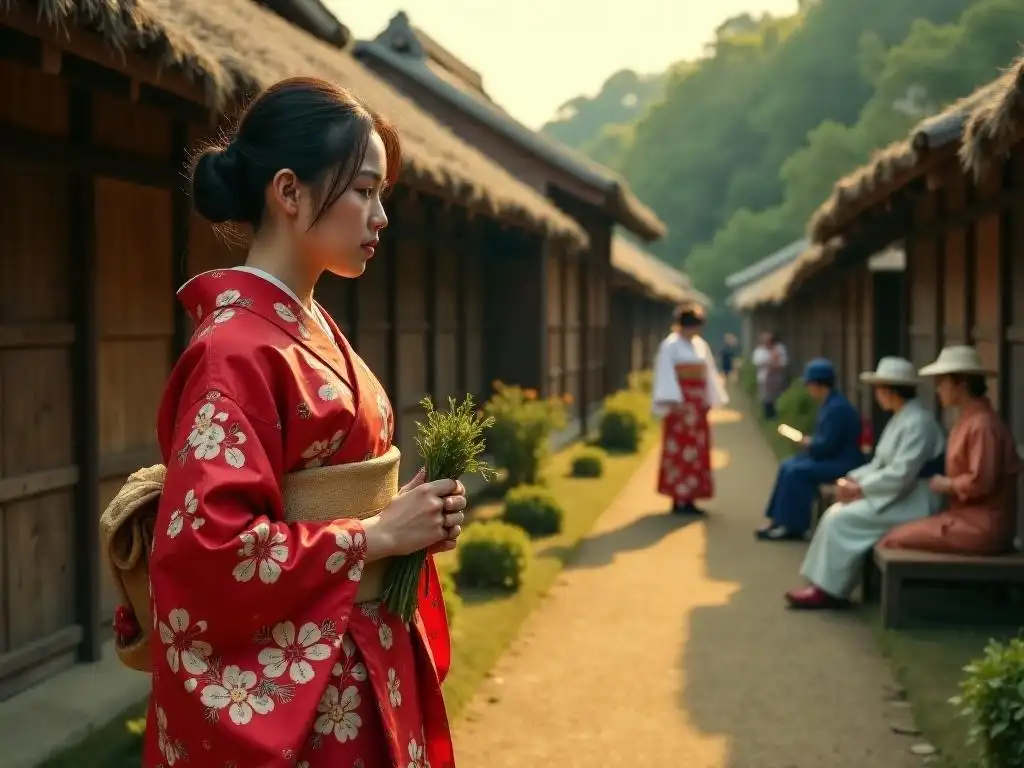
Literature and Arts Depicting Women
The portrayal of women in feudal Japan is richly interwoven into the fabric of its literature and arts. From the Heian period (794-1185) onward, women were depicted as complex characters within various literary works. Notably, The Tale of Genji, authored by Murasaki Shikibu, offers profound insights into the lives of noble women, highlighting their emotional depth, aspirations, and societal constraints. This classic work showcases women as not only passive figures but as individuals with desires, intellect, and agency.
In addition to literature, ukiyo-e, the famous woodblock prints, also played a pivotal role in representing women. Artists like Kitagawa Utamaro focused on portraying women in intimate settings, emphasizing their beauty and grace. These prints often reflected the reality of women's lives in the Edo period (1603-1868), capturing both their daily activities and their roles as entertainers in the floating world (ukiyo). The aesthetic of these artworks contributed to a romanticized view of women, while simultaneously highlighting their importance in societal and cultural spheres.
Furthermore, the poetry of the time, particularly waka and haiku, often featured women’s perspectives. Female poets such as Sei Shonagon and Izumi Shikibu wrote verses that illuminated their inner thoughts and emotions, providing a window into the female experience during this era. These literary forms not only celebrated the beauty of nature and love but also included reflections on the challenges women faced.
The Role of Women in Traditional Japanese Theater
Traditional Japanese theater, particularly Noh and Kabuki, represents another significant arena where women’s roles were both highlighted and constrained. In the early days of Noh, women performed alongside men, portraying various characters, including deities and historical figures. However, as the art form evolved, women were banned from performing on stage in the Edo period, leading to the rise of male actors known as onnagata, who specialized in playing female roles. This practice not only reinforced gender norms but also created a unique portrayal of femininity through the lens of male actors.
In contrast, Kabuki emerged as a more vibrant and accessible form of theater in the early 17th century. Initially, women performed in Kabuki, but similar to Noh, they were soon prohibited from the stage due to concerns about morality and the perception of women in public spaces. This led to the establishment of male actors who took on female roles, creating a stylized interpretation of womanhood. The exaggerated movements and makeup used by onnagata actors contributed to a theatrical representation of women that emphasized beauty and emotionality, reflecting societal ideals while simultaneously critiquing the roles women played in society.
Despite the limitations placed on women's participation in these theatrical forms, the narratives often centered around themes of love, loyalty, and sacrifice, resonating with the audience and giving voice to the struggles and strengths of women in feudal Japan. The legacy of these performances continues to influence contemporary representations of women in Japanese culture, underscoring the enduring impact of the feudal era on modern societal perceptions.
The Legal Status of Women in Feudal Japan
The legal status of women in Feudal Japan was complex and varied significantly across different social classes and periods. While women were often relegated to traditional roles within the family and society, their legal rights and status were not entirely absent. Understanding the legal framework governing women in this era is essential for comprehending their positions within the family and society at large.
Marriage and Family Structures
In Feudal Japan, marriage was predominantly an arrangement made by families for economic and social stability rather than a romantic union. Women were often married at a young age, typically between 13 and 16, while men generally married later, often in their twenties. The following key points illustrate the dynamics of marriage and family structures:
- Patriarchal Society: The family unit was patriarchal, with the husband as the head of the household. Women were expected to be obedient and supportive of their husbands.
- Marriage Types: There were primarily two types of marriages:
- Irredeemable Marriage (Mukoiri): This involved the husband moving into the bride's family home. It was often practiced among samurai families.
- Bride Price (Tsuma-dai): In this arrangement, the groom’s family would pay a dowry to the bride’s family, establishing a formal alliance.
- Role of Women in Families: Women were primarily responsible for managing the household, raising children, and ensuring family welfare. Their roles were crucial in maintaining the family’s honor and reputation.
Despite the seemingly limited agency, women could exert influence within the family, particularly in the upbringing of children and in managing household affairs. Additionally, elite women, especially those from samurai families, sometimes wielded significant power in family decisions and could act as political agents.
Property Rights and Inheritance Laws
The property rights and inheritance laws for women in Feudal Japan were largely dictated by their social class and the prevailing customs of their region. While women’s rights were typically limited, certain legal provisions did allow them to own and inherit property:
- Inheritance Practices: Women could inherit property, especially in cases where there were no male heirs. This was particularly true in the case of peasant families where daughters might receive land or assets.
- Samurai Class: In the samurai class, women often had a more complex relationship with property. While they could inherit, the expectation was that they would manage the household rather than engage in direct economic activities.
- Legal Autonomy: Women could have legal representation and, in some cases, could initiate lawsuits. However, their legal autonomy was often constrained by societal norms and expectations.
| Aspect | Details |
|---|---|
| Property Ownership | Allowed under certain circumstances, especially in the absence of male heirs. |
| Inheritance Rights | Varied by class; daughters could inherit in peasant families but faced restrictions in samurai households. |
| Legal Representation | Women could have representation in court, though societal pressures often limited their autonomy. |
While the legal status of women in Feudal Japan was primarily defined by patriarchal norms and societal expectations, there were nuances that allowed for varying degrees of agency and autonomy. Understanding these legal frameworks sheds light on the broader roles women played in shaping Japanese society during this era.
Challenges Faced by Women in Feudal Japan
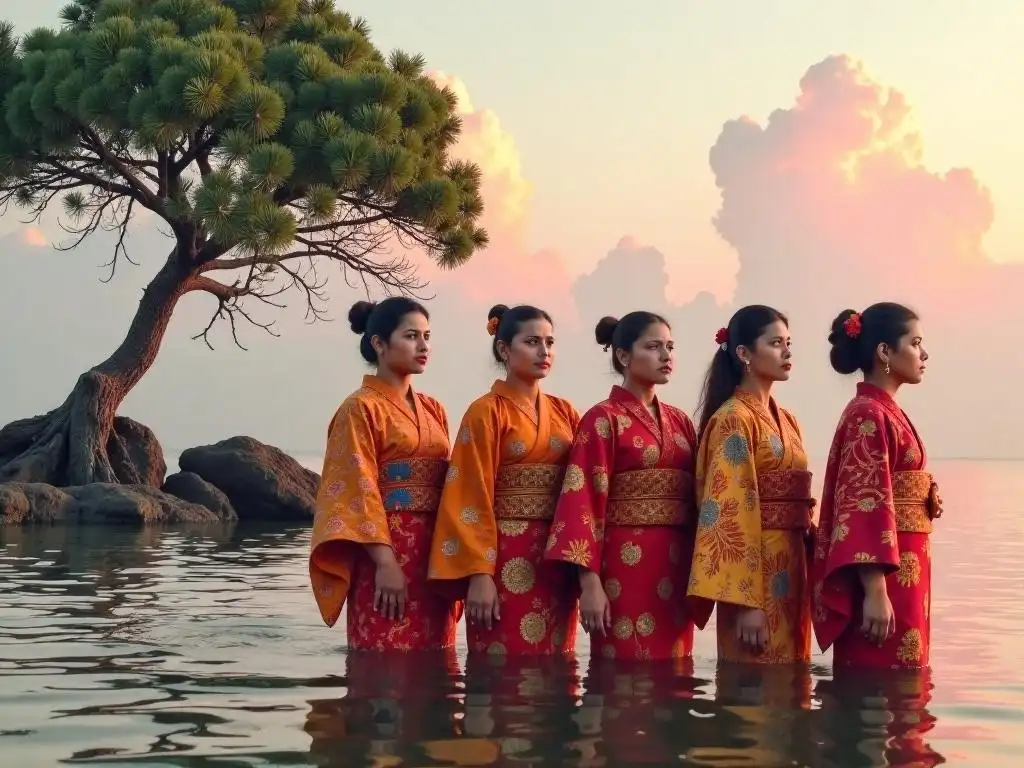
Women in Feudal Japan navigated a complex web of societal norms, expectations, and limitations that shaped their roles and experiences within the family and society at large. Despite their contributions to various aspects of life, women faced significant challenges that often hindered their autonomy and agency.
Societal Expectations and Limitations
The societal structure of Feudal Japan was heavily influenced by Confucian ideals, which emphasized a patriarchal framework. Women were often expected to conform to specific roles that prioritized obedience and subservience, primarily as wives and mothers. This expectation was encapsulated in the term "Onna no Seki," which translates to "the woman's place."
- Marriage and Family: Marriage was not a matter of personal choice but rather a strategic alliance. Families arranged marriages to secure political or economic advantages, often disregarding the desires of the women involved. Once married, a woman's primary role was to bear children, particularly male heirs, ensuring the continuation of the family line.
- Education and Literacy: Access to education for women was limited. While some women in samurai families received education in literature and the arts, most were denied formal schooling, limiting their ability to engage in intellectual pursuits and reducing their societal influence.
- Legal Status: Legally, women were subordinate to men. They could not inherit property in many cases, and their rights were largely determined by their relationship to male guardians. This dependency on male family members often left women vulnerable, as their social and economic status was tied to the men in their lives.
The societal limitations imposed on women were further compounded by the expectation that they should embody virtues such as modesty, chastity, and loyalty. Failure to adhere to these ideals could result in severe social ostracism or personal shame.
The Impact of War and Conflict
The constant state of conflict during Japan's feudal era, particularly during the Sengoku period (1467-1603), had profound implications for women. While war typically exacerbated the challenges faced by women, it also created unique circumstances that allowed some to assert agency.
- Displacement and Survival: The upheaval caused by war often forced women to take on new responsibilities. With many men away fighting, women became the primary caretakers of households and family businesses. This shift required them to develop skills in management and resourcefulness that were previously undervalued.
- Role as Defenders: Some women, particularly within samurai families, took on the role of defenders. Historical accounts suggest that women participated in battles, particularly in the defense of their homes. For example, the legendary figure Tomoe Gozen is celebrated for her bravery and martial prowess during the Genpei War (1180-1185), challenging the notion that women were merely passive during conflict.
- Political Influence: In times of instability, women could wield significant political influence, especially when acting as regents or advisors in the absence of male family members. Figures like Hojo Masako, the wife of Minamoto no Yoritomo, played pivotal roles in maintaining power and ensuring the survival of their dynasties during turbulent periods.
While war often brought hardship, it also provided women with opportunities to redefine their roles and assert their presence in a society that sought to silence them. Overall, the challenges faced by women in Feudal Japan were multifaceted, shaped by societal expectations and the tumultuous backdrop of conflict, ultimately contributing to a complex narrative of resilience and strength.
The Legacy of Women in Feudal Japan
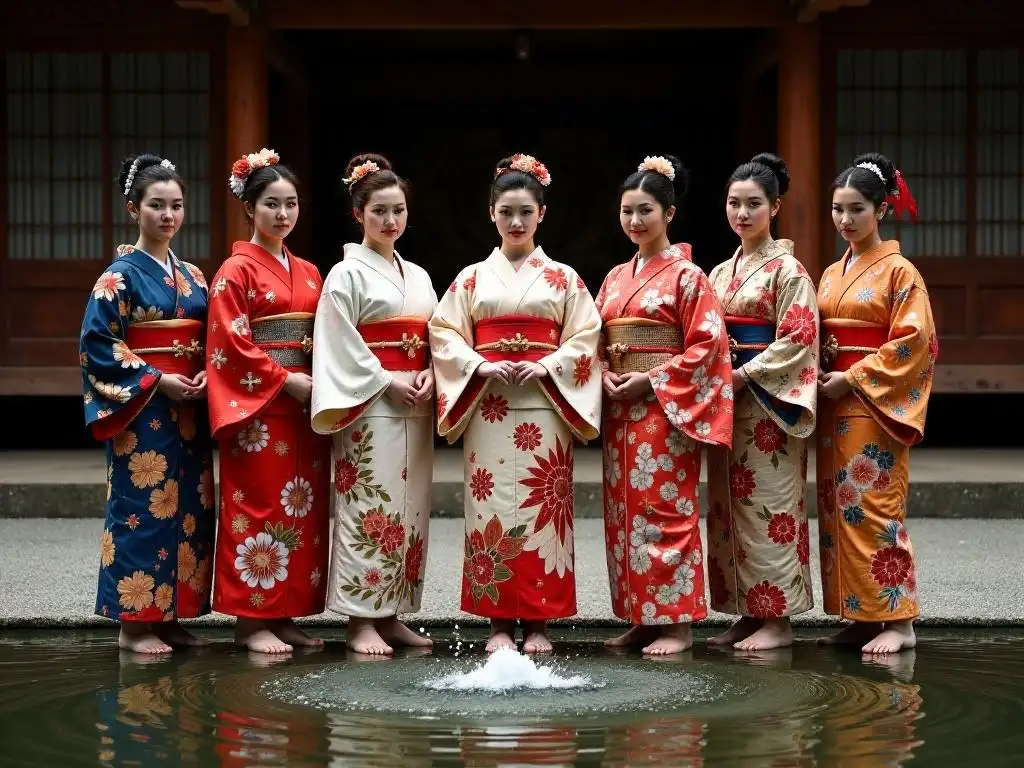
The legacy of women in Feudal Japan is a multifaceted tapestry woven from threads of cultural, social, and economic influences. Despite the overshadowing male-centric narratives of samurai warriors and powerful shoguns, women played crucial roles that shaped the very fabric of society during this period. Their contributions, often overlooked, laid the groundwork for future generations and continue to resonate in modern Japan.
Influences on Modern Japanese Society
The roles of women in Feudal Japan have had lasting impacts on contemporary Japanese society. While the rigid class structures and gender roles of the feudal era may seem distant, many of the values and practices established during this time persist today.
- Cultural Preservation: Women were often the custodians of cultural traditions, passing down knowledge and skills through generations. For instance, practices such as tea ceremonies and various arts, including weaving and calligraphy, were primarily taught and maintained by women. This emphasis on cultural heritage remains evident in modern Japan, where traditional arts continue to flourish.
- Economic Contributions: Women in Feudal Japan often managed households and contributed to agricultural production. Their involvement in family businesses and local markets helped sustain communities. This economic role has evolved, yet women today still play vital roles in both the workforce and family economics, often balancing careers with domestic responsibilities.
- Social Structures: The hierarchical social structures of the feudal period, while oppressive, also allowed women to assert influence within their households. Matrilocality, where a woman remained in her family home after marriage, was practiced among certain classes, allowing women to maintain bonds with their birth families. This practice has influenced modern family dynamics and relationships in Japan.
- Education and Literacy: Women were encouraged to learn reading and writing, particularly in the samurai class, where wives were educated to manage estates and engage in correspondence. This focus on female education has contributed to Japan's high literacy rates today, with women actively participating in various educational fields.
Recognizing the Contributions of Women in History
Recognizing the contributions of women in Feudal Japan is essential for a comprehensive understanding of the era. While historical records often highlight male figures, women’s roles were integral to the societal framework and should not be ignored.
- Historical Figures: Notable women, such as Tomoe Gozen, a legendary female warrior, and Hojo Masako, who wielded significant political power as the wife of the shogun, exemplify the strength and influence women held. Their stories serve as reminders that women were not merely passive figures but active participants in the historical narrative.
- Documentation and Literature: Women contributed to literature and the arts, creating works that reflected their perspectives and experiences. The Tale of Genji, considered one of the first novels in the world, was written by Murasaki Shikibu, a noblewoman whose insights into court life provide valuable context for understanding the complexities of female existence in feudal Japan.
- Historical Revisionism: Contemporary historians are increasingly recognizing and documenting the roles of women in this era, challenging traditional narratives that have marginalized their contributions. This ongoing effort to uncover and celebrate the histories of women enhances our understanding of the past and informs current discussions about gender roles in society.
The legacy of women in Feudal Japan is rich and impactful, offering insights that extend into modern society. Acknowledging their contributions not only honors their historical significance but also empowers contemporary discussions about gender equality and societal roles in Japan today.
Conclusion: The Silent Strength of Women in Feudal Japan
Summary of Key Roles and Contributions
Throughout the feudal era in Japan, women played multifaceted roles that were often overlooked in mainstream historical narratives. Their contributions spanned various domains, including family, agriculture, and even warfare.
- Family and Household Management:
- Women were the backbone of family life, responsible for managing household affairs, raising children, and ensuring the continuity of family traditions. In many cases, they were the primary caregivers and educators, instilling values and skills in the next generation.
- Notably, during periods when men were away for extended periods due to military service or trade, women took on even greater responsibilities, managing farms and businesses.
- Economic Contributions:
- Women in feudal Japan played a crucial role in agriculture, contributing significantly to rice production and other forms of sustenance. Their labor was essential for the economic stability of rural communities.
- In urban settings, women engaged in various trades, from textiles to ceramics, showcasing their skills and providing for their families through their craftsmanship.
- Warfare and Politics:
- While often relegated to the background, some women actively participated in warfare. Notable figures like Tomoe Gozen exemplified this, serving as skilled warriors during the Genpei War.
- Women also wielded political influence, particularly among the samurai class. They could manage lands and engage in strategic marriages, which were vital for consolidating power and securing alliances.
These roles illustrate that women were not mere bystanders in history but rather integral to the fabric of feudal society in Japan. Their silent strength shaped familial, economic, and political landscapes, contributing to the era's stability and development.
The Importance of Reevaluating Women's History in Japan
Reevaluating the roles of women in feudal Japan is essential for several reasons:
- Challenge Stereotypes: Traditional narratives often depict women as passive figures, overshadowed by the exploits of men. By highlighting women's contributions, we challenge these stereotypes and recognize them as active participants in their own right.
- Cultural Heritage: Understanding the roles of women enriches our comprehension of Japan's cultural heritage. Women were custodians of various cultural practices, from arts to rituals, and their perspectives are crucial for a holistic view of Japanese history.
- Inspiration for Modern Society: The resilience and resourcefulness of women in feudal Japan can inspire contemporary discussions on gender roles and equality. Their stories serve as reminders of the strength found in diversity and collaboration, encouraging modern society to appreciate and support women's contributions in all fields.
The roles of women in feudal Japan were characterized by silent strength and resilience. Acknowledging their contributions enriches our understanding of social history and paves the way for a more inclusive narrative that honors the complexity of human experiences throughout time.
Frequently Asked Questions
What were the primary roles of women in feudal Japan?
Women in feudal Japan held varied roles depending on their social class, often managing households, supporting agricultural work, and sometimes participating in family businesses.
The social class significantly influenced women's status; noblewomen enjoyed more privileges and education, while peasant women focused primarily on domestic duties and labor.
Were women in feudal Japan involved in politics?
Yes, some women, particularly those from samurai families, were involved in politics, often acting as strategists or advisors to their male relatives during conflicts.
Did women in feudal Japan have any legal rights?
Women in feudal Japan had limited legal rights, with inheritance primarily favoring males; however, some women could inherit property and manage their finances, especially in noble families.
How did the perception of women change over the course of feudal Japan?
Over time, the perception of women shifted from respected figures in the household and community to more restricted roles, especially during the later periods of feudalism, as patriarchal norms intensified.
Final Reflection: The Enduring Legacy of Women in Feudal Japan
The exploration of women's roles in Feudal Japan reveals a profound truth: their contributions, often overlooked, were pivotal to the fabric of society. Today, as we strive for gender equality and recognition of women's achievements across cultures, understanding the historical context of women's strength and resilience in Feudal Japan becomes increasingly relevant. The silent strength of these women not only shaped their families and communities but also laid the groundwork for future generations to challenge societal norms.
Culture and social dynamics are continuously influenced by the narratives we choose to highlight or suppress. The stories of women in Feudal Japan, from the skilled artisans to the influential matriarchs, remind us that women's voices have always been integral to history, even when they remained silent. The history of women is the history of humanity.
This quote encapsulates the essence of our understanding that the contributions of women are not merely footnotes in history but are foundational to our collective identity.
As we reflect on the lessons gleaned from the lives of these remarkable women, let us take a moment to consider how we can honor their legacy in our own lives. I invite you to explore the silent strengths within your community and recognize the often-unseen contributions of women around you. By acknowledging and celebrating these roles, we can foster a more inclusive narrative that empowers future generations to continue the work of those who came before us.
Unveil the Power of Women's Roles in Feudal Japan!
Thank you for taking the time to explore the profound impact women had during the feudal era in Japan. We hope you discovered the remarkable strength and resilience that shaped history! Now, let’s take this journey a step further and ignite your curiosity even more.
Here’s how you can continue your exploration:
- Dive deeper into specific stories of influential women from this period— explore biographies or adaptations that bring their legacies to life.
- Share this article with friends or on social media to spark conversations about gender roles in history— who knows what insights others may offer?
- Join our community focused on the history of feudal Japan by subscribing for more in-depth articles and discussions— connect with fellow history enthusiasts!
As you reflect on the unique contributions of women in feudal Japan, consider this: What contemporary lessons can we draw from their experiences to empower women today? Your thoughts could spark a rich discussion!