
The Impact of Confucianism on Women’s Roles in Feudal Society


Welcome to Feudal Japan History, where we invite you to embark on a captivating journey through the intricacies of Japan's feudal era. In our exploration of the social history that shaped this remarkable period, we delve into the profound impact of Confucianism on women’s roles in feudal society. How did this philosophical framework influence the lives and status of women during an age of rigid hierarchies and cultural transformations?
Unlock the answers as you navigate through our expert-driven articles, designed to deepen your understanding of this fascinating chapter in history. Continue reading to discover the untold stories that lie at the intersection of tradition and transformation!
- Introduction to Confucianism and Feudal Society
- Confucianism Influence on Feudal Women
- The Social Structure of Feudal Japan
- Confucianism and Women’s Education
- Marriage and Family Dynamics Under Confucianism
- Confucianism's Influence on Women’s Rights and Freedoms
- Conclusion: Lasting Impact of Confucianism on Women in Feudal Society
-
Frequently Asked Questions
- What was the role of women in feudal Japan?
- How did Confucianism shape women's roles in feudal society?
- Were there any exceptions to the typical roles of women in feudal Japan?
- How did Confucian values affect education for women in feudal Japan?
- What legacy did Confucianism leave on women's status in modern Japan?
- Final Reflection: The Enduring Influence of Confucianism on Women in Feudal Society
- Empower Yourself by Embracing Wisdom of the Past!
Introduction to Confucianism and Feudal Society
The interplay between Confucianism and the societal structures of feudal Japan presents a fascinating area of study, particularly concerning the roles of women. Confucianism, a philosophical system founded by Confucius, emphasizes hierarchy, order, and moral conduct, which significantly influenced various societies, including Japan.
During the feudal era, which spanned from the 12th to the 19th centuries, the rigid social stratification and the strong emphasis on familial duty and loyalty further shaped the experiences of women within these societal confines. This article delves into the Confucian influence on feudal women, exploring how these philosophical tenets permeated the social fabric, defining expectations, rights, and responsibilities for women during this pivotal period in Japanese history.
Overview of Confucianism
Confucianism is rooted in the teachings of Confucius, who lived in the 5th century BCE. It emphasizes several core principles, including:
- Ren (仁): The virtue of benevolence or humaneness towards others.
- Li (礼): The importance of rituals and proper conduct in maintaining social order.
- Xiao (孝): Filial piety, or respect and duty towards one's parents and ancestors.
These concepts collectively foster a hierarchical worldview, where each member of society has a defined role. In this context, women were often seen primarily in terms of their relationships to men—mothers, daughters, and wives—rather than as individuals with their own rights and identities. This perspective deeply influenced the status and roles of women in feudal Japan, manifesting in various cultural practices and societal expectations.
The Feudal System in Japan
The feudal system in Japan was characterized by a rigid class structure, primarily consisting of the following groups:
- Emperor: The nominal ruler, viewed as a divine figure.
- Shogun: The military leader who wielded actual power.
- Daimyo: Feudal lords who controlled land and samurai.
- Samurai: The warrior class who served the daimyo.
- Peasants: The majority of the population, responsible for agriculture.
Within this hierarchy, women's roles were often subordinate to those of men. Their primary responsibilities revolved around domestic duties, child-rearing, and supporting their husbands in maintaining household and familial honor. The Confucian values of loyalty and obedience further reinforced these roles, dictating that women should prioritize their duties to their families above all.
Importance of Women’s Roles in Feudal Society
Despite the constraints placed upon them, women played crucial roles in the feudal society of Japan:
- Family and Lineage: Women were responsible for raising children and managing household affairs, ensuring the continuation of family lineage and traditions.
- Economic Contributions: Many women engaged in agricultural work, textile production, and other crafts, contributing significantly to the household economy.
- Cultural Preservation: Women often served as the bearers of cultural practices and traditions, passing down knowledge and skills from generation to generation.
The impact of Confucianism on women’s roles in feudal Japan cannot be overstated. It shaped their responsibilities and expectations, intertwining their identities with their familial roles while also highlighting their essential contributions to society. Understanding this dynamic is key to examining the broader social history of feudal Japan and the evolution of women’s roles throughout the centuries.
Confucianism Influence on Feudal Women
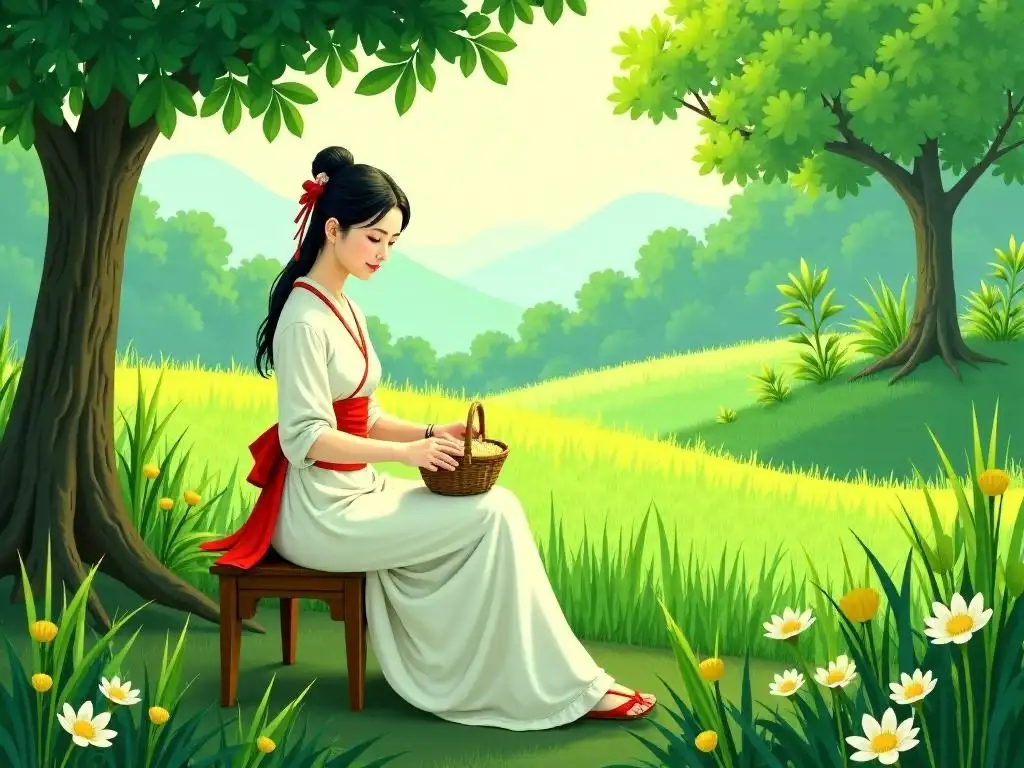
Confucianism, a philosophical system originating from the teachings of Confucius in the 5th century BCE, has played a significant role in shaping social structures and cultural norms across East Asia, including Japan. Its influence on women's roles during the feudal era was profound, embedding specific expectations and responsibilities into the fabric of society. This section examines the core principles of Confucianism, its views on gender roles, and the historical context surrounding its introduction to Japan, ultimately illustrating how these elements collectively influenced the lives of women in feudal society.
Core Principles of Confucianism
At the heart of Confucianism are several core principles that emphasize social harmony, moral integrity, and the importance of hierarchical relationships. Below are key tenets that relate to the influence on women's roles:
- Ren (仁): Often translated as "benevolence" or "humaneness," ren emphasizes compassion and empathy in interpersonal relations. This principle encouraged women to be nurturing figures within the family structure.
- Li (礼): This concept focuses on rituals, propriety, and social etiquette. Women were expected to embody these values, maintaining decorum and fulfilling their roles within the household.
- Xiao (孝): The virtue of filial piety underscores the importance of respect for one's parents and ancestors. Women were often seen as the primary caregivers responsible for instilling these values in the next generation.
- Zhong (忠): Loyalty, especially to the family unit, was a significant expectation placed upon women. Their loyalty was crucial in maintaining the family lineage and social status in a patriarchal society.
These principles not only defined ethical behavior but also reinforced gendered expectations, effectively shaping the roles women were to fulfill within the family and society at large.
Confucian Views on Gender Roles
Confucian thought established a distinct framework for gender roles that persisted throughout the feudal era. The following aspects highlight how these views impacted women:
- Subordination to Men: Confucianism inherently positioned women as subordinate to men, which was reflected in the social hierarchy. Women were expected to obey their fathers, husbands, and eventually their sons, with little agency over their own lives.
- Domestic Sphere: Women were largely confined to the domestic sphere, where their primary duties revolved around child-rearing, household management, and upholding family honor. This confinement limited their participation in public life and education.
- Marriage and Family: Marriage was seen as a means to secure alliances and improve familial status. Women were often married at a young age, and their roles as wives were defined by their ability to produce male heirs, which was crucial for family lineage continuation.
- Education and Virtue: While education was generally reserved for men, Confucian teachings encouraged certain forms of education for women, particularly in areas related to domestic skills and moral instruction. The ideal woman was expected to embody virtues such as chastity, loyalty, and obedience.
These perspectives contributed to a societal framework that restricted women's roles, reinforcing a patriarchal order that defined the feudal era.
Historical Context: Confucianism's Introduction to Japan
Confucianism was introduced to Japan during the Tang dynasty (618–907 CE) through cultural exchanges with China. Its principles became more prominent during the Kamakura period (1185–1333), coinciding with the rise of the samurai class and the establishment of feudalism in Japan. Several factors influenced its acceptance and adaptation:
- Cultural Exchange: As Japanese scholars studied Chinese texts, Confucian ideas began to permeate Japanese society, influencing governance, ethics, and social relationships.
- Political Stability: The samurai class adopted Confucian ideals to promote loyalty and hierarchical relationships within their ranks, further embedding these principles into the societal structure.
- Integration with Shinto and Buddhism: Confucianism did not replace existing belief systems but rather integrated with Shinto and Buddhism, creating a unique blend that shaped Japanese culture and values.
- Influence on Education: Confucianism's emphasis on education led to the establishment of schools, where both boys and, to a lesser extent, girls were taught moral teachings, albeit with a focus on domestic virtues for women.
Through these dynamics, Confucianism significantly influenced the roles of women in feudal Japan, embedding gendered expectations into a society that valued hierarchy, family loyalty, and moral conduct. The legacy of this influence continues to be felt in contemporary discussions about gender roles and cultural norms in Japan today.
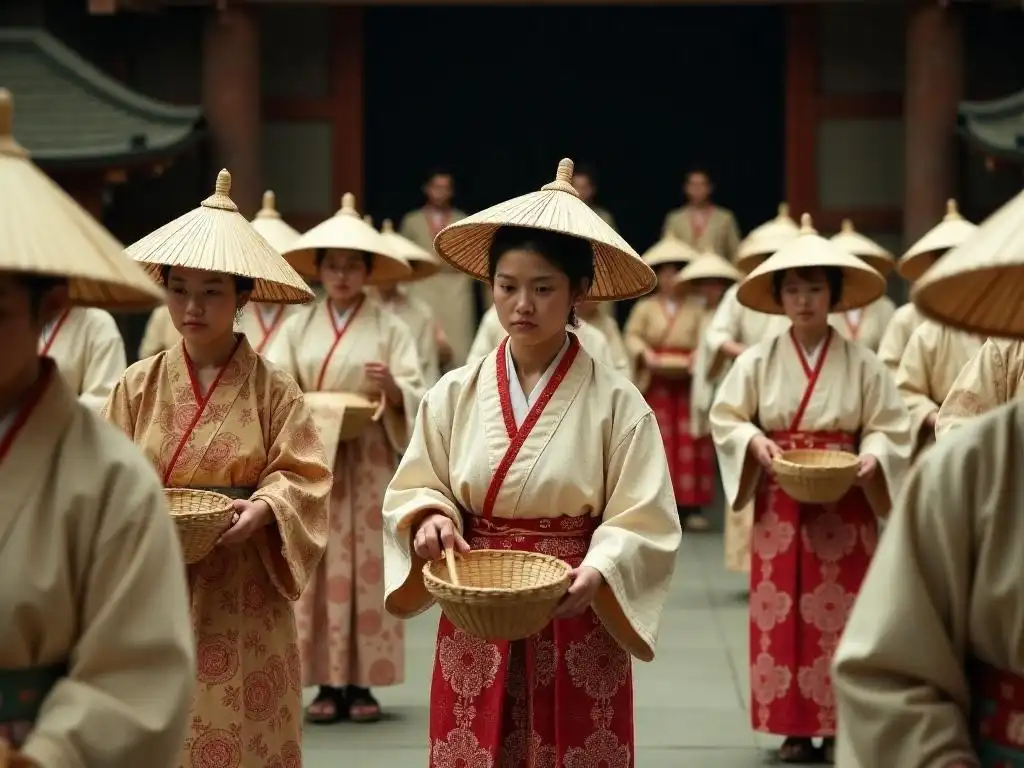
Feudal Japan was characterized by a rigid social hierarchy that dictated the roles and responsibilities of its members. This hierarchical structure was influenced significantly by Confucian principles, which emphasized order, hierarchy, and familial relationships. Understanding the social framework of feudal Japan is essential to grasp how Confucianism influenced women's roles, shaping their status and responsibilities within this society.
Hierarchical Society and Class Distinctions
Feudal Japan's societal organization was primarily divided into four main classes: the samurai, farmers, artisans, and merchants. Each class had distinct roles and expectations, heavily influenced by Confucian ideals that valued loyalty, duty, and respect for authority.
- Samurai: As the warrior class, samurai held the highest status in society. Their primary responsibility was to serve their lords and maintain peace. Confucianism instilled in them the virtues of loyalty and honor, which were critical in maintaining their elevated status.
- Farmers: Farmers, despite their lower class ranking, were respected for their essential role in providing food. Confucian teachings regarded agriculture as vital for society's sustenance, thus elevating the farmer's status slightly above artisans and merchants.
- Artisans: Artisans were skilled laborers who produced goods. Although necessary for trade and commerce, they were often viewed with disdain compared to the samurai and farmers due to Confucian values that prioritized agricultural production over craftsmanship.
- Merchants: The merchant class was positioned at the bottom of the social hierarchy. Their role was often undervalued, as Confucianism viewed profit-seeking as a lesser pursuit compared to the virtues of loyalty and service found in the samurai class.
This rigid structure not only shaped societal interactions but also dictated the roles of women, who were largely defined by their class and familial connections.
In feudal Japan, women's roles were deeply intertwined with the social hierarchy. Confucianism's influence perpetuated a patriarchal system that emphasized obedience and subservience, often relegating women to subordinate positions within their families and society.
- Samurai Women: Women from the samurai class were expected to uphold family honor and manage household affairs. Their education often included training in arts such as calligraphy and poetry, reflecting the Confucian ideal of cultivating virtue. However, they also faced the pressure of arranging marriages to strengthen family alliances, with their personal desires often secondary to familial duty.
- Peasant Women: In contrast, peasant women had a more labor-intensive role, contributing significantly to agricultural production alongside their husbands. Their status was primarily defined by their ability to bear children and manage the household. Although their work was crucial, they were still viewed through the lens of Confucianism as secondary to their male counterparts.
- Artisan and Merchant Women: Women in these classes often assisted in their family businesses, yet their contributions were frequently overlooked. Confucian teachings did not afford them the same recognition as their male relatives, reinforcing their subservient status.
Despite these limitations, women in feudal Japan often exhibited resilience and agency within their prescribed roles, navigating through the constraints imposed by the social structure.
Comparison of Women's Roles Across Classes
The roles of women in feudal Japan varied significantly across different social classes, heavily influenced by Confucian ideals and the societal expectations associated with each class.
| Class | Roles and Responsibilities | Influence of Confucianism |
|---|---|---|
| Samurai | Manage households, uphold family honor, and participate in cultural education | Emphasis on loyalty and duty, with personal desires often sidelined |
| Farmers | Assist in agricultural work, raise children, and manage home | Viewed as crucial but subordinate to husbands; Confucian ideals prioritized familial duty |
| Artisans | Support family business, engage in craftsmanship | Often undervalued; contributions seen as secondary to male artisans |
| Merchants | Assist in trade, manage household | Considered the lowest status; Confucianism viewed profit-seeking as less virtuous |
The comparison highlights that while women across all classes were expected to fulfill roles that aligned with Confucian values, their importance and recognition varied dramatically based on their social standing. This stratification not only affected their societal roles but also limited their opportunities for personal autonomy and empowerment.
Confucianism's influence on feudal women in Japan can be seen through the lens of societal expectations, class distinctions, and the hierarchical nature of the era. Understanding these dynamics provides a clearer picture of the complexities surrounding women's roles in this historical context.
Confucianism and Women’s Education

Confucianism, as a philosophical and ethical system that shaped various aspects of East Asian society, significantly influenced the roles of women during Japan's feudal era. This influence manifested notably in educational opportunities available to women, which were largely shaped by Confucian ideals emphasizing hierarchy, family, and moral education. The Confucian perspective posited that women were to be educated primarily for their roles as wives and mothers, leading to a unique set of educational practices and expectations.
Educational Opportunities for Women in Feudal Japan
In feudal Japan, educational opportunities for women were limited and often dictated by social class and regional differences. Despite these constraints, certain avenues for education did exist, particularly for women of the samurai and merchant classes. The following points highlight the scope of educational opportunities for women during this period:
- Home Education: While formal schooling was rare for women, many were educated at home. Mothers, grandmothers, and female relatives often played pivotal roles in teaching young girls basic literacy, moral values, and household management skills.
- Temples and Shrines: Some women, particularly those from higher social classes, received education through temples and shrines. Here, they learned about religious texts, poetry, and moral teachings, which aligned with Confucian values.
- Literary Societies: In urban areas, women could participate in informal literary societies where they exchanged knowledge on poetry and literature, often influenced by Confucian texts. These gatherings allowed women to enhance their education in a social setting.
Despite these opportunities, the emphasis was predominantly on preparing women for domestic roles, aligning with the Confucian belief in the importance of familial duty.
Impact of Confucian Ideals on Women’s Education
Confucianism's influence on women's education in feudal Japan can be seen through several key ideals:
- Moral Education: Confucian teachings prioritized moral education, emphasizing virtues such as loyalty, obedience, and filial piety. Women were taught these values to ensure they would fulfill their roles within the family and society effectively.
- Subordination to Men: The Confucian hierarchy placed men above women, which permeated educational content. This belief limited women's education to subjects that reinforced their subordinate position, focusing on skills relevant to domestic life rather than intellectual pursuits.
- Role of the Family: Confucianism emphasized the family unit as the cornerstone of society. As such, education for women was often geared towards enhancing their ability to manage household affairs and raise virtuous children, thereby ensuring the continuation of Confucian values across generations.
The result was a system where women's education was not aimed at fostering independence or intellectual growth, but rather at cultivating skills that aligned with Confucian ideals of family and societal stability.
Case Study: Prominent Women Educators
Despite the restrictive norms of their time, there were notable women who emerged as educators and intellectuals in feudal Japan, embodying the complexities of Confucian influence on women’s roles:
- Murasaki Shikibu: Best known for her literary work "The Tale of Genji," Murasaki Shikibu was also an educated woman who contributed to the cultural and educational landscape of her time. Her writings provided insights into the roles and inner lives of women, challenging some of the prevailing notions of their capabilities.
- Sei Shonagon: A contemporary of Murasaki, Sei Shonagon was another prominent figure known for her sharp wit and literary prowess. She served as a lady-in-waiting and documented her experiences in "The Pillow Book," which reflected both her education and her nuanced understanding of women's roles in society.
- Joshi Gakuin: In the late Edo period, schools specifically for girls began to emerge, influenced by Confucian ideals but also adapting to the changing societal landscape. These establishments aimed to educate girls in etiquette, literature, and moral teachings, preparing them for roles as educated wives and mothers.
These women, among others, not only contributed to the educational landscape of feudal Japan but also subtly challenged the restrictions imposed by Confucian ideals, illustrating the complexity of women's roles during this time.
While Confucianism heavily influenced women's education in feudal Japan, leading to a primarily domestic focus, there were notable exceptions where women sought and achieved educational opportunities that expanded their roles beyond traditional expectations.
Marriage and Family Dynamics Under Confucianism
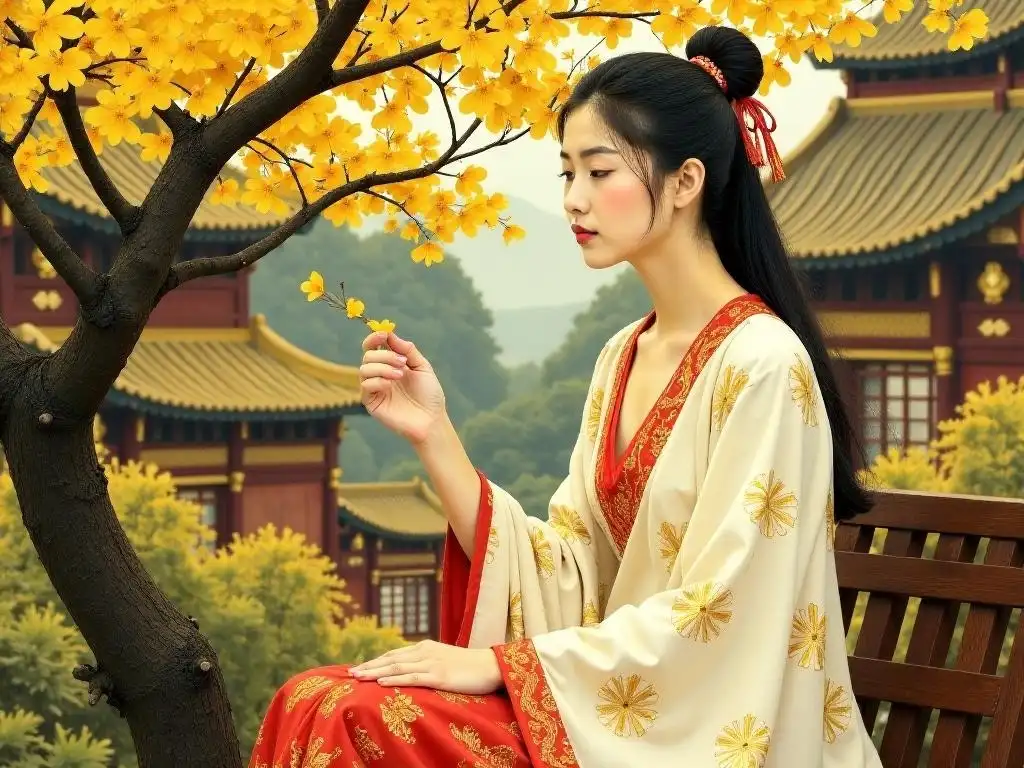
The Role of Women in Marriage
In feudal Japan, marriage was often viewed through a lens heavily influenced by Confucian principles, which emphasized hierarchical relationships and familial duty. Women were generally expected to enter into arranged marriages, a practice that underscored the importance of family alliances over individual choice. The patriarchal system meant that a woman's primary role within marriage was to ensure the continuation of her husband's lineage and to manage household affairs.
The concept of "on", or obligation, played a crucial role in these marital dynamics. Women were taught to honor and serve their husbands, a reflection of the broader Confucian ideal that valued loyalty and submission within familial relationships. This expectation often limited women's autonomy, as their identities became closely tied to their husbands and children.
Key Aspects of Women's Roles in Marriage:
- Arranged Marriages: Families typically negotiated unions based on social status, economic considerations, and political power.
- Childbearing: The primary function of women in marriage was to bear and raise children, especially sons, to continue the family line.
- Supportive Role: Women were expected to support their husbands in all endeavors, including managing household responsibilities and facilitating social relationships.
Confucian Family Values and Their Impact on Women
Confucianism placed a heavy emphasis on the family as the foundational unit of society, and this perspective significantly influenced women's roles within feudal Japan. The Confucian ideal of filial piety dictated that children, especially daughters, should honor their parents and elders, which often translated into strict expectations for women's behavior and duties.
The teachings of Confucianism highlighted the importance of virtue, modesty, and obedience in women, reinforcing their subordinate position within the family hierarchy. These values not only shaped personal relationships but also influenced societal norms and expectations.
Influential Confucian Values:
- Filial Piety: Women were expected to uphold family honor and maintain loyalty to their parents and husbands.
- Virtue and Modesty: Emphasis on moral conduct defined women's behavior, reinforcing their roles as caretakers and moral guides within the family.
- Education and Knowledge: While education was limited for women, those who did receive instruction were often taught Confucian texts, which reinforced their expected roles within society.
Women's Responsibilities in the Household
Within the household, women's responsibilities were multifaceted, encompassing a range of duties that were vital to the family's functioning. Confucian ideals dictated that women should manage domestic affairs, which included everything from cooking and cleaning to childcare and financial management.
Women were often seen as the backbone of the household, responsible for maintaining harmony and order. This expectation was compounded by the notion that a well-run household reflected the moral and social standing of the family.
Key Responsibilities of Women in the Household:
- Domestic Management: Overseeing the daily operations of the home, including meal preparation and maintenance.
- Childcare: Raising children, instilling Confucian values, and preparing them for their future roles within society.
- Economic Contributions: In some cases, women managed family finances or contributed to family businesses, especially in agrarian settings.
The influence of Confucianism on feudal women's roles in marriage and family dynamics was profound, deeply shaping their identities and societal responsibilities. Women's lives were largely defined by their relationships with men and their ability to fulfill their expected roles within the family, reflecting a complex interplay of cultural values and social expectations.
Confucianism's Influence on Women’s Rights and Freedoms
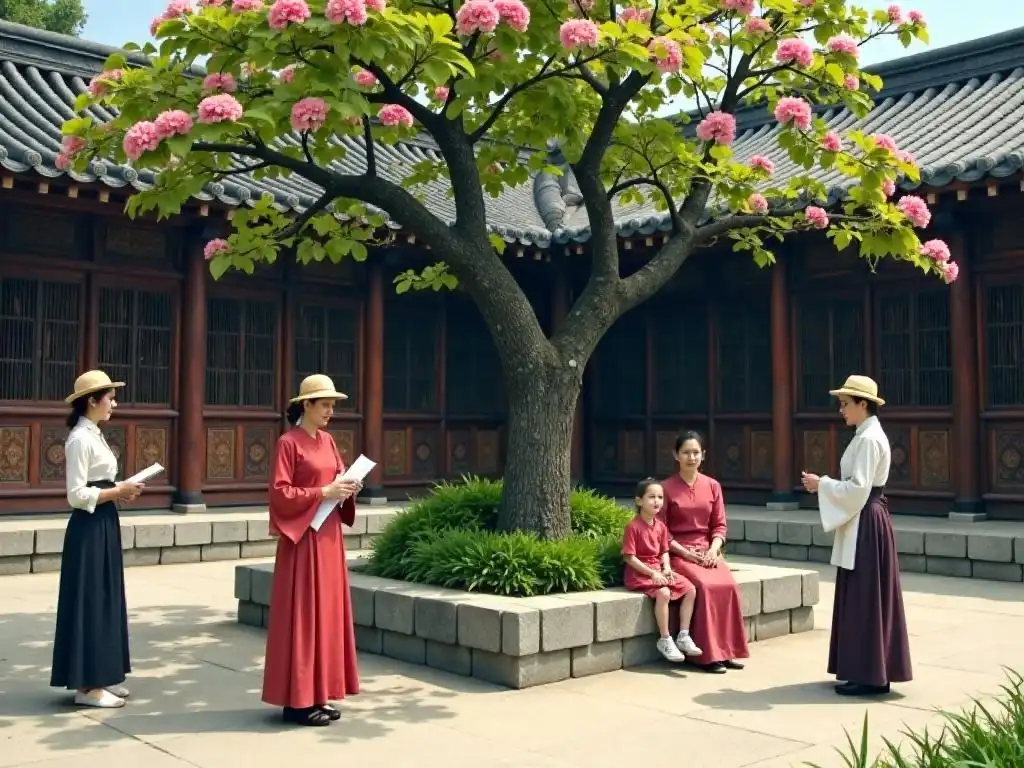
Confucianism, as a philosophical and ethical system, played a significant role in shaping societal norms and values during the feudal era in Japan. Its influence permeated various aspects of life, particularly regarding the roles and rights of women. Rooted in hierarchical structures and a patriarchal worldview, Confucian ideology often constrained women's freedoms and dictated their societal positions.
Limitations Imposed by Confucian Ideology
Confucianism emphasized a strict hierarchy within family and society, which had profound implications for women's rights. Central to its teachings was the concept of filial piety, which prioritized loyalty and obedience to male family members. This patriarchal framework led to several limitations for women:
- Subordination to Male Authority: Women were expected to be subservient to their fathers, husbands, and sons. This subordination was not merely social but was deeply embedded in legal structures, where women had little to no autonomy.
- Restricted Education: Education for women was often deemed unnecessary, as their primary roles were seen as wives and mothers. Access to formal education was limited, which curtailed their opportunities for intellectual development and personal growth.
- Marriage and Family Expectations: Marriage was viewed as a duty rather than a choice, with families arranging unions to strengthen ties or improve social status. Women's identities were largely defined by their marital status and reproductive capabilities, further reinforcing their limited agency.
- Legal Disenfranchisement: Under Confucian law, women had restricted rights to inheritance and property ownership. This legal framework ensured their economic dependence on men, making it difficult for them to assert any form of independence.
The cumulative effect of these limitations fostered an environment where women's roles were narrowly defined, often leading to a sense of invisibility within society.
Evolution of Women’s Rights in Feudal Japan
Despite the restrictive nature of Confucianism, the roles and rights of women in feudal Japan experienced gradual evolution over time. Several factors contributed to this transformation:
- Social Changes during the Edo Period: The Edo period (1603-1868) witnessed a shift in societal structures and economic practices. As commerce flourished, women began to engage more actively in trade and family businesses, gaining a degree of economic independence.
- Influence of Buddhism: While Confucianism focused on hierarchical family structures, Buddhism offered a different perspective on women's roles. Some Buddhist teachings advocated for the spiritual equality of men and women, which provided a counter-narrative to Confucian ideology.
- Literature and Cultural Expression: Women began to express their thoughts and experiences through literature. Female authors like Murasaki Shikibu and Sei Shonagon contributed to a rich literary tradition, which not only highlighted women's perspectives but also challenged societal norms.
- Gradual Legal Reforms: By the late feudal era, there were gradual legal reforms that began to recognize women's rights, particularly in terms of property ownership and inheritance. While these changes were limited, they marked a significant departure from earlier practices.
The evolving landscape of women's rights during feudal Japan reflects a complex interplay between traditional Confucian values and emerging opportunities for women.
The Role of Women in Religious and Cultural Practices
Women played vital roles in the religious and cultural landscape of feudal Japan, often serving as custodians of traditions and practices. Their involvement in these spheres both reflected and influenced their societal positions:
- Shinto Practices: In Shinto, the indigenous religion of Japan, women held significant roles as miko (shrine maidens). These women participated in rituals and ceremonies, serving as intermediaries between the divine and the community. Their roles in Shinto practices provided them with a degree of respect and autonomy.
- Buddhist Influence: Women were also active in Buddhist practices, where they participated in rituals and contributed to the spiritual community. Some women even took on monastic roles, allowing them to escape the confines of domestic life and engage in spiritual pursuits.
- Cultural Expression Through Arts: Women contributed to cultural practices such as poetry, calligraphy, and the arts. Their participation in these activities not only provided an outlet for personal expression but also helped to shape the cultural identity of the era.
- Role in Family Rituals: Women were often the primary caregivers responsible for maintaining family traditions, including rituals related to ancestor worship. This responsibility placed them at the center of familial and social cohesion, highlighting their importance in cultural continuity.
While Confucianism imposed significant limitations on women's rights and freedoms in feudal Japan, the evolution of women's roles reflected a dynamic interplay of ideology, social change, and cultural expression. The contributions of women in religious and cultural practices not only challenged traditional norms but also paved the way for future generations to redefine their identities and roles within society.
Conclusion: Lasting Impact of Confucianism on Women in Feudal Society
Reflection on Confucianism’s Enduring Influence
Confucianism, originating from the teachings of Confucius, has significantly shaped societal values and norms across East Asia, including Japan. During the feudal period, Confucian principles deeply influenced the roles and expectations of women within Japanese society. The emphasis on hierarchy, familial loyalty, and social harmony dictated not only the status of women but also their responsibilities and behaviors.
The Confucian ideal of the "three obediences" (to father, husband, and son) became a cornerstone of women's identity in feudal Japan. This framework not only restricted women's autonomy but also defined their societal contributions primarily through their roles as wives and mothers. As a result, women's education was often limited to domestic skills, aligning with the belief that their primary purpose was to support the family structure and uphold moral values within the household.
Despite these limitations, some women found ways to navigate and sometimes challenge these constraints. For instance, noblewomen, like the wives of samurai, could wield considerable influence behind the scenes, managing estates and making decisions that affected their families. This nuanced reality illustrates that while Confucianism reinforced patriarchal structures, it also allowed for varying degrees of agency, particularly among women of higher social standing.
Summary of Key Points
- Confucian Ideals: The core principles of Confucianism emphasized hierarchy, obedience, and familial loyalty, profoundly shaping women's roles in feudal Japan.
- Three Obediences: This doctrine restricted women's independence and defined their identities primarily through familial relationships.
- Limited Education: Women's education focused on domestic responsibilities, reinforcing traditional views of women's roles.
- Influence of Noblewomen: Despite societal restrictions, some women, particularly from noble backgrounds, exercised significant influence within their households and the larger feudal system.
- Cultural Legacy: The impact of Confucianism on women's roles has left a lasting cultural legacy, influencing perceptions of gender roles in subsequent Japanese history.
Future Implications for Understanding Women’s Roles in History
Understanding the Confucian influence on feudal women offers valuable insights into the broader historical context of gender roles in Japan and beyond. As scholars continue to explore the intersections of Confucianism and women's experiences, it becomes essential to reconsider traditional narratives that often overlook the complexities of women's agency.
Future research could focus on:
- Comparative Studies: Examining the roles of women in other East Asian societies influenced by Confucianism could reveal commonalities and divergences in gender dynamics.
- Hidden Histories: Uncovering the stories of women who defied or adapted to Confucian expectations can provide a more nuanced understanding of their contributions to society.
- Modern Relevance: Analyzing how Confucian values continue to influence contemporary gender roles in Japan may shed light on ongoing social challenges and progress.
The legacies of Confucianism in feudal Japanese society not only shaped the lives of women during that era but continue to resonate in modern discussions about gender roles and societal expectations. Recognizing these influences is crucial for a comprehensive understanding of history and the evolution of women's roles within it.
Frequently Asked Questions
What was the role of women in feudal Japan?
Women in feudal Japan had various roles, primarily focused on household management and supporting their families. Their status was often determined by their social class and the prevailing cultural norms of the time.
How did Confucianism shape women's roles in feudal society?
Confucianism emphasized patriarchal values, promoting the idea that women's primary responsibilities were to serve their families and maintain the household. This belief significantly influenced their social standing and opportunities in society.
Were there any exceptions to the typical roles of women in feudal Japan?
Yes, some women from noble families could wield considerable power, engaging in political affairs or managing estates. However, these cases were exceptions rather than the norm in a Confucian-influenced society.
How did Confucian values affect education for women in feudal Japan?
Education for women was limited, focusing mainly on domestic skills and moral instruction according to Confucian ideals. This restricted access to broader knowledge, thereby reinforcing their subordinate societal roles.
What legacy did Confucianism leave on women's status in modern Japan?
The Confucian influence established long-lasting attitudes towards gender roles, which continue to be reflected in aspects of modern Japanese society. Efforts to reform these views are ongoing, as debates about gender equality continue.
Final Reflection: The Enduring Influence of Confucianism on Women in Feudal Society
The exploration of Confucianism's influence on feudal women reveals a complex interplay between tradition and societal roles that resonates profoundly in today's world. As we examine the historical context of Confucian teachings, it becomes evident that these philosophies not only shaped the lives of women in feudal societies but also laid the groundwork for ongoing discussions about gender roles and equality in contemporary culture. The legacy of Confucianism continues to provoke thought and debate, highlighting how deeply ingrained beliefs can persist across generations.
Confucianism's impact on women's roles has been both a source of restriction and a catalyst for empowerment. The teachings have historically confined women to domestic spheres, yet they have also inspired movements advocating for women's rights and education. This duality reflects the ongoing struggle for gender equality and the need to reinterpret traditional values in a modern context. The greatest glory in living lies not in never falling, but in rising every time we fall.
— Nelson Mandela. This quote encapsulates the resilience of women who have navigated the constraints imposed by Confucian ideals, reminding us that progress often emerges from adversity.
As we reflect on the lessons drawn from Confucianism's influence on feudal women, I invite you to consider how these historical narratives shape our understanding of gender dynamics today. What can we learn from the past to inform our actions in the present? Embrace the opportunity to challenge outdated norms and advocate for a more equitable society. Let us honor the voices of those who came before us by striving for a future where every individual, regardless of gender, can thrive and contribute to the tapestry of our shared humanity.
Empower Yourself by Embracing Wisdom of the Past!
Thank you for taking the time to explore the profound influence of Confucianism on women's roles in feudal society. Understanding this historical perspective unlocks valuable insights into the dynamics of gender and culture. Now, it’s time to transform that knowledge into positive action!
Here are a few steps you can take to deepen your engagement and make history resonate in your life today:
- Reflect on the Lessons: Consider journaling about how Confucian principles can shape contemporary views on gender roles within your community.
- Explore Further: Engage with additional readings or documentaries that examine Confucianism and its societal impacts. Share your discoveries with friends or participate in discussions to broaden your understanding.
- Join a Local Discussion Group: Seek out or establish a space where feminist interpretations of history are explored and celebrated, fostering dialogue about the connections between the past and present.
How might the values of Confucianism inspire you to rethink or advocate for gender roles in today's society?