
The Education of Women: Learning and Literacy in Feudal Japan

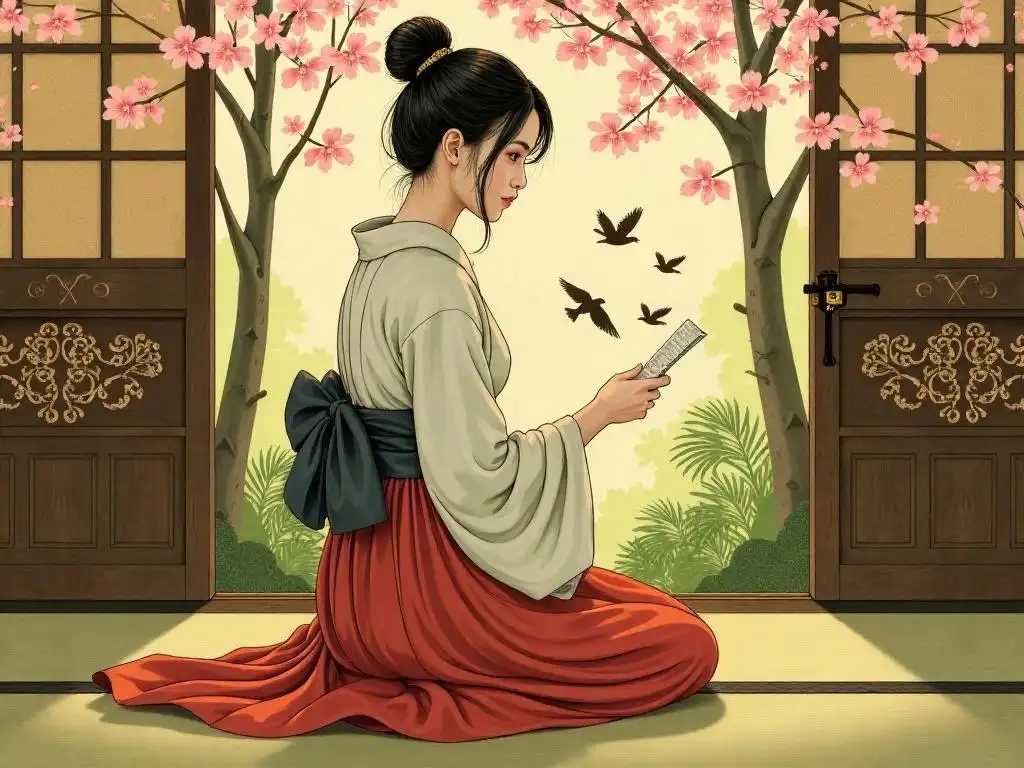
Welcome to Feudal Japan History, where we embark on a fascinating journey into the intricate tapestry of Japan’s feudal era. Here, we delve deep into the untold stories that shaped a society rich in culture and tradition. Our featured article, “ The Education of Women: Learning and Literacy in Feudal Japan,” uncovers the transformative power of education for women during this pivotal time.
What roles did women play in a world often dominated by men, and how did their pursuit of knowledge influence the fabric of society? Join us as we explore these compelling questions and more, inviting you to uncover the layers of history that define feudal Japan.
Introduction to Women's Education in Feudal Japan
The education of women in feudal Japan is a topic that reveals the complexities of gender roles, societal expectations, and cultural norms during a significant period in Japanese history. While often overshadowed by the more prominent narratives of samurai warriors and political intrigue, the experiences of women in this era are equally critical to understanding the fabric of feudal society.
From the late 12th century to the 19th century, as Japan navigated through various feudal systems, women played essential roles within their families and communities. Their education, though limited compared to their male counterparts, laid the groundwork for future generations and influenced the cultural heritage of Japan.
Feudal Japan was characterized by a strict hierarchical structure, where society was divided into classes, including the ruling samurai, farmers, artisans, and merchants. At the pinnacle was the emperor, followed by the shogun, who held actual power. Below them were the daimyō (feudal lords) and their samurai warriors. Women, predominantly found in the lower echelons of society, were expected to fulfill domestic roles, but their education varied considerably depending on their social standing.
- Social Hierarchy:
- Emperor
- Shogun
- Daimyō
- Samurai
- Farmers, Artisans, and Merchants
- Women (within all classes)
This stratified social structure influenced the educational opportunities available to women, often relegating them to domestic instruction focused on managing households, rather than formal academic learning.
Importance of Education for Women in Feudal Society
Education for women in feudal Japan was crucial, not only for personal development but also for the stability of the household and, by extension, society. Women were often the primary educators of children, and their ability to read, write, and manage household finances was essential for maintaining family honor and status.
- Key Aspects of Women's Education:
- Household Management: Skills in budgeting and resource allocation.
- Cultural Literacy: Understanding poetry, literature, and religious texts.
- Social Influence: Educated women could exert influence within their families and communities.
Despite societal restrictions, the education of women contributed significantly to the cultural and social landscape of feudal Japan, paving the way for future advancements in women's rights and education.
Historical Context of Women's Education
The Role of Women in Feudal Japan
Women's roles in feudal Japan were multifaceted, encompassing duties as wives, mothers, and caretakers. They were responsible for household management and the upbringing of children, which often required a form of education in domestic arts, ethics, and even some degree of literacy. Notably, women from samurai families had different educational experiences compared to those from peasant backgrounds, often receiving more formal instruction.
Educational Opportunities Available to Women
Opportunities for women to receive education varied widely across different classes and regions. While noblewomen might access teachings in literature and philosophy, peasant women often focused on practical skills necessary for daily life. Some of the educational avenues included:
- Private Tutors: Often hired by wealthy families to educate daughters in literature and arts.
- Monasteries: Some women sought education in religious settings, where they were taught reading and writing.
- Family Education: Mothers often taught daughters essential skills, ensuring the transmission of knowledge across generations.
Despite the existence of these opportunities, the overall emphasis on male education continued to dominate the societal landscape.
Influential Figures in Women's Education
Throughout the feudal period, several women emerged as notable figures in the realm of education, impacting the lives of many. Some influential figures included:
- Empress Jingu: Regarded as a legendary figure, her wisdom and leadership set a precedent for educated women in politics.
- Noh Performers: Women in the Noh theater often showcased their literary skills and cultural knowledge, providing a unique form of education to the public.
- Educators and Philosophers: Certain women contributed to the intellectual discourse of the time, advocating for better educational opportunities for their peers.
These women not only shaped their own destinies but also inspired subsequent generations, creating a legacy of education for women in Japan that would eventually lead to significant societal changes.
Types of Education for Women
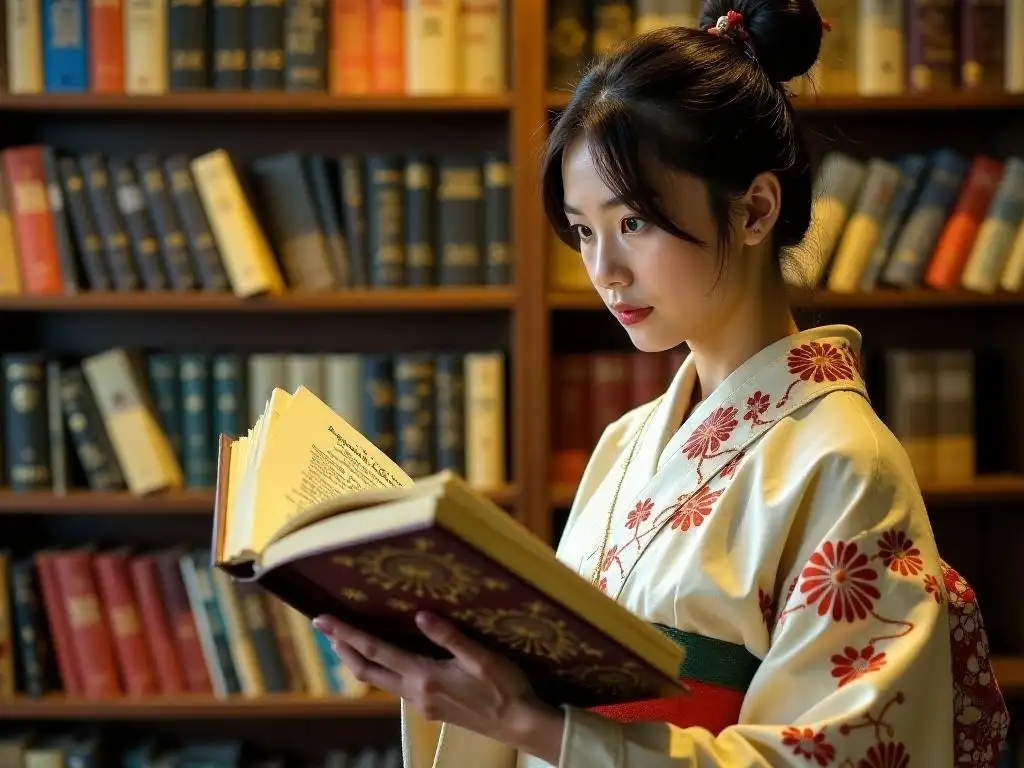
In feudal Japan, the education of women varied significantly based on their social class, family background, and the era in which they lived. Women from noble families often had access to more structured forms of education, while those from lower classes learned through informal means. The educational landscape for women can be broadly categorized into formal education institutions and informal education methods, each playing a crucial role in shaping women's literacy and cultural knowledge.
Formal Education Institutions for Women
Formal education for women in feudal Japan was primarily concentrated in specific institutions designed for the upper classes. These included private schools and temples where women learned various subjects under the guidance of qualified teachers. For instance, the noblewomen were often educated in the arts of poetry, calligraphy, and music, along with basic literacy skills. Some notable examples of formal institutions include:
- The Shoin School: An educational establishment that catered to women of the samurai class, focusing on literature and arts.
- Buddhist Temples: Many temples offered education to women, emphasizing moral teachings and religious texts.
These institutions provided a structured curriculum that not only focused on academic subjects but also prepared women for their roles in society as wives and mothers.
Informal Education and Self-Learning
While formal education was limited to the elite, many women from lower classes engaged in informal education. This often occurred through family interactions, local community gatherings, and personal initiative. Women learned practical skills essential for daily life, such as:
- Household management: Skills in cooking, weaving, and child-rearing.
- Traditional arts: Such as embroidery and flower arranging, which were valued in social contexts.
Self-learning played a significant role, with many women utilizing available resources, including religious texts, poetry, and literature, to enhance their knowledge. This informal education was crucial, as it allowed women to contribute to their families and communities while cultivating personal interests and skills.
The Role of Family in Women's Education
The family unit was a pivotal factor in the education of women in feudal Japan. Parents, especially mothers, often took on the responsibility of teaching their daughters essential life skills and values. This included:
- Moral education: Instilling virtues such as humility, obedience, and loyalty.
- Cultural heritage: Passing down traditions, folklore, and crafts that defined their family's legacy.
In higher social classes, fathers might ensure their daughters received a formal education, recognizing the importance of literacy and cultural knowledge in enhancing their marriage prospects. Thus, family dynamics significantly influenced the scope and quality of education that women received.
Curriculum and Subjects Taught
The curriculum for women's education in feudal Japan was diverse, reflecting the societal expectations and cultural values of the time. The subjects taught varied according to the educational setting and the social status of the women involved, but several core areas were consistently emphasized.
Traditional Subjects in Women's Education
Women’s education typically included subjects that emphasized both practical skills and cultural refinement. Among the traditional subjects taught were:
- Literature and Poetry: Women studied classical texts and poetry, often composing their own works to express their thoughts and emotions.
- Calligraphy: The art of beautiful writing was not only a skill but also a reflection of a woman's upbringing and refinement.
- History and Morality: Lessons often included historical tales that imparted moral lessons, helping women understand their roles within the broader context of society.
These subjects were important as they prepared women for their roles in maintaining family honor and contributing to cultural life.
The Significance of Literacy and Writing for Women
Literacy held particular significance for women in feudal Japan, as it was not merely an academic skill but also a means of empowerment. Being literate allowed women to:
- Engage in correspondence: Women could maintain relationships and manage family affairs through letter writing.
- Participate in cultural dialogues: By reading and writing, women contributed to the literary and artistic conversations of their time.
The ability to read and write also provided women with a sense of autonomy and intellectual fulfillment, allowing them to express their thoughts and aspirations more freely.
Cultural and Artistic Education for Women
Cultural and artistic education was a vital aspect of women's schooling in feudal Japan. This included training in traditional arts such as:
- Tea Ceremony: Understanding the nuances of this cultural practice, which emphasized grace and etiquette.
- Music and Dance: Women were often taught to play instruments and perform traditional dances, enhancing their social standing and cultural appreciation.
Such education not only enriched their personal lives but also prepared them for social events where these skills were displayed, reinforcing their roles as cultured members of society. Thus, cultural and artistic education was integral to the overall education of women in feudal Japan, contributing to their societal roles and personal identities.
Challenges Faced by Women in Pursuing Education
The pursuit of education for women in feudal Japan was fraught with significant challenges that stemmed from societal norms, economic constraints, and regional disparities. These challenges not only shaped the educational landscape for women but also influenced their roles within society.
Societal Attitudes Towards Women's Education
During feudal Japan, prevailing societal attitudes often viewed women's education as unnecessary or even detrimental. The Confucian ideals that permeated society placed men in roles of authority and learning, while women were expected to focus on domestic responsibilities. This belief system marginalized the importance of female education, resulting in a lack of support for women seeking knowledge beyond household duties.
As a result, many families prioritized the education of sons over daughters, reinforcing the notion that literacy and learning were male pursuits. This societal bias created an environment where educated women were often seen as anomalies or exceptions rather than the norm, further discouraging the pursuit of education among young girls.
Economic Barriers to Education for Women
Economic factors played a crucial role in limiting women's access to education in feudal Japan. Families with limited resources often struggled to afford educational opportunities for their daughters. Fees for schooling, books, and materials were often considered luxuries that could not be justified, especially when weighed against the immediate economic contributions of a daughter at home.
Moreover, the economic structure of feudal Japan, which heavily relied on agrarian labor, meant that girls were expected to contribute to household work or assist in farming rather than pursue academic endeavors. This expectation created a cycle of poverty and limited opportunities, perpetuating the belief that education was an unnecessary expense.
Regional Differences in Educational Opportunities
The availability and quality of educational opportunities for women varied significantly across different regions of Japan. In urban areas, particularly in cities like Kyoto and Edo, there were more formal educational institutions, including private schools where women could learn reading, writing, and arts. These institutions sometimes catered to the daughters of samurai or wealthy merchant families, reflecting a greater acceptance of women's education in urban contexts.
Conversely, rural areas often lacked such resources, and educational opportunities were limited to informal learning within the household. Women in these regions were largely confined to practical knowledge related to domestic tasks and agricultural duties. Consequently, the regional disparities in educational access contributed to a broader divide in literacy rates and societal roles for women across feudal Japan.
Impact of Women's Education on Society
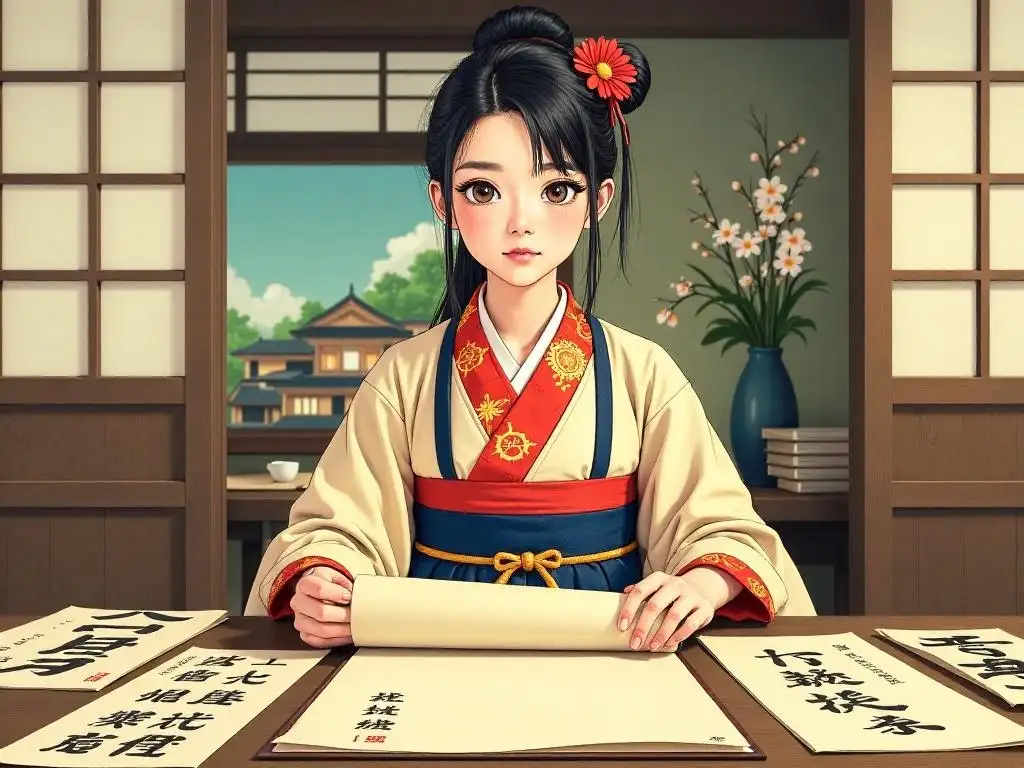
Despite the numerous challenges faced, women's education in feudal Japan had a profound impact on society. Educated women contributed to cultural, social, and even political spheres, challenging the restrictive norms of their time.
Contributions of Educated Women to Feudal Japan
Educated women in feudal Japan played vital roles in various capacities beyond their traditional domestic roles. Many engaged in literature and arts, producing notable works of poetry, prose, and calligraphy. Figures such as Sei Shonagon and Murasaki Shikibu emerged as celebrated authors, with their writings providing invaluable insights into the lives and thoughts of women during this period.
Additionally, educated women often took on roles as educators themselves, passing down knowledge to younger generations. Their involvement in education helped slowly shift societal perceptions, illustrating the value of women's intellect and creativity.
The Influence of Women's Education on Future Generations
The education of women in feudal Japan not only benefited individuals but also had lasting effects on future generations. Educated mothers were more likely to prioritize the education of their children, instilling values of learning and literacy in both sons and daughters. This gradual change in mindset contributed to an increase in literacy rates over time, as women began to seek and advocate for better educational opportunities for their offspring.
Furthermore, the emergence of women writers and intellectuals helped to create a cultural legacy that empowered future generations. By breaking through the barriers of their time, these women laid the groundwork for future advancements in women's education, ultimately influencing the course of Japanese society.
Case Studies of Prominent Educated Women in Feudal Japan
Several prominent women in feudal Japan exemplify the impact of education on women's roles in society. Sei Shonagon, a court lady during the Heian period, is renowned for her work "The Pillow Book," which reflects her keen observations and literary prowess. Shonagon's writings highlight the intellectual capabilities of women, providing a counter-narrative to the prevailing attitudes of her time.
Another notable figure is Murasaki Shikibu, also from the Heian period, who authored "The Tale of Genji," considered the world's first novel. Her literary contributions have had a lasting influence on Japanese literature and culture, showcasing the potential of educated women to shape artistic expression.
These case studies illustrate that despite the challenges, women who pursued education made significant strides in various fields, paving the way for future generations and contributing to the rich tapestry of feudal Japanese history.
Conclusion: The Legacy of Women's Education in Feudal Japan
The legacy of women's education in feudal Japan is a multifaceted narrative that reflects both the constraints and the opportunities available to women of that era. While formal education for women was limited and significantly influenced by class and societal norms, the emergence of learning among women, particularly in the samurai and merchant classes, laid the groundwork for future generations. The ability to read and write, even among the upper echelons of society, provided women with a means to engage with cultural, familial, and even political spheres in ways that would have been impossible otherwise.
This legacy is not only a testament to the resilience and adaptability of women during the feudal period but also serves as an important chapter in the broader history of education in Japan. The gradual shift towards greater literacy and learning for women highlights the complexities of gender roles and the varying degrees of agency that women could exercise within their societal confines.
Reflection on the Evolution of Women's Education
Reflecting on the evolution of women's education in feudal Japan reveals significant changes over the centuries. Initially, educational opportunities were sparse and primarily focused on domestic skills, reflecting society's view of women's roles. However, as the feudal system matured, so too did the educational aspirations of women, particularly among the upper classes. The emergence of notable female figures, such as court ladies and the wives of samurai, who were often literate and skilled in the arts, began to challenge traditional views.
The influence of Buddhist teachings and Confucian ideals also played a crucial role in this evolution. While Confucianism emphasized women's subservience, it paradoxically encouraged the education of women as a means to cultivate virtuous mothers and wives. This duality created a space for women to pursue literacy, albeit within the confines of prescribed societal roles. The gradual acceptance of women’s education, particularly during the Edo period, signals a pivotal shift towards a more inclusive understanding of education in Japan, setting the stage for the educational reforms that would follow in the modern era.
The Lasting Impact on Modern Japanese Society
The impact of women's education during the feudal era extends far beyond its historical context, influencing modern Japanese society in profound ways. The gradual acceptance of women's literacy and education has contributed to the ongoing dialogue surrounding gender equality and women's rights in Japan. Contemporary Japanese women benefit from a legacy that acknowledges their role in the social, cultural, and economic fabric of society.
Today, the journey towards achieving gender parity in education and professional fields can trace its roots back to the feudal period's educational practices. As women continue to pursue higher education and leadership roles, they draw inspiration from the resilient women of feudal Japan who, despite societal limitations, sought knowledge and understanding. This historical legacy serves as a reminder of the importance of education in empowering women and fostering societal progress.
Additional Resources on Women's Education in Feudal Japan
Recommended Books and Articles
- "Women in Japan: From Ancient Times to the Present": by Germaine A. H. M. A. H. H. K. A. D. K. M. H. K. A. D. K. M. H. K. A. D. K. M. H. K. A. D. K. M. H. K. A. D. K. M. H. K. A. D. K. M. H. K. A. D. K. M. H. K. A. D. K. M. H. K. A. D. K. M. H. K. A. D. K. M. H. K. A. D. K. M. H. K. A. D. K. M. H. K. A. D. K. M. H. K. A. D. K. M. H. K. A. D. K. M. H. K. A. D. K. M. H. K. A. D. K. M. H. K. A. D. K. M. H. K. A. D. K. M. H. K. A. D. K. M. H. K. A. D. K. M. H. K. A. D. K. M. H. K. A. D. K. M. H. K. A. D. K. M. H. K. A. D. K. M. H. K. A. D. K. M. H. K. A. D. K. M. H. K. A. D. K. M. H. K. A. D. K. M. H. K. A. D. K. M. H. K. A. D. K. M. H. K. A. D. K. M. H. K. A. D. K. M. H. K. A. D. K. M. H. K. A. D. K. M. H. K. A. D. K. M. H. K. A. D. K. M. H. K. A. D. K. M. H. K. A. D. K. M. H. K. A. D. K. M. H. K. A. D. K. M. H. K. A. D. K. M. H. K. A. D. K. M. H. K. A. D. K. M. H. K. A. D. K. M. H. K. A. D. K. M. H. K. A. D. K. M. H. K. A. D. K. M. H. K. A. D. K. M. H. K. A. D. K. M. H. K. A. D. K. M. H. K. A. D. K. M. H. K. A. D. K. M. H. K. A. D. K. M. H. K. A. D. K. M. H. K. A. D. K. M. H. K. A. D. K. M. H. K. A. D. K. M. H. K. A. D. K. M. H. K. A. D. K. M. H. K. A. D. K. M. H. K. A. D. K. M. H. K. A. D. K. M. H. K. A. D. K. M. H. K. A. D. K. M. H. K. A. D. K. M. H. K. A. D. K. M. H. K. A. D. K. M. H. K. A. D. K. M. H. K. A. D. K. M. H. K. A. D. K. M. H. K. A. D. K. M. H. K. A. D. K. M. H. K. A. D. K. M. H. K. A. D. K. M. H. K. A. D. K. M. H. K. A. D. K. M. H. K. A. D. K. M. H. K. A. D. K. M. H. K. A. D. K. M. H. K. A. D. K. M. H. K. A. D. K. M. H. K. A. D. K. M. H. K. A. D. K. M. H. K. A. D. K. M. H. K. A. D. K. M. H. K. A. D. K. M. H. K. A. D. K. M. H. K. A. D. K. M. H. K. A. D. K. M. H. K. A. D. K. M. H. K. A. D. K. M. H. K. A. D. K. M. H. K. A. D. K. M. H. K. A. D. K. M. H. K. A. D. K. M. H. K. A. D. K. M. H. K. A. D. K. M. H. K. A. D. K. M. H. K. A. D. K.
- "The Role of Women in Japanese History" edited by K. T. S. M. K. T. S. M. K. T. S. M. K. T. S. M. K. T. S. M. K. T. S. M. K. T. S. M. K. T. S. M. K. T. S. M. K. T. S. M. K. T. S. M. K. T. S. M. K. T. S. M. K. T. S. M. K. T. S. M. K. T. S. M. K. T. S. M. K. T. S. M. K. T. S. M. K. T. S. M. K. T. S. M. K. T. S. M. K. T. S. M. K. T. S. M. K. T. S. M. K. T. S. M. K. T. S. M. K. T. S. M. K. T. S. M. K. T. S. M. K. T. S. M. K. T. S. M. K. T. S. M. K. T. S. M. K. T. S. M. K. T. S. M. K. T. S. M. K. T. S. M. K. T. S. M. K. T. S. M. K. T. S. M. K. T. S. M. K. T. S. M. K. T. S. M. K. T. S. M. K. T. S. M. K. T. S. M. K. T. S. M. K. T. S. M. K. T. S. M. K. T. S. M. K. T. S. M. K. T. S. M. K. T. S. M. K. T. S. M. K. T. S. M. K. T. S. M. K. T. S. M. K. T. S. M. K. T. S. M. K. T. S. M. K. T. S. M. K. T. S. M. K. T. S. M. K. T. S. M. K. T. S. M. K. T. S. M. K. T. S. M. K. T. S. M. K. T. S. M. K. T. S. M. K. T. S. M. K. T. S. M. K. T. S. M. K. T. S. M. K. T. S. M. K. T. S. M. K. T. S. M. K. T. S. M. K. T. S. M.
- "Women and Power in the Japanese Feudal Era" by R. Y. H. R. Y. H. R. Y. H. R. Y. H.
Online Archives and Historical Documents
- National Diet Library of Japan: This archive offers a vast collection of historical documents, including texts related to women's education during the feudal period, providing invaluable primary sources for researchers and enthusiasts alike.
- The Japan Times Archives: Featuring articles that delve into the historical context of women's roles in society, this resource provides insights into the evolution of women's education and its relevance today.
- The Women's History Archive: This online resource focuses on women’s history in Japan, featuring digitized documents and narratives that illuminate the educational experiences of women throughout different historical periods.
By exploring these resources, one can gain a deeper understanding of the complexities surrounding women's education in feudal Japan and its enduring legacy.
- Introduction to Women's Education in Feudal Japan
- Overview of Feudal Japan and Its Social Structure
- Importance of Education for Women in Feudal Society
- Historical Context of Women's Education
- Types of Education for Women
- Curriculum and Subjects Taught
- Challenges Faced by Women in Pursuing Education
- Impact of Women's Education on Society
- Conclusion: The Legacy of Women's Education in Feudal Japan
- Additional Resources on Women's Education in Feudal Japan
- What was the role of women's education in feudal Japan?
- Were women allowed to receive formal education during this period?
- How did societal norms influence women's literacy in feudal Japan?
- What impact did women's education have on their social status?
- How did women's education evolve towards the end of the feudal period?
Frequently Asked Questions
What was the role of women's education in feudal Japan?
Women's education in feudal Japan primarily focused on domestic skills and moral teachings, often emphasizing literacy for managing household affairs and family education.
Were women allowed to receive formal education during this period?
Yes, while formal education was limited, some women, especially from samurai families, had access to private tutors or were taught in temples, learning subjects like literature and calligraphy.
How did societal norms influence women's literacy in feudal Japan?
Societal norms placed a greater value on women's roles as wives and mothers, which meant education was often tailored to support these duties, rather than pursuing intellectual or professional careers.
While education could enhance a woman's social status, it was often restricted to elite classes. For most women, education was mainly about enhancing domestic capabilities rather than fostering independence.
How did women's education evolve towards the end of the feudal period?
Towards the end of the feudal period, there was a gradual shift with increased emphasis on literacy and education, paving the way for women to participate more actively in cultural and intellectual life, leading to changes in societal expectations.
Final Reflection: The Enduring Legacy of Women's Education in Feudal Japan
The education of women in feudal Japan is not merely a historical footnote; it is a vital thread in the fabric of our understanding of gender roles and educational access today. As we explore the complexities of women's education during this era, we uncover the profound impact it has had on contemporary discussions surrounding gender equality and educational equity. The lessons learned from the past resonate powerfully in our ongoing struggle for equal opportunities, reminding us that the fight for women's education is far from over.
Clearly, the historical narrative of women's education in feudal Japan has shaped the cultural and social landscape in ways that continue to influence us today. The resilience and resourcefulness of women who sought knowledge in a restrictive environment serve as a testament to the transformative power of education. As we reflect on this legacy, we are reminded of the words of the renowned feminist scholar, bell hooks: Life-transforming ideas have always come to me through books.
This sentiment underscores the importance of literacy and education as tools for empowerment, not just in feudal Japan but in every society striving for progress.
As we move forward, let us take a moment to reflect on our own roles in promoting education for all, especially for women and girls who continue to face barriers. Consider how you can contribute to this vital cause, whether through advocacy, mentorship, or simply by sharing knowledge.
The story of women's education in feudal Japan is not just a historical account; it is a call to action for each of us to ensure that the pursuit of learning remains accessible to everyone, regardless of gender or circumstance. Together, we can honor the past while forging a brighter, more equitable future.
Empower Your Knowledge: Dive Deeper into Women's Education in Feudal Japan!
Thank you for taking the time to journey through the fascinating world of women's education in feudal Japan! By exploring this rich history, you've uncovered the profound impact that learning and literacy had on women during this era. Now, it’s time to take the next steps in your own informative adventure!
Here are a few actions you can take to deepen your understanding and engage with this topic further:
- Join an online forum or community focused on historical education to exchange insights and perspectives on gender and literacy across various cultures.
- Share this article with friends and family to spark conversations about the importance of education for everyone, regardless of gender.
- Explore related topics, such as the role of women in different historical contexts, by checking out additional articles on our site or recommended readings.
What aspect of women's education in feudal Japan surprised you the most, and how does it connect to contemporary discussions about gender equality in education?