
The Duality of Femininity: Warrior Women and the Traditional Roles

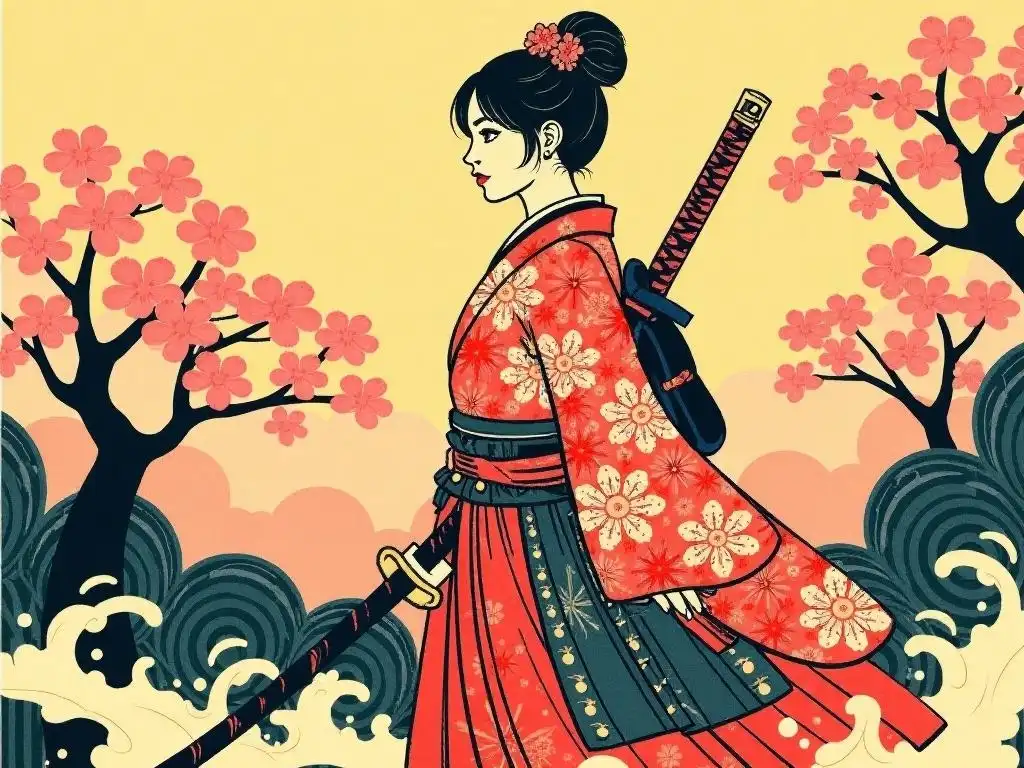
Welcome to Feudal Japan History, where we delve into the intricate tapestry of Japan’s feudal era, uncovering the historical, cultural, and societal narratives that shaped this remarkable period. In our featured article, "The Duality of Femininity: Warrior Women and the Traditional Roles," we invite you to explore the fascinating lives of warrior women who defied conventions and carved their paths amidst a world dominated by men.
What drove these extraordinary women to embrace the blade while navigating the complexities of traditional femininity? Join us as we unravel their stories and challenge the perceptions of gender roles in feudal Japan, igniting your curiosity about a chapter of history that is as compelling as it is enlightening.
- The Duality of Femininity: Warrior Women and the Traditional Roles in Feudal Japan
- Understanding Warrior Women in Feudal Japan
- Traditional Roles of Women in Feudal Japan
- The Intersection of Warrior Women and Traditional Roles
- The Influence of Warrior Women on Social History
- Conclusion: The Lasting Impact of Warrior Women in Feudal Japan
- References and Further Reading on Warrior Women in Feudal Japan
- Frequently Asked Questions
- Final Reflection: Embracing the Strength of Warrior Women in Feudal Japan
- Embrace the Strength of Femininity Today!
The Duality of Femininity: Warrior Women and the Traditional Roles in Feudal Japan
The feudal era of Japan, spanning from the late 12th century to the early 17th century, presents a complex tapestry of societal norms, cultural practices, and gender roles. Within this historical context, the concept of femininity was not monolithic; rather, it encompassed a duality that allowed women to navigate between traditional domestic responsibilities and more unconventional roles as warriors.
This article delves into the fascinating world of "Warrior Women in Feudal Japan," exploring how these remarkable figures challenged societal expectations while simultaneously embodying the traditional roles assigned to women during this time. By examining the lives of these women and their contributions to both warfare and society, we aim to illuminate the multifaceted nature of femininity in feudal Japan.
Introduction to Femininity in Feudal Japan
Femininity in feudal Japan was shaped by intricate social hierarchies, Confucian ideals, and cultural traditions that dictated the roles and behaviors expected of women. Generally, women were seen as caretakers of the household, responsible for managing domestic affairs, raising children, and preserving family honor. However, beneath this conventional facade lay a different narrative—one in which women actively participated in the defense of their families and communities, often taking on roles that defied the limitations imposed by their society.
Notable historical figures, such as Tomoe Gozen, exemplify this duality. Tomoe was a legendary female warrior who gained recognition as a skilled archer and swordswoman during the Genpei War. Her story illustrates how, despite societal constraints, women could rise to prominence as warriors, balancing their traditional roles with the demands of combat. This section will explore the cultural narratives surrounding femininity and how they intersected with the lives of warrior women, highlighting both the challenges and triumphs they faced.
Overview of Women's Roles in Feudal Japanese Society
The roles of women in feudal Japan were diverse and multifaceted, reflecting the complexities of a society defined by strict social hierarchies and cultural expectations. Women of various classes experienced their femininity differently, with samurai women, peasant women, and court nobles each playing unique roles in society.
- Samurai Women: As wives and daughters of samurai, these women were often trained in the skills of self-defense and strategy. They were responsible for managing estates and could even partake in battles, especially in the absence of their male relatives.
- Peasant Women: Typically engaged in agricultural work, peasant women played a crucial role in sustaining their families. Their labor was essential, and they occasionally took on additional responsibilities during times of conflict.
- Court Nobles: Women of the court navigated a world of political intrigue and cultural refinement. They were educated in poetry and arts, and their marriages often served to forge alliances between powerful families.
Summary of Key Roles
| Role | Responsibilities | Notable Examples |
|---|---|---|
| Samurai Women | Estate management, self-defense training | Tomoe Gozen |
| Peasant Women | Agricultural labor, family care | Common peasant families |
| Court Nobles | Cultural education, political alliances | Various court figures |
The duality of femininity in feudal Japan reveals a rich and dynamic history of women who transcended traditional boundaries. The exploration of warrior women alongside their conventional counterparts sheds light on the diverse roles women played in shaping the fabric of Japanese society during this era. Through this lens, we can appreciate the complexity of gender roles and the profound impact these women had on the course of history.
Understanding Warrior Women in Feudal Japan
Historical Context of Female Warriors
The presence of warrior women in Feudal Japan is a fascinating aspect of the nation's history that often remains overshadowed by the male-dominated narratives. During the feudal era, particularly between the 12th and 19th centuries, Japan was marked by a complex social hierarchy and frequent military conflicts. Women, especially those from samurai families, were not solely relegated to domestic duties; they played active roles in warfare and were trained in martial skills.
Historically, female warriors were often viewed through the lens of necessity. With the constant threat of invasion and internal strife, women sometimes had to take up arms to defend their families and estates. This led to the emergence of a class of women known as Onna-Bugeisha, female warriors who were trained in the arts of combat. The rise of these women can be attributed to the Bushido code, which, while primarily associated with male samurai, also encompassed the virtues of loyalty and courage that women embodied in their roles as protectors.
Furthermore, the Taira and Minamoto clans during the Genpei War (1180-1185) saw women like Tomoe Gozen, a legendary warrior, who not only fought alongside men but also gained recognition for her courage and skill in battle. This era marked a shift in the perception of femininity, challenging traditional roles and showcasing women's capabilities in a predominantly male sphere.
Notable Warrior Women: Legends and Realities
The stories of notable warrior women often blend legend and fact, creating a rich tapestry of narratives that reveal the complexity of their lives. Tomoe Gozen stands out as one of the most famous figures. A skilled archer and horsewoman, she fought valiantly in battles and is celebrated in literature, often depicted as a symbol of female strength and valor.
Another prominent figure is Hojo Masako, who, although not a warrior in the traditional sense, played a significant political role after her husband's death. Her leadership in the Kamakura shogunate demonstrated that women could wield power and influence during the feudal period, challenging the notion that their roles were limited to domestic spheres.
Additionally, the Izumo no Okuni, the founder of Kabuki theater, also embodies the duality of femininity. While primarily known for her performances, she was part of a tradition where women participated in martial arts, showcasing their versatility in both combat and culture.
These narratives highlight that while some warrior women were involved in direct combat, others influenced the feudal landscape through leadership and cultural contributions, thereby reshaping the understanding of women's roles during this period.
The Role of Samurai Women in Feudal Japan
Samurai women, often overlooked in historical discourse, played crucial roles within their clans. They were trained not only in household management but also in martial arts, ensuring they could defend their homes if necessary. This training included the use of weapons such as the naginata (a polearm) and the katana (sword), which were integral to their ability to engage in warfare.
The responsibilities of samurai women extended beyond mere combat; they were also tasked with preserving family honor and managing estates during their husbands' absences. This duality of roles showcased their resilience and ability to navigate complex social dynamics. Some samurai women, such as Yoshiko, became known for their strategies in warfare, contributing to military campaigns and clan politics.
Moreover, the practice of Naginatajutsu, a martial art focusing on the naginata, was often taught to women of the samurai class. This training was not solely for combat; it also served as a means of instilling discipline and virtue, aligning with the broader teachings of Bushido.
In sum, the warrior women in feudal Japan exemplify a rich and nuanced history, revealing that femininity during this period was not simply about traditional roles but also encompassed strength, leadership, and martial prowess. The legacy of these women continues to inspire contemporary discussions about gender roles and the capabilities of women in society.
Traditional Roles of Women in Feudal Japan
The roles of women in feudal Japan were multifaceted and deeply intertwined with the social, economic, and cultural fabric of the time. While society was predominantly patriarchal, women's contributions were significant, often extending beyond the confines of the household. Understanding these traditional roles provides a foundation for exploring the contrasting identities of warrior women who also emerged during this era.
Domestic Responsibilities and Household Management
In feudal Japan, women primarily occupied the domestic sphere, where their responsibilities revolved around household management and child-rearing. These roles were critical for maintaining family lineage and ensuring the smooth functioning of the household. Key responsibilities included:
- Childcare: Women were primarily responsible for raising children, instilling moral values, and teaching skills necessary for survival and societal integration.
- Household Maintenance: This involved managing daily chores such as cooking, cleaning, and weaving. Women often engaged in textile production, which was vital for the family's economic stability.
- Food Production: Women contributed to agriculture by participating in planting, harvesting, and processing food, particularly in rural areas where family farms were common.
The organization of domestic life was often hierarchical, with elder women, such as mothers-in-law, holding significant influence over younger generations. This structure facilitated the transfer of knowledge and customs from one generation to the next, reinforcing the cultural identity of the family.
Cultural expectations and social norms dictated women's behavior in feudal Japan, shaping their roles within society. Women were generally expected to embody virtues such as modesty, obedience, and fidelity. The Confucian ideals prevalent during this period emphasized the importance of these qualities, reflecting the broader societal values. Key aspects of these cultural expectations included:
- Submissiveness: Women were often expected to be submissive to male authority figures, including fathers, husbands, and elder relatives. This subservience was reinforced by societal norms and legal frameworks, which prioritized male lineage and inheritance.
- Marriage and Family: Arranged marriages were common, and a woman's worth was often measured by her ability to bear sons. This emphasis on childbearing placed immense pressure on women, as their social status largely depended on their reproductive success.
- Religious and Spiritual Roles: Women also played vital roles in religious practices. Many were involved in Shinto rituals and the upkeep of family shrines, reflecting their importance in maintaining spiritual harmony within the household.
These expectations created a complex environment where women's identities were often defined by their relationships to men, yet they still found ways to exert influence and authority within the limits of their societal roles.
Education and Skills of Women in Feudal Japan
Despite the constraints imposed by societal norms, many women in feudal Japan acquired education and developed skills that allowed them to navigate their world effectively. Education for women was typically informal and centered around practical skills rather than formal schooling. Key aspects of women's education and skill development included:
- Literacy: While formal education was less accessible to women compared to men, some women, especially those from samurai or wealthy merchant families, learned to read and write. This literacy enabled them to manage household finances and communicate effectively within their social circles.
- Artistic Skills: Women often trained in arts such as calligraphy, poetry, and music. These skills not only provided personal fulfillment but also served as a means of social engagement and cultural expression.
- Martial Skills: In certain cases, particularly among the samurai class, women were trained in martial arts and weaponry. These warrior women, known as onna-bugeisha, challenged traditional gender norms by taking on roles that involved combat and defense, especially in times of conflict.
The diverse skills and education of women in feudal Japan illustrate their resilience and adaptability, highlighting a nuanced understanding of femininity that coexisted with traditional domestic roles. This duality laid the groundwork for the emergence of warrior women who would later challenge the boundaries of their prescribed identities.
The Intersection of Warrior Women and Traditional Roles
In feudal Japan, the concept of femininity was complex and multifaceted, particularly as it related to the roles of women in society. While many women were expected to fulfill traditional domestic roles, others emerged as formidable figures on the battlefield, challenging the norms of their time. This intersection of warrior prowess and domesticity creates a unique narrative that underscores the duality of femininity in this historical period.
The phenomenon of warrior women in feudal Japan can be attributed to various social and cultural factors. Samurai families, for instance, often trained their daughters in martial arts to ensure the family’s protection in times of conflict. The rise of bushi women—women from warrior classes—showcases how some women not only participated in warfare but also maintained their roles as nurturers within the family unit.
This duality reflects a broader societal acceptance of women’s capabilities, as evidenced in historical records and folklore that celebrate these figures. As we explore this intersection further, we will see how it shaped the identities and contributions of women during this remarkable era.
Balancing Warfare and Domestic Duties
The ability of women to balance the demands of warfare with traditional domestic duties was often a reflection of their social status and the needs of their communities. Many women took on responsibilities that were both martial and maternal, demonstrating resilience and adaptability in the face of adversity.
- Household Management:
- Women were often the primary managers of the household, ensuring that the family’s needs were met. This included overseeing agricultural production, which was critical for sustaining the family during conflicts.
- In times of war, women would take charge of fortifying their homes and managing resources, demonstrating their strategic acumen.
- Military Training:
- Some women from warrior families engaged in training with weapons like the naginata and the yumi (bow), which equipped them for potential combat scenarios.
- Historical accounts, such as those of the Onna-bugeisha (female warriors), highlight how these women not only trained in martial arts but also fought alongside men when necessary.
- Crisis Response:
- During sieges or raids, women often played a crucial role in defending their homes. They would lead efforts to protect their children and manage logistics, showcasing their leadership capabilities in dire situations.
The Dual Identity: Warrior Women as Caregivers and Fighters
The dual identity of women as caregivers and fighters reflects a nuanced understanding of femininity during feudal Japan. This identity was not merely about the roles women occupied but also intertwined with their agency and influence.
- Cultural Perception:
- The societal perception of women was often rooted in Confucian ideals, which emphasized obedience and domesticity. However, the presence of warrior women challenged these notions, creating a dynamic where women could embody strength and compassion.
- Role Models:
- Figures such as Tomoe Gozen, a legendary warrior during the Genpei War, exemplified this duality. She was not only a skilled fighter but also a woman of loyalty and honor, revered in both warrior and domestic contexts.
- Legacy of Warrior Women:
- The stories of these women have been preserved through folklore and literature, highlighting their contributions beyond the battlefield. Their dual identities served as powerful role models, inspiring future generations of women to embrace both strength and nurturing traits.
Case Studies of Prominent Warrior Women and Their Traditional Roles
Examining specific case studies of warrior women provides a deeper understanding of their impact and the traditional roles they navigated.
| Name | Role | Contributions |
|---|---|---|
| Tomoe Gozen | Samurai warrior | Fought in the Genpei War; known for her combat skills and loyalty. |
| Hojo Masako | Political leader and warrior | Played a significant role in the Kamakura shogunate; managed political affairs while embodying traditional maternal roles. |
| Nakano Takeko | Warrior during the Boshin War | Led a group of female fighters; showcased bravery and leadership while advocating for her family’s honor. |
These women not only defied traditional expectations but also contributed significantly to the social and military fabric of their time. Their legacies continue to resonate, illuminating the diverse roles women played in feudal Japan and the complexities of their identities as both warriors and caregivers.
The exploration of warrior women in feudal Japan reveals a rich tapestry of experiences that challenge conventional narratives of gender roles. Through their duality, these women carved out spaces for themselves in both the domestic sphere and the battlefield, leaving an indelible mark on history.
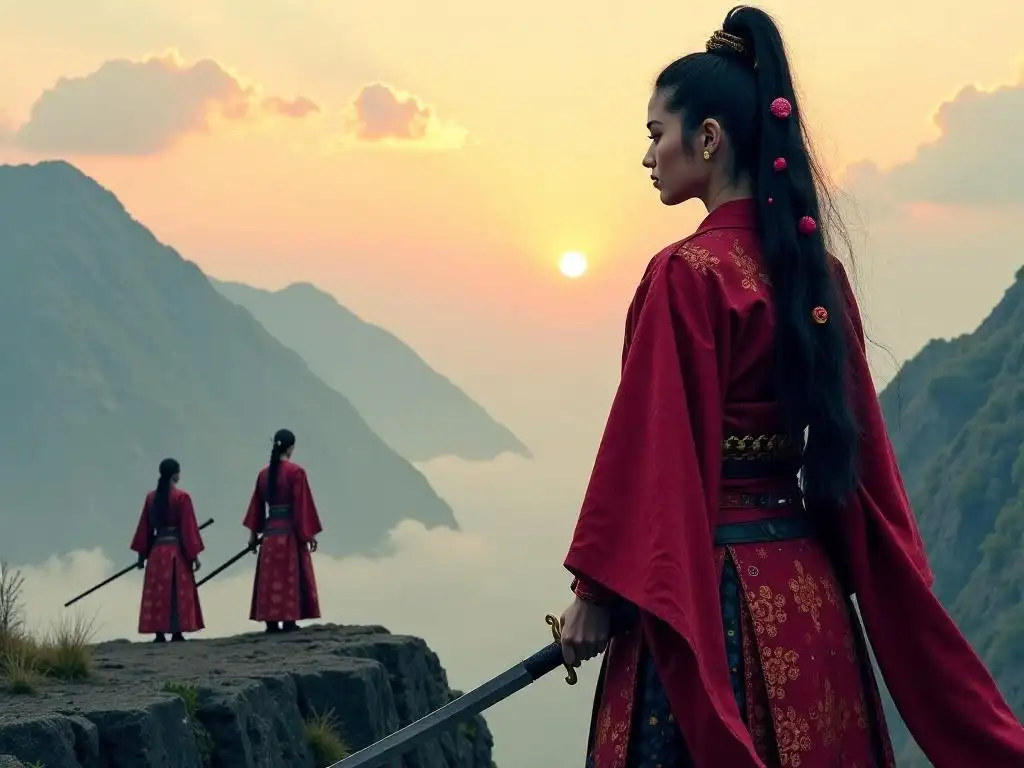
Warrior women in feudal Japan, known as onna-bugeisha, played a significant role in shaping the social history of their time. These women not only participated in combat but also challenged the prevailing gender norms of a predominantly patriarchal society. Their involvement in warfare and martial arts contributed to a redefinition of femininity in a context where women were often relegated to domestic roles.
How Warrior Women Challenged Gender Norms
The emergence of warrior women in feudal Japan can be traced back to the tumultuous periods of civil strife, where their contributions were not merely symbolic but essential.
- Participation in Combat: Onna-bugeisha, such as Tomoe Gozen and Hojo Masako, were known for their prowess on the battlefield. Their participation in military campaigns demonstrated that women could embody both strength and martial skill, challenging the societal expectation that women should remain passive and submissive.
- Role Models for Future Generations: The visibility of these female warriors served as an inspiration for subsequent generations. They defied the restrictive norms and provided a precedent for women to engage in activities traditionally reserved for men.
- Cultural Representation: Literature and folklore from the period often romanticized these warrior women, portraying them as fierce yet honorable figures. This cultural representation helped to solidify the idea that women could hold power and influence, albeit within a limited scope.
Despite their contributions, the recognition of warrior women was often overshadowed by their male counterparts. Nevertheless, the existence of onna-bugeisha laid crucial groundwork for evolving perceptions of gender roles in Japanese society.
The Legacy of Female Warriors in Japanese Culture
The legacy of warrior women extends beyond their immediate contributions to warfare; it permeates various aspects of Japanese culture and societal values.
- Influence on Modern Media: Today, the tales of onna-bugeisha have inspired numerous forms of art, literature, and entertainment. From anime to historical dramas, the depiction of female warriors continues to resonate, highlighting their enduring impact on popular culture.
- Symbol of Empowerment: The narratives surrounding female warriors serve as a source of empowerment for women in contemporary Japan. They represent the potential for strength and independence, challenging the traditional notions of femininity that persist in modern society.
- Historical Recognition: Recent scholarship has begun to re-evaluate the contributions of warrior women, emphasizing their roles not just as fighters but as leaders and strategists. This re-examination encourages a broader understanding of women's history within Japan's feudal era.
Overall, the legacy of warrior women in feudal Japan is a testament to their multifaceted roles in society, transcending mere participation in battle to encompass a broader cultural significance.
The Evolution of Women’s Roles Post-Feudal Era
The transition from the feudal era to the modern age brought about significant changes in women's roles in Japan, influenced in part by the legacy of warrior women.
- Shifts in Social Structure: As Japan moved towards modernization, the rigid class structures that defined feudal society began to dissolve. This shift allowed for a reevaluation of women's roles, leading to increased opportunities in education and employment.
- Emergence of New Ideals: The Meiji Restoration heralded a new era of societal change, where women began to advocate for rights and greater participation in public life. This period saw the rise of feminist movements, which drew upon the historical narratives of warrior women to argue for equality.
- Cultural Renaissance: The reimagining of femininity in Japan continued to evolve, with women adopting diverse roles in various spheres, including politics, arts, and sciences. The historical presence of female warriors served as a powerful reminder of women's capabilities and resilience.
The influence of warrior women during feudal Japan significantly shaped the evolution of women's roles, providing a foundation for future generations to build upon. Their legacy continues to inspire discussions around gender equality and the recognition of women's contributions to society.
Conclusion: The Lasting Impact of Warrior Women in Feudal Japan
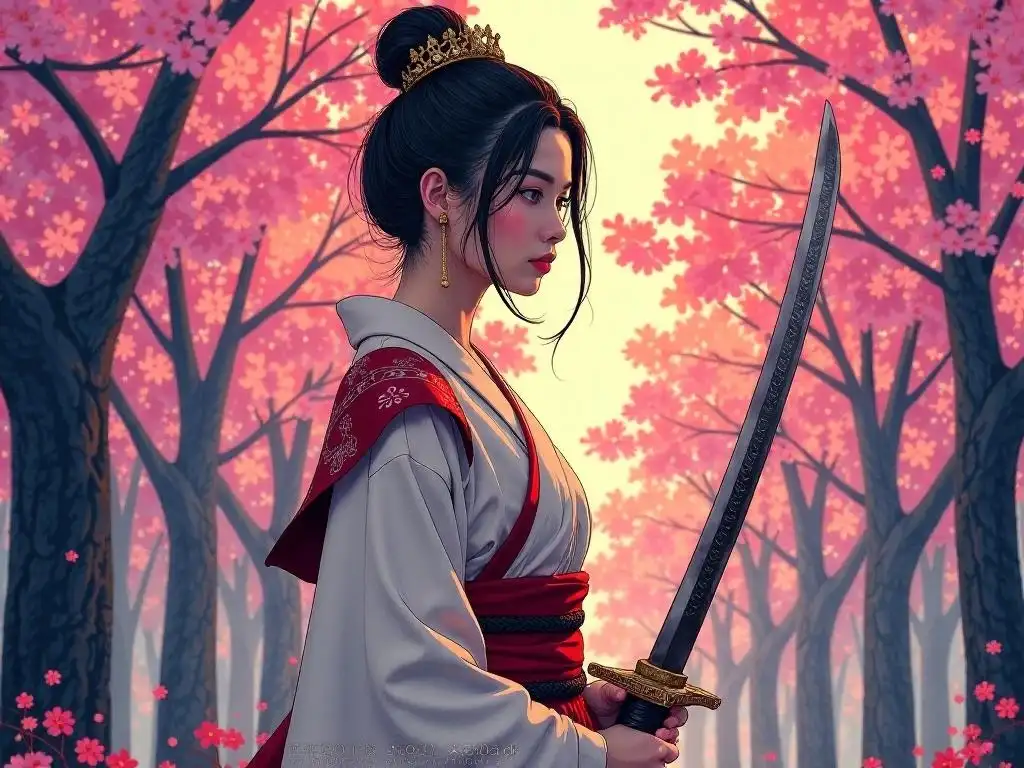
The legacy of warrior women in Feudal Japan is a testament to the complex interplay of gender roles during this era. These formidable figures, often overshadowed by their male counterparts, contributed significantly to both the military and cultural landscapes of their time. The presence of women warriors, such as the famed Tomoe Gozen and the legendary Hojo Masako, challenges the traditional narratives that often confine women to domestic roles. Instead, these women exemplified strength, resilience, and a commitment to their clans, embodying a duality of femininity that blended the qualities of both nurturers and protectors.
The stories of these warrior women resonate beyond their historical context, inviting modern society to reconsider the concept of femininity. They offer a lens through which we can explore the diverse expressions of womanhood, emphasizing that strength can manifest in various forms. The tales of these historical figures remind us that the attributes of courage and leadership are not confined to one gender, but are intrinsic to the human experience.
Reflections on Femininity and Strength in Historical Context
The juxtaposition of warrior women and traditional roles in Feudal Japan highlights a rich tapestry of femininity that was more multifaceted than previously acknowledged. Women in this era were not merely relegated to the background; they played vital roles in warfare and governance while simultaneously upholding familial responsibilities. This duality raises questions about the societal constructs of gender and the ways in which they have evolved over time.
In many instances, women warriors were celebrated for their martial prowess while also being revered as symbols of loyalty and honor within their families. For example, the portrayal of women like Tomoe Gozen in literature and folklore captures the essence of a complex identity that balances both nurturing and warrior traits. This reflects a broader understanding of femininity that embraces strength and vulnerability, resilience and compassion.
The narratives surrounding these women serve as a powerful reminder of the capabilities of all individuals, irrespective of gender. As we delve into the historical context of these figures, it becomes evident that their impact was profound, influencing not only their immediate surroundings but also the cultural memory of Japan.
Future Research Directions on Warrior Women and Traditional Roles
As interest in the roles of women during the feudal era continues to grow, there are several avenues for future research that could deepen our understanding of warrior women in Feudal Japan. One potential area of exploration is the examination of regional variations in women's roles across different provinces. This could reveal how local customs and societal structures influenced the participation of women in warfare and leadership.
Another promising direction involves analyzing the representation of warrior women in contemporary media and literature. Understanding how these historical figures are portrayed today can shed light on changing societal perceptions of femininity and strength. By studying the evolution of these narratives, researchers can gain insights into modern views on gender roles, empowerment, and identity.
Additionally, interdisciplinary approaches that combine historical research with feminist theory could yield significant insights into the experiences of warrior women. This could include scrutinizing primary sources, such as letters, diaries, and military records, to uncover the lived experiences of women warriors and their contributions to society.
The exploration of warrior women in Feudal Japan not only enriches our understanding of the past but also offers valuable lessons for contemporary society. By recognizing and celebrating the duality of femininity as embodied by these remarkable women, we can foster a broader dialogue about gender roles and the strength found within diversity.
References and Further Reading on Warrior Women in Feudal Japan
Key Texts and Historical Documents
The exploration of Warrior Women in Feudal Japan is enriched by a selection of key texts and historical documents that provide insight into their roles, responsibilities, and representation during this era. Notable works include:
- The Tale of the Heike: This epic narrative details the rise and fall of the Taira clan and features several strong female figures, such as Tomoe Gozen, a renowned warrior who exemplifies the duality of femininity in battle.
- The Chronicles of Japan (Nihon Shoki): Compiled in the 8th century, this historical record mentions legendary women who played pivotal roles in wartime and governance, highlighting the historical significance of women beyond domestic spheres.
- The Book of Five Rings by Miyamoto Musashi: While primarily a treatise on strategy and martial arts, Musashi's reflections on warrior conduct indirectly touch upon the qualities expected of female warriors in the context of bushido (the way of the warrior).
These texts not only illustrate the martial prowess of women but also their strategic importance in the socio-political landscape of feudal Japan.
Recommended Articles and Books on Women’s Roles in Feudal Japan
To further understand the complexities of women's roles during the feudal period, the following articles and books are highly recommended:
-
"Women in Early Modern Japan: Power and Influence" by Sumie Okada
This book delves into the multifaceted roles of women, including warriors, in shaping Japan’s early modern society. Okada discusses how women navigated and sometimes defied societal expectations.
-
"Warrior Women of Japan" by John F. McCarthy
McCarthy's analysis focuses on specific historical figures and presents a detailed account of their contributions to Japanese martial culture, shedding light on their training and battle experiences.
-
"Samurai Women: A Historical Overview" by Laura J. Smith
This article examines the lives of samurai women, detailing their training and participation in battles, as well as their societal roles, providing a comprehensive view of their dual identity.
-
"The Role of Women in Feudal Japan: A Study of Gender Dynamics"
This academic paper discusses the evolving roles of women throughout different periods of feudal Japan, focusing on how societal norms shaped their identities as warriors and caretakers.
-
"Gender in Japanese History" edited by Barbara R. Ambros
A collection of essays that analyze how gender roles were constructed and understood in Japan's historical context, including the significant roles played by women during the feudal era.
By engaging with these texts and articles, readers can gain a deeper understanding of the duality of femininity, particularly the Warrior Women in Feudal Japan, and their enduring legacy in both historical and cultural narratives.
Frequently Asked Questions
What were the primary roles of women in Feudal Japan?
Women in Feudal Japan typically held traditional roles as caretakers and homemakers, but some, known as warrior women, also took on roles in combat and defense.
Who were the warrior women in Feudal Japan?
Warrior women were those who defied traditional gender norms and participated in battles, often belonging to the samurai class or trained in martial arts.
How did societal views on women influence their roles in Feudal Japan?
Societal views often confined women to domestic duties, but the necessities of war and cultural shifts allowed some to break away and assume active roles in society.
What impact did warrior women have on Japanese history?
Warrior women played a significant role in shaping military strategies and defending their homes, influencing the outcomes of battles and the perception of women in Japanese history.
Are there any notable figures among the warrior women of Feudal Japan?
Yes, figures like Tomoe Gozen and Hojo Masako are celebrated for their bravery and contributions, showcasing the duality of femininity in a male-dominated era.
Final Reflection: Embracing the Strength of Warrior Women in Feudal Japan
The exploration of warrior women in feudal Japan highlights a profound truth: femininity is not a singular narrative but a tapestry woven from strength, resilience, and tradition. As we navigate the complexities of modern gender roles, the stories of these remarkable women remind us that the duality of femininity—embracing both nurturing and warrior-like qualities—continues to resonate today. The legacy of these women challenges the conventional boundaries of gender, urging us to recognize that strength can manifest in various forms.
The impact of warrior women extends beyond historical accounts; they have become symbols of empowerment in contemporary society. Their stories inspire a cultural shift towards embracing multifaceted identities, where women can embody both the fierce warrior and the compassionate nurturer. As we reflect on this duality, we can recall the words of the renowned feminist scholar Judith Butler: Gender is not something we are, but something we do.
This perspective encourages us to actively engage with our identities and challenge societal norms, paving the way for a more inclusive understanding of femininity.
As we conclude this exploration, I invite you to reflect on the lessons of warrior women in feudal Japan and consider how their legacies can inform your own life. Embrace the strength within you, whether it manifests as a warrior spirit or a nurturing heart. Each of us has the power to redefine our roles and challenge the limitations placed upon us. Let us honor the past by forging a future where all expressions of femininity are celebrated, and where every woman can stand proudly as both a warrior and a nurturer in her own right.
Embrace the Strength of Femininity Today!
Thank you for diving into the intriguing world of warrior women in Feudal Japan! You've uncovered the rich tapestry of femininity that blends strength with tradition. Now, it’s time to take what you've learned and put it into action.
Here are a few ways to continue your exploration and celebrate this fascinating duality:
- Join our community: Share your thoughts or experiences related to powerful women in history by commenting below or participating in our discussion forum.
- Read further: Discover more about specific warrior women who have shaped history—be sure to check out the recommended reading list available on our site.
- Educate others: Host a discussion or write an article on social media that highlights the impact of women throughout history; together, we can spread the word!
What aspects of femininity resonate with you the most? How can we honor these remarkable warriors in today’s world? We invite you to share your thoughts with us!