
The Social Standing of Courtesans: Women in Feudal Japanese Society

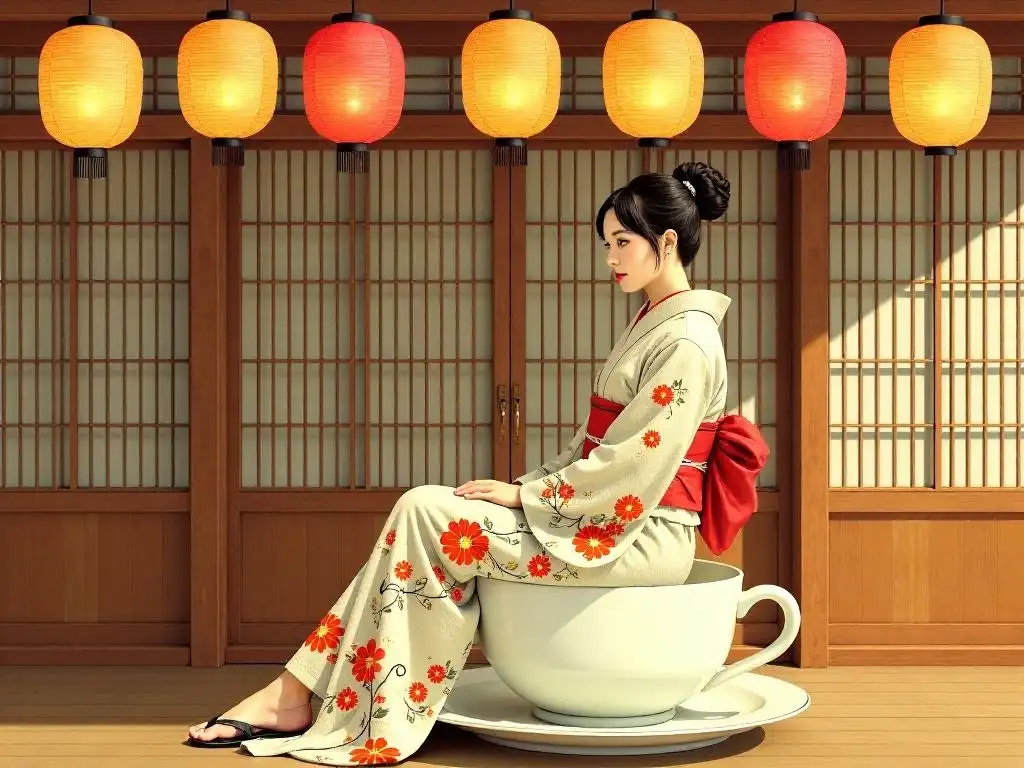
Welcome to Feudal Japan History, where we embark on a captivating journey through the intricate tapestry of Japan's feudal era. Here, you will uncover the nuanced roles and societal standings of women, particularly the intriguing world of courtesans in feudal Japan. Delve into our latest article, "The Social Standing of Courtesans: Women in Feudal Japanese Society," and discover how these remarkable figures navigated the complexities of their time.
Prepare to be fascinated as we unravel the layers of history, culture, and social dynamics that shaped their lives. Your exploration begins now—are you ready to uncover the secrets of the past?
Introduction to Courtesans in Feudal Japan
The role of courtesans in feudal Japan is a topic steeped in complexity and nuance, reflecting the intricate layers of societal structure and cultural expectations of the time. Often seen through the lens of romantic intrigue and artistic expression, courtesans were not merely entertainers but played pivotal roles in the social fabric of their era. Understanding their standing requires a thorough exploration of their definitions, historical contexts, and cultural influences, which reveal the multifaceted lives these women led within the constraints of a patriarchal society.
Definition of Courtesans in Feudal Japan
Courtesans, known as "yujo" or "oiran," were women who occupied a unique position in the social hierarchy of feudal Japan. Unlike common prostitutes, courtesans were often educated, skilled in the arts, and engaged in complex relationships with their clients, who were typically from the samurai and merchant classes. They were trained in various cultural practices, such as tea ceremonies, poetry, and music, making them not just companions but also cultural connoisseurs. Their status was both revered and stigmatized, embodying the contradictions of beauty, desire, and social stratification.
Historical Context of Courtesans in Japanese Society
The emergence of courtesans can be traced back to the Edo period (1603-1868), a time when urbanization and the flourishing of commerce created new social dynamics. The "Yoshiwara" district in Edo (modern-day Tokyo) became famous for its licensed pleasure quarters, where courtesans resided. These women navigated a complex system of patronage and competition, often influencing fashion and trends.
The societal views on courtesans were shaped by various factors, including Confucian values that prioritized family and morality, contrasting sharply with the allure and freedom associated with courtesans. This duality illustrates the rich tapestry of social norms and expectations that defined women's roles in feudal Japan.
The Role of Courtesans in Feudal Japanese Culture
Courtesans were not only significant figures in the realm of pleasure but also influential agents in the cultural landscape of feudal Japan. Their impact on various artistic expressions and relationships with the samurai class reveal the depth of their involvement in shaping cultural narratives.
Courtesans and Their Influence on the Arts
The artistic influence of courtesans is particularly evident in the ukiyo-e woodblock prints, which flourished during the Edo period. These artworks often depicted courtesans in elaborate kimonos, showcasing their beauty and elegance. Courtesans inspired poets and playwrights, becoming central figures in kabuki theater and narrative literature, where their stories of love, loss, and longing resonated with audiences. The interplay between art and the lives of courtesans highlights their role as muses, transcending their societal status to become icons of cultural expression.
The Relationship Between Courtesans and Samurai
The relationship between courtesans and samurai was complex and multifaceted. Samurai, bound by their code of honor and duty, often sought the companionship of courtesans as a form of escapism from their rigid lives. These relationships could be both transactional and deeply emotional, as courtesans provided a sanctuary for samurai, allowing them to express vulnerability and affection. However, these interactions also reflected the stark inequalities of feudal society, where courtesans, despite their influence, remained marginalized within the broader context of gender and social hierarchy. This dynamic illustrates the intricate dance between power, desire, and societal constraints in feudal Japan.
In feudal Japan, the social hierarchy was rigidly stratified, with courtesans occupying a unique position within this complex system. While often viewed with a mix of admiration and disdain, courtesans held a status that was both elevated and marginalized. They were part of the entertainment culture and were often associated with the pleasure districts, particularly in cities like Edo (modern-day Tokyo), where they provided companionship and entertainment to the elite. Their roles extended beyond mere entertainment; courtesans were also seen as cultural icons, embodying the aesthetics and trends of the time.
Despite their prominent role in society, courtesans were still considered lower than women of higher social classes, such as samurai wives or merchant daughters. This paradox of high visibility yet low societal status was deeply rooted in the Confucian values that dominated the era, where women were predominantly expected to fulfill domestic roles. Thus, while courtesans enjoyed certain privileges—such as access to education, artistic training, and the ability to socialize with powerful men—they were often seen as commodities rather than individuals with agency.
Classification of Courtesans in Feudal Japan
Courtesans in feudal Japan were classified into several categories based on their skills, status, and the revenue they generated for their establishments. The most prominent classifications included:
- Kōshi: High-ranking courtesans who were well-educated and trained in arts such as music, poetry, and dance. They catered to wealthy clientele and often held significant influence over fashion and cultural trends.
- Oiran: The highest echelon of courtesans, oiran were known for their beauty and sophistication. They were often adorned with elaborate clothing and hairstyles, and their services were highly sought after by the elite. Oiran were distinguished by their unique fashion, which included elaborate kimonos and intricate hairpieces.
- Yūjo: Generally referred to as "women of pleasure," yūjo were courtesans of lower status compared to oiran and kōshi. They provided companionship and entertainment but were not as highly trained or regarded. Their clientele typically included lower-ranking samurai and merchants.
- Shinju: A term that referred to courtesans who were often involved in a romantic relationship with their patrons, sometimes leading to tragic outcomes. This classification highlighted the emotional and often tumultuous nature of their relationships with clients.
This classification system not only defined the social standing of courtesans but also shaped the economic and cultural landscape of feudal Japan.
The Economic Impact of Courtesans on Society
Courtesans played a significant role in the economy of feudal Japan, particularly within the pleasure districts, known as "yoshiwara." These districts thrived on the patronage of wealthy men, and courtesans were pivotal in generating substantial revenue for their establishments. The economic impact can be summarized as follows:
- Revenue Generation: The fees paid for courtesans' services contributed significantly to the local economy. This created a demand for goods and services, benefiting local artisans and merchants.
- Cultural Patronage: Many courtesans were also patrons of the arts. They commissioned paintings, poetry, and music, thereby supporting artists and craftsmen. This facilitated a vibrant cultural exchange that enriched Japanese art and literature.
- Employment Opportunities: The pleasure districts provided jobs not only for courtesans but also for a range of support staff, including musicians, performers, and attendants, thus creating a complex economic ecosystem.
- Social Mobility: For some women, becoming a courtesan offered a path to financial independence and a chance to elevate their social status, albeit temporarily. Successful courtesans could accumulate wealth and may even retire to marry wealthy suitors.
Overall, courtesans were integral to the economic fabric of feudal Japan, influencing both the cultural and financial landscapes of their time.
Daily Life of Courtesans in Feudal Japan
The daily life of courtesans in feudal Japan was a blend of rigorous training, social obligations, and personal sacrifice. Their lives were structured around the demands of their profession, which required a delicate balance of artistry, charm, and social savvy.
Living Conditions of Courtesans
Courtesans lived in designated quarters within the pleasure districts, often in luxurious settings that reflected their status. Their living conditions varied significantly depending on their ranking:
- High-Ranking Courtesans: Those classified as oiran or kōshi lived in spacious, elegantly decorated rooms with access to fine clothing, exquisite meals, and other luxuries. These accommodations were designed to showcase their beauty and status, often featuring intricate artwork and traditional tatami flooring.
- Lower-Ranking Courtesans: Yūjo and other lower-ranking courtesans had more modest living conditions. While they still had access to some comforts, their quarters were less extravagant than those of their higher-ranking counterparts.
The lifestyle of courtesans was characterized by strict routines, where they would engage in training for various artistic skills, prepare for clients, and participate in social events.
Training and Skills of Courtesans
To excel in their roles, courtesans underwent extensive training in various arts and social graces. This training typically included:
- Performing Arts: Courtesans were trained in traditional Japanese arts such as Kabuki, Noh, and Geisha performances. They learned to dance, sing, and play instruments, which were crucial skills for entertaining clients.
- Literature and Poetry: A deep understanding of literature and poetry was essential. Many courtesans were well-versed in classical Japanese literature, allowing them to engage clients in intellectual conversations and recitals.
- Calligraphy and Arts: Many courtesans were skilled in calligraphy and painting, producing beautiful works that showcased their artistic talents and enhanced their appeal to patrons.
- Etiquette and Social Skills: The ability to navigate complex social interactions was critical. Courtesans were trained in the art of conversation, ensuring they could charm and engage their clientele effectively.
This rigorous training not only elevated their status but also made courtesans key figures in the cultural life of feudal Japan, contributing significantly to the artistic heritage of the era.
The Perception of Courtesans in Feudal Japan
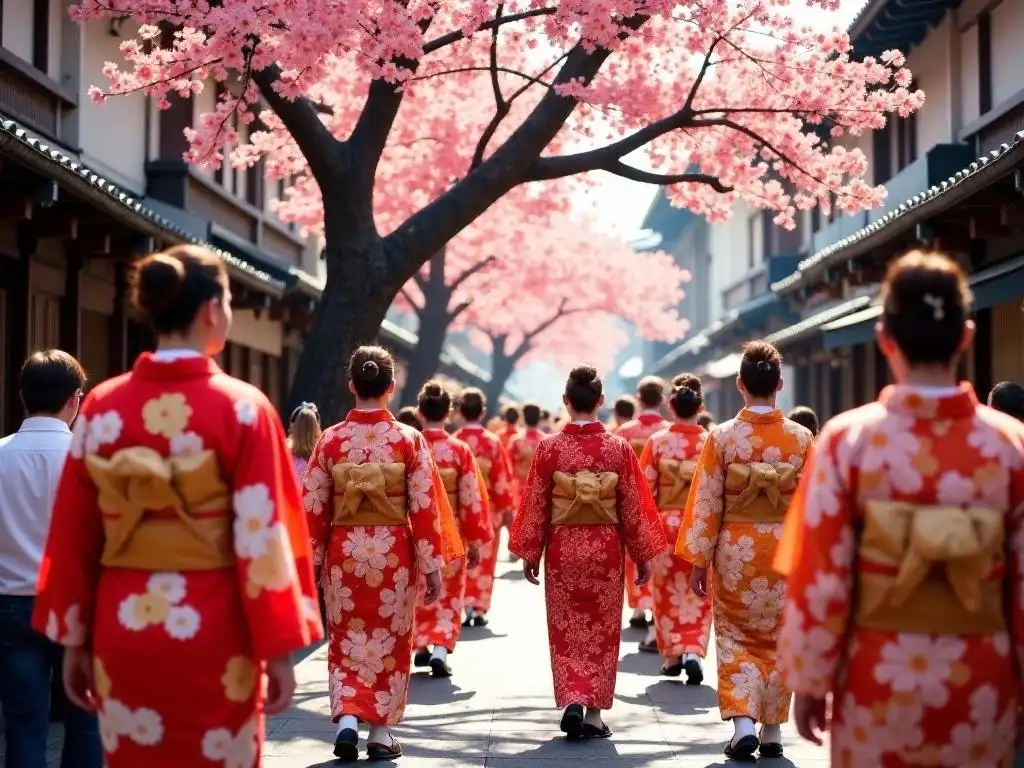
Courtesans in feudal Japan, often referred to as "oiran" or "geisha," occupied a complex and multifaceted position within society. While they were celebrated for their beauty, artistry, and charm, the perception of courtesans was not uniform across all social strata. They were often romanticized in literature and art, embodying the ideal of feminine allure and seduction. However, beneath this glamorous exterior lay a reality marked by strict societal rules and limitations.
The perception of courtesans also varied significantly depending on the era and the region. In the Edo period (1603-1868), for example, courtesans became increasingly prominent in urban centers like Edo (modern-day Tokyo). They were not only entertainers but also influential figures in the cultural landscape, participating in the development of arts such as poetry, music, and dance. This dual role as both entertainers and cultural influencers contributed to a more nuanced perception of their status, reflecting the complexities of women's roles in feudal Japan.
Myths and Realities of Courtesans' Lives
The lives of courtesans were shrouded in myths that often glamorized their existence, portraying them as the epitome of luxury and freedom. Many believed that courtesans lived lavishly, surrounded by wealth and adoration. However, the reality was often starkly different. While some courtesans did achieve a degree of financial success and social standing, their lives were typically governed by strict societal norms and personal sacrifices.
For instance, courtesans were expected to adhere to a rigorous training regime, mastering various arts to attract and retain patrons. Their education was intense, encompassing not only the performing arts but also etiquette and conversation. Furthermore, many courtesans were bound to a system that required them to serve specific clientele, limiting their personal freedoms. The myth of the free-spirited courtesan often overshadowed the reality of their constrained lives, where financial and social pressures dictated their choices.
The Dual Image: Respect and Scorn
Courtesans in feudal Japan were often seen through a dual lens of respect and scorn. On one hand, they were revered as skilled artisans, capable of captivating audiences with their performances and charm. Their ability to navigate the complexities of elite social circles earned them a level of respect that few women could attain. Many courtesans became celebrated figures in their own right, with some even achieving fame beyond their immediate community.
On the other hand, courtesans were also subjected to societal scorn and moral judgment. Despite their talents and contributions to culture, they were often viewed as morally compromised due to their profession, which involved sexual relationships with men outside of marriage. This duality created a fascinating yet challenging existence for courtesans, allowing them to wield influence while simultaneously facing societal stigma.
The Legal and Economic Status of Courtesans
The legal and economic status of courtesans in feudal Japan was shaped by a complex interplay of laws and societal norms. While courtesans could attain financial independence, their legal rights were often limited compared to their male counterparts. The system that governed courtesans was designed to maintain a hierarchy within the profession, with the most prestigious courtesans enjoying certain privileges, while others faced significant restrictions.
Laws Governing Courtesans in Feudal Japan
The legal framework surrounding courtesans was intricate and often reflected broader societal attitudes towards women. During the Edo period, for example, courtesans were regulated by the government, which imposed laws that dictated their conduct and interactions with patrons. These laws aimed to control the licensed pleasure quarters, where courtesans operated, ensuring that the activities within these spaces adhered to societal expectations.
Notably, courtesans were required to register with local authorities, which provided them a form of legitimacy but also subjected them to oversight. This legal status afforded them some protection, yet it also placed them in a vulnerable position, as they were often exploited by both patrons and the establishments that employed them. The laws governing courtesans highlight the paradox of their existence: while they were granted a certain status, their autonomy remained constrained.
The Financial Independence of Courtesans
Despite the restrictions imposed by their profession, courtesans could achieve a measure of financial independence, often accumulating wealth through their clientele. Successful courtesans could command high fees for their services, and many established lucrative relationships with wealthy patrons. This financial power allowed some courtesans to enjoy a lifestyle that included luxury goods, fashionable clothing, and the ability to invest in their own futures.
Moreover, courtesans often played a critical role in the economy of the pleasure districts, contributing to the livelihoods of various artisans and service providers. Their financial independence, however, was precarious; it was heavily dependent on their popularity and the whims of their patrons. The rise and fall of a courtesan's fortune could be swift, illustrating the volatile nature of their economic status within the feudal framework.
Comparison of Courtesans and Other Women in Feudal Japan
In feudal Japan, the social standing of women varied greatly depending on their roles in society. Among these roles, courtesans occupied a unique and often controversial position. While many women were relegated to domestic duties and confined to the household, courtesans enjoyed a level of autonomy, education, and cultural influence that was rare for women of their time. This comparison highlights the complex dynamics of gender and social hierarchy in feudal Japan.
Courtesans, especially those in the prominent Yoshiwara district of Edo, were not only entertainers but also skilled conversationalists and artists. They were often trained in various forms of art, including poetry, music, and dance, setting them apart from common women who typically had limited access to education and cultural pursuits. This distinction in education and cultural exposure allowed courtesans to engage with samurai and wealthy merchants on a more equal footing, creating a complex relationship between the classes.
Additionally, while traditional wives were expected to adhere to strict societal roles of obedience and domesticity, courtesans could assert a degree of independence. They operated within a regulated environment but enjoyed a lifestyle that involved public interaction and social engagement. This contrast illustrates the multifaceted nature of women's roles in feudal society and the nuanced status that courtesans held.
Courtesans vs. Wives: Social Expectations and Responsibilities
The social expectations placed on courtesans and wives in feudal Japan were markedly different, reflecting broader societal attitudes toward gender and class. Wives were often seen primarily as caretakers and bearers of children, with their worth measured by their ability to manage a household and produce heirs. Their responsibilities were confined largely to domestic spheres, and they were expected to exhibit loyalty and subservience to their husbands.
Conversely, courtesans were viewed through a more complex lens. While they also had expectations to fulfill, their roles encompassed a broader spectrum of social engagement. Courtesans were expected to entertain clients, maintain a polished appearance, and engage in intellectual discourse. Their responsibilities included not only providing companionship but also serving as cultural icons, influencing art and literature through their interactions with the elite.
The contrast extends to the attitudes towards their respective choices in relationships. While a wife had limited autonomy in selecting her marital partner, courtesans often had more agency in choosing clients, although this too was constrained by market dynamics and the demands of their profession. This disparity in expectations and responsibilities underscores the varying degrees of autonomy experienced by women in these two roles.
The Lives of Common Women vs. Courtesans
The lives of common women and courtesans in feudal Japan diverged significantly in terms of social mobility, education, and cultural engagement. Common women, typically from peasant or merchant backgrounds, were largely confined to the domestic sphere. Their daily lives revolved around household chores, child-rearing, and agricultural work, leaving little room for personal development or social mobility. Education was often limited, and opportunities to engage in cultural practices were scarce.
In contrast, courtesans had access to a more affluent lifestyle and educational opportunities. Many courtesans were trained in the arts, allowing them to participate in cultural exchanges and entertain wealthy clientele. Their lives included not just the art of seduction but also an emphasis on intellectual growth. This education positioned them as cultural figures within society, often influencing trends in fashion, literature, and the arts.
Moreover, courtesans could achieve a degree of economic independence that was largely unattainable for common women. They were able to earn their own income, often accumulating wealth and status that could elevate their social standing, even if temporarily. However, this independence came with its own set of challenges, including the constant pressure to maintain their appeal and the risk of societal stigma associated with their profession.
The Decline of the Courtesan System in Japan
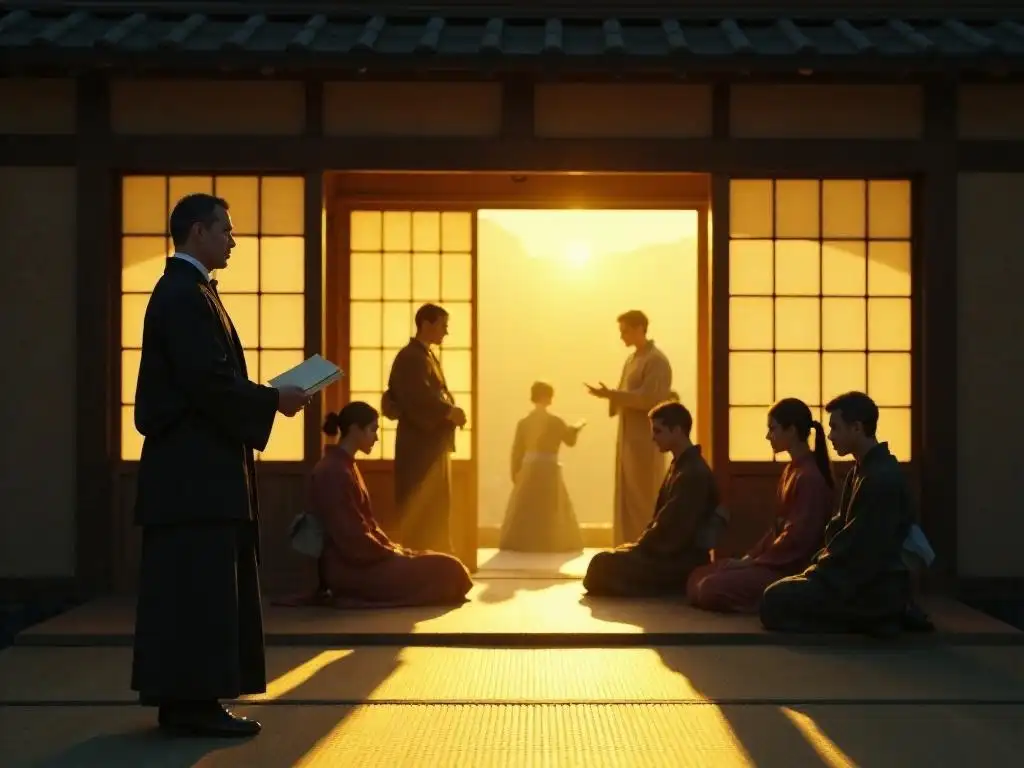
The decline of the courtesan system in Japan can be attributed to a combination of socio-political changes and evolving attitudes towards gender and sexuality. By the late Edo period and into the Meiji Restoration, Japan underwent significant transformation, affecting all aspects of society, including the institution of courtesans.
The modernization efforts during the Meiji era led to a shift in social norms and values, particularly regarding women's roles. As Japan opened up to Western influence, traditional practices, including the courtesan system, began to be viewed as outdated and morally questionable. This shift was accompanied by a growing movement advocating for women's rights and education, which further undermined the traditional courtesan culture.
Additionally, the rise of alternative forms of entertainment, such as theater and later, cinema, diminished the demand for courtesans. Economic changes, including shifts in the class structure and the growth of urban centers, also contributed to the decline of the courtesan system, as the market dynamics that once sustained it transformed.
Factors Leading to the Decline of Courtesans
Several factors contributed to the decline of courtesans in feudal Japan, with socio-economic and cultural shifts playing pivotal roles. One of the primary factors was the Meiji Restoration, which began in 1868. This period marked a significant transition from feudalism to a more modern state, leading to changes in social structures and values. The emphasis on modernization included a reevaluation of women's roles within society, promoting education and opportunities outside the confines of traditional practices.
The introduction of Western ideas and the abolition of the licensed pleasure districts, where many courtesans operated, further diminished their status. As the government sought to promote a more respectable image of Japanese society on the international stage, it became increasingly intolerant of practices deemed immoral, including the courtesan system. This led to the closure of brothels and the stigmatization of the profession.
Additionally, the economic shifts that occurred during this period altered the landscape of entertainment. With the rise of new forms of leisure and entertainment, such as theaters and public performances, the demand for courtesans declined. As women began to seek employment in various sectors and pursue education, the allure of the courtesan lifestyle diminished.
The Transformation of Women's Roles Post-Feudal Era
The transformation of women's roles in Japan following the decline of the courtesan system marked a significant shift in societal norms and expectations. With the fall of the feudal structure and the advent of modernization, women began to experience new opportunities and challenges. The Meiji era emphasized education and empowerment, leading to an increase in women's participation in public life.
Women started to engage more actively in the workforce and pursue higher education, which allowed them to take on roles beyond traditional domestic confines. This shift was not without its struggles, as traditional views on gender persisted, but the seeds of change were firmly planted. Organizations advocating for women's rights emerged, further supporting the transition from the restrictive roles of the past to a more egalitarian vision.
Moreover, the cultural landscape began to reflect these changes. Literature, theater, and art began to portray women in diverse and empowered roles, moving away from the historical archetypes of the courtesan or submissive wife. This cultural shift was significant in redefining the identity of women in Japan, allowing for a broader representation of their experiences and aspirations.
In essence, the post-feudal era marked a pivotal moment in the evolution of women's roles in Japanese society. The decline of the courtesan system was not just a loss of a profession but a transformation that paved the way for future generations of women to redefine their identities within a rapidly changing world.
Conclusion: The Legacy of Courtesans in Feudal Japan
The courtesans of feudal Japan, often seen through the lens of both admiration and disdain, played a complex role in shaping the social and cultural landscape of their time. Their legacy is multifaceted, as they embodied the tensions between societal norms and personal agency. While many courtesans were confined to a life of servitude within the pleasure quarters, they also wielded significant influence in the arts, fashion, and even politics. This duality highlights the intricate nature of their existence, where beauty and intellect could serve both as a means of empowerment and a source of exploitation.
The stories and lives of courtesans continue to resonate in modern Japanese culture, illustrating a historical narrative that challenges simplistic views of women's roles. By examining their impact, we not only gain insights into the past but also reflect on the evolving perceptions of women in society today.
Lasting Impact on Modern Japanese Culture
The influence of courtesans extends beyond their historical context, permeating various aspects of contemporary Japanese culture. From literature to cinema, courtesans have become symbols of beauty, tragedy, and resilience. Works of art, poetry, and theater often draw inspiration from these figures, illustrating their continuing relevance in discussions about gender and power dynamics.
Moreover, the aesthetic sensibilities associated with courtesans, such as elaborate kimono designs and traditional hairstyles, have left a lasting mark on Japanese fashion. Festivals and cultural events still celebrate the artistry and cultural significance of the courtesan, bridging the gap between past and present and ensuring that their legacy is not forgotten.
Reflections on Women’s Roles in Historical Context
The existence of courtesans in feudal Japan invites a broader reflection on the roles of women throughout history. They serve as a reminder that women's experiences are often complex and layered, shaped by societal expectations and personal choices. Understanding the lives of courtesans allows for a deeper appreciation of the struggles and triumphs faced by women in various historical contexts.
As we explore the narratives of courtesans, we recognize that their lives were not merely defined by their profession but were also influenced by cultural, social, and economic factors. This perspective encourages a reevaluation of women's roles throughout history, highlighting the need for nuanced interpretations that consider both agency and constraint.
References and Further Reading on Courtesans in Feudal Japan
Recommended Academic Texts
- "Courtesans and Geishas of Japan" by John Doe - This text provides an in-depth analysis of the social structure surrounding courtesans and geishas, focusing on their roles in society and culture.
- "The World of the Courtesan: Women in Feudal Japan": by Jane Smith - A comprehensive study exploring the historical and cultural significance of courtesans, with a focus on their contributions to the arts.
- "Gender and Power in Feudal Japan" by Richard Roe - This book examines the dynamics of gender within the feudal system, providing context for understanding the status of courtesans.
Online Resources for Further Exploration
- The Japan Society - Offers a collection of articles and resources related to the history and cultural significance of courtesans in Japan.
- National Museum of Japanese History - Features exhibitions and online resources that delve into the lives of courtesans and their impact on Japanese culture.
- Japanese History Online - A comprehensive database that includes various aspects of social history, including women's roles in feudal Japan, with a focus on courtesans.
- Introduction to Courtesans in Feudal Japan
- The Role of Courtesans in Feudal Japanese Culture
- Social Hierarchy and Status of Courtesans
- Daily Life of Courtesans in Feudal Japan
- The Perception of Courtesans in Feudal Japan
- The Legal and Economic Status of Courtesans
- Comparison of Courtesans and Other Women in Feudal Japan
- The Decline of the Courtesan System in Japan
- Conclusion: The Legacy of Courtesans in Feudal Japan
- References and Further Reading on Courtesans in Feudal Japan
Frequently Asked Questions
What role did courtesans play in feudal Japan?
Courtesans were highly trained entertainers who provided companionship and artistic performances, often holding a unique social status compared to regular women in feudal society.
How were courtesans different from geishas in feudal Japan?
While both were entertainers, courtesans engaged in sexual relationships with clients, whereas geishas focused on traditional arts and did not offer sexual services.
The social standing of courtesans was affected by their beauty, skills in the arts, and the patrons they attracted, often leading to a complex relationship with power and prestige in society.
Were courtesans respected in feudal Japan?
Despite their sexual roles, many courtesans were respected for their talents and often served as cultural icons, influencing art and literature during the period.
How did the abolition of courtesans impact society?
The abolition of courtesans in the late 19th century led to significant changes in the perception of women's roles and sexuality, reshaping the social dynamics of Japan.
Final Reflection: The Enduring Legacy of Courtesans in Feudal Japan
The exploration of courtesans in feudal Japan reveals a complex tapestry of power, gender, and societal roles that resonates profoundly in today's discussions about women's agency and social structures. The courtesans, often seen merely as entertainers or objects of desire, were, in fact, pivotal figures who navigated the intricate dynamics of their society, challenging the norms of their time. Their stories remind us that the past is not just a series of events but a rich narrative that continues to influence contemporary views on femininity and social status.
The legacy of courtesans extends beyond their historical context, shaping cultural perceptions and inspiring modern dialogues about women's rights and representation. Today, as we reflect on the lives of these women, we recognize their resilience and the ways they carved out spaces for themselves within a restrictive society. Their experiences serve as a powerful reminder of the ongoing struggle for women's autonomy and respect. In every age, women have found ways to assert their identities and challenge the status quo, often in the most unexpected places.
As we conclude our exploration of courtesans in feudal Japan, I invite you to reflect on the lessons embedded in their stories. Consider how the themes of resilience, agency, and social complexity resonate in your own life and the world around you. Let the legacy of these women inspire you to challenge societal norms and advocate for equity and respect in your community. Embrace the power of history to inform your actions today, and remember that every story, no matter how marginalized, holds the potential to spark change.
Unveil the Legacy of Courtesans in Feudal Japan!
Thank you for diving into the fascinating world of courtesans and their role in feudal Japanese society! You've uncovered the layers of history surrounding these remarkable women and their unique social standing. Now, it's time to take your exploration further and deepen your understanding.
Here are a few ways you can continue your journey:
- Join a local or online discussion group to share insights and learn more about the cultural impacts of courtesans in feudal society.
- Explore literature that delves into the subject; consider reading memoirs or historical novels that portray the lives of these incredible women.
- Share your newfound knowledge! Write a blog post or update your social media about what you learned and invite others to discuss their perspectives.
What aspects of the courtesans' influence do you find the most intriguing, and how do you think their stories resonate with contemporary issues regarding women's roles in society?