
Women and the Arts: Crafting Identity in Feudal Japan

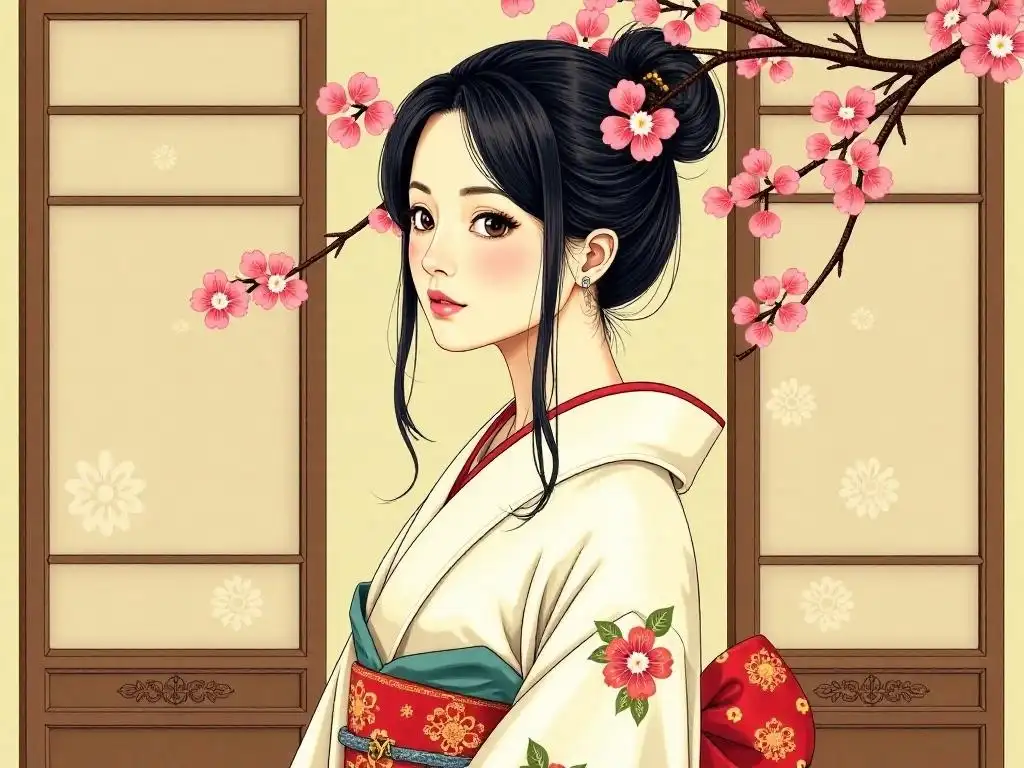
Welcome to Feudal Japan History, where we dive deep into the intricate tapestry of Japan's feudal era. Here, we uncover the profound stories and cultural nuances that shaped a society rich with tradition. Our featured article, "Women and the Arts: Crafting Identity in Feudal Japan," illuminates the often-overlooked contributions of women in the artistic landscape of this fascinating period.
What roles did they play, and how did their artistry influence societal norms? Prepare to embark on a journey through time as we unravel these captivating narratives and more. Join us as we explore the vibrant world of women in feudal Japan arts, inviting you to discover the hidden gems of history that await!
-
Women in Feudal Japan Arts: Crafting Identity
- Introduction to Women in Feudal Japan Arts
- Overview of Feudal Japan and Its Cultural Context
- Importance of Arts in Shaping Identity
- The Role of Women in Feudal Japanese Society
- Forms of Artistic Expression by Women in Feudal Japan
- Women as Patrons and Producers of Art
- Challenges Faced by Women Artists in Feudal Japan
- Case Studies of Prominent Women in the Arts
- The Evolution of Women’s Roles in the Arts Over Time
- Conclusion: The Lasting Impact of Women in Feudal Japan Arts
- Further Reading and Resources on Women in Feudal Japan Arts
-
Frequently Asked Questions
- What role did women play in the arts during Feudal Japan?
- How did the perception of women in the arts evolve during the feudal era?
- Were there any notable female artists in Feudal Japan?
- How did societal norms impact women's participation in the arts?
- What is the significance of women in feudal arts to modern Japan?
- Final Reflection: The Enduring Legacy of Women in Feudal Japan Arts
- Unveil Your Creative Potential Today!
Women in Feudal Japan Arts: Crafting Identity
Introduction to Women in Feudal Japan Arts
The feudal era of Japan, extending from the 12th to the 19th century, was a complex tapestry woven with intricate social hierarchies, cultural traditions, and evolving identities. Within this rich historical milieu, women played a vital yet often overlooked role in the arts, shaping not only their personal identities but also contributing significantly to the broader cultural landscape. This article delves into the multifaceted contributions of women in the arts during this period, highlighting their influence on artistic expression and identity formation amidst the strict societal norms of feudal Japan.
Overview of Feudal Japan and Its Cultural Context
During the feudal period, Japan was characterized by a rigid social structure dominated by samurai and noble classes, with a significant emphasis on tradition and honor. The arts flourished in response to this environment, encompassing various forms such as:
- Literature: Poetry (haiku and tanka), prose, and drama.
- Visual Arts: Painting, calligraphy, and ceramics.
- Performing Arts: Noh and kabuki theater.
Women, although largely confined to domestic roles, found avenues to express their creativity and influence through these mediums. Notable artistic movements emerged, such as ukiyo-e, where women were not only subjects but also contributors, defying the limitations imposed upon them.
Importance of Arts in Shaping Identity
The arts in feudal Japan were more than mere expressions of creativity; they were essential to the construction of personal and collective identities. For women, engaging with the arts allowed them to:
- Express Individuality: Through poetry and painting, women articulated their thoughts, emotions, and experiences, often reflecting a unique perspective on societal expectations.
- Preserve Cultural Heritage: Many women were instrumental in passing down traditional crafts and narratives, ensuring the continuity of cultural practices across generations.
- Challenge Norms: By participating in artistic endeavors, women subtly challenged the gender norms of their time, asserting their presence in a male-dominated society.
The Role of Women in Feudal Japanese Society
Social Hierarchy and Gender Roles
Feudal Japan operated within a strict social hierarchy, where the roles of women were often determined by their class and marital status. Typically, women were expected to fulfill domestic duties, but their involvement in the arts varied significantly based on their social standing.
- Noble Women: Often educated and encouraged to engage in the arts, noblewomen like the famous poet Murasaki Shikibu created enduring literary works that reflected the complexities of their lives.
- Commoners: While facing more rigid limitations, many common women contributed to folk art and craft traditions, embodying the culture of their communities.
This intricate interplay between social hierarchy and gender roles created a diverse landscape of artistic expression, where women's contributions ranged from subtle domestic arts to significant literary achievements.
Influence of Class on Women's Artistic Expression
The class of women in feudal Japan profoundly impacted their access to artistic opportunities and resources. For example:
| Class | Artistic Opportunities | Notable Contributions |
|---|---|---|
| Noble | Access to education, patronage of arts | Murasaki Shikibu, Sei Shonagon |
| Merchant | Participation in crafts and commerce | Textile arts, kabuki theater |
| Peasant | Folk arts, communal practices | Traditional crafts, storytelling |
These dynamics reveal how class distinctions shaped women's roles in the arts, with each stratum contributing uniquely to the cultural fabric of feudal Japan while navigating the complexities of their identities within a patriarchal society.
The exploration of women in feudal Japan arts unveils a rich narrative of creativity, resilience, and identity, highlighting how these women navigated and influenced the cultural landscape of their time. As we delve deeper into the specific roles and contributions of women in this era, we gain a better understanding of their significant yet often unrecognized impact on Japanese artistic heritage.
Forms of Artistic Expression by Women in Feudal Japan
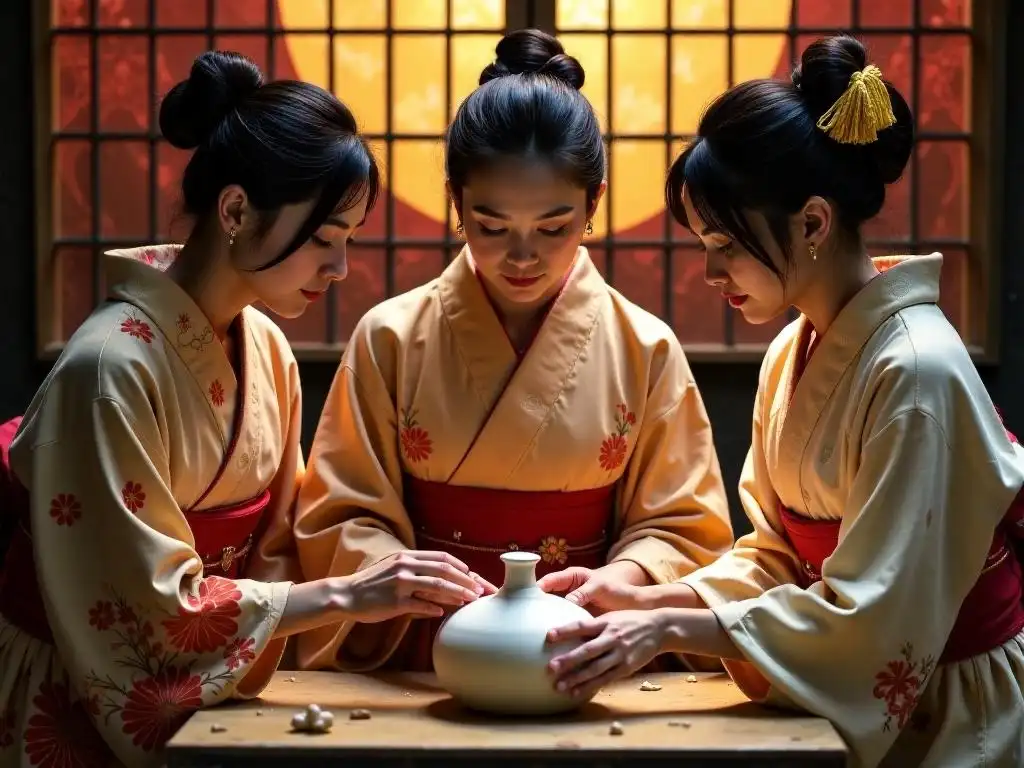
Women in Feudal Japan played a significant role in the arts, contributing to various forms of artistic expression that reflected their identities and societal roles. Their creativity flourished in both traditional crafts and the literary arts, showcasing their skills and perspectives. This multifaceted involvement not only enriched the cultural landscape of Japan but also allowed women to assert their presence in a predominantly male-dominated society. The following sections delve into specific forms of artistic expression that women engaged in during this era.
Traditional Crafts: Weaving and Textile Arts
One of the most prominent forms of artistic expression among women in Feudal Japan was through traditional crafts, particularly weaving and textile arts. Women were often responsible for the production of textiles, which included kimono making, dyeing, and embroidery. The intricate designs and patterns woven into fabrics were not merely functional but also served as a canvas for personal and cultural expression.
- Kimono Creation: The kimono, a quintessential symbol of Japanese culture, was often handcrafted by women. Each piece reflected the wearer’s status, regional identity, and seasonal aesthetics. Women utilized unique techniques such as tsujigahana (a resist-dyeing technique) and shibori (tie-dyeing) to create stunning garments.
- Dyeing Techniques: The use of natural dyes from plants, minerals, and insects was prevalent, with women mastering techniques that resulted in vibrant colors and intricate patterns. This expertise not only demonstrated their artistic skills but also their knowledge of local flora.
- Cultural Significance: Textile arts were imbued with cultural significance, often tied to festivals, rituals, and family heritage. Women’s involvement in these crafts allowed them to transmit cultural narratives and values from generation to generation.
Calligraphy and Literature: Women’s Voices
In addition to crafts, women in Feudal Japan made substantial contributions to literature and calligraphy, providing a distinct voice within the literary culture of the time. Through poetry and prose, they expressed personal experiences, emotions, and social commentary, often challenging the constraints placed upon them by society.
- Poetry: The waka and haiku forms were particularly popular among women, allowing them to convey their thoughts in a concise and artistic manner. Notable poets like Murasaki Shikibu, author of "The Tale of Genji," and Sei Shonagon, known for "The Pillow Book," exemplified the literary prowess of women during this period.
- Calligraphy: The art of calligraphy was not only a means of communication but also a respected visual art form. Women were trained in this discipline, using it as a medium to express their individuality and aesthetics. The elegance of their script often reflected their personality and social status.
- Cultural Impact: The literary and artistic contributions of women enriched the cultural tapestry of Feudal Japan, influencing both contemporary and future generations. Their works often provided insights into the lives and experiences of women, highlighting their roles in society.
Women as Patrons and Producers of Art
Beyond creating art, women in Feudal Japan also acted as important patrons and producers, influencing artistic trends and the economic aspects of the art world. Their roles extended into the realms of sponsorship, mentorship, and participation in the artisan community.
The Influence of Noble Women on Artistic Trends
Noble women, particularly those in the samurai class, wielded considerable influence over artistic trends and practices. Their patronage was crucial in the development of various art forms, as they often commissioned works that reflected their tastes and values.
- Patronage of Artists: Many noblewomen supported artists, poets, and craftsmen, commissioning pieces for personal enjoyment or public display. This patronage was instrumental in the flourishing of arts during the Edo period, as it provided financial stability for artists.
- Cultural Exchange: Noblewomen often engaged in cultural exchanges with artists and artisans, fostering an environment of creativity and innovation. They hosted salons and gatherings where ideas and artistic techniques were shared, further embedding women into the artistic community.
- Legacy of Influence: The artistic preferences of noblewomen shaped the aesthetics of the time, influencing fashion, interior design, and even landscape gardening. Their contributions helped define the cultural identity of Feudal Japan.
Economic Contributions of Women in Artisanship
Women’s participation in artisanship during the feudal era also had significant economic implications. From textile production to pottery and other crafts, women played a vital role in sustaining household economies and contributing to local markets.
- Artisan Guilds: Women were often involved in artisan guilds, where they learned and perfected their craft. These guilds provided a space for collaboration and skill development, enabling women to participate actively in the marketplace.
- Market Presence: Many women sold their handmade goods at local markets, establishing their own economic independence. This not only empowered them but also allowed them to support their families and communities financially.
- Impact on Society: The economic contributions of women in artisanship enhanced their status within society, challenging traditional gender roles. By establishing themselves as skilled artisans, women carved out a niche that showcased their talents and fostered greater recognition of their capabilities.
Women in Feudal Japan were pivotal in various forms of artistic expression and played essential roles as patrons and producers of art. Their contributions left a lasting impact on the cultural and economic landscape, illustrating the complexity of women's identities and their significant influence in a feudal society.
Challenges Faced by Women Artists in Feudal Japan
Women artists in feudal Japan faced a myriad of challenges that significantly impacted their ability to express themselves and gain recognition within the arts. Despite their talents, societal expectations and institutional barriers often limited their opportunities for artistic development and visibility. These challenges were deeply intertwined with the gender norms of the time, which dictated not only the roles of women in society but also their participation in cultural production.
Societal Constraints and Gender Norms
In feudal Japan, the rigid structure of society imposed strict gender roles that defined women primarily as caretakers and homemakers. The Confucian ideals that permeated Japanese society during this period placed women in subordinate positions, often relegating them to the domestic sphere. As a result, women faced considerable societal constraints when attempting to pursue artistic careers.
- Limited Access to Education: Education for women was often focused on skills deemed suitable for managing a household, such as sewing and etiquette, rather than artistic training. This lack of formal education restricted women's ability to develop their artistic skills to their fullest potential.
- Patriarchal Patronage: The art world was predominantly male-dominated, with most patrons being men who often favored male artists. This created a challenging environment for women artists, who struggled to secure commissions or recognition for their work.
- Cultural Expectations: Women were often expected to conform to societal norms that prioritized family and domestic responsibilities over personal ambition. This cultural expectation discouraged many women from pursuing their artistic passions, leading to a significant underrepresentation of female artists in historical records.
Historical Documentation and Recognition Issues
The historical documentation of women's contributions to the arts during the feudal period is sparse, primarily due to a lack of recognition and record-keeping practices that favored male artists. As a result, many talented women artists remain anonymous or overlooked in the annals of history.
- Bias in Historical Accounts: Many historical texts and art critiques from the feudal era were written by men, often diminishing or omitting the contributions of women entirely. This bias has led to a skewed perception of the artistic landscape of the time.
- Preservation of Works: Works created by women were often not preserved with the same care as those by their male counterparts. This has resulted in a significant loss of female artistic heritage, making it difficult to fully appreciate the scope of women’s contributions to the arts.
- Struggles for Legacy: Women artists who did gain some recognition often struggled to establish a lasting legacy. The societal norms of the time did not favor women as authoritative figures in the arts, which hindered their ability to influence future generations.
Case Studies of Prominent Women in the Arts
Despite the numerous challenges faced by women artists, some individuals managed to carve out a space for themselves in the cultural landscape of feudal Japan. Their contributions not only enriched the arts but also helped to shape cultural identity during this period.
Lady Murasaki Shikibu: Contributions and Legacy
Lady Murasaki Shikibu, best known for her classic novel "The Tale of Genji," is a prominent figure in the history of Japanese literature and arts. Living during the Heian period (794-1185), her work reflects the complexities of court life and the emotional depth of human relationships.
- Literary Innovations: Murasaki’s writing was groundbreaking, incorporating psychological realism and intricate character development that set a precedent for future literary works in Japan and beyond.
- Cultural Impact: Her contributions extend beyond literature; "The Tale of Genji" has been adapted into various art forms, including paintings and performances, making her an enduring figure in Japanese culture.
- Legacy: Murasaki’s influence on both literature and the arts has been profound, inspiring countless artists and writers throughout the centuries. She is often regarded as the first novelist in the world, and her work continues to be celebrated for its artistry and insight into human nature.
Katsushika Oi: Impact on Cultural Identity
Katsushika Oi, the daughter of the famous ukiyo-e artist Katsushika Hokusai, played a vital role in the ukiyo-e genre during the Edo period (1603-1868). Her work not only reflects her father's influence but also showcases her unique style and perspective.
- Artistic Style and Themes: Oi was known for her vibrant and evocative prints, often depicting women, landscapes, and scenes from daily life. Her ability to capture the essence of her subjects contributed to the richness of ukiyo-e, making her a significant figure in this art form.
- Cultural Representation: Oi's work often portrayed the lives of women, bringing their stories and experiences to the forefront. This representation was crucial in a time when women's perspectives were frequently marginalized.
- Recognition and Influence: While initially overshadowed by her father's fame, Oi eventually gained recognition for her contributions to the arts. Her legacy continues to influence contemporary artists, and her works are celebrated for their beauty and cultural significance.
Through these case studies, it becomes evident that women in feudal Japan made substantial contributions to the arts despite facing considerable challenges. Their legacies serve as a testament to their resilience and creativity, ultimately shaping the cultural identity of Japan.
The Evolution of Women’s Roles in the Arts Over Time
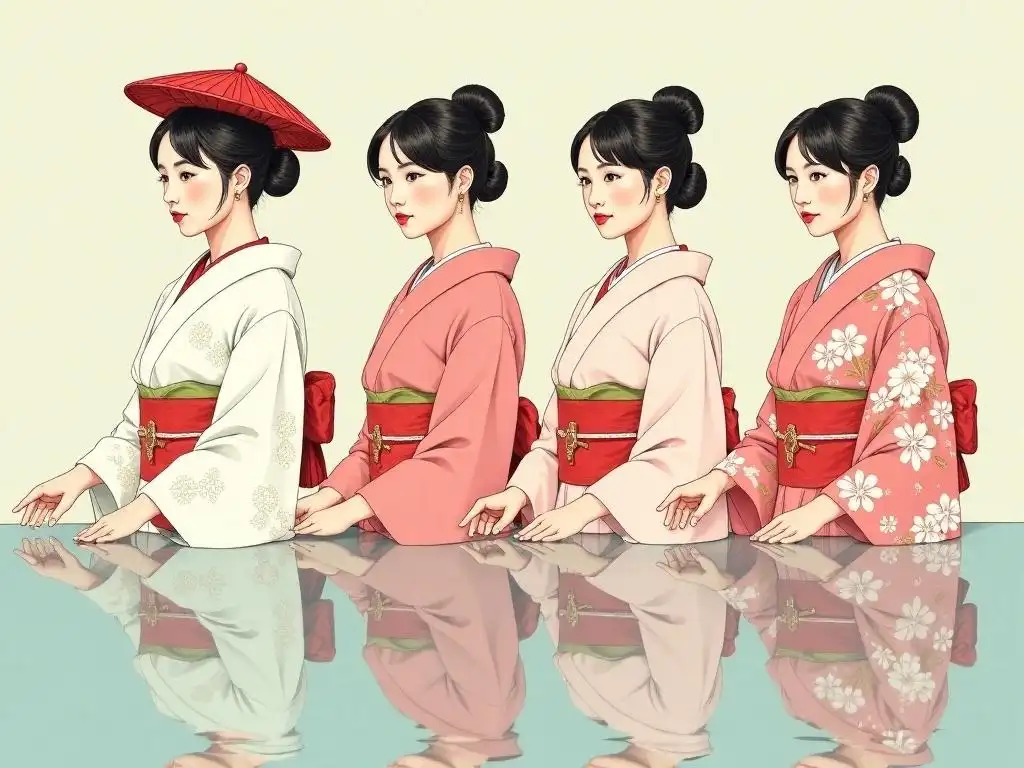
Throughout the centuries, women’s roles in the arts of Feudal Japan have undergone significant transformations, reflecting broader societal changes. In the early periods, particularly during the Heian period (794-1185), women were often at the forefront of literary and artistic expression. Noblewomen, in particular, contributed to the development of poetry, prose, and visual arts, with works such as "The Tale of Genji" by Murasaki Shikibu standing as a testament to their creative prowess.
As time progressed into the Kamakura period (1185-1333), the rise of the samurai class shifted cultural production. While women continued to engage in arts like embroidery and textile production, their public roles diminished. During the Muromachi period (1336-1573), the emergence of the tea ceremony and Noh theater saw women participating in specific, albeit restricted, artistic domains. The arts became more formalized, and the roles of women were often relegated to supportive positions, reflecting the increasing patriarchal structures.
The Edo period (1603-1868) marked both a flourishing of artistic expression and a confinement of women’s roles. While women found opportunities in kabuki theater and ukiyo-e prints, their contributions were often overshadowed by male counterparts. This duality showcases the complexity of women’s identities in the arts — they were both creators and subjects, influencing and being influenced by societal norms.
Changes During the Edo Period: Opportunities and Limitations
The Edo period was a time of remarkable cultural development in Japan, and women played a notable role in various art forms. The rise of popular culture brought about new avenues for women to express themselves, particularly in the realms of literature and performing arts. Women writers emerged, producing works that captured the nuances of everyday life and emotions. The emergence of the "onnagata," male actors specializing in female roles in kabuki, also created a unique space for women, as they were often involved behind the scenes, influencing performances and narratives.
However, despite these opportunities, women faced significant limitations. The patriarchal society imposed strict boundaries on their public lives, and their contributions were often marginalized. In ukiyo-e, for example, women were frequently depicted as beautiful subjects, yet their identities as artists were seldom recognized. The societal expectation of women as caretakers and homemakers further restricted their ability to pursue artistic endeavors freely.
This period also saw the codification of gender roles, with the Confucian ideals of obedience and submission taking root. As a result, while women engaged with the arts, their autonomy remained constrained, leading to a complex relationship with their creative identities.
The Transition from Feudalism to Modernity: Lasting Effects
The transition from feudalism to modernity in Japan brought profound changes to the roles of women in the arts. The Meiji Restoration (1868) marked a significant shift, as Japan opened up to Western influences and underwent rapid modernization. This era saw the emergence of new artistic forms and educational opportunities for women, allowing them to step out of the shadows of their predecessors.
Women began to participate in Western-style art movements and education, challenging traditional norms. Artists such as Tsuda Umeko and Yamakawa Kikue broke barriers by engaging in modern art and literature, effectively redefining their identities. The societal expectations of women began to evolve, leading to increased visibility and recognition of their contributions to the arts.
However, the legacy of feudal constraints persisted. While women gained more opportunities, the fight for equality within the arts remained ongoing. The historical context of women’s roles in the arts during the feudal era continued to influence perceptions and expectations, shaping the landscape of contemporary Japanese culture.
Conclusion: The Lasting Impact of Women in Feudal Japan Arts
The contributions of women in the arts during Feudal Japan have left an indelible mark on the cultural heritage of the nation. Their roles, though often marginalized and constrained by societal norms, were pivotal in shaping various art forms, from literature to visual arts. The evolution of their identities reflects broader cultural shifts and highlights the resilience and creativity of women throughout history.
Reflection on Identity and Cultural Heritage
Women’s involvement in the arts during Feudal Japan is not merely a historical footnote; it is a rich tapestry of cultural heritage that informs contemporary Japanese identity. The narratives and artistic expressions crafted by women from this era resonate within the modern context, providing insights into the complexities of gender and identity. Their stories serve as reminders of the struggle for self-expression and recognition, underscoring the importance of preserving this heritage.
The Relevance of Historical Perspectives in Contemporary Arts
Understanding the historical context of women in Feudal Japan arts is crucial for contemporary artists and scholars. By examining past contributions and challenges, modern creators can draw inspiration from these legacies while addressing ongoing issues of gender inequality within the arts. The relevance of historical perspectives encourages a more inclusive narrative that recognizes the diverse voices that have shaped Japan's cultural landscape. As we reflect on this history, it becomes clear that the artistic journey of women in Feudal Japan is vital for fostering a deeper understanding of identity and cultural evolution in today’s society.
Further Reading and Resources on Women in Feudal Japan Arts
Exploring the contributions of women to the arts during Japan's feudal era reveals a rich tapestry of creativity and cultural significance. For those interested in delving deeper into this fascinating topic, a variety of resources are available. Here, we highlight recommended books, articles, and online archives that provide valuable insights into the artistic expressions of women in feudal Japan.
Recommended Books and Articles
-
"Women in Japan: From Ancient Times to the Present" by Yukiko Tanaka
This comprehensive work traces the roles and influences of women throughout Japanese history, with dedicated sections on their participation in the arts during the feudal period.
-
"The Art of the Japanese Book: The Role of Women" by John A. M. Hurst
This book examines the unique contributions of women to book arts and the printing industry, showcasing their impact on literacy and culture.
-
"Japanese Women Artists: 500 Years of Creative Expression" by Christine M. O'Grady
This extensive anthology features profiles of prominent female artists from various periods, including the feudal era, and discusses how their works reflected societal changes.
-
"The Role of Women in Japanese Society" by Elizabeth A. McDonald
This article provides a socio-historical analysis of women's roles, including their artistic endeavors, and highlights the evolution of gender dynamics in Japan.
-
"Crafting Identity: Women in Japanese Textile Arts" by Amiya Banerjee
Focusing on textiles, this book illustrates how women used craft to express their identities and cultural heritage, emphasizing the significance of weaving and dyeing in their communities.
Online Archives and Museums Featuring Women's Art
-
The National Museum of Modern Art, Tokyo
This museum houses a variety of collections that include works by female artists from the Edo to Meiji periods, offering insights into their contributions to modern Japanese art.
-
The Kyoto National Museum
This institution features exhibitions that often highlight women’s roles in traditional Japanese arts, including ceramics, textiles, and painting.
-
Wikimedia Commons: Women Artists of Japan
An extensive online repository featuring images and details of artworks created by women artists in Japan, providing free access to historical and contemporary pieces.
-
The Art Gallery of Greater Victoria
This gallery showcases a collection of Japanese art, including pieces by women artists, and offers virtual tours and educational resources about their artistic contributions.
-
The Japan Foundation
This organization provides access to various resources, including exhibitions and information on Japanese culture, with specific sections devoted to women artists and their impact on the arts.
By engaging with these resources, readers can gain a deeper understanding of the vital role women played in the arts during Japan's feudal era, enriching the narrative of cultural history and identity in this unique historical context.
Frequently Asked Questions
What role did women play in the arts during Feudal Japan?
Women played a significant role in the arts, contributing to literature, painting, and textile crafts. Their work often reflected cultural values and societal norms of the time.
How did the perception of women in the arts evolve during the feudal era?
The perception of women in the arts shifted from being marginalized to gaining recognition as talented artists and creators. This change highlighted their influence on cultural identity.
Were there any notable female artists in Feudal Japan?
Yes, there were several notable female artists, such as Katsushika Hokusai's daughter, who contributed significantly to woodblock printing and painting, showcasing their artistic talents.
How did societal norms impact women's participation in the arts?
Societal norms often restricted women's roles, yet many found ways to express their creativity within the confines of their expected duties, indicating a complex relationship between art and gender.
What is the significance of women in feudal arts to modern Japan?
The contributions of women in feudal arts are essential in understanding the historical context of gender roles in Japan, influencing contemporary perceptions of women's creativity and identity in the arts today.
Final Reflection: The Enduring Legacy of Women in Feudal Japan Arts
The exploration of women in the arts during Feudal Japan reveals not only their creative prowess but also their profound influence on cultural identity. Today, as we navigate a world still grappling with gender inequalities, the stories of these women resonate with a striking urgency. Their artistic expressions were not merely hobbies; they were powerful statements of identity and resistance that continue to inspire contemporary discussions about women's roles in society.
The impact of women in the arts during Feudal Japan extends far beyond their historical context, shaping the cultural landscape in ways that are still felt today. These women, often overlooked in traditional narratives, were instrumental in crafting a rich tapestry of artistic heritage that reflects resilience and innovation. As noted by art historian Dr. Yoko Tanaka, The contributions of women in the arts are a testament to their strength and creativity, reminding us that history is often written by those who dare to express themselves.
Their legacy encourages us to recognize and celebrate the voices of women throughout history, fostering a deeper understanding of their essential role in shaping culture.
As we reflect on the lessons from the lives of these remarkable women, let us consider how we can apply their spirit of creativity and resilience in our own lives. I invite you to explore your own identity through artistic expression, whether it be through writing, painting, or any other form of creativity. By embracing the lessons of the past, we can honor the contributions of women in feudal Japan and continue to advocate for equality and representation in the arts today. Together, we can ensure that the voices of women, both past and present, are heard and celebrated.
Unveil Your Creative Potential Today!
Thank you for diving into the intriguing world of women and the arts in Feudal Japan! Your exploration of how art shaped identities during this dynamic era offers a unique perspective on history and culture. Now, it's time to take that inspiration and turn it into action!
Here are some **exciting steps** you can take to deepen your understanding and connection to this fascinating topic:
- Visit local art museums or galleries that feature traditional Japanese art. **Consider enrolling in workshops** that focus on Japanese artistic techniques to experience the crafting of identity firsthand.
- Embark on your own creative project inspired by the themes discussed in the article. Whether it’s painting, calligraphy, or another form of craft, let your identity shine through your artwork!
- Discuss your insights with friends and family, or participate in online forums that focus on the role of women in the arts. **Engage with others** who share your interests and help expand the conversation.
What aspects of women’s artistic contributions in Feudal Japan resonate most with you, and how will you incorporate those insights into your own creative journey?