
The Role of Women in Shinto Rituals: Spiritual Guardians of Feudal Society

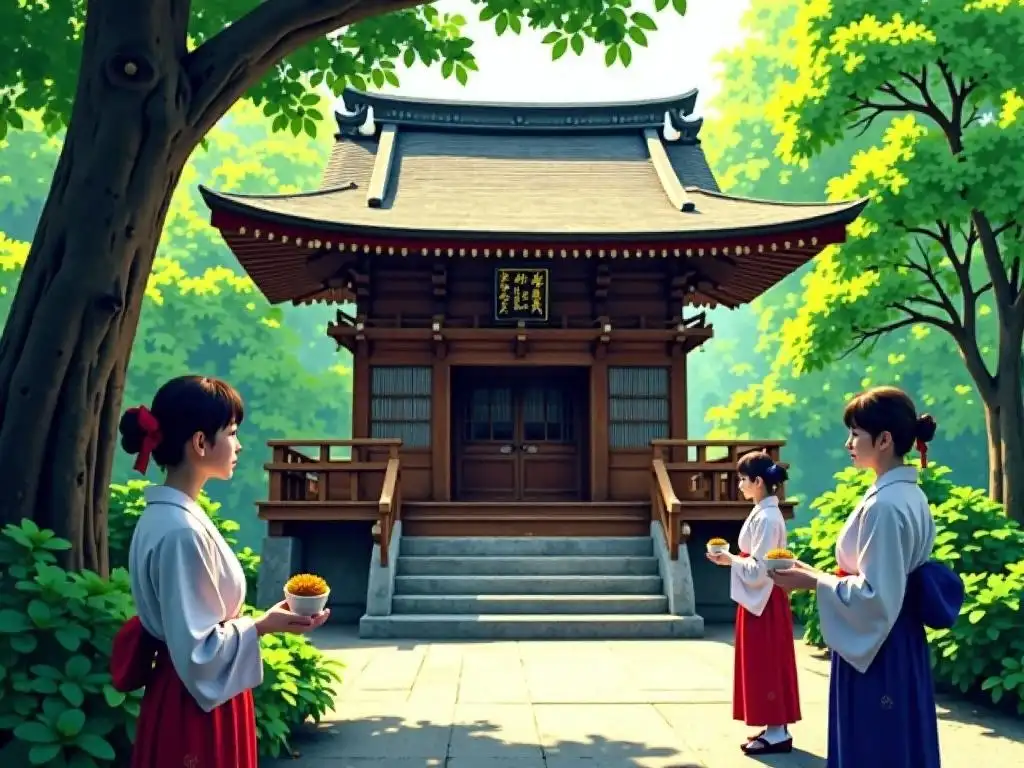
Welcome to Feudal Japan History, where we embark on a captivating journey through the intricacies of Japan's feudal era. Here, we delve deep into the rich tapestry of historical, cultural, and societal aspects that defined a transformative period in Japanese history. In our featured article, "The Role of Women in Shinto Rituals: Spiritual Guardians of Feudal Society," we uncover the profound influence women held in the spiritual practices of Shinto, revealing their pivotal role as custodians of tradition and culture.
Prepare to be intrigued as we explore the layers of history that shaped these spiritual guardians and the society around them. Join us as we unravel the stories that await, and discover how these powerful figures contributed to the essence of feudal Japan.
Introduction to Women in Shinto Rituals in Japan
The intricate tapestry of feudal Japan is woven with the threads of various cultural and spiritual practices, among which Shintoism holds a significant place. Within this framework, women played a pivotal role, often serving as the spiritual guardians of their communities through Shinto rituals. These women were not only participants in religious ceremonies but also held positions of influence and authority that shaped the spiritual landscape of their time. This article delves into the multifaceted roles women held in Shinto rituals during the feudal era, exploring their contributions to the spiritual and social fabric of Japanese society.
Overview of Shintoism in Feudal Japan
Shintoism, the indigenous spirituality of Japan, is characterized by its reverence for kami (spirits) and the natural world. It is a belief system that emphasizes rituals and ceremonies, often conducted at shrines dedicated to various deities. During the feudal period, which spanned from the 12th to the 19th century, Shinto practices became intertwined with the samurai culture, influencing not only religious life but also governance and societal norms. The rituals performed were essential for ensuring the prosperity and protection of communities, making the role of women in these practices particularly significant.
Importance of Women in Spiritual Practices
In the realm of Shinto, women were often seen as vital conduits between the spiritual and material worlds. Their involvement in rituals could range from performing sacred dances to leading communal prayers, marking them as essential figures in the maintenance of spiritual balance. Women also held roles as miko (shrine maidens), where they engaged in various ceremonial tasks, including purification rituals and offerings to the kami. Their active participation not only highlighted their spiritual significance but also reinforced their status within the feudal society, showcasing how they were integral to the cultural and religious identity of Japan.
Historical Context of Women in Shinto Rituals
The historical context of women's roles in Shinto rituals is rich and complex, reflecting broader societal changes throughout the feudal era. As the political landscape evolved, so too did the status of women within religious practices, leading to shifts in their responsibilities and recognition.
The Evolution of Women's Roles in Shinto Practices
Initially, women held prominent positions in Shinto rituals, with many serving as priestesses or leaders in spiritual ceremonies. However, as feudal Japan progressed, the rise of patriarchal structures began to influence these roles, often relegating women to supportive positions. Despite this, women continued to play crucial roles in preserving Shinto traditions, adapting their practices to maintain their relevance in a changing society. This evolution illustrates the resilience of women's spiritual contributions, even amidst societal constraints.
Women as Spiritual Leaders in Early Shinto Traditions
In the early stages of Shinto, women were often revered as spiritual leaders, embodying the nurturing qualities associated with fertility and the earth. Their roles as spiritual leaders were not merely symbolic; they actively engaged in rituals that sought to appease the kami and ensure harmony within the community. Historical accounts reveal instances of women who led significant ceremonies, demonstrating their authority in spiritual matters. These early traditions set the foundation for the future roles of women in Shinto, highlighting their enduring impact on Japan's spiritual heritage.
Types of Women Involved in Shinto Rituals
In the context of Shinto rituals, women have played several pivotal roles, significantly shaping the spiritual landscape of feudal Japan. Their involvement can be categorized into distinct types, each contributing uniquely to the religious practices and cultural traditions of the time. The prominent categories include Miko, women in priestly roles, and community figures, all of whom have been instrumental in maintaining the spiritual fabric of society.
Miko: The Shrine Maidens of Shinto
Miko, often referred to as shrine maidens, are perhaps the most recognizable female figures in Shinto practices. Traditionally young and unmarried, Miko performed a variety of duties that were fundamental to the spiritual health of the community. Their roles included:
- Performing Rituals: Miko conducted sacred dances (kagura) and other rituals to appease deities and ensure blessings upon the land and its people.
- Offering Divination: They acted as conduits for divine messages, offering oracles and interpretations of the will of the kami (gods or spirits) to the faithful.
- Maintaining the Shrine: Miko were responsible for the upkeep of shrines, ensuring that they remained pure and ready for worship.
The significance of Miko extended beyond mere ritual performance; they embodied the spiritual connection between the community and the divine, acting as mediators who conveyed the needs and desires of the people to the kami.
Priestly Roles: Women in Religious Leadership
While Shinto is often perceived as a male-dominated religion, women have held important priestly positions within specific shrines. These women, known as Shinto priestesses, were responsible for overseeing rituals and guiding the spiritual practice within their communities. Key aspects of their roles included:
- Leading Ceremonies: Women in these positions led major rituals, including life-cycle events such as weddings and funerals, ensuring that these transitions were spiritually auspicious.
- Spiritual Education: They educated younger generations about Shinto practices, imparting knowledge of rituals, prayers, and the importance of revering the kami.
- Community Leadership: These priestesses often served as leaders within their local communities, guiding not only religious but also social and cultural events.
The presence of women in these leadership roles highlights the integral part they played in maintaining the continuity and relevance of Shinto beliefs throughout feudal Japan.
Community Figures: Women as Local Spiritual Guardians
In addition to formal roles within shrine settings, women also acted as local spiritual guardians within their communities. These women were often seen as the embodiment of protective spirits and bearers of ancestral traditions. Their contributions included:
- Ritual Practitioners: Women conducted household rituals that honored family ancestors and sought protection from malevolent spirits, ensuring harmony within the home.
- Cultural Transmission: They were key figures in passing down folklore, traditions, and rituals, safeguarding cultural heritage and promoting community cohesion.
- Mediators in Crisis: During times of crisis or disaster, women often took the lead in organizing communal prayers and rituals, reinforcing their role as spiritual leaders.
These community figures were vital in sustaining local customs and fostering a sense of collective identity rooted in Shinto beliefs.
The Significance of Women in Shinto Rituals
The involvement of women in Shinto rituals extends far beyond their roles; it underscores their importance as spiritual nurturers and cultural transmitters within feudal Japanese society. Their contributions have shaped the religious landscape and continue to influence contemporary Shinto practices.
Women as Protectors of Ancestral Spirits
Women played a crucial role in protecting and honoring ancestral spirits, which is a central tenet of Shinto belief. Their responsibilities included:
- Conducting Ancestral Rites: Women organized and led rituals dedicated to deceased relatives, ensuring that their spirits were honored and remembered.
- Maintaining Family Altars: They tended to household altars (kamidana), making daily offerings and prayers to ancestors, thereby reinforcing familial bonds and spiritual reverence.
- Cultural Preservation: By transmitting rituals and stories related to ancestors, women safeguarded the historical and spiritual narratives essential to their communities.
This protective role emphasized the deep-seated belief in the interconnectedness of the living and the dead, which is fundamental to Shinto spirituality.
Role of Women in Fertility and Agricultural Rituals
In an agrarian society, fertility and agricultural prosperity were paramount, and women were often at the forefront of rituals aimed at ensuring bountiful harvests. Their involvement included:
- Conducting Fertility Rites: Women participated in rituals designed to invoke blessings for fertility in both crops and livestock, often appealing to kami associated with agriculture.
- Seasonal Festivals: They were integral to seasonal celebrations, such as rice planting and harvest festivals, which marked important agricultural milestones.
- Symbolic Roles: Women often embodied fertility symbols within these rituals, representing the earth’s nurturing qualities and the cycle of life.
These practices not only supported the community's agricultural needs but also reinforced the vital connection between women and the land.
Women's Influence on Family and Community Spirituality
The spiritual influence of women extended into the familial and communal spheres, where their roles shaped the religious practices of their households and neighborhoods. Key aspects included:
- Family Spiritual Leadership: Women often served as the primary spiritual leaders within families, guiding daily prayers and rituals that fostered a sense of spiritual continuity.
- Community Cohesion: Their involvement in communal rituals and festivals helped strengthen social bonds, creating a unified community spirit centered around shared beliefs.
- Moral and Ethical Guidance: Women transmitted moral values and ethical teachings through storytelling and ritual practices, contributing significantly to the community's spiritual education.
Overall, the roles of women in Shinto rituals reflect their profound influence on the spiritual and cultural identity of feudal Japan, establishing them as essential pillars of society.
Case Studies of Prominent Women in Shinto Rituals

The influence and contributions of women in Shinto rituals during feudal Japan are often illustrated through notable case studies of prominent figures. These women played critical roles in preserving the spiritual traditions of their communities and served as vital links between the divine and the human realms. Their participation not only enriched Shinto practices but also showcased the significance of feminine energy in spiritual contexts.
One of the most distinguished examples is Miko, women who served as shrine maidens. These women were often tasked with performing rituals, offering prayers, and conducting ceremonies that were crucial to the Shinto faith. Their role as spiritual mediators illustrates the intersection of gender and spirituality in Japanese culture.
Additionally, historical records mention women like Sukune no Miko, who were revered for their prophetic abilities and their connections to kami (gods). Through their actions, these women not only upheld religious practices but also influenced local governance and societal norms, reinforcing the relevance of women in the spiritual hierarchy of feudal Japan.
Notable Miko and Their Contributions to Shinto
Miko have been pivotal in shaping Shinto rituals, often embodying the essence of spirituality within their communities. One notable Miko was Kōta Miko, who served at the famous Ise Shrine, one of the most sacred sites in Shinto. Her contributions included leading purification rituals and participating in the sacred ceremonies that honored the Sun Goddess Amaterasu.
Another influential figure was Miko Sayo, known for her role in the Kagura dance, a ceremonial performance that honors the deities. Sayo's dedication to preserving traditional dances played a significant role in keeping the Shinto rituals vibrant and relevant during a period when many cultural practices were at risk of fading.
These women exemplify how Miko not only held significant ritualistic responsibilities but also acted as cultural custodians, ensuring that Shinto traditions were passed down through generations.
Women Leaders in Local Shrines and Their Impact
Women leaders in local shrines, often referred to as Shinto Priestesses, held esteemed positions within their communities. They were responsible for maintaining the shrine's sanctity and performing rituals that catered to the needs of the local populace. One notable example is Hatsu Miko, who served at a local shrine in Kyoto. Under her leadership, the shrine became a center for community gatherings, fostering a sense of unity among the locals.
Their influence extended beyond religious practices; women leaders often acted as mediators in community disputes and were consulted on matters of local governance. This dual role enhanced their status and demonstrated that women could wield power and influence within a patriarchal society.
The impact of these women leaders is evident in the surviving traditions and practices that continue to thrive in modern Shinto rituals, highlighting their essential role in the spiritual and social fabric of feudal Japan.
Challenges Faced by Women in Shinto Practices
Despite their vital contributions, women engaged in Shinto rituals faced numerous challenges that limited their roles and recognition. Societal expectations and restrictions often constrained their participation and influence, which shaped their experiences within the spiritual domain.
Societal Expectations and Limitations
In feudal Japan, societal norms dictated the roles of women, often relegating them to subordinate positions. Women involved in Shinto rituals were expected to embody purity and obedience, aligning with the broader cultural expectations of femininity. These expectations imposed limitations on their participation in certain rituals, as some were exclusively reserved for male priests.
Furthermore, the revered status of Miko could lead to stigmatization. While they were respected for their spiritual roles, they were also viewed through a lens of suspicion, with societal beliefs often associating their spiritual practices with potential immorality. This duality created an environment where women's contributions were simultaneously celebrated and constrained.
Gender Dynamics in Feudal Japan and Spiritual Roles
The gender dynamics of feudal Japan significantly influenced women’s roles in Shinto practices. Men predominantly occupied leadership positions within the religious hierarchy, which often marginalized women despite their active involvement in rituals. While women like Miko could hold positions of influence, they were still subject to the overarching authority of male priests and shrine leaders.
This dynamic is reflected in the rituals themselves, where male priests would often lead ceremonies, relegating women to supportive roles. Consequently, the contributions of women were frequently overshadowed, leading to a historical narrative that often underrepresents their spiritual and cultural significance.
Despite these challenges, the resilience of women in Shinto rituals highlights their enduring impact on the spiritual landscape of feudal Japan. Their legacy continues to inspire modern interpretations of women's roles in spirituality and cultural practices, reminding us of the complex interplay between gender and spirituality in history.
Conclusion: The Lasting Legacy of Women in Shinto Rituals
The role of women in Shinto rituals during the feudal era of Japan has left an indelible mark on the spiritual and cultural landscape of the nation. As spiritual guardians and vital participants in religious ceremonies, women contributed significantly to the preservation and transmission of Shinto traditions. Their responsibilities ranged from conducting rituals to maintaining sacred spaces, highlighting their integral position within both the religious and social frameworks of feudal society.
The impact of these roles extended beyond their immediate context, influencing future generations and shaping contemporary understandings of spirituality in Japan. As modern society evolves, the recognition of women's contributions in Shinto not only honors their historical significance but also serves as a reminder of the rich, complex tapestry of Japanese culture that continues to be woven by both men and women.
Modern Reflections of Women's Roles in Shinto
In contemporary Japan, the roles of women in Shinto rituals have undergone transformations while still retaining elements from the feudal period. Many women today participate actively in Shinto shrines as miko (shrine maidens), performing rituals and serving as intermediaries between the divine and the human realms. This role emphasizes purity and spiritual dedication, echoing the historical responsibilities of women as caretakers of sacred spaces.
Moreover, the resurgence of interest in traditional practices has led to a reevaluation of women's roles within the Shinto framework. Many shrines now celebrate the contributions of women, integrating their perspectives into community rituals and events. This shift not only acknowledges the historical significance of women in Shinto but also encourages a more inclusive approach to spirituality that resonates with modern values of equality and empowerment.
The Continued Importance of Women in Japanese Spirituality
Women continue to play a crucial role in the spiritual life of Japan, both within and outside of Shinto. Their participation in rituals and spiritual practices reflects a broader understanding of the feminine divine, where women are viewed not only as nurturers but also as powerful spiritual entities. This perspective fosters a sense of community and continuity, allowing for the preservation and evolution of religious practices.
Additionally, many women are embracing roles as spiritual leaders and educators, sharing their knowledge of Shinto rituals with younger generations. This transfer of wisdom ensures that the traditions remain vibrant and relevant, demonstrating the enduring influence of women in shaping Japanese spirituality. As society progresses, the recognition and celebration of women's contributions to Shinto rituals can inspire future movements towards greater gender equality within religious contexts.
References for Further Reading on Women in Shinto Rituals in Japan
Recommended Books and Articles
- "The Sacred Power of Women: Rituals and Roles in Japanese Shinto" by Hiroshi Yamamoto
- "Women and Shinto: The Spiritual Role of Women in Japan's Religious Practices" by Akiko Tanaka
- "Miko and the Japanese Shinto Tradition: A Historical Perspective" by Yuki Nishida
- "Rituals of the Miko: Women as Spiritual Leaders in Feudal Japan" - A comprehensive study of miko practices during the feudal era.
Academic Journals and Research Studies
- "The Role of Gender in Shinto Practices: A Contemporary Analysis" - Journal of Japanese Studies
- "Women in Religion: An Examination of Miko and Their Influence on Shinto" - Journal of East Asian Religious Studies
- "Rituals and Gender: The Intersection of Women's Roles in Shinto and Society" - Asian Religion and Society Review
- "Shinto Shrines and the Feminine Divine: A Study of Gender Dynamics in Japanese Spirituality" - Journal of Cultural Anthropology.
- Introduction to Women in Shinto Rituals in Japan
- Historical Context of Women in Shinto Rituals
- Types of Women Involved in Shinto Rituals
- The Significance of Women in Shinto Rituals
- Case Studies of Prominent Women in Shinto Rituals
- Challenges Faced by Women in Shinto Practices
- Conclusion: The Lasting Legacy of Women in Shinto Rituals
- References for Further Reading on Women in Shinto Rituals in Japan
- What was the role of women in Shinto rituals during feudal Japan?
- How did societal views on women influence their participation in Shinto?
- Were there any specific positions held by women in Shinto practices?
- How did the status of women in feudal Japan affect their spiritual roles?
- What impact did Shinto rituals have on the perception of women in society?
Frequently Asked Questions
What was the role of women in Shinto rituals during feudal Japan?
Women played a crucial role in Shinto rituals, often serving as spiritual guardians and mediators between the divine and the community, especially in ceremonies that emphasized fertility and family well-being.
How did societal views on women influence their participation in Shinto?
During feudal Japan, societal views often restricted women's roles; however, their participation in Shinto rituals was viewed as essential due to their spiritual significance and ability to connect with kami (deities).
Were there any specific positions held by women in Shinto practices?
Yes, women could hold specific roles such as miko (shrine maidens), who performed dances, rituals, and served as symbolic intermediaries in the spiritual realm, reinforcing their importance in Shinto traditions.
How did the status of women in feudal Japan affect their spiritual roles?
The status of women in feudal Japan was complex; while they faced societal limitations, their roles in Shinto rituals were often elevated, allowing them to assume positions of influence and respect within their communities.
What impact did Shinto rituals have on the perception of women in society?
Shinto rituals helped shape the perception of women as nurturers and protectors within society, emphasizing their importance in maintaining spiritual harmony and community welfare in feudal Japan.
Final Reflection: The Enduring Legacy of Women in Shinto Rituals
The exploration of women's roles in Shinto rituals reveals a profound connection between spirituality and societal structure that remains relevant today. As we navigate a world increasingly aware of gender dynamics and cultural heritage, the recognition of women's contributions in Shinto practices serves as a powerful reminder of their influence in shaping both religious and social landscapes. The significance of these spiritual guardians cannot be overstated; they were not merely participants but pivotal figures who upheld the very fabric of feudal society.
The impact of women in Shinto rituals continues to resonate within contemporary Japanese culture, highlighting the ongoing dialogue about gender roles and spiritual authority. Their presence in these sacred spaces underscores the importance of inclusivity and respect for diverse contributions. As we reflect on this legacy, we are reminded of the words of renowned scholar, Dr. Shoko Matsumoto: The strength of a society lies in its ability to honor the voices of all its members, especially those who have historically been silenced.
This observation invites us to reconsider the narratives we uphold and the voices we amplify in our own communities.
As we conclude this exploration, I invite you to reflect on the lessons learned from the women who served as spiritual guardians in Shinto rituals. Consider how their stories can inspire you to embrace and celebrate the diverse roles individuals play in your own life and community. Let us honor their legacy by actively engaging in conversations about gender equality and cultural appreciation, ensuring that the contributions of all are recognized and valued in our shared journey forward.
Celebrate and Honor the Spiritual Guardians of Feudal Japan!
Thank you for diving into the fascinating world of Shinto rituals and the vital role women played as spiritual guardians in feudal society. Your interest in this unique aspect of history enhances your understanding of cultural heritage. Now, it’s time to transform your knowledge into meaningful action!
Here’s how you can connect further with this vibrant history:
- Explore Shinto Practices: Visit a local Shinto shrine or participate in a cultural event to witness and experience the rituals firsthand.
- Share Your Knowledge: Discuss what you have learned about women in Shinto with friends or on social media to spread awareness and foster discussion.
- Engage with the Community: Join online forums or local history groups focused on Japanese culture to connect with others who share your passion.
What insights or experiences have you encountered that resonate with the role of women in spiritual traditions? We invite you to share your thoughts below!