
The Changing Status of Women from the Heian to the Edo Period

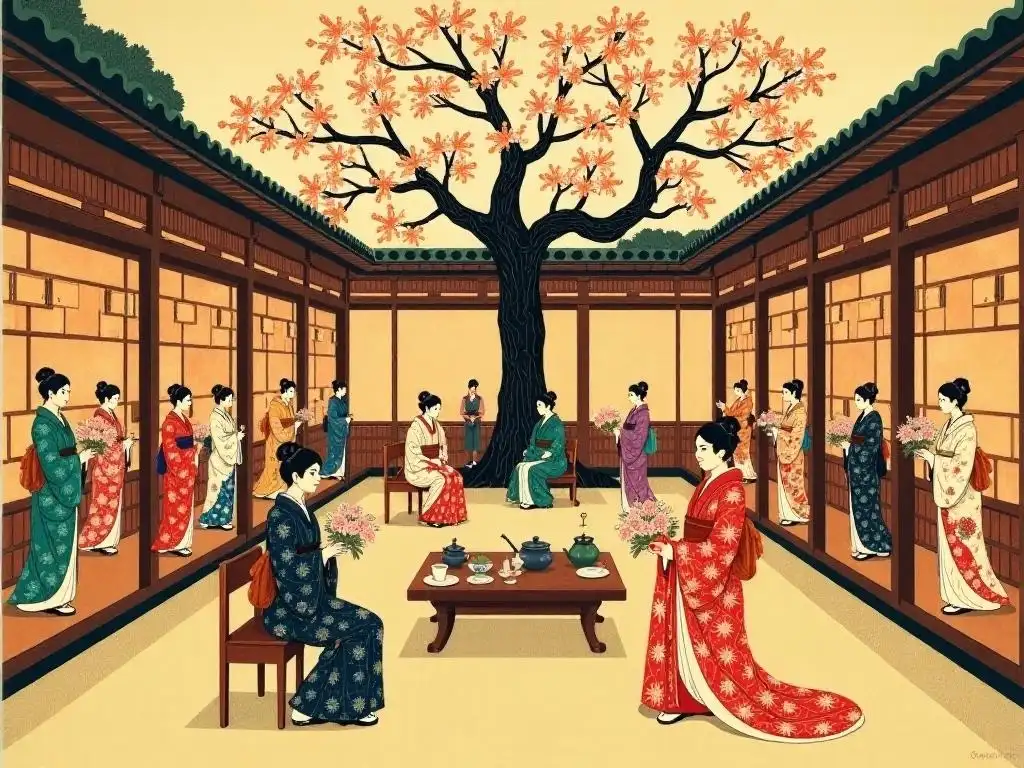
Welcome to Feudal Japan History, where we invite you to embark on a journey through the captivating tapestry of Japan's feudal era. Our exploration delves deep into the intricate societal structures and cultural nuances that defined this remarkable time. In our featured article, "The Changing Status of Women from the Heian to the Edo Period," we uncover the evolving roles and influences of women during these transformative centuries.
What societal shifts shaped their lives, and how did they navigate a world dominated by feudal hierarchies? Prepare to unravel these compelling narratives and more as you delve into the rich history that awaits.
Introduction to Women in Japan's Feudal Era
The status of women in Japan's feudal era is a dynamic narrative that reflects the broader societal changes throughout the Heian (794-1185) and Edo (1603-1868) periods. This article delves into the intricate roles that women played during these pivotal epochs, highlighting how their status evolved in relation to the changing political, cultural, and social landscapes.
By examining the conditions and contributions of women during these times, we can gain a deeper understanding of their experiences and the significance of their roles in shaping Japan’s history. The keyword "Women in Japan's Feudal Era" serves as a focal point for this exploration, emphasizing the importance of these women in the context of Japan's feudal system.
Overview of the Heian Period and Women's Roles
The Heian period is often regarded as a golden age of Japanese culture, marked by the flourishing of literature, art, and courtly life. During this time, women held a unique position within society. Many women from the aristocracy were educated and had access to literary pursuits, which allowed them to contribute significantly to the cultural landscape of Japan. Notably, figures such as Murasaki Shikibu, the author of The Tale of Genji, exemplify women's intellectual prowess and influence in literature.
Women's roles in the Heian period can be characterized by:
- Literary Contributions: Women were major contributors to literary works, often writing in a style that reflected their perspectives and experiences.
- Family and Marriage: Social norms dictated that women were primarily responsible for household management and child-rearing, often marrying at a young age.
- Political Influence: While women did not hold formal power, their connections through marriage and family networks often translated into significant informal influence within the court.
Overview of the Edo Period and Women's Roles
With the onset of the Edo period, the social structure in Japan underwent considerable changes, leading to a redefinition of women's roles. The Tokugawa shogunate established a more rigid social hierarchy, which had profound implications for women. During this era, the concept of "ie" (家) or family became paramount, and women were primarily viewed through the lens of their roles as daughters, wives, and mothers.
Key aspects of women's roles in the Edo period include:
- Domestic Sphere: Women were largely confined to the home, focusing on domestic duties and family responsibilities.
- Economic Participation: Some women, particularly from merchant families, engaged in commerce and managed household finances, showcasing their resilience and adaptability.
- Cultural Activities: Despite restrictions, women continued to participate in cultural activities, such as tea ceremonies, poetry, and traditional crafts, maintaining their cultural relevance.
Importance of Understanding the Status of Women in Feudal Japan
Understanding the status of women during Japan's feudal era is crucial for appreciating the complexities of social history in this period. It highlights how gender roles were not static but evolved in response to broader societal changes. The examination of women's experiences reveals their resilience and adaptability, as well as their contributions to the cultural and economic spheres of life. By exploring the nuances of women's roles from the Heian to the Edo period, we can gain insights into the foundations of contemporary gender dynamics in Japan.
The Heian Period: Women’s Status and Influence
Social Structure and Women's Roles in the Heian Period
The social structure of the Heian period was characterized by a highly stratified aristocracy, wherein women from noble families enjoyed certain privileges. Their status was closely linked to their familial connections, often determining their influence within the court. Women were often educated in poetry, music, and the arts, which were highly valued in court society.
- Noble Women: They wielded significant influence through their roles as wives and mothers of powerful men, often acting as advisors or intermediaries within the political sphere.
- Common Women: In contrast, women of lower classes had limited access to education and were primarily engaged in labor, focusing on agricultural and domestic tasks.
Cultural Contributions of Women in the Heian Era
Culturally, women made profound contributions during the Heian period, particularly in literature and the arts. The flourishing of poetry and prose saw women not only participating but often leading the way in literary innovation.
- Literary Works: Women authors produced significant works that reflected their experiences and insights, contributing to the development of a distinct Japanese literary voice.
- Artistic Expression: Women played a vital role in the arts, including painting and textile creation, which were integral to the cultural identity of the time.
Through their roles in society, education, and cultural endeavors, women in the Heian period laid the groundwork for future generations, shaping the trajectory of Japanese history and culture.
Transition to the Edo Period: Shifts in Women's Status
The transition from the Heian to the Edo period marked a significant transformation in the status and roles of women in Japan. During the Heian period (794-1185), women, particularly of the noble class, enjoyed a relatively high degree of freedom and influence. They were literate, engaged in cultural activities, and their opinions were valued in family and social contexts. However, as the Edo period (1603-1868) approached, a series of societal changes began to shape the roles of women, leading to a more restricted status.
The establishment of the Tokugawa shogunate brought about a centralized feudal system that emphasized stability and control. This political shift enforced patriarchal values that began to marginalize women's roles. The rigid class structure of Edo society further institutionalized gender roles, often relegating women to domestic spheres. Thus, while women in the Heian period could wield significant influence through arts and literature, the Edo period saw a shift towards domesticity and subordination, particularly for those outside the noble class.
Major Historical Changes Affecting Women
Several major historical changes contributed to the evolving status of women between these two periods. The rise of the samurai class and the influence of Confucian ideals emphasized loyalty and obedience, often at the expense of women's rights and autonomy. Confucian principles advocated for a strict social hierarchy where women were expected to adhere to the roles of dutiful daughters, wives, and mothers. This shift was particularly evident among the samurai class, where women were often left in charge of the household while their husbands went off to battle.
Another significant change was the gradual decline of the imperial court's influence, which had previously allowed women to partake in cultural and political life. The consolidation of power by the Tokugawa shogunate led to the weakening of courtly culture, which had celebrated women's contributions in literature and art. As the shogunate prioritized agricultural productivity and economic stability, women's roles became increasingly limited to domestic responsibilities, emphasizing a more utilitarian view of their contributions to society.
Changing Roles: From Nobility to Commoners
The transition from the Heian to the Edo period also saw a stark contrast in the roles of women from different social classes. In the Heian period, noble women often had access to education and were pivotal in cultural production, including poetry and prose. However, as the Edo period progressed, these privileges largely diminished, especially for those outside the elite class.
For commoners, the Edo period introduced new economic opportunities, particularly in urban areas. Women began to participate in trade and crafts, and some even managed family businesses. Nevertheless, their roles were still largely confined to domestic duties, and they faced significant societal pressures to conform to the expectations of wife and mother. The ideal of the "good wife, wise mother" became prevalent, indicating that women's primary purpose was to support their husbands and raise children.
In contrast, women from the samurai class experienced a decline in power and influence. Although they were expected to uphold family honor and manage household affairs, their autonomy in decision-making was significantly reduced compared to their Heian counterparts. Thus, while some commoner women found avenues for economic participation, women of the samurai class were increasingly limited to traditional roles within the household.
The Edo Period: Women’s Roles and Limitations
The Edo period established a societal framework that defined and constrained women's roles. Although women continued to play essential roles in family and community life, the overarching structure of society limited their opportunities for personal development and independence.
Social Hierarchy and Women's Position in Edo Society
Within the rigid social hierarchy of Edo society, women’s positions were largely determined by their class. The four-tiered caste system—samurai, farmers, artisans, and merchants—dictated social interactions and expectations. Women of the samurai class were often confined to domestic responsibilities, while those in the merchant class had slightly more freedom but were still bound by societal norms.
In urban centers, women were involved in the burgeoning commerce and culture, often working in family businesses or as entertainers. However, their contributions were frequently overshadowed by male counterparts. Moreover, the legal framework reinforced this hierarchy, as women had limited rights compared to men, particularly regarding property and inheritance. The emphasis on male lineage further marginalized women, reducing their status within both the family and society.
Legal Rights and Restrictions on Women
The legal rights of women in the Edo period were severely restricted. Under the prevailing legal framework, women had little control over property and inheritance. In most cases, property was passed down through the male line, leaving women vulnerable and dependent on male relatives. Marriage further complicated their legal status, as upon marriage, women often lost any rights to their family property.
Additionally, women were subjected to various restrictions, such as the inability to initiate divorce or own businesses independently. The legal system was structured to reinforce male authority, and even though some women managed to navigate these limitations, their autonomy was constantly challenged. As a result, the legal environment during the Edo period not only reflected but also perpetuated the subordinate status of women, firmly entrenching gender roles that persisted long after the era ended.
Cultural Expression and Representation of Women in the Edo Period
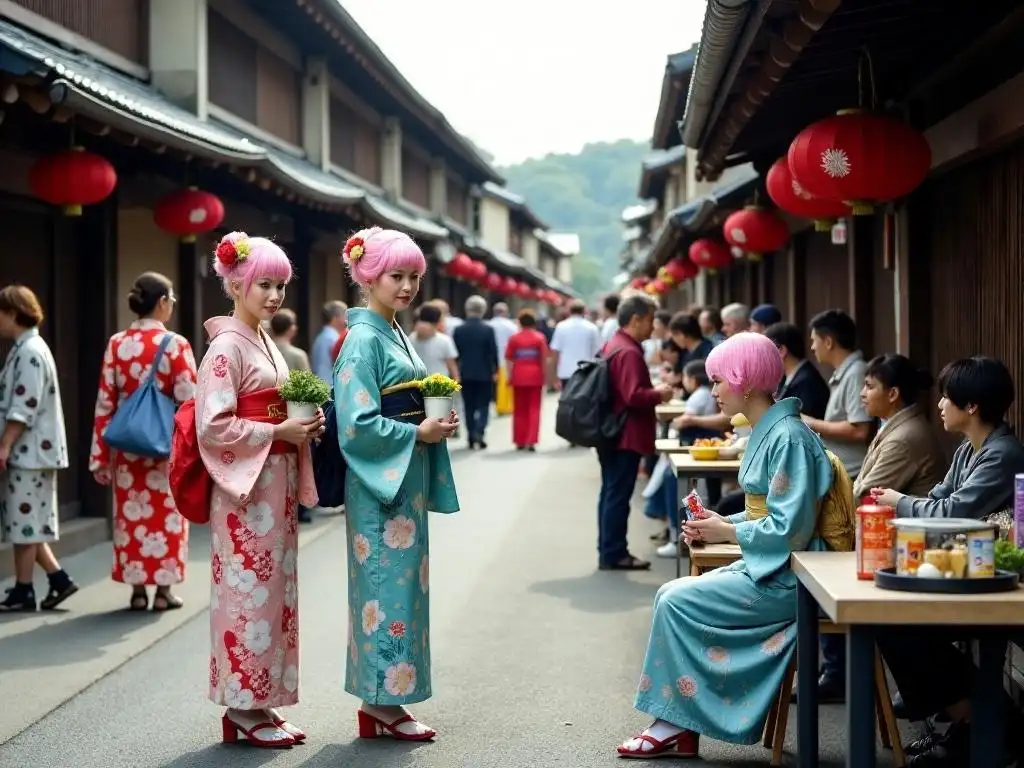
During the Edo period (1603-1868), the representation and cultural expression of women underwent significant transformations. This era was marked by a flourishing of arts, literature, and popular culture, which provided a rich tapestry for the portrayal of women in various societal roles. Women were depicted not only in traditional domestic contexts but also as active participants in cultural life, reflecting both the constraints and opportunities of their time.
In the realm of art, ukiyo-e woodblock prints became particularly influential. These prints often showcased beautiful courtesans, kabuki actresses, and everyday women engaged in activities like tea ceremonies and festivals. Such representations emphasized aesthetic beauty while also hinting at the complexities of women's lives in a society that both idolized and restricted them.
Literature also played a crucial role in shaping the perception of women during this period. Works by female authors, such as the famous poet and novelist Matsuo Bashō and the playwright Chikamatsu Monzaemon, presented nuanced characters who navigated the expectations placed upon them. These literary works explored themes of love, sacrifice, and the societal constraints that women faced, providing a counter-narrative to the more conventional portrayals prevalent in other mediums.
Art and Literature: Depictions of Women
Art and literature from the Edo period provide a compelling lens through which to examine the status of women. In visual arts, ukiyo-e prints often highlighted the beauty and grace of women, especially those in the entertainment districts of cities like Edo (modern-day Tokyo). Artists such as Katsushika Hokusai and Utagawa Hiroshige created iconic images that celebrated the allure of courtesans while simultaneously portraying their harsh realities. These depictions captured both the elegance of their attire and the transient nature of their lives, reflecting the duality of admiration and objectification.
In literature, the genre of "onnagata," or male actors portraying female roles, flourished in kabuki theatre. This practice not only provided a unique representation of women but also allowed male playwrights to explore feminine perspectives, albeit through a male lens. The narratives often highlighted women's struggles, desires, and resilience, offering audiences insight into the societal constraints that defined their existence.
Moreover, the emergence of "kibyōshi," illustrated novels that often featured strong female characters, provided a platform for exploring women's experiences in a changing society. These narratives sometimes challenged the traditional roles assigned to women, allowing for a more complex understanding of their lives.
Festivals and Social Activities: Women’s Participation
Festivals and social activities during the Edo period were crucial for women's participation in cultural life. Events such as the hanami (cherry blossom viewing) and the Tanabata festival not only served as social gatherings but also as opportunities for women to express their identities outside the domestic sphere. Women played essential roles in organizing and participating in these festivities, showcasing their culinary skills, traditional clothing, and artistic talents.
These occasions allowed women to engage with their communities, fostering a sense of agency and camaraderie. Participation in festivals often involved elaborate rituals and performances that highlighted women's contributions to cultural traditions. For instance, the role of women in the creation of elaborate decorations and food for these events underscored their significance in maintaining cultural heritage.
Furthermore, the rise of the merchant class in the Edo period allowed women from these families to participate in social and cultural activities more freely. They took part in the arts, music, and literature, contributing to the vibrant tapestry of Edo culture. This shift marked a notable departure from the more restrictive roles women held during the Heian period, reflecting broader societal changes.
Conclusion: The Evolution of Women in Japan's Feudal Era
Summary of Key Changes from Heian to Edo Periods
The transition from the Heian to the Edo period marked a significant evolution in the status of women in Japan. During the Heian period (794-1185), women enjoyed relative autonomy, particularly in the literary sphere, where they could express their thoughts and emotions through poetry and prose. However, as Japan moved into the Edo period, societal norms became increasingly patriarchal, restricting women's freedoms and reinforcing their roles within the domestic sphere.
Despite these constraints, women found ways to assert themselves through cultural expression. The Edo period saw the emergence of vibrant forms of art and literature that portrayed women in diverse roles, from courtesans to strong characters in kabuki theatre. Festivals and social activities also became essential avenues for women to participate in public life, challenging traditional notions of femininity.
Lasting Impact of Historical Changes on Modern Perspectives of Women in Japan
The historical changes in the status of women from the Heian to the Edo periods have left a lasting impact on modern perspectives of women in Japan. While contemporary society has made significant strides towards gender equality, the legacies of feudal attitudes continue to influence cultural narratives and expectations surrounding femininity. The portrayal of women in media, literature, and art often echoes themes from the past, highlighting both progress and ongoing challenges.
In recent years, there has been a resurgence of interest in the historical roles of women, prompting a reevaluation of their contributions to Japanese culture. This has led to a greater emphasis on women's voices in contemporary discourse, encouraging a more nuanced understanding of gender dynamics in Japan today.
Final Thoughts on the Status of Women in Japan's Feudal Era
The status of women in Japan's feudal era, particularly from the Heian to the Edo periods, reveals a complex interplay of cultural expression, societal expectations, and individual agency. While women faced significant limitations, they also found ways to navigate these constraints through art, literature, and social participation. The evolution of their roles reflects broader historical shifts, revealing both the resilience and adaptability of women in a changing society.
Understanding the historical context of women's roles in Japan’s feudal era is crucial for appreciating the ongoing journey toward gender equality. As we reflect on this rich tapestry of history, it is essential to honor the voices and experiences of women who have shaped Japanese culture throughout the centuries.
References and Further Reading on Women in Japan's Feudal Era
Understanding the complexities of women's roles during Japan's feudal era requires delving into a variety of sources that explore historical context, societal norms, and cultural shifts. Below are some recommended readings and online resources that provide valuable insights into the changing status of women from the Heian to the Edo periods.
Suggested Books and Articles for In-Depth Knowledge
-
"Women and Family in Medieval Japan" by Hitomi Tonomura, Anne Walthall, and Katsumoto Kōji
This comprehensive book explores the roles and experiences of women in the medieval Japanese family structure, emphasizing the dynamic nature of gender roles over time.
-
"The Women of the Shogunate: A History of Women in Japan's Feudal Era" by Mary Elizabeth Berry
Berry’s work provides a thorough examination of women's positions within the Shogunate, detailing their influence and societal contributions despite prevailing patriarchal structures.
-
"Women in Japanese History" by Yoko Watanabe
A collection of essays that offers various perspectives on women's lives throughout different periods of Japanese history, focusing on the feudal era and beyond.
-
"The Tale of Genji" by Murasaki Shikibu
While a work of fiction, this classic novel offers rich insights into the lives and societal expectations of women during the Heian period, reflecting cultural norms and gender dynamics.
-
"Gender and Power in the Japanese Feudal System" by Kuroda Yoko
This article discusses the intersection of gender and power in Japan’s feudal hierarchy, analyzing how women navigated their roles within the socio-political landscape.
Online Resources for Exploring Women's Roles in Feudal Japan
-
The Japanese Historical Society
This website features a wealth of articles and resources dedicated to the exploration of women’s history in Japan, including studies specific to the feudal period and its impact on gender roles.
-
The National Diet Library of Japan
A rich digital archive where researchers can access historical texts, documents, and studies focused on women's contributions and status in Japanese society through the ages.
-
The Japan Society: Women in Japan
An online platform offering various resources, including webinars and articles, focused on understanding women's roles throughout Japan's history, particularly during the feudal era.
-
Google Scholar
A vast database of academic papers where users can search for scholarly articles related to "Women in Japan's Feudal Era" for deeper insights and diverse perspectives.
These resources serve as a foundation for anyone looking to understand the intricate tapestry of women's roles and experiences throughout Japan's feudal era. Through these readings and online materials, one can gain a nuanced appreciation for the historical significance of women in shaping Japanese society.
- Introduction to Women in Japan's Feudal Era
- The Heian Period: Women’s Status and Influence
- Transition to the Edo Period: Shifts in Women's Status
- The Edo Period: Women’s Roles and Limitations
- Cultural Expression and Representation of Women in the Edo Period
- Conclusion: The Evolution of Women in Japan's Feudal Era
- References and Further Reading on Women in Japan's Feudal Era
- What was the role of women during the Heian period in Japan?
- How did the status of women change from the Heian to the Edo period?
- What societal factors influenced the changing status of women?
- Were there any notable women during Japan's feudal era?
- How does the history of women in feudal Japan impact modern perceptions?
Frequently Asked Questions
What was the role of women during the Heian period in Japan?
During the Heian period, women enjoyed a relatively high status, often participating in cultural activities such as poetry and painting. They had limited legal rights, but their influence was significant in the courtly society.
How did the status of women change from the Heian to the Edo period?
The transition from the Heian to the Edo period saw a decline in women's status. While women in the Heian era had more freedom and influence, the Edo period imposed strict societal norms that restricted their roles primarily to the domestic sphere.
What societal factors influenced the changing status of women?
Factors such as political changes, the rise of the samurai class, and the establishment of Confucian values played pivotal roles in shaping women's status. These influences gradually shifted women’s roles from active participants in society to more subservient positions.
Were there any notable women during Japan's feudal era?
Yes, several women made significant contributions during this time. Figures like Tomoe Gozen, a female warrior, exemplify women's strength and agency in the feudal era, while others engaged in literature and arts, influencing cultural developments.
How does the history of women in feudal Japan impact modern perceptions?
Understanding the changing status of women in feudal Japan helps contextualize modern views on gender roles. It highlights the historical struggles and achievements of women, influencing ongoing discussions about equality and rights in contemporary society.
Final Reflection: The Evolution of Women's Roles in Japan's Feudal Era
The changing status of women from the Heian to the Edo period highlights the profound shifts in societal norms and expectations that continue to resonate today. As we examine the intricate tapestry of women's lives during these historical periods, we uncover not only the challenges they faced but also their resilience and adaptability. The evolution of women's roles is not merely a relic of the past; it serves as a mirror reflecting the ongoing struggles and triumphs of women in contemporary society.
Clearly, the historical trajectory of women in Japan's feudal era has left an indelible mark on the cultural and social landscape. From the poetic expressions of the Heian court to the more constrained lives of women in the Edo period, their experiences resonate with the ongoing discourse surrounding gender equality and women's rights today. As we reflect on this journey, we are reminded of the words of feminist scholar Judith Butler: Gender is not something we are, but something we do.
This notion underscores the idea that the roles women have played throughout history are not fixed but are continually shaped by the contexts in which they exist.
As we move forward, let us take a moment to reflect on the lessons learned from the past and consider how they can inform our present and future. I invite you to explore your own understanding of gender roles and the impact they have on our lives today.
By acknowledging the struggles and achievements of women throughout history, we can foster a deeper appreciation for their contributions and advocate for a more equitable society. Together, we can honor the legacy of women in Japan's feudal era and strive to create a future where every individual, regardless of gender, can thrive and fulfill their potential.
Embrace the Legacy of Women in History!
Thank you for taking the time to explore the evolving status of women from the Heian to the Edo period. We've uncovered fascinating insights that highlight their resilience, creativity, and impact on society. Now, it's time to take these reflections further and actively engage with this rich history.
Here’s how you can continue your journey:
- Dive deeper: Read related articles on our website to learn about influential women throughout feudal Japan and how their stories shaped cultural norms.
- Share your thoughts: Join the discussion! Comment below with your favorite historical figure from this era or share the insights that resonated with you the most.
- Explore interactive resources: Check out our timeline feature that visually captures the major events affecting women during these periods.
What do you consider the most significant change in women's roles from the Heian to the Edo period, and how do you think it has influenced modern perspectives?