
Women in Literature: Voices from the Shadows of Feudal Japan

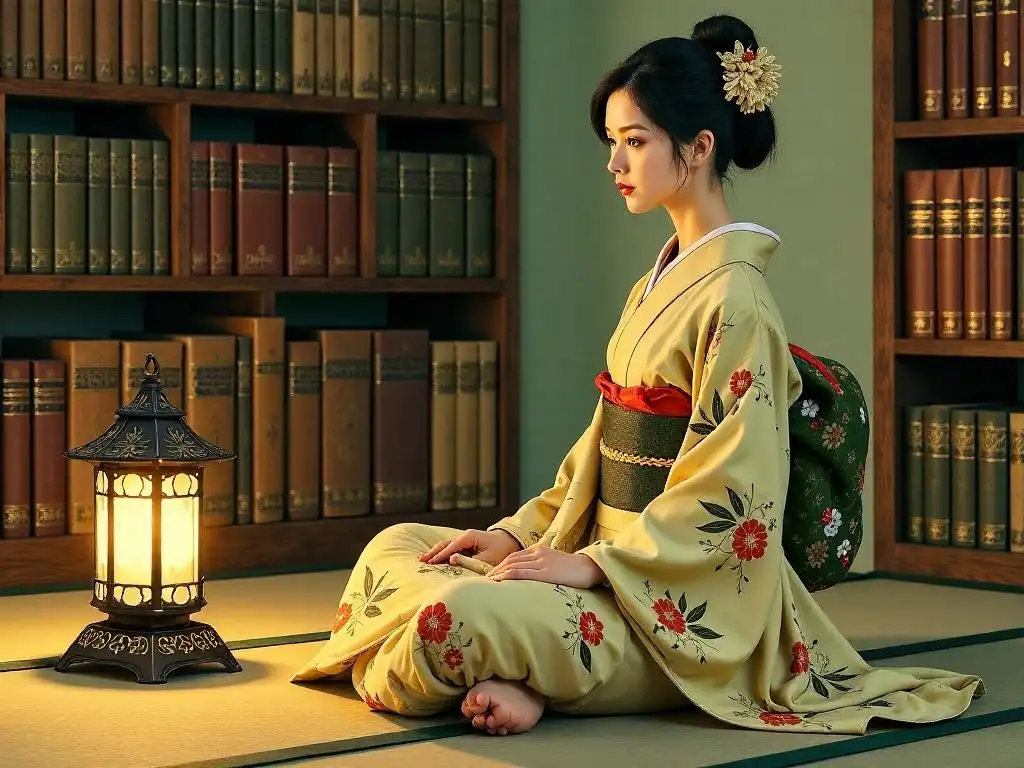
Welcome to Feudal Japan History, where we embark on a captivating journey through the intricacies of Japan’s feudal era. Here, history comes alive as we delve into the rich tapestry of social, cultural, and historical narratives that shaped this fascinating period. In our featured article, "Women in Literature: Voices from the Shadows of Feudal Japan," we illuminate the often-overlooked perspectives of women in feudal society, unraveling their roles and contributions as depicted in literature.
Prepare to discover the untold stories that challenge conventional views and inspire a deeper understanding of women’s experiences during this transformative time. Join us as we turn the pages of history and uncover the powerful voices that resonate from the shadows!
- Women in Feudal Japan Literature: An Overview
- The Representation of Women in Feudal Japanese Literature
- Women’s Roles and Their Depictions in Literature
- The Impact of Literature on the Perception of Women
-
Frequently Asked Questions
- What role did women play in Feudal Japan literature?
- How were women's experiences depicted in literature from Feudal Japan?
- Were there any notable female authors in Feudal Japan?
- What impact did women's literature have on Japanese society during the feudal era?
- How does modern literature reflect the themes of women in Feudal Japan?
- Final Reflection: Illuminating the Shadows of Women's Voices in Feudal Japan Literature
- Unveil the Untold Stories of Women in Feudal Japan!
Women in Feudal Japan Literature: An Overview
The exploration of women's voices in Feudal Japan literature offers a profound understanding of their roles, contributions, and the societal challenges they faced during this complex period. The feudal era, characterized by a rigid class system and the influence of samurai culture, shaped not only the political landscape but also the literary expressions of the time.
Women, often relegated to the shadows of history, found ways to articulate their experiences, desires, and struggles through various literary forms, including poetry, diaries, and novels. This article delves into the historical context of Feudal Japan, examining how the societal structure influenced women's literary contributions and revealing the intricate tapestry of their lived experiences.
The Historical Context of Feudal Japan
The historical backdrop of Feudal Japan is essential to understanding the literature produced during this era. Spanning roughly from the late 12th century to the mid-19th century, this period was marked by the rise of powerful military clans, the establishment of the shogunate, and significant social stratification.
Understanding the Feudal System in Japan
The feudal system in Japan was hierarchical, with the emperor at the top, followed by shoguns, daimyos, samurai, and peasants. This structure dictated not only political power but also social roles and expectations. Within this system, women were often viewed through the lens of their relationships to men—whether as daughters, wives, or mothers.
- Key Features of the Feudal System:
- Emperor: Symbolic figurehead with limited power.
- Shogun: Military leader who held real political authority.
- Daimyos: Feudal lords who governed vast territories and maintained their own samurai.
- Samurai: Warrior class bound by codes of honor and loyalty.
- Peasants: The backbone of the economy, often working the land under strict conditions.
Despite their marginalization, women played crucial roles within the home and the community, influencing family dynamics and cultural practices.
The Role of Women in Japanese Society
In Feudal Japan, women's roles were multifaceted, shaped by class, geography, and family lineage. While noblewomen often had access to education and could wield considerable influence within their households, peasant women typically engaged in labor-intensive work, managing the household and contributing to agricultural production.
- Influential Aspects of Women's Roles:
- Literacy and Education: Some women, particularly in the upper classes, were educated and produced literary works.
- Cultural Contributions: Women contributed to the arts, including poetry and storytelling, often conveying emotional depth and societal insights.
- Social Expectations: Women's lives were largely defined by their roles as wives and mothers, with societal pressure to conform to ideals of loyalty and devotion.
Through literature, these women expressed their inner worlds, providing a glimpse into their thoughts, feelings, and aspirations, making their voices resonate through the ages. As we continue this exploration, we will uncover the specific literary works and figures that have emerged from this rich yet often overlooked tradition.
The Representation of Women in Feudal Japanese Literature
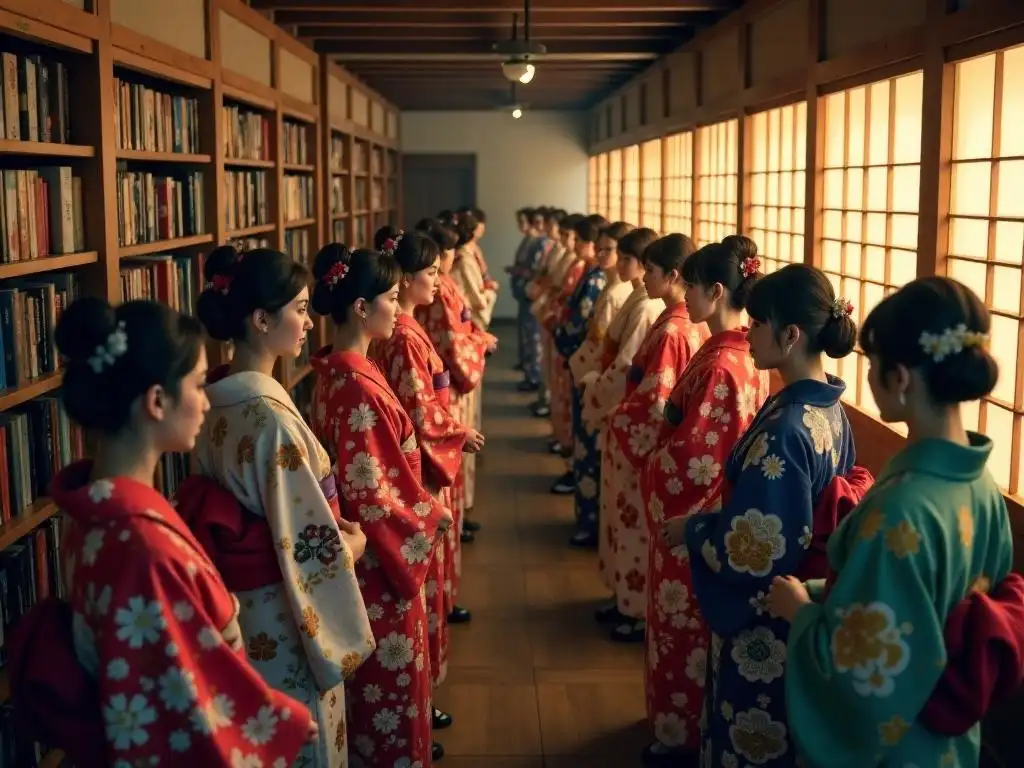
The representation of women in feudal Japanese literature offers a unique lens through which to examine their roles and experiences in a patriarchal society. Literature from the Heian period (794-1185) to the Edo period (1603-1868) captures the complexities of female identity, showcasing both the constraints and the agency women held within their contexts. Through poetry, prose, and diaries, women’s voices emerge, revealing their thoughts, emotions, and societal roles. This section explores key literary works that feature women prominently and analyzes the perspectives and narrative styles employed by female authors.
Key Literary Works Featuring Women in Feudal Japan
The Tale of Genji and Its Female Characters
The Tale of Genji, written by Murasaki Shikibu in the early 11th century, is often hailed as the world's first novel. This seminal work intricately weaves the lives of its characters, particularly the women, into a rich tapestry of court life.
- Character Depth: The novel features numerous female characters, each with distinct personalities and experiences. For instance, Lady Fujitsubo, who embodies the tragic consequences of love and societal duty, highlights the emotional burdens placed on women.
- Social Commentary: Through the lives of characters like Murasaki and Akikonomu, the narrative comments on the limitations imposed by social status and gender. These women navigate their relationships with men while also showcasing their inner strength and desires.
The Pillow Book: A Reflection of Women's Lives
Written by Sei Shonagon, The Pillow Book is a collection of essays, lists, and anecdotes that provide insight into the daily lives of women in the Heian court. This work serves as both a personal diary and a social commentary.
- Observational Style: Shonagon's keen observations about court life, relationships, and nature reflect a woman's perspective on the world around her. Her use of wit and humor allows readers to appreciate the nuances of female experiences.
- Cultural Significance: The text reveals the aesthetic sensibilities and cultural practices of the time, while also addressing the emotional landscape of women. Shonagon’s candid reflections on love and rivalry add layers to our understanding of women's roles.
Other Notable Texts Documenting Women's Experiences
Beyond The Tale of Genji and The Pillow Book, several other texts illuminate women's experiences in feudal Japan:
- The Tales of Ise: This collection of poems and narratives features women prominently, highlighting their relationships and emotional struggles.
- The Diary of Lady Murasaki: This work offers a glimpse into the life and thoughts of its author, revealing the challenges faced by women in a male-dominated society.
- Noh Plays: Many Noh plays depict female characters who embody various aspects of femininity, from tragic figures to strong-willed heroines, reflecting the diverse roles women played in society.
Voices of Women: Perspectives in Literature
The literature of feudal Japan not only showcases women's experiences but also their perspectives and unique narrative styles.
The Narrative Styles of Female Authors
Female authors in feudal Japan employed distinct narrative techniques that set their works apart:
- Intimate Tone: Many female-authored texts, such as The Pillow Book, feature a confessional and personal tone, allowing readers to connect intimately with their experiences.
- Poetic Language: The use of poetry within prose reflects the literary sophistication of women writers. This blend of genres enables a deeper exploration of emotions, impressions, and societal commentary.
- Subversive Elements: Some authors subtly challenged societal norms through their writing, using irony and satire to critique the limitations placed on women.
The Influence of Gender on Literary Themes
The gender of authors and the subjects they chose to write about significantly influenced the themes present in feudal Japanese literature:
- Exploration of Love and Relationships: Many female writers focused on themes of love, often portraying it as a source of both joy and suffering. This duality reflects the societal expectations placed on women regarding marriage and romance.
- Social Critique: Women’s literature frequently critiques the patriarchal structures of society. Through their narratives, female authors addressed issues such as jealousy, competition, and the struggles for agency.
- Emotional Depth: The emotional experiences of women, including heartbreak, longing, and resilience, are central to many works, offering a rich exploration of their inner lives.
The literature from feudal Japan serves as a crucial archive of women's voices, revealing their complexities and contributions to cultural heritage. Through the examination of key texts and the perspectives of female authors, we gain a deeper understanding of the roles women played in shaping literary traditions during this era.
Women’s Roles and Their Depictions in Literature
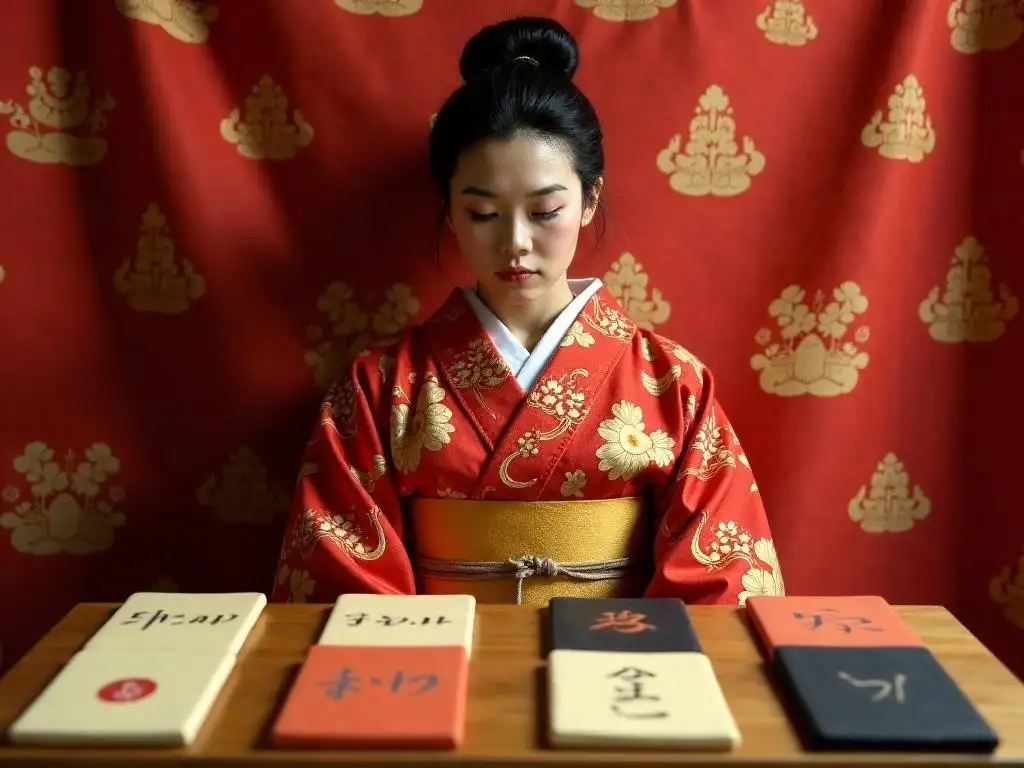
Traditional Roles of Women in Feudal Japan
The societal structure of feudal Japan was heavily influenced by Confucian ideals, which defined specific roles and expectations for women. During this era, women's primary function was often seen as that of a supportive figure within the household, emphasizing their roles as wives and mothers.
Women were expected to uphold family honor and manage domestic responsibilities, which included child-rearing, weaving, and other household tasks. Despite these limitations, women played vital roles in the family unit, ensuring the continuation of lineages and the stability of household economies.
Marital Expectations and Family Life
Marriage was a central aspect of a woman's life in feudal Japan. Arranged marriages were the norm, often determined by family alliances rather than personal choice. Women were expected to adapt to their new roles within their husbands' families, which could involve moving to a different household and adhering to the specific customs of that family.
- Dowries and Marriage Contracts: The families of brides would negotiate dowries and contracts to secure favorable terms. This practice highlighted the economic considerations tied to marriage.
- Motherhood: A woman's worth was often measured by her ability to bear children, particularly sons, to carry on the family name. This expectation placed immense pressure on women to fulfill their reproductive roles.
Women's Contributions to Agriculture and Economy
Beyond their domestic roles, women in feudal Japan contributed significantly to the agricultural sector and local economies. They participated in farming activities alongside their male counterparts, engaging in tasks such as planting, harvesting, and processing crops.
- Textile Production: Many women were involved in the production of textiles, which was a crucial industry. They would spin and weave cloth, supplying their families and local markets.
- Market Participation: Some women operated small businesses or sold goods in local markets, showcasing their economic agency despite the overarching patriarchal constraints.
The Contrast in Literature: Idealized vs. Realistic Portrayals
Literature from feudal Japan presents a complex view of women's lives, oscillating between idealized representations and stark realities. This duality reflects the broader social attitudes toward women during this time.
Depictions of Samurai Wives and Court Ladies
In various literary works, samurai wives and court ladies were often portrayed as paragons of virtue, loyalty, and grace. They embodied the Confucian ideals of the "good wife" and "wise mother."
- Tales of the Heike: This epic depicts noblewomen who display immense strength and resilience amid the tumultuous events of war, though these portrayals often romanticize their sacrifices.
- The Pillow Book by Sei Shonagon: Here, court ladies are portrayed in a more nuanced light, showcasing their intelligence and wit, yet still conforming to the expectations of their roles.
These literary portrayals serve to reinforce societal ideals, often overlooking the personal struggles faced by these women in reality.
The Struggles of Peasant Women in Literature
In contrast to the idealized images of women from the upper classes, literature often highlights the struggles faced by peasant women. These narratives emphasize the harsh realities of their lives, marked by labor, poverty, and subjugation.
- The Tale of the Bamboo Cutter: This story illustrates the hardships endured by women of lower classes, focusing on their labor-intensive existence and the limited opportunities for social mobility.
- Folktales and Oral Traditions: Many traditional folktales reveal the resilience of peasant women, often highlighting their cunning and resourcefulness in overcoming adversity.
This contrast in portrayals invites readers to reflect on the broader implications of women's roles in feudal Japan, showcasing the disparity between societal expectations and lived experiences.
Through these literary explorations, we gain a deeper understanding of the multifaceted roles women occupied in feudal Japan, revealing both their contributions and the constraints imposed upon them. The narratives not only document their existence but also serve as a testament to their enduring spirit amidst the shadows of history.
The Impact of Literature on the Perception of Women
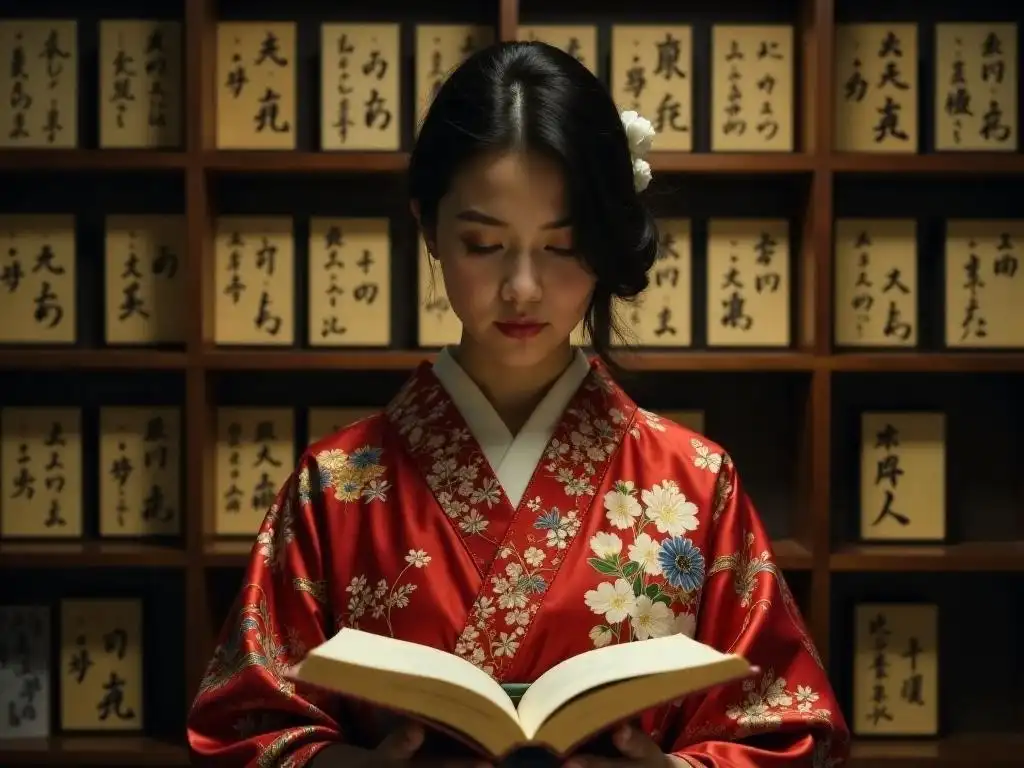
Shaping Cultural Norms through Literary Voices
In Feudal Japan, literature served as both a reflection and a shaper of societal norms, particularly concerning the roles and expectations of women. Texts such as The Tale of Genji by Murasaki Shikibu and The Pillow Book by Sei Shonagon not only entertained but also provided insights into women's lives, desires, and challenges within the confines of a patriarchal society. These works depicted women as complex characters with emotional depth, which contributed to a nuanced understanding of their societal roles.
The portrayal of women in literature often adhered to the onna daigaku (the "Great Learning for Women"), which emphasized qualities such as obedience, virtue, and domesticity. However, these texts also allowed women to voice their thoughts and feelings, subtly challenging the rigid gender roles of the time. This duality in representation highlighted the tension between societal expectations and individual identity, establishing a cultural norm that valued women's voices, albeit within restrictive boundaries.
How Literature Influenced Gender Roles
The influence of literature on gender roles in Feudal Japan is profound. Literary works often reinforced traditional roles, portraying women primarily as caretakers and subservient figures. However, they also offered a platform for women to express their experiences, desires, and frustrations, thus contributing to a gradual shift in societal perceptions.
For instance, the writings of onna bungaku (women's literature) often included themes of love, loss, and personal agency. These narratives not only provided escapism but also sparked discussions about women's rights and their place in society. The emergence of female poets and authors during this era illustrated a burgeoning recognition of women's intellectual contributions, challenging the notion that women were solely defined by their familial roles.
The Legacy of Women's Literature in Feudal Japan
The legacy of women's literature in Feudal Japan is characterized by its enduring influence on subsequent generations. The works of female authors laid a foundation for future literary traditions, highlighting the importance of female perspectives in Japanese literature.
Many of these texts have been preserved and studied, revealing layers of meaning that resonate with contemporary audiences. The themes of resilience, desire for autonomy, and the quest for identity remain relevant, reflecting the universal struggles faced by women across time and cultures. The literary contributions of women during this period are not merely historical artifacts; they continue to inspire modern writers and thinkers, fostering a dialogue about gender and power dynamics that persists today.
Modern Interpretations of Historical Female Characters
Contemporary Adaptations and Their Relevance
Modern interpretations of historical female characters from Feudal Japan highlight the enduring impact of their stories. Adaptations in various forms of media, including film, theater, and literature, often reframe these characters, emphasizing their strength, agency, and complexity.
For example, films such as The Tale of the Princess Kaguya and The Last Samurai reinterpret the tales of women like Kaguya-hime and the samurai's wife, presenting them as symbols of resilience and defiance against societal constraints. These adaptations not only bring historical figures to life but also resonate with contemporary themes of feminism and empowerment, illustrating how the struggles of women in the past continue to inform modern discussions about gender equality.
The Evolution of Women’s Representation in Literature
The evolution of women's representation in literature from Feudal Japan to the present day reflects broader societal changes regarding gender roles. Initially confined to the domestic sphere and often portrayed through a lens of subservience, female characters in literature have gradually transformed into symbols of strength and autonomy.
As societal perceptions of women shifted, so too did their portrayals in literature. Contemporary authors draw upon historical narratives, infusing them with modern sensibilities that challenge traditional norms. This ongoing evolution underscores the dynamic nature of literature as a tool for social change, allowing for a re-examination of women's roles both in historical contexts and in today's society.
The exploration of women in Feudal Japan literature reveals a rich tapestry of voices that not only shaped cultural norms but also paved the way for future generations of women to redefine their identities within and beyond literature.
Frequently Asked Questions
What role did women play in Feudal Japan literature?
Women in Feudal Japan often found themselves in subordinate roles within literature, yet their voices and experiences were significant, reflecting their resilience and perspectives in a patriarchal society.
How were women's experiences depicted in literature from Feudal Japan?
Literature from this era often portrayed women as complex characters facing societal constraints, highlighting themes of love, sacrifice, and duty, which resonate through various literary forms.
Yes, there were notable female authors such as Murasaki Shikibu, who wrote "The Tale of Genji," often considered the world's first novel, showcasing women's intellect and creativity in a male-dominated society.
What impact did women's literature have on Japanese society during the feudal era?
Women's literature provided a unique perspective on social issues, helping to shape cultural narratives and influencing the perception of women's roles within Japanese society.
How does modern literature reflect the themes of women in Feudal Japan?
Modern literature often revisits and reinterprets the themes of women's struggles, using historical contexts from Feudal Japan to draw parallels with contemporary issues of gender and identity.
Final Reflection: Illuminating the Shadows of Women's Voices in Feudal Japan Literature
The exploration of women in feudal Japan literature reveals a rich tapestry of voices that have long been overlooked in the annals of history. Today, as we strive for gender equality and representation in all fields, the stories of these women resonate more than ever. They remind us that the struggles for recognition and agency are not confined to the past but are ongoing battles that shape our cultural narrative. The resilience and creativity of these women serve as a powerful testament to the enduring impact of their contributions, urging us to listen and learn from their experiences.
The influence of women in feudal Japan literature continues to echo in contemporary society, challenging us to reconsider the narratives that dominate our cultural landscape. By acknowledging the depth and complexity of these women's stories, we not only honor their legacy but also enrich our understanding of history. As the renowned author Virginia Woolf once said, "> For most of history, Anonymous was a woman." This quote encapsulates the essence of our journey through the shadows, highlighting the importance of bringing these voices to light and recognizing their rightful place in the literary canon.
As we reflect on the lessons learned from the lives and writings of these remarkable women, I invite you to consider how their stories can inspire action in your own life. Let their resilience motivate you to seek out and amplify the voices that remain unheard today. Whether through reading, writing, or engaging in discussions about representation, each of us has the power to contribute to a more inclusive narrative. Embrace the challenge of illuminating the shadows, and together, let us ensure that the voices of all women—past, present, and future—are heard and celebrated.
Unveil the Untold Stories of Women in Feudal Japan!
Thank you for exploring the rich and complex tapestry of women's voices in Feudal Japan. You have uncovered the often-overlooked narratives that shaped literature and culture during this fascinating era. Now, it's time to take action and delve even deeper into this world!
Here’s how you can continue your journey:
- Dive deeper into the works of female authors from this period by visiting your local library or accessing online archives to read their writings.
- Share your newfound knowledge by discussing these literary contributions with friends or participating in online forums dedicated to historical literature.
- Explore further by researching modern adaptations or interpretations of these texts to see how they resonate in today’s context.
What aspect of women's literature from Feudal Japan has intrigued you the most? How do you believe these voices can inspire contemporary discussions on gender and culture?