
The Role of Women in Political Intrigue: Behind the Scenes of Power

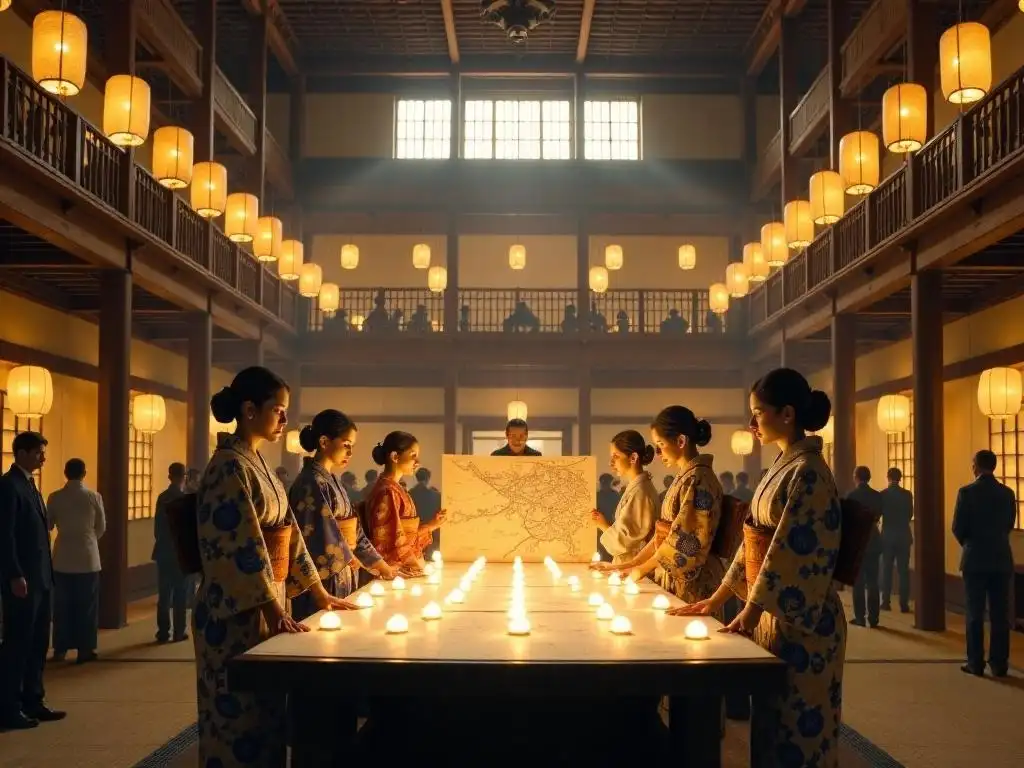
Welcome to Feudal Japan History, where we delve deep into the captivating world of Japan’s feudal era. Our exploration shines a light on the often-overlooked figures who wielded influence from the shadows, particularly in our featured article on Women in Japan's feudal politics. Discover how these remarkable women navigated a complex landscape of power and intrigue, shaping the course of history in ways that still resonate today. Are you ready to uncover the secrets behind their silent strength? Join us as we unravel the tapestry of social history that defines this fascinating period!
Introduction to Women in Japan's Feudal Politics
The role of women in Japan's feudal politics is a multifaceted subject that uncovers the often-overlooked contributions of women to the political landscape during this tumultuous era. While the feudal system is frequently characterized by male-dominated power structures, many women played crucial roles behind the scenes, influencing decisions and shaping the political narrative of their time.
This article delves deep into the intricate web of political intrigue in feudal Japan, highlighting how women navigated and sometimes manipulated the complex social hierarchies to assert their influence and power. By exploring various historical contexts and individual stories, we aim to shed light on the significant yet understated impact of women in Japan's feudal politics.
Overview of Women’s Roles in Feudal Japan
In feudal Japan, women's roles were often confined to the domestic sphere, yet many women transcended these limitations. Their responsibilities frequently included:
- Managing Household Affairs: Women were pivotal in managing family estates, especially when men were away for military campaigns or political duties.
- Influencing Political Alliances: Marriages were often strategic, serving as tools for forming alliances among clans and families.
- Acting as Political Advisors: Some women, particularly those of noble birth, acted as advisors to their husbands or male relatives, offering insights and counsel in political matters.
These roles reveal a complex interplay between societal expectations and individual agency, showcasing how women contributed to political stability and power dynamics.
Importance of Political Intrigue in Historical Context
Political intrigue was a defining characteristic of feudal Japan, where loyalty and betrayal were often interwoven in the fabric of samurai culture. The significance of this intrigue cannot be understated, as it played a crucial role in shaping the power struggles between clans. Women were not merely passive observers; they actively participated by:
- Navigating Alliances: Women often facilitated crucial alliances through strategic marriages and kinship ties.
- Engaging in Espionage: Some women acted as spies, gathering intelligence that could sway the outcomes of battles or political negotiations.
- Influencing Succession Wars: In cases where male heirs were absent or contested, women sometimes became pivotal figures in determining the line of succession.
Understanding the historical context of these intrigues provides a richer understanding of the broader social dynamics in which women operated, revealing their significant contributions to the political sphere.
Historical Context of Women in Japan's Feudal Politics
The Feudal System: Structure and Key Players
The feudal system in Japan was characterized by a hierarchal structure where power was distributed among various layers of society, including the Emperor, shoguns, daimyo (feudal lords), samurai, and peasants. Within this structure, women often held positions of influence, albeit indirectly. Key players in this system included:
- Emperors and Shoguns: The ruling elite who held the highest power.
- Daimyo: Feudal lords who governed specific territories and often wielded significant military and political power.
- Samurai: The warrior class that served the daimyo, often acting as protectors of their interests.
Women, especially those from noble families, could influence these key players through their familial connections and strategic marriages.
Women’s Status in Japanese Society During the Feudal Era
The status of women in feudal Japan was complex and varied across different social classes. While commoners were typically relegated to traditional domestic roles, women from samurai families enjoyed certain privileges, including:
- Education: Many noblewomen were educated, allowing them to read and write, which enabled them to engage in political correspondence and strategy.
- Property Rights: Women could inherit and manage property, particularly in the absence of male heirs, granting them a measure of economic power.
- Cultural Influence: Women contributed to the arts and literature, which were essential in shaping cultural narratives and influencing public perception.
Despite the limitations imposed by a patriarchal society, these factors contributed to a dynamic where women could play influential roles within their family structures and beyond, impacting the political landscape of feudal Japan.
Influential Women in Feudal Politics
The role of women in Japan's feudal politics was far more significant than often acknowledged. While history tends to focus on male figures in leadership and warfare, women played crucial roles in shaping the political landscape. They navigated the intricate web of alliances, rivalries, and power struggles that characterized the feudal era. These women, often from noble families, were not merely passive observers but active participants who influenced decisions and outcomes.
In many cases, women were the custodians of family legacies. They managed estates, negotiated alliances, and sometimes even took on roles as regents or rulers in their own right. Their contributions were essential to maintaining the stability and continuity of their clans amidst the tumultuous backdrop of feudal Japan. By leveraging their positions, they could sway political outcomes and ensure their family's influence persisted through generations.
Prominent Figures in Political Intrigue
Several prominent women emerged as key figures in the political intrigues of feudal Japan, each leaving an indelible mark on history. Among them was Hojo Masako, the wife of the first shogun, Minamoto no Yoritomo. After her husband's death, she played a pivotal role in the Kamakura shogunate, exerting considerable influence over political decisions and serving as a regent for her son.
Another notable figure was Empress Jingu, who, according to legend, led a military campaign against the Korean kingdom of Silla. Her story, though steeped in myth, reflects the perception of women as capable leaders in times of crisis. Additionally, Tomoe Gozen, a legendary female warrior, is celebrated for her bravery and martial prowess, participating actively in battles and influencing the outcomes of conflicts.
These figures exemplify how women were not only involved in political machinations but also held power in various forms, challenging the notion that feudal Japan was exclusively ruled by men.
The Role of Women as Advisors and Strategists
Women in feudal Japan often served as trusted advisors and strategists within their families and clans. Their intimate knowledge of familial dynamics and alliances made them invaluable assets in political maneuvering. For instance, many women were well-educated, skilled in the arts of diplomacy, and adept at navigating the complexities of court politics.
In some cases, women acted as informal counselors to their husbands or fathers, providing insights and perspectives that were crucial for decision-making. Their involvement in discussions about military strategies, alliances, and disputes showcased their capabilities beyond traditional roles. This influence was particularly prominent during times of instability, when male leaders were often preoccupied with warfare and could rely on their wives or female relatives to manage domestic affairs and political negotiations.
Mechanisms of Power: Women Behind the Scenes
The mechanisms by which women exerted influence in feudal politics were often subtle but effective. Through strategic marriage, shrewd diplomacy, and a deep understanding of power dynamics, women played essential roles behind the scenes.
Marriage Alliances and Political Influence
Marriage alliances were a cornerstone of political strategy in feudal Japan, and women were the key facilitators of these unions. Families often arranged marriages to solidify alliances, secure peace, or enhance their standing within the political hierarchy. Women, therefore, were not merely pawns in these arrangements; they actively negotiated terms and influenced the political landscape through their marital connections.
For example, the marriage of Kōkō's daughter to the emperor exemplifies how women could elevate their families' status and secure political advantages. Such unions could forge powerful connections between clans, leading to increased influence and stability.
The Impact of Women on Succession and Power Dynamics
Women's roles in succession and power dynamics were critical, especially when sons were too young to rule or when there were disputes over inheritance. Women often acted as regents or guardians, overseeing the administration and ensuring that their family’s interests were protected. Their position allowed them to shape the next generation of leaders and maintain their family's power.
Women also held property rights, which provided them with a certain degree of autonomy and influence. Through inheritance, they could control substantial resources, which in turn impacted political alliances and decisions. The presence of influential women in these roles indicates that their impact on governance was significant and multifaceted.
Women’s Involvement in Espionage and Intelligence Gathering
Espionage and intelligence gathering were crucial elements of power in feudal Japan, and women often played covert roles in these activities. Their societal positions allowed them access to information that was pivotal for political maneuvering. Women were frequently tasked with gathering intelligence through social networks, leveraging their relationships to uncover secrets and relay essential information to their families.
For instance, women in the court could overhear critical discussions or gain insights into the plans of rival clans. This ability to navigate social spheres meant that they could act as spies, passing along valuable information that could alter the course of political events. Their involvement in espionage underscores the diverse ways women contributed to the political intrigues that shaped Japan's feudal era.
The role of women in Japan's feudal politics was integral to the power dynamics of the time. Through strategic alliances, advisory roles, and covert operations, women significantly influenced the political landscape, demonstrating their capacity for leadership and their critical place in historical narratives.
Cultural Perceptions of Women in Politics
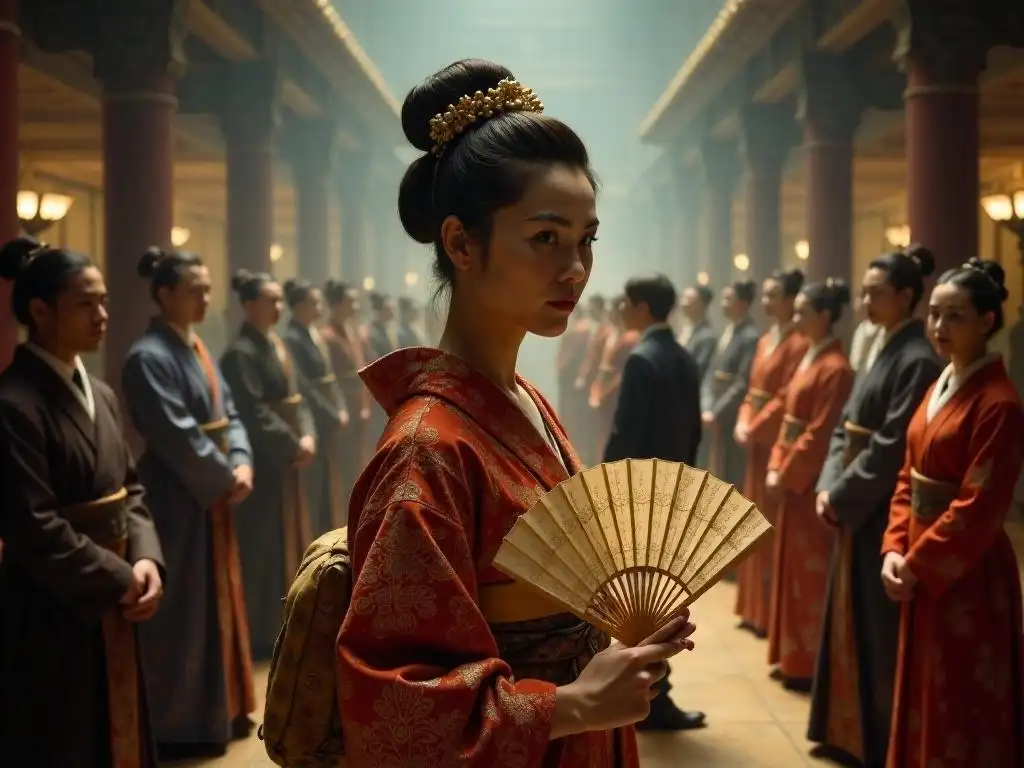
In feudal Japan, women occupied a complex and often contradictory position within the socio-political landscape. While they were largely confined to domestic roles, the cultural perceptions of women in politics were nuanced and multifaceted. On one hand, traditional Confucian values emphasized a patriarchal structure that prioritized male authority and governance. Women were often seen as subservient to men, with their primary responsibilities centered around familial duties and the management of household affairs.
On the other hand, cultural narratives and historical accounts indicate that women wielded significant influence behind the scenes. They were frequently involved in political intrigue, leveraging their familial connections and relationships to navigate the male-dominated power structures. This duality created a perception of women as both virtuous caretakers and cunning political players, demonstrating their ability to operate within the constraints imposed upon them. Women in the samurai class, for instance, were sometimes educated and trained in the arts of diplomacy and negotiation, allowing them to impact political decisions indirectly.
Literature and Art: Representations of Women in Power
The role of women in feudal politics is vividly illustrated in Japanese literature and art from the era. Many historical texts, such as "The Tale of Genji" by Murasaki Shikibu, depict women as central figures in the political and social narratives of the time. This classic work not only showcases the courtly life but also highlights the political maneuvering of women, particularly through their relationships with powerful men. The characters often navigate complex emotional and political landscapes, revealing the intricate balance between affection and ambition.
Art also played a crucial role in shaping perceptions of women in power. Ukiyo-e prints often portrayed women in various roles, including those of courtesans and noblewomen, subtly reflecting their influence within the political sphere. These representations served to elevate women's status and acknowledge their contributions to the political landscape, albeit indirectly. By depicting women as influential figures in both domestic and public spheres, these artistic expressions contributed to a more nuanced understanding of women's roles in the feudal social structure.
The Dichotomy of Feminine Virtue and Political Machinations
The tension between feminine virtue and political machinations is a recurring theme in the historical narrative of women in Japan's feudal politics. Women were expected to embody virtues such as loyalty, compassion, and obedience. Yet, many women also engaged in political intrigues, employing their intelligence and strategic thinking to maneuver through the treacherous waters of feudal politics. This dichotomy posed a challenge to the traditional ideals of femininity, as women often had to reconcile their roles as dutiful wives and mothers with their ambitions and desires for power.
The lives of influential women like Hojo Masako and Tomoe Gozen illustrate this dichotomy. Masako, the wife of shogun Minamoto no Yoritomo, played a crucial role in the establishment of the Kamakura shogunate, often exercising political power while adhering to the expectations of her gender.
Similarly, Tomoe Gozen, a renowned female warrior, defied conventional gender roles by actively participating in battles, showcasing the complexities of women's identities in the feudal context. Such figures challenge the simplistic views of women as either virtuous or manipulative, revealing that their political involvement was often a reflection of their agency in a restrictive society.
The Legacy of Women in Japan's Feudal Politics
The legacy of women in Japan's feudal politics is profound, influencing not only the political landscape of the time but also shaping the perceptions of women's roles in society. Their involvement in political intrigue and power dynamics laid a foundation for future generations, demonstrating that women could exert influence even within rigid patriarchal structures. This legacy continues to resonate, as modern discussions around gender and politics in Japan often reference the historical contributions of women during the feudal era.
How Women Shaped Political Landscapes
Women played pivotal roles in shaping the political landscapes of feudal Japan, often acting as intermediaries and negotiators in times of conflict and crisis. Their ability to navigate familial alliances and rivalries allowed them to influence decisions that would affect the course of history. For example, women from powerful clans frequently arranged marriages that solidified political alliances, thereby directly impacting the balance of power among feudal lords.
Additionally, women were often involved in the education and upbringing of future leaders, instilling in them the values and skills necessary for governance. This indirect influence allowed women to shape not only the political directions of their time but also the ideologies of future generations. Their legacy can be seen in the gradual shifts toward recognizing women's contributions in political discourse, highlighting the importance of their roles in shaping Japan's historical narrative.
Lasting Effects on Modern Japanese Society and Politics
The impact of women in feudal politics extends into modern Japanese society, influencing contemporary discussions surrounding gender equality and women's roles in governance. The historical precedents set by women in the feudal era serve as a reminder of the potential for female leadership and involvement in political affairs. As Japan continues to grapple with issues of gender representation in politics, the stories of influential women from its feudal past provide valuable insights into the importance of diversity in leadership.
Moreover, the cultural legacy of women's political involvement has inspired a renewed interest in feminist movements within Japan. By examining the roles women played in shaping political landscapes, advocates for gender equality can draw parallels to the ongoing struggles for representation and empowerment in modern politics. The acknowledgment of women's historical contributions fosters a greater understanding of their potential impact in contemporary society, encouraging a shift towards more inclusive political practices.
Conclusion: Reevaluating Women’s Roles in Political Intrigue
The role of women in Japan's feudal politics has often been overshadowed by their male counterparts, yet their influence and involvement were pivotal in shaping the political landscape of the era. As powerful figures behind the scenes, women wielded their influence through strategic marriages, alliances, and their roles within the household, impacting decisions at the highest levels. This conclusion emphasizes the necessity of reevaluating these contributions to gain a deeper understanding of the complexities of feudal politics.
Women, particularly those of noble lineage, were not merely passive observers in the political arena; they were active participants. Through the art of negotiation and persuasion, women played critical roles in maintaining family legacies and securing power dynamics. Acknowledging their contributions allows for a more nuanced perspective on feudal Japan, highlighting the intricate web of relationships that defined this historical period.
Summary of Key Points
- Strategic Marriages: Women were often married off to secure alliances, thus influencing political relationships and power structures.
- Political Advisors: Many women acted as confidantes and advisors to their husbands and fathers, providing counsel that could sway important decisions.
- Cultural Influence: The arts and education, often overseen by women, played a significant role in shaping cultural norms and societal values, which indirectly influenced politics.
- Resistance and Agency: Women also demonstrated agency through resistance, using their status and influence to challenge the norms of a patriarchal society.
The Importance of Recognizing Women’s Contributions in Feudal Japan
Recognizing the contributions of women in feudal Japan is essential for several reasons. Firstly, it provides a more comprehensive historical narrative that includes diverse voices and perspectives. Secondly, it challenges the traditional patriarchal interpretations of history that often marginalize women's roles. By bringing these contributions to light, we not only honor the legacy of these women but also inspire contemporary discussions about gender equality and representation in political spheres.
Understanding women's involvement in political intrigue also serves as a reminder of the complexities of power dynamics, illustrating that influence can manifest in various forms, often outside the conventional expectations of leadership. This broader awareness may encourage further research into the roles of women across different cultures and eras, fostering a richer understanding of global history.
References and Further Reading
Suggested Books and Articles on Women in Japan's Feudal Politics
-
"Women and Power in the Japanese Feudal System" by Susan B. Glosser
This book explores the multifaceted roles women played in the feudal hierarchy and their contributions to political power dynamics.
-
"The Role of Women in the Japanese Samurai Culture" by Hiroshi Fukuda
An insightful analysis of women's influence within samurai families and their impact on the socio-political landscape.
-
"Voices from the Shadows: Women in Japan's Feudal History" by Akiko Tsukada
This work compiles narratives and studies that highlight women's experiences and roles in feudal Japan.
Additional Resources for Understanding Feudal Society and Gender Roles
- The Japanese Historical Society: A repository of articles and papers focusing on various aspects of Japanese history, including gender roles during the feudal era.
- Feudal Japan: A History of the Samurai Era: An online resource that provides in-depth articles and discussions on the socio-political structures of feudal Japan.
- Gender and Society in Japanese History: A curated collection of essays and studies examining the intersections of gender, power, and society throughout Japanese history.
- Introduction to Women in Japan's Feudal Politics
- Historical Context of Women in Japan's Feudal Politics
- Influential Women in Feudal Politics
- Mechanisms of Power: Women Behind the Scenes
- Cultural Perceptions of Women in Politics
- Literature and Art: Representations of Women in Power
- The Dichotomy of Feminine Virtue and Political Machinations
- The Legacy of Women in Japan's Feudal Politics
- Conclusion: Reevaluating Women’s Roles in Political Intrigue
- The Importance of Recognizing Women’s Contributions in Feudal Japan
- References and Further Reading
Frequently Asked Questions
What was the role of women in Japan's feudal politics?
Women in feudal Japan played a significant role in political intrigue, often influencing decisions and alliances through marriages and family connections.
How did women's status vary during the feudal era?
The status of women varied greatly, with noblewomen enjoying more power and influence compared to peasant women, who faced more restrictions and limited roles in political matters.
Were there any notable women in feudal politics?
Yes, figures such as Tomoe Gozen and Hojo Masako are examples of women who not only had influence but also played active roles in military and political affairs during the feudal era.
How did cultural perceptions impact women's roles in politics?
Cultural perceptions often confined women to domestic roles, but some women leveraged their intelligence and strategic thinking to influence political outcomes behind the scenes.
What legacy did women leave in the context of feudal politics?
Women in feudal Japan contributed to the political landscape by shaping alliances and exerting influence, leaving a legacy that highlights their importance in the historical narrative of Japanese politics.
Final Reflection: The Unseen Power of Women in Japan's Feudal Politics
The role of women in Japan's feudal politics is not merely a historical footnote; it is a vital narrative that shapes our understanding of power dynamics today. As we dissect the intricate web of political intrigue woven by women behind the scenes, we realize that their influence was profound and far-reaching. This exploration reveals that while often overlooked, the contributions of women in this era were pivotal in shaping the course of history, and their legacy continues to resonate in contemporary discussions about gender and power.
Clearly, the impact of these women extends beyond the confines of their time, influencing cultural perceptions and social structures that persist today. The stories of these women remind us that political power is not solely wielded by those in the spotlight; rather, it is often the strategic maneuvering of individuals operating in the shadows that drives significant change. As historian Anne Walthall aptly stated, Women were not merely passive observers in the feudal system; they were active participants who shaped the political landscape.
This observation underscores the necessity of recognizing and valuing the roles women have played throughout history, as their contributions have laid the groundwork for future generations.
As we reflect on the lessons drawn from the political intrigue of feudal Japan, let us carry forward the understanding that every voice matters in the narrative of power. I invite you to consider how the stories of these women can inspire us to challenge the status quo and advocate for inclusivity in our own political landscapes. By acknowledging the past and empowering all voices, we can create a future where the contributions of women are celebrated and recognized, ensuring that history does not repeat itself in silence.
Empower Your Voice: Step into the World of Political Intrigue!
Thank you for exploring the captivating role of women in the political landscape of feudal Japan! Your curiosity drives the conversation about these powerful figures who shaped history. Now, it's time to take that knowledge and transform it into action.
- Join the Discussion: We invite you to share your insights in the comments below about how these women influenced modern politics!
- Explore Further: Dive deeper into the rich history of feudal Japan by exploring our extensive collection of articles on the influential women of that era.
- Spread the Word: Consider sharing this article with friends or on social media to raise awareness about the untold stories of women's power throughout history!
What are your thoughts on how the lessons learned from these remarkable women can inspire today's leaders?