
The Life of a Geisha: More Than Just Entertainment in Feudal Japan

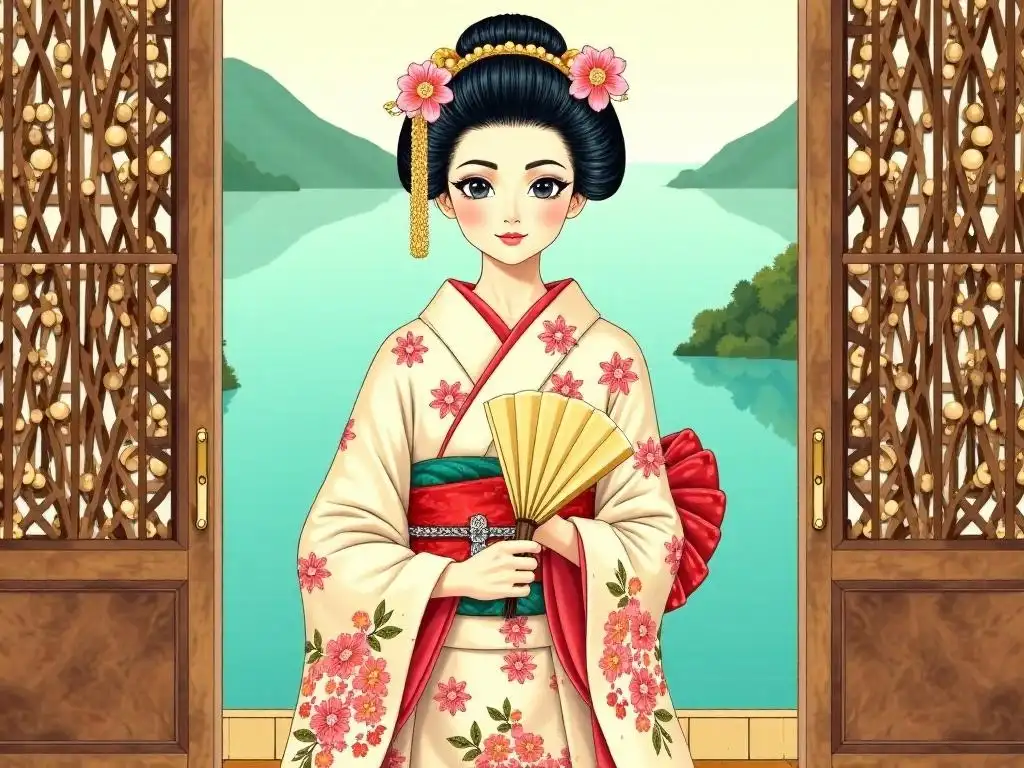
Welcome to Feudal Japan History, where we embark on a captivating journey through the intricate tapestry of Japan’s feudal era. Dive deep into the fascinating world of geisha culture in feudal Japan, a realm that extends far beyond mere entertainment. Discover the rich traditions, societal roles, and artistic mastery that defined these enigmatic figures. As you explore our expert-driven articles, prepare to unravel the layers of history, culture, and social dynamics that shaped this unique aspect of Japanese life. What secrets lie beneath the painted faces and elaborate kimonos? Let’s uncover the truth together—your adventure begins now!
The role of geishas in feudal Japan is often romanticized as mere entertainment, yet their existence encompasses a rich tapestry of artistry, cultural significance, and societal intricacies. As skilled practitioners of traditional performing arts, geishas were not only entertainers but also custodians of Japanese culture, embodying the delicate balance of tradition and modernity.
Their lives were deeply intertwined with the social fabric of their time, reflecting the complexities of women's roles in a patriarchal society. This article aims to delve into the multifaceted world of geisha culture in feudal Japan, exploring their training, artistry, and the societal perceptions that shaped their identities.
Historical Context of Geisha Culture
The emergence of geishas dates back to the 18th century during the Edo period, a time characterized by peace, prosperity, and cultural flourishing. Initially, geishas were male entertainers known as "taikomochi." However, as the demand for female performers grew, women began to dominate the field. This shift marked the birth of the geisha culture we recognize today, which became an essential component of the entertainment industry in urban centers like Kyoto and Edo (modern-day Tokyo).
- Key Developments:
- Edo Period (1603-1868): The peak of geisha culture.
- Cultural Flourishing: Influence of literature, art, and theater on geisha performances.
- Social Stratification: Geishas emerged within a highly stratified society, often associated with the elite.
The Training and Skills of a Geisha
Becoming a geisha was not merely a career choice; it was a rigorous apprenticeship that demanded years of training and dedication. Young girls, often starting as early as 15, entered okiya (geisha houses) where they underwent extensive education in various arts.
- Skills Acquired:
- Dance and Music: Mastery of traditional Japanese dance forms and musical instruments such as the shamisen.
- Tea Ceremony: Understanding the intricate rituals of tea preparation and serving.
- Conversation and Wit: Developing the ability to engage guests in meaningful dialogue, showcasing elegance and charm.
The commitment to their craft fostered a unique camaraderie among geishas, creating a supportive community that transcended mere rivalry.
While geishas are often viewed through a lens of exoticism, the reality of their lives was far more nuanced. They were respected figures within their communities, often serving as cultural ambassadors who preserved and propagated traditional arts.
- Common Misconceptions:
- Sexualization: The misconception that geishas were primarily courtesans, overshadowing their artistic accomplishments.
- Entertainment vs. Artistry: The tendency to overlook the skill and discipline required to master their crafts, reducing them to mere performers.
Conclusion
The life of a geisha in feudal Japan represents a complex interplay of art, tradition, and societal roles. Understanding geisha culture in feudal Japan requires an appreciation of their contributions beyond entertainment, recognizing them as vital cultural figures who shaped the artistic landscape of their time. As we explore the intricacies of their lives, we gain insight into the broader narratives of women's roles and the preservation of Japanese cultural heritage.
- Historical Context of Geisha Culture
- The Training and Skills of a Geisha
- Social Perceptions and Misconceptions
- Conclusion
Introduction to Geisha Culture in Feudal Japan
Definition and Overview of Geisha
The term "geisha" (芸者) translates to "artist" in English, highlighting the multifaceted skills that these women possessed. Geishas are traditionally trained entertainers who specialize in various forms of art, including classical music, dance, and games. They are not merely performers; they are also cultural ambassadors who uphold and transmit the aesthetic values of Japanese society.
- Key Characteristics of Geishas:
- Training: Geishas undergo rigorous training, often starting from a young age as apprentices known as "maiko." This training can last several years before they attain the status of a full-fledged geisha.
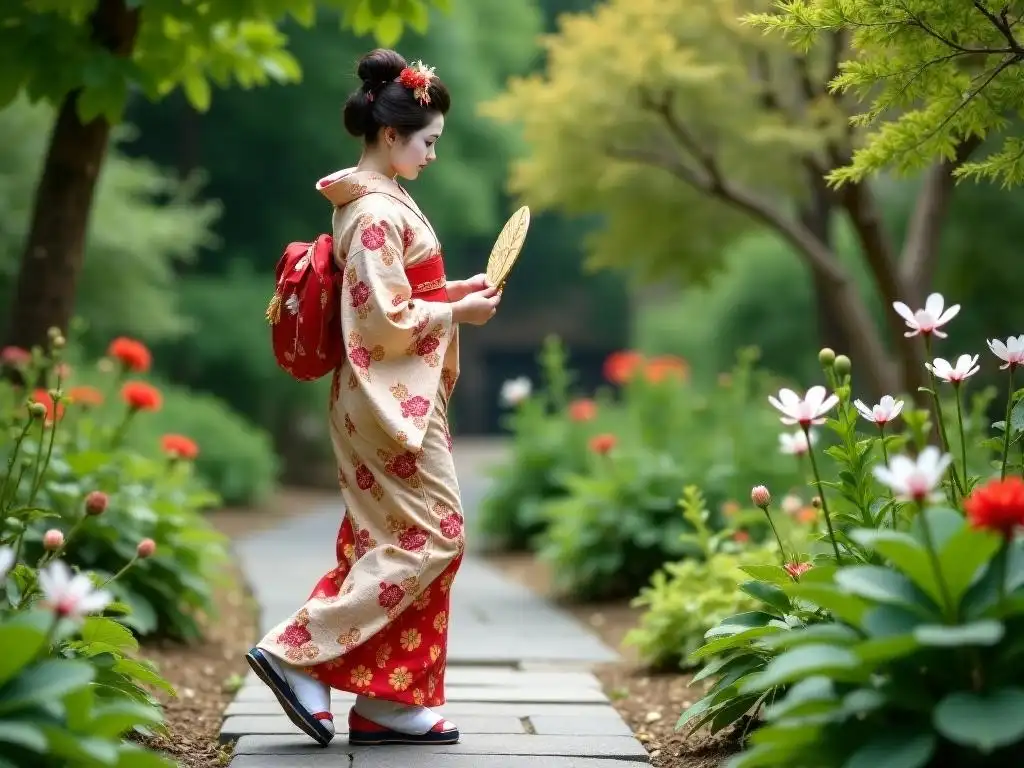
- Appearance: Their distinctive appearance is marked by elaborate kimonos, intricate hairstyles adorned with combs and flowers, and striking makeup, which includes white face powder, red and black accents, and red lips.
- Role and Function: While they entertain through performance, geishas also engage in conversation, serve tea, and participate in traditional games, creating a holistic experience for their guests.
Historical Context of Geisha in Feudal Japan
The emergence of geisha culture can be traced back to the 18th century during the Edo period (1603-1868). Initially, the role of a geisha was filled by men, known as "taikomochi," who performed similar functions as their female counterparts. However, as the Edo period progressed, women began to dominate this profession.
- Edo Period Significance: The Edo period was a time of relative peace in Japan, fostering urbanization and the growth of a vibrant entertainment industry. This era saw the establishment of pleasure districts, particularly in cities like Kyoto and Edo (modern-day Tokyo), where geishas thrived.
- Cultural Developments: The rise of the geisha coincided with significant cultural developments, including the popularity of kabuki theater and the flourishing of ukiyo-e (woodblock prints), which often depicted geisha life and aesthetics.
- Social Stratification: Geishas occupied a unique position within the social hierarchy. They were often considered a step above common courtesans, as they were not primarily involved in sexual services but rather focused on entertainment and artistry.
Importance of Geisha in Japanese Society
Geishas played a crucial role in shaping cultural and social interactions in feudal Japan. Their significance extended beyond entertainment, influencing various aspects of daily life and societal norms.
- Cultural Preservation: Geishas served as custodians of traditional Japanese arts, ensuring the preservation of various performance arts, including classical music and dance. Through their performances, they kept alive centuries-old customs and artistic expressions.
- Social Functions: In social settings, geishas facilitated communication and interaction among guests, often acting as mediators in business and personal relationships. Their skills in conversation and entertainment were highly valued in elite circles.
- Economic Impact: The geisha tradition contributed significantly to the local economy, particularly in pleasure districts, where they helped generate income through tea houses and entertainment venues. The demand for geisha services supported a network of artisans, including kimono makers and hairstylists.
Geisha culture in feudal Japan represents a complex interplay of art, society, and commerce, making it a vital component of Japanese history. Their legacy continues to influence modern perceptions of Japanese culture, showcasing the enduring impact of these remarkable women.
The Role of Geisha in Feudal Japan
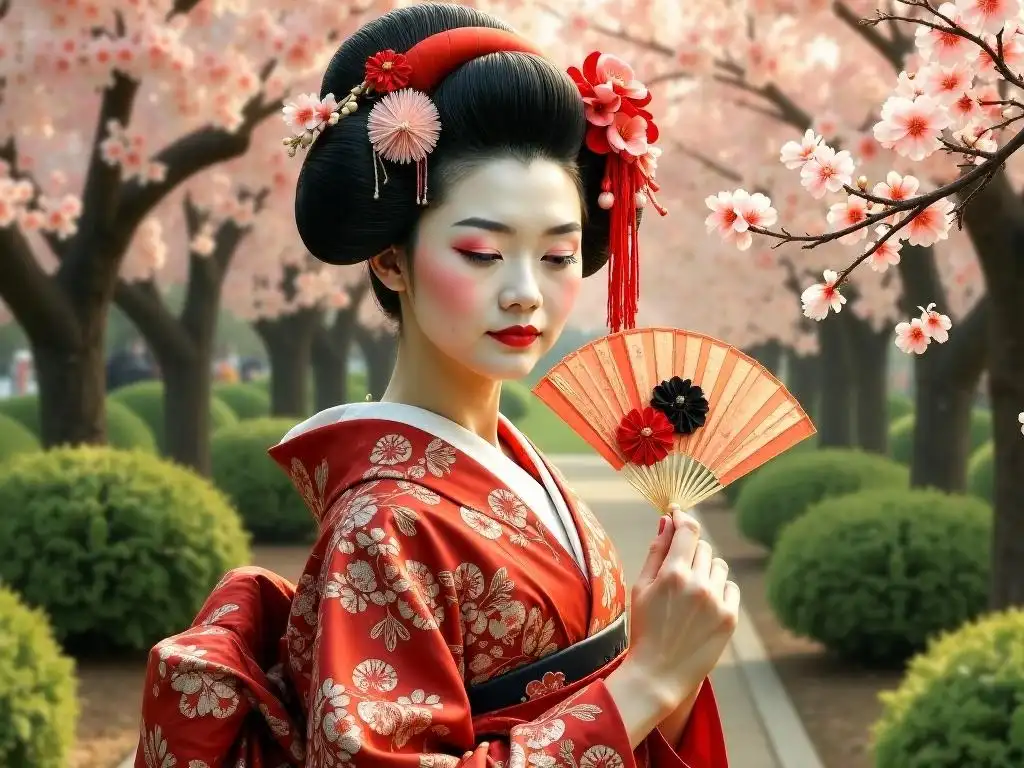
The role of geisha in feudal Japan was multifaceted, encompassing entertainment, artistry, and social interaction. While often romanticized as mere entertainers, geisha were highly skilled professionals who played a significant role in the cultural fabric of Japanese society during the feudal era. Their contributions extended beyond performances and included vital aspects of social diplomacy, education, and even the economy.
As cultural ambassadors, geisha were instrumental in preserving traditional Japanese arts, such as music, dance, and poetry. They participated in tea ceremonies and engaged in witty banter, showcasing their education and refinement. The life of a geisha was not a passive existence but rather one of discipline and dedication, where each interaction was crafted to reflect sophistication and grace.
Geisha vs. Other Female Roles in Feudal Society
In feudal Japan, women's roles were predominantly defined by their social status and family affiliations. While peasant women were primarily responsible for domestic duties and agricultural work, upper-class women often managed household affairs and family lineage. In contrast, geisha occupied a unique space within this societal structure.
- Entertainment and Artistry: Unlike other women who were expected to adhere to strict societal norms, geisha were celebrated for their artistic abilities. They were trained in various traditional arts, which allowed them to provide entertainment to a wide range of clientele, including samurai and merchants.
- Social Interaction and Networking: Geisha acted as social lubricants, facilitating connections among men of various social standings. Their ability to engage in conversation and perform arts made them valuable companions at banquets and gatherings, contrasting sharply with more traditional female roles that limited social interaction.
- Economic Autonomy: Some geisha achieved financial independence, which was rare for women in feudal Japan. They earned their income through performances and services, allowing them a degree of control over their lives that other women did not possess.
Overall, the position of geisha in feudal Japan exemplified a blend of artistry and social engagement that distinguished them from other female roles.
The social status of geisha was complex and often misunderstood. While they were sometimes viewed as courtesans, geisha primarily held a respected position within the entertainment sector. Their status was influenced by several factors:
- Training and Skills: The level of training a geisha underwent often dictated her social standing. Those who excelled in traditional arts were more highly regarded and sought after by elite clientele.
- Okiya System: Geisha typically lived in okiya (geisha houses), where they were trained and supported. The owner of the okiya, often referred to as the “mother,” played a critical role in determining the status and opportunities of the geisha under her care.
- Cultural Perception: The perception of geisha varied widely. While some viewed them as symbols of refined culture, others associated them with the more risqué aspects of entertainment. This duality contributed to their unique social standing.
The social status of geisha was characterized by a blend of respect and stigma, reflecting broader societal attitudes toward women and entertainment in feudal Japan.
Skills and Training Required to Become a Geisha
Becoming a geisha required rigorous training and mastery of various skills, which were essential for success in this demanding profession. The training process typically included:
- Artistic Proficiency: Aspiring geisha spent years perfecting traditional arts such as:
- Shamisen: A three-stringed musical instrument played in accompanying songs.
- Dance: Geisha learned classical Japanese dance forms, which were integral to their performances.
- Tea Ceremony: Mastery of the tea ceremony was essential, as it reflected grace, precision, and cultural knowledge.
- Social Skills: Geisha were trained to engage in conversation, read the room, and respond to the needs and emotions of their clients. This included:
- Wit and Humor: Developing a quick wit was crucial for entertaining guests.
- Cultural Knowledge: A deep understanding of poetry, current events, and traditional customs enriched their interactions.
- Appearance and Etiquette: The aesthetic presentation of a geisha was vital, involving:
- Kimono Wearing: Learning how to wear kimonos elegantly and appropriately for different occasions.
- Makeup Application: Mastering the art of applying traditional white face makeup, red and black accents, and the proper hairstyles.
The demanding nature of this training ensured that geisha were not only entertainers but also cultured individuals capable of navigating the complexities of feudal society.
The life of a geisha in feudal Japan was a blend of artistry, social interaction, and cultural significance. Their unique role, skills, and social dynamics distinguish them as pivotal figures in the historical narrative of Japan.
The Daily Life of a Geisha
Daily Routine and Responsibilities of a Geisha
The daily life of a geisha in feudal Japan was meticulously structured, balancing a range of responsibilities that extended far beyond mere entertainment. A typical day began early in the morning, often around 7 AM, with a rigorous regimen of training and preparation.
- Morning Rituals:
- Personal Grooming: Geishas would spend considerable time on personal grooming, including elaborate hairstyles and the application of distinctive white make-up, which symbolizes purity and elegance.
- Practice: Many geishas were required to practice traditional arts, such as playing musical instruments (like the shamisen), singing, and rehearsing dance routines. This practice was vital to maintain their skills and uphold the standards of their profession.
- Social Engagements:
- Client Appointments: After their morning preparations, geishas would attend various social engagements, where they would entertain clients at tea houses or private gatherings. These appointments often involved intricate interactions, requiring geishas to be both charming and skilled conversationalists.
- Evening Performances:
- Entertainment Duties: As the sun set, the pace of a geisha’s day intensified. Evening events could last several hours, during which geishas would perform dances, play music, and engage in light-hearted banter. Their ability to create an enjoyable atmosphere was crucial to their success.
- Training and Mentorship:
- Learning from Senior Geishas: In addition to performing, younger geishas (maiko) were expected to learn from their senior counterparts. This mentorship included not only artistic skills but also lessons in etiquette, social norms, and the subtleties of conversation.
The Art of Entertainment: Music, Dance, and Conversation
Geishas are often celebrated for their artistic talents, which encompass a variety of disciplines. The art of entertainment in feudal Japan was not merely about performance but also about connection and the cultivation of relationships.
- Music: The shamisen, a three-stringed instrument, was central to a geisha's musical repertoire. Mastering this instrument required years of dedicated practice. Geishas also sang traditional songs, often using their voices to evoke emotions that resonated with their audiences.
- Dance: Dance played a significant role in a geisha’s ability to captivate an audience. Traditional Japanese dances incorporate fluid movements and storytelling, often reflecting seasonal themes or historical narratives. Each performance was an opportunity to showcase not only skill but also the beauty and grace inherent to geisha culture.
- Conversation Skills: Engaging in witty and entertaining conversation was perhaps the most critical aspect of a geisha’s role. A successful geisha was adept at navigating various topics, knowing when to listen and when to lead a discussion. This skill required a deep understanding of social dynamics and cultural nuances.
Cultural Events and Festivals Involving Geisha
Throughout feudal Japan, geishas played an integral role in various cultural events and festivals, enhancing the vibrancy of Japanese society.
- Seasonal Festivals: Geishas often participated in seasonal festivals, showcasing traditional performances that drew large crowds. These events celebrated agricultural cycles, religious observances, and community spirit, allowing geishas to display their talents to a broader audience.
- Ceremonial Occasions: Geishas were frequently invited to high-profile banquets and ceremonial occasions, where their presence added prestige and cultural significance. Their performances during such events were meticulously planned, often including specific dances or musical pieces that honored the occasion.
- Public Performances: In addition to private gatherings, geishas also engaged in public performances, especially during festivals. These events allowed them to reach new audiences and contribute to the preservation of traditional arts, reinforcing the cultural heritage of Japan.
The life of a geisha was rich with cultural significance, and their contributions extended well beyond entertainment. They were key figures in preserving and promoting traditional Japanese arts, making their role in feudal Japan vital to the social fabric of the time.
The Evolution of Geisha Culture
Changes in Geisha Culture Throughout Different Eras
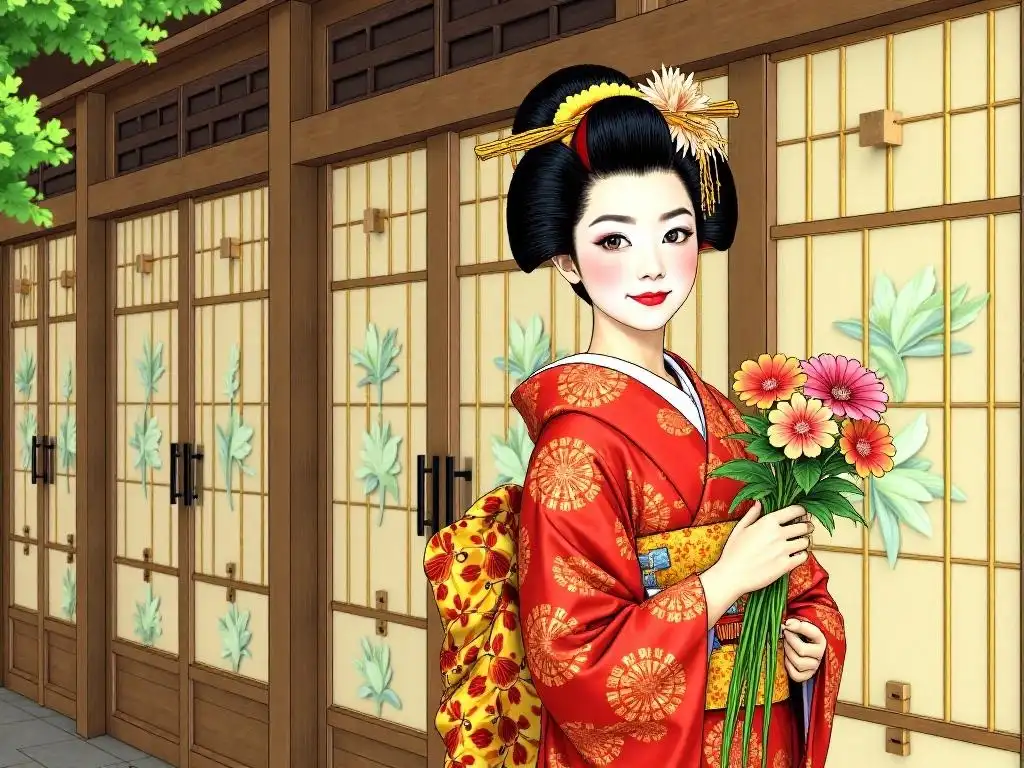
The evolution of geisha culture in feudal Japan is a reflection of the shifting societal norms and values throughout the centuries. Initially, the role of geisha began in the Edo period (1603-1868) when they were primarily entertainers in the form of female musicians and dancers. This era marked the formalization of the geisha profession, with women trained in various arts, including singing, dancing, and conversation, to entertain the elite class.
As we moved into the Meiji period (1868-1912), Japan underwent significant modernization and Westernization. This transformation had a profound impact on the geisha profession, as the influx of Western cultural elements began to challenge traditional practices. Geishas started adopting Western clothing styles, and their performances began to incorporate Western music and dance forms. Despite these changes, many geishas maintained traditional practices, leading to a blend of old and new that characterized this period.
In the Taisho era (1912-1926), geisha culture experienced a resurgence as a symbol of Japanese femininity and grace. The art of being a geisha was celebrated, and many young women aspired to join the geisha houses, known as okiya. The role of geisha began to shift towards a more complex identity, encompassing not only entertainment but also artistry and cultural ambassadorship.
The Impact of Western Influence on Geisha Practices
The Western influence on geisha culture in feudal Japan cannot be overstated. As Japan opened its doors to the West in the late 19th century, the geisha profession faced both challenges and opportunities. The introduction of Western ideals of beauty and femininity prompted some geishas to adapt their appearance and styles to appeal to both Japanese and foreign patrons.
This period saw the emergence of the Westernized geisha, who often wore Western-style dresses instead of traditional kimonos during certain performances. This change was not merely aesthetic; it represented a broader cultural exchange. Geishas began to perform in venues that catered to Western audiences, leading to a diversification of their repertoire, which included adopting Western musical instruments and dance styles.
However, this Westernization also led to a decline in the traditional geisha’s popularity among some segments of society, who viewed it as a departure from authentic Japanese culture. The tension between maintaining tradition and embracing modern influences continues to shape the identity of geisha culture today.
Preservation of Geisha Traditions in Modern Japan
In contemporary Japan, the preservation of geisha traditions remains a vital endeavor amidst a rapidly changing cultural landscape. Organizations and communities dedicated to maintaining the legacy of geisha culture have emerged, emphasizing the importance of traditional training and performances.
Many geisha houses continue to uphold the rigorous training that begins at a young age, teaching young women the essential skills of tea ceremony, classical music, and traditional dance. The Kyo-Geiko (Kyoto geisha) and Tokyo's Geisha are particularly noted for their commitment to tradition, often performing in traditional settings like tea houses and cultural festivals.
Moreover, efforts to promote geisha culture extend beyond mere preservation; they include cultural outreach programs that educate both locals and tourists about the significance of geisha in Japanese history. This approach not only fosters appreciation for traditional arts but also helps combat misconceptions about the geisha profession.
The resilience of geisha culture in modern Japan stands as a testament to its rich history and cultural significance, demonstrating that while the world may change, the art and tradition of geishas continue to thrive, embodying the spirit of Japan's feudal past.
Misconceptions About Geisha
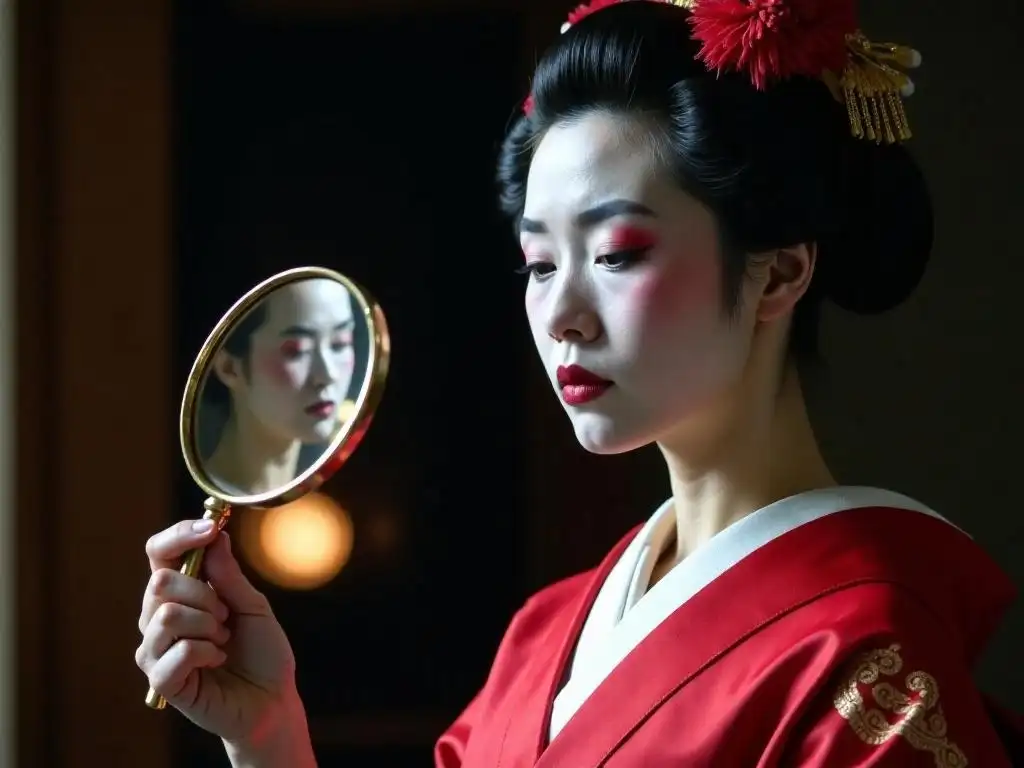
Common Myths Surrounding Geisha Culture
Many people outside of Japan hold misconceptions about geisha culture, often conflating their roles with those of other female entertainers. One prevalent myth is that geisha are simply high-class prostitutes. This misunderstanding arises from a lack of knowledge about their true functions and the skills they possess.
-
Myth 1: Geisha are prostitutes
This myth persists largely due to the eroticization of geisha in popular media, where their roles are often sensationalized. In reality, while geisha may entertain male clients, their primary purpose is to provide cultural entertainment through music, dance, and conversation.
-
Myth 2: All geisha are young and beautiful
While youth and beauty are often celebrated in various cultures, geisha come from diverse backgrounds and ages. Many geisha begin their training as young as 15, but a successful career can last for decades, allowing older geisha to continue working and sharing their expertise.
-
Myth 3: Geisha are merely entertainers
The term "entertainer" often minimizes the extensive training and cultural knowledge that geisha possess. They are well-versed in traditional Japanese arts, including tea ceremony, calligraphy, and classical music, showcasing the depth of their skills beyond mere entertainment.
The Reality of Geisha Life
The life of a geisha is both structured and demanding. Training typically begins in a geisha house, known as an okiya, where young women, referred to as maiko (apprentice geisha), learn the various arts required for their profession.
-
Training and Apprenticeship
The path to becoming a geisha involves rigorous training, often lasting several years. Maiko are taught everything from traditional dance and musical instruments to how to conduct themselves in social settings. This process is not only about mastering skills but also about embodying a certain grace and poise.
-
Daily Life
A typical day for a geisha involves practice, social engagements, and maintaining their elaborate costumes and make-up. They often spend hours perfecting their performances and learning new skills to engage effectively with their patrons.
-
Social Obligations
Geisha play a vital role in traditional Japanese society, often acting as cultural ambassadors. They participate in festivals and ceremonies, showcasing their skills and preserving Japanese cultural heritage. Their presence at events is not just for entertainment; it is an integral part of the social fabric of feudal Japan.
Distinguishing Geisha from Other Female Entertainers
To fully understand geisha culture in feudal Japan, it is essential to distinguish geisha from other types of female entertainers, such as courtesans and geiko.
-
Geisha vs. Courtesans
While both courtesans and geisha provide entertainment, courtesans (known as oiran) were involved in a more explicit form of companionship. They often operated in brothels and were part of the red-light districts. In contrast, geisha focus on cultural performances rather than sexual services.
-
Geisha vs. Geiko
The term geiko is used primarily in the Kyoto dialect to refer to fully qualified geisha. While the roles are similar, the distinction lies in the regional terminology and the training process. Both terms celebrate the same cultural tradition but highlight different aspects based on geographical context.
Understanding these distinctions is crucial for appreciating the complexity and cultural significance of geisha within feudal Japanese society. The role of geisha transcends mere entertainment; they embody a rich cultural heritage that continues to influence Japan today.
The Legacy of Geisha in Japanese Culture
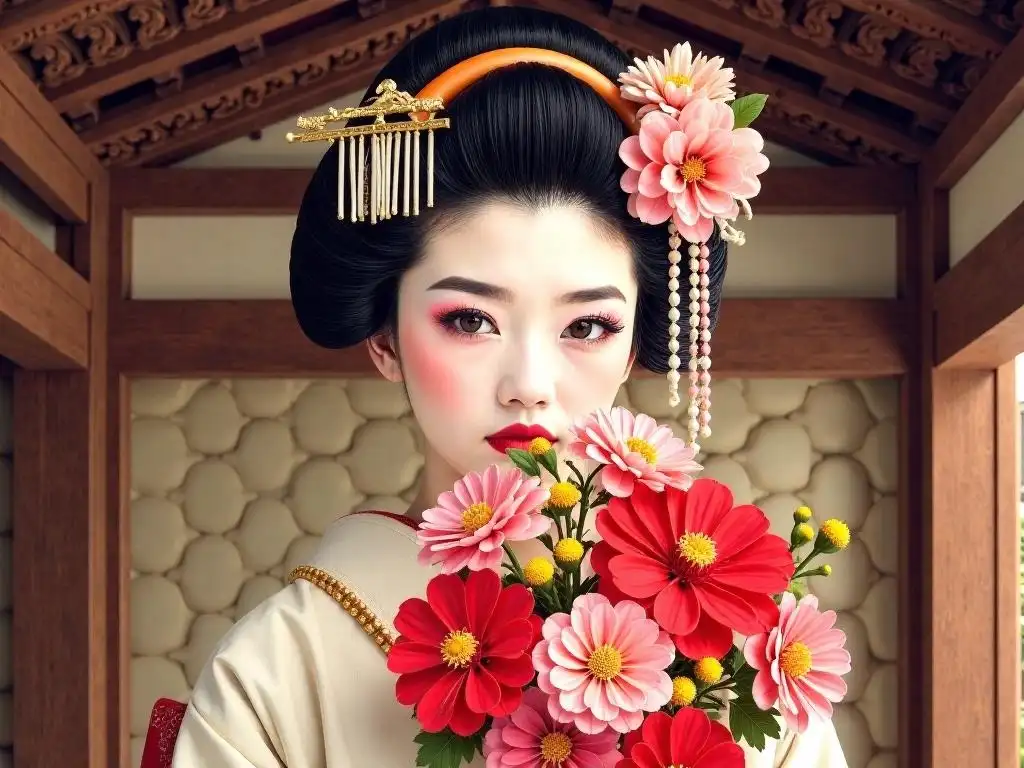
The legacy of geisha in Japanese culture is profound and multifaceted, shaping not only the arts but also the social fabric of Japan. Emerging during the Edo period (1603-1868), geisha were initially entertainers who provided companionship and amusement through music, dance, and conversation. Over time, they evolved into cultural icons, embodying the refined arts and traditions of Japan.
Influence of Geisha on Japanese Arts and Literature
Geisha culture in feudal Japan significantly influenced various forms of art and literature, intertwining their lives with the creative expressions of the era.
- Visual Arts: The aesthetic of geisha has been immortalized in countless ukiyo-e woodblock prints. Artists like Katsushika Hokusai and Utagawa Hiroshige depicted geisha in their vibrant works, showcasing their beauty and grace. These prints not only served as entertainment but also as a means of preserving the visual history of the time.
- Literature: Geisha frequently appeared in classical literature, inspiring poets and writers. Authors such as Matsuo Bashō and Yasunari Kawabata depicted their experiences and emotions, often portraying them as symbols of beauty and longing. Kawabata's novel, "Geisha," exemplifies this, delving into the complexities of a geisha's life and her relationship with love and art.
- Performing Arts: The influence of geisha extends into performance arts, particularly kabuki and noh theater. Many kabuki plays feature geisha characters, reflecting their societal roles and the intrigue surrounding their lives. Additionally, geisha have contributed to the evolution of traditional Japanese music, particularly through the use of instruments like the shamisen.
The Role of Geisha in Contemporary Japanese Society
In modern Japan, the role of geisha has transformed, yet their cultural significance endures. Despite the decline in the number of practicing geisha, they continue to be emblematic of Japanese tradition and artistry.
- Cultural Ambassadors: Today, geisha serve as cultural ambassadors, promoting traditional arts to both domestic and international audiences. They participate in cultural events, festivals, and exhibitions, showcasing their skills in music, dance, and tea ceremonies.
- Preservation of Tradition: With efforts to preserve the geisha tradition, various organizations have been established to support training and education in the arts. Young women still enter the world of geisha, albeit in smaller numbers, often guided by older geisha who pass down their knowledge and skills.
- Tourism: Geisha culture has become a significant aspect of Japan's tourism industry. Tourists visit districts like Gion in Kyoto to experience the allure of geisha, participating in cultural performances and dining experiences, which fosters a renewed interest in this unique facet of Japanese heritage.
Global Perception of Geisha Culture Today
The global perception of geisha culture today is a blend of fascination, misunderstanding, and appreciation. While many view geisha as symbols of elegance and tradition, misconceptions remain prevalent.
- Stereotypes: The portrayal of geisha in popular media often leads to stereotypes, conflating them with sex workers. This misunderstanding overlooks the true essence of geisha culture, which is rooted in artistry, skill, and cultural preservation.
- Cultural Appreciation: There is a growing movement towards appreciating geisha culture as an art form. Workshops, cultural exchanges, and educational programs aim to provide insights into the life and training of a geisha, allowing people to understand the discipline and artistry involved.
- Impact of Globalization: In a globalized world, geisha culture faces both challenges and opportunities. While traditional practices may be at risk of dilution, modern interpretations and adaptations continue to emerge, ensuring that the legacy of geisha remains relevant in contemporary society.
The legacy of geisha in Japanese culture is a testament to their enduring influence on the arts, their evolving role in society, and the complex global perceptions that surround them. Understanding geisha culture in feudal Japan requires recognizing its historical roots and appreciating its modern-day significance.
Conclusion: The Enduring Significance of Geisha Culture in Feudal Japan
The Geisha culture in feudal Japan is a complex tapestry that weaves together the threads of art, social interaction, and gender roles. These skilled women not only provided entertainment but also acted as cultural custodians, preserving traditional Japanese arts such as tea ceremony, poetry, and music. The enduring significance of Geisha culture lies in its profound impact on Japanese society, influencing perceptions of femininity and artistry that resonate even today.
Reflection on the Contribution of Geisha to Japanese History
The role of Geisha transcended mere entertainment; they were pivotal in shaping social customs and cultural practices during the feudal era. Geisha were often seen as the epitome of grace and poise, reflecting the ideals of beauty and artistry of their time. Their contributions included:
- Cultural Preservation: Geisha played a crucial role in preserving traditional Japanese arts, including:
- Classical music: Mastering instruments like the shamisen and koto.
- Dance: Performing traditional dances that encapsulated the historical narratives of Japan.
- Literature: Engaging in the art of storytelling and poetry, often composed during intimate gatherings.
- Social Intermediaries: Acting as social lubricants, Geisha facilitated connections among various social classes, from samurai to merchants. They served as confidantes and advisors, leveraging their unique position to influence social dynamics.
- Economic Impact: The Geisha culture contributed significantly to the local economies, particularly in districts known as "hanamachi" (flower towns). Their presence stimulated demand for various goods and services, supporting artisans, merchants, and hospitality sectors.
The Importance of Understanding Geisha Beyond Entertainment
To fully appreciate the Geisha culture in feudal Japan, it is essential to move beyond the stereotype of Geisha as mere entertainers. Understanding their multifaceted roles offers deeper insights into the cultural and social fabric of feudal Japan.
- Empowerment and Agency: Contrary to popular belief, many Geisha exercised a degree of agency over their lives. They were often trained from a young age, allowing them to choose their paths, develop skills, and gain financial independence. The Geisha system provided a unique opportunity for women to step outside traditional domestic roles.
- Cultural Diplomacy: Geisha were also instrumental in fostering cultural exchanges. They often interacted with foreign dignitaries and travelers, acting as informal ambassadors of Japanese culture. This role contributed to the global perception of Japan, influencing how the nation was viewed internationally.
- Legacy and Evolution: Today, the legacy of Geisha continues to influence modern Japanese culture. The blend of traditional and contemporary practices can be seen in various art forms, fashion, and even in the global fascination with Japanese aesthetics.
By recognizing the complexity of Geisha culture, we not only gain a better understanding of their contributions to feudal Japan but also appreciate the nuances of gender roles, cultural preservation, and social interaction that define this unique aspect of Japanese history.
Frequently Asked Questions
What was the role of geishas in feudal Japan?
Geishas were trained entertainers who provided artistic performances, including music, dance, and conversation, playing a significant role in the social and cultural landscape of feudal Japan.
How did geisha culture influence society in feudal Japan?
Geisha culture helped shape social norms and entertainment practices, creating spaces for cultural exchange and fostering artistic expressions within the rigid structures of feudal society.
What skills did geishas need to master?
Geishas needed to master a variety of skills, including traditional music, dance, and calligraphy, as well as the art of conversation and social etiquette to engage effectively with clients.
How did the perception of geishas change over time?
While originally seen as entertainers with high social status, the perception of geishas evolved, often being misunderstood or romanticized in modern interpretations, leading to a complex legacy.
What are the differences between geishas and other types of entertainers?
Unlike courtesans, who offered sexual services, geishas focused on performing arts and social interaction, emphasizing their role as cultural ambassadors rather than mere entertainers.
Final Reflection: The Enduring Legacy of Geisha Culture in Feudal Japan
The intricate world of geisha culture in feudal Japan remains profoundly relevant today, as it encapsulates the complexities of femininity, artistry, and societal roles. In a time when the narratives of women are often overshadowed, the life of a geisha serves as a powerful reminder of the strength and resilience found within cultural traditions. The elegance and skill of geishas not only entertained but also challenged the perceptions of women in their society, making their story one that resonates across generations.
The influence of geisha culture extends far beyond the historical context of feudal Japan; it continues to shape our understanding of gender roles and cultural expression in contemporary society. The artistry of geishas, from their exquisite performances to their meticulous craftsmanship in traditional arts, invites us to appreciate the depth of cultural heritage. As noted by historian Liza Dalby, The geisha is a symbol of the complex interplay between tradition and modernity, embodying both the beauty and the constraints of her time.
This ongoing dialogue about tradition versus modernity encourages us to reflect on how cultural practices can evolve while still holding onto their roots.
As we contemplate the lessons from the life of a geisha, I invite you to consider how you can embrace and celebrate the cultural narratives that shape your own identity. Reflect on the stories that have influenced you and the traditions that you hold dear. In a world that often seeks to simplify complex identities, let us honor the multifaceted nature of our cultures and strive to keep their legacies alive, just as the geishas have done throughout history.
Thank you for diving into the intricate life of geishas in feudal Japan! You’ve glimpsed the beauty, skill, and depth of a culture that transcends mere entertainment. Now, it’s time to take your curiosity to the next level.
Here’s how you can deepen your understanding and appreciation:
- Explore further: Check out our related articles on the arts and customs of feudal Japan—discover how they shaped society!
- Join the conversation: Share this article with friends or on social media. Let’s enlighten others about the fascinating roles of geishas!
- Experience the culture: Attend a local cultural event or performance that showcases Japanese arts. Immerse yourself in the rich traditions!
What aspect of a geisha's life are you most eager to learn about or discuss?