
Women and the Samurai Code: Exploring Honor and Loyalty in Feudal Japan

Welcome to Feudal Japan History, where we embark on a captivating journey through the intricate tapestry of Japan’s feudal era. Today, we delve into a surprisingly overlooked yet fascinating aspect of this period: Women in Samurai Culture. How did women navigate the rigid societal frameworks shaped by honor and loyalty? Join us as we uncover the untold stories of resilience and strength that defined their roles within the samurai code. Prepare to be intrigued and inspired—read on to explore the profound impact these remarkable women had on the very fabric of feudal Japan.
- Introduction to Women in Samurai Culture
- The Historical Context of Women in Samurai Culture
- The Samurai Code: Bushido and Its Impact on Women
- Notable Women in Samurai History
- The Intersection of Gender and Samurai Values
- Challenges Faced by Women in Samurai Culture
- Legacy of Women in Samurai Culture
- Conclusion: The Enduring Influence of Women in Samurai Culture
- References and Further Reading
-
Frequently Asked Questions
- What was the role of women in samurai culture during feudal Japan?
- How did the samurai code impact women in feudal Japan?
- Were women allowed to become samurai in feudal Japan?
- How did societal norms affect women's status in samurai families?
- What cultural contributions did women make during the samurai era?
- Final Reflection: The Enduring Legacy of Women in Samurai Culture
- Embrace the Spirit of the Samurai!
Introduction to Women in Samurai Culture
In the intricate tapestry of feudal Japan, the role of women is often overshadowed by the legendary figures of samurai warriors. However, women played a significant part in shaping the cultural and social landscapes of this era. Women in Samurai Culture not only contributed to the familial and domestic spheres but also held positions that reflected the values of honor and loyalty integral to the samurai code. This article delves into the multifaceted experiences of women during this time, examining how their lives were intertwined with the principles that governed samurai behavior and society.
Overview of Samurai Code and Its Relevance
The samurai code, known as Bushido, is a set of ethical principles that guided the behavior of the samurai class. Rooted in Confucianism, Shinto, and Zen Buddhism, Bushido emphasized virtues such as bravery, honor, loyalty, and self-discipline. While it primarily defined the male samurai experience, women were also affected by these ideals, as they were expected to uphold the honor of their families and clans.
- Key Principles of Bushido:
- Honor (Meiyo): The reputation and dignity of a samurai family.
- Loyalty (Chūgi): The unwavering allegiance to one's lord and clan.
- Courage (Yū): The bravery to face challenges and adversities.
- Compassion (Jin): The virtue of kindness and benevolence towards others.
Women, particularly those in samurai families, were educated in these principles and often assumed roles that required them to embody these values. Their loyalty was pivotal, especially in the context of familial honor, as they were seen as guardians of the household's reputation.
Importance of Honor and Loyalty in Feudal Japan
Honor and loyalty were not merely abstract concepts in feudal Japan; they were lived experiences that permeated daily life. For women, these values manifested in various ways:
- Marriage and Alliances: Women were often married off to strengthen political ties between clans, highlighting their role in maintaining loyalty across family lines.
- Raising the Next Generation: Mothers instilled the values of Bushido in their children, ensuring that the principles of honor and loyalty were passed down through generations.
- Defending Family Honor: In times of conflict, women could take on active roles to defend their family's honor, sometimes even engaging in combat or leading defenses when necessary.
The expectation for women to uphold these values speaks to their integral role in the samurai culture, challenging the perception that honor and loyalty were solely male domains. As we explore the lives of women in samurai culture, we uncover the rich and complex layers of their contributions to feudal Japan’s societal fabric.
The Historical Context of Women in Samurai Culture
The role of women in samurai culture during feudal Japan is often overshadowed by the valor and martial prowess of male samurai. However, understanding the historical context reveals a complex society where women played vital roles both within their families and the broader sociopolitical landscape.
From the late 12th century, during the Kamakura period, through the Edo period (1603-1868), women were integral to the fabric of samurai life. Their contributions extended beyond domestic responsibilities; they were involved in the maintenance of family honor and the management of estates. Notably, samurai women were expected to embody the principles of bushido, the way of the warrior, which emphasized loyalty, courage, and honor.
The Role of Women in Feudal Japanese Society
Women in feudal Japan held various roles that were essential to the functioning of samurai households. Their responsibilities often included:
- Household management: Women were tasked with overseeing domestic affairs, such as managing finances, educating children, and ensuring the smooth operation of the household.
- Cultural preservation: They played a key role in preserving cultural traditions, including arts, crafts, and rituals that reflected the family's heritage.
- Political influence: Women from samurai families could wield considerable political power, especially through marriage alliances. These unions often ensured peace between clans and strengthened familial ties.
In addition, women were also involved in martial training. While they were not typically engaged in full-scale battles, many women practiced self-defense and were trained in the use of weapons, such as the naginata, a polearm weapon, to protect their homes in the absence of male warriors.
Women’s Contributions to Samurai Families
The contributions of women to samurai families were pivotal in maintaining the clan's legacy and honor. Women often acted as the backbone of the family unit, ensuring the upbringing of future samurai leaders through education and instilling values associated with bushido.
- Education of Children: Samurai women were responsible for the moral and intellectual education of their children. They taught their offspring the values of loyalty, honor, and discipline, which were crucial for their future roles as samurai.
- Economic Management: Women managed the household economy, overseeing the production of goods and the management of resources. This economic control allowed families to maintain their status and support their male counterparts in times of war.
- Warrior Spirits: Some women, such as Tomoe Gozen, became legendary figures, exemplifying the warrior spirit. These women not only participated in battles but also inspired their clans through their courage and resilience.
- Preservation of Legacy: Women were often the keepers of family histories and traditions, documenting the lineage and ensuring that the values of their samurai heritage were passed down through generations.
The roles of women in samurai culture were multifaceted, encompassing education, economic management, and even martial prowess. Their contributions were essential to the sustenance of samurai families and the broader societal structure in feudal Japan. As such, understanding the impact of women in samurai culture enriches our appreciation of this historical period, highlighting their strength and significance in shaping Japan’s feudal legacy.
The Samurai Code: Bushido and Its Impact on Women
Understanding Bushido: Principles of Honor and Loyalty
Bushido, the "Way of the Warrior," is the ethical code that governed the behavior of samurai during Japan's feudal era. Rooted in Confucianism, Shintoism, and Zen Buddhism, Bushido embodies principles that emphasize honor, loyalty, and moral integrity. While traditionally associated with male samurai, the impact of Bushido extended to women, particularly those within samurai families.
The core principles of Bushido include:
- Rectitude (Gi): The commitment to righteousness and justice, serving as a guiding principle for both men and women.
- Courage (Yū): The ability to face fear and adversity, which was expected not just of samurai but also of their wives and daughters.
- Benevolence (Jin): The duty to act kindly and compassionately, a virtue that women were often called upon to embody in their roles as caregivers and educators.
- Respect (Rei): The importance of respect in all interactions, reflecting the inherent value of each person, which women upheld within their families and communities.
- Honesty (Makoto): The expectation of honesty and integrity, encouraging women to be truthful and forthright in their dealings.
These principles fostered a sense of duty and responsibility that women in samurai culture were expected to embrace. For instance, women were often tasked with managing household affairs and ensuring the family's honor, which required a deep understanding of Bushido's tenets.
How Bushido Influenced Women’s Roles in Samurai Culture
The influence of Bushido on women's roles in samurai culture is multifaceted, shaping their responsibilities and societal expectations in significant ways. In many samurai households, women were not merely passive figures; they actively participated in upholding the family's honor and legacy.
- Guardians of Family Honor: Women were seen as the bearers of their family's name, often involved in diplomatic negotiations through marriage and alliances. This role required them to embody the principles of Bushido, ensuring that their actions reflected the family's values.
- Education and Training: Samurai women were often responsible for the education of their children, instilling in them the virtues of loyalty and honor. They taught their sons the skills necessary for a warrior and their daughters the values of a virtuous woman, emphasizing the importance of loyalty to family and clan.
- Military Participation: While it was uncommon for women to engage directly in battle, some samurai women, known as Onna-bugeisha (female warriors), trained in martial arts and were prepared to defend their homes if necessary. Historical accounts highlight women like Tomoe Gozen, who fought alongside male samurai, embodying the courageous spirit of Bushido.
- Support in Times of Conflict: During periods of war, women managed the household and maintained morale among the family and retainers. They were pivotal in ensuring the continuity of life and the legacy of the samurai during tumultuous times.
- Cultural Contributors: Beyond their domestic roles, women contributed to the cultural fabric of samurai society. They engaged in arts such as poetry, calligraphy, and tea ceremony, which were reflective of Bushido’s aesthetic values and contributed to the overall honor of the household.
The principles of Bushido significantly shaped the roles and identities of women in samurai culture. Their contributions, both within the household and in broader society, highlight the critical importance of women in maintaining the ideals of honor and loyalty that defined feudal Japan.
Notable Women in Samurai History
The role of women in samurai culture has often been overshadowed by their male counterparts; however, notable women made significant contributions to the feudal era in Japan. These women not only adhered to the samurai code of honor and loyalty but also challenged the traditional gender roles of their time. Their stories illustrate the complexity of women's experiences in a society dominated by samurai ideals.
Women Warriors: The Onna-bugeisha
In feudal Japan, the Onna-bugeisha were female warriors who trained in martial arts and fought alongside their male counterparts. These women were not merely passive figures; they played active roles in battles and defense of their homes and clans.
- Training and Skills: Onna-bugeisha were trained in various forms of combat, including swordsmanship and archery. They utilized weapons such as the naginata, a polearm that allowed them to engage effectively in battle.
- Cultural Significance: The existence of the Onna-bugeisha highlights the acceptance of women as warriors within certain samurai households. Their training and participation in warfare were often a direct response to the need for defense during invasions or clan conflicts.
- Historical Examples: Notable figures like Tomoe Gozen and Nakano Takeko exemplify the fierce spirit of the Onna-bugeisha. Tomoe Gozen, for instance, is celebrated in Japanese folklore for her bravery and skills in battle during the Genpei War.
- Legacy: The contributions of Onna-bugeisha have been increasingly recognized in modern discussions about gender roles in Japanese history. Their legacy serves as a reminder of the diverse roles women played in the samurai culture, often contradicting the prevailing narratives of female subservience.
Influential Samurai Women: Tomoe Gozen, Nakano Takeko, Hojo Masako
Several women stand out as significant figures in samurai history, each embodying the values of honor and loyalty while influencing the course of events in their respective eras.
- Tomoe Gozen
- Background: A legendary warrior, Tomoe Gozen was a skilled fighter known for her beauty and prowess on the battlefield. She served under Minamoto no Yoshinaka during the Genpei War in the late 12th century.
- Achievements: Tomoe is often depicted as a fierce warrior who fought valiantly against overwhelming odds. Her most famous battle was at the Battle of Awazu, where she is said to have fought heroically even as her forces were defeated.
- Cultural Impact: Tomoe’s story has transcended time, becoming a symbol of female strength and courage in Japanese folklore and literature.
- Nakano Takeko
- Background: A samurai woman active during the Boshin War (1868-1869), Nakano Takeko was a member of the Aizu clan. She played a crucial role in defending her home against the imperial forces.
- Achievements: Takeko led a group of women known as the “Joan of Arc of Japan” in battle, fighting with a naginata. Her bravery and leadership inspired her peers to take up arms.
- Legacy: After her death in battle, Takeko became a symbol of loyalty and sacrifice, representing the spirit of the samurai even in a rapidly changing society.
- Hojo Masako
- Background: As the wife of Minamoto no Yoritomo, the founder of the Kamakura shogunate, Hojo Masako wielded considerable political power in a male-dominated society.
- Influence: After Yoritomo's death, she became a key political figure, influencing the shogunate's direction and supporting her sons’ claims to power.
- Cultural Impact: Masako's role as a political leader helped to solidify the status of women in samurai culture, showing that they could hold significant sway in both familial and political realms.
These women exemplify the diverse and often overlooked roles that women played in samurai culture. Their stories not only contribute to our understanding of the feudal era but also challenge the traditional narratives surrounding gender dynamics in Japan. Through their valor and influence, they have carved out a significant place in history, representing the complexities of honor and loyalty in a society defined by its samurai code.
The Intersection of Gender and Samurai Values
In the intricate tapestry of feudal Japan, the samurai code, known as bushidō, encompassed not only the ideals of loyalty and honor but also the roles and perceptions of women within that framework. Although the samurai class was predominantly male, women played significant roles in upholding and embodying the values of this code, often navigating a complex web of expectations and societal norms.
Loyalty and Honor: Women’s Perspectives in Samurai Culture
Women in samurai culture were not mere passive figures; instead, they actively contributed to the notions of loyalty and honor that defined the samurai ethos. The concept of loyalty ( chūgi) was deeply ingrained in the fabric of samurai life, and women were often seen as the guardians of familial honor. They fulfilled this role through various means, including:
- Managing the Household: Women were responsible for maintaining the household and ensuring that the family’s reputation remained intact. This involved not just domestic duties but also managing finances and social relations.
- Education of Children: Women instilled the values of loyalty and honor in the next generation, teaching their children the importance of these principles from a young age. This role was crucial as samurai families relied on their offspring to continue their legacy.
- Participation in Warfare: Some women took on more direct roles during conflicts. Notable figures like Tomoe Gozen exemplified how women could embody the warrior spirit, participating actively in battles and demonstrating bravery and loyalty to their clans.
The stories of these women highlight that loyalty and honor were not exclusively male domains; women interpreted and lived these values in ways that were unique to their circumstances. The samurai code was, therefore, a collective cultural construct that included women's contributions as vital to its existence.
The Duality of Strength and Femininity in Feudal Japan
In feudal Japan, the duality of strength and femininity shaped the roles women played within samurai culture. While traditional views often emphasized the submissive and nurturing aspects of femininity, many women defied these stereotypes and showcased formidable strength. This duality can be explored through several key aspects:
- Martial Training: Women of the samurai class sometimes underwent martial training, learning skills in weaponry and combat. This training was not merely for defense; it was an assertion of their ability to protect their families and honor. The naginata, a traditional polearm, became a common weapon for women, symbolizing their readiness to defend their home.
- Political Influence: Women wielded significant political power behind the scenes. Notable samurai wives and mothers often influenced decisions and alliances, acting as key advisors to their husbands and sons. Figures such as Hojo Masako exemplify this influence, as she played a crucial role in the Kamakura shogunate's politics.
- Cultural Contributions: Women contributed to the cultural landscape of feudal Japan, engaging in arts such as poetry, calligraphy, and tea ceremonies. Their participation in these cultural practices not only showcased their talents but also reinforced their roles as bearers of tradition and values, thereby intertwining strength with femininity.
The interplay between strength and femininity in samurai culture illustrates that women were complex figures who navigated their societal roles with resilience and agency. Their contributions to the samurai code extend beyond mere support, demonstrating that women in samurai culture were integral to the preservation and propagation of its core values.
The roles of women in samurai culture reflect a nuanced understanding of honor, loyalty, and strength, challenging the traditional narratives that often overlook their significant impact during Japan's feudal era.
Challenges Faced by Women in Samurai Culture
The role of women in samurai culture was inherently complex, shaped by social expectations, cultural norms, and the realities of a war-torn society. Despite the honor and prestige associated with the samurai class, women often faced significant challenges that limited their autonomy and opportunities.
Women in samurai culture were predominantly seen through the lens of their familial roles, often expected to uphold the values and honor of their families. Their primary responsibilities revolved around marriage, child-rearing, and maintaining the household. As a result, societal expectations imposed strict restrictions on their behavior and choices.
- Marriage and Family: Marriages were typically arranged to strengthen alliances between families, leaving little room for personal choice. The expectation was for women to be dutiful wives and mothers, fostering loyalty and honor within their households.
- Education and Skills: While some women received education, it was often limited to skills deemed necessary for managing a household, such as weaving and calligraphy. This lack of broader education restricted their intellectual development and independence.
- Cultural Norms: The prevailing Confucian ideals in Japanese society emphasized male authority, positioning women as subservient. This was reflected in the samurai code, where women were often viewed as an extension of their husbands or fathers, rather than as individuals with their own identities and contributions.
In a society that revered the warrior, women were often relegated to the shadows, their contributions overlooked yet essential to the fabric of samurai life.
The Impact of War on Women’s Lives
The constant state of warfare during the feudal era significantly influenced the lives of women within samurai culture. While men were often away fighting, women found themselves shouldering many responsibilities.
- Management of Estates: With men engaged in battle, women frequently took charge of the household and estate management. They were responsible for maintaining agricultural production, ensuring the household's financial stability, and protecting family interests. This role required a great deal of resourcefulness and leadership, showcasing women's capabilities beyond traditional expectations.
- Defending Honor: Women were expected to uphold the honor of their family, even in the absence of men. This often involved defending their homes against intruders or rival clans. Notable historical figures, such as Tomoe Gozen, exemplified how women could embody the samurai spirit, wielding weapons and engaging in battle when necessary.
- Psychological Impact: The psychological toll of war also affected women profoundly. The loss of husbands, brothers, and sons in battle created emotional scars and altered family dynamics. Women often had to navigate grief while maintaining their duties to their families and communities.
While women played integral roles in samurai culture, they faced numerous challenges shaped by social expectations and the realities of war. Their contributions, though often overlooked, were vital to the survival and prosperity of their families and the broader samurai society. Understanding these complexities allows for a more nuanced appreciation of the lives of women in samurai culture.
Legacy of Women in Samurai Culture
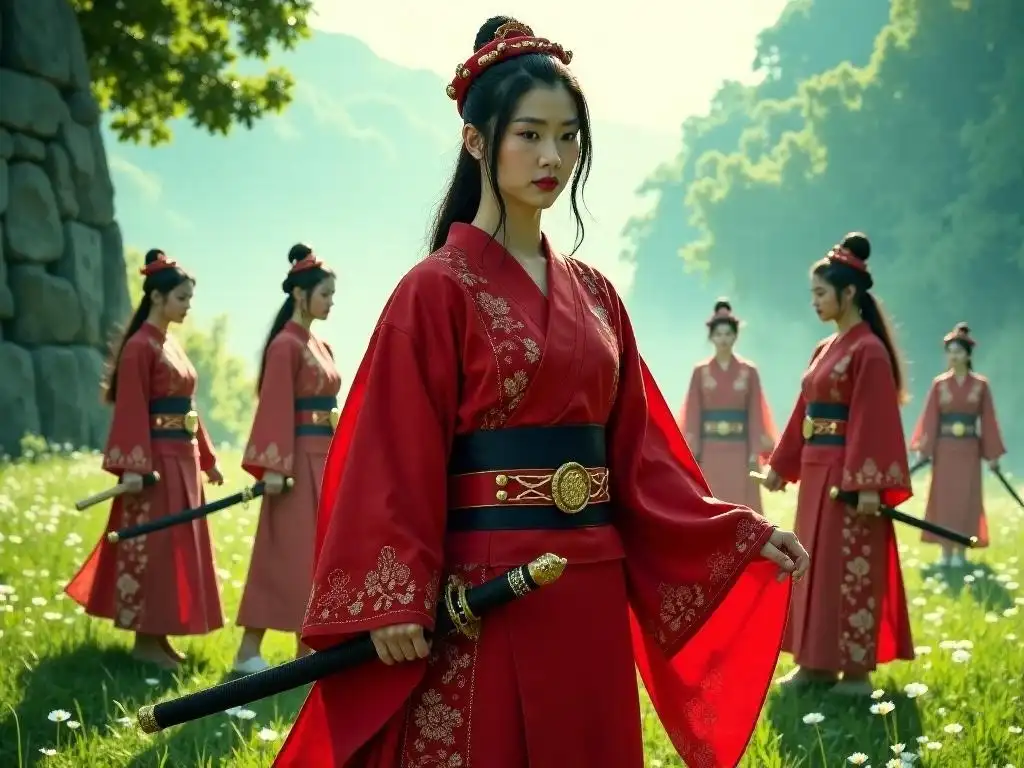
The legacy of women in samurai culture is often overshadowed by the male-centric narratives that dominate historical accounts of feudal Japan. However, the role of women during this period significantly shaped samurai values, ideals of honor, and loyalty. Women were not merely passive figures; they were active participants in the socio-political landscape and contributed to the cultural fabric of samurai society.
How Women Shaped Samurai Values Over Time
Women in samurai culture played pivotal roles, particularly within the household and the broader community. Their influence can be observed in several key areas:
-
Education and Morality:
Women were responsible for the upbringing of samurai children, instilling values of loyalty and honor. They often taught their children the principles of bushido—the way of the warrior—focusing on virtues such as courage, righteousness, and benevolence.
-
Political Influence:
Many women, especially those from noble families, wielded considerable political power through marriages and alliances. For example, women like Hojo Masako and Tomoe Gozen were influential figures who exercised authority in their own right. They often acted as advisors and strategists, shaping clan decisions and responding to threats.
-
Military Roles:
Although primarily seen as caretakers, women in samurai families were trained in martial arts and could defend their homes when necessary. Women like Nakano Takeko are celebrated for their bravery and skill in battle, fighting alongside men during conflicts such as the Boshin War.
-
Cultural Contributions:
Women contributed to literature, arts, and rituals that defined the samurai ethos. They were integral to the preservation of cultural traditions, including the tea ceremony and various forms of poetry. Their artistic expressions often reflected the values of the samurai, emphasizing beauty, honor, and spirituality.
-
Economic Management:
Samurai women managed estates and resources, especially during times when men were away at war. Their ability to oversee agricultural production and finances was critical for the survival and prosperity of samurai houses, further solidifying their importance in the socio-economic structure of feudal Japan.
Through these contributions, women not only upheld but also evolved the samurai code, ensuring its relevance and adaptability through generations.
Modern Perceptions of Women in Samurai Culture
In contemporary discussions about feudal Japan, the perceptions of women in samurai culture have shifted significantly. Modern scholarship recognizes the multifaceted roles of women and seeks to highlight their agency within patriarchal structures.
-
Reevaluation of Historical Narratives:
Recent research has challenged traditional narratives that portray women as mere subordinates. Scholars are increasingly acknowledging their contributions to political, military, and cultural spheres, providing a more nuanced understanding of their roles.
-
Representation in Media:
Modern literature, films, and television series often depict women in samurai culture as strong and capable figures. Characters inspired by historical women, such as Tomoe Gozen, are portrayed with depth, showcasing their bravery and leadership.
-
Feminist Perspectives:
The analysis of women in samurai culture also intersects with feminist discourse, addressing issues of gender roles, power dynamics, and societal expectations. This perspective encourages a broader dialogue about women's history and rights in Japan, linking past experiences to contemporary issues.
-
Cultural Legacy:
The legacy of samurai women continues to influence Japanese culture today. Their stories are celebrated in various forms, from literature to events that commemorate their contributions, fostering a sense of pride and recognition for women's roles in shaping Japan's history.
-
Educational Initiatives:
Increased awareness of women in samurai culture has led to educational programs that aim to teach younger generations about these historical figures. Such initiatives promote gender equality and encourage a more inclusive understanding of Japan's feudal past.
The legacy of women in samurai culture is rich and complex, reflecting their significant impact on honor and loyalty within feudal Japan. As modern perceptions evolve, the recognition of women's contributions continues to grow, ensuring that their stories are told and celebrated.
Conclusion: The Enduring Influence of Women in Samurai Culture
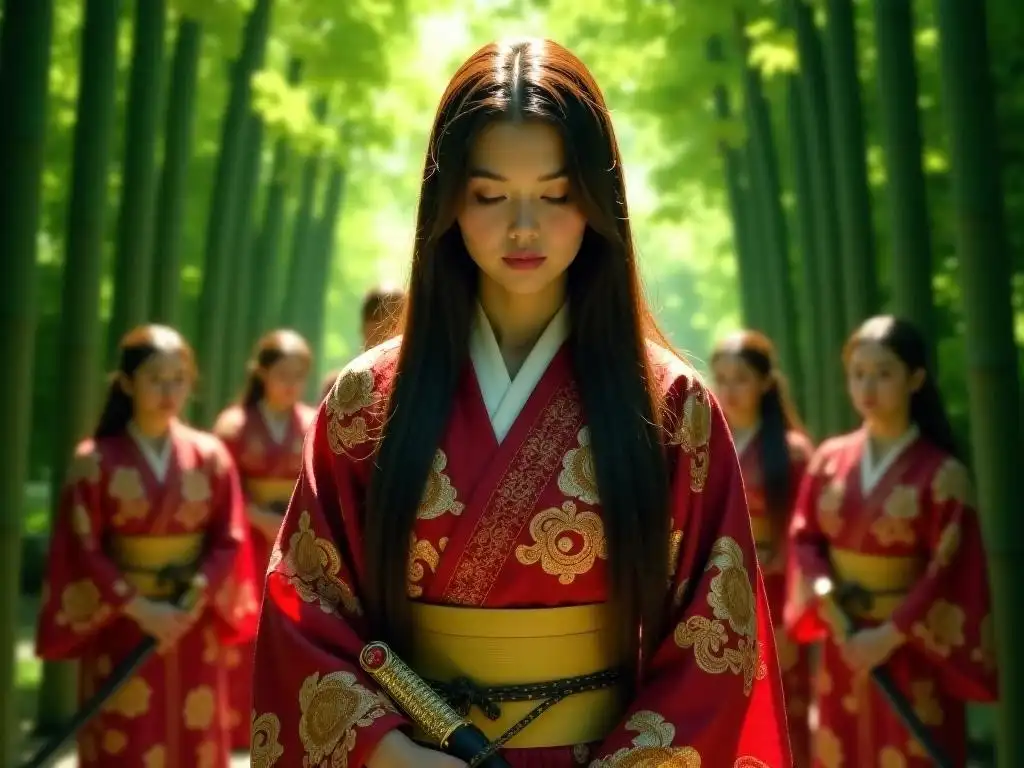
The intricate roles that women played within samurai culture during Japan's feudal era are often overshadowed by the more prominent narratives surrounding male warriors. However, an exploration of these roles reveals that women were not merely passive figures but active participants who shaped the very fabric of samurai society. Their influence extended beyond domestic realms into areas of strategy, loyalty, and even combat, reflecting their unwavering commitment to the samurai code of honor.
Reflections on Honor and Loyalty Among Women in Feudal Japan
In feudal Japan, the samurai code, known as Bushido, emphasized virtues such as loyalty, honor, and bravery. Women embodied these ideals through various means, often demonstrating resilience in the face of adversity. For instance, women like Tomoe Gozen, a legendary female warrior, not only fought alongside male samurai but also became symbols of loyalty and martial prowess.
The expectations placed upon women were unique; they were guardians of their family's honor, often responsible for maintaining the household and managing family affairs during their husbands' absences. This role was crucial, as a woman's conduct could directly reflect on her family's status. The concept of “on” (恩), or obligation, was deeply ingrained in their lives, compelling women to uphold their family's honor while also adhering to the samurai ideals of loyalty and self-sacrifice.
Moreover, women often participated in training and martial arts, preparing themselves not only for domestic responsibilities but also for potential conflict. The famous Onna-bugeisha (female warriors) exemplify this duality, showcasing that women could wield weapons and uphold the samurai ethos. This complex interplay between gender roles and the samurai code underscores the significant yet frequently overlooked contributions of women in shaping the cultural landscape of feudal Japan.
The Lasting Impact on Contemporary Japanese Society
The legacy of women in samurai culture continues to resonate in contemporary Japanese society. Their roles have evolved, yet the ideals of honor and loyalty remain integral to Japanese identity. Today's women often draw inspiration from historical figures, embodying traits of strength and resilience in various fields, including business, politics, and the arts.
Moreover, the historical narratives of women in samurai culture have sparked renewed interest in gender studies within Japan. Scholars and activists are increasingly recognizing the importance of these narratives in understanding modern gender dynamics and the ongoing quest for equality.
In popular culture, representations of strong female figures in literature, film, and anime often hark back to the valor and complexity of women in samurai history, demonstrating how these historical portrayals can influence contemporary perceptions of gender roles. Thus, the exploration of women in samurai culture not only enriches our understanding of Japan's feudal past but also highlights the continuous thread of honor and loyalty that binds past and present, shaping the future of Japanese society.
The enduring influence of women in samurai culture is a testament to their resilience and strength, reminding us that their stories are essential to the broader narrative of Japan's historical and cultural evolution.
References and Further Reading
Recommended Books on Women in Samurai Culture
Exploring the intricate roles that women played in the samurai culture requires a deep dive into various literary works. Here are some essential books that provide valuable insights:
-
"Women of the Samurai: The Role of Women in the Samurai Culture" by Stephen Turnbull
This book offers an in-depth look at the lives of women in samurai families, detailing their responsibilities, influence, and the unique honor code they adhered to.
-
"Samurai Women: A History of Women in Samurai Culture" by Christine E. H. Hensley
Hensley presents a comprehensive analysis of how women navigated their societal roles amidst the rigid samurai hierarchy, weaving personal stories with historical data.
-
"The Way of the Samurai: Women and the Code of Honor" by Kiyoshi Takahashi
This work examines the connection between the samurai code (Bushido) and the women who upheld these values, showcasing their contributions to both family and society.
-
"Warriors and Wives: Women in Samurai Culture" by Douglas H. Ohnishi
This book juxtaposes the experiences of female samurai with those of their male counterparts, providing a balanced view of their respective roles during feudal Japan.
-
"The Samurai's Daughter: A Historical Novel" by Laura A. M. K. Pritchett
Though fictional, this novel richly portrays the life of a samurai's daughter, highlighting the struggles and strengths of women within the samurai class.
Articles and Journals for In-Depth Study
For those seeking scholarly articles and journals that focus specifically on women in samurai culture, the following resources are invaluable:
-
"The Role of Women in the Samurai Era" - Journal of Asian Studies
This article discusses the multifaceted roles women played, emphasizing their influence on the samurai ethos and family dynamics.
-
"Honor and Loyalty: Women’s Contributions to Samurai Culture" - Historical Review
A thorough examination of how women’s loyalty and honor were integral to the samurai way of life, supported by primary sources and historical accounts.
-
"Samurai Women and the Code of Bushido" - Feudal Japan Studies
This journal article explores the intersections of gender and the samurai code, analyzing how women embodied the principles of Bushido in their daily lives.
-
"Gender Roles in Feudal Japan: The Case of Samurai Women" - The Journal of Japanese History
This paper delves into the societal expectations placed on women in samurai families and how these roles evolved throughout the feudal period.
-
"Warrior Women: The Hidden History of Female Samurai" - Asian Culture Review
This article sheds light on the often-overlooked stories of female warriors, presenting a broader understanding of their significance in samurai culture.
By engaging with these resources, readers can gain a nuanced understanding of the complex roles that women occupied within samurai culture and the broader societal implications of their contributions during feudal Japan.
Frequently Asked Questions
What was the role of women in samurai culture during feudal Japan?
Women in samurai culture were often responsible for managing households and maintaining family honor. They were trained in various skills, including martial arts, to protect their family.
How did the samurai code impact women in feudal Japan?
The bushido code, which emphasized honor and loyalty, also affected women, who were expected to uphold these values in their personal lives and support their husbands and families.
Were women allowed to become samurai in feudal Japan?
While rare, some women did take on the role of samurai, particularly during times of war. They were known as onna-bugeisha, female warriors who fought alongside men to defend their homes.
How did societal norms affect women's status in samurai families?
Women's status in samurai families was often tied to their marriage and childbearing capabilities. Their worth was frequently measured by their ability to produce heirs and maintain the family lineage.
What cultural contributions did women make during the samurai era?
Women contributed to feudal Japan's culture through literature, art, and education. Many were skilled in traditional crafts like calligraphy and weaving, influencing the cultural landscape of the era.
Final Reflection: The Enduring Legacy of Women in Samurai Culture
The exploration of women's roles within the samurai culture reveals a profound and often overlooked aspect of feudal Japan that resonates deeply in today's society. As we navigate a world still grappling with issues of gender equality and representation, understanding the historical significance of women in samurai culture serves as a powerful reminder of their contributions to honor and loyalty. The legacy of these women is not just a relic of the past; it is a call to recognize and celebrate the strength and resilience that women have embodied throughout history.
Clearly, the influence of women in samurai culture extends far beyond the battlefield. Their stories of courage, loyalty, and honor have shaped the very fabric of Japanese history and continue to inspire contemporary discussions about gender roles and empowerment. As we reflect on their impact, we are reminded of the words of the renowned Japanese author, Natsume Sōseki: The most important thing in life is to be true to oneself.
This sentiment echoes the essence of the samurai code, where women, too, played a vital role in upholding values that transcended their societal limitations, paving the way for future generations to challenge norms and assert their identities.
As we conclude this exploration, I invite you, dear reader, to reflect on the lessons of honor and loyalty that women in samurai culture impart. Consider how these principles can be applied in your own life, whether in personal relationships, professional endeavors, or community engagement. Let the stories of these remarkable women inspire you to embrace your own strength and integrity, and to advocate for a world where every voice is valued and every story is told. Together, we can honor the past while forging a future that celebrates the contributions of all individuals, regardless of gender.
Embrace the Spirit of the Samurai!
Thank you for diving into the fascinating world of women's roles within the Samurai code. You’ve explored how **honor** and **loyalty** shaped not just the warriors, but also the women who supported them. Now, it's time to take that knowledge and put it into action!
- Reflect on the values of honor and loyalty in your own life. Consider how you can incorporate these Samurai principles into your daily interactions and decisions.
- Join our community by sharing your thoughts on social media. Connect with others who are passionate about this topic and use the hashtag #SamuraiWomen!
- Explore further! Check out our recommended readings on the vital role of women in feudal Japan and uncover inspiring stories from that era.
What lessons from the Samurai code will you carry forward into your own journey? Share your insights in the comments below!