
Women as Landowners: Challenging Gender Norms in Feudal Japan


Welcome to Feudal Japan History, where we invite you on a captivating journey through the intricacies of Japan’s feudal era. Here, you'll uncover the remarkable stories of women landowners in feudal Japan, who defied societal norms and carved out their own paths in a world typically dominated by men.
Discover how these pioneering figures not only managed vast estates but also challenged the status quo, reshaping the roles of women in a dynamic and often tumultuous society. Join us as we delve deeper into this fascinating aspect of social history and explore the lives of those who dared to own land and power.
-
Women Landowners in Feudal Japan: An Overview of Gender Norms
- The Role of Women in Feudal Japan
- Women as Landowners: A Closer Look
- Legal Framework Surrounding Land Ownership
- Case Studies of Prominent Women Landowners
- Challenges Faced by Women Landowners
- The Impact of Gender Norms on Land Ownership
- The Legacy of Women Landowners in Feudal Japan
- Conclusion: Reevaluating Gender Norms in Historical Context
- Frequently Asked Questions
- Final Reflection: Empowering Women Landowners in Feudal Japan
- Empower Change: Join the Movement for Gender Equality!
Women Landowners in Feudal Japan: An Overview of Gender Norms
In the intricate tapestry of feudal Japan, the role of women often oscillated between subservience and empowerment, particularly in the context of land ownership. While traditional narratives have predominantly cast women in the shadows of societal norms, a closer examination reveals a fascinating dynamic where some women emerged as landowners, challenging the established gender roles of their time.
This article will delve into the significant yet often overlooked contributions of women as landowners in feudal Japan, exploring how their ownership not only reflects personal agency but also serves as a lens through which we can understand the complexities of gender norms during this historical period. By examining the historical context, social hierarchies, and specific types of land ownership, we aim to provide a comprehensive exploration of women's roles in shaping the socio-economic landscape of feudal Japan.
The Role of Women in Feudal Japan
Historical Context of Women’s Rights
The history of women’s rights in Japan is a nuanced narrative that evolved throughout the feudal period, spanning from the 12th to the 19th century. During this era, women’s legal and economic rights varied significantly based on class, region, and family lineage. Notably, women from samurai families often experienced more autonomy compared to their peasant counterparts. Despite prevailing patriarchal norms, certain legal codes, such as the Ritsuryō, granted women limited rights to inherit property, particularly in the absence of male heirs.
Social Hierarchies and Gender Roles
The rigid social hierarchies of feudal Japan positioned women primarily as caretakers and homemakers, relegating them to the domestic sphere. However, these norms were not universally applicable. Women in the samurai class could occasionally wield significant influence through strategic marriages or by managing estates in their husbands' absence. The concept of Onna Daigaku or "The Greater Learning for Women," further illustrates the philosophical underpinnings that both restricted and empowered women, often emphasizing their roles as educators and moral guides within the household.
Women as Landowners: A Closer Look
Definition of Women Landowners in Feudal Japan
Women landowners in feudal Japan are defined as those who held legal title to land and were recognized by their communities as having ownership rights. This ownership could manifest in various forms, including inherited land, dowries, or land acquired through marriage. While the majority of land ownership was traditionally male-dominated, there were notable exceptions, particularly among the aristocracy and wealthy merchant classes, where women could own and manage land as part of their familial legacy.
Types of Land Ownership Among Women
Women in feudal Japan engaged in several forms of land ownership, which can be categorized as follows:
- Inherited Land: Many women inherited property from their fathers or husbands, especially when no male heirs were available.
- Dowries: Land was often included in dowries, granting women a stake in familial wealth.
- Management of Estates: In cases where male family members were away, women frequently managed estates, making decisions about production, labor, and trade.
This multifaceted approach to land ownership not only underscores the economic capabilities of women in feudal Japan but also highlights their crucial role in sustaining family lineage and wealth within a patriarchal framework.
Legal Framework Surrounding Land Ownership
In feudal Japan, the legal framework surrounding land ownership was complex and deeply intertwined with the social hierarchy and gender norms of the time. While land was predominantly owned by men, particularly samurai and noble classes, women also played a significant role in land ownership, albeit often under restrictive conditions. The structure of land ownership was influenced by various laws and customs, including inheritance practices, which permitted women to inherit property under certain circumstances. Understanding these laws provides insight into how women navigated the male-dominated landscape of feudal Japan and the ways in which they challenged traditional gender roles.
Inheritance Laws and Women’s Rights
Inheritance laws in feudal Japan varied based on social class and locality, but generally, they allowed women to inherit land, especially in the absence of male heirs. The Shōen system, which organized land into estates, often facilitated women's rights to inherit property. For instance, daughters could inherit land if their families had no sons, thereby granting them a degree of economic power and autonomy. However, even when women could inherit land, they often faced limitations on their ability to manage or control it entirely, as male guardians or relatives typically oversaw the estates.
In many cases, the legal rights of women were dictated by the ryōsai kenbo ideology, which emphasized women's roles as dutiful wives and mothers. This societal view often diminished the recognition of women’s rights to property, as their land could be viewed as an extension of their husband's or family's wealth rather than their own. Despite these challenges, women who inherited land often took on significant responsibilities, managing agricultural production and making crucial economic decisions.
The Impact of Feudal Laws on Female Landowners
Feudal laws had a profound impact on the status and rights of female landowners in Japan. While some regulations permitted women to own and inherit land, the overarching patriarchal system often limited their agency. For example, women were generally barred from holding official titles or positions of power, which restricted their ability to influence land management decisions directly.
However, exceptions existed. Some women, particularly those from influential families, could navigate these legal constraints, especially during times of political instability when male authority was challenged. Notably, women who became widows sometimes gained a temporary increase in power, as they assumed control over their deceased husband's lands. This phenomenon allowed certain women to emerge as key figures in local economies, managing estates and engaging in trade, thus contributing to the overall economic landscape of feudal Japan.
Case Studies of Prominent Women Landowners
Famous Female Landowners in Japanese History
Several notable women in Japanese history exemplify the role of female landowners in feudal Japan. One such figure is Hojo Masako, the wife of the first shogun of the Kamakura period. After her husband's death, she played an influential role in politics and maintained control over her family's lands, showcasing how women could wield power in a patriarchal society.
Another prominent figure is Tomoe Gozen, a legendary female warrior who is often depicted as a landowner in samurai tales. While her story is steeped in myth, it reflects the possibility of women holding land and power during tumultuous periods.
Additionally, Murasaki Shikibu, the author of The Tale of Genji, did not directly own land but represents educated women who influenced societal norms through literature, often reflective of the complexities surrounding women's rights and land ownership in her time.
Contributions of Women Landowners to Society and Economy
Women landowners in feudal Japan significantly contributed to society and the economy, often acting as the backbone of agricultural production. By managing estates and overseeing agricultural activities, they ensured that their lands were productive and economically viable. Their involvement in local economies often extended to participation in trade, where they could sell surplus goods and engage in commerce, thus supporting their families and communities.
Moreover, women landowners played a vital role in maintaining social stability. By inheriting and managing land, they often provided employment for local laborers and contributed to the sustenance of their communities. Their ability to navigate the feudal system and exert control over land ownership not only challenged existing gender norms but also laid the groundwork for future generations of women, inspiring a gradual shift in perceptions about women's roles in society.
While women landowners in feudal Japan faced significant legal and societal challenges, their contributions to agriculture, economy, and social structure were profound, making them pivotal figures in the history of the era.
Challenges Faced by Women Landowners
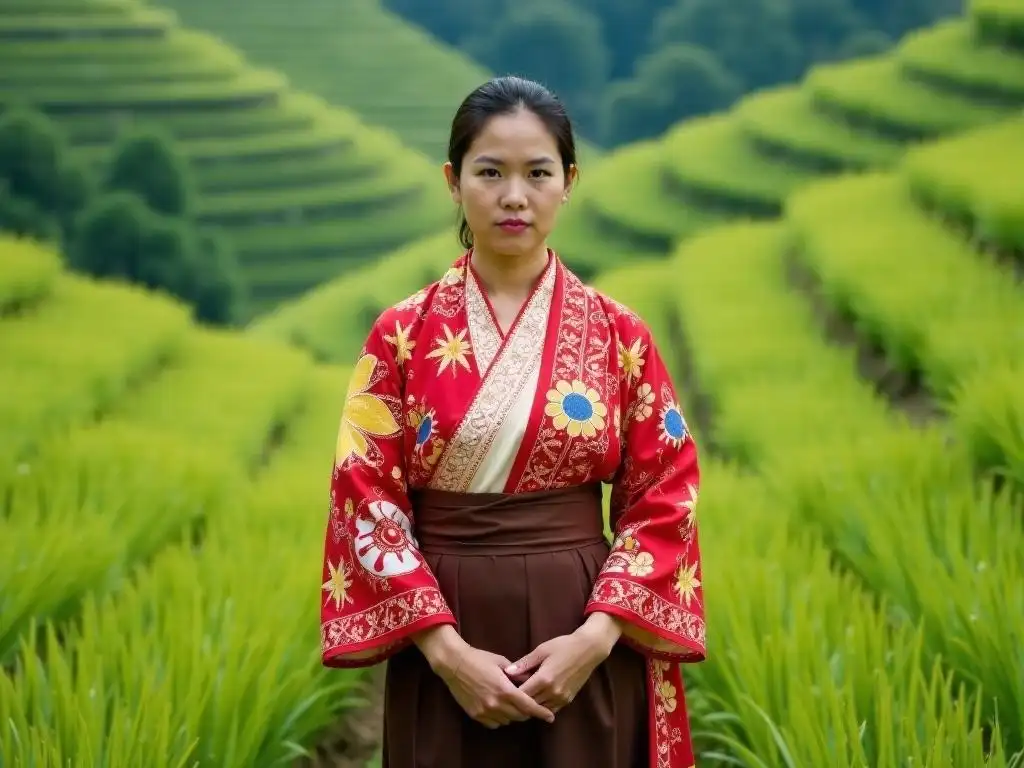
Women landowners in feudal Japan encountered numerous challenges that were deeply rooted in the patriarchal structures of society. Despite some opportunities for women to own and manage land, they faced significant societal, economic, and cultural hurdles that often undermined their authority and autonomy. Understanding these challenges provides insight into the complexity of gender dynamics during this historical period.
Societal Resistance to Female Land Ownership
One of the primary challenges faced by women landowners was societal resistance to the concept of female land ownership. In feudal Japan, the prevailing ideology was that land and economic power were primarily male domains. Women who inherited or acquired land often faced skepticism and hostility from male counterparts, who viewed their ownership as a threat to traditional gender roles. This resistance was particularly pronounced in samurai families, where lineage and inheritance played a crucial role in maintaining status and power.
Moreover, legal frameworks often favored male heirs, making it difficult for women to retain control over their land. For instance, even when women inherited property, they were frequently subject to the authority of male relatives, who could make decisions regarding land use, management, and sale. This societal pushback against female land ownership not only diminished women's rights but also perpetuated a cycle of dependency and subordination.
Economic Pressures and Land Management
Women landowners also faced substantial economic pressures that complicated their ability to manage and maintain their estates. The feudal system was characterized by a labor-intensive agricultural economy, which required significant resources and male labor. Women, often expected to fulfill domestic roles, found it challenging to balance land management with traditional responsibilities such as child-rearing and household duties.
Additionally, economic instability and fluctuating market conditions placed further strain on women landowners. Many were forced to rely on male intermediaries for managing labor and negotiating with buyers and suppliers, which undermined their independence. The lack of access to credit and financial resources made it difficult for women to invest in their land or improve its productivity, limiting their potential for economic growth and self-sufficiency.
The Impact of Gender Norms on Land Ownership
The challenges faced by women landowners were intricately linked to the broader gender norms prevailing in feudal Japan. These norms shaped perceptions of women's roles in society and influenced their rights to land and property.
Cultural Perceptions of Land Ownership and Gender
Cultural perceptions regarding land ownership were heavily influenced by Confucian ideals, which emphasized male authority and the importance of lineage. In this context, land was seen as a symbol of power and status, and ownership was typically associated with masculinity. Women were often relegated to supportive roles, with their contributions to land management being undervalued.
As a result, cultural narratives surrounding land ownership often depicted women as unsuited for the responsibilities associated with property management. This perception reinforced the belief that land ownership should be reserved for men, perpetuating discrimination against women in all aspects of land rights.
Shifts in Gender Norms Over Time
Despite these challenges, there were notable shifts in gender norms over time that began to reshape the landscape of land ownership in Japan. During certain periods, particularly in times of conflict or instability, women found themselves taking on more prominent roles in managing land and resources, often as a necessity when male family members were absent or incapacitated.
The rise of merchant classes during the Edo period (1603-1868) also contributed to changing perceptions regarding women and land ownership. As commerce flourished, women began to play an increasingly active role in economic activities, leading to a gradual recognition of their contributions to land management. Some women even became successful businesswomen, challenging traditional notions of gender roles and ownership.
These shifts, while gradual and often met with resistance, laid the groundwork for future generations to reconsider and redefine the roles of women in land ownership and management in Japan. The evolving perceptions of gender norms during this era illustrate the complex interplay between social, economic, and cultural factors that influenced women's rights to land.
The Legacy of Women Landowners in Feudal Japan
The legacy of women landowners in feudal Japan is both profound and multifaceted, highlighting a period when gender roles were more fluid than commonly perceived. During the feudal era, women, particularly those from samurai families, could own and manage land, which enabled them to exert influence in both their households and local communities.
Notable examples include women like Hojo Masako, who not only managed her family’s estates but also played a critical role in the political landscape of the Kamakura period. Such instances illustrate that women’s landownership was not merely an exception but a significant aspect of feudal Japanese society.
The legal framework of the time supported women’s property rights to a certain extent. Women could inherit land, and upon marriage, they often brought their dowries, which included land, into the union. This practice allowed them to maintain a degree of economic independence within a patriarchal structure. Despite the overarching narratives that emphasize male dominance in feudal Japan, these women’s roles challenge the traditional understanding of gender dynamics, revealing a more complex societal structure.
However, as Japan transitioned into the early modern period and the Edo period took shape, the status and visibility of women landowners began to decline due to stricter Confucian ideologies that emphasized male authority and lineage. This historical shift has profound implications for understanding the evolution of gender norms in Japan, prompting a critical reevaluation of women’s contributions to society during the feudal era.
Lasting Impacts on Modern Japanese Society
The impacts of women landowners during feudal Japan have resonated through the centuries, influencing modern Japanese society in various ways. Today, the acknowledgment of these historical figures contributes to a broader understanding of gender equality and the ongoing struggle for women's rights in Japan. As the country grapples with issues of gender disparity, reflecting on the past can provide valuable insights into the potential for women to reclaim their agency.
In contemporary Japan, there is a growing movement to recognize and celebrate historical figures who defied societal norms, including women who owned land and wielded power. This recognition not only fosters a sense of pride in Japan’s history but also encourages current and future generations to appreciate the complexity of gender roles. Moreover, the legacy of women landowners serves as a reminder that women's contributions to society have historically been significant, even if often overlooked.
Lessons Learned from Women’s Land Ownership
The experiences of women landowners in feudal Japan offer critical lessons for modern society. Firstly, they showcase the possibilities of female empowerment within a patriarchal system. Women like Tomoe Gozen and Hojo Masako illustrate that women could navigate and influence the structures around them, challenging the limitations imposed by their gender.
Moreover, these historical examples underscore the importance of legal rights and the ability to own property as foundational to achieving gender equality. The rights that women had to inherit and manage land during certain periods of feudal Japan highlight the need for legal frameworks that support women's economic independence.
Lastly, the stories of these women reveal the power of resilience and adaptability. As societal norms shifted, many women found innovative ways to retain their influence and property, which can inspire modern discussions on gender equity and women's rights.
Conclusion: Reevaluating Gender Norms in Historical Context
The examination of women as landowners in feudal Japan urges a reconsideration of established gender norms in historical contexts. It challenges the narrative that women were universally subjugated and powerless, revealing a more nuanced picture of their roles in society. Recognizing the contributions of women landowners helps to dismantle stereotypes and encourages a broader understanding of gender dynamics throughout history.
The Importance of Recognizing Women Landowners in Feudal Japan
Acknowledging the existence and influence of women landowners in feudal Japan is crucial for several reasons. It not only celebrates the achievements of these women but also provides a more balanced view of historical narratives that often marginalize women's experiences. Recognition of their roles fosters a greater appreciation for the complexities of social hierarchies and gender relations, emphasizing that women have always played significant roles in shaping society.
Furthermore, this recognition has implications for contemporary discussions about gender equality. By understanding the historical context of women’s land ownership, modern society can draw parallels to current struggles for women’s rights and empowerment, reinforcing the idea that progress is rooted in acknowledging and learning from the past.
Future Research Directions on Women’s Roles in History
Future research on women’s roles in history, particularly in the context of feudal Japan, should focus on a few key areas. First, there is a need for more in-depth studies that analyze the economic, social, and political impacts of women landowners on their communities. This can involve exploring specific case studies and regional variations to provide a comprehensive view of their contributions.
Additionally, interdisciplinary approaches that incorporate feminist theory, legal studies, and cultural history can yield new insights into the complexities of gender norms. Researchers can also examine the intersectionality of class and ethnicity in understanding the diverse experiences of women in feudal Japan.
Lastly, expanding the scope of research to include lesser-known figures and regional narratives will enrich the historical discourse and highlight the myriad ways women have shaped Japanese society. By pursuing these avenues, scholars can contribute to a more inclusive and nuanced understanding of history that honors the legacies of women landowners in feudal Japan.
Frequently Asked Questions
What role did women landowners play in feudal Japan?
Women landowners in feudal Japan often managed estates, contributing to the economy and influencing local politics. Their ownership challenged traditional gender roles and empowered them within their communities.
How did the legal status of women affect land ownership?
While women had the right to own and inherit land, their legal status was often subordinate to men. Despite this, many women successfully navigated the patriarchal system to secure their holdings.
Were there any notable women landowners in feudal Japan?
Yes, there were several notable women, such as Hojo Masako, who not only owned land but also played significant roles in politics and military affairs during their time.
How did the inheritance laws impact women in feudal Japan?
Inheritance laws in feudal Japan allowed women to inherit land, but often they had to navigate complex family dynamics. These laws varied significantly across different regions and periods.
What challenges did women landowners face in feudal Japan?
Despite their rights, women landowners faced challenges such as legal restrictions, societal norms, and pressure from male relatives. Overcoming these barriers required strength and resilience.
Final Reflection: Empowering Women Landowners in Feudal Japan
The exploration of women landowners in feudal Japan reveals a profound narrative that challenges the traditional gender norms of the era. Today, as we witness ongoing discussions about gender equality and women's rights, the historical context of women owning land serves as a powerful reminder of the resilience and agency women have exhibited throughout history. This legacy not only highlights the capacity for change but also underscores the importance of recognizing and honoring the contributions of women in shaping societal structures.
The impact of women landowners in feudal Japan continues to resonate within our cultural and social landscapes. Their stories remind us that women have always played significant roles in economic and social spheres, often against the backdrop of restrictive norms. The courage of these women to claim ownership and authority over land challenges the prevailing narratives of subservience and dependency. As noted by historian Anne Walthall, The history of women in Japan is not merely a tale of oppression, but one of resilience and strength that continues to inspire generations.
This ongoing influence encourages us to reflect on the progress made and the work still needed to achieve true gender parity.
As we contemplate the lessons from the past, I invite you to reflect on your own perceptions of gender roles and ownership in today's society. How can we draw inspiration from the women landowners of feudal Japan to challenge existing norms and advocate for equality in our lives? Let their stories inspire you to take action, whether through supporting women's rights initiatives, educating others about historical injustices, or simply recognizing the strength and potential of women around you. Together, we can continue to build a future where the legacies of women are celebrated and their contributions recognized.
Empower Change: Join the Movement for Gender Equality!
Thank you for taking the time to explore the pivotal role of women as landowners in feudal Japan. Your interest highlights the significant strides being made in challenging gender norms. Now, let’s channel that inspiration into action!
Here are some impactful ways you can contribute to this ongoing conversation:
- Engage and Share: Discuss this topic with friends or on social media! Share your insights to spark discussions about women's roles throughout history and encourage fresh perspectives.
- Explore Further: Dive deeper into women’s historical contributions! Check out related articles on our website that showcase inspiring stories of women who defied societal expectations.
- Support Equality Initiatives: Join or donate to organizations that advocate for gender equality. Every action, whether large or small, helps to foster meaningful change in our society.
What steps will you take today to challenge gender norms and promote equality in your community? We would love to hear your thoughts!