
The Influence of Women on Japanese Folklore and Mythology

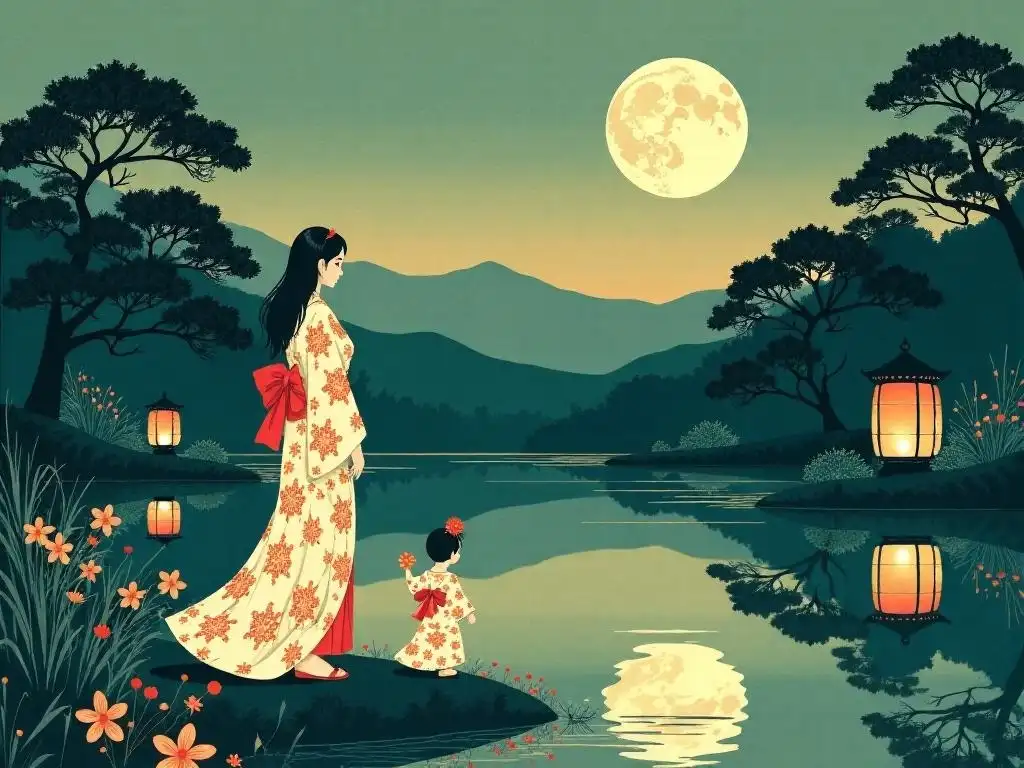
Welcome to Feudal Japan History, where we delve into the rich tapestry of Japan's feudal era, uncovering the intricate layers of its historical, cultural, and societal narratives. Today, we invite you to embark on a fascinating journey as we explore the pivotal role of women in Japanese folklore. Discover how these remarkable figures have shaped mythology and influenced cultural perceptions throughout the ages. What secrets lie within their stories? Join us as we unravel the profound impact of these women and their enduring legacy in Japanese history. Your adventure into the heart of social history begins now!
The role of women in Japanese folklore is a captivating subject that reveals the intricate tapestry of culture, tradition, and societal values during Japan's feudal era. Women's contributions to folklore and mythology not only illustrate their significance within these narratives but also reflect their multifaceted roles in shaping societal norms and cultural beliefs.
From revered deities to symbolic figures representing wisdom and resilience, women have profoundly influenced the storytelling landscape of Japan, making it essential to explore their narratives and the broader implications of their presence in folklore. This article will delve into the historical context, societal expectations, and the rich tapestry of women's influence, shedding light on their vital contribution to Japanese heritage and identity.
Introduction to Women in Japanese Folklore
Japanese folklore is rich with tales and characters that highlight the diverse experiences of women throughout history. These stories often portray women as powerful figures, embodying traits such as strength, cunning, and emotional depth. The representation of women in folklore serves various purposes, from imparting moral lessons to preserving cultural identity, and offers insight into the evolving perception of women's roles in society.
Women such as Kaguya-hime, the moon princess of "The Tale of the Bamboo Cutter," and Yuki-onna, the snow woman spirit, illustrate not only their supernatural qualities but also reflect societal attitudes towards women, love, and sacrifice. Moreover, these narratives often reveal the duality of women's existence—both as nurturers and as figures of mystery and danger.
Understanding the Role of Women in Japanese Mythology
Women in Japanese mythology often occupy pivotal roles, serving as both creators and destroyers. Deities such as Amaterasu, the sun goddess, and her brother Susanoo, the storm god, illustrate the balance of power between genders in mythic narratives. Amaterasu's emergence from a cave symbolizes hope and renewal, while her conflicts with Susanoo highlight the complexities of familial relationships.
These mythological tales are not mere entertainment; they function as a mirror reflecting the historical context of women's roles, showcasing their significance in both the domestic sphere and the broader cosmological order. From goddesses to spirits, women's portrayals in mythology are integral to understanding the spiritual and cultural landscape of Japan.
Significance of Folklore in Japanese Culture
Folklore serves as a vital conduit for cultural transmission, encapsulating the values, beliefs, and practices of a society. In Japan, folklore often intertwines with festivals, rituals, and communal gatherings, reinforcing a sense of identity and continuity among its people.
The stories passed down through generations often emphasize the virtues of women, including loyalty, sacrifice, and resilience. This emphasis not only preserves cultural heritage but also shapes societal expectations, influencing how women perceive their roles within their families and communities. By examining these narratives, we can gain deeper insight into the cultural fabric of Japan and the enduring influence of women within it.
Historical Context of Women in Japanese Society
To fully appreciate the role of women in Japanese folklore, it is essential to understand the historical context of their lives during the feudal era. This period was marked by a strict class system, where women's roles were largely defined by their societal status, family lineage, and marital ties.
Women's Roles in Feudal Japan
In feudal Japan, women's roles varied significantly depending on their social class. Upper-class women often managed household affairs, while peasant women contributed to agricultural work alongside their male counterparts. Despite societal restrictions, women could wield considerable influence within their families and communities, especially in matrilineal lines where inheritance and lineage were traced through the female line.
Women also played crucial roles in the arts, literature, and religion, often acting as patrons and creators. The legacy of women in these fields can be seen in the rich traditions of poetry and storytelling that permeate Japanese culture.
Societal Norms and Expectations of Women
The societal norms surrounding women in feudal Japan were complex and often contradictory. While women were expected to embody virtues such as obedience and modesty, they also held significant power within their familial structures and cultural spheres.
Traditional expectations often confined women to domestic roles, yet many women defied these boundaries, becoming influential figures in society. The duality of their existence—nurturers and leaders—reflects the broader themes of resilience and adaptability that characterize the folklore they inspired.
Through this exploration, the influence of women on Japanese folklore and mythology becomes vividly clear, illustrating their essential role in both historical and cultural contexts. Their stories not only enrich the narrative landscape of Japan but also serve as enduring testaments to their strength, creativity, and complexity.
Prominent Female Figures in Japanese Folklore
Women have played a significant role in Japanese folklore, often embodying complex characters that reflect both societal ideals and fears. Prominent female figures often serve as symbols of power, wisdom, and, at times, malevolence. These characters range from divine goddesses to heroic figures in legendary tales, each representing different aspects of femininity.
For instance, Kannon, the bodhisattva of compassion, is revered in various Buddhist traditions and is often depicted as a nurturing figure who aids those in suffering. Conversely, figures such as Yuki-onna (the Snow Woman) embody the duality of femininity; she is both beautiful and deadly, representing the harshness of nature and the loneliness of existence. These archetypes not only enrich the narrative landscape of Japanese folklore but also highlight the diverse roles women have played throughout history.
Goddesses and Divine Femininity in Japanese Myths
In Japanese mythology, goddesses occupy an important place, often associated with the forces of nature and fertility. Amaterasu, the sun goddess, is one of the most prominent deities, symbolizing light, growth, and the imperial family. Her legend illustrates themes of harmony and restoration, showcasing the power of femininity to bring balance to the world.
Another significant figure is Kunitokotachi, a deity of creation who is sometimes associated with female attributes, emphasizing the link between women and the foundational aspects of life. These goddesses often serve as embodiments of idealized female traits, such as nurturing, wisdom, and strength. Their stories have shaped societal views on women and their roles within both the family and the wider community.
Legendary Women in Folktales
Japanese folklore is rich with legendary women whose stories often illustrate moral lessons or cultural values. Characters like Tamamo-no-Mae, a beautiful fox spirit who transforms into a woman, serve as cautionary tales about deception and the hidden nature of individuals.
Similarly, Kaguya-hime, the legendary princess from the moon, tells a poignant story about beauty and the ephemeral nature of life. Her tale reflects the societal expectations placed on women, including themes of obligation, duty, and the inevitable passage of time.
These legendary women not only entertain but also provoke thought about the roles and expectations of women in different historical contexts, making them integral to the understanding of women's influence on Japanese folklore.
Themes and Motifs Featuring Women in Folklore
Japanese folklore is replete with themes and motifs that center around women, often highlighting their multifaceted roles in society. Common themes include sacrifice, redemption, and the struggle for identity. Women are frequently depicted as key figures who navigate between the domestic sphere and the external world, embodying the tension between tradition and change.
Another prevalent motif is the transformation of women, which serves to illustrate their adaptability and resilience. This is often seen in tales where women undergo physical or spiritual metamorphosis, reflecting their inner strength and capacity for growth despite societal restrictions.
Gender Roles and Their Representation in Folklore
The representation of gender roles in Japanese folklore often mirrors the historical context of women's status in society. Women are typically portrayed in accordance with the Confucian values that dominated Japanese culture, emphasizing subservience, loyalty, and nurturing qualities. However, these stories also reveal a more complex picture where women exhibit agency and power.
For example, while many folktales depict women as caretakers and homemakers, others highlight their roles as warriors or leaders, such as Tomoe Gozen, a female warrior who fought alongside men during the Genpei War. This duality in representation challenges traditional narratives, showcasing the ability of women to transcend societal limitations.
The Dual Nature of Female Figures: Nurturers and Vengeful Spirits
In Japanese folklore, women often embody a dual nature, representing both nurturing qualities and vengeful spirits. This duality is vividly illustrated in figures such as Rokurokubi, who can appear as ordinary women during the day but transform into malevolent beings at night.
Similarly, Kuchisake-onna, the slit-mouthed woman, reflects societal fears regarding beauty and vengeance. Her story warns of the consequences of vanity and betrayal, emphasizing the darker aspects of femininity.
This dichotomy is significant, as it reflects societal attitudes towards women—celebrating their nurturing roles while simultaneously fearing their potential for wrath. Such narratives underscore the complexity of women's experiences in Japanese culture, illustrating that women in folklore are not merely one-dimensional characters but rather intricate representations of the human condition.
The Evolution of Women’s Portrayal in Folklore and Mythology
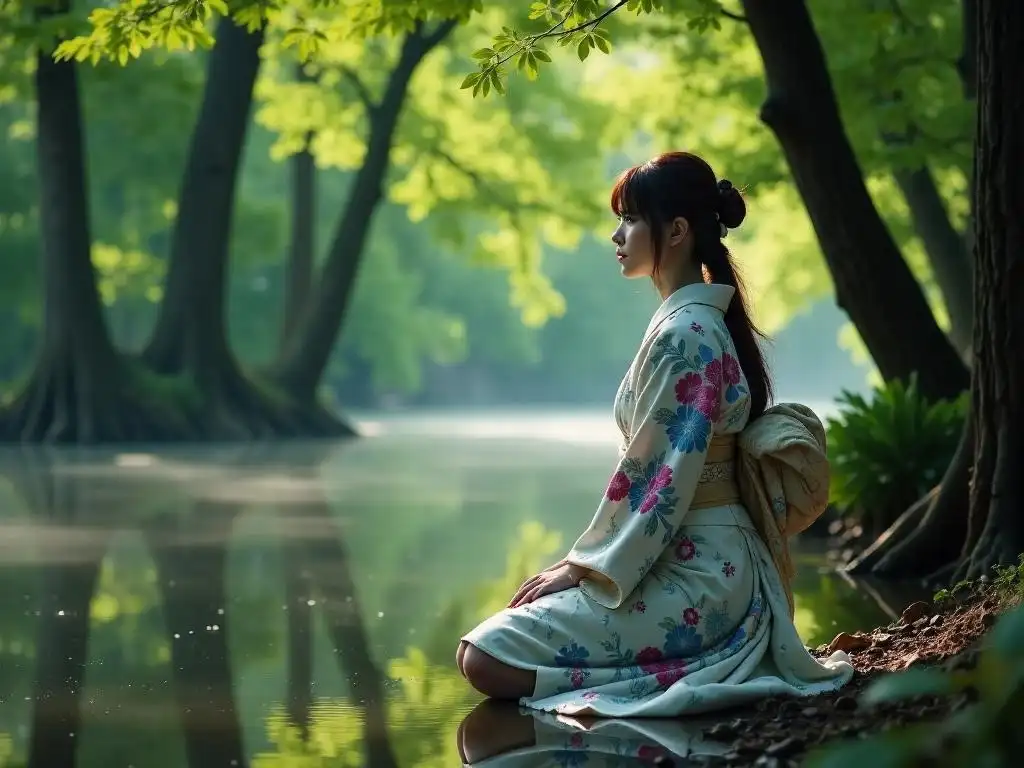
The portrayal of women in Japanese folklore and mythology has undergone significant evolution throughout history. Initially, women were often depicted as powerful and revered figures, embodying various deities and spirits. For instance, the sun goddess Amaterasu is one of the central figures in Shinto belief, representing light, fertility, and growth. Such representations highlight the integral role of women in the spiritual and cultural fabric of early Japanese society.
As time progressed, the narrative surrounding women began to shift, particularly during the Heian period (794-1185). Women were increasingly portrayed in more complex and nuanced ways, often reflecting societal views on femininity and moral virtue. The classic work "The Tale of Genji," written by Murasaki Shikibu, showcases women in multifaceted roles, from noble court ladies to tragic figures, emphasizing their emotional depth and societal constraints.
However, the Edo period (1603-1868) brought about a more restrictive view of women, characterized by the Confucian ideals that prioritized male authority and subservience of women. Folklore from this era often depicted women in domestic roles, reinforcing stereotypes of obedience and virtue. This duality in representation—from powerful deities to subservient figures—illustrates the complex dynamics of gender in Japanese culture.
Changes Over Time: From Ancient to Modern Interpretations
Throughout the ages, the interpretation of women's roles in folklore has transformed significantly, reflecting broader societal changes. In ancient times, women's stories often celebrated their strength and agency. Legends of female warriors, like Tomoe Gozen, highlighted their valor in battle and leadership.
In contrast, during the Edo period, the narrative shifted to portray women primarily as caregivers and moral exemplars. Folktales from this time often featured women who upheld family honor and adhered to societal norms, reinforcing traditional gender roles. However, the Meiji Restoration in the late 19th century ushered in modernization, leading to a reevaluation of women's roles. Folklore began to include more progressive narratives that acknowledged women's contributions to society beyond domestic boundaries.
In contemporary interpretations, women in Japanese folklore are increasingly portrayed as dynamic characters who navigate their identities in a modern context. Current media, including anime and manga, often subvert traditional roles, presenting women as heroes, warriors, and independent figures. This evolution echoes the ongoing dialogue about gender equality and women's empowerment in Japan today, showcasing a departure from rigid stereotypes to more empowering representations.
Contemporary Representations of Women in Japanese Media
In recent years, the representation of women in Japanese media has seen a significant shift, reflecting changing societal attitudes and values. Modern anime, manga, and video games feature female characters who possess agency, complexity, and strength. These characters often defy traditional gender norms, engaging in adventures and embodying traits like bravery, intelligence, and resilience.
For example, series such as "Sailor Moon" and "Attack on Titan" showcase women in strong leadership roles, fighting for justice and challenging societal norms. Such representations resonate with contemporary audiences, particularly younger generations who seek relatable and empowering female figures.
Moreover, the rise of feminist narratives in Japanese media has led to a reexamination of traditional folklore themes. Creators are increasingly drawing from historical tales, reinterpreting them to highlight women's strength and resilience. This trend not only honors the rich tapestry of women's contributions to folklore but also encourages a broader cultural dialogue about gender roles in modern Japan.
The Impact of Women in Shaping Japanese Cultural Identity
Women have played a crucial role in shaping the cultural identity of Japan through their contributions to folklore and mythology. These narratives often serve as vessels for cultural values, beliefs, and traditions, with women as central figures in these stories. Their experiences and perspectives offer insights into societal norms, resilience, and the evolution of Japanese identity.
Women as Bearers of Tradition and Storytelling
Women have historically been the primary bearers of oral traditions and storytelling in Japan. They have passed down folktales, myths, and legends through generations, preserving cultural heritage and imparting moral lessons. These stories often reflect the values of the community, highlighting themes of loyalty, sacrifice, and harmony.
In rural areas, women were often the custodians of local folklore, sharing tales during festivals, gatherings, and family events. Their storytelling not only entertained but also educated younger generations about their cultural roots, fostering a sense of belonging and identity. This role as storytellers underscores the importance of women in maintaining the continuity of cultural practices and beliefs.
The Role of Women in Preserving Folklore through Generations
The preservation of folklore is deeply intertwined with women's roles in Japanese society. Over centuries, women have actively participated in rituals, festivals, and celebrations that honor folklore, ensuring its transmission to future generations. Their involvement in these cultural practices has reinforced the significance of women in shaping and sustaining Japanese identity.
Moreover, women's contributions to literature and art have also played a vital role in preserving folklore. Female authors, poets, and artists have often drawn inspiration from traditional tales, reimagining them in contemporary contexts. This creative reinterpretation not only revives interest in folklore but also highlights women's perspectives and experiences, enriching the cultural narrative.
The influence of women on Japanese folklore and mythology is profound and multifaceted. Their evolving portrayal, active participation in storytelling, and preservation of cultural traditions underscore the integral role they play in shaping Japan's cultural identity. As society continues to progress, these contributions remain vital in understanding the complexities of gender and culture in Japan.
Conclusion: The Enduring Legacy of Women in Japanese Folklore
The legacy of women in Japanese folklore is a testament to their profound influence on cultural narratives and societal values throughout history. From the benevolent figures of goddesses and protective spirits to the complex portrayals of yokai and supernatural beings, women have played a pivotal role in shaping the mythological landscape of Japan. Their stories often reflect broader themes of resilience, wisdom, and the intricate dynamics of gender relationships within the feudal context.
These narratives not only preserve the voices and experiences of women from various eras but also serve as mirrors reflecting the evolving societal views on femininity and power. The enduring presence of these figures in contemporary culture, whether through literature, theater, or modern media, highlights how deeply ingrained these stories are in the Japanese psyche. As such, the legacy of women in Japanese folklore continues to inspire and resonate, revealing the timeless nature of their roles in mythology and society.
Reflections on the Importance of Women in Mythology
Women in Japanese mythology often embody dualities that reflect the complexities of life, such as nurturing versus destructive forces. Figures like Kannon, the goddess of mercy, illustrate the nurturing aspect, while others, like Yama-uba, the mountain witch, highlight the darker, more unpredictable sides of femininity. This duality is essential in understanding the multifaceted roles women have played in folklore, as it mirrors the real-life struggles, strengths, and societal expectations of women throughout Japanese history.
Moreover, the representation of women in these stories often serves as a means of addressing societal norms and values. They challenge traditional gender roles, portraying women as both powerful and vulnerable, wise and naive. This dynamic is crucial in understanding how folklore has historically been a vehicle for discussing gender issues, morality, and cultural identity, making women's contributions to these narratives not only significant but vital.
Final Thoughts on the Influence of Women in Japanese Culture
The influence of women in Japanese culture stretches beyond folklore and mythology; it shapes the very fabric of Japanese identity. The stories of women in folklore have inspired countless generations, providing both comfort and wisdom through their lessons. They have fostered a sense of community and shared values while also encouraging self-reflection among individuals regarding their roles within society.
In modern Japan, the echoes of these mythological women can still be felt in literature, art, and popular culture. As contemporary creators continue to draw upon these rich narratives, they transform and reinterpret the roles of women, ensuring that their legacies remain vibrant and relevant. The ongoing exploration of women's roles in folklore not only honors the past but also empowers future generations to engage with and redefine their cultural narratives. Ultimately, the enduring legacy of women in Japanese folklore is a powerful reminder of the crucial roles they play in shaping both history and culture.
- Introduction to Women in Japanese Folklore
- Historical Context of Women in Japanese Society
- Prominent Female Figures in Japanese Folklore
- Themes and Motifs Featuring Women in Folklore
- The Evolution of Women’s Portrayal in Folklore and Mythology
- The Impact of Women in Shaping Japanese Cultural Identity
- Conclusion: The Enduring Legacy of Women in Japanese Folklore
Frequently Asked Questions
What role did women play in Japanese folklore?
Women in Japanese folklore often represented powerful figures and goddesses, influencing various myths and stories. Their portrayals reflect cultural values and societal beliefs about femininity.
How are female characters depicted in Japanese mythology?
Female characters are frequently depicted as complex beings with traits that range from nurturing to vengeful. This duality highlights the importance of women in shaping moral lessons within folklore.
What is the significance of goddesses in Japanese mythology?
Goddesses such as Amaterasu symbolize creation, fertility, and the natural world. Their significance underscores the reverence for femininity and the vital role women play in cultural narratives.
How has the portrayal of women in folklore evolved over time?
The portrayal of women has shifted from idealized figures to more nuanced representations, reflecting changes in societal attitudes. This evolution showcases the dynamic nature of Japanese culture.
Why is studying women in Japanese folklore important?
Studying women in Japanese folklore provides insights into gender roles, cultural identity, and the historical context of societal values. It enriches our understanding of Japanese heritage and its impact on modern narratives.
Final Reflection: The Enduring Legacy of Women in Japanese Folklore
The influence of women in Japanese folklore is not just a historical curiosity; it is a vibrant testament to the resilience and complexity of female narratives that continue to resonate today. As we explore the rich tapestry of myths and legends, we uncover the powerful roles that women have played, shaping cultural identities and moral lessons throughout generations. This enduring legacy reminds us that women's voices are essential in storytelling, reflecting societal values and challenging norms.
The stories of figures like Kaguya-hime and Yuki-onna highlight the intricate relationship between femininity and nature, power and vulnerability. These narratives not only entertain but also provoke thought and inspire change, illustrating how folklore can serve as a mirror to our contemporary struggles and triumphs. Folklore is the heart of a culture, and women have always been its lifeblood.
This ongoing influence underscores the importance of recognizing and celebrating the contributions of women in shaping our understanding of folklore and mythology.
As we reflect on the profound impact of women in Japanese folklore, let us carry these stories forward in our own lives. Consider how the lessons embedded in these tales can inspire you to embrace your own narrative and honor the voices of women around you. By acknowledging and amplifying these stories, we not only preserve a vital part of cultural heritage but also empower ourselves and future generations to continue weaving the rich tapestry of our collective identity.
Unveil the Legacy of Women in Japanese Mythology!
Thank you for taking the time to explore the vibrant tapestry of women’s influence in Japanese folklore and mythology! This journey not only enriches your understanding of cultural narratives but also honors the incredible contributions of women throughout history. Now, it's time to take this knowledge further and engage with the legacy of these powerful figures.
Here are a few ways you can dive deeper and make meaningful connections:
- Explore More: Read additional articles on our site about notable female figures in Japanese folklore and share your insights in the comments.
- Join the Conversation: Connect with fellow enthusiasts on our social media channels. Share your favorite stories of women in mythology and discover new interpretations!
- Challenge Yourself: Visit a local library or utilize online resources to research a folklore story featuring a strong female character. Write a few sentences about what you learned and how it resonates with contemporary themes.
Do you have a favorite female figure from Japanese mythology that inspires you? Share your thoughts below!