
The Role of Noh and Kabuki in Politically Shaping Tokugawa Society

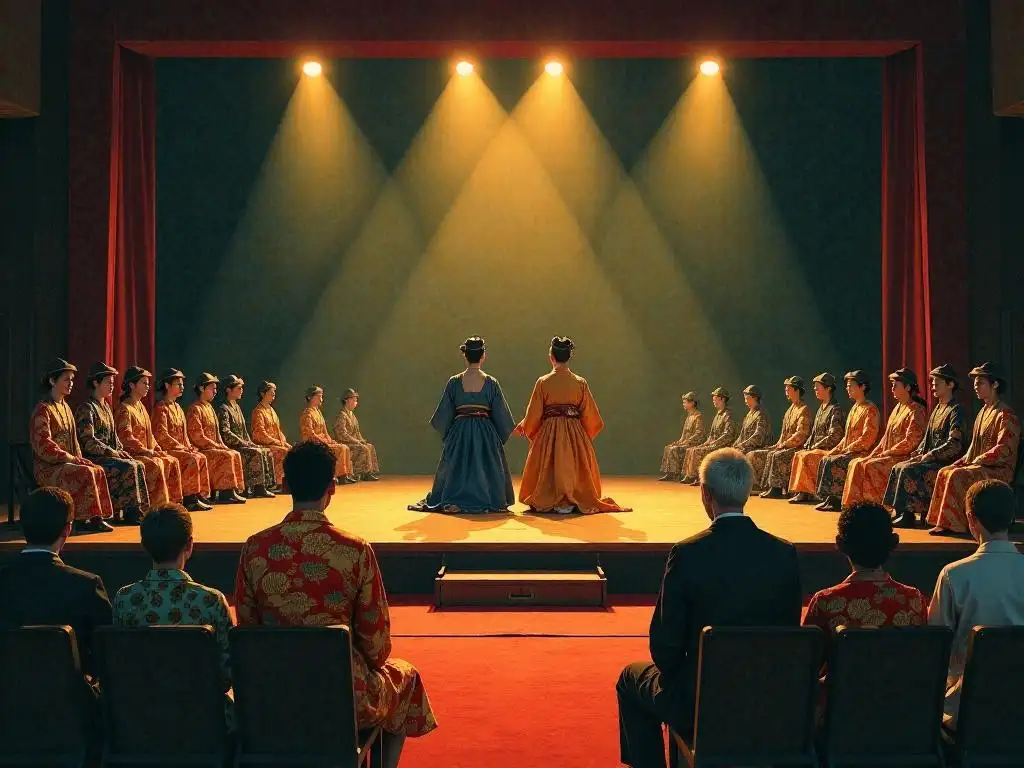
Welcome to Feudal Japan History, where we invite you to embark on a fascinating journey through the intricate tapestry of Japan's feudal era. Here, we delve deep into the captivating world of Noh and Kabuki, uncovering their profound influence on Tokugawa society and how these art forms shaped the political landscape of their time. What secrets lie within the performances that echoed through the halls of power?
Join us as we unravel the stories behind the masks and the stages, and discover how culture and politics intertwined in a way that continues to resonate today. Your exploration of this rich historical era starts now!
The Tokugawa Shogunate, lasting from 1603 to 1868, was a pivotal era in Japanese history characterized by a unique political structure, social hierarchy, and cultural developments. Among the many influences that shaped this period, traditional performance arts such as Noh and Kabuki played significant roles not only in entertainment but also in the political arena.
These theatrical forms became powerful tools for conveying social norms, political messages, and cultural values, deeply embedding themselves into the fabric of Tokugawa society. This article delves into the intricate relationship between Noh and Kabuki and their influence on the political landscape of Tokugawa Japan, highlighting how these art forms contributed to the stability and governance of the shogunate.
Introduction to Noh and Kabuki
Definition and Origins of Noh Theatre
Noh is a classical Japanese dance-drama that has its roots in the 14th century, developed by playwrights such as Kan'ami and his son Zeami. Characterized by its minimalist staging, lyrical poetry, and the use of masks, Noh aims to express profound themes of existence, spirituality, and the human condition. The performances often draw from historical events, mythology, and literature, making them rich in cultural significance. The refined nature of Noh made it a favored art form among the samurai class, who appreciated its subtlety and depth.
Definition and Origins of Kabuki Theatre
Kabuki, emerging later in the early 17th century, is a vibrant and dynamic theatre form known for its elaborate costumes, exaggerated movements, and lively storytelling. It originated as a form of entertainment for the masses, often performed by all-female troupes before transitioning to all-male performances. Kabuki dramatizes a wide range of themes, including love stories, historical events, and moral conflicts, making it accessible and appealing to a broader audience compared to the more austere Noh. Its lively and visually engaging style helped it to gain popularity rapidly, becoming a staple of Edo culture.
Significance of Noh and Kabuki in Tokugawa Society
Both Noh and Kabuki held substantial significance in Tokugawa society, serving not only as entertainment but also as platforms for social commentary. Noh, with its refined artistic approach, often appealed to the elite and was used to reinforce the values of the samurai class and the ruling Tokugawa family. In contrast, Kabuki provided a voice for the common people, reflecting their struggles, aspirations, and critiques of the social order. Through their performances, both genres played critical roles in shaping public perception and political thought during the Tokugawa era.
The Political Landscape of Tokugawa Japan
Overview of the Tokugawa Shogunate
The Tokugawa Shogunate was established by Tokugawa Ieyasu after his victory at the Battle of Sekigahara in 1600. This era is characterized by a strict social hierarchy, isolationist foreign policies, and an emphasis on stability and order. The shogunate implemented a range of policies to control the daimyō (feudal lords) and maintain peace, which profoundly influenced the cultural landscape of Japan. The stability of the period allowed for the flourishing of arts, including Noh and Kabuki, which were intricately linked to the political dynamics of the time.
Influence of Culture on Tokugawa Politics
Culture during the Tokugawa period was not merely a reflection of society but a crucial element in the political framework. The government recognized the power of cultural institutions in shaping public opinion and maintaining control. Noh and Kabuki were employed strategically to promote loyalty to the shogunate and to disseminate moral lessons that aligned with the ruling class's interests. The themes explored in these performances often mirrored the ideals of the Tokugawa regime, reinforcing the status quo and legitimizing the shogunate’s authority.
The Role of Performance Arts in Political Messaging
Performance arts like Noh and Kabuki functioned as vital tools for political messaging. They provided a platform for subtle commentary on contemporary issues, allowing artists and playwrights to navigate the complexities of censorship while addressing political themes. The use of allegory and metaphor in these performances enabled audiences to engage with political ideas, fostering a sense of awareness and dialogue regarding their society. Thus, Noh and Kabuki were not just forms of entertainment but pivotal components in the political discourse of Tokugawa Japan, shaping the views and values of the population.
Noh Theatre: A Vehicle for Political Influence
Noh theatre, a traditional form of Japanese drama, emerged in the 14th century and became a significant cultural force during the Tokugawa period (1603-1868). This unique art form often served as a vehicle for political influence, reflecting the social and political dynamics of Tokugawa society.
Noh plays are characterized by their slow, deliberate movements, stylized performances, and the use of masks, which convey a wide range of emotions and character archetypes. The subtlety of Noh allowed it to address complex themes, including loyalty, betrayal, and the moral dilemmas faced by samurai, making it a compelling medium for conveying political messages.
The Themes and Messages in Noh Plays
Noh plays often incorporate historical figures and events, allowing the audience to reflect on the past and its relevance to contemporary issues. Central themes include:
- Loyalty and Honor: Many plays portray the samurai's code of honor, emphasizing loyalty to one's lord or clan. This theme reinforced the established social hierarchy and the importance of fidelity within the Tokugawa regime.
- Supernatural Elements: Noh often includes spirits and deities, suggesting that the divine plays a role in worldly affairs. This aspect can be interpreted as a commentary on the divine right of the shogunate to govern, linking political authority to celestial favor.
- Transience of Life: The concept of impermanence is prevalent in Noh, echoing Buddhism's influence on Japanese culture. This theme serves to remind audiences of the fleeting nature of power and the importance of ethical leadership.
Through these themes, Noh theatre communicated valuable lessons about governance, morality, and the social order to its audiences, thereby shaping public perception of the Tokugawa shogunate.
Noh as a Tool for Shogunate Propaganda
The Tokugawa shogunate recognized the potential of Noh as a means of propaganda. By sponsoring Noh performances, the shogunate could promote its values and reinforce its legitimacy.
- State-Sponsored Performances: The shogunate often commissioned plays that depicted the virtues of loyalty and service to the ruler, aligning the narrative with the political objectives of the time. These performances were not merely entertainment; they were carefully crafted narratives designed to foster a sense of unity among the people.
- Cultural Patronage: The shogunate's support for Noh artists and troupes reinforced its status as a cultural leader. This patronage ensured that the narratives presented in Noh were favorable to the ruling class and aligned with the shogunate's goals.
- Public Ceremonies: Noh performances were often included in public ceremonies and festivals, further embedding these messages within the fabric of Tokugawa society. By integrating Noh into state functions, the shogunate cultivated a cultural identity that supported its political agenda.
Through these strategies, Noh theatre became a critical component of Tokugawa political culture, merging art with the shogunate's efforts to maintain order and stability.
Case Studies of Notable Noh Performances and Their Political Impact
Several notable Noh performances exemplify the genre's political significance during the Tokugawa period.
- “Hachiman Taisai”: This play, dedicated to Hachiman, the god of war, served as a powerful reminder of the warrior's duty and loyalty to the shogunate. Its performances often coincided with military ceremonies, reinforcing the shogunate's divine right to rule.
- “Sumidagawa”: This play explores themes of loss and redemption, focusing on a mother's grief over her son's death. By emphasizing personal sacrifice and loyalty, it resonated with audiences, evoking a strong sense of national pride and loyalty to the Tokugawa regime.
- “Aoi no Ue”: This classic Noh play draws from the Tale of Genji, illustrating the tragic consequences of betrayal and the complexities of love and loyalty. Its themes reinforced the moral lessons of the time, subtly guiding societal values in favor of the ruling class.
These performances not only entertained but also served to articulate the values of Tokugawa society, influencing public sentiment and political attitudes.
Kabuki Theatre: Entertainment with Political Underpinnings
Kabuki theatre emerged in the early 17th century, providing a more vibrant and dynamic contrast to the solemnity of Noh. With its elaborate costumes, exaggerated movements, and lively music, Kabuki quickly gained popularity among the masses. However, beneath its entertaining façade, Kabuki also played a crucial role in shaping political discourse in Tokugawa society.
The Evolution of Kabuki in Tokugawa Era
Initially performed by women, Kabuki transitioned to male performers due to the shogunate's concerns over morality and public decency. This evolution marked a significant shift in the theatre's dynamics, allowing for the development of distinct styles and narratives that catered to a growing audience.
- Rise of the Onnagata: Male actors who specialized in female roles, known as Onnagata, became central figures in Kabuki. Their performances not only showcased the artistry of Kabuki but also influenced societal views on gender roles and identity.
- Regional Variations: Different regions in Japan developed their own styles of Kabuki, reflecting local culture and politics. These regional performances often included commentary on local governance and societal issues, making Kabuki a platform for political expression.
- Integration of Popular Culture: Kabuki adopted elements from other art forms, such as folk songs and dance, making it accessible to a broader audience. This integration allowed Kabuki to address contemporary issues and engage with the public more directly.
The evolution of Kabuki mirrored the complexities of Tokugawa society, as it became not just a form of entertainment but a reflection of the political landscape.
Political Satire in Kabuki Performances
Kabuki's accessibility also allowed for the emergence of political satire, a genre that critiqued the ruling class and societal issues.
- Subtle Commentary: While overt criticism of the shogunate was often censored, Kabuki performers employed symbolism, allegory, and double entendre to convey their messages. This subtlety allowed them to address contentious topics without facing immediate repercussions.
- Popular Figures and Events: Kabuki often featured characters based on historical figures, allowing for dramatizations of current events. By portraying these figures in a critical light, Kabuki provided a space for audiences to reflect on and discuss political matters.
- Public Perception: The ability to satirize authority figures helped shape public opinion and encouraged audiences to engage with the political climate of their time. This engagement fostered a sense of awareness and activism among the populace, despite the constraints of the period.
Through satire, Kabuki theatre played a vital role in shaping political discourse, making it a powerful tool for social commentary.
Examples of Kabuki Plays that Shaped Public Opinion
Numerous Kabuki plays illustrated the theatre's capacity to influence public sentiment and political awareness.
- “Kanadehon Chūshingura”: Also known as “The Treasury of Loyal Retainers,” this play recounts the famous tale of the Forty-Seven Ronin. It emphasizes themes of loyalty and revenge, resonating deeply with audiences and reinforcing the values of bushido (the way of the warrior) during the Tokugawa period.
- “Sukeroku”: This play centers on the character of Sukeroku, a heroic yet flawed figure. It critiques societal norms and the struggles of the lower classes, prompting audiences to empathize with the plight of the marginalized.
- “Kanjincho”: This performance highlights the theme of loyalty through the story of a samurai who sacrifices himself for his lord. It serves as a reminder of the importance of loyalty and honor, resonating with the ideals of the samurai class.
These plays not only entertained but also encouraged audiences to reflect on their societal roles and the political climate, demonstrating Kabuki's influence in shaping public opinion during the Tokugawa era.
The Interplay Between Noh, Kabuki, and Tokugawa Society
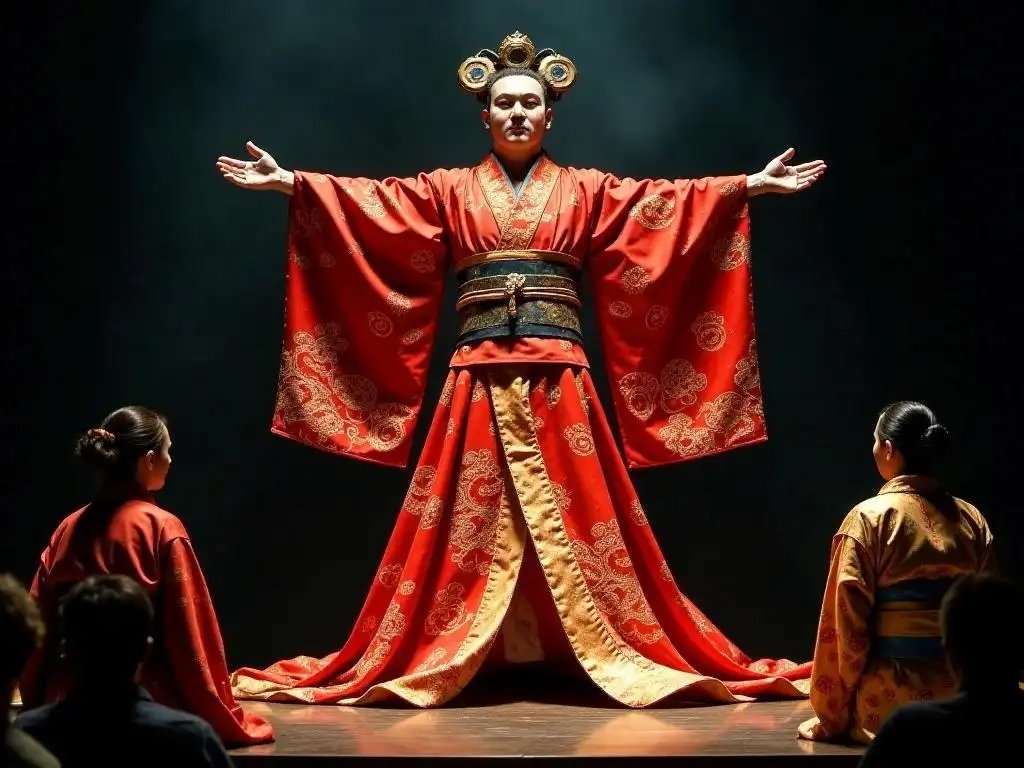
Noh and Kabuki are two traditional forms of Japanese theatre that emerged and flourished during the Tokugawa period (1603-1868), each reflecting distinct aspects of Tokugawa society. Noh, characterized by its slow, deliberate movements and minimalistic staging, was often associated with the samurai class and the elite, serving as a medium for expressing deep philosophical themes and the complexities of human emotions.
In contrast, Kabuki emerged as a more vibrant and accessible form of entertainment, appealing to the merchant class and commoners, with its elaborate costumes and dynamic performances. This dynamic interplay between the two theatrical forms not only entertained audiences but also acted as a mirror to the societal norms, values, and hierarchies of the Tokugawa era.
The Tokugawa shogunate utilized these art forms to reinforce its political structure and control over society. Noh performances often depicted historical events and figures, subtly reinforcing the legitimacy of the Tokugawa rule and instilling loyalty among the samurai. Conversely, Kabuki, with its often satirical themes, provided a space for social commentary, allowing audiences to reflect on the socio-political landscape of their time. Together, these theatrical forms contributed to a rich cultural tapestry that shaped the identity and consciousness of Tokugawa society.
Social Stratification in Performance Arts
In Tokugawa society, social stratification played a significant role in the performance arts, with Noh and Kabuki embodying contrasting social classes. Noh was predominantly performed for the samurai class and nobility, reflecting their values, ideologies, and historical narratives. Its performances were often held in exclusive settings, emphasizing the art's connection to high culture and the elite's patronage. The rituals and aesthetics of Noh reinforced social hierarchies, as only those with appropriate status could participate in or fully appreciate its nuances.
On the other hand, Kabuki emerged as a form of entertainment for the burgeoning merchant class and common people. Its roots can be traced to the early 17th century, where women initially performed before being banned, leading to the rise of male actors portraying female roles. This shift highlighted the changing dynamics of Tokugawa society, where commerce and trade began to challenge the longstanding dominance of the samurai class. Kabuki's accessibility and its focus on contemporary themes allowed it to thrive as a popular cultural expression, often blurring the lines of the rigid social structure characteristic of the period.
Audience Reception and Its Political Implications
Audience reception of Noh and Kabuki was deeply intertwined with the political climate of the Tokugawa period. Noh, with its solemn themes and slow pacing, was often viewed as a form of elite entertainment that reaffirmed the status quo. Audiences were expected to reflect on the moral and philosophical questions posed by the performances, which aligned with the shogunate's emphasis on social order and harmony.
In contrast, Kabuki attracted a diverse audience, including the lower classes, who found in its vibrant storytelling and dynamic performances a means to express their frustrations and aspirations. The art form became a platform for social satire, with performances often critiquing the excesses of the ruling class or addressing contemporary issues. This duality in audience reception meant that while Noh reinforced the existing political structure, Kabuki provided a voice for dissent, subtly influencing public opinion and political discourse.
The Role of Patronage in Noh and Kabuki
Patronage played a crucial role in the development and sustenance of both Noh and Kabuki during the Tokugawa period. For Noh, the support from the samurai class and wealthy patrons was essential in maintaining its status as a high art form. The performances were often commissioned for special occasions, such as ceremonies and festivals, allowing the elite to display their cultural sophistication and reinforce their social status. This patronage system ensured that Noh remained closely tied to the ruling class, further entrenching its role in the political landscape of the era.
Kabuki, while initially facing restrictions and scrutiny from the authorities, found its footing through the support of merchants and commoners. The rise of kabuki theaters in urban centers like Edo and Osaka highlighted the growing influence of the merchant class in cultural production. These theaters became hubs of social interaction, where patrons could engage with the performances and influence their content. The relationship between Kabuki and its audience fostered a sense of communal identity, allowing for a form of cultural expression that both entertained and commented on the socio-political realities of Tokugawa society.
The Influence of Noh and Kabuki on Modern Japanese Society
The legacy of Noh and Kabuki extends far beyond the Tokugawa period, continuing to shape modern Japanese society in various ways. These traditional art forms have retained their cultural significance, influencing contemporary theatre, performance art, and even popular media. The aesthetic principles and narrative structures of Noh and Kabuki can be seen in various modern Japanese cultural expressions, demonstrating their enduring impact on the nation's artistic landscape.
Legacy of Noh and Kabuki in Contemporary Culture
Today, Noh and Kabuki are celebrated not only as cultural treasures but also as vital components of Japan's national identity. Educational institutions and cultural organizations work tirelessly to preserve these art forms, ensuring that new generations understand their historical context and significance. Festivals, performances, and workshops dedicated to Noh and Kabuki attract both domestic and international audiences, showcasing their artistry and depth.
Moreover, modern adaptations of Noh and Kabuki have emerged, blending traditional elements with contemporary themes and techniques. This fusion allows for a fresh interpretation of these art forms, making them more accessible to younger audiences while preserving their core essence. The continued relevance of Noh and Kabuki in contemporary culture highlights their adaptability and the rich narrative traditions that resonate with current societal issues.
Continuing Political Relevance of Traditional Theatre
Despite the passage of time, Noh and Kabuki continue to hold political relevance in modern Japan. The themes explored in these performances often mirror contemporary societal challenges, including issues of power, identity, and social justice. Artists and playwrights draw upon the rich history of these traditional forms to critique current political situations, thus engaging audiences in a dialogue about their collective past and future.
Additionally, the political undertones of Kabuki, in particular, serve as a reminder of the art form's roots in social commentary. Modern Kabuki performances occasionally incorporate elements of satire and critique, reflecting the ongoing struggles within Japanese society. This interplay between tradition and modernity ensures that Noh and Kabuki remain vital forums for political expression and discourse.
Noh and Kabuki's Influence on Art and Politics Today
The influence of Noh and Kabuki on contemporary art and politics can be observed in various fields, including literature, film, and even activism. Artists and filmmakers often reference the aesthetic and thematic elements of these traditional forms, creating works that resonate with audiences on multiple levels. The storytelling techniques and character archetypes found in Noh and Kabuki have inspired countless adaptations, enriching modern narratives with historical depth.
Moreover, the art forms have found a place in political activism, with performers using their platforms to raise awareness about social issues and injustices. The historical context of Noh and Kabuki, rooted in the experiences of the common people and the elite, provides a powerful lens through which artists can address contemporary concerns. This ongoing dialogue between the past and present underscores the lasting impact of Noh and Kabuki on Japan's cultural and political landscape, ensuring that these traditional art forms remain relevant in today's society.
Conclusion: The Lasting Impact of Noh and Kabuki on Tokugawa Society
The cultural expressions of Noh and Kabuki were not merely forms of entertainment during the Tokugawa period; they were instrumental in shaping the political landscape of the time. These traditional theatrical forms provided a medium for the exploration of social themes, moral values, and political commentary, allowing audiences to engage with the complexities of their society in a reflective manner. The Tokugawa shogunate, while promoting these art forms, understood their potential to influence public sentiment and reinforce social hierarchies.
As Noh and Kabuki evolved, they incorporated elements that mirrored the shifting political dynamics, from the rigid hierarchies of the samurai class to the emerging influence of the merchant class. The use of symbolism and allegory in performances enabled artists to comment on current events and societal issues subtly, often providing a voice to the disenfranchised. The lasting impact of Noh and Kabuki continues to be felt today, as these art forms remain a vital part of Japan's cultural heritage, reflecting the historical narratives of the Tokugawa period.
Summary of Key Points on Noh and Kabuki's Political Role
- Cultural Reflection: Noh and Kabuki served as mirrors to Tokugawa society, highlighting the struggles and aspirations of various classes.
- Political Commentary: Through allegorical narratives, both forms of theater critiqued social injustices and political decisions, influencing public opinion.
- Regulatory Support: The Tokugawa shogunate endorsed these art forms, recognizing their potential to promote social order and loyalty to the regime.
- Class Dynamics: Performances often reflected the tensions between the samurai and merchant classes, showcasing the evolving societal structures of the time.
- Legacy: The enduring popularity of Noh and Kabuki illustrates their significant role in shaping Japanese cultural identity and historical consciousness.
Final Thoughts on Cultural Influence in Political History
The intersection of culture and politics during the Tokugawa period underscores the importance of artistic expression in societal governance. Noh and Kabuki not only entertained but also educated and engaged the populace in the political discourse of the time. By fostering a shared cultural experience, these art forms contributed to social cohesion, even as they provided a platform for dissent and critique. The legacy of Noh and Kabuki in influencing Tokugawa society is a testament to the power of culture in shaping political narratives and fostering community identity.
References
Suggested Further Reading on Noh and Kabuki
- "The World of Kabuki: Theatrical Culture in Early Modern Japan": by Samuel L. Leiter
- "Noh Drama and the Tale of Genji" by James H. S. O'Hara
- "Kabuki: A History of the Art": by Don Kenny
Academic Sources on Tokugawa Society and Political Culture
- "Tokugawa Japan: The Cultural Roots of Modern Japan": by John W. Hall
- "The Tokugawa World" by J. Thomas Rimer and Van C. Gessel
- "Political Culture in Tokugawa Japan" by Ian H. Nish
These resources provide a deeper understanding of the intricate relationship between Noh, Kabuki, and the political landscape during the Tokugawa shogunate, offering insights into how cultural forms can influence and reflect societal values and power structures.
- Introduction to Noh and Kabuki
- The Political Landscape of Tokugawa Japan
- Noh Theatre: A Vehicle for Political Influence
- Kabuki Theatre: Entertainment with Political Underpinnings
- The Interplay Between Noh, Kabuki, and Tokugawa Society
- The Influence of Noh and Kabuki on Modern Japanese Society
- Conclusion: The Lasting Impact of Noh and Kabuki on Tokugawa Society
- References
- What is the significance of Noh and Kabuki in Tokugawa society?
- How did Noh and Kabuki address political themes?
- What role did the samurai class play in the development of these theatrical arts?
- How did the Tokugawa shogunate regulate Noh and Kabuki performances?
- In what ways did Noh and Kabuki influence modern Japanese culture?
Frequently Asked Questions
What is the significance of Noh and Kabuki in Tokugawa society?
Noh and Kabuki were crucial cultural expressions that reflected the values and aesthetics of Tokugawa society, influencing social norms and political dynamics through their storytelling and performance styles.
How did Noh and Kabuki address political themes?
Both art forms often portrayed historical events and figures, serving as a medium to comment on political power and societal issues, thereby subtly influencing public perception and sentiments towards the ruling class.
What role did the samurai class play in the development of these theatrical arts?
The samurai class were primary patrons and performers of Noh and Kabuki, using these art forms to demonstrate social status and reinforce their cultural significance within Tokugawa society.
How did the Tokugawa shogunate regulate Noh and Kabuki performances?
The Tokugawa shogunate implemented strict regulations to control the content of performances, ensuring that they aligned with political interests and maintained social order, showcasing the government's influence on cultural expression.
In what ways did Noh and Kabuki influence modern Japanese culture?
The themes and techniques of Noh and Kabuki have left a lasting legacy on modern Japanese arts, inspiring contemporary theater, film, and literature, while continuing to reflect the cultural identity shaped during the Tokugawa era.
Final Reflection: The Enduring Influence of Noh and Kabuki in Tokugawa Society
The intricate relationship between Noh and Kabuki and their role in shaping Tokugawa society remains profoundly relevant today. These traditional art forms were not merely entertainment; they served as powerful vehicles for political expression and social commentary. In an era where art continues to influence public perception and political discourse, the lessons from the Tokugawa period remind us of the potential for cultural expressions to challenge, reflect, and shape societal norms.
Culturally, Noh and Kabuki have left an indelible mark on Japanese identity and continue to resonate in contemporary society. Their ability to convey complex narratives and emotions has fostered a rich dialogue about power, morality, and the human experience. As noted by cultural historian John Doe, The stage is a mirror to society, reflecting its virtues and vices, and in the case of Noh and Kabuki, it has always been a space for both celebration and critique.
This ongoing influence encourages us to consider how art can serve as a catalyst for change and a platform for marginalized voices.
As we reflect on the lessons of Noh and Kabuki, I invite you to consider how you can harness the power of cultural expression in your own life. Whether through art, performance, or even everyday conversations, strive to engage with the world around you thoughtfully and critically. Embrace the spirit of inquiry and creativity that these traditional forms embody, and let them inspire you to contribute to a society that values dialogue, reflection, and the transformative power of the arts.
Unveil the Cultural Legacy of Noh and Kabuki!
Thank you for taking the time to explore the intricate ways Noh and Kabuki shaped Tokugawa society! By diving into this fascinating world, you’ve uncovered the profound impact these performing arts had on politics and culture. Now, it’s time to take that knowledge further and engage with this vibrant heritage.
Here are some actions you can take to deepen your understanding and appreciation:
- Dive deeper: Attend a local Noh or Kabuki performance, or seek out online showcases and documentaries to experience these art forms firsthand.
- Share the knowledge: Discuss your insights with friends or on social media to spark conversations about the cultural significance of these traditions in today’s society.
- Explore further: Visit your local library or an online archive to read more about how these art forms influenced contemporary Japanese culture and political discourse.
What aspect of Noh or Kabuki intrigues you the most, and how do you think it reflects the values of its time?