
Gender Roles During Japan's Unification: The Silent Contributors

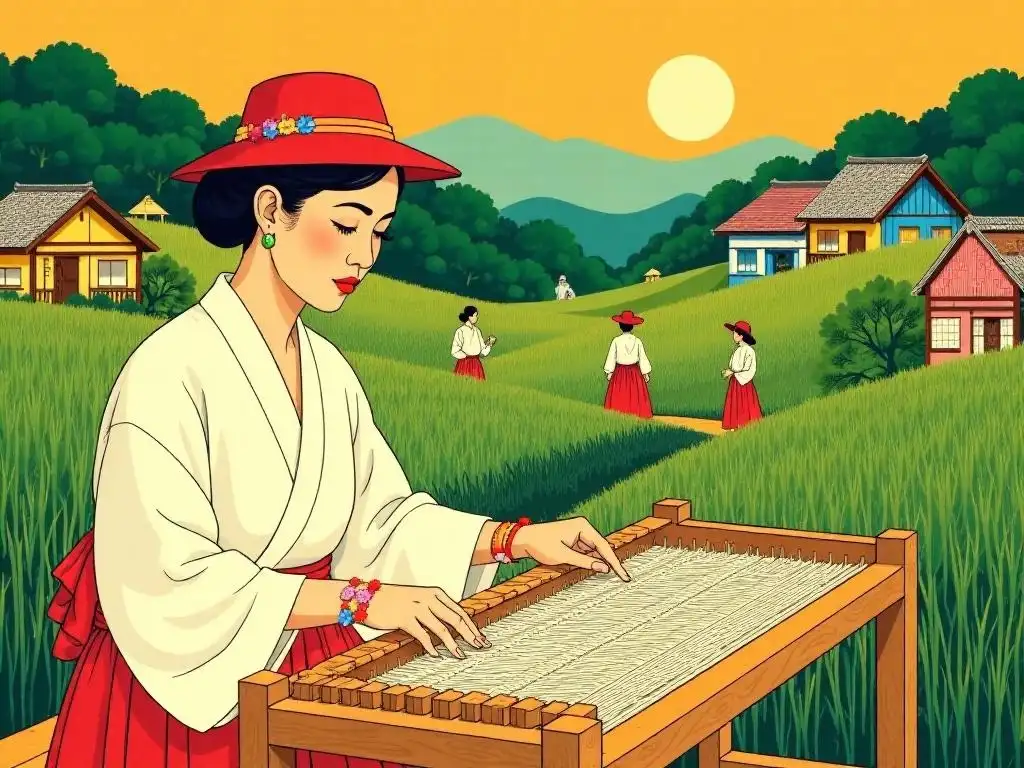
Welcome to Feudal Japan History, where we delve deep into the intriguing tapestry of Japan’s feudal era. In our featured article, “Gender Roles During Japan's Unification: The Silent Contributors,” we uncover the often-overlooked narratives of women and their vital contributions to a society dominated by warriors and samurai. How did these gender roles shape the political landscape of the time? Prepare to embark on a journey where history's whispers reveal the strength, resilience, and influence of silent contributors. Join us as we explore the layers of culture and society that defined an era!
- Introduction to Gender Roles in Feudal Japan
- Historical Context of Gender Roles in Feudal Japan
- The Impact of Gender Roles on Japan's Unification
- Key Figures Influencing Gender Roles During Unification
- Gender Roles and Their Evolution During the Unification
- Cultural Reflections of Gender Roles in Feudal Japan
- Conclusion: The Lasting Legacy of Gender Roles in Feudal Japan
- Further Reading on Gender Roles in Feudal Japan
- Frequently Asked Questions
- Final Reflection: Unveiling the Silent Contributors of Gender Roles in Feudal Japan
- Unveil the Hidden Voices of Japan's Unification!
Introduction to Gender Roles in Feudal Japan
In the tapestry of feudal Japan, gender roles played a pivotal yet often overlooked part in shaping the political, social, and cultural landscape of the time. The period of Japan's unification, which spanned from the late 16th century to the early 17th century, was marked by significant transformations that not only influenced samurai culture and warfare but also the very fabric of society, including the roles men and women played within it.
This article delves into the intricacies of gender roles during this critical era, highlighting the contributions of women and exploring how their influence extended beyond the confines of traditional expectations. By examining the silent yet impactful roles of women, we gain a deeper understanding of feudal Japan's societal dynamics and the foundational shifts that accompanied its unification.
Overview of Japan's Unification Period
The unification of Japan, primarily under the leadership of Oda Nobunaga, Toyotomi Hideyoshi, and Tokugawa Ieyasu, marked a turning point in the nation’s history. This period was characterized by intense warfare, political intrigue, and the gradual consolidation of power that led to the establishment of the Tokugawa shogunate in 1603. As regional daimyos battled for dominance, the structure of society began to evolve, impacting various facets of life, including the roles assigned to different genders.
- Key Events:
- The Battle of Okehazama (1560) showcased Oda Nobunaga's tactical prowess.
- The unification culminated with the Battle of Sekigahara (1600), which laid the groundwork for the Tokugawa shogunate.
- The Sengoku period (1467-1603), a time of social upheaval, was marked by constant military conflict and shifting allegiances.
Despite the intense focus on military and political strategies, the era also saw women assuming crucial responsibilities, whether in managing estates, supporting their families, or influencing political decisions behind the scenes. This convergence of roles highlights the complexity of gender dynamics during Japan's unification.
Importance of Gender Roles in Historical Context
Understanding gender roles in feudal Japan is essential for grasping the broader historical narrative of the period. While the samurai class is often romanticized, the contributions of women in various capacities were instrumental to the fabric of society.
- Roles of Women:
- Household Management: Women were often responsible for managing the household and finances, particularly in the absence of men who were away on military campaigns.
- Political Influence: Some women wielded significant influence as regents or advisors within their families, impacting decisions and alliances.
- Cultural Contributions: Women's roles in preserving and transmitting cultural practices, such as tea ceremonies and textile arts, were vital to the continuity of Japanese culture.
The interplay of these roles not only enriched the social structure of feudal Japan but also laid the groundwork for future gender dynamics in Japanese history. By examining these aspects, we can appreciate the silent yet powerful contributions of women during a time often dominated by male narratives, revealing a more nuanced understanding of gender roles in feudal Japan.
Historical Context of Gender Roles in Feudal Japan
Japan's feudal era, spanning from the late 12th century to the mid-19th century, was characterized by a rigid social hierarchy and distinct gender roles. The unification of Japan in the late 16th century under leaders such as Oda Nobunaga, Toyotomi Hideyoshi, and Tokugawa Ieyasu brought profound changes to these roles, particularly as the country transitioned from a period of constant warfare to relative peace.
During this time, the samurai class emerged as the ruling elite, and their values significantly influenced gender expectations. While the samurai were primarily warriors, the roles of women within this framework were equally essential yet often overlooked. Women contributed to the stability and success of feudal Japan, managing households, educating children, and supporting their husbands in both domestic and political arenas.
The prevailing Confucian ideals during the Tokugawa shogunate further entrenched these gender roles, promoting a patriarchal society where men were seen as the primary decision-makers. However, the historical narrative often marginalizes women's contributions, focusing instead on the male-dominated samurai class. Understanding the historical context of gender roles in feudal Japan requires a nuanced examination of these dynamics, recognizing the vital, albeit silent, contributions of women.
The Role of Women in Samurai Society
Women in samurai society played multifaceted roles that went beyond mere domestic responsibilities. While they were expected to manage the household and raise children, their contributions were vital in maintaining the family’s honor and status. Here are some key aspects of their roles:
- Household Management: Women were primarily responsible for the management of the household, which included budgeting, supervising servants, and ensuring the smooth operation of daily life. This role was crucial, especially during times when men were away at war.
- Education and Upbringing: Women were often tasked with the education of children, instilling values such as loyalty, honor, and discipline. They played a fundamental role in shaping the next generation of samurai.
- Political Alliances: Marriages among samurai families were frequently used to forge alliances. Women often acted as negotiators in these arrangements, thereby influencing political dynamics and family power structures.
- Support During Conflict: In times of conflict, women could take on more active roles, such as managing defenses or even participating in battles, although this was less common. Notable figures like Tomoe Gozen exemplify the warrior spirit of women in feudal Japan.
Men’s Responsibilities and Expectations
The responsibilities of men in feudal Japan were primarily centered around their roles as warriors and leaders. The samurai code of conduct, known as Bushido, emphasized ideals such as bravery, loyalty, and honor. Here are some of the key expectations placed on men:
- Warrior Ethos: Men were expected to train rigorously in martial skills and uphold the virtues of Bushido. Their prowess in battle was directly linked to their honor and the status of their families.
- Family Leadership: As heads of their households, men held the ultimate authority. They were responsible for providing for their families, which often included managing lands and resources.
- Political Engagement: Men participated actively in the political sphere, serving as leaders and governors. They often engaged in strategic alliances and battles, shaping the political landscape of the era.
- Social Status Maintenance: Maintaining and enhancing the family's social status was a significant responsibility. Men were expected to engage in actions that would elevate their family's honor, often through military achievements or political maneuvering.
The social hierarchy of feudal Japan was distinctly stratified, with a clear delineation of roles based on class and gender. This hierarchy impacted the dynamics between men and women significantly.
- The Samurai Class: At the top of the hierarchy were the samurai. Both men and women from this class had specific roles to play, but men's roles were often highlighted in historical narratives, overshadowing women's contributions.
- Peasant Roles: Below the samurai were the peasants, who formed the backbone of the economy. Women in peasant families also contributed significantly, engaging in agricultural work and managing domestic responsibilities.
- The Role of Class in Gender Dynamics: Gender roles were influenced by class status. While noble women held certain privileges, they were still constrained by societal expectations. In contrast, peasant women had more freedom in their labor roles but faced harsher living conditions.
- Cultural Perceptions: The perception of gender roles was heavily influenced by Confucian ideals that promoted male authority and female subservience. These cultural norms persisted, affecting the treatment of women across different classes throughout the feudal era.
Understanding gender roles in feudal Japan requires an appreciation of the historical context, the active roles women played within samurai society, the responsibilities of men, and the intricate social hierarchy that defined gender dynamics. The contributions of women, often labeled as silent, were essential to the fabric of Japanese society during this transformative period.
The Impact of Gender Roles on Japan's Unification
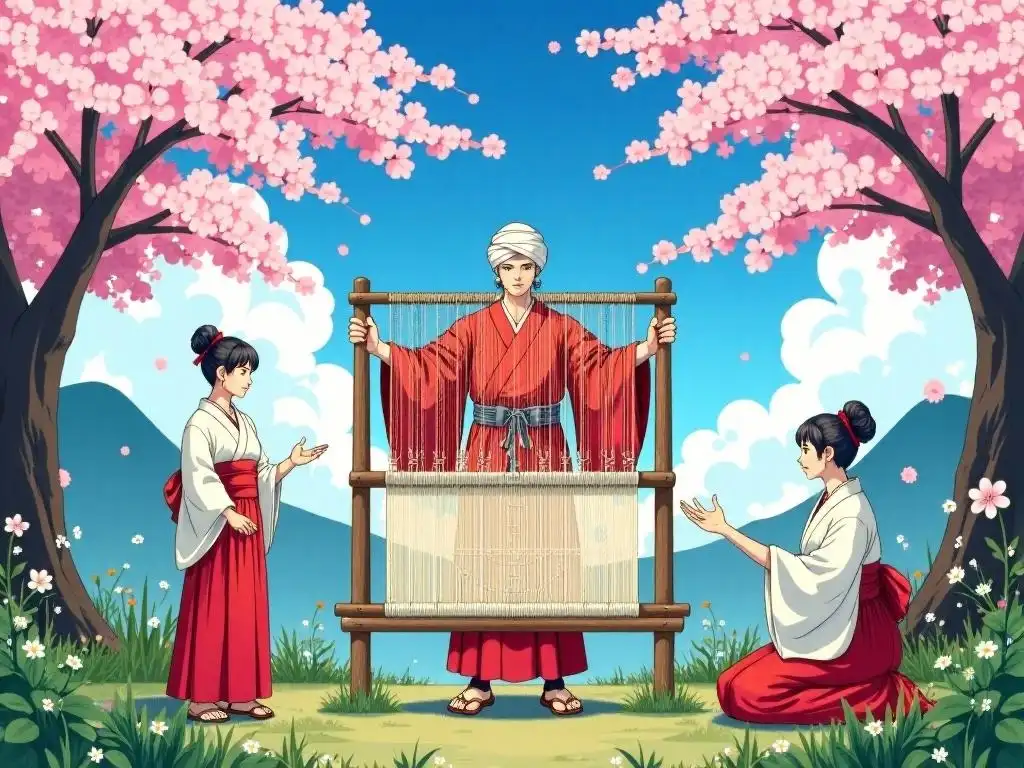
The unification of Japan during the late 16th century and early 17th century was not only a military and political phenomenon but also a complex intertwining of gender roles that influenced the socio-political landscape of the time. While men often took center stage in battles and governance, women played crucial roles behind the scenes, shaping alliances, preserving cultural traditions, and supporting their families. Understanding gender roles in feudal Japan during this period reveals the silent yet impactful contributions that women made and the way these roles were defined by the prevailing power structures.
Women as Silent Contributors to Political Alliances
Women in feudal Japan were frequently utilized as pawns in the larger game of political alliances. Marriages were often arranged to secure peace and foster relationships between powerful clans. For instance, the marriage of Oichi, the sister of the prominent warlord Oda Nobunaga, to Azai Nagamasa was a strategic alliance that initially helped Nobunaga strengthen his position in the region. This dynamic highlights how women were instrumental in forging alliances that facilitated the unification process.
- Roles in Marriages:
- Strategic Marriages: Women from noble families were married off to form alliances.
- Political Leverage: The political influence of a clan often hinged on the marriageability of its daughters.
Additionally, women were often responsible for managing the household and the clan's finances, which gave them a significant albeit indirect influence over political affairs. They could sway decisions through their relationships with powerful men, acting as confidantes or advisors.
Men as Military Leaders and Protectors
In stark contrast to the roles of women, men occupied the forefront of military power during Japan's unification. Samurai warriors were celebrated for their skills in battle and their loyalty to their lords, often participating in significant military campaigns that forged the path towards unification.
- Key Figures:
- Toyotomi Hideyoshi: A prominent military leader who played a vital role in unifying Japan after Oda Nobunaga's death.
- Tokugawa Ieyasu: The founder of the Tokugawa shogunate, who solidified control over Japan after the decisive Battle of Sekigahara in 1600.
Men were expected to embody the values of bushido, the way of the warrior, which emphasized honor, bravery, and loyalty. This cultural expectation not only defined their roles in warfare but also influenced their standing within the hierarchical structure of society.
The Interplay between Gender Roles and Power Structures
The gender roles during Japan's unification were deeply intertwined with the existing power structures. This interplay created a system where men and women, despite their differing societal positions, contributed to the overall stability and progress of the nation.
- Dualism of Roles:
- Men as Protectors: Engaged in warfare and governance, wielding physical power and authority.
- Women as Influencers: Utilizing social networks and familial ties to exert influence.
This dualism reveals how the contributions of both genders were essential for the unification process. For instance, while men fought on the battlefield, women often ensured the loyalty of their families and clans through social gatherings and cultural practices, thereby maintaining a stable home front that supported military endeavors.
The gender roles in feudal Japan during the unification era were not merely defined by traditional expectations but were dynamic and crucial to the political landscape. Women, often overlooked in historical narratives, were silent yet powerful contributors who played significant roles behind the scenes, while men acted as visible leaders in the tumultuous journey towards a unified Japan. Recognizing these roles allows for a more nuanced understanding of Japan's feudal history and the intricate web of social dynamics that shaped its course.
Key Figures Influencing Gender Roles During Unification
The unification of Japan during the late 16th century and early 17th century was not just a political upheaval but also a significant period that reshaped gender roles in feudal Japan. Various key figures emerged during this time, influencing societal norms and expectations of both men and women. Their actions, beliefs, and legacies challenge the traditional narratives that often overlook the contributions of women and the evolving perceptions of masculinity.
Prominent Women in Feudal Japan
Women in feudal Japan played crucial roles that were often overshadowed by their male counterparts. Notable figures such as Tomoe Gozen, a legendary female warrior, and Hojo Masako, the first shikken (regent) of the Kamakura shogunate, exemplify the diverse contributions of women in this era.
-
Tomoe Gozen:
Known for her exceptional skills in battle and loyalty to her lord Minamoto no Yoshinaka, Tomoe became a symbol of female strength. Her participation in the Genpei War (1180-1185) highlights how women could transcend traditional gender roles in times of conflict.
-
Hojo Masako:
As the wife of Minamoto no Yoritomo, Masako wielded significant political power, especially after her husband's death. She played a key role in establishing the Kamakura shogunate's governance and demonstrated that women could exercise authority in a patriarchal society.
In addition to these prominent figures, many women contributed to the socio-economic fabric of feudal Japan by managing family businesses, supporting agricultural production, and participating in cultural practices, such as the arts and tea ceremonies.
Influential Male Figures and Their Gender Perceptions
While women were silently contributing to the unification efforts, male figures also shaped gender roles through their actions and ideologies. Key leaders, such as Oda Nobunaga and Toyotomi Hideyoshi, had distinct views on male authority and gender dynamics.
-
Oda Nobunaga:
Nobunaga's military prowess and ruthless ambition redefined masculinity in Japan. He emphasized strength and strategy, but his relationships with women, such as his alliance with the powerful warrior Kato Kiyomasa, hinted at a more complex understanding of gender roles that allowed for female agency in specific contexts.
-
Toyotomi Hideyoshi:
Hideyoshi's rule marked a significant shift in gender perceptions, as he implemented policies that reinforced male dominance while simultaneously recognizing the essential roles women played in maintaining social order. His creation of the Sankin-kotai system, which required feudal lords to spend time in the capital, indirectly placed women in positions of influence within their households.
These leaders’ perceptions of masculinity and authority affected societal expectations, contributing to a complex interplay between gender roles during Japan's unification.
Case Studies of Gender Dynamics in Key Historical Events
Examining specific historical events provides insight into the intricate gender dynamics that characterized this era.
-
The Genpei War (1180-1185):
The conflict between the Taira and Minamoto clans not only reshaped Japan politically but also showcased women's roles in warfare. Women like Tomoe Gozen participated actively, challenging the conventional belief that warfare was solely a man's domain.
-
The Siege of Osaka (1614-1615):
During this pivotal conflict, the influence of women was evident in the defense strategies employed by the Toyotomi clan. Women managed supply lines and provided moral support to the samurai, emphasizing their indispensable roles despite societal constraints.
-
The Edo Period (1603-1868):
Although this period followed the unification, the effects of earlier gender dynamics continued to resonate. The rise of merchant classes allowed women to engage in commerce, leading to a gradual shift in societal perceptions of gender roles as women became more visible in public spheres.
The unification of Japan was not merely a male-dominated narrative; rather, it was a complex tapestry woven with the contributions of both genders. Understanding these key figures and events provides a more nuanced view of gender roles in feudal Japan, revealing the silent yet powerful influences that shaped the society of the time.
Gender Roles and Their Evolution During the Unification
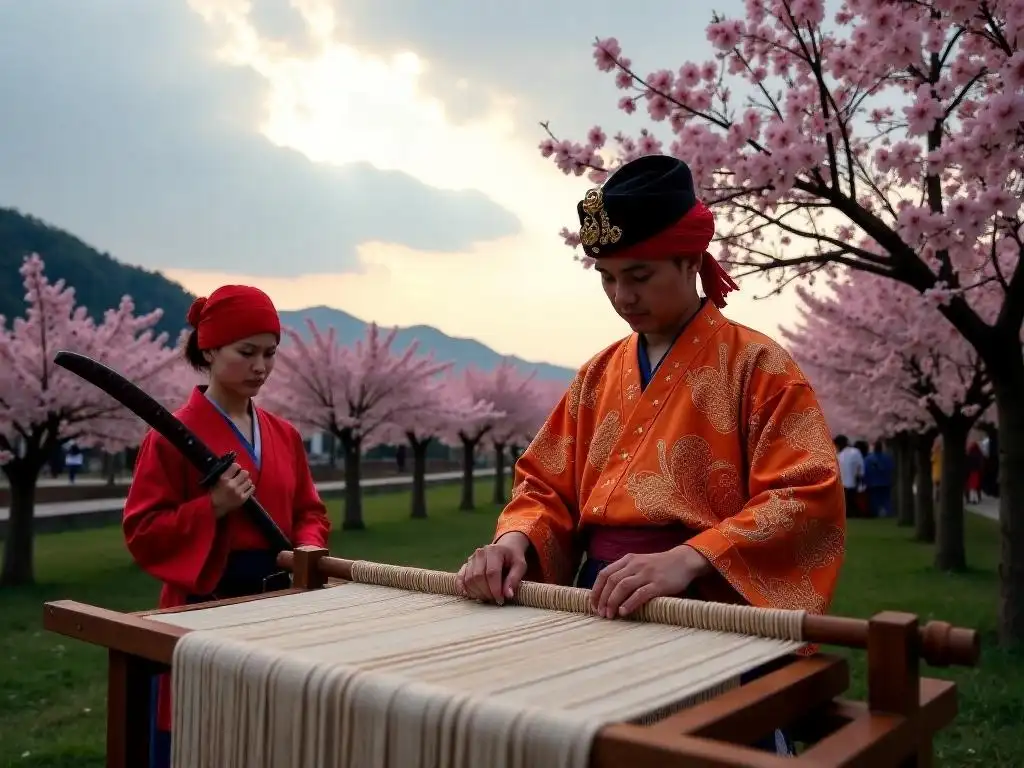
The period of Japan's unification, spanning from the late 15th century to the early 17th century, marked a significant transformation in the societal framework, particularly in terms of gender roles. The complexities of feudal Japan were interwoven with the ideologies and practices surrounding masculinity and femininity. As the political landscape shifted, so too did the expectations and functions of men and women within society, leading to a dynamic evolution of gender roles.
Changes in Women’s Status Through the Unification Process
During the unification process, women's roles were predominantly defined by their relationships with male figures, yet there were notable shifts in their status and agency.
- Marriage and Family Dynamics: As clans consolidated power, marriages became strategic tools for political alliances. Women, particularly from noble families, were often married off to strengthen ties between clans. This practice, known as omiai, while restrictive, provided women with some political significance.
- Economic Contributions: Women played crucial roles in the agricultural sector. They were responsible for managing households and participating in farming, which was vital for sustenance during the turbulent times of unification. This economic contribution often went unrecognized but was foundational to community resilience.
- Cultural Influence: The rise of the samurai class and the subsequent emphasis on bushido (the way of the warrior) led to an idealization of male virtue, yet women maintained influence through cultural domains. Notably, women were patrons of art and literature, contributing to the preservation and evolution of Japanese culture through poetry and textile arts.
Despite the overarching male dominance, these roles illustrated a nuanced position for women, who were not merely passive participants but active contributors to the socio-economic fabric of their communities.
The unification era also saw significant shifts in male authority, particularly among the samurai class.
- Emergence of the Samurai: The samurai's rise to power redefined male roles, intertwining military prowess with governance. This era placed a heavy emphasis on loyalty, honor, and martial skill, which became the hallmarks of male identity.
- Feudal Hierarchies: With the establishment of the Tokugawa shogunate, the feudal system became rigidly structured. Lords (daimyō) wielded significant power over vassals, reinforcing male dominance within the socio-political hierarchy. This created a clear delineation of roles, where men were seen as protectors and providers, while women were often relegated to domestic spheres.
- Legal and Social Restrictions: The legal framework of feudal Japan further entrenched male authority. Women had limited rights regarding property ownership and were often dependent on male guardians. The Confucian ideals that permeated society during this time emphasized patriarchal values, positioning men as the head of the household and decision-makers.
These dynamics not only reinforced male dominance but also set the stage for the later challenges to these roles as Japan moved into modernization.
The evolving gender roles during Japan's unification were not merely a reflection of societal norms; they were catalysts for broader social change.
- Women as Agents of Change: With the increasing involvement of women in economic activities, their contributions began to challenge the traditional views of femininity. Women’s roles in agriculture and textile production were essential for ensuring the sustenance of families and communities, thus laying the groundwork for later movements advocating for women's rights.
- Cultural Shifts: The literary contributions of women during this time, particularly in genres like nikki (diaries) and uta (poetry), helped shift societal perceptions of gender roles. These works often highlighted the inner lives and thoughts of women, encouraging a re-examination of their place in society.
- Impact on Future Generations: The experiences of women during the unification period influenced subsequent generations. As Japan transitioned towards modernization in the late 19th century, the foundations laid by women during the feudal era would enable them to seek greater rights and recognition in the face of changing societal structures.
The intricate web of gender roles during the unification of Japan reveals a complex interplay of power, culture, and economics. While male dominance was prevalent, women contributed significantly to the socio-economic landscape, paving the way for future transformations in Japanese society.
Cultural Reflections of Gender Roles in Feudal Japan

The cultural landscape of feudal Japan was intricately woven with the threads of gender roles, reflecting societal norms and expectations that defined the lives of men and women. These roles were not merely a reflection of the social hierarchy but also a powerful influence on literature, art, and religion, shaping the identities and contributions of both genders during Japan's unification period. Understanding these cultural reflections provides deep insights into how gender roles in feudal Japan were constructed and perceived.
Literature and Gender: Depictions of Men and Women
Literature during the feudal era served as a mirror to the prevailing gender roles, often portraying men as warriors and women as dutiful supporters within the household. The prominent literary works of the time, including The Tale of Genji by Murasaki Shikibu, illustrated the complexities of court life and the roles of women, emphasizing their emotional depth and influence despite their subservient status.
- Male Characters: They were typically depicted as samurai or noble figures, embodying valor, strength, and leadership. These characters often engaged in battles or political maneuvering, portraying a world where male honor and duty were paramount.
- Female Characters: In contrast, women were often relegated to roles that highlighted their beauty and grace, serving as symbols of virtue and loyalty. Although they had significant influence in familial matters, their public roles were limited, often depicted as passive recipients of the men's actions.
This literary dichotomy not only reinforced existing gender norms but also opened avenues for subtle critiques of the societal structure, as women writers began to challenge traditional narratives through their works.
Art and Gender Representation During the Era
Art in feudal Japan further encapsulated the gender roles of the time, reflecting societal attitudes toward masculinity and femininity. Paintings, woodblock prints, and sculptures often illustrated the idealized forms of both genders, each serving distinct purposes in society.
- Samurai and Heroic Imagery: Male figures were frequently immortalized in art as warriors, portrayed in dynamic poses, often adorned with armor. Such representations were not just artistic expressions but served as propaganda, reinforcing the samurai's role as the protector of the realm.
- Idealized Femininity: Women, on the other hand, were frequently depicted in serene settings, engaging in domestic activities such as weaving or caring for children. The graceful and delicate portrayals reflected societal ideals of femininity, emphasizing qualities like nurturing, patience, and obedience.
Artistic representations thus solidified gender roles while providing a visual narrative of the societal expectations placed upon men and women during this transformative period in Japan's history.
Religion’s Influence on Gender Roles
Religion played a crucial role in shaping gender roles in feudal Japan, intertwining spiritual beliefs with everyday life. The influence of Shinto and Buddhism permeated societal norms, reinforcing the notion of male dominance while offering women limited avenues for influence.
- Shinto Beliefs: In Shinto, the indigenous spirituality of Japan, male deities often overshadowed female deities, which contributed to a patriarchal structure in society. However, goddesses like Amaterasu, the sun goddess, showcased the potential for female power, yet these instances were rare and often symbolic rather than reflective of women's actual societal roles.
- Buddhism's Duality: Buddhism introduced a complex duality regarding gender roles. While the faith itself preached equality in spiritual matters, the institutional practices often marginalized women, relegating them to secondary roles within religious communities. However, some women found empowerment through religious practices, particularly in the context of temple life, where they could engage in education and community leadership.
The interplay between religion and gender roles in feudal Japan highlights the complexities of women's contributions, often overshadowed yet integral to the cultural and spiritual fabric of the era.
Through these cultural reflections, it becomes evident that the gender roles in feudal Japan were multifaceted, providing a deeper understanding of the silent contributors to Japan's unification. The interplay of literature, art, and religion not only defined the roles of men and women but also set the stage for future discussions on gender dynamics in Japanese history.
Conclusion: The Lasting Legacy of Gender Roles in Feudal Japan
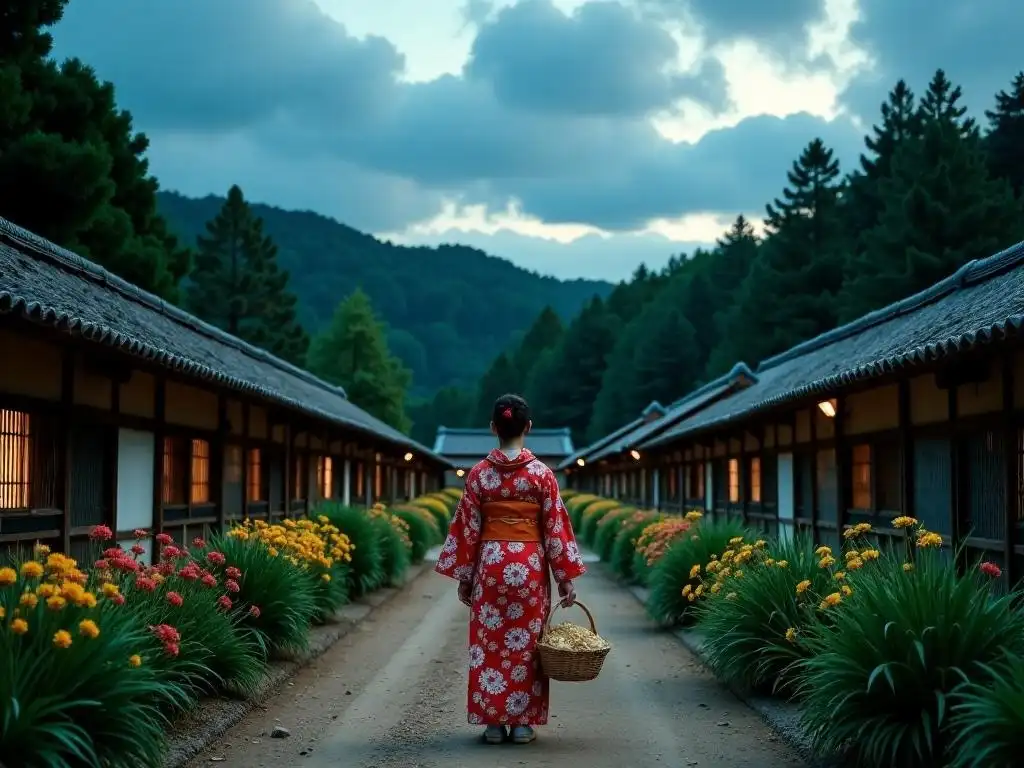
Summary of Gender Roles' Contributions to Unification
The gender roles in feudal Japan were pivotal in shaping the socio-political landscape during the unification period. Women played multifaceted roles that extended beyond conventional domestic boundaries. While men were often seen as the primary warriors and political leaders, women contributed significantly to the fabric of society through various means:
- Political Influence: Women from powerful clans often acted as political negotiators or mediators, leveraging their familial connections to influence decisions. For example, figures like Hojo Masako, a notable female leader, wielded substantial power in the Kamakura shogunate.
- Economic Stability: Women managed households and agricultural production, ensuring the economic backbone of their communities. Their involvement in trade and commerce was crucial during a time of transition, helping to sustain the local economies that supported military and political activities.
- Cultural Preservation: Women's roles in preserving cultural practices and passing down traditions were essential during a time of upheaval. They were often responsible for educating children and maintaining the cultural identity of their clans, ensuring continuity amidst the changes.
The contributions of women, though often overlooked in historical narratives, were integral to the unification of Japan, challenging the perception of a solely male-dominated historical framework.
Reflection on the Historical Significance of Gender Dynamics
The dynamics of gender roles during Japan's unification reveal significant insights into the historical narrative of the era. The active participation of women in political, economic, and cultural spheres challenges the traditional understanding of feudal Japan as a strictly patriarchal society.
- Challenging Norms: The presence of influential women in the political arena illustrates that gender roles were not rigid but rather adaptable. Women like Empress Jingu and other noblewomen played critical roles in state affairs and military strategies, indicating a complex interdependence between genders.
- Social Structure: Understanding these gender dynamics provides a clearer picture of the social structure of feudal Japan. The collaborative efforts between men and women contributed to societal cohesion, which was essential for the political stability that allowed unification to take place.
- Documentation and Narrative: The historical records often favored male perspectives, leading to a skewed understanding of gender roles. Recent scholarship is shifting this narrative, emphasizing the need for a more nuanced approach that acknowledges women's contributions to political history.
The significance of these gender dynamics extends beyond their immediate historical context, inviting a re-examination of the roles women played in shaping Japan's trajectory.
Future Implications for Understanding Japan's Political History
The examination of gender roles in feudal Japan has profound implications for contemporary understandings of political history. Recognizing the contributions of women during the unification period encourages a broader perspective on historical analysis and interpretation.
- Holistic Historical Narratives: Future scholarship should strive for inclusivity by integrating women's experiences and contributions into the broader historical narrative. This approach not only enriches our understanding of the past but also highlights the interconnectedness of gender and power.
- Influence on Modern Politics: The legacy of women's roles in feudal Japan can inform current discussions about gender and politics in Japan. As contemporary society continues to grapple with gender inequality, understanding the historical context can provide valuable lessons on the importance of inclusivity and representation.
- Implications for Cultural Memory: The recognition of women's roles in shaping Japan's political history influences cultural memory. It fosters a more comprehensive understanding of identity and heritage, emphasizing the importance of both men and women in the development of societal structures.
The exploration of gender roles in feudal Japan not only enhances our understanding of the past but also serves as a relevant lens through which to examine contemporary political dynamics. The silent contributors of Japan's unification remind us that history is often more complex and inclusive than it may initially appear.
Further Reading on Gender Roles in Feudal Japan
Suggested Books and Articles
-
"Women and the Japanese Garden" by N. L. D. K.
This book examines the role of women in the creation and maintenance of Japan’s iconic gardens, reflecting broader gender roles within the feudal society. It highlights how these roles evolved alongside Japan’s unification process.
-
"The Tale of Genji" by Murasaki Shikibu
Often considered the world's first novel, this classic work offers insights into the court life during the Heian period, where gender roles began to crystallize. While it predates the feudal era, it lays the groundwork for understanding the societal expectations of women.
-
"Women in Early Modern Japan" by K. S. K.
This scholarly article explores the transition of women’s roles from the Heian aristocracy to the more defined roles during the Sengoku period, providing a detailed analysis of how feudalization impacted gender dynamics.
-
"Samurai Women: The Role of Women in Early Japanese Military History" by T. H. D.
This article delves into the active participation of women in the samurai class, challenging traditional perceptions of women as passive figures in feudal Japan. It highlights notable women who influenced military and political arenas.
-
"Gender in Japanese History" by J. S. T.
This comprehensive overview of gender roles throughout Japanese history, including the feudal period, discusses how social class and gender intersected, shaping the roles and expectations of both men and women.
Recommended Documentaries and Resources
-
"The Samurai Chronicles" (Documentary Series)
This documentary series provides an in-depth look at the lives of samurai, including the often-overlooked roles of women in their households and society. It features expert interviews and historical reenactments that bring to life the gender roles during the unification of Japan.
-
"Women of the Samurai" (Documentary)
This film focuses on the lives of women in samurai families, highlighting their contributions and influences in a male-dominated society. It offers personal stories and expert commentary, showcasing the often-silent contributions of women during this era.
-
Japan’s Historical Archives Online
These digital archives contain a wealth of primary sources, including letters, diaries, and legal documents, which reflect the everyday lives and roles of women during the feudal period. Researchers can explore various aspects of gender roles by examining these artifacts.
-
"Voices of the Past: Women in Feudal Japan" (Podcast Series)
This podcast series features discussions with historians and experts on the intricate roles of women in feudal Japan, providing listeners with a nuanced understanding of gender dynamics during the unification period.
-
Local Museum Exhibits
Many museums in Japan, such as the Edo-Tokyo Museum and the National Museum of Japanese History, regularly host exhibitions focusing on the gender roles in feudal Japan. Attending these exhibits can provide a more tangible connection to the historical context.
By exploring these resources, readers can gain a deeper understanding of the complexities surrounding gender roles in feudal Japan and the significant yet often overlooked contributions of women during this transformative period in Japanese history.
Frequently Asked Questions
What were the gender roles in feudal Japan?
In feudal Japan, gender roles were sharply defined, with men typically holding positions of power and authority, while women were often relegated to domestic responsibilities and familial duties.
How did women contribute to society during this era?
Despite limited rights, women played crucial roles in maintaining households, managing finances, and sometimes participating in agricultural activities, showcasing their significant contributions to the economy.
Were there any notable female figures in feudal Japan?
Yes, women like Tomoe Gozen and Hojo Masako emerged as influential figures, demonstrating that some women could attain power and recognition in a male-dominated society.
The expectations and opportunities for both genders varied greatly by social class, with noble women often enjoying more influence than their peasant counterparts, who faced more stringent limitations.
Did gender roles change during Japan's unification?
Yes, the process of unification led to shifts in gender dynamics, as the need for collaboration in warfare and governance began to alter traditional roles, allowing for more active participation by women in some areas.
Final Reflection: Unveiling the Silent Contributors of Gender Roles in Feudal Japan
The exploration of gender roles in feudal Japan reveals a complex tapestry of societal expectations and contributions that have often been overlooked. Today, as we grapple with evolving gender dynamics and strive for equality, understanding the historical context of these roles becomes increasingly relevant. The silent contributors of the past, particularly women who played pivotal roles in shaping society despite their marginalization, remind us that history is not solely defined by the loudest voices but also by those who quietly influenced change.
The impact of gender roles during Japan's unification continues to resonate in our cultural and social landscapes. The stories of women who navigated the constraints of their time, whether as caretakers, artisans, or strategists, highlight the essential yet often unrecognized roles they played. Their resilience and ingenuity serve as a testament to the strength of the human spirit. As historian Joan Wallach Scott aptly noted, Gender is a primary way of signifying relationships of power.
This observation underscores the ongoing struggle for recognition and equality, as we continue to confront the remnants of these historical gender roles in contemporary society.
As we reflect on the lessons from Japan's feudal era, I invite you to consider how these insights can inform our understanding of gender today. What can we learn from the silent contributors of the past to empower voices in the present? Let us honor their legacy by actively challenging stereotypes and advocating for equality in our own lives. By recognizing and amplifying the contributions of all individuals, regardless of gender, we can forge a more inclusive future that values every voice in the ongoing narrative of humanity.
Thank you for diving into the intricate world of gender roles during Japan's unification! Your interest in these silent contributors helps us appreciate the powerful yet often overlooked narratives of history. Now that you've gained insights into this fascinating topic, it's time to take action and continue exploring!
- Explore further by researching influential women from this period and their roles in shaping society.
- Share your newfound knowledge with friends or on social media, sparking conversations about the history of gender in Japan.
- Consider visiting a local museum or historical site that showcases Japan's feudal era to experience these stories brought to life.
What aspect of Japan's unification do you think had the most significant impact on gender roles? We would love to hear your thoughts!