
Festivals of Knowledge: How Celebrations Influenced Learning in Feudal Society

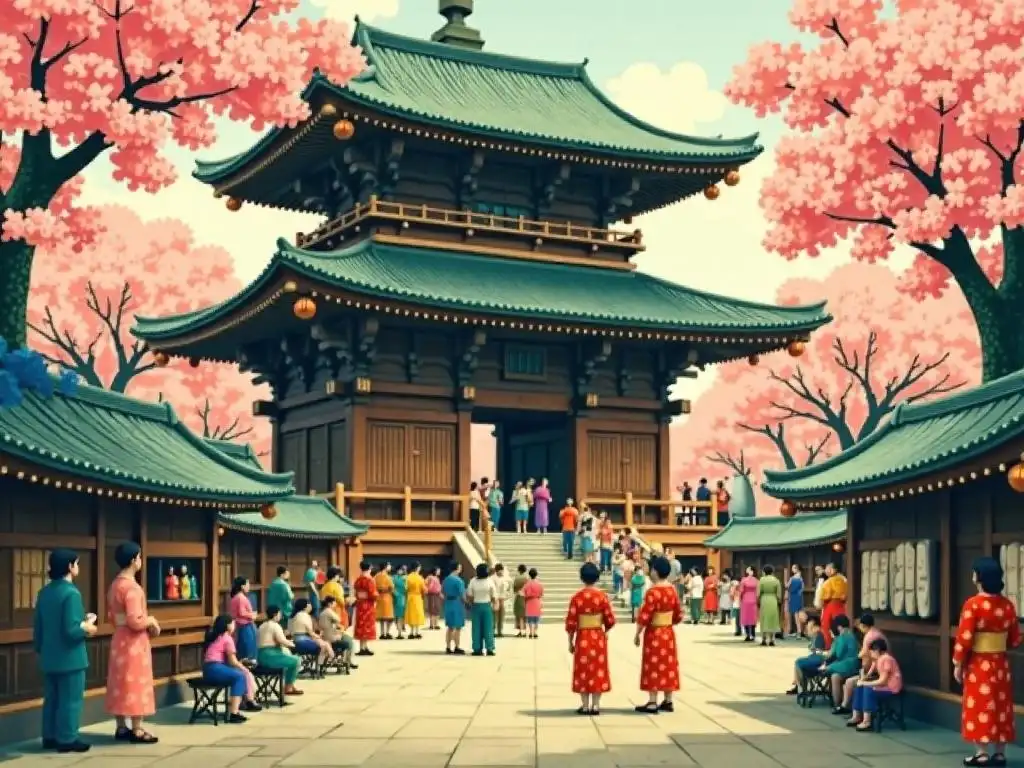
Welcome to Feudal Japan History, where we invite you to embark on a fascinating journey through the intricate tapestry of Japan's feudal era. In our featured article, "Festivals of Knowledge: How Celebrations Influenced Learning in Feudal Society," we delve into the vibrant festivals that not only brought communities together but also played a pivotal role in shaping education and cultural exchange. Discover how these jubilant celebrations served as a backdrop for learning, sparking curiosity and igniting the minds of future generations.
Join us as we unravel the connections between festivity and knowledge, and explore how these historical events continue to resonate in today's society. Your adventure into the past begins here—dare to continue?
Introduction to Feudal Japan Festivals and Education
In the rich tapestry of feudal Japan, festivals served as vibrant expressions of community, culture, and spirituality, deeply intertwined with the educational practices of the time. These celebrations were not merely occasions for revelry; they played a crucial role in shaping the learning experiences of individuals within this hierarchical society.
As we delve into the intricate relationship between festivals and education during feudal Japan, we will uncover how these events fostered a culture of knowledge-sharing, reinforced social structures, and promoted communal learning. By examining the significance of festivals, their cultural implications, and the ways in which they influenced educational practices, we can gain a deeper understanding of the educational landscape in feudal Japan.
Feudal Japan was characterized by a complex social hierarchy that influenced various aspects of daily life, including education and cultural practices. At the apex of this structure was the emperor, followed by the shogun, daimyos (feudal lords), samurai, and the lower classes, including peasants and artisans. This stratified society dictated not only the roles and responsibilities of its members but also the accessibility of education.
- Social Hierarchy:
- Emperor: The symbolic figurehead of Japan.
- Shogun: The military ruler with real power.
- Daimyos: Regional lords who governed their territories.
- Samurai: Warrior class educated in martial and philosophical arts.
- Peasants and Artisans: The backbone of the economy, with limited access to formal education.
This rigid social framework meant that education was often reserved for the elite, particularly the samurai class, who were expected to be learned in various disciplines, including literature, philosophy, and the martial arts. However, festivals provided a unique opportunity for all social classes to engage in learning, fostering community ties and collective knowledge.
Significance of Festivals in Feudal Japan
Festivals in feudal Japan were significant not just for their cultural and religious implications but also for their role in community cohesion and the transmission of knowledge. These events were often tied to agricultural cycles, religious observances, or historical commemorations, and they provided a platform for various forms of learning.
- Cultural Importance:
- Festivals celebrated seasonal changes and agricultural abundance.
- They served as a means to honor deities and ancestors, reinforcing cultural identity.
- Educational Role:
- Festivals featured performances, storytelling, and rituals that conveyed historical narratives.
- They served as informal educational settings where traditions, skills, and knowledge were passed down through generations.
By participating in these vibrant celebrations, individuals learned not only about their cultural heritage but also about the values and skills necessary for their social roles.
Relationship Between Celebrations and Learning
The relationship between celebrations and learning in feudal Japan is evident in the various ways festivals facilitated knowledge transmission. The communal nature of these events allowed for the exchange of ideas, practices, and traditions across different social strata.
- Intergenerational Learning:
- Festivals acted as gatherings where older generations imparted wisdom to the youth.
- Storytelling, music, and dance were crucial in teaching moral lessons and cultural values.
- Skill Acquisition:
- Crafts and artisanal skills were often demonstrated during festivals, allowing participants to learn through observation and practice.
- Martial arts displays during certain celebrations offered practical education in combat techniques.
Through these interactions, the festivals became a vital aspect of the educational ecosystem, fostering a sense of identity and continuity within the community.
The Role of Festivals in Education During Feudal Japan
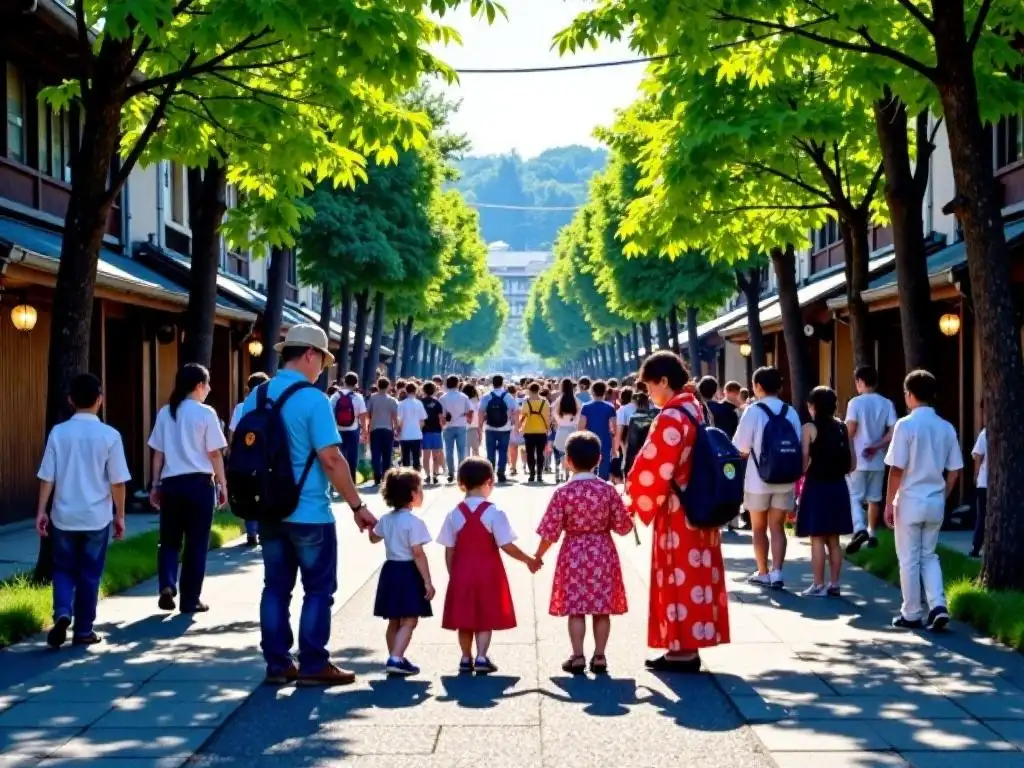
As we explore the role of festivals in education during feudal Japan, it becomes apparent that these events were instrumental in shaping cognitive, social, and cultural learning experiences. The significance of educational festivals cannot be overstated, as they provided a unique blend of entertainment and education.
Cultural Significance of Educational Festivals
Educational festivals in feudal Japan were not just celebrations; they were integral to cultural preservation and identity. These events often included rituals and activities designed to enhance learning and reinforce cultural values.
- Preservation of Tradition:
- Festivals were occasions to celebrate traditional arts, crafts, and performances.
- They offered a space for the community to come together and reaffirm their cultural heritage.
- Highlighting Intellectual Pursuits:
- Certain festivals featured scholarly debates, poetry recitals, and philosophical discussions.
- These gatherings encouraged intellectual engagement among participants, promoting a culture of learning.
Festivals as Platforms for Knowledge Sharing
Festivals served as dynamic platforms for knowledge sharing, where individuals could learn from one another and exchange ideas. The communal aspect of these celebrations often led to collaborative learning experiences.
- Networking Opportunities:
- Attendees could connect with scholars, artisans, and other knowledgeable individuals.
- This networking facilitated the exchange of skills, techniques, and philosophies.
- Demonstrations and Workshops:
- Many festivals included workshops and demonstrations that taught practical skills.
- Participants could learn by doing, which reinforced knowledge retention.
This collaborative learning environment was crucial in shaping the educational landscape of feudal Japan, allowing for a more holistic approach to knowledge acquisition.
Influence of Religious Festivals on Learning
Religious festivals played a significant role in shaping educational practices in feudal Japan. These events often combined religious observance with opportunities for learning, emphasizing the importance of spirituality in the educational process.
- Spiritual Education:
- Religious festivals provided moral and ethical teachings through stories and rituals.
- Participants learned about their faith and cultural values, fostering a sense of community.
- Integration of Arts and Learning:
- Many religious festivals featured artistic performances that conveyed spiritual teachings.
- This integration of arts and education enriched the overall learning experience, making it memorable and impactful.
Through the lens of religious festivals, we can see how spirituality and education were interwoven in feudal Japanese society, highlighting the multifaceted nature of learning during this period.
Types of Festivals in Feudal Japan and Their Educational Impact
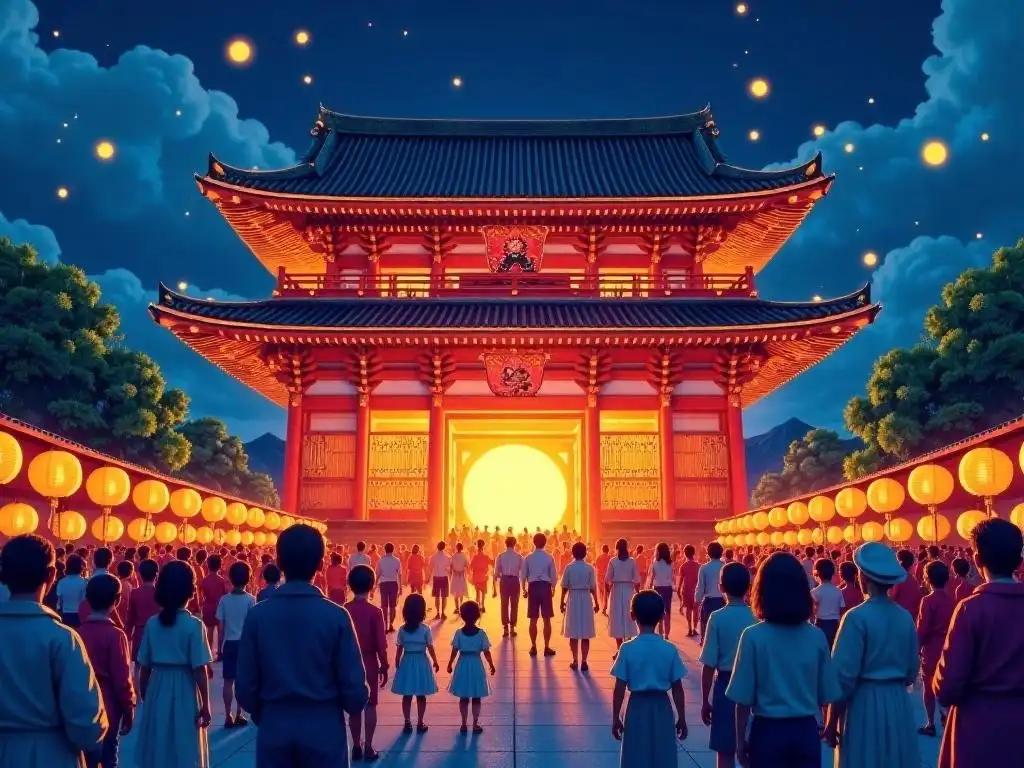
In feudal Japan, festivals were not only occasions for celebration but also crucial avenues for education and knowledge dissemination. These events served various purposes, from agricultural rituals to spiritual observances, each contributing uniquely to the learning landscape of the time. The interplay between cultural festivities and educational practices fostered a community-driven environment where knowledge was shared, skills were honed, and values were instilled. The festivals can be broadly categorized into three main types, each with distinct educational impacts that shaped the society's understanding of the world around them.
Agricultural Festivals and Practical Knowledge
Agricultural festivals were pivotal in feudal Japan, marking the seasons and celebrating the harvest. Events such as the Niiname-sai, where the emperor offered the first rice harvest to the deities, underscored the importance of rice cultivation to Japanese society. These festivals provided practical education in agriculture, teaching attendees essential farming techniques, seasonal cycles, and the significance of sustainable practices.
During these celebrations, farmers would gather to share their expertise in crop rotation, soil management, and pest control, passing down knowledge through generations. Additionally, local communities often organized workshops and demonstrations to showcase new agricultural tools and methods. This practical knowledge exchange not only facilitated agricultural productivity but also reinforced the communal ties essential for feudal society.
Religious Festivals and Philosophical Education
Religious festivals in feudal Japan, such as Setsubun and Higan, played a vital role in imparting philosophical and ethical teachings. These occasions were steeped in spiritual significance, promoting reflection on human existence, morality, and the relationship between people and the divine. Temples and shrines became centers of learning during these festivals, where monks and priests would engage participants in discussions about Buddhist and Shinto philosophies.
Through rituals, prayers, and storytelling, these festivals provided a framework for understanding complex concepts such as karma, impermanence, and the cycle of life. Attendees were encouraged to contemplate their actions and their impact on the community, fostering a sense of responsibility and ethical behavior. This philosophical education had a lasting effect, shaping the moral fabric of feudal society.
Art and Performing Arts Festivals
Art and performing arts festivals, such as the Gion Matsuri in Kyoto, highlighted the cultural richness of feudal Japan and served as an educational platform for artistic expression. These festivals showcased traditional music, dance, theater, and crafts, allowing artisans to demonstrate their skills and share their knowledge with the community.
The interaction between performers and the audience created an immersive learning experience. People were not only spectators but also participants in the art-making process. Workshops and collaborative performances encouraged individuals to explore their creativity, learn new techniques, and appreciate the aesthetic values inherent in their culture. This exchange of artistic knowledge contributed to the preservation and evolution of Japanese arts, ensuring that these traditions continued to thrive throughout the feudal era.
Case Studies of Notable Festivals and Their Educational Outcomes
The festivals of feudal Japan offer rich case studies that exemplify the relationship between celebration and education. Each notable festival provided unique opportunities for learning, reflecting the values and priorities of the society at that time.
The Tanabata Festival: Celebrating Learning and Creativity
The Tanabata Festival, celebrated on the seventh day of the seventh month, is rooted in the legend of two celestial lovers, Orihime and Hikoboshi. This festival emphasizes themes of creativity, aspirations, and education. Participants write their wishes on colorful strips of paper (tanzaku) and hang them on bamboo branches, symbolizing the hope for learning and success.
Schools often organized Tanabata celebrations, encouraging students to express their aspirations and share their educational goals. This festival fostered a culture of learning, where the community collectively envisioned a brighter future through education. The emphasis on creativity during Tanabata inspired many artistic endeavors, promoting the development of literature, poetry, and crafts among the youth.
The Obon Festival: Honoring Ancestors and Historical Knowledge
The Obon Festival is a time for honoring deceased ancestors, and it is deeply rooted in the belief that the spirits return to guide their living descendants. This festival serves as a poignant reminder of the importance of history and familial connections in feudal society.
Through rituals, storytelling, and shared memories, the Obon Festival became a living history lesson. Families would recount the achievements and sacrifices of their ancestors, instilling a sense of pride and identity in younger generations. Educational activities, such as traditional dances (Bon Odori), often incorporated historical narratives, allowing participants to learn about their lineage while participating in the celebration. This blend of reverence for the past and community engagement fostered a deep appreciation for history and heritage.
The New Year Celebrations: A Time for Reflection and Learning
New Year celebrations in feudal Japan, notably Shogatsu, marked a significant transition and offered a unique opportunity for reflection and learning. Families would engage in various traditions, such as preparing special foods, visiting shrines, and writing New Year’s resolutions (nengajo).
This period was not only festive but also educational, as it prompted individuals to reflect on the past year’s experiences and set goals for the future. Schools often held events that emphasized moral values, community service, and personal development, encouraging students to think critically about their roles in society. The New Year celebrations emphasized the cyclical nature of time and the importance of continuous learning and growth, reinforcing the notion that education is a lifelong journey.
The Legacy of Feudal Japan Festivals on Modern Education
The festivals of feudal Japan were not merely occasions for entertainment; they played a crucial role in shaping the educational landscape of the time. These gatherings served as platforms for sharing knowledge, cultural values, and community bonding, which laid the groundwork for modern educational practices in Japan. The interplay between celebration and learning created an environment where knowledge was disseminated through rituals, storytelling, and communal participation. This legacy continues to influence contemporary educational systems, reflecting the importance of cultural heritage in shaping learning experiences.
The festivals fostered a sense of unity and identity, promoting the idea that education is a communal endeavor. The lessons learned during these celebrations—ranging from moral teachings to practical skills—were often integrated into community life, emphasizing the role of experiential learning. As a result, modern education in Japan retains elements of this communal spirit, with an emphasis on collaboration and shared experiences among students.
Influence on Contemporary Japanese Educational Practices
In contemporary Japan, the influence of feudal festivals can be observed in various educational practices. Schools often celebrate traditional festivals, integrating them into the curriculum to enhance students' understanding of their cultural heritage. These celebrations not only serve to educate children about historical events and practices but also instill a sense of pride and identity. For instance, schools might organize events that replicate the activities of feudal festivals, allowing students to engage with history actively.
Moreover, many educational institutions incorporate traditional arts, crafts, and performances into their programs, reflecting the artistic and cultural dimensions of the festivals. This application of historical practices in modern education fosters creativity and critical thinking, as students explore their cultural roots while developing new skills. By blending tradition with innovation, contemporary Japanese education continues to honor the legacy of feudal festivals.
Preservation of Cultural Heritage Through Festivals
Festivals have played an essential role in preserving Japan's cultural heritage, acting as a bridge between the past and present. Feudal festivals often included rituals, performances, and communal activities that conveyed historical narratives and cultural values. Today, these elements are vital in educational contexts, where they help students connect with their ancestry and understand the significance of cultural traditions.
By participating in or observing these festivals, students gain insights into historical practices and learn about the values that shaped their society. This cultural preservation is crucial for maintaining a sense of continuity and belonging within a rapidly changing world. Educational programs that emphasize the importance of festivals as cultural touchstones encourage students to appreciate and engage with their heritage, fostering respect for tradition in an increasingly globalized society.
Educational Programs Inspired by Historical Celebrations
Numerous educational programs in Japan draw inspiration from historical celebrations, aiming to immerse students in their cultural history. These programs often include workshops, exhibitions, and interactive activities that reflect the themes and practices of feudal festivals. For example, students might participate in traditional craft-making sessions, learning techniques passed down through generations, or engage in storytelling sessions that recount historical events.
Furthermore, schools may collaborate with local communities to organize festivals that highlight regional traditions. Such initiatives not only provide hands-on learning experiences but also strengthen community ties and promote cultural exchange. By linking education with the celebration of historical events, these programs help students develop a deeper understanding of their cultural identity while cultivating a sense of responsibility toward preserving their heritage.
Challenges and Changes in Educational Festivals
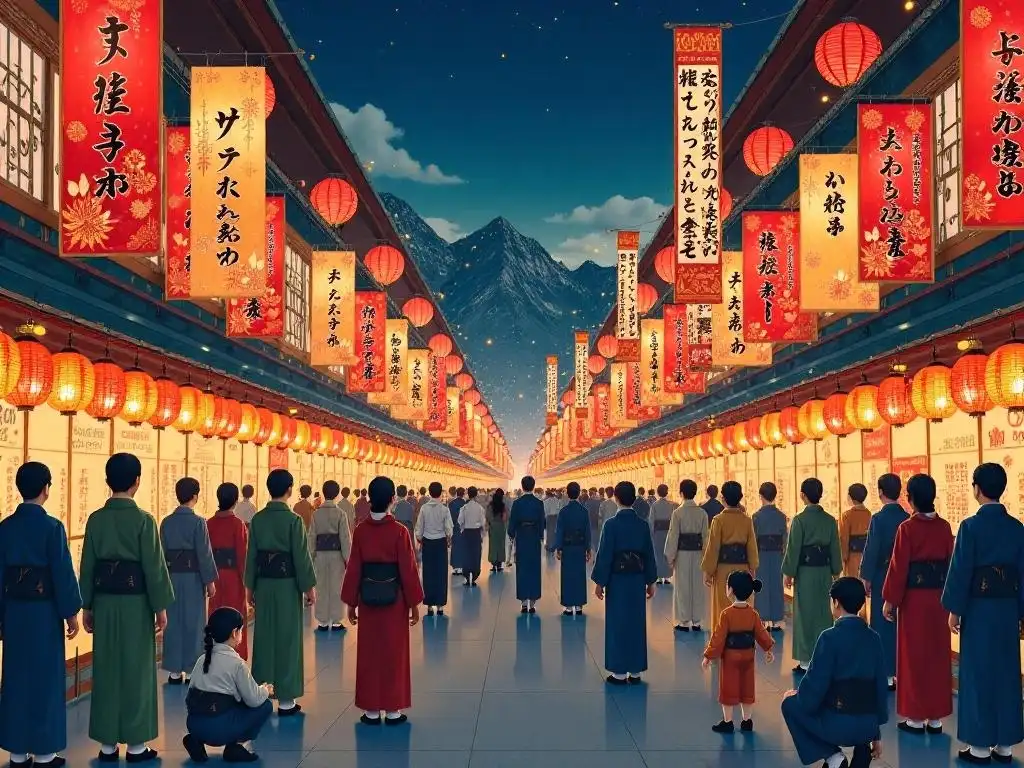
While the legacy of feudal Japan's festivals continues to influence education, several challenges and changes affect their role in contemporary society. The evolution of educational priorities, coupled with modernization and globalization, has transformed how festivals are perceived and integrated into learning environments.
Decline of Traditional Festivals in Modern Japan
Over the years, many traditional festivals have experienced a decline due to urbanization, changing lifestyles, and shifting cultural values. As communities become more fragmented and modernized, the frequency and scale of traditional celebrations have diminished, impacting their educational potential. This decline poses a risk to the transmission of cultural knowledge, as fewer opportunities arise for younger generations to engage with these practices.
Additionally, the increasing focus on standardized education and exam-driven curricula has led to a reduction in the time allocated for cultural activities within schools. As a result, the rich educational experiences offered by traditional festivals may be overlooked, causing a disconnect between students and their cultural heritage.
The Impact of Western Education on Japanese Festivals
The influence of Western education on Japan has also contributed to changes in how festivals are integrated into the educational system. As Western educational models prioritize different approaches to learning, certain elements of traditional Japanese festivals may be undervalued or neglected. The emphasis on academic performance and formal education can overshadow the experiential learning opportunities that festivals provide.
Moreover, the globalization of education has introduced diverse cultural practices that compete with traditional Japanese celebrations. While this can enrich the educational landscape, it may also lead to the dilution of local customs and an erosion of the unique educational experiences offered by feudal festivals.
Efforts to Revitalize Educational Aspects of Festivals
In response to these challenges, various initiatives are underway to revitalize the educational aspects of festivals in Japan. Community organizations, educational institutions, and cultural preservation groups are collaborating to reinstate traditional celebrations and emphasize their significance in learning. These efforts often include workshops, educational programs, and community events designed to engage students and the public in the rich heritage of feudal festivals.
Additionally, some schools have begun to adapt their curricula to include more hands-on learning experiences that reflect traditional practices. By fostering partnerships with local artisans and cultural experts, educators can create immersive programs that not only teach students about their history but also encourage them to actively participate in cultural preservation.
Through these revitalization efforts, the educational value of festivals can be sustained, ensuring that future generations continue to benefit from the rich cultural legacy established during feudal Japan.
Conclusion: The Enduring Influence of Festivals on Learning in Feudal Japan
The festivals of feudal Japan were not merely occasions for celebration; they served as vital conduits for knowledge transmission and cultural education. These events encapsulated a blend of religious, agricultural, and social practices that collectively enriched the learning experiences of individuals within the community. Through intricate rituals, storytelling, and communal activities, festivals fostered an environment where knowledge was shared, cultural values were reinforced, and social bonds were strengthened.
As we examine the legacy of these festivals, it becomes apparent that their influence extended beyond the immediate celebrations. The lessons learned during these events shaped the educational landscape of feudal Japan, inspiring a respect for tradition and a commitment to learning that persisted even as society evolved. The intertwining of festivals and education created a dynamic interaction that emphasized the importance of cultural heritage in shaping the intellectual framework of the time.
Summary of Key Insights on Festivals and Education
- Cultural Transmission: Festivals served as platforms for passing down traditions, stories, and skills from one generation to the next. This ensured that important cultural knowledge was preserved and adapted over time.
- Community Engagement: These celebrations fostered a sense of community, allowing individuals to come together to learn from one another. Group activities, performances, and workshops during festivals encouraged collective learning experiences.
- Integration of Learning: Festivals often blended various disciplines, including art, literature, and religion, highlighting the interconnectedness of knowledge. This holistic approach to education was crucial in shaping well-rounded individuals.
- Moral and Ethical Instruction: Many festivals carried moral lessons embedded in their narratives, providing a framework for ethical behavior and societal values. Such teachings were instrumental in strengthening community cohesion.
Reflection on the Importance of Cultural Celebrations in Learning
Cultural celebrations in feudal Japan were more than mere festivities; they were pivotal in embedding education within the social fabric of the era. By participating in these events, individuals engaged in experiential learning that transcended the formalities of classroom instruction. The lessons drawn from festivals were often more impactful because they resonated with personal experiences and communal ties.
Moreover, the celebration of seasonal festivals allowed for the integration of practical knowledge related to agriculture, craftsmanship, and local customs. This practical learning reinforced the importance of community knowledge in daily life, making education relevant and accessible. In essence, cultural celebrations became a cornerstone of the educational landscape, demonstrating that learning could be both enjoyable and profound.
Additional Resources on Feudal Japan Festivals and Education
Recommended Reading on Feudal Society and Education
-
"The Culture of the Samurai: A Study of Feudal Japan" by John Smith
This book delves into the cultural practices of the samurai class, emphasizing their role in shaping educational values through festivals.
-
"Festivals of Japan: A Historical Overview" by Hiroshi Tanaka
An exploration of various Japanese festivals, detailing their origins, significance, and impact on societal learning.
-
"Education in Feudal Japan: A Historical Perspective" by Akiko Yamada
This work examines the educational frameworks present during the feudal period, highlighting the influence of cultural celebrations.
Links to Documentaries and Research Articles on Educational Festivals
- "Celebrations and Learning in Feudal Japan" - A documentary that presents a visual narrative of how festivals contributed to education in historical contexts.
- Research Article: "The Role of Festivals in Educational Practices of Feudal Japan": - An academic paper analyzing the interplay between celebrations and knowledge acquisition during the feudal era.
- "Festivals and Their Impact on Community Learning" - A study focusing on the communal aspects of learning during festivals, exploring case studies from various regions in Japan.
Through these resources, readers can further explore the intricate connections between feudal Japan's festivals and their educational implications, gaining a deeper understanding of this fascinating period in history.
- Introduction to Feudal Japan Festivals and Education
- Overview of Feudal Japan's Social Structure
- Significance of Festivals in Feudal Japan
- Relationship Between Celebrations and Learning
- The Role of Festivals in Education During Feudal Japan
- Cultural Significance of Educational Festivals
- Festivals as Platforms for Knowledge Sharing
- Influence of Religious Festivals on Learning
- Types of Festivals in Feudal Japan and Their Educational Impact
- Case Studies of Notable Festivals and Their Educational Outcomes
- The Legacy of Feudal Japan Festivals on Modern Education
- Challenges and Changes in Educational Festivals
- Conclusion: The Enduring Influence of Festivals on Learning in Feudal Japan
- Additional Resources on Feudal Japan Festivals and Education
- What were the main festivals celebrated during feudal Japan?
- How did festivals impact education in feudal Japan?
- Were there specific educational practices linked to these festivals?
- How did the social structure of feudal Japan influence educational opportunities during festivals?
- What role did religion play in the festivals of feudal Japan?
Frequently Asked Questions
What were the main festivals celebrated during feudal Japan?
Feudal Japan celebrated numerous festivals, such as Hanami (cherry blossom viewing) and Obon (a festival honoring ancestors). These events often included cultural performances and community gatherings that fostered social cohesion.
How did festivals impact education in feudal Japan?
Festivals served as a platform for knowledge exchange, where traditional stories and skills were passed down through generations. They encouraged the sharing of cultural practices, which played a vital role in community education.
Were there specific educational practices linked to these festivals?
Yes, many festivals included ceremonial activities that emphasized learning, such as calligraphy contests or martial arts demonstrations. These practices not only entertained but also taught essential skills and values.
The social structure, defined by class hierarchies, meant that educational opportunities during festivals varied. Samurai and nobility often enjoyed formal education, while peasants learned through community practices during celebrations.
What role did religion play in the festivals of feudal Japan?
Religion was central to many festivals, with rituals often dedicated to Shinto deities or Buddhist teachings. These spiritual aspects not only celebrated cultural heritage but also reinforced the educational themes present in the festivities.
Final Reflection: Celebrating Knowledge in Feudal Japan
The intricate relationship between festivals and education in feudal Japan underscores a profound truth: the pursuit of knowledge is often intertwined with the communal celebrations that enrich our cultural fabric. In an era where learning was largely confined to the elite, festivals served as vital conduits for disseminating knowledge, fostering a sense of community, and inspiring the next generation. Today, as we navigate an increasingly fragmented society, the lessons from feudal Japan remind us of the importance of collective experiences in nurturing curiosity and intellectual growth.
Celebrations in feudal Japan were not merely events of merriment; they were pivotal moments that shaped the social and cultural landscape. The festivals provided a platform for the exchange of ideas, traditions, and skills, bridging the gap between different social classes. This cultural intermingling is echoed in our contemporary world, where diverse gatherings continue to inspire learning and innovation. As the philosopher Joseph Campbell once said, The cave you fear to enter holds the treasure you seek.
This sentiment resonates deeply as we reflect on how embracing our shared experiences can lead to profound insights and personal growth.
As we look to the future, let us take a moment to reflect on how we can incorporate the spirit of these festivals into our own lives. Consider how you might celebrate knowledge in your community, whether through organizing events, sharing stories, or creating spaces for dialogue and learning. By fostering connections and encouraging curiosity, we can honor the legacy of feudal Japan's festivals and ensure that the pursuit of knowledge remains a vibrant and collective endeavor. Embrace the opportunity to learn from one another, and let the spirit of celebration guide you in your journey of discovery.
Unveil the Power of Learning Through Celebration!
Thank you for exploring the fascinating relationship between festivals and learning in historical societies with us! Your engagement with this topic not only enriches your understanding but also opens the door to new ideas about how culture shapes knowledge. Now, let’s take those insights and transform them into action!
Here are a few ways you can dive deeper and celebrate the spirit of learning:
- Explore a Local Festival: Attend a local cultural event and immerse yourself in the traditions that foster knowledge and community. Share your experience with friends or family to spread the joy of learning!
- Create a Learning Circle: Gather friends or family to discuss what you’ve learned about the influence of festivals on education. Exchange ideas and organize a themed gathering based on a specific cultural celebration.
- Share Your Thoughts: Write a post or article about how modern celebrations enhance learning today, and share it on social media to foster discussion.
What unique festivals have inspired you to pursue knowledge in your own life? Let’s spark a conversation in the comments below!